
REVIEW · TOKYO TEMPLE TOURS
Tokyo’s Kitchen: Tsukiji Market Food & Culture Walk
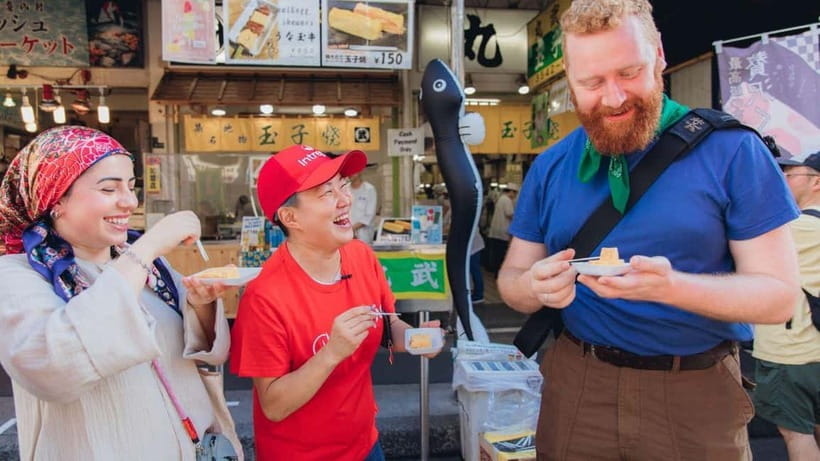
Tsukiji Outer Market is best understood with someone who knows the stalls, the customs, and the people behind the food. This three-hour morning walk takes you from Kabuki-za Theatre to sushi counters, snack stands, sweet shops, and small shrines, with tastings built into the route.
I like the tiny six-person group, which makes it easier to stay together in the crowded lanes and ask questions. I also like the way the tour connects food with Buddhist and Shinto customs, rather than treating Tsukiji as just a place to eat.
The main consideration is that this is a market tasting walk, not a behind-the-scenes tour of the wholesale fish trade. You may see food being prepared and learn how the market works, but the old Tsukiji tuna auction is now at Toyosu, and some of the lanes can feel repetitive after a while.
Key points at a glance
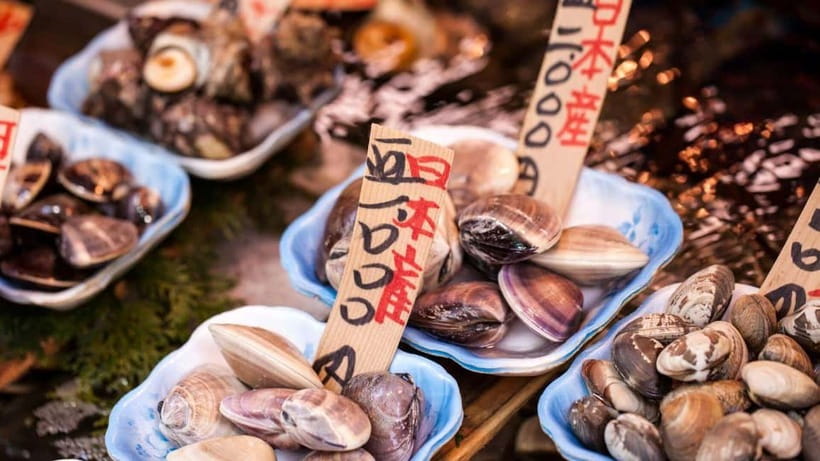
- A full morning of tastings: Expect sushi, sashimi, tamagoyaki, Japanese snacks, Wagashi sweets, tea, and possibly sake or other drinks.
- A six-person limit: The small group helps your guide keep everyone together and gives you room to ask questions.
- Food with cultural context: Learn how sushi developed and how Buddhist and Shinto customs shape market traditions.
- Personal vendor connections: Guides such as Oku and Mihori have friendly ties with stallholders, making introductions feel natural.
- A shrine visit included: Kabuki Inari Shrine and Namiyoke Inari Jinja add a quiet spiritual pause to the food walk.
- Come hungry, but not rushed: Tastings arrive in small portions, yet they add up quickly over three hours.
Why Tsukiji works best in the morning
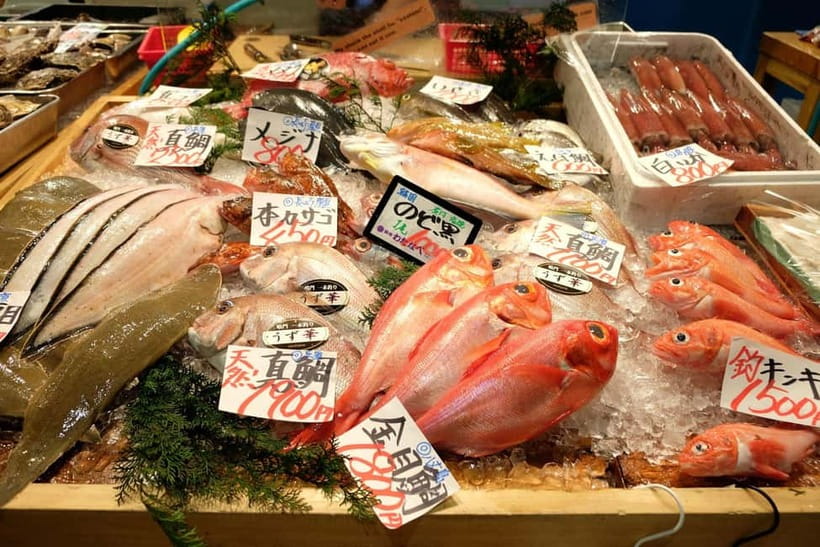
Tsukiji Outer Market is Tokyo’s kitchen in the most practical sense. Its narrow streets hold seafood counters, produce sellers, knife shops, tea merchants, sweets, small restaurants, and food stalls. You can walk through on your own, but it is easy to miss what you are looking at or buy the first attractive snack without knowing what makes it special.
This tour gives you a gentle introduction before the market becomes too difficult to manage. Your English-speaking guide translates, explains unfamiliar foods, and helps the group move through the lanes without losing anyone. That matters here because the market is active, compact, and full of tempting stops.
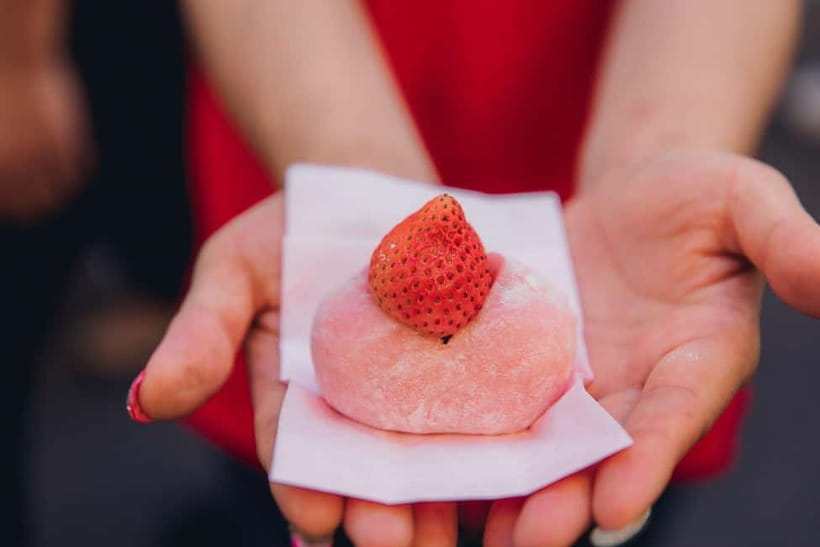
You should not eat a large breakfast first. The food comes in repeated small servings, and a morning can include sushi, sashimi, tamagoyaki, Kobe beef, strawberries, soybeans, matcha, dashi, mochi, green tea, and other samples. The exact mix changes, but the lesson is clear: arrive ready to taste.
The tour has received a 4.7 rating from 74 bookings, with particular praise for friendly guides, the amount of food, and the range of explanations. That rating is useful, but the individual guide can shape the experience. Past tours have been led by Mikki, Oku, Mihori, Shino, Yumi, Kyou, Shinto, Kimi, Meg, and others. Guides bring their own pace and personality, though the central format stays the same.
More Temple Walking Tours in Japan
- Tokyo: Asakusa Walking Tour with Sensoji Temple Visit
★ 4.8 · 1,583 reviews - Tokyo: Meiji Shrine Walking Tour — Shinto & Imperial System
★ 4.9 · 266 reviews - Tokyo: Meiji Jingu Shrine and Shinto Culture Walking Tour
★ 5.0 · 245 reviews
Meeting at Higashi-ginza and Kabuki Inari Shrine
The meeting point is Higashi-ginza Station, Exit 3, on the Tokyo Metro Hibiya Line and Toei Asakusa Line. At street level, go to the top of the escalator and look in front of the Kabukiza Theatre, on the Harumi Street side, near the small shrine and torii gate.
This is a useful meeting point because Kabukiza is easy to recognize, but give yourself enough time to find the correct station exit. Tokyo stations can have several street-level exits, and a few extra minutes will keep the morning calm.
The walk begins near Kabuki Inari Shrine. It is a small stop, not a grand temple complex, but that is part of its value. You start with a simple look at local ritual before moving toward the food stalls. Your guide can show you the basic gestures used when visiting a shrine and explain how people express respect.
Do not expect a long religious lecture. The point is to give you a practical cultural key. You learn how to behave at a shrine, why a torii matters, and how daily food culture and spiritual customs sit side by side in Japan.
Tsukiji Outer Market, one stall at a time
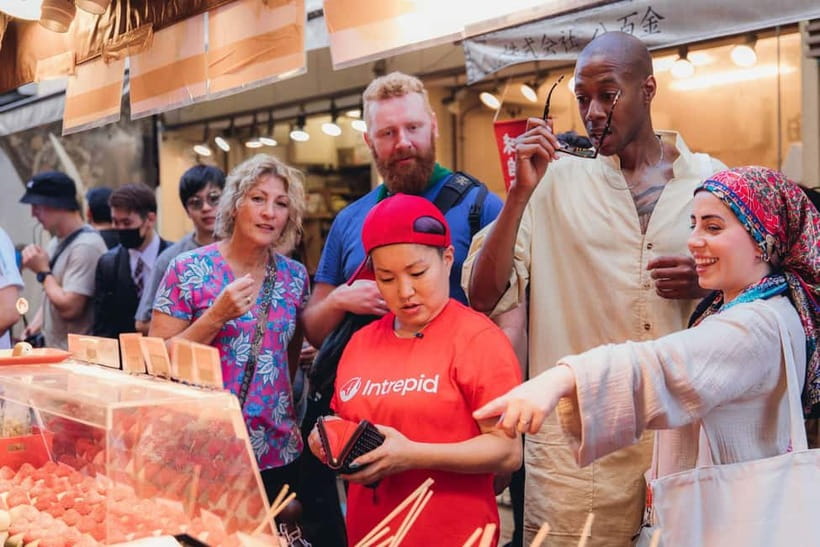
From Higashi-ginza, the group heads into Tsukiji Outer Market. The guide does more than point out famous foods. You move through stalls where seafood, produce, seasonings, tea, sweets, and prepared foods are sold, with explanations about how each item fits into Japanese meals.
The tastings are the heart of the morning. You may try freshly prepared sushi and sashimi, tamagoyaki, Japanese snacks, seasonal Wagashi, matcha, dashi, soybeans, fruit, or beef skewers. Some tours have included sake, tea, and unusual drinks such as pepper cola. Alcohol is served only to people aged 20 or older in Japan, with non-alcoholic alternatives for younger participants.
Tamagoyaki is a particularly good stop because it shows how a familiar Japanese food is made rather than presenting it as a finished bite. You might see the layered omelet being prepared and taste the difference between a market-made version and the idea of a plain egg dish.
The sushi portion gives the tour a satisfying finish, but sushi is not the only lesson. Your guide may explain tuna, dashi, wasabi, and the work that goes into small details. One guide has even had participants grind their own wasabi, turning an ordinary condiment into a hands-on part of the meal.
You will not simply stop at one restaurant and sit down for a fixed menu. The experience is spread across the market, so wear comfortable shoes and be prepared to stand and walk. There may be queues at popular food counters, and the narrow lanes can make stopping tricky. A small group helps, especially when the guide needs to keep everyone close.
What the guide adds to the food
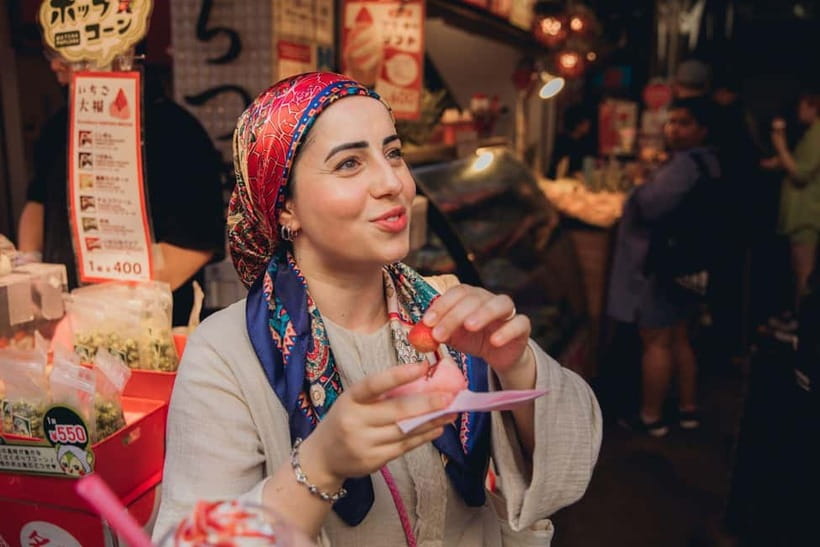
The strongest part of this experience is the interpretation. Without a guide, you can see sushi, tea, sweets, and fish. With a guide, you get the story behind the purchase, the preparation, and the custom.
Mikki has been praised for making a first morning in Tokyo feel organized and welcoming. Oku has used photos, maps, and models to explain Japanese culture, while also introducing his group to stallholders he knows. Mihori has been especially flexible with food preferences, and Shino has been praised for explaining the market while preparing a substantial sushi meal near the end.
Those details matter because a good market guide changes the mood. You are less likely to feel that you are blocking a shop entrance or ordering the wrong thing. You can ask about ingredients, preparation, and customs without trying to manage the entire exchange yourself.
The guide also explains the market’s changing role. Many people still call Tsukiji the fish market, but the wholesale tuna auction moved to Toyosu. Tsukiji Outer Market remains a food district with retail shops and restaurants, so you should book this tour for its street-level food culture, not for access to the former auction floor.
One participant wanted more behind-the-scenes access to the working market. That is a fair expectation to manage. You may see preparation and vendors at work, but the tour does not promise entry into restricted wholesale operations.
More Temple Walking Tours in Tokyo
- Tokyo: Meiji Shrine and Shinto Culture Walking Tour
★ 5.0 · 225 reviews - Tokyo: Meiji Shrine Walking Tour — Shintoism & Imperial System
★ 5.0 · 209 reviews - Tokyo: Asakusa Temple & Shrine Walking Tour with Local Guide
★ 5.0 · 105 reviews - Tokyo Asakusa & Senso-Ji Walking tour With A Guide
★ 4.5 · 40 reviews
Buddhist ideas, Shinto customs, and food
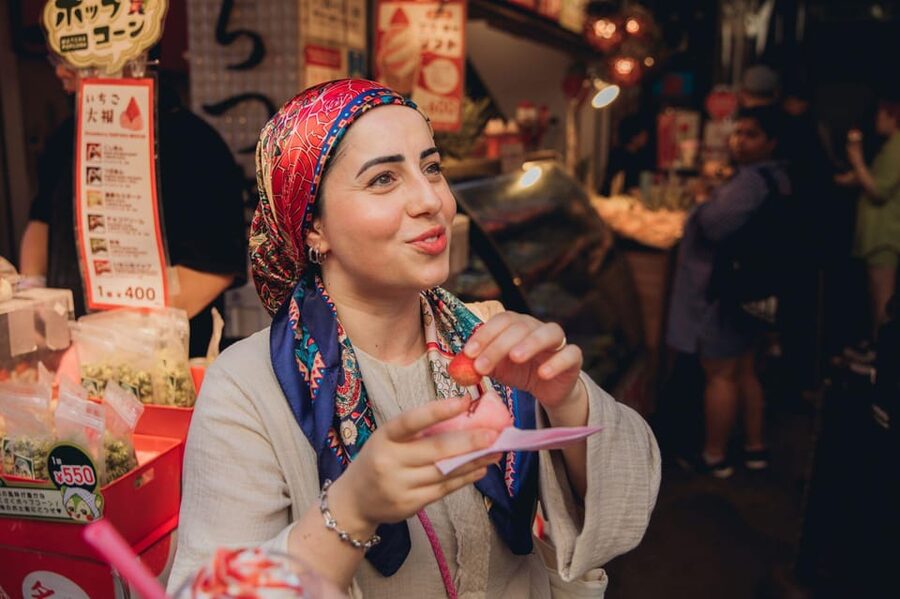
Food in Japan is not separate from ritual. The tour explains how Buddhist beliefs and Shinto ideas connect with ingredients, preparation, respect, and the market community.
You do not need prior knowledge of Japanese religion to follow the discussion. The guide keeps it practical, showing how gestures, offerings, shrine visits, and respect for food appear in everyday life. This gives more meaning to the tastings. A piece of sushi becomes part of a larger story about craft, seasonality, and care.
The connection is especially clear at the shrine stop. After the noise and movement of the market, Namiyoke Inari Jinja offers a quieter moment. You learn simple shrine customs and see how a place of worship remains tied to the working life of Tsukiji.
The shrine visit also keeps the tour from becoming a rolling meal. You have time to pause, look around, and connect what you have eaten with the customs that surround it.
Namiyoke Inari Jinja and the final tastings
Namiyoke Inari Jinja is the second shrine stop on the route and a good place to bring the morning’s themes together. Your guide explains the connection between the shrine, the market, and local traditions, then shows you the basic actions used when paying respect.
The tour finishes at Tsukiji Fish Market, with the final food stops nearby. Depending on the day and the guide, this may include sashimi, sushi, sake, tea, or more market snacks. The meal can feel generous even though the individual portions are small.
That format suits you if you want variety rather than one large plate. You can test foods you might not order alone, including unfamiliar textures or seasonings. It also makes the tour useful for families and mixed groups, since everyone can try a little and decide what they like.
Children aged five and under join free, but tell the operator when booking so the group can be planned properly. Vegetarian and vegan choices are available when possible, though the market’s focus on seafood means options may be limited. Send dietary details ahead of time rather than waiting until the meeting point.
Is $80 a fair price?
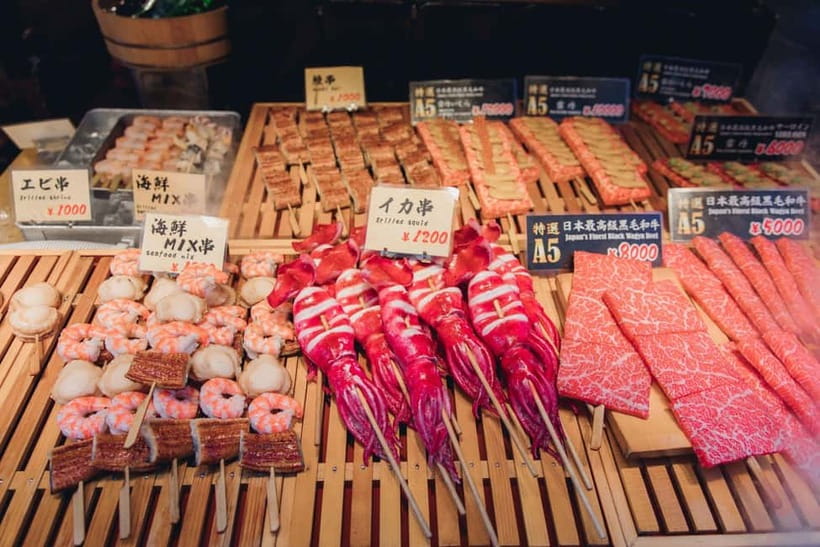
At $80 per person, this is not the cheapest way to eat around Tsukiji. You could buy individual snacks for less, wander at your own pace, and skip anything that does not appeal to you.
The value comes from the combination of food, translation, cultural explanation, and access to a small group. You are paying for several tastings, but also for someone to choose useful stops, explain what you are eating, and help you communicate with vendors. The personal connections of guides such as Oku can make the market feel more open and less confusing.
The price makes the most sense early in a Tokyo visit. You get a set of reference points for later meals, learn names for foods you may see elsewhere, and understand why Tsukiji matters. It is less useful if you already know Japanese food well and prefer to explore without a schedule.
Additional food and drinks are not included beyond the planned tastings. Bring some extra money if you expect to shop or want to buy another snack after the tour.
Weather, clothing, and the pace of the walk
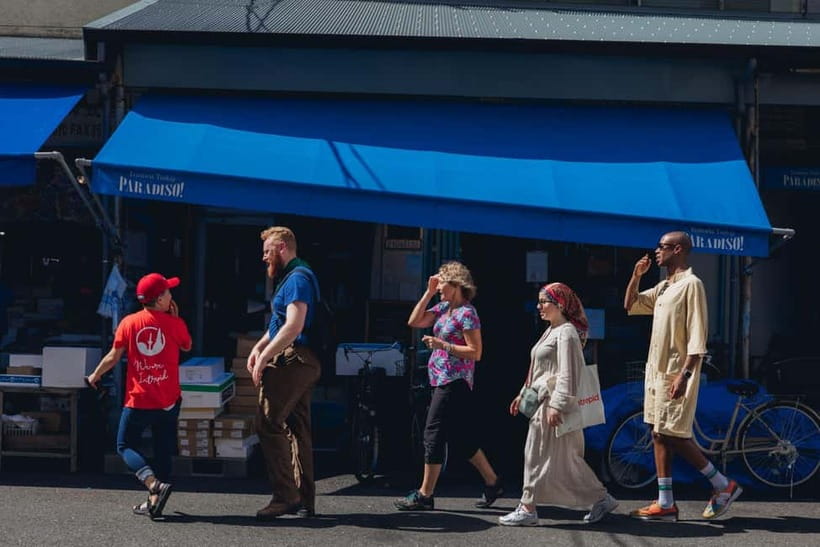
Tsukiji market floors can be wet, so closed-toe shoes are the sensible choice. Sneakers are ideal. Sandals or smooth-soled shoes will be less comfortable on wet surfaces and during a three-hour walk.
Rain can affect the experience. One participant found the tour difficult in rainy, windy conditions after arriving unprepared. Check the forecast and bring suitable rainwear, since the route includes outdoor market lanes and shrine visits.
The pace is generally manageable, but do not treat this as a seated food tour. You will walk, stand, wait briefly at some stalls, and eat along the way. The six-person limit helps the guide adjust the pace and answer questions, and groups have sometimes been smaller than six.
The tour is carbon neutral and operated by a certified B Corp. That will not change the food in your bowl, but it may matter if you prefer experiences that aim to support local people and reduce their environmental impact.
Who will enjoy this Tsukiji walk?
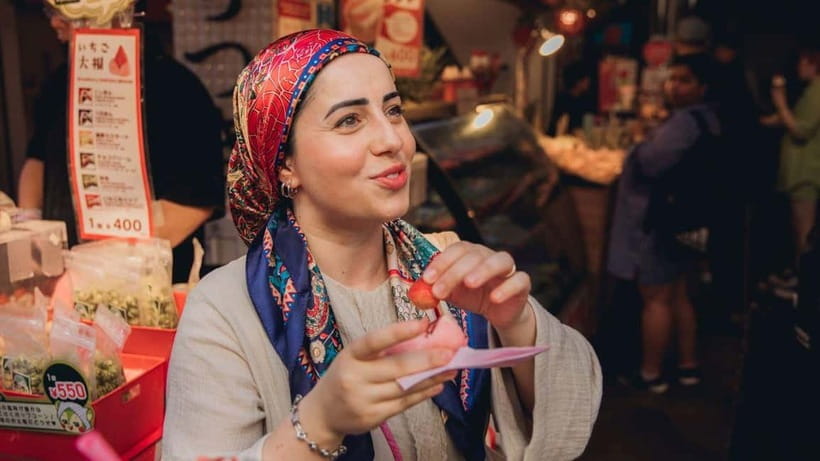
I would choose this tour for a first visit to Tokyo, especially if you want food guidance without committing to a formal restaurant meal. It also suits curious eaters who want to try several small portions and learn what they are tasting.
Families can benefit from the short tastings and shrine visit, though young children may need help staying close in crowded lanes. People who are nervous about raw fish can use the tour as a low-pressure introduction. Kyou, one of the guides, has even helped a participant who was uneasy around fish feel more comfortable.
You should think twice if you want a wholesale-market tour, a long cooking class, or a quiet sit-down breakfast. You should also look elsewhere if you dislike seafood, since it is central to the market and several tastings.
Should you book it?
Book this tour if you want Tsukiji explained rather than simply photographed. The strongest reasons are the small group, the number of tastings, the friendly vendor connections, and the shrine visits that tie food to Japanese customs.
Skip it if you already know Tsukiji well or want to choose every bite yourself. For most first-time visitors, $80 is reasonable when you value guidance, translation, and a well-planned introduction to one of Tokyo’s most important food districts. Arrive hungry, wear closed shoes, share dietary needs in advance, and leave room for the market to surprise you.
FAQ
Where does the Tsukiji food tour begin?
It begins at Higashi-ginza Station, Exit 3, on the Tokyo Metro Hibiya Line and Toei Asakusa Line. Meet at street level near the top of the escalator, in front of Kabukiza Theatre on the Harumi Street side, by the small shrine and torii gate.
Where does the tour finish?
The tour finishes at Tsukiji Fish Market.
How long does the experience last?
The walking and tasting experience lasts three hours. Starting times vary, so check availability when booking.
What language is the tour conducted in?
The tour is conducted in English with a live English-speaking guide.
How many people are in the group?
The group is limited to six participants. Some departures may have fewer people.
What food is included?
Planned tastings include fresh sushi, Japanese snacks, and seasonal Wagashi sweets. Depending on the route and guide, you may also taste sashimi, tamagoyaki, tea, sake, dashi, soybeans, fruit, beef, or other market foods.
Are extra food and drinks included?
No. Additional food and drinks beyond the included tastings are not included.
Are vegetarian and vegan options available?
Vegetarian and vegan options are available when possible, but choices may be limited because Tsukiji is strongly focused on seafood. Provide your dietary needs before the tour.
Can children join the tour?
Yes. Children aged five and under join free. Tell the operator about children under six when booking so arrangements can be made.
What should I wear?
Wear closed-toe shoes, such as sneakers, because market floors can be wet. Bring suitable rain protection if wet weather is expected.
Can I cancel the booking?
You can cancel up to 24 hours in advance for a full refund. The activity also offers reserve now and pay later booking.
More Food Tours in Tokyo
- Seoul: Palace, Temple and Market Guided Foodie Tour at Night
★ 4.9 · 750 reviews - Bangkok: Tuk Tuk Adventure Chinatown Michelin Food & Temples
★ 4.3 · 725 reviews - Old Delhi Food-Spice Market-Temples Tour Soon Featured on NETFLIX
★ 5.0 · 304 reviews - Seoul Night Palace & Market Food Tour with Vehicle
★ 5.0 · 275 reviews
More Food and Drink Tours in Tokyo
- Tokyo: Sensoji Temple & Street Food: Private Tour with guide
★ 4.6 · 8 reviews - Bangkok by Night: Temples, Markets and Food Tuk-Tuk Tour
★ 5.0 · 3,752 reviews - Bangkok: Markets, Temples and Food Night Tour by Tuk Tuk
★ 4.9 · 2,371 reviews - 1-Day Snow Monkeys, Zenko-ji Temple & Sake in Nagano
★ 5.0 · 1,020 reviews
Just added around Tokyo
- Tokyo:Nikko UNESCO World Heritage Sites Private 1-Day Tour★ 3.8 · 6 reviews
- Tokyo War History Tour: Yasukuni Shrine & War Museum★ 4.5 · 6 reviews
- Tokyo: Snow Monkey Park and Zenkoji Temple Private Day Tour★ 4.7 · 127 reviews
- Tokyo: Sensoji Temple & Street Food: Private Tour with guide★ 4.6 · 8 reviews
- Tokyo: Shibuya Sky, Harajuku & Meiji Shrine Highlights Tour★ 4.5 · 9 reviews
- Tokyo: Nikko Private Sightseeing Day Trip with Driver★ 5.0 · 10 reviews
- Tokyo → Nikko:Private Customizable Day Trip (English Driver)★ 4.9 · 26 reviews
- Tokyo: Private Nikko Sightseeing Tour In Luxury Land Cruiser★ 4.1 · 8 reviews
Tokyo Temple Tours, compared.
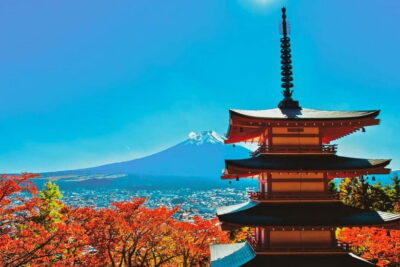
Mt.Fuji,Kawaguchiko Oishi Park,Arakurayama Sengen Park
Read our review →
Asakusa Walking Tour with Sensoji Temple Visit
Read our review →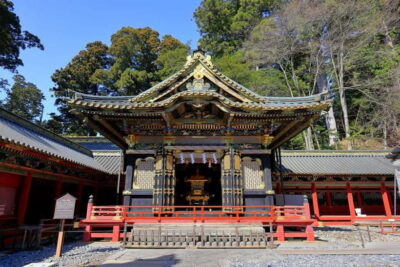
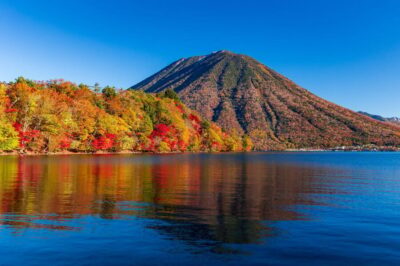
Nikko Toshogu Shrine and Kegon Waterfall Tour
Read our review →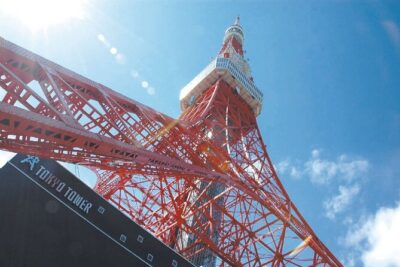
Tokyo Panoramic 1 Day: Meiji Shrine, Asakusa, Odaiba and SKYTREE®
Read our review →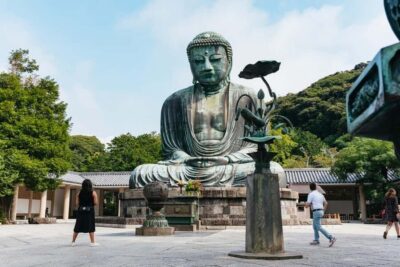
Mt. Fuji, Kamakura, Big Buddha, & Lake Ashi Day Trip
Read our review →
Mt. Fuji Heritage Tour: Traditional Villages, Lakes & Shrine
Read our review →Browse the lists this tour appears in