
REVIEW · LUNCH EXPERIENCES
Kyoto: Zen Meditation and Garden Tour at a Temple with Lunch
Kyoto has plenty of famous temples, but this four-and-a-half-hour experience gives you something many sightseeing visits do not: time to sit still. You begin with a Zen garden, then learn posture and breathing for a one-hour zazen session at a smaller temple connected with Tofukuji.
I like the small group, capped at seven, and the steady guidance from English-speaking guides such as Yutaka, Louis, Eri, and Tammy. I also like the mix of culture and food: you visit major temple buildings, speak with a monk through the guide, and finish with a traditional Buddhist lunch. The main caution is that meditation may take place in a room with many other participants, and the monk may not speak English directly.
Key points to know before booking
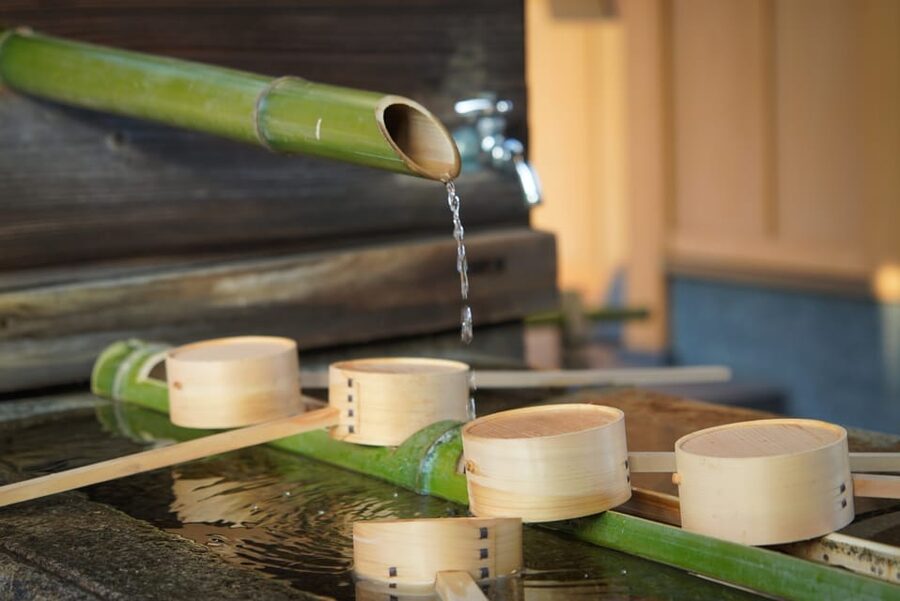
- A one-hour zazen session: Learn sitting posture, breathing, and the basic ideas behind Zen meditation in a quiet temple setting.
- Three temple stops: See Kōmyō-in, Tofukuji, and Shōrin-ji, including gardens, historic buildings, and Buddhist details.
- A small group with personal guidance: The group limit is seven, though the meditation room itself may be larger.
- A traditional Buddhist lunch: Shojin Ryori focuses on vegetables, mushrooms, and seaweed, but the meal may include fish-based dashi and some dairy.
- A calm, informed guide: Guides such as Yutaka explain Buddhism, symbols, Japanese culture, and the meditation process in clear English.
- Strict timing matters: Meet outside Tofukuji Station Exit 2, beside Family Mart, and arrive early because late arrivals cannot join or receive a refund.
Why this Kyoto Zen experience feels different
Many Kyoto temple visits are quick affairs. You remove your shoes, glance at a garden, take a few photos, and move on with the crowd. This experience slows the pace. The garden is not merely a backdrop, and meditation is not treated as a five-minute photo opportunity.
The structure makes sense. Your guide first gives you a way to look at a Zen garden, then explains the Buddhist ideas behind the setting. After that, you enter a temple, learn about the buildings, and sit for a full hour. The lunch gives you time to talk through what you have seen.
That progression is the best reason to book. You are not expected to arrive with a background in Buddhism or meditation. The guide introduces basic terms and customs, then helps you understand what you are doing before the formal session begins.
The experience also has a useful human touch. Guides have helped with questions about Buddhism, translated questions for the monk, taken photographs, and offered suggestions for the rest of a Kyoto visit. Yutaka is especially praised for his calm manner, humor, and clear explanations, though the guide assigned to your date may be someone else.
More Trips with Lunch in Japan:
- Osaka/Kyoto: Arashiyama, Nara & Fushimi Inari Shrine w/Lunch
★ 4.4 · 754 reviews - Kyoto Zen Meditation & Garden Tour at a Zen Temple with Lunch
★ 5.0 · 441 reviews - Tokyo: 1 Day Bus Tour with Meiji-Jingu,Odaiba,lunch&Skytree
★ 4.6 · 156 reviews
Kōmyō-in Temple and the first look at Zen gardens
The tour starts at Tofukuji Station and walks to Kōmyō-in Temple, where you spend about 40 minutes. This is an important opening stop because the guide asks you to think about what Zen means before you sit in meditation.
Zen can sound simple in English, but it is not a single idea that can be neatly translated. The garden gives your guide a practical way to explain how space, rocks, gravel, plants, and silence can shape attention. You will receive basic advice on how to look rather than simply being told that the garden is peaceful.
That commentary adds value to a garden visit. Without context, you may admire the patterns and take pictures but miss the reason for the arrangement. With a guide, you can ask about Buddhist concepts, religious symbols, and the difference between a scenic garden and a place intended for contemplation.
You should not expect a long independent garden visit. Forty minutes passes quickly, especially if your group has questions. Still, this is a useful length for an introduction, and it prevents the day from becoming a long lecture before the meditation begins.
Tofukuji’s gates, art, and unusual temple details
Next comes Tofukuji Temple, one of Kyoto’s five major Zen temples. The stop is listed at about 10 minutes, so think of it as a focused look rather than a full temple tour.
The temple complex has served as a home and training place for monks since the 13th century. Your guide points out the large San-mon gate, dragon paintings on a ceiling, and the oldest surviving toji, or temple toilet. The last detail may sound odd, but it helps show that temple life involved ordinary routines as well as formal rituals and grand architecture.
The short visit works as a bridge between the garden and meditation. You get a sense of Tofukuji’s scale and importance, then leave the larger complex for a smaller temple where zazen is the main purpose.
If you want a thorough independent visit to every part of Tofukuji, this tour will not provide enough time. You may want to return later on your own, especially if you are interested in temple architecture or seasonal scenery.
Shōrin-ji and the one-hour zazen session
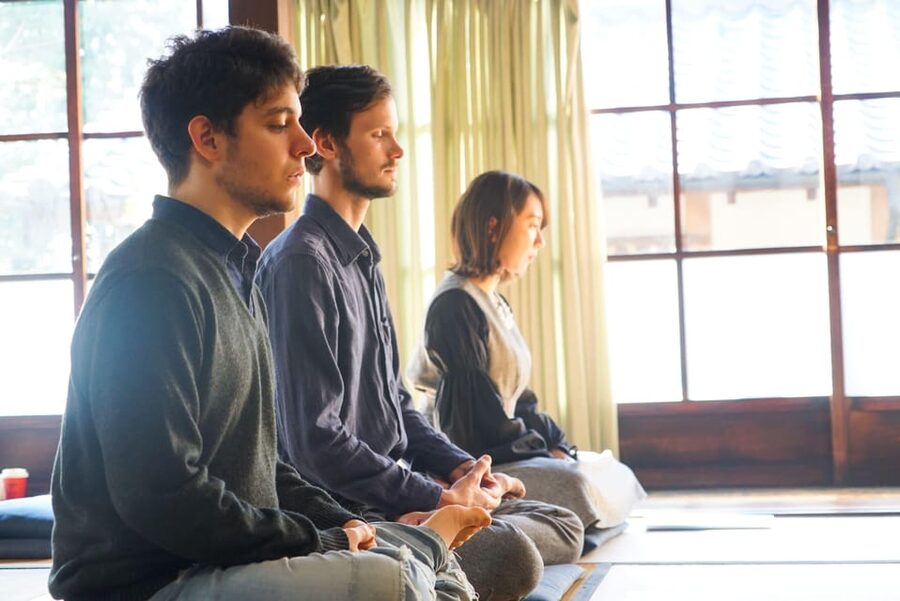
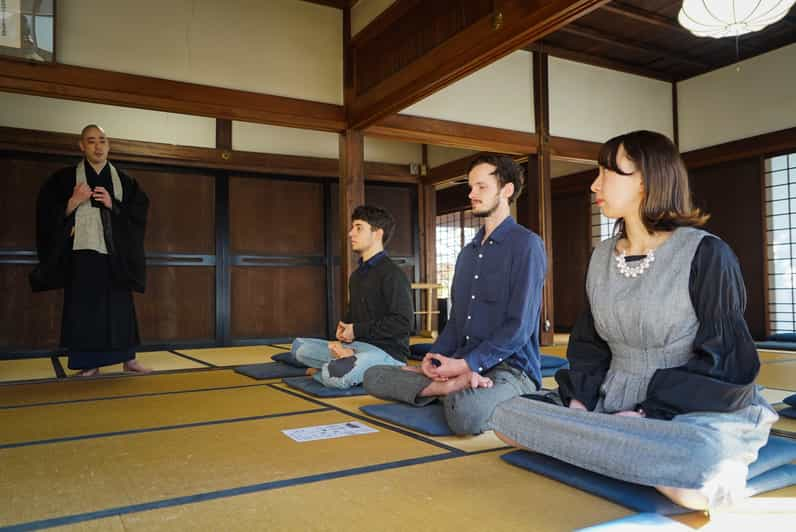
The central part of the day takes place at Shōrin-ji, also called Bishamon-dō Temple. The visit lasts about 70 minutes and includes the zazen session, making it the point where the earlier explanations become a real activity.
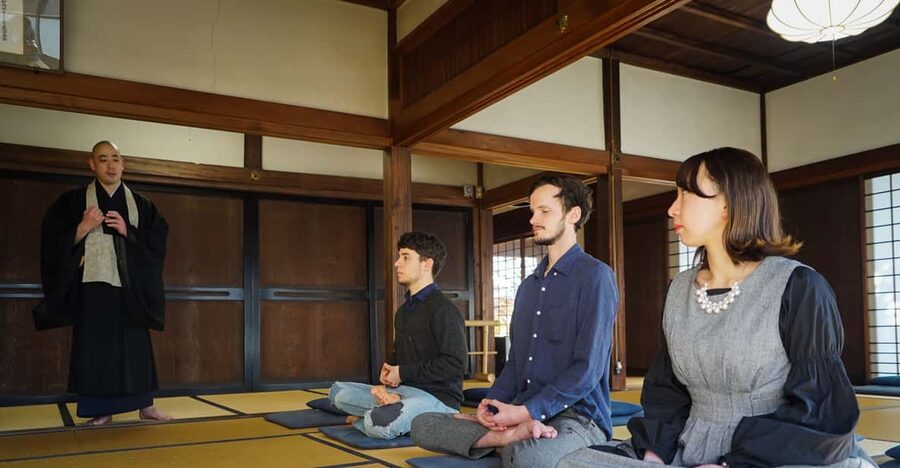
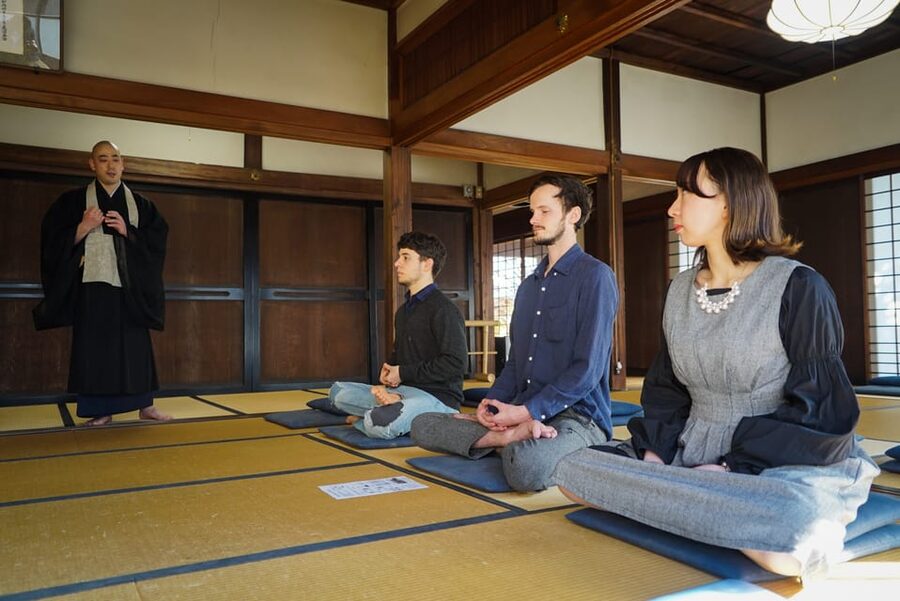
Your guide explains how to sit, how to hold your posture, how to breathe, and what ideas to keep in mind. The session lasts one hour, which is long enough to show you that Zen meditation involves more than closing your eyes and trying to relax.
Silence is part of the arrangement. During zazen, the guide does not speak, and private conversation is generally not allowed. You receive reading material that you can use quietly during the tour. This is respectful to the other people in the room, but it also means you should not expect a constant stream of English instruction once meditation starts.
The setting can be very rewarding. You are sitting inside a functioning Buddhist temple, surrounded by the quiet and formality of the place. Several people describe this as one of the most meaningful parts of their Kyoto visit, particularly the chance to meditate with a monk and then discuss the experience afterward.
There is one point to keep clear. The meditation room may not be limited to your group of seven. One participant found the session took place in a large L-shaped room with about 30 other people, which made the experience feel less personal. Your tour group is small, but the zazen setting itself may be shared.
The monk may not speak English. Your guide can explain instructions and translate questions afterward, but you may spend part of the session reading the supplied material rather than listening to direct English commentary. If you prefer a private meditation lesson or a small room with only your tour group, this may not match your expectations.
Still, the larger setting has a benefit. You may sit with local practitioners and other people taking part in the temple’s meditation program. That gives the session a more genuine feel than a staged activity designed only for international visitors.
A few more temple visits around Japan worth a look
- Kyoto: Tea Ceremony Ju-An at Jotokuji Temple
★ 4.9 · 3,207 reviews - Tokyo: Asakusa Walking Tour with Sensoji Temple Visit
★ 4.8 · 1,583 reviews - Nikko: Kegon Falls, Lake Chuzenji & Toshogu Temple
★ 4.6 · 1,577 reviews - Tokyo: Kamakura & Enoshima Day Trip including Temple Tickets
★ 4.5 · 1,375 reviews
Talking with the monk after meditation
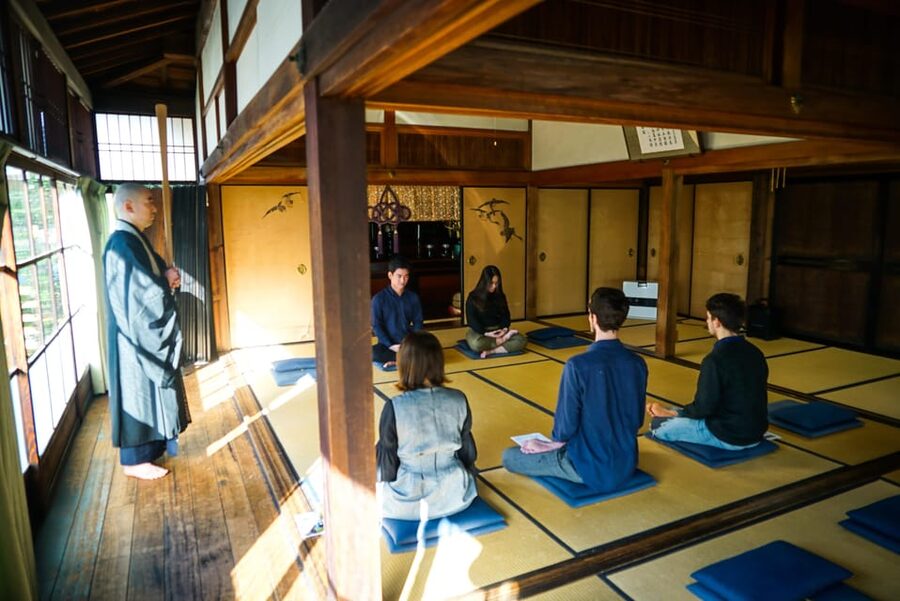
After zazen, the group has a short discussion with the monk. This is where your questions can be addressed, usually with help from the guide if translation is needed.
I value this part because meditation can feel abstract when it is presented only through history and vocabulary. A chance to ask about the posture, the silence, or your own reaction gives the experience a personal edge.
Do not expect a long private interview. The schedule includes several locations and lunch, so the conversation is brief. Come prepared with one or two questions if there is something you want to understand. Questions about Buddhist ideas, the purpose of zazen, or the temple routine are likely to be more useful than trying to cover every branch of Zen in one sitting.
The guide remains important here. Some guides, including Yutaka, have translated questions and helped visitors speak with the monk. That makes a real difference when the monk does not speak English.
Shojin Ryori lunch near the temple
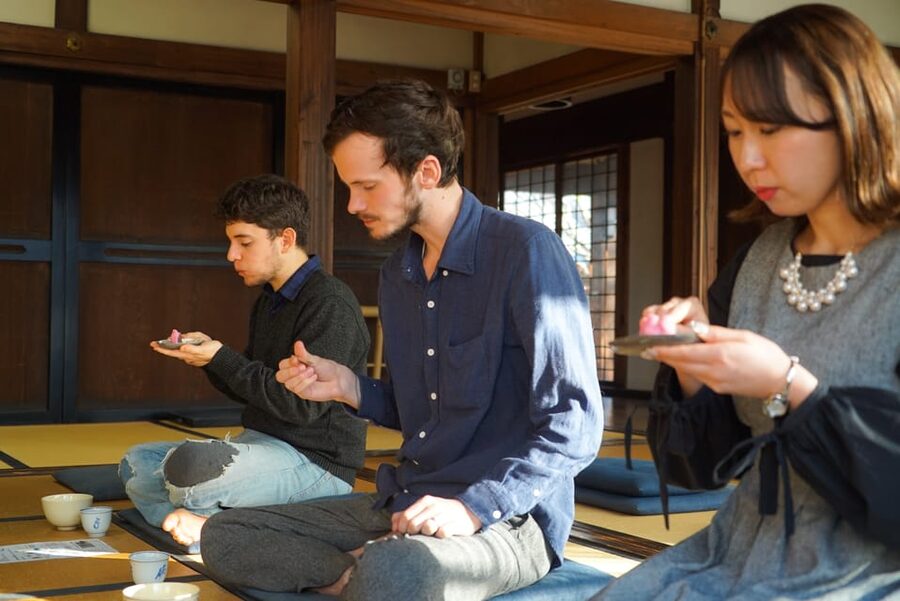
After the temple visit, you take a short walk to a local restaurant for lunch. The meal is Shojin Ryori, a Buddhist cooking tradition associated with Japanese monks since the 13th century.
The food centers on vegetables, mushrooms, and seaweed. You can expect several small dishes rather than one large plate, giving you a chance to notice different textures and flavors. The meal is a good finish because it connects temple practice with daily life. Buddhist customs are not only found in architecture and meditation; they also appear at the table.
The lunch has been praised for offering more variety and flavor than some people expect from a meat-free meal. It is also a pleasant time to talk with the guide and group after the quiet session.
Pay attention to the dietary details. The meal is described as vegetarian, but it may include dashi made with fish, and some dairy may be present. People who avoid fish completely should ask for clarification before booking. The activity is not suitable for people with gluten intolerance, and the supplied information does not promise a gluten-free meal.
The schedule can affect your appetite. For tours starting at 10:45, lunch is planned for about 14:15, after meditation. Eat a proper breakfast or early snack, since the meal will not come early in the day.
What the four-and-a-half-hour schedule means
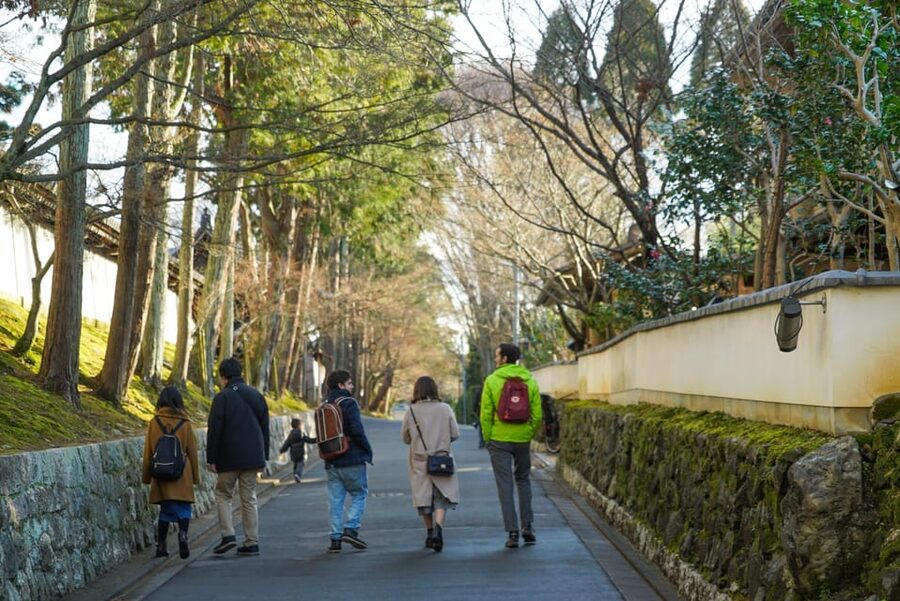
The full experience lasts 270 minutes. The listed stops add up to about 165 minutes, with the rest used for walking, explanations, temple transitions, discussion, and lunch. This is not a rushed bus tour, but it is also not a full-day retreat.
The walking pace is described in the feedback as relaxed, with routes through Kyoto’s historic temple area. You should still wear comfortable shoes because the day involves station-to-temple walking and moving between sites. Temple floors can be cold in winter, so thick socks are a smart choice.
Summer in Kyoto is hot and humid. Bring water and wear a hat, especially because parts of the experience take place outdoors between temples. The quiet nature of the tour does not remove the need for basic heat protection.
The meeting point deserves care. It is outside Tofukuji Station Exit 2, next to Family Mart. From Kyoto Station, use the JR line, including rapid or local trains. From Shijyo Keihan, use the Keihan line, but do not take an express train. A taxi can cause confusion if the driver takes you to Tofukuji Temple instead of Tofukuji Station, so use the station name and check the exact meeting point.
Arrive early. The group leaves on time, and late arrivals cannot join, reschedule, or receive a refund.
Is the $107 price good value?
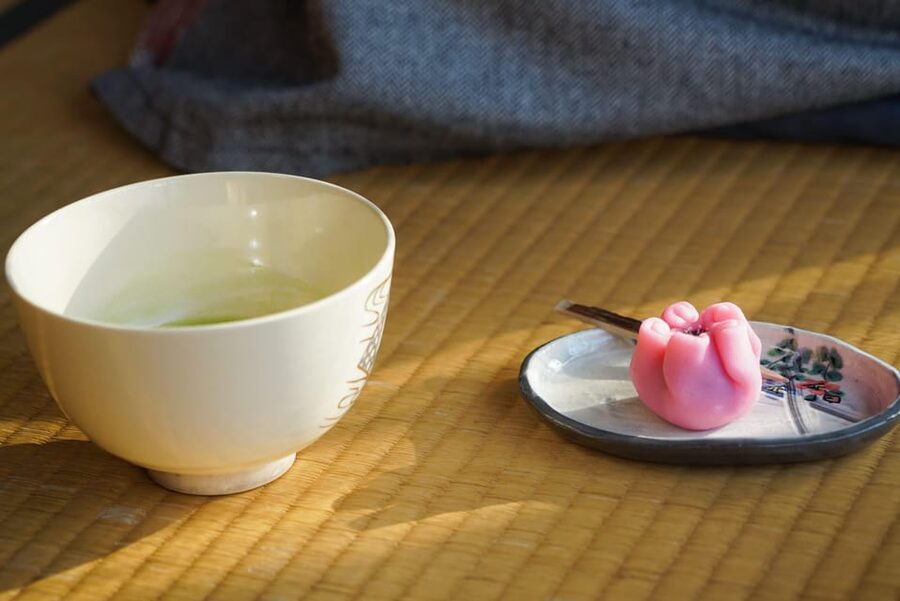
At $107 per person, the price is not cheap for a half-day activity, but it covers more than a basic temple entrance. It includes the English-speaking guide, temple and garden admission, a one-hour meditation experience, lunch, and photographs taken during the tour.
The best value comes from interpretation. You could visit the temple district on your own for less, but you would not automatically receive the same explanation of Zen gardens, guided meditation instruction, translation help, or a traditional meal arranged as part of the experience.
The small group also matters. A limit of seven allows the guide to answer questions and keep the walking portion personal. Just remember that the meditation room may hold many more people, so do not pay this price expecting a fully private zazen session.
I would consider the price fair for visitors who want cultural context and a carefully planned introduction to Zen. It is less attractive if you only want a quiet garden visit, a private meditation lesson, or a standard vegetarian lunch.
Free cancellation is available up to 24 hours before the start time, and date or time changes are allowed up to that point if space exists. Reserve-and-pay-later booking may help if your Kyoto schedule is still shifting.
Who should book this experience?
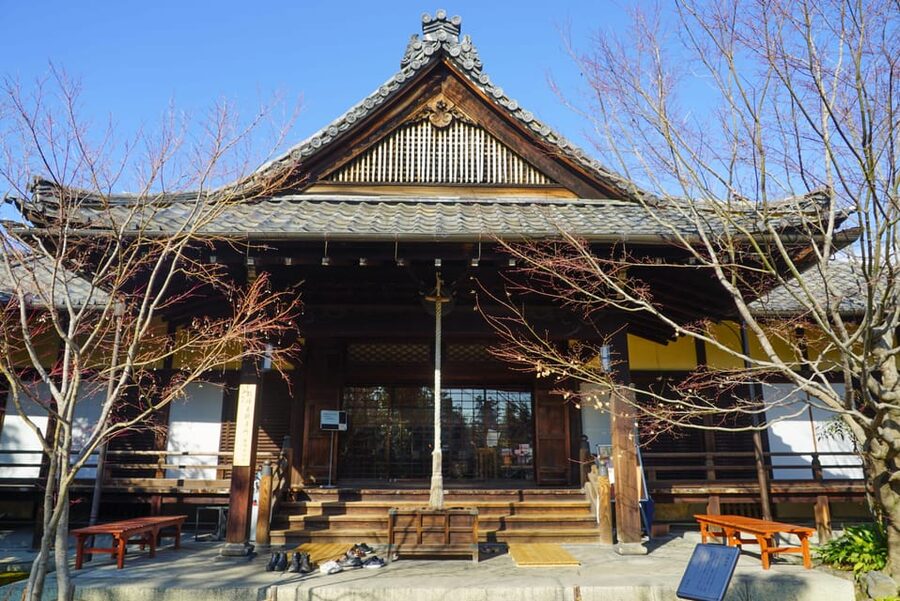
This tour suits adults and older teenagers who are curious about Buddhism but do not know where to begin. You do not need meditation experience. The guide explains the basics, and the session is structured for first-time participants as well as people who already practice.
It is also a good choice if you want a quieter cultural activity between Kyoto’s more crowded sights. The smaller temples and slower pace provide a change from rushing through major attractions.
People with an established meditation practice may still enjoy it, particularly because the setting and monk-led session offer something different from meditating alone. One participant with seven years of personal practice found the temple session gave the practice a new depth.
I would hesitate if you dislike sitting silently for an hour, need a private setting, cannot eat fish-based dashi or gluten, or want a detailed tour of every room at Tofukuji. Children under 12 cannot join.
Should you book the Kyoto Zen meditation and garden tour?
Book it if you want more than temple photographs. The strongest parts are the careful introduction to Zen gardens, the full hour of zazen, the chance to speak with a monk, and the Shojin Ryori lunch. Guides such as Yutaka have made the experience especially useful by explaining Buddhism in plain English, translating questions, and helping the day feel relaxed rather than formal.
Go in with realistic expectations. This is a small-group tour, not a private retreat. The meditation room may be crowded, the monk may not speak English, and the lunch may contain fish-based broth. If those points suit you, $107 buys a thoughtful half-day look at Kyoto religious life, with enough structure to help you understand what you are seeing.
FAQ
Where does the tour meet?
Meet outside Tofukuji Station Exit 2, next to the Family Mart. From Kyoto Station, use the JR line. From Shijyo Keihan, use the Keihan line, but do not use an express train.
How long does the experience last?
The tour lasts 270 minutes, or four and a half hours. Starting times vary, so check availability when booking.
Is the meditation session suitable for beginners?
Yes. The guide explains zazen posture, breathing, methods, and basic ideas before the one-hour session. No previous meditation experience is required in the supplied tour information.
Is the group private?
No. The tour is limited to seven participants, but the meditation room may include other people. One reported session took place with about 30 other participants in a large room.
What kind of lunch is included?
The meal is Shojin Ryori, a traditional Buddhist meal based on vegetables, mushrooms, and seaweed. Fish-based dashi and some dairy may be included, and the activity is not suitable for people with gluten intolerance.
Can children join the tour?
Children under 12 cannot join. The tour is intended for participants aged 12 and older.
Just added around Japan
- From Asakusa: Old Tokyo, Temples, Gardens and Pop Culture★ 5.0 · 47 reviews
- Private guided tour: Mt. Aso volcano, grasslands, Aso Shrine★ 5.0 · 19 reviews
- Goshuin Collecting tour at Asakusa Local Temples & Shrines, Tokyo★ 5.0 · 8 reviews
- Tokyo:Nikko UNESCO World Heritage Sites Private 1-Day Tour★ 3.8 · 6 reviews
- Tokyo Yokohama Night View Tour With Kamakura And Enoshima★ 3.5 · 14 reviews
- Tokyo to Nikko: Exclusive Private Day Trip★ 4.8 · 6 reviews
- Tokyo: Snow Monkey Park and Zenkoji Temple Private Day Tour★ 4.7 · 127 reviews
- Tokyo War History Tour: Yasukuni Shrine & War Museum★ 4.5 · 6 reviews
Lunch Experiences, compared.
Teotihuacan, Guadalupe Shrine & Tlatelolco Day Tour with Lunch
Read our review →

Meteora Monasteries Day Trip with Caves and Lunch
Read our review →
Gobustan, Mud Volcano, Fire Mount, Temple Lunch Entry
Read our review →
Angkor Wat Sunset Small Group Tour with Lunch Included
Read our review →
White, Red/Black & Blue Temples Tour with Lunch
Read our review →
Meteora Monasteries, Caves & Coastal Stopovers with Lunch
Read our review →
The Old Siam: Ayutthaya Temples Small Group Tour with Lunch
Read our review →Browse the lists this tour appears in