
REVIEW · WORKSHOPS
Kanazawa: Samurai Swordsmanship Lesson at a rented temple
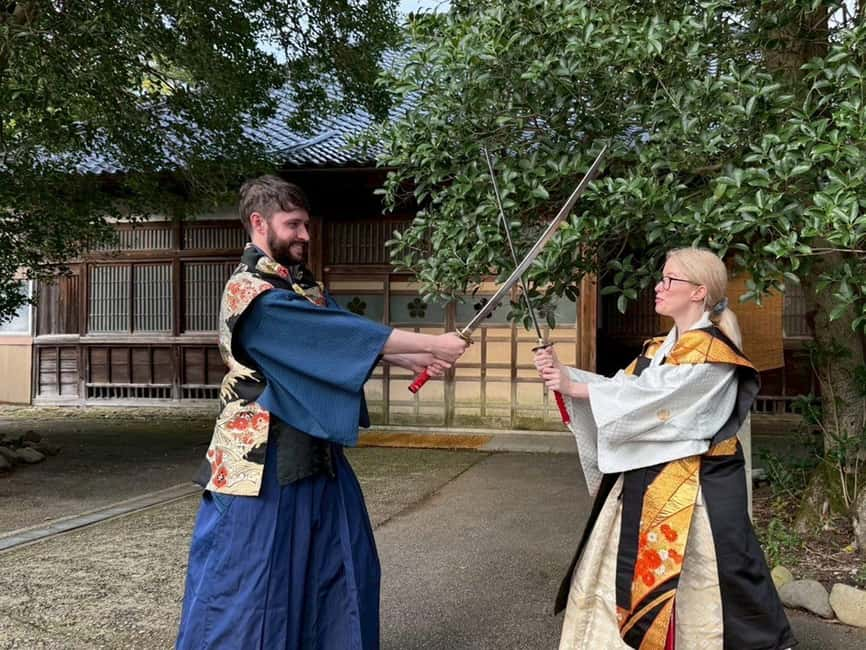
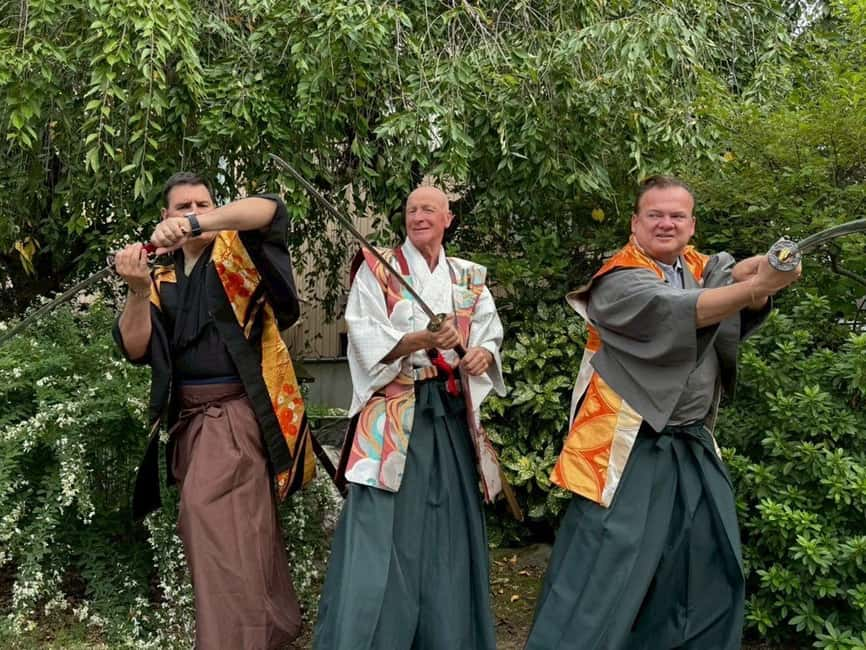
Kanazawa’s old temples make a far better training room than a hotel ballroom. In this private one-hour session, you change into a samurai kimono, learn basic sword movements from Shin, and practice in a rented temple with a small group of at least two people. It feels more personal than a large stage show.
I like the mix of hands-on training and local context. Shin explains the samurai and the temple, while his assistant takes plenty of photos and video for you. The setting is another strong point: you are not simply dressing up in a studio, but training inside an old religious building in a town shaped by 400 years of samurai culture.
The main consideration is communication. The lesson is offered in Japanese and English, but the English is described as clumsy and supported by an instructional script. An interpretation service is available for an extra fee, so ask about that if clear historical detail matters to you.
Key points at a glance
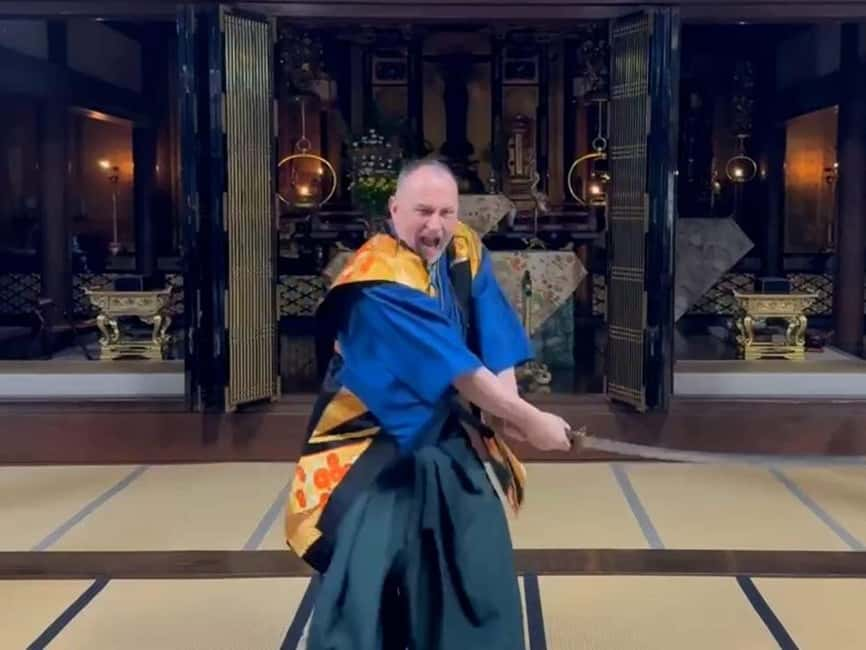
- Private temple setting: Your lesson takes place at a rented temple reached after meeting near FamilyMart Kanazawa Saiwai-cho.
- Shin leads the session: Expect a friendly instructor who teaches sword handling, movements, and samurai culture.
- Traditional clothing included: You change into a samurai kimono before the lesson begins.
- A compact one-hour format: Allow 10 minutes for dressing, 10 for explanation, 30 for practice, and 10 for photos.
- Photos and video are included: Images and training footage are sent to you later by email.
- Best for ages 12 and up: The minimum booking is two people, and children under 12 cannot take part.
Why a Kanazawa temple makes this lesson special
Kanazawa is one of Japan’s best places to connect a modern visit with samurai-era culture. The city has a 400-year samurai past, and that gives this activity more weight than a generic sword demonstration held in a tourist district.
The temple setting helps, too. You meet at the parking lot of the FamilyMart Kanazawa Saiwai-cho store, where staff wait with a sign showing your name. From there, you walk or drive to a nearby temple. The meeting point is practical, but it is not the attraction itself, so arrive ready for a short transfer rather than expecting to begin training at the convenience store.
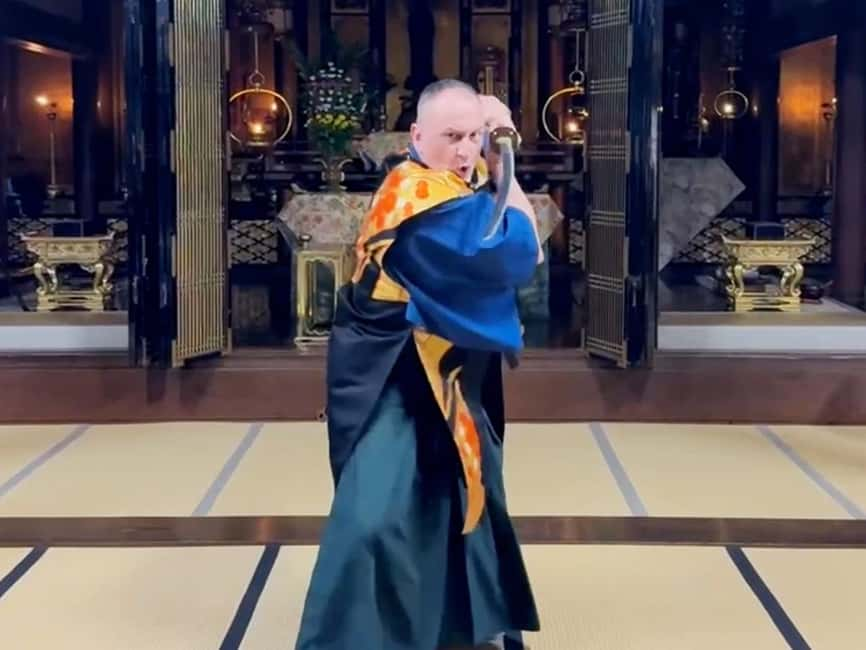
Once inside, the old temple provides a quiet backdrop for the lesson. You are not given a full historical tour of Kanazawa, and this is not a museum visit. Still, learning sword movements in a traditional building gives the hour a sense of place that a rented urban room would lack.
The private format is important. You book a private group rather than joining a large class, so the instructor can focus on your posture and movements. It also lets families or couples share the experience without strangers watching every attempt. That makes a difference when you are trying something unfamiliar and want room to laugh at your first awkward swing.
More Workshops in Japan:
- Kyoto: Calligraphy class at Buddhist temple in city center
★ 5.0 · 167 reviews - Kyoto Home Cooking Class &Supermarket tour near Fushimiinari
★ 5.0 · 31 reviews - Osaka: Temple Tour and Traditional Calligraphy Lesson
★ 4.9 · 24 reviews
Changing into the samurai kimono
The first 10 minutes are set aside for changing into the traditional samurai kimono. The clothing is included in the $80 price, so you do not need to arrange a separate costume rental.
Wear comfortable clothes underneath. You will be changing before the lesson, and comfortable clothing should make the process easier. The supplied information does not specify the exact style of kimono, footwear, or changing-room arrangements, so ask the provider if you have concerns about fit or mobility.
The outfit is more than a photo prop. It changes how the session feels and gives you a visual connection to the role you are learning about. It also makes the final pictures much more memorable than ordinary snapshots of a sword class.
The lesson is not designed as a formal costume ceremony, and you should not expect a long dressing presentation. Ten minutes is a short window. The focus is on getting ready and moving into the training rather than spending half the booking on wardrobe details.
Shin’s introduction to swordsmanship and samurai culture
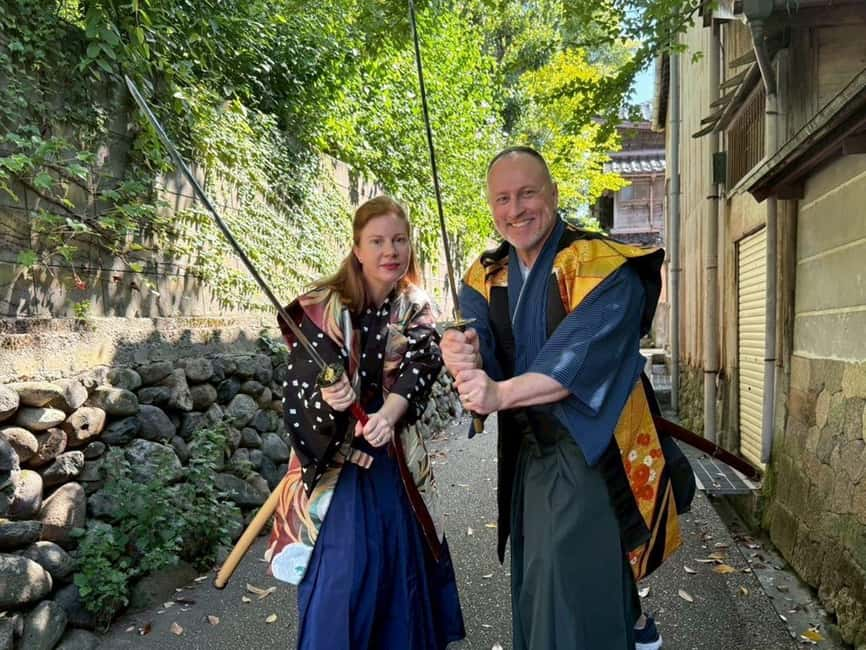
After changing, you spend about 10 minutes hearing an explanation of the swordsmanship lesson. Shin introduces the basic ideas behind handling a katana and explains elements of samurai culture and the temple itself.
This opening matters because it gives the movements a reason. You are not just copying a sequence for a camera. You learn that swordsmanship involves control, discipline, and careful form, even in a short introductory class.
The guide’s personality is part of the appeal. Shin is described as kind, funny, patient, and encouraging. That combination suits a lesson where most people will need reassurance. You are unlikely to look polished on your first try, and a relaxed teacher can keep the session fun instead of making it feel like a test.
English is available, but the provider notes that it may be clumsy and supported by an instructional script. Past participants also appreciated the guide’s ability to make the activity enjoyable despite the language limits. If you want detailed explanations of Japanese history or precise technical instruction, consider paying for interpretation. That fee is not included.
Thirty minutes of practical sword training
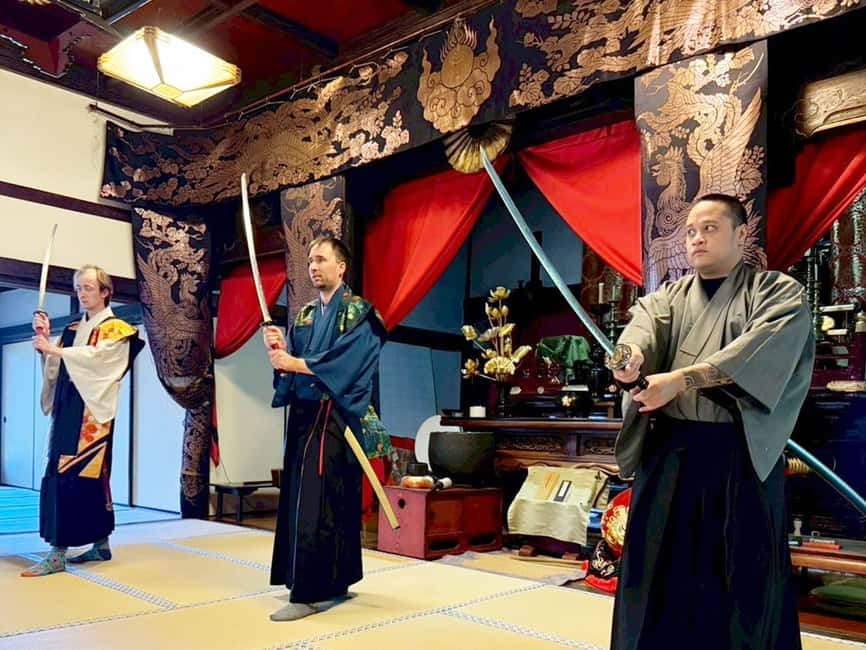
The main activity lasts about 30 minutes. You learn basic swordsmanship movements under the direction of the instructor, with the precise sequence depending on the group and lesson pace.
Do not book this expecting advanced martial-arts training. One hour, including changing and photos, is enough for an introduction, not mastery. The value is in trying the movements with guidance, feeling the discipline of the form, and learning how much control is involved.
The private arrangement gives Shin room to adjust the pace. A couple may move through the basics together. A family group may need more time for one person to get comfortable before moving on. The minimum group size is two, so this is not an individual booking for one person traveling alone.
The experience is also designed to be entertaining. Several participants praised the instructor’s humor and enthusiasm, while others enjoyed the cultural information alongside the physical practice. That balance is useful. A purely technical class could feel demanding, while a costume photo session could feel thin. Here, the two sides support each other.
You may find the English instruction sufficient for basic movements, especially because the activity is demonstrated physically. Still, some details may be harder to follow. Ask about an interpreter before booking if you want a fuller explanation or if anyone in your group may struggle with spoken English.
A few more temple visits around Japan worth a look
- Kyoto: Tea Ceremony Ju-An at Jotokuji Temple
★ 4.9 · 3,207 reviews - Tokyo: Asakusa Walking Tour with Sensoji Temple Visit
★ 4.8 · 1,583 reviews - Nikko: Kegon Falls, Lake Chuzenji & Toshogu Temple
★ 4.6 · 1,577 reviews - Tokyo: Kamakura & Enoshima Day Trip including Temple Tickets
★ 4.5 · 1,375 reviews
Photos, videos, and the final ten minutes
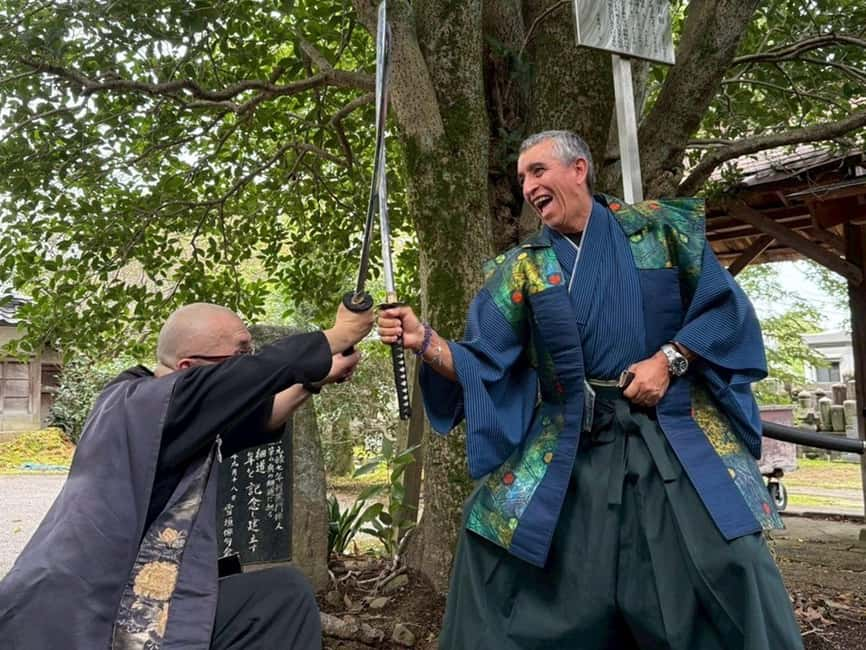
The last 10 minutes are reserved for commemorative photos. Photos and training videos are included, and the provider sends them to you later by email.
This is one of the strongest practical benefits of the activity. You do not have to ask a stranger to take pictures, and you can stay focused on the lesson instead of constantly checking your phone. The images also record the full experience, including the clothing and temple setting.
The photos are not a separate professional portrait package, so keep your expectations sensible. You receive images and video as part of the activity, but the exact number, editing style, and delivery time are not specified.
Make sure you provide a working email address and check that you can download the files once they arrive. One participant had not yet downloaded the photos at the time of writing, but planned to do so later. That is a small reminder to save the files while you still have access to them.
What the $80 price gets you
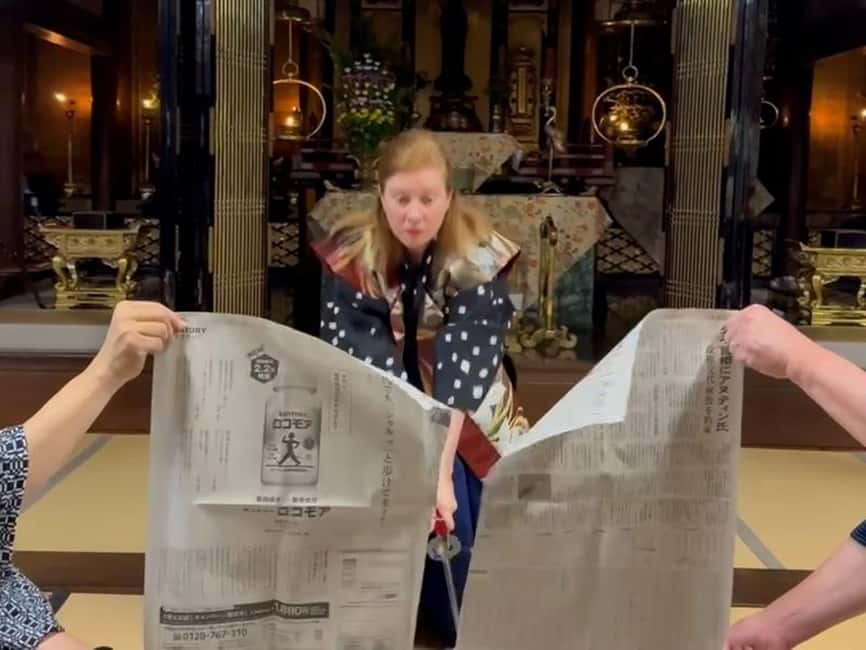
At $80 per person, the activity is not the cheapest way to put on a Japanese costume. It offers more than that, though: a private lesson, kimono rental, instruction from Shin, use of a temple setting, and photos and video afterward.
I see the price as reasonable for a pair or family that wants a contained cultural activity. You receive direct attention rather than paying for a large group presentation. The private setting also gives the session a personal feel that can be difficult to find in a short city activity.
The value depends on what you want. If your priority is a serious, multi-day study of Japanese swordsmanship, this one-hour introduction will be too brief. If you want a memorable cultural activity with some real instruction, the price is easier to justify.
Keep two extra costs in mind. Interpretation is not included, and tips are not included. The provider does not list transportation as a separate charge, but the meeting point and temple transfer should be understood before you arrive. You will walk or drive from the FamilyMart meeting point to the nearby temple.
A useful rainy-day activity in Kanazawa
The temple gives this experience an advantage when the weather turns bad. The activity takes place indoors, and the setting can make a rainy day feel like a good excuse to explore a different side of Kanazawa.
A family group found it useful during stormy weather, with Shin helping family members shelter at the temple. That does not turn the booking into a general bad-weather shelter service, but it does show the value of having an indoor plan in a city where rain can interrupt outdoor sightseeing.
The activity also suits families with older children. Children under 12 are not allowed, and the sword movements require attention and control. Teenagers and adults who enjoy history, costumes, or hands-on activities should get more from it than younger children who mainly want to swing a sword.
Who should book this experience
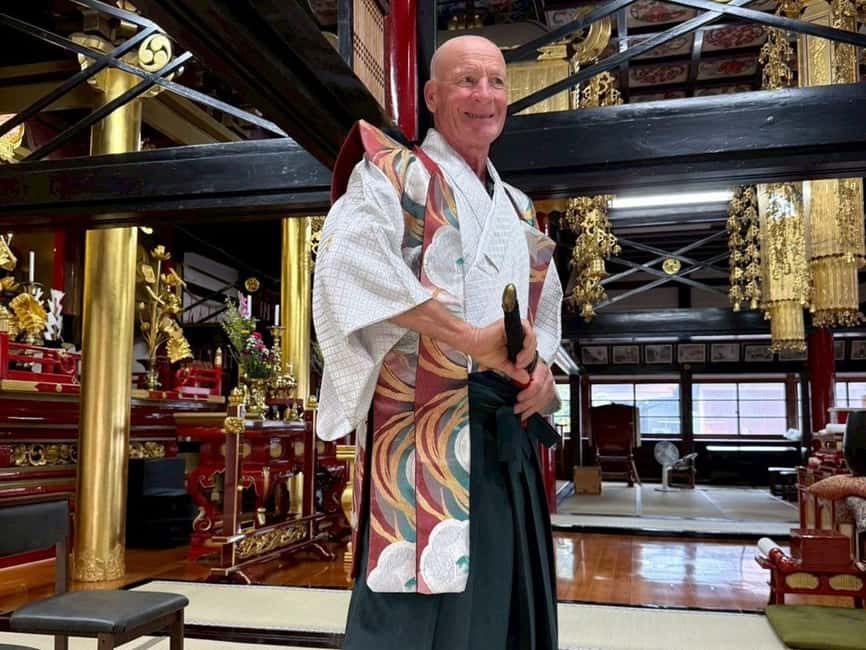
I would recommend it most strongly to couples, families with teenagers, and friends who want a shared memory rather than another standard sightseeing stop.
It works especially well for you if:
- You want a private activity instead of a large group demonstration.
- You enjoy taking photos in traditional clothing.
- You like learning through practice rather than only listening to a guide.
- You are interested in samurai culture and old temples.
- You have a free hour in Kanazawa and want an indoor option.
It may not suit you if you are traveling alone, since at least two participants are required. It may also disappoint you if you expect advanced swordsmanship, a long historical lecture, or fluent technical English without paying for interpretation.
The lesson is family-friendly for ages 12 and up, but it is still worth thinking about each person’s comfort. The kimono and sword movements may feel unfamiliar, and the hour moves at a steady pace.
Planning your meeting and timing
The total scheduled time is one hour, but leave a little breathing room around it. You need to reach the FamilyMart Kanazawa Saiwai-cho parking lot, find staff holding a sign with your name, and then travel to the temple.
The activity listing says the guide may walk or drive you to the nearby temple. Since the meeting instructions do not give a fixed transfer time, do not schedule another attraction immediately afterward.
Starting times vary, so check availability when you book. Cancellation is free up to 24 hours before the activity, and you can reserve now and pay later. Those terms are useful if your Kanazawa plans are still shifting, though you should confirm the final booking details before relying on them.
The guide languages are Japanese and English. Interpretation is possible for an additional fee, but it is not part of the standard booking. If someone in your group needs detailed translation, arrange it in advance rather than assuming the basic lesson will cover everything.
What the praise gets right, and where to stay realistic
The strongest pattern in the feedback is the instructor. Shin is repeatedly described as kind, funny, enthusiastic, patient, and encouraging. That matters more here than polished English or a large production because the quality of a short hands-on lesson depends on how well the teacher puts you at ease.
The temple also earns repeated praise. It gives the activity a special setting and provides plenty of opportunities for photos in full samurai clothing. The cultural explanations add substance, especially when Shin discusses both the sword and the temple.
The realistic limit is the format. Thirty minutes of practice is enough to learn the basics, not enough to develop real skill. The English can be imperfect, and the interpretation fee raises the total cost if you want more detailed communication.
Still, those limits do not cancel out the main appeal. You get a focused, good-humored introduction in a private historic setting, with a physical activity and keepsake media included.
Should you book this Kanazawa samurai lesson?
Book it if you want a one-hour activity that combines traditional clothing, simple sword training, and a temple setting. The strongest reason to choose it is the personal format with Shin, not the promise of becoming a trained swordsman.
At $80 per person, it offers fair value for couples and private groups who will use the photos and enjoy the cultural side of the experience. Bring comfortable clothes, arrive at the FamilyMart meeting point on time, and arrange interpretation if the language issue could limit your enjoyment.
Skip it if you are traveling alone, need a fully fluent English lecture, or want serious martial-arts instruction. For everyone else, especially families with children over 12 and visitors looking for a memorable rainy-day plan, this is a lively and well-focused addition to a Kanazawa stay.
FAQ
Where does the samurai lesson meet?
Meet at the parking lot of the FamilyMart Kanazawa Saiwai-cho store. Staff wait with a sign displaying the guest’s name, then walk or drive with you to a nearby temple.
How long does the activity last?
The full activity lasts one hour. The schedule includes about 10 minutes for changing into a kimono, 10 minutes of explanation, 30 minutes of swordsmanship practice, and 10 minutes for commemorative photos.
What is included in the price?
The price includes the samurai kimono rental, the swordsmanship lesson, and training photos and videos. The photos are emailed later.
Is the lesson private?
Yes. The activity is for a private group. The minimum number of participants is two.
Is English instruction available?
Yes. The instructor languages are Japanese and English. The English is described as clumsy and supported by an instructional script. Interpretation can be arranged for an additional fee.
Can children join the lesson?
Children under 12 cannot take part. The activity is available for participants aged 12 and over.
What should I bring?
Bring comfortable clothes to wear under the kimono. Tips and any interpretation fee are not included.
Just added around Japan
- From Asakusa: Old Tokyo, Temples, Gardens and Pop Culture★ 5.0 · 47 reviews
- Private guided tour: Mt. Aso volcano, grasslands, Aso Shrine★ 5.0 · 19 reviews
- Goshuin Collecting tour at Asakusa Local Temples & Shrines, Tokyo★ 5.0 · 8 reviews
- Tokyo:Nikko UNESCO World Heritage Sites Private 1-Day Tour★ 3.8 · 6 reviews
- Tokyo Yokohama Night View Tour With Kamakura And Enoshima★ 3.5 · 14 reviews
- Tokyo: Snow Monkey Park and Zenkoji Temple Private Day Tour★ 4.7 · 127 reviews
- Tokyo War History Tour: Yasukuni Shrine & War Museum★ 4.5 · 6 reviews
- Tokyo to Nikko: Exclusive Private Day Trip★ 4.8 · 6 reviews
Workshops, compared.

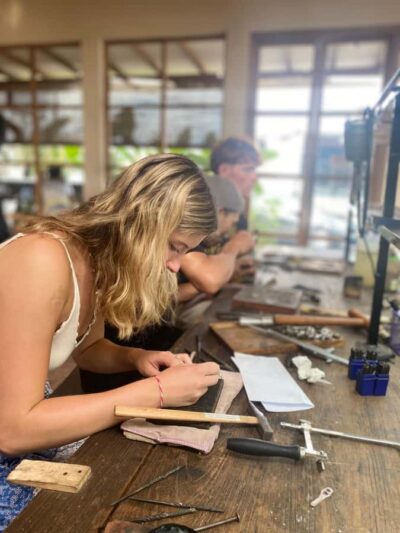
Uluwatu Silver Jewelry Making Workshop with Creation
Read our review →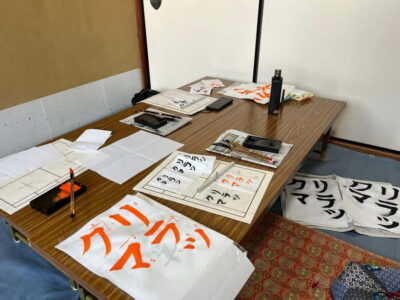
Calligraphy class at Buddhist temple in city center
Read our review →
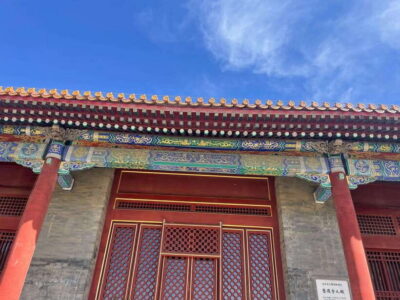
Chinese Kungfu class in old temple beside Forbidden Ci
Read our review →
Vegan Temple Food Class, Jogyesa & Changdeokgung Tour
Read our review →
Full-Day Private Water Temple Ritual & Yoga Class
Read our review →
Kyoto Home Cooking Class &Supermarket tour near Fushimiinari
Read our review →Browse the lists this tour appears in