
REVIEW · BEIJING TEMPLE TOURS
Chinese Kungfu class in old temple beside Forbidden Ci
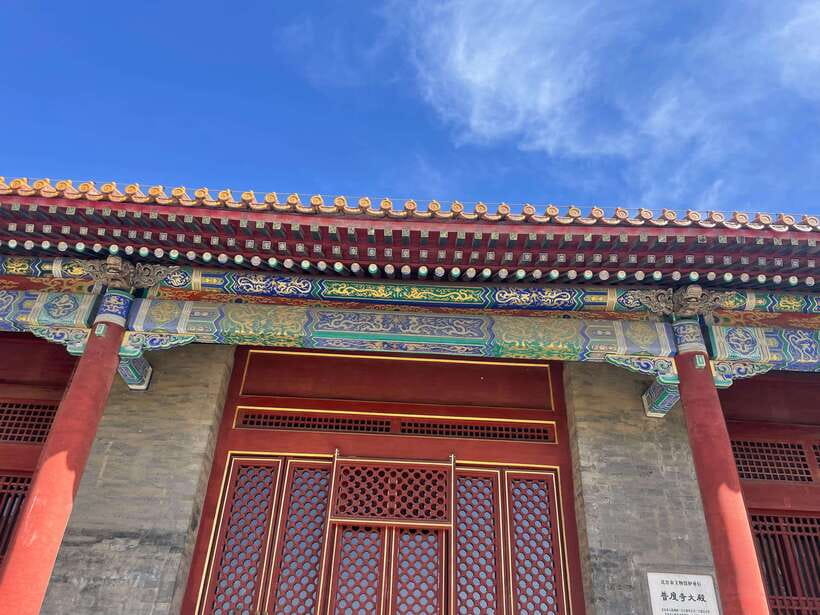
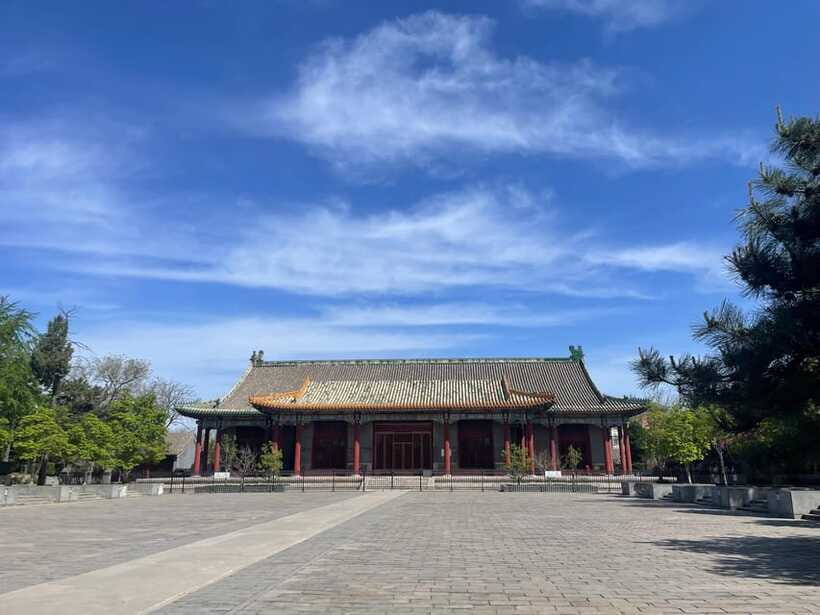
The unusual part here is the setting: you practice Chinese kungfu inside Pudusi, a nearly 700-year-old royal temple tucked into a hutong beside the Forbidden City’s east gate. This is not a stage show. You work through basic movements with a trained master and learn how some techniques apply to everyday self-defense.
I like the small-scale teaching and the English support from Limeng, who translates the master’s instructions and helps explain the finer points. I also like the chance to train in a real residential hutong rather than in a generic studio. The class costs $45 per person, a fair price for a private-feeling cultural activity in central Beijing.
The main consideration is that the kungfu class itself lasts about one hour, so this is an introduction, not a full martial arts course. You should also bring a spare shirt. Even a short session can leave you warm and sweaty.
Key points to know before booking
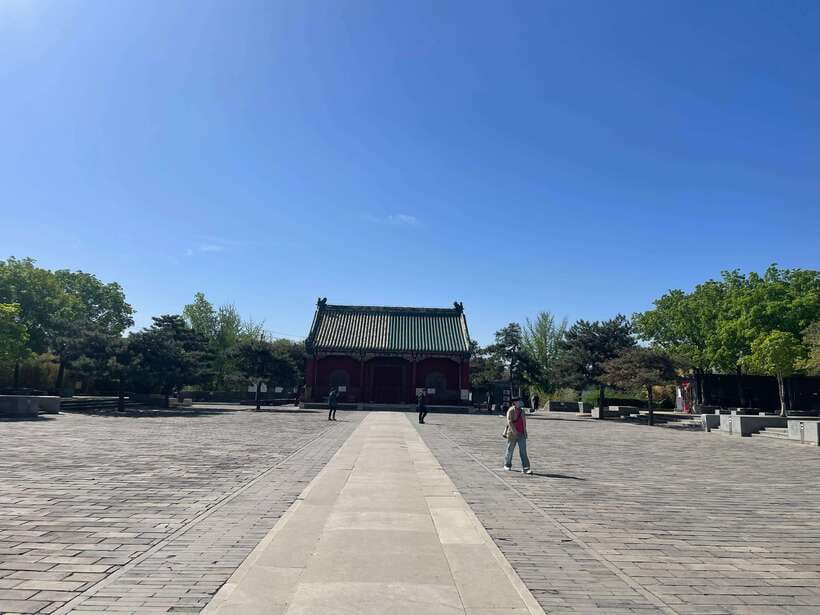
- Train beside the Forbidden City: The class takes place at Pudusi, a former royal temple in a hutong near the east gate.
- Learn practical movements: The master teaches basic forms along with attack and self-defense techniques.
- English help is provided: Limeng can translate the instruction and answer questions.
- Expect personal attention: Sessions may be one-on-one or limited to a small group, depending on bookings.
- Bring a change of shirt: The class is active, and one-hour sessions can work up a sweat.
- Kungfu clothing is available: Two-piece traditional practice outfits can be purchased in different sizes and colors.
Training in a royal temple beside the Forbidden City
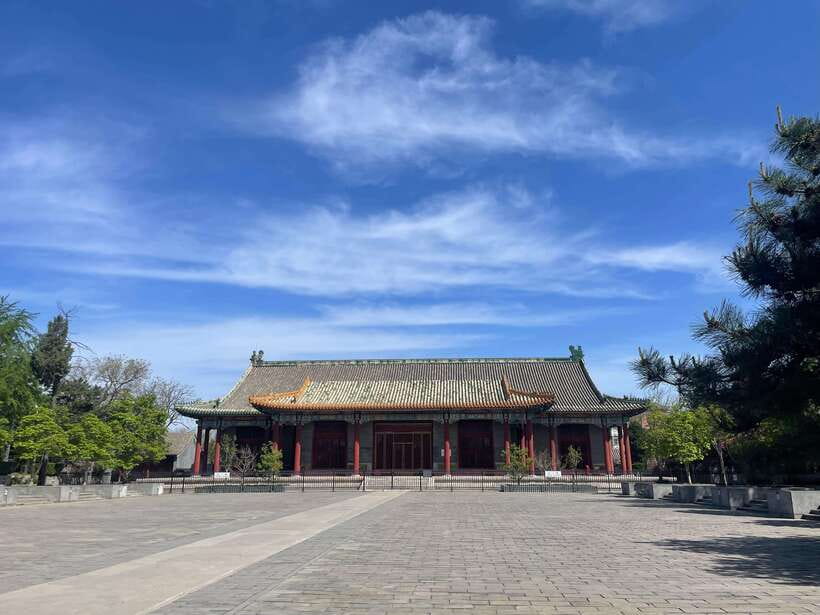
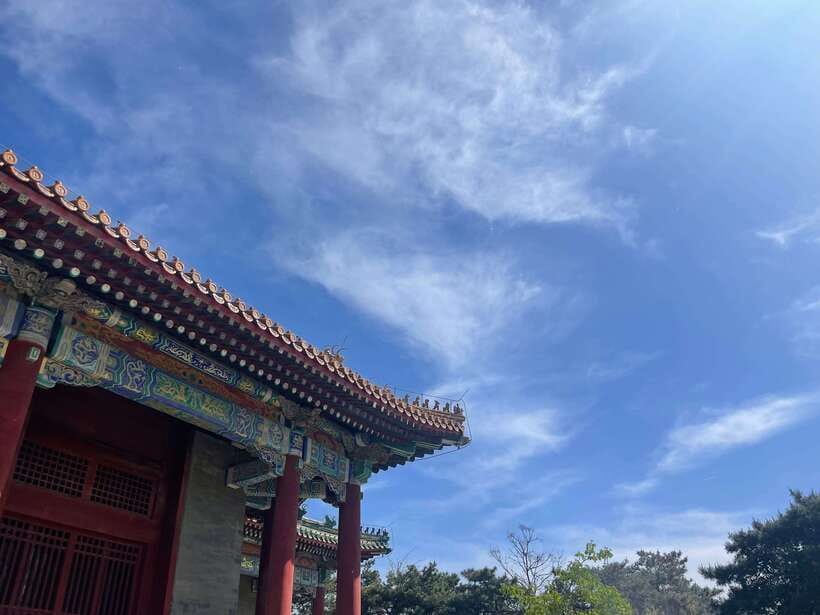
The best reason to book this class is the location. Pudusi is described as a royal temple with almost 700 years of history, now found among the narrow lanes and homes of Beijing’s hutong district. You are not being taken to a themed martial arts center far from the sights. You meet close to one of China’s most famous landmarks, in a place where older religious and residential life still sit side by side.
That setting changes the mood of the lesson. The surrounding hutong gives you a sense of everyday Beijing, while the temple grounds provide a quieter place to focus. You can look forward to a cultural visit that has some physical activity built into it, rather than a history talk followed by a quick photo stop.
The precise practice area may be outdoors in a park or temple setting, depending on the arrangement. One reported session took place in a park with a temple, while another was held at a local home. The common thread is a close connection to the local neighborhood and the old temple area.
Because the location is near the Forbidden City, this class fits neatly into a day of sightseeing around the imperial center. You should still allow time to find the meeting point in the hutong. Old lanes can be confusing, and the activity information does not provide a detailed transport plan.
More Workshops in Beijing:
- Beijing: Temple Of Heaven+Tai Chi Class+Tea Ceremony
★ 5.0 · 8 reviews - Bali: Silver Jewelry Making Class in Kuta or Uluwatu
★ 4.9 · 380 reviews - Bali: Uluwatu Silver Jewelry Making Workshop with Creation
★ 4.9 · 260 reviews
What the one-hour kungfu class includes
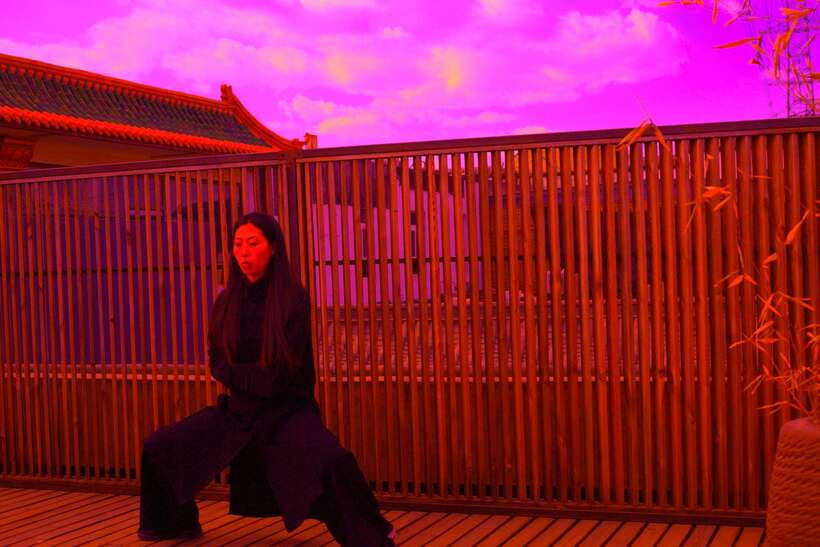
The session begins with an introduction to Chinese traditional kungfu and its basic principles. The master then demonstrates movements for you to copy. Expect to work on posture, balance, hand positions, footwork, and simple sequences rather than learning a long routine in one go.
The instructor trained from a young age in Shaolin and has experience with several styles of traditional kungfu. His teaching is aimed at practical use, not just performance. That distinction matters. You are not simply copying dramatic poses for a photograph. The lesson includes demonstrations of how movements can be used for defense and attack.
The class may include partner work or guided practice, though the exact exercises can vary. Participants have worked on ways to defend themselves and on movements intended for casual, real-life situations. If self-defense is your main interest, tell the guide early so the lesson can focus on that side of the training.
The master also corrects technique during practice. That is useful for beginners, since kungfu movements can look simple while requiring careful control of the legs, hips, shoulders, and hands. You should expect instruction rather than a free-form workout.
A one-hour session is enough to give you the feel of the art and learn a few basic ideas. It is not enough to gain real proficiency. Think of it as a first lesson and a cultural introduction. If you already practice martial arts, you may find the personalized attention more useful than a large group demonstration.
Limeng’s role and the value of translation
The master’s instruction is supported by an English-speaking host or translator. Limeng is specifically praised for explaining the lesson, translating the master’s words, and helping visitors understand what they are doing. This makes a real difference in a physical class.
Without translation, you might manage to copy a movement but miss the reason behind it. With Limeng’s help, you can ask questions about technique, practical use, and the principles behind the exercises. She can also help adjust the session to your interests and explain what is happening in the local setting.
The language support is especially useful for first-time martial arts students. You do not need to know Chinese or have prior kungfu experience. The class has been adapted for complete beginners, and instruction can be adjusted for children as well.
If you have a particular goal, such as learning basic self-defense or understanding Shaolin forms, say so at the start. A one-on-one session gives you the best chance of shaping the hour around your interests. In a group, the instructor’s attention will naturally be shared.
A class for beginners, families, and curious sightseers
You do not need to arrive fit, flexible, or experienced. The activity is designed as an introduction, and beginners have learned basic movements in less than an hour. The teaching style is patient, with demonstrations followed by practice and correction.
Families can also consider this class. The experience has accommodated children, though the information does not give a minimum age or specific child program. If you are booking with young children, ask the provider about suitability before paying.
The session can work well for solo visitors too. One participant had a one-on-one class and found the personal format particularly useful. A private-feeling lesson lets you ask more questions and repeat movements at your own pace.
You should be honest about physical limits. The activity includes active practice and self-defense movements, but no fitness level or medical requirements are specified. If you have an injury or physical concern, contact the provider in advance rather than assuming the lesson can be adapted.
A few more temple visits around Beijing worth a look
- Beijing: The Temple of Heaven or Summer Palace Entry Ticket
★ 4.6 · 1,286 reviews - Beijing Classic Full-Day Tour including the Forbidden City, Tiananmen Square, Summer Palace and Temple of Heaven
★ 4.0 · 610 reviews - Temple of Heaven Ticket
★ 5.0 · 482 reviews - Temple Heaven, Lama Temple, Summer Palace & Peking Duck Bus Tour
★ 5.0 · 377 reviews
Why the practical self-defense focus matters
Many visitors associate kungfu with films, performances, and highly polished demonstrations. This class takes a more grounded approach. You learn how certain movements can be used in ordinary defensive situations, along with basic attack and counter-movement ideas.
That does not make the hour a professional self-defense course. You will not leave with a complete system or the ability to handle every dangerous situation. Still, the practical focus gives the lesson more purpose than simply posing in a martial arts stance.
The master’s background in Shaolin kungfu and other traditional forms adds useful context. You see how the art combines physical technique with ideas about timing, control, balance, and awareness. Even if you never train again, the class can change the way you watch a kungfu performance.
If you are especially interested in women’s self-defense, mention it when you arrive. One session included movements adapted for a female participant. The supplied details do not promise a separate women’s program, so treat that as a possible focus rather than a standard feature.
The hutong setting adds more than a backdrop
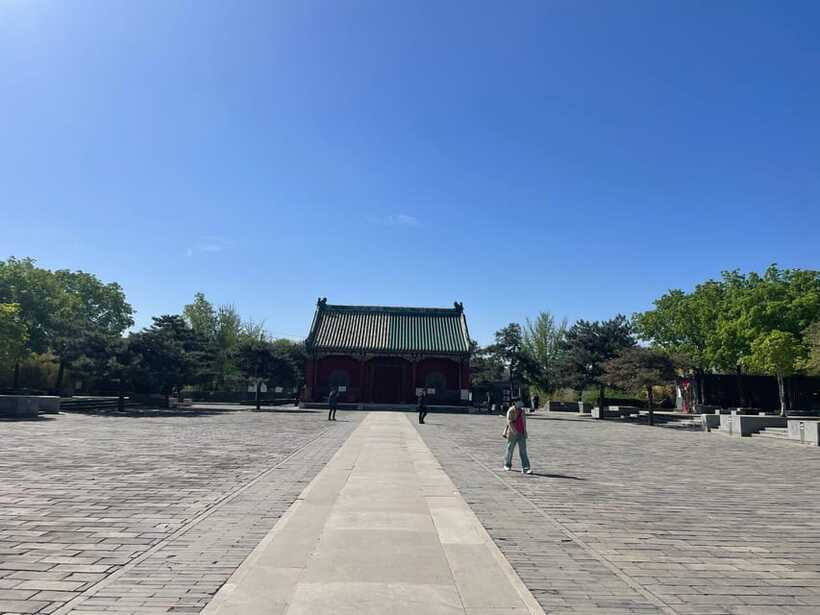
A hutong is not just a photogenic lane. It is a residential neighborhood shaped by older Beijing housing patterns, shared courtyards, narrow passages, and local daily life. Holding the activity there gives you a closer look at the city beyond the major palace gates.
Pudusi’s connection to the imperial area adds another layer. You are near the Forbidden City, but the experience points toward a different side of Beijing: religious traditions, local homes, tea, and martial arts. That mix makes the activity a good choice if you want your sightseeing to include living culture rather than only grand monuments.
The location may also appeal to photographers and history-minded visitors. You get a setting with old architecture and a direct link to royal temple tradition. Keep in mind that the activity is about training, not a formal temple tour. The available details do not promise a long guided explanation of every building.
Optional tea and the slower side of the visit
A tea ceremony has been arranged alongside some bookings. In that format, the visit begins in a small hutong house, where Limeng explains the ceremony and introduces two types of tea with a small snack. The tea portion lasts about an hour before the kungfu class.
This can turn the activity into a fuller morning of local culture, but you should confirm whether tea is included in your chosen booking. The standard activity details list the kungfu class, professional instructor, styles of kungfu, and practical technique. They do not clearly state that a tea ceremony is part of every reservation.
If available, the tea session balances the physical class well. You move from a quiet, seated introduction to an active lesson in the temple area. It also gives you more time to ask questions about Chinese customs and local life.
What to wear and what to bring
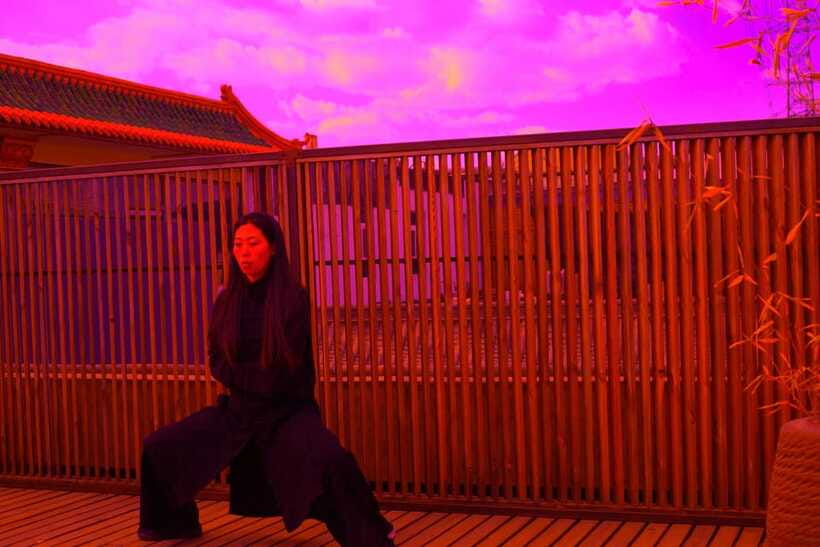
Wear comfortable clothing that allows you to lift your arms, bend your knees, and move freely. You do not need to buy special clothing to take part.
Traditional kungfu practice suits are available for purchase. The offering includes an outer and inner piece along with trousers, with sizes and colors selected through the provider. Contact Bayi Teahouse before the activity if you want to arrange a uniform. Do not assume that buying one is part of the $45 price.
Bring water and an extra T-shirt. The class is only about an hour, but it involves repeated movements and can make you sweat, especially in warm weather. Comfortable shoes are also sensible, since the activity takes place in a temple or park setting rather than a guaranteed indoor gym.
The information does not specify changing rooms, lockers, or shower facilities. Plan to arrive ready to participate and avoid bringing anything you need to store during the class.
Price, timing, and booking flexibility
At $45 per person, this is a reasonable buy if you value personal instruction, translation, and a central cultural setting. You are paying for more than an hour of exercise. The price also covers access to a local host, a trained master, and a historic hutong location beside one of Beijing’s major sights.
It is less compelling if you only want to watch kungfu or take a quick photograph. The class is active, and you need to take part to get the value. A private or very small group can make the cost feel particularly fair, while a larger group may offer less individual attention.
The activity listing says it is valid for three days, with start times shown according to availability. This appears to refer to the booking window rather than a three-day class, since the actual kungfu instruction is about one hour. Check the available starting time when you reserve.
You can reserve now and pay later, which helps if your Beijing schedule is still changing. Cancellation is free up to 24 hours before the activity for a full refund. Those terms are useful for a short city visit, when weather, palace entry times, and jet lag can affect your plans.
Who should book this class?
I would choose this for a visitor who wants a hands-on cultural activity near the Forbidden City. It suits first-time martial arts students, solo visitors, couples, families with children who can take part, and anyone curious about the difference between screen kungfu and practical training.
It is also a strong pick for visitors who have already seen the main imperial sights and want something more local. The combination of hutong lanes, a royal temple setting, English translation, and active practice gives you a different view of Beijing.
Experienced martial artists may enjoy the access to a skilled instructor, especially if they receive a one-on-one lesson. Still, you should keep expectations realistic. This is an introductory class, not an intensive training camp or a formal grading session.
Should you book the Pudusi kungfu class?
Book it if you want to do something, not just see something. The strongest features are the old temple setting beside the Forbidden City, the English help from Limeng, and the master’s focus on practical movements rather than showy poses.
Skip it if you dislike physical participation, need a long historical tour, or expect several days of training. For most curious visitors, $45 is a fair price for a one-hour introduction with real instruction in a memorable part of Beijing. Bring a spare shirt, ask about the tea ceremony if it interests you, and request a self-defense focus if that is what you want from the lesson.
FAQ
Where does the kungfu class take place?
The class takes place in the Pudusi area, a nearly 700-year-old royal temple setting in a hutong beside the east gate of the Forbidden City.
How long does the kungfu class last?
The kungfu instruction lasts about one hour.
Is the activity available over three days?
The activity is listed as valid for three days, with starting times depending on availability. The class itself is not a three-day training course.
Is an English-speaking guide available?
Yes. English support is provided, and Limeng can translate the master’s instructions and answer questions.
Do I need previous kungfu experience?
No. The class introduces basic Chinese kungfu and is suitable for beginners.
What styles of kungfu are included?
The master teaches Shaolin kungfu along with techniques from other traditional Chinese kungfu styles.
Does the class include self-defense?
Yes. The instruction includes practical uses of kungfu techniques, including basic defense and attack movements.
Is a tea ceremony included?
A tea ceremony has been arranged with some bookings, but the standard activity information does not confirm it as part of every reservation. Ask Bayi Teahouse when booking.
Can I buy a kungfu uniform?
Yes. Traditional practice suits with an outer and inner piece and trousers are available to purchase. You should contact the provider about size and color.
Can I cancel for a refund?
Yes. You can cancel up to 24 hours in advance for a full refund. You can also reserve now and pay later.
Just added around Beijing
- Temple of Heaven Morning Walking Tour with Ticket★ 5.0 · 7 reviews
- Full-Day Beijing Forbidden City, Temple of Heaven and Summer Palace Tour★ 4.5 · 40 reviews
- Summer Palace and Temple Of Heaven Private Tour★ 5.0 · 9 reviews
- 4-Hour Private Tour: Lama Temple, Confucius Temple, Guozijian Museum with Dim Sum★ 5.0 · 21 reviews
- Private Day to T-Square, Forbidden city, Temple of heaven, Summer palace Tour★ 5.0 · 54 reviews
- Private Day Tour:Tiananmen Square,Forbidden City Temple of Heaven★ 5.0 · 16 reviews
- Local’s Beijing: Forbidden City Insider Tour +Temple +Duck Feast★ 4.5 · 66 reviews
- Temple of Heaven Ticket with Optional Guide Service★ 5.0 · 120 reviews
Beijing Temple Tours, compared.
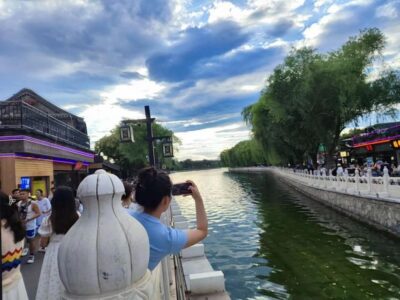
The Temple of Heaven or Summer Palace Entry Ticket
Read our review →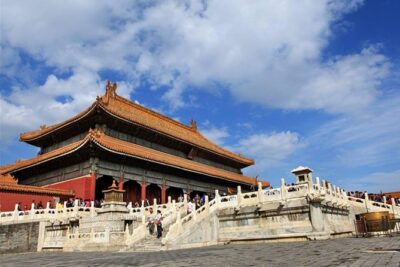
Beijing Classic Full-Day Tour including the Forbidden City, Tiananmen Square, Summer Palace and Temple of Heaven
Read our review →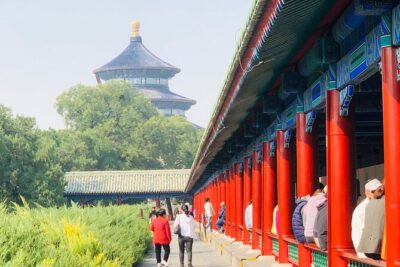

Temple Heaven, Lama Temple, Summer Palace & Peking Duck Bus Tour
Read our review →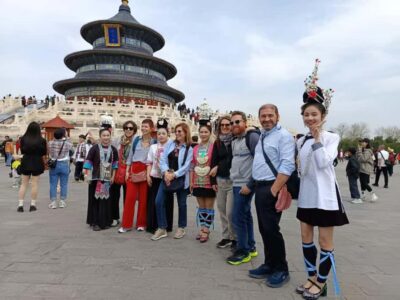
Temple Heaven, Summer Palace, Lama Temple, Hutong Bus Tour
Read our review →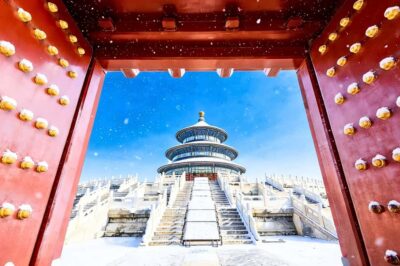
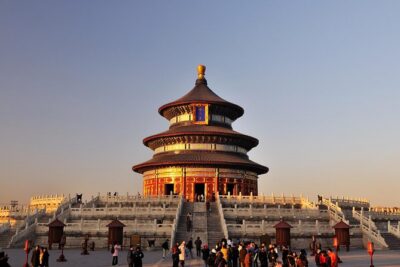
Temple of Heaven, Summer Palace, Lama Temple, Hutong Tours
Read our review →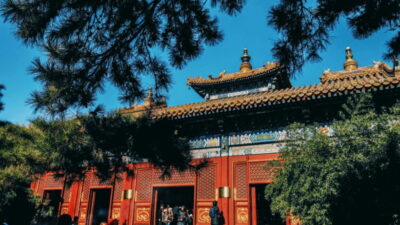
Browse the lists this tour appears in