
REVIEW · NIKKO & KAMAKURA DAY TRIPS
Nara: Great Buddha, Kasuga Shrine & Deer Park Tour
Nara’s deer are the hook, but the Great Buddha at Todai-ji is the moment that gives this tour its weight. In three hours, you move from free-roaming sacred animals to a lantern-filled Shinto shrine, then into one of Japan’s grandest Buddhist halls.
I like the way the route links Kasuga Taisha and Todai-ji, since you see how Shinto and Buddhism share this old capital. I also like that deer crackers are included, and that guides such as Eri, Takashi, Yayoi, and Teppei have helped visitors with photos, food ideas, train connections, and questions about daily life in Japan.
The main tradeoff is pace. Three hours is enough for the major sights, but Nara Park is large, the route includes walking and steps, and Todai-ji deserves time to absorb. You will see the essentials, not every corner.
Key points to know before you go
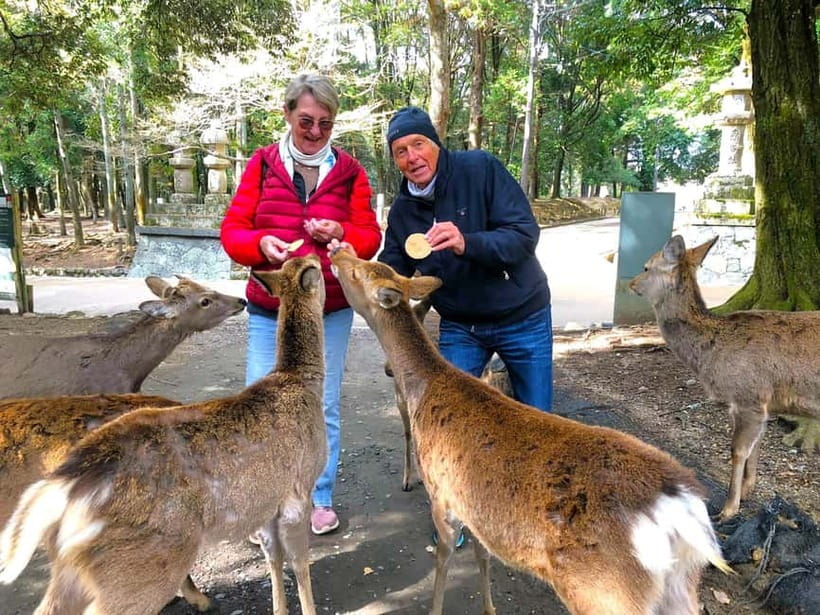
- Feed Nara’s sacred deer with included shika senbei, while learning why the animals are tied to Kasuga Taisha.
- Enter Kasuga Taisha’s special inner shrine area, not just the outer approach.
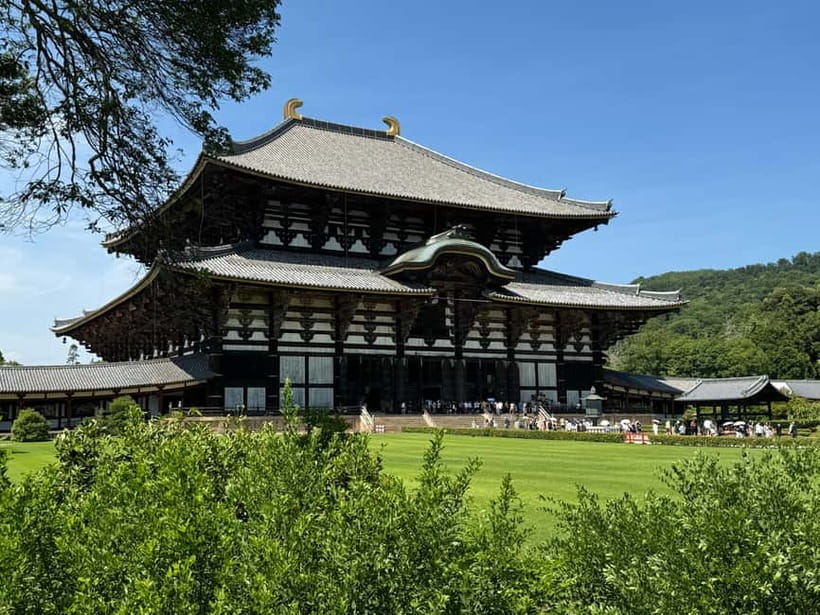
- See Todai-ji’s colossal bronze Buddha inside the enormous Great Buddha Hall.
- Meet at Himuro Shrine’s torii gate, where your guide carries a yellow DeepExperience sign.
- Walk between three major sights with an English or Japanese guide, in a private or small group.
- Pay $77 per person for a focused three-hour introduction, with temple and shrine admission included.
Why this three-hour route works
Nara was Japan’s first permanent capital, established in the eighth century. That early role still shapes the city you see today. Rather than a single isolated monument, Nara gives you a connected story: deer and Shinto ritual in the park, aristocratic worship at Kasuga Taisha, and state-backed Buddhism at Todai-ji.
This tour is useful because the three sights make more sense together than they do as separate photo stops. You begin in open parkland, continue through a sacred forest setting, and finish with an immense indoor monument. The shift from nature to shrine to temple gives the morning or afternoon a clear rhythm.
You also get a guide to explain details that are easy to miss. A lantern is not simply decoration. A shrine gate is not just an attractive frame for a photograph. At Todai-ji, the Buddha’s size is impressive on its own, but the construction story and religious purpose give the building more meaning.
The listed group options are private or small group, which matters here. Nara Park can feel busy, especially around the deer and Todai-ji, so a smaller group makes it easier to hear explanations and pause for photographs. Exact group size is not specified, so check the booking details if that point matters to you.
More Nikko and Kamakura Day Trips in Japan:
- Nikko: Kegon Falls, Lake Chuzenji & Toshogu Temple
★ 4.6 · 1,577 reviews - Tokyo: Kamakura & Enoshima Day Trip including Temple Tickets
★ 4.5 · 1,375 reviews - Tokyo: Nikko Toshogu Shrine and Kegon Waterfall Tour
★ 4.5 · 1,266 reviews
Meeting at Himuro Shrine
The meeting point is in front of the torii gate of Himuro Shrine. Look for the guide holding a yellow sign with the DeepExperience logo. This is a useful detail because Nara has several shrines, gates, and park entrances, and a clear visual marker saves time.
The tour does not include transportation to the meeting point. You need to arrange your own way there, and the activity ends near Nino Torii or the second torii of Kasuga Taisha. That finish point can be handy if you want to keep exploring Kasuga’s grounds afterward, though you should not expect a ride back to your hotel or station.
Several guides have offered extra practical help. Nobu has walked visitors to the train station and helped with an express train purchase. Takashi has helped with local transport and sent photos afterward. Those are personal touches rather than guaranteed parts of every booking, but they show why a local guide can be useful beyond the formal sightseeing stops.
Nara Park and the deer, about 30 minutes
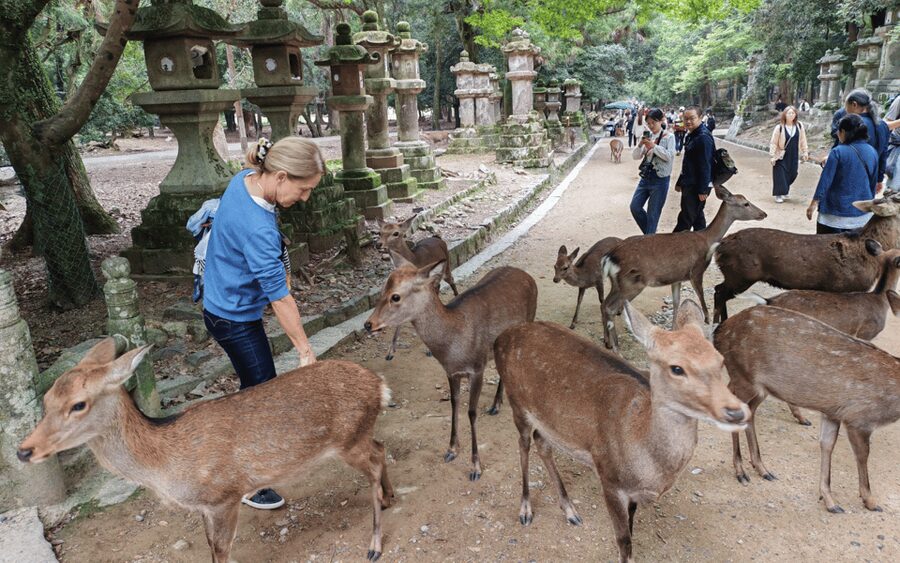
Nara Park is not a fenced animal exhibit. Deer move freely through the historic park, around paths, trees, temple grounds, and visitors. They are regarded as sacred messengers in Shinto belief, especially in connection with Kasuga Taisha.
You receive shika senbei, the special crackers used to feed them. This is one of the tour’s most memorable small moments, but it helps to treat the deer with care. Keep the crackers ready, feed calmly, and follow your guide’s instructions. The interaction is short, yet it gives you a direct feel for how religion and ordinary public life meet in Nara.
The official park visit is about 30 minutes. That is enough for an introduction and feeding, but it is not a long wildlife session. Deer may approach quickly, while others may be busy with food or people elsewhere. The point is the setting and the tradition, not a guaranteed animal encounter on demand.
This stop also sets up the Kasuga visit. Your guide can explain why deer became protected symbols and how their presence relates to the shrine. Without that context, it is easy to treat the animals as a cute novelty. With it, the deer become part of Nara’s religious story.
Allow for walking here. Cameron specifically noted plenty of walking and steps across the tour, and that is useful advice for anyone managing heat, tired legs, or young children. Wear shoes you can comfortably use for several hours.
Kasuga Taisha and its lantern-lined paths
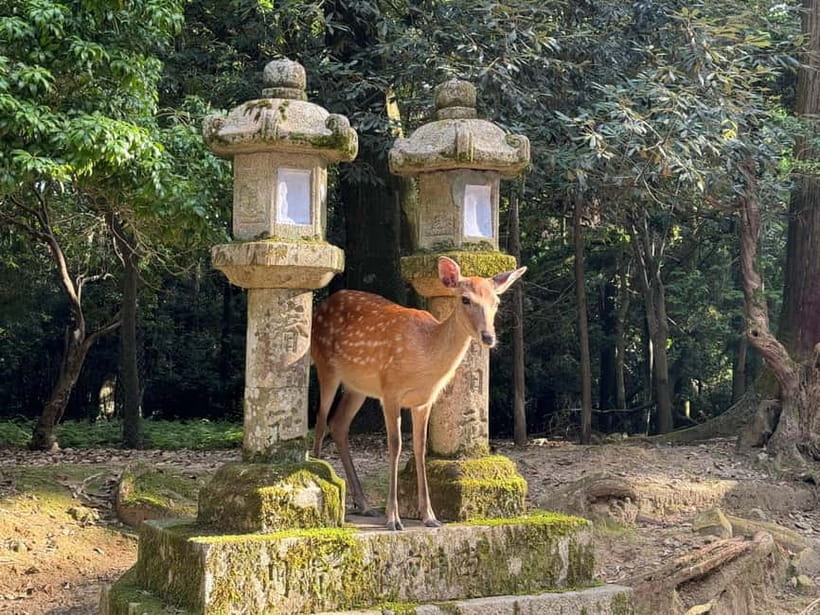
Kasuga Taisha was founded in 768 and linked to the powerful Fujiwara clan. Its setting feels different from Todai-ji. Instead of approaching a huge wooden hall first, you follow paths through an old forest toward a Shinto shrine shaped by ritual, gates, offerings, and lanterns.
The shrine is known for its bronze and stone lanterns, donated over generations. On ordinary visits, many are unlit, but their number still gives the approach a special character. During certain festivals, the lanterns are illuminated, changing the mood of the shrine. The tour does not promise a lantern festival, so think of the everyday visit as a chance to see the setting and understand the tradition behind it.
You receive admission to the special inner shrine area. That is an important inclusion, since it takes you beyond a quick look at the exterior buildings. Your guide explains purification customs, Shinto beliefs, and architectural features, helping you read the shrine rather than simply walk through it.
The guided visit lasts about an hour. That is the longest stop on the route, and rightly so. There is enough time for the main explanation, photographs, and questions about Japanese religious practice. Guides have also answered wider questions about modern life, food, and local customs, so this is a good place to ask about anything you noticed in Nara.
The forest paths are peaceful, but they are still walking paths. Rain can make the ground less comfortable, and summer heat can add strain. One guide, Nobu, provided neck coolers on a hot day, while another guide continued helpfully through heavy rain. Those thoughtful actions cannot be guaranteed, but they point to the value of telling your guide if you need a slower pace or a brief pause.
A few more temple visits around Japan worth a look
- Kyoto: Tea Ceremony Ju-An at Jotokuji Temple
★ 4.9 · 3,207 reviews - Tokyo: Asakusa Walking Tour with Sensoji Temple Visit
★ 4.8 · 1,583 reviews - Kyoto/Osaka: Nara, Fushimi Inari Taisha, Arashiyama Bus Tour
★ 4.7 · 1,275 reviews - Tokyo Panoramic 1 Day: Meiji Shrine, Asakusa, Odaiba and SKYTREE®
★ 4.5 · 1,222 reviews
Todai-ji and the Great Buddha
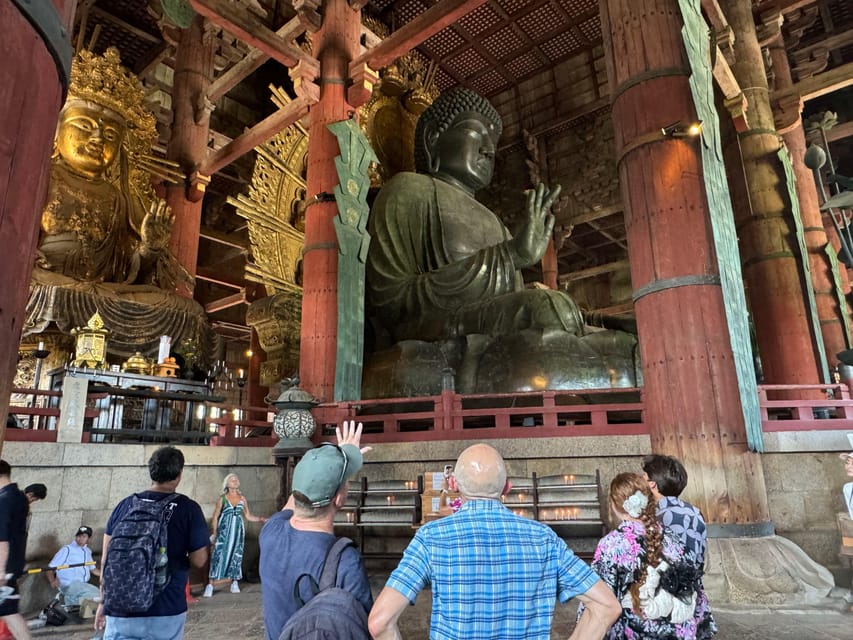
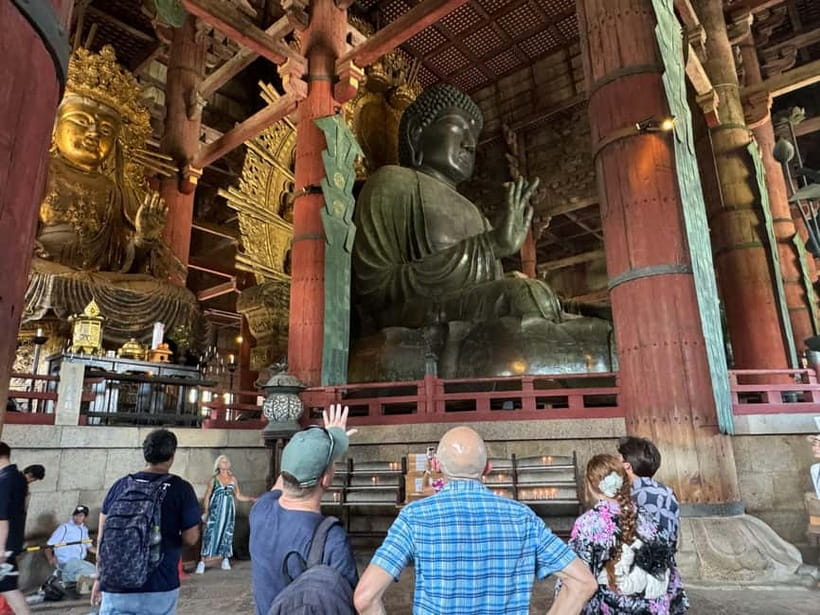
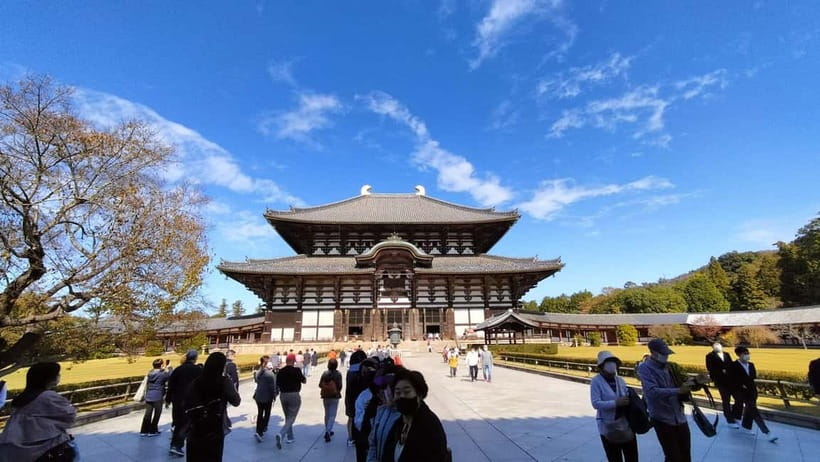
Todai-ji is the grand finish. The temple’s Great Buddha Hall, or Daibutsuden, is among the largest wooden structures in the world. Inside, the bronze Great Buddha, known as the Daibutsu, presents a very different scale from the deer and forest paths you have just left.
The statue represents Vairocana Buddha and was cast in the eighth century. Its creation required an enormous investment of labor, material, money, and political will. Your guide explains that larger story, showing how Buddhism was used not only for personal devotion but also as part of early Japan’s vision for a unified state.
You receive Todai-ji admission as part of the $77 price. That makes the final stop straightforward, with no need to pause at the entrance to arrange another ticket. The guided visit lasts about an hour, enough to explain the hall, the statue, and key details inside.
This is where the tour may feel most valuable. A giant Buddha is easy to photograph, but a guide can point out what you are seeing and why the building mattered. The scale of the hall can be almost startling, and the calm expression of the statue creates a quieter impression once you stop looking at its size.
Keep your expectations realistic. The tour gives you a guided introduction to Todai-ji, not unlimited time for every surrounding building or museum. If you want a slow, detailed study of the entire temple complex, you will need extra time after the tour.
What the guides add
The strongest part of this experience is the human explanation. The guides have been praised for clear historical detail, patience, warmth, and willingness to answer questions. Takashi has been described as particularly strong on Nara’s past, while Teppei has combined temple explanations with wide-ranging conversations about Japanese life. Eri’s local connection to Nara has helped with quieter routes, food suggestions, and questions about the city.
Those differences matter because a three-hour tour can either feel rushed or feel well shaped. A good guide decides when to stop for a photo, when to explain a detail, and when to let you enjoy the silence. Several guides have also adjusted routes, found calmer spots, or allowed plenty of time for pictures.
English and Japanese are offered. The experience is available as a private or small group tour, though the exact arrangement depends on the option you choose. If you want a more personal conversation or have a long list of cultural questions, a private booking may offer better value than a larger group.
The overall rating is 4.8 out of 5 from 62 ratings. More useful than the number itself is the pattern behind it: praise focuses on guide warmth, clear explanations, patience, local help, and the feeling of fitting a lot into three hours.
Is $77 a fair price?
At $77 per person, this is not the cheapest way to walk through Nara. You can visit public areas independently, and Nara Park itself does not require a guided tour to enjoy the deer.
The price makes more sense if you value structure and explanation. It includes an English or Japanese professional guide, Todai-ji admission, Kasuga Taisha’s special inner shrine admission, and deer crackers. You are paying to connect the sights, avoid figuring out the route yourself, and ask questions as you go.
For a first visit, I think the value is solid. The tour covers the city’s most important religious sites in a compact block, and the guide can help you use the rest of your Nara time wisely. It is especially useful if you are visiting from Kyoto and want a well-organized introduction without spending the whole day planning transfers and sightseeing order.
The value is weaker if you prefer to linger. Three hours gives you a clear overview, but you may want extra time at Todai-ji, more time among the deer, or a slower walk through Kasuga’s forest. In that case, book the tour early in your day or leave the rest of the afternoon open.
Who should book this Nara tour?
I would recommend it to first-time Nara visitors who want the major sights explained in plain English. Families may also like the mix of deer, outdoor walking, and a spectacular indoor monument, though the steps and distance deserve attention.
It suits curious visitors who want more than photographs. You can ask about Shinto purification, Buddhist symbolism, the Fujiwara clan, Japanese customs, local food, and train travel. Guides have shown a willingness to discuss all of those subjects.
It may not suit you if you want a very slow pace, extensive free time, or a full-day exploration. The route is focused and efficient. You see the core landmarks, then decide what deserves a second look.
For the smoothest visit, arrive at the Himuro Shrine torii with comfortable shoes, water, and enough time to find the yellow sign. Keep your schedule flexible after the finish near Kasuga Taisha, especially if you want to continue exploring.
Should you book it?
Book this tour if you want Nara’s three headline experiences tied into one clear story: sacred deer, Kasuga Taisha, and Todai-ji’s Great Buddha. The guide, included admissions, and small-group or private format give the $77 price a practical purpose.
Skip it if you are happy to research the sites yourself and prefer wandering without a clock. Otherwise, this is a strong choice for a first Nara visit, especially when you want cultural context, a friendly local guide, and a reliable way to see the essentials in three hours.
FAQ
How long does the Nara tour last?
The tour lasts three hours, with visits to Nara Park, Kasuga Taisha, and Todai-ji.
Where does the tour begin?
It begins in front of the torii gate of Himuro Shrine. Your guide will hold a yellow sign with the DeepExperience logo.
Where does the tour end?
The stated drop-off points are Nino Torii and the second torii of Kasuga Taisha.
Are deer crackers included?
Yes. Shika senbei, the special crackers used to feed Nara’s deer, are included.
Are temple and shrine admission fees included?
Yes. The price includes admission to Todai-ji Temple and Kasuga Taisha’s special inner shrine area.
What languages are available?
Live guiding is available in English and Japanese.
Can I cancel the tour or pay later?
You can cancel up to 24 hours in advance for a full refund. Reserve now and pay later is also available.
Just added around Japan
- From Asakusa: Old Tokyo, Temples, Gardens and Pop Culture★ 5.0 · 47 reviews
- Private guided tour: Mt. Aso volcano, grasslands, Aso Shrine★ 5.0 · 19 reviews
- Goshuin Collecting tour at Asakusa Local Temples & Shrines, Tokyo★ 5.0 · 8 reviews
- Tokyo:Nikko UNESCO World Heritage Sites Private 1-Day Tour★ 3.8 · 6 reviews
- Tokyo Yokohama Night View Tour With Kamakura And Enoshima★ 3.5 · 14 reviews
- Tokyo: Snow Monkey Park and Zenkoji Temple Private Day Tour★ 4.7 · 127 reviews
- Tokyo War History Tour: Yasukuni Shrine & War Museum★ 4.5 · 6 reviews
- Tokyo to Nikko: Exclusive Private Day Trip★ 4.8 · 6 reviews
Nikko & Kamakura Day Trips, compared.
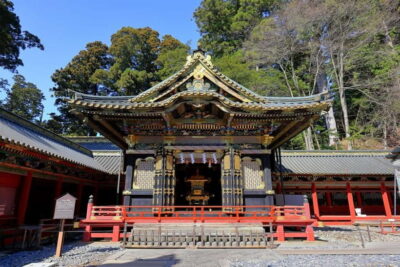
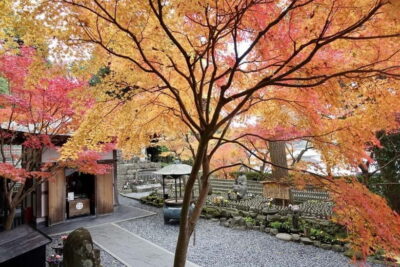
Kamakura & Enoshima Day Trip including Temple Tickets
Read our review →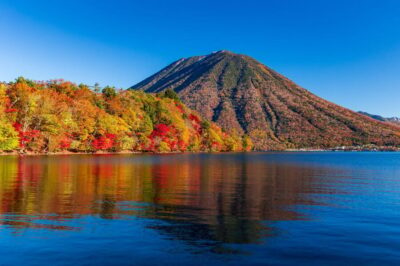
Nikko Toshogu Shrine and Kegon Waterfall Tour
Read our review →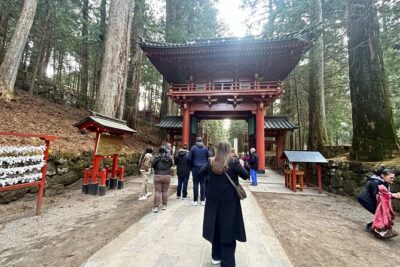
Nikko, Kegon Waterfall & Chuzenji Lake from Tokyo
Read our review →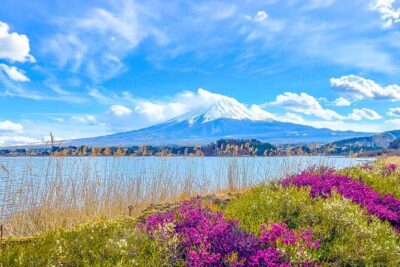
Mount Fuji, Kamakura, Big Buddha, & Lake Ashi Day Trip
Read our review →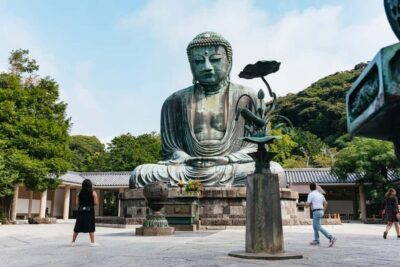
Mt. Fuji, Kamakura, Big Buddha, & Lake Ashi Day Trip
Read our review →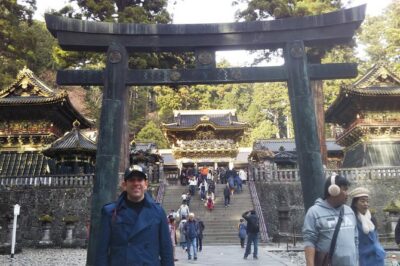
Nikko Full-Day Private Tour with Government-Licensed Guide
Read our review →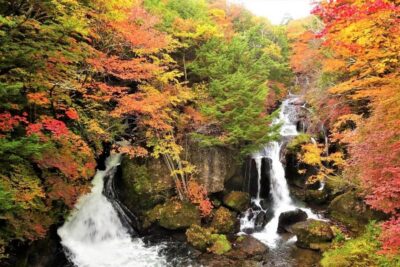
Browse the lists this tour appears in