
REVIEW · NIKKO & KAMAKURA DAY TRIPS
Kamakura and Enoshima: Private Guided Day Tour with Vehicle
The best thing about this day is the range: Kamakura’s Great Buddha and temples in the morning, then Enoshima’s coastal paths, shrines, caves, and Sea Candle before returning through Komachi Dori. You see Japan’s old religious center and a lively seaside island without changing hotels or wrestling with several train connections.
I like the private car and flexible schedule, especially for a long day from Tokyo. I also like the guide-led context, since sites such as Hase-dera and Enoshima Shrine make more sense when someone explains the customs and stories behind them. The main concern is reliability: two recorded bookings describe missed pickups and poor phone contact, so I would confirm the driver and meeting details before departure.
Key points to know before booking
- A full 10-hour day from Tokyo: Hotel pickup and drop-off make this much easier than building the same route by train.
- Great Buddha admission is extra: Kotoku-in costs 300 yen, Hase-dera costs 400 yen, and Hokokuji costs 400 yen.
- Enoshima gives you the big views: On a clear day, the Sea Candle offers views toward Mount Fuji.
- Spring adds cherry blossoms: Tsurugaoka Hachimangu is especially appealing during blossom season.
- The route mixes major sights and free time: You get guided visits, shopping, street food, and time for regional dishes.
- Private means up to six people: At $483 per group, the value improves sharply when several people share the vehicle.
Why this makes sense as a Tokyo day trip
Kamakura and Enoshima sit south of Tokyo, and each deserves more than a quick photograph. Kamakura gives you major Buddhist and Shinto sites, while Enoshima adds ocean air, island paths, caves, and views. The two destinations work well together because they feel different without requiring a long transfer between them.
A 10-hour private tour is useful here. You can leave your Tokyo hotel with a guide and vehicle, keep your belongings with you, and avoid planning every train, bus, and walking connection. That convenience matters most for families, small groups, and anyone who wants to see several places in one day.
The listed price is $483 for up to six people. For six, that works out to $80.50 per person before admission fees and food. For two people, it is a much more expensive day, but you are paying for a private vehicle, hotel pickup and drop-off, parking, bottled water, and a personal English-speaking guide. Compare that with the time and effort of arranging the route yourself.
The private format also lets you tailor the day to your interests. You can give more time to temples, shopping, food, or Enoshima, although the number of scheduled stops means you should not expect a slow, unhurried visit everywhere.
More Private Temple Tours in Japan
- Fushimi Inari Hidden Hiking Tour (Private Option Available)
★ 5.0 · 1,750 reviews - Tokyo: Zen Meditation at a Private Temple with a Monk
★ 5.0 · 510 reviews - Nikko Full-Day Private Tour with Government-Licensed Guide
★ 5.0 · 259 reviews
The Great Buddha at Kotoku-in
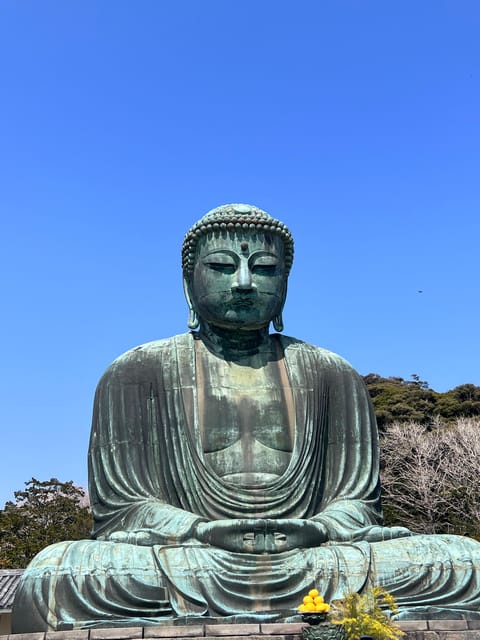
The first major stop is Kotoku-in, home of Kamakura’s famous bronze Great Buddha. The statue is 13.35 meters tall and has become the city’s best-known symbol. The planned visit is about 30 minutes, enough to see the statue, take photographs, and hear the basic story of the site.
This is a short stop, so keep your expectations realistic. You are not getting a long temple visit here. The reward is the scale and presence of the Buddha itself, especially when you stand close enough to appreciate the weathered bronze surface.
Admission costs 300 yen and is not included. Carry some Japanese yen for this and the other temple entries. If you want a quiet photographic moment, your guide may help you find a better angle, but the stop is still likely to be one of the busier points in the day.
Hase-dera’s gardens and Kannon statue
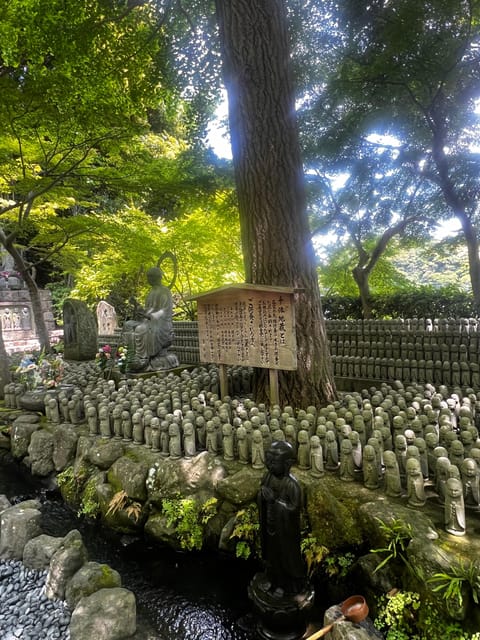
Hase-dera gives you more time, with about an hour for a guided walk. The temple is known for its gardens, coastal views, and a large wooden statue of Kannon, the Buddhist goddess of mercy.
This is one of the more rewarding stops because it combines art, belief, plants, and views in one place. I would listen closely to the explanation of Kannon and Japanese temple customs rather than treating the visit as a quick photo stop. The meaning behind the statue and the layout of the grounds adds much more to the experience.
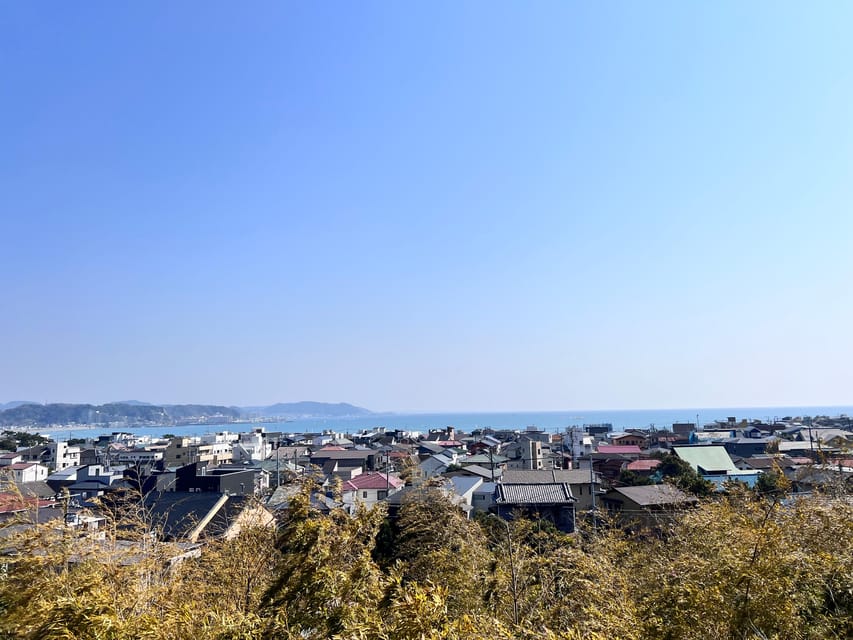
The walk is part of the appeal, but it also means you should wear comfortable shoes. Admission is 400 yen, payable separately. The coastal outlook can be especially pleasing when the air is clear, though the tour information does not promise a particular view or weather condition.
Tsurugaoka Hachimangu and Kamakura’s central avenue
Tsurugaoka Hachimangu is Kamakura’s most important Shinto shrine and receives about an hour on the planned route. It is a good place to learn the difference between Shinto and Buddhism, see how a major shrine is arranged, and observe local customs.
Spring is the standout season here because cherry blossoms frame parts of the approach and shrine grounds. The blossoms are weather-dependent, of course, so do not book this tour solely on the hope of a perfect display. Even outside spring, the shrine gives the day a strong cultural center.
The visit is paired with Komachi Dori Street, a useful contrast. At Komachi Dori, you can browse shops, try street food, and look for regional treats. You get about an hour for this part, which is enough for a snack and some shopping but may feel short if you want a full meal and extensive browsing.
I like this pairing because it lets you see Kamakura as more than a collection of monuments. The shrine shows its ceremonial side, while Komachi Dori shows the modern visitor economy around it.
More Nikko and Kamakura Day Trips in Japan:
- Nikko: Kegon Falls, Lake Chuzenji & Toshogu Temple
★ 4.6 · 1,577 reviews - Tokyo: Kamakura & Enoshima Day Trip including Temple Tickets
★ 4.5 · 1,375 reviews - Tokyo: Nikko Toshogu Shrine and Kegon Waterfall Tour
★ 4.5 · 1,266 reviews - Nikko, Kegon Waterfall & Chuzenji Lake from Tokyo
★ 5.0 · 1,240 reviews
Enoshima’s island paths, shrines, and caves
Enoshima receives the largest single block of sightseeing time, about two hours, followed by another hour for free time, shopping, and regional food. That gives you a chance to explore at a more relaxed pace than the shorter temple stops.
The island has coastal paths, the Enoshima Shrine complex, and caves connected with local mythology. The walk can be uneven and active, so comfortable shoes are not just a polite suggestion. Sunscreen is also sensible, since parts of the route are outdoors and exposed.
Enoshima Shrine is not one single quick photo point. The island’s religious sites are spread along the route, and the guide can explain the customs and stories as you move through them. The caves add a change of mood, taking you into the island’s natural side while linking the place to its legends.
The free hour matters. You can use it for seafood or traditional Japanese food, browse shops, or simply slow down. Your guide can recommend a restaurant, but the tour does not include lunch. If food is important to you, tell the guide early so the meal does not get squeezed into the final part of the day.
Climbing the Enoshima Sea Candle
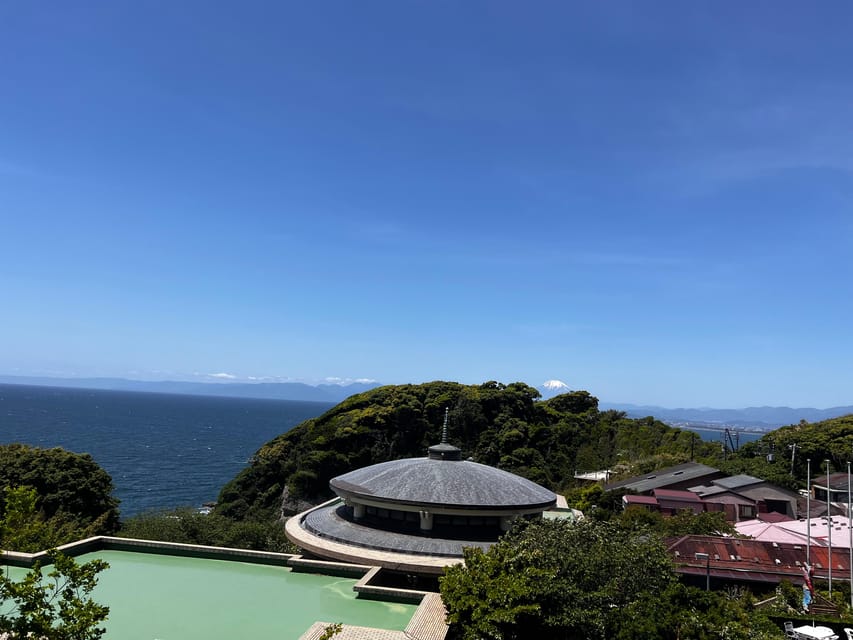
The Sea Candle is Enoshima’s lighthouse and one of the clearest reasons to visit the island. You can climb to the top for wide views toward the coast and, on a clear day, Mount Fuji.
That last condition matters. Fuji views depend on weather, haze, and visibility, so treat them as a bonus rather than a guarantee. Even without Fuji, the elevated outlook gives you a useful sense of the island and surrounding coast.
The tour description includes the Sea Candle as a highlight, but it does not specify a separate admission price. Ask your guide or confirm at booking what is covered, since the listed inclusions only clearly identify the vehicle, guide, hotel transfers, water, and parking.
Hokokuji and the bamboo grove
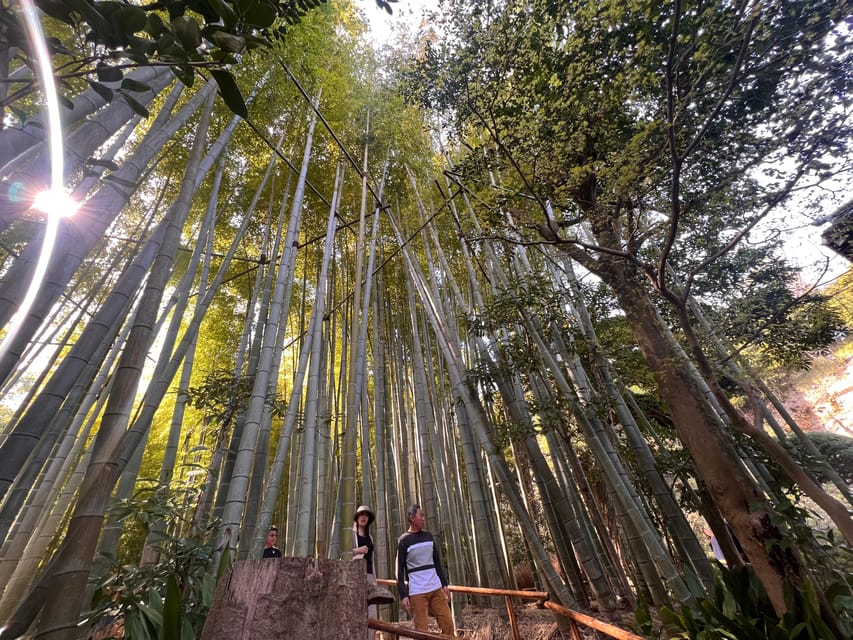
Hokokuji is scheduled as the final sightseeing stop, with about an hour for the bamboo forest, guided exploration, and a tea ceremony. It offers a quieter change from Enoshima’s open coast and Kamakura’s central sights.
The bamboo grove is compact compared with Japan’s most famous bamboo sites, but the setting can still provide a calm final stop. The tea ceremony gives the guide a chance to explain Japanese manners and traditions in a practical way. This is one place where pacing matters, since the day already includes several major visits.
The entrance fee is 400 yen and is not included. The activity information names a tea ceremony, but it does not clearly state whether that part has a separate charge, so confirm before you go.
One useful warning: the bamboo forest was missed on one recent booking. If Hokokuji is important to you, say so at the start of the day and check the timing before leaving Tokyo. The route is adjustable, but adjustments work best when you make your priorities clear early.
What the guide and vehicle add
The English-speaking guide is meant to provide more than directions. You can expect explanations of Japanese customs, religious traditions, and the background of the sites. One guide named Taka was specifically praised for explaining Japanese culture throughout the day, and other strong booking notes describe the driver-guide as friendly, available, and helpful with recommendations.
That human element is valuable at places where signs may not give much context in English. A guide can also help you understand shrine etiquette, temple behavior, and the difference between a religious visit and a simple sightseeing stop.
The car is the other major advantage. You are not carrying shopping bags through multiple train stations, and you can return to the vehicle between stops. Parking fees are included, which keeps the cost clearer.
Still, private transport does not remove traffic. The schedule is long, and Tokyo-area roads can affect how much time you have at each stop. That is another reason to identify your priorities. I would choose the Great Buddha, Hase-dera, Enoshima, and either Tsurugaoka Hachimangu or Hokokuji as the day’s essentials, then treat the remaining stops as flexible.
Food, shopping, and the pace of the day
The tour includes time for local restaurants, seafood, traditional Japanese food, street food, and shopping. Lunch is not included, so you should budget separately and tell the guide what kind of meal you want.
Enoshima is the natural place to consider seafood, while Komachi Dori is better for casual snacks and browsing. You may find that one full restaurant meal makes the day feel rushed if you also want to walk the island and visit the caves. A quick regional snack can be a practical choice, especially if you want to preserve time for the Sea Candle.
The day is active. You will walk around temples, shrine grounds, shopping streets, island paths, and possibly the bamboo grove. Bring comfortable shoes, a camera, sunscreen, and water. Bottled water is included, but I would still carry what you need for the walking sections.
Reliability and booking precautions
The service record is mixed. Several bookings describe excellent planning, a comfortable vehicle, an engaging guide, and a day that did not feel rushed. Those comments line up with what this format can do well: a clear route, personal attention, and easy transfers.
But two serious complaints describe a driver who did not arrive, followed by difficulty reaching the provider. One account says a rescheduled pickup also failed. That is not a minor inconvenience on a 10-hour day trip, especially when you have set aside a full day and may have other Tokyo plans.
I would not ignore this concern. Before the tour, confirm the pickup time, hotel location, driver contact, and vehicle details. Save the provider’s messages and contact information, and avoid scheduling a costly evening activity immediately after the stated return time.
The cancellation policy allows a full refund when you cancel at least 24 hours ahead, and you can reserve now and pay later. Those terms add flexibility, but they do not replace the need to confirm the pickup shortly before the tour.
Who should book this private Kamakura and Enoshima day?
I would recommend it most for a group of four to six people that wants convenience and a broad first look at the area. Families will appreciate the car and hotel transfers, while older visitors may prefer avoiding repeated train changes. It also suits anyone who wants an English-speaking guide to explain customs rather than simply point out buildings.
It is less suitable if you want a slow temple day, a long lunch, or many hours at one site. The route covers a lot of ground. Independent visitors who enjoy local trains and setting their own pace can probably spend less, though they will need to manage transport and timing themselves.
At $483 per group, the value is strongest when shared. Add the 300 yen Kotoku-in fee, 400 yen Hase-dera fee, and 400 yen Hokokuji fee, plus food and any unlisted Sea Candle charge. The total is reasonable for a small group that values time and comfort, but harder to justify for one or two people unless private transport is a top priority.
Should you book it?
Book this tour if you want to connect Kamakura’s major temples and shrines with Enoshima’s coast in one organized day. The private vehicle, hotel pickup, flexible route, and personal guide can make a complicated outing far easier.
Before paying, confirm the pickup details and make sure Hokokuji and the Sea Candle are priorities if you do not want them shortened or missed. If the provider confirms everything clearly and you are traveling with several people, this is a practical way to see a lot of southern Honshu in one day. If you are traveling alone, prefer a slow pace, or cannot tolerate pickup uncertainty, plan the route independently or choose a service with a stronger operational record.
FAQ
How long is the Kamakura and Enoshima tour?
The tour lasts 10 hours, including pickup from and drop-off at your Tokyo hotel.
How many people can join the private tour?
The price covers one private group of up to six people.
Is hotel pickup and drop-off included?
Yes. Hotel pickup and drop-off in Tokyo are included.
What language does the guide speak?
The live guide speaks English.
Are temple admission fees included?
No. Kotoku-in costs 300 yen, Hase-dera costs 400 yen, and Hokokuji costs 400 yen. These fees are paid separately.
Is lunch included?
No. Lunch is not included, but the guide can recommend local restaurants serving seafood or traditional Japanese food.
Can the itinerary be changed?
Yes. The tour information says you can tailor the itinerary to your interests. Tell the guide your priorities early, especially if you want to make sure the bamboo forest or Sea Candle receives enough time.
Is the tour wheelchair accessible?
Yes. The activity is listed as wheelchair accessible, although the route includes walking at temples, along Enoshima paths, and around other outdoor sights.
Just added around Japan
- From Asakusa: Old Tokyo, Temples, Gardens and Pop Culture★ 5.0 · 47 reviews
- Private guided tour: Mt. Aso volcano, grasslands, Aso Shrine★ 5.0 · 19 reviews
- Goshuin Collecting tour at Asakusa Local Temples & Shrines, Tokyo★ 5.0 · 8 reviews
- Tokyo:Nikko UNESCO World Heritage Sites Private 1-Day Tour★ 3.8 · 6 reviews
- Tokyo Yokohama Night View Tour With Kamakura And Enoshima★ 3.5 · 14 reviews
- Tokyo: Snow Monkey Park and Zenkoji Temple Private Day Tour★ 4.7 · 127 reviews
- Tokyo War History Tour: Yasukuni Shrine & War Museum★ 4.5 · 6 reviews
- Tokyo to Nikko: Exclusive Private Day Trip★ 4.8 · 6 reviews
Nikko & Kamakura Day Trips, compared.
Kamakura & Enoshima Day Trip including Temple Tickets
Read our review →
Nikko Toshogu Shrine and Kegon Waterfall Tour
Read our review →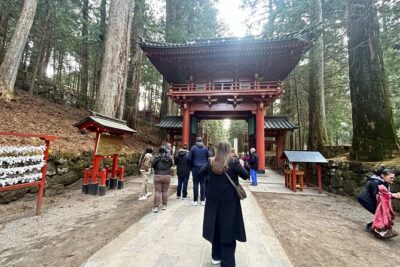
Nikko, Kegon Waterfall & Chuzenji Lake from Tokyo
Read our review →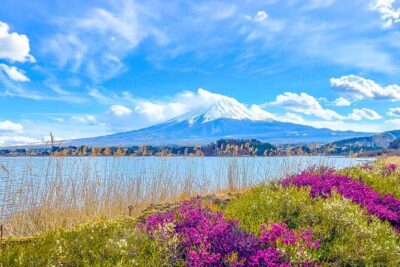
Mount Fuji, Kamakura, Big Buddha, & Lake Ashi Day Trip
Read our review →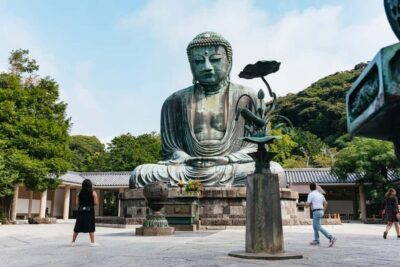
Mt. Fuji, Kamakura, Big Buddha, & Lake Ashi Day Trip
Read our review →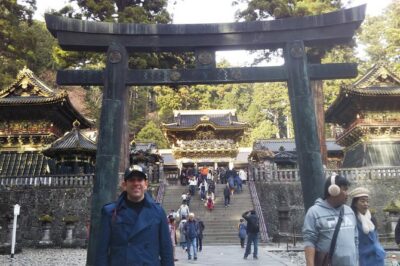
Nikko Full-Day Private Tour with Government-Licensed Guide
Read our review →
Browse the lists this tour appears in