
REVIEW · NIKKO & KAMAKURA DAY TRIPS
Authentic Japanese Tea Ceremony Experience in Kamakura
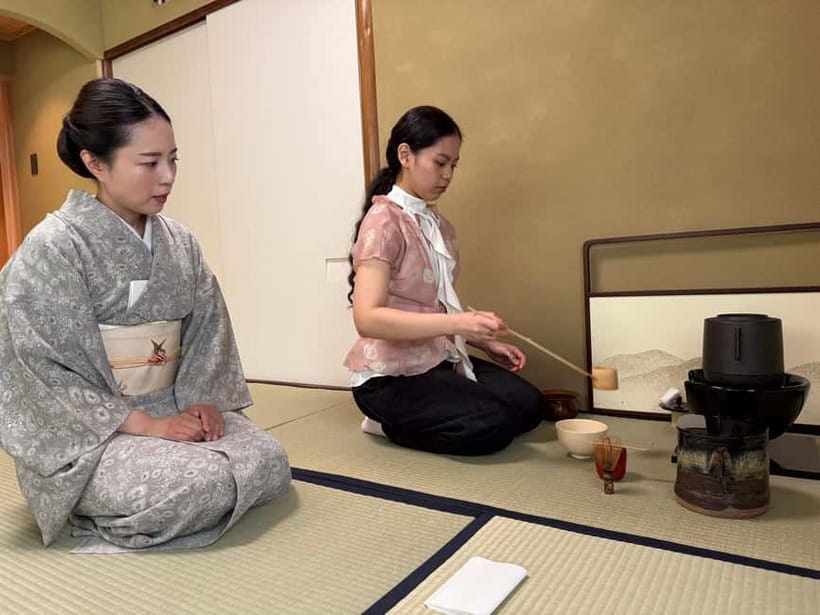
Kamakura is known for temples and sea air, but this experience takes you into a quieter part of Japanese culture: the careful, graceful world of sado, the way of tea. In a small sukiya-zukuri tea room, a certified tea master explains the meaning behind each movement, then lets you try the ritual yourself.
I like the small six-person limit, which gives the session a calm, personal feel. I also like that you receive two servings of matcha and seasonal wagashi, then make tea with the same type of utensils used in the demonstration. The main consideration is the setting: you must remove your shoes, and the tea room is not suitable for wheelchair users.
Key points at a glance
- Two servings of matcha: You taste freshly whisked tea before and after trying the process yourself.
- A real tea-room setting: The session takes place in a sukiya-zukuri room with tatami flooring.
- Small groups of six: The limited size makes it easier to follow the instructor and ask questions.
- English and Japanese instruction: You can learn the customs without needing to speak Japanese.
- A useful Kita-Kamakura stop: The meeting point is about a 5 to 7-minute walk from JR Kita-Kamakura Station, near restaurant Kō.
- A hands-on cultural lesson: You learn how to whisk and serve matcha, not just watch a performance.
Why this tea ceremony fits well into a Kamakura day
This is a compact experience, lasting about one hour. That makes it easy to add before or after visiting the temples around Kita-Kamakura, without giving up most of your day.
The setting matters. A tea ceremony can feel very different in a busy attraction than it does in a quiet tea room with only a handful of people. Here, the focus is on the room, the utensils, the sweets, and the movements of the tea master. You are not simply watching a show. You are learning why the ceremony is performed in such a careful way.
The session introduces omotenashi, the Japanese idea of thoughtful hospitality. The point is not only to prepare a drink. It is to notice the guest, the season, the tools, the arrangement of the room, and the small acts of care that make the meeting special.
You will also hear about the connection between tea practice, Zen, and mindfulness. The lesson is designed for first-time visitors, so you do not need to know anything about Japanese customs before arriving.
More Nikko and Kamakura Day Trips in Kamakura:
- Tokyo: Kamakura & Enoshima Day Trip including Temple Tickets
★ 4.5 · 1,375 reviews - From Tokyo: Kamakura & Enoshima 1-Day Bus Tour
★ 4.5 · 189 reviews - Kamakura Historical Walking Tour with the Great Buddha
★ 5.0 · 129 reviews
Finding the tea room near Kita-Kamakura Station
The meeting point is the tea room called 茶室「竹翠庵」. It is near the restaurant Kō and roughly a five to seven-minute walk from JR Kita-Kamakura Station.
Allow a few extra minutes for finding the entrance. The directions describe the location clearly enough for someone familiar with the area, but one piece of practical advice is worth taking seriously: check the meeting information before leaving the station. One piece of booking feedback specifically pointed to the location details as an area that could be clearer for international visitors.
Kita-Kamakura is a good place for this activity because it feels quieter than central Kamakura. You can pair the tea ceremony with nearby temple visits, though the experience itself does not include transportation or sightseeing stops.
Once inside, you will remove your shoes before entering the tatami tea room. Bring socks. This is not just a comfort tip. Socks are required for the tea-room setting.
Entering the sukiya-zukuri tea room
The room follows the sukiya-zukuri style, a design tradition associated with refined simplicity and natural materials. The supplied information does not list the room’s exact decoration, so you should not expect a large museum display or a grand performance hall.
Instead, expect a close view of the tea utensils and the person preparing the tea. The small group size is important here. With no more than six participants, you should be able to see the demonstration and follow the explanations without the crowding that can make cultural activities feel distant.
The tea room uses tatami flooring, and sitting on the floor may be part of the traditional experience. Chairs are available if kneeling is difficult, but you should notify the provider in advance. The activity is not suitable for wheelchair users, and it is listed as unsuitable for pregnant women.
There is no stated dress code. Modest clothing is recommended, and practical clothing will serve you better than anything restrictive. Remember that shoes come off.
The tea master explains what each movement means
The first part of the session introduces the history and meaning of Japanese tea ceremony, also called 茶道 or sadō. The instructor speaks Japanese and English, so you can ask questions and follow the ceremony without guessing what is happening.
A good tea lesson should explain more than the order of actions. This experience focuses on the reason behind the movements, including etiquette, manners, hospitality, and the Zen influence on tea practice.
You will watch a live preparation of matcha. The tea master demonstrates how the tea is handled and served, while showing the polite movements that shape the ceremony. The pace is deliberate. That may feel slow if you are expecting a quick drink and a photo, but the slower rhythm is the point.
The ceremony asks you to pay attention to small details. How you receive the bowl, how you show respect, and how you observe the host are all part of the lesson. You do not need to memorize every rule. The instructor guides you through the important points.
Photos are allowed at designated times. Keep your phone away during the formal portion unless the instructor indicates that photography is acceptable. That lets you watch the ceremony properly and keeps the room calm for everyone.
Same country, a different morning at the gates:
- Kamakura Private Tour: Temples, Nature, and the Great Buddha
★ 5.0 · 121 reviews - From Tokyo: Kamakura Full Day Tour with a Local Expert Guide
★ 4.6 · 43 reviews - From Tokyo: Kamakura Private Customize Tour by Luxury Van
★ 4.6 · 38 reviews - Kamakura: A Journey Through Medieval Japan
★ 4.9 · 32 reviews
Two matcha servings and seasonal wagashi
You receive two servings of freshly whisked matcha during the 60-minute session. The tea is paired with seasonal Japanese sweets called wagashi.
Wagashi often provides a gentle contrast to matcha’s strong, grassy taste. The sweets are part of the tea service, not an unrelated snack added at the end. Their seasonal role helps show how Japanese tea culture connects food, presentation, and the time of year.
The two servings also give the experience a useful structure. First, you can watch and taste the tea prepared by the tea master. Later, you can make and serve tea yourself. That lets you notice the difference between seeing the process and handling the tools.
If you have never tried matcha, expect a flavor that is more concentrated and savory than ordinary brewed green tea. The wagashi helps balance it. The experience includes the matcha and sweets, so you do not need to arrange those separately.
Your turn to whisk and serve matcha
The most valuable part for many people will be the hands-on practice. After watching the demonstration, you will receive step-by-step guidance as you make and serve tea yourself.
The activity includes rental tea ceremony utensils. You do not need to bring special equipment or have previous experience. The instructor’s job is to show you the correct handling and help you follow the sequence.
This is where the small group helps. A class of six gives you more room to watch others, ask for clarification, and take your turn without feeling rushed. It also keeps the practice personal rather than turning it into a quick rotation through a large crowd.
Do not worry about performing perfectly. The value is in understanding the care behind the ritual. You will come away with a better sense of how the bowl, whisk, tea, sweets, and guest-host relationship fit together.
Families can consider this activity for children aged seven and up. Younger children may find the quiet pace and formal manners difficult, but the hands-on whisking gives older children a clear way to take part.
What the $36 price includes
At $36 per person, this is reasonably priced for a one-hour cultural activity, especially because the cost includes the instruction, a traditional tea ceremony performance, rental utensils, two servings of matcha, and Japanese sweets.
The value is less about the amount of food and more about access to a small, guided experience. You are paying for a certified tea master’s explanation and for the chance to try the ritual in a proper tea-room setting.
It is not the right choice if you only want a quick cup of green tea. You could spend less elsewhere for a drink. The price makes more sense if you want context, etiquette, and direct practice.
The 4.5 rating from eight bookings is a positive sign, and the strongest praise centers on the experience being beautiful, pleasant, friendly, interesting, and perfect for the people who attended. That fits the design of the activity: it is focused, polite, and easy to understand for first-time visitors.
Timing, comfort, and practical details
The official duration is one hour, with starting times depending on availability. Since the activity is short, it works well on a day when you are visiting several parts of Kamakura.
The location is close to JR Kita-Kamakura Station, but the provider describes the walk as both about five minutes and about seven minutes. Treat it as a short walk, but do not cut your arrival too close.
You may cancel up to 24 hours in advance for a full refund. You can also reserve now and pay later, which is useful if your Kamakura plans depend on weather or changes in your Tokyo schedule.
The activity is offered in Japanese and English. The group is limited to six participants. There is no ticket line to deal with, though you still need to arrive at the correct tea room.
Bring socks, wear modest clothing, and tell the provider in advance if kneeling is difficult. Chairs can be provided, but the activity is not suitable for wheelchair users. Pregnant women are also listed among those who should not take part.
Who will get the most from this experience
I would choose this for a first visit to Japan when you want something more personal than a large cultural demonstration. It is also a good fit for couples, families with children aged seven or older, and anyone curious about Japanese manners and hospitality.
The activity works especially well for people who enjoy learning the reason behind a custom. You will not only see matcha being prepared. You will hear about the meaning of the ritual and then try the main steps yourself.
It may be less suitable if you dislike quiet activities, floor-based rooms, or formal etiquette. The session has a calm pace, and you should be ready to remove your shoes and follow the instructor’s directions.
If you are visiting Kamakura mainly for temples, this is an easy cultural addition near Kita-Kamakura Station. If you are staying in central Tokyo, remember that the experience is in Kamakura, about an hour from central Tokyo according to the activity information. Plan your wider day around the train journey.
Should you book the Kamakura tea ceremony?
Book this experience if you want a short, authentic-feeling introduction to Japanese tea culture with English instruction and plenty of direct guidance. The combination of a small group, two matcha servings, wagashi, and hands-on whisking gives the $36 price solid value.
Skip it if you want a casual drink, a large theatrical show, or a fully accessible activity. For everyone else, this is a thoughtful way to slow down in Kamakura and learn a custom that is easy to admire but much more rewarding once you understand how to take part.
FAQ
How long does the Japanese tea ceremony experience last?
The experience lasts approximately 60 minutes.
Where does the activity take place?
It takes place at 茶室「竹翠庵」, a traditional tea room near restaurant Kō. The tea room is about a five to seven-minute walk from JR Kita-Kamakura Station.
How many people can join the session?
The group is limited to a maximum of six participants.
Is the activity available in English?
Yes. The instructor can provide the experience in Japanese and English.
Is matcha included?
Yes. The experience includes two servings of matcha and Japanese seasonal sweets called wagashi.
Do I get to make tea myself?
Yes. After watching the tea ceremony demonstration, you can whisk and serve matcha with step-by-step guidance.
What should I bring?
Bring socks because shoes must be removed before entering the tatami tea room.
Can I join if kneeling is difficult?
Chairs are available if kneeling is difficult, but you should notify the provider in advance. The activity is not suitable for wheelchair users.
Just added around Kamakura
- Kanagawa: Kimono Rental in Kamakura Provided by RikaWafuku★ 4.8 · 8 reviews
- Kamakura: Great Buddha, Hase Temple, & Komachi Street Tour★ 5.0 · 11 reviews
- Kamakura: Walking Tour through the City of Samurai★ 4.9 · 12 reviews
- Kamakura: Private History and Heritage Tour by Rickshaw★ 4.9 · 7 reviews
- Kamakura Private Custom Tour with Local Guide★ 5.0 · 7 reviews
- Kamakura Half Day Tour with a Local Expert Guide★ 4.4 · 23 reviews
- Kamakura: Half day Walking tour & Japanese sweets★ 5.0 · 11 reviews
- Kamakura: Daibutsu Hiking Trail Tour with Local Guide★ 5.0 · 10 reviews
Nikko & Kamakura Day Trips, compared.
Kamakura & Enoshima Day Trip including Temple Tickets
Read our review →
Nikko Toshogu Shrine and Kegon Waterfall Tour
Read our review →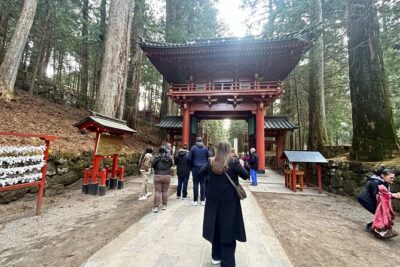
Nikko, Kegon Waterfall & Chuzenji Lake from Tokyo
Read our review →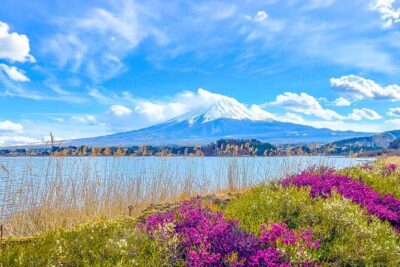
Mount Fuji, Kamakura, Big Buddha, & Lake Ashi Day Trip
Read our review →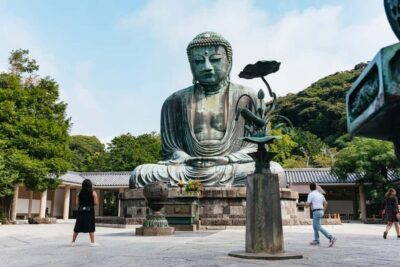
Mt. Fuji, Kamakura, Big Buddha, & Lake Ashi Day Trip
Read our review →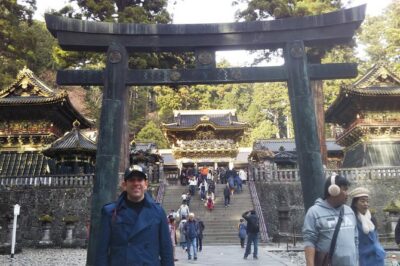
Nikko Full-Day Private Tour with Government-Licensed Guide
Read our review →
Browse the lists this tour appears in