
REVIEW · NIKKO & KAMAKURA DAY TRIPS
Kamakura: Walking Tour through the City of Samurai
Kamakura’s appeal comes from the way its samurai past sits beside quiet temple gardens, busy shopping lanes, and the enormous bronze Great Buddha. This 210-minute walk gives you a clear route through the city without leaving you to decode every shrine gate and Buddhist statue alone.
I like the small group of up to 10 people, which gives the guide room to answer questions. I also like the mix of major sights and local details, from sacred money-washing at Zeniarai Benten to shirasu-don and octopus crackers. The main drawback is pace: you cover several important places in a little over three hours, so some stops receive a useful introduction rather than a long, careful visit.
Key points at a glance
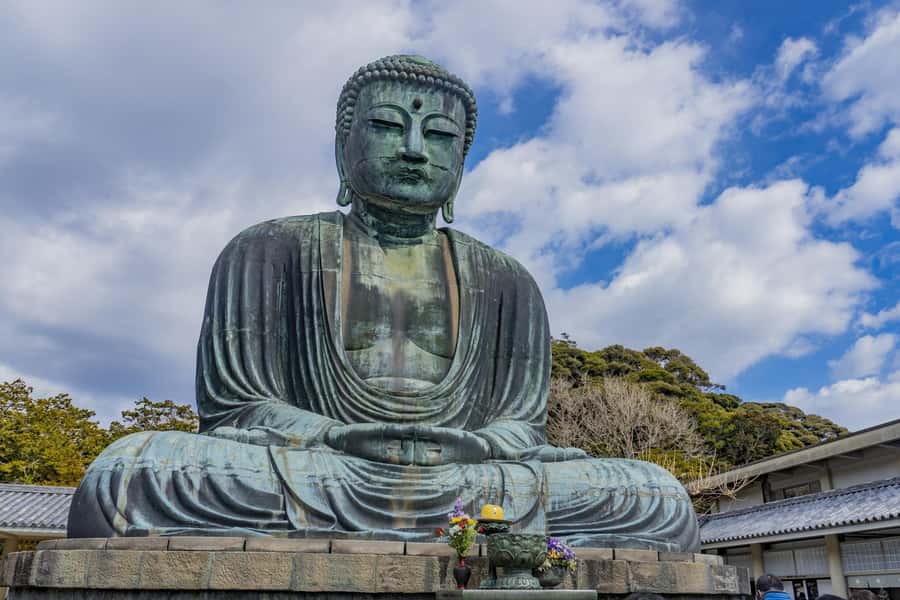
- The Great Buddha is the visual centerpiece: See Kotoku-in’s 11.4-meter bronze statue and learn why it matters to Japanese Buddhist culture.
- Tsurugaoka Hachimangu anchors the morning: Spend about an hour at Kamakura’s most important Shinto shrine.
- The route combines temples, food, and city life: Komachi Dori adds shops and local snacks between the historic sites.
- English guidance is personal: The group is limited to 10, and guides such as Midori and Kyoko are praised for clear explanations and thoughtful help.
- You finish at Hase-dera: This means you can continue exploring the Hase area afterward instead of returning to the station with the group.
- Budget extra time and money: The tour costs $32, while 1,200 yen is listed for admission and transportation, and meals are separate.
Why Kamakura makes a strong day trip from Tokyo
Kamakura was the seat of Japan’s first shogunate in the 12th century. That gives the city a different feel from central Tokyo. Here, political power, warrior culture, Buddhism, and Shinto practice developed side by side in a compact setting.
You will not spend the entire walk looking at old buildings. Kamakura is a living city, with trains, shopping streets, snack stalls, wooded temple grounds, and ordinary neighborhoods connecting the famous sights. That mix is part of the appeal. The guide helps turn separate stops into one story about how Kamakura became the heart of feudal Japan.
The tour starts at the JR Kamakura Station East Exit Tourist Information Center. Look for the guide holding a sign in front of the center. This is a practical meeting point, but give yourself enough time to find the East Exit. You will be walking soon after meeting, so wear shoes that can handle several hours on pavement and temple paths.
More Temple Walking Tours in Japan
- Kamakura Historical Walking Tour with the Great Buddha
★ 5.0 · 129 reviews - Kamakura: Half day Walking tour & Japanese sweets
★ 5.0 · 11 reviews - Kamakura; First Samurai Capital walking tour
★ 5.0 · 8 reviews
Tsurugaoka Hachimangu, Kamakura’s spiritual center
The first major stop is Tsurugaoka Hachimangu, with about an hour for a guided visit, sightseeing, and photographs. This shrine is the spiritual center of Kamakura and one of the best places to understand the city’s connection to the samurai era.
A guide can explain the shrine’s political role as well as its religious purpose. That context matters because Kamakura’s power was not only military. Religious institutions helped shape the city, and Tsurugaoka Hachimangu remains a place where historic customs continue in modern life.
I like beginning here because it gives you a framework for the rest of the tour. Once you understand Kamakura as the first shogunate’s headquarters, the later Buddhist temples and the Great Buddha make more sense.
This is also one of the busier parts of the route, especially around the central approach and main shrine grounds. Your guide will keep the walk moving, but you should not expect a slow photography session at every corner. If you want extensive independent time at Tsurugaoka Hachimangu, plan to return after the tour.
Komachi Dori for snacks and everyday Kamakura
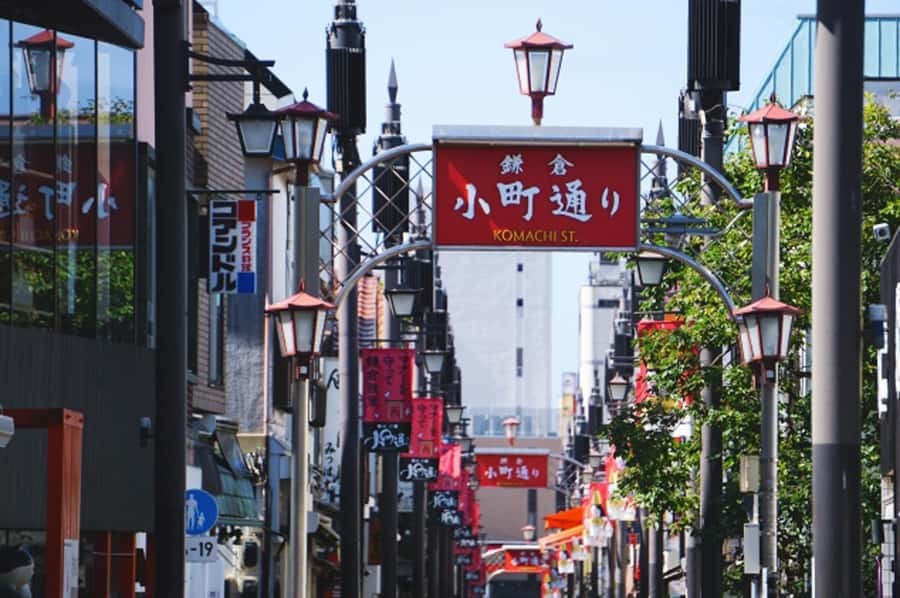
From the shrine, the route continues to Komachi Dori for around 30 minutes. This shopping street brings you back into present-day Kamakura, with food, small shops, and the steady movement of people passing through town.
This short stop is valuable because it breaks up the formal temple visits. You can see how the city presents its heritage while also serving local daily life and day trippers. The tour also introduces traditional food, including shirasu-don, rice topped with tiny baby sardines, and crispy octopus crackers.
Meals are not included, so do not count on a full lunch during the tour. Treat the food discussion and street visit as a chance to decide what you want to try later. Shirasu-don is a particularly local choice, but it may not appeal to every palate. The octopus crackers offer a lighter, crunchy alternative.
Thirty minutes is enough to get a taste of Komachi Dori, but not enough for serious shopping. If you want souvenirs or a relaxed meal, return after the walk or allow extra time before meeting the guide.
The short train ride to Kamakura’s western sights
A train journey of about 20 minutes connects the central Kamakura area with the next part of the route. Transportation is not presented as part of the base price, and the additional admission and transportation amount is listed as 1,200 yen total. Because the activity details also say attraction admission is included, check the final booking terms carefully so you know exactly what that amount covers.
The train transfer is not glamorous, but it makes the tour practical. Kamakura’s best-known sights are spread across the city, and walking between every stop would make the day longer and less comfortable. The ride also gives you a short break before the largest Buddhist statue and Hase-dera.
More Nikko and Kamakura Day Trips in Kamakura:
- Tokyo: Kamakura & Enoshima Day Trip including Temple Tickets
★ 4.5 · 1,375 reviews - From Tokyo: Kamakura & Enoshima 1-Day Bus Tour
★ 4.5 · 189 reviews - Kamakura Private Tour: Temples, Nature, and the Great Buddha
★ 5.0 · 121 reviews - From Tokyo: Kamakura Full Day Tour with a Local Expert Guide
★ 4.6 · 43 reviews
Kotoku-in and the 11.4-meter Great Buddha
At Kotoku-in, you spend about 30 minutes visiting the Great Buddha. The statue is 11.4 meters high and made of bronze, making it one of Kamakura’s unmistakable symbols.
This is the stop most people picture when they think of Kamakura, and it deserves the attention. The scale is impressive, but the setting also matters. The statue connects the city’s Buddhist traditions with its samurai-era story, giving you a concrete image of the religious culture that grew alongside military rule.
Thirty minutes allows time for photographs, a guided explanation, and a good look at the statue. It does not allow for a long, unhurried visit to every part of the grounds. If the Great Buddha is your main reason for coming to Kamakura, you may want to revisit Kotoku-in independently.
The tour description uses inconsistent wording about the length of this stop, but the stated total duration is 210 minutes and the itinerary’s time breakdown points to roughly 30 minutes here. Plan around the three-and-a-half-hour total, not the stray longer figure.
Hase-dera, gardens, and a calm finish
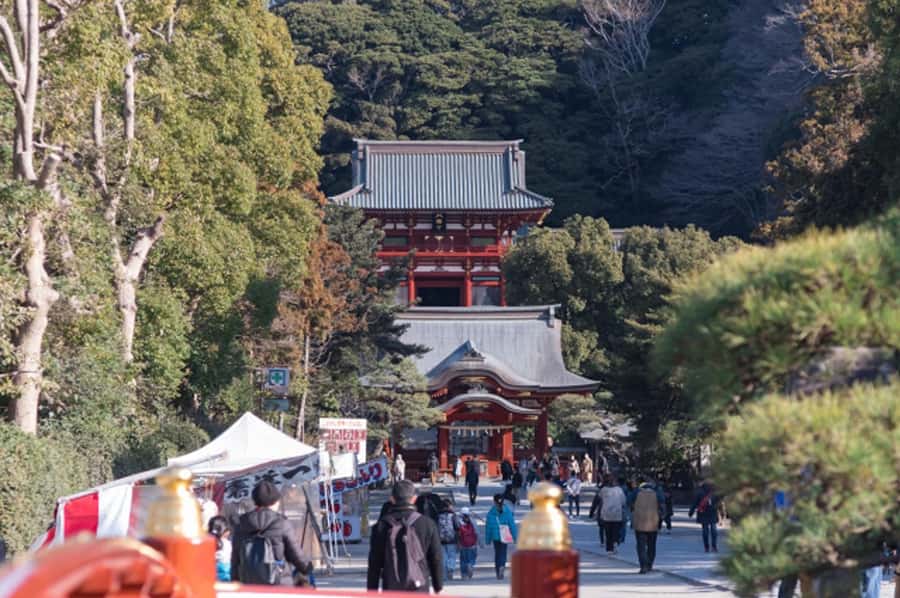
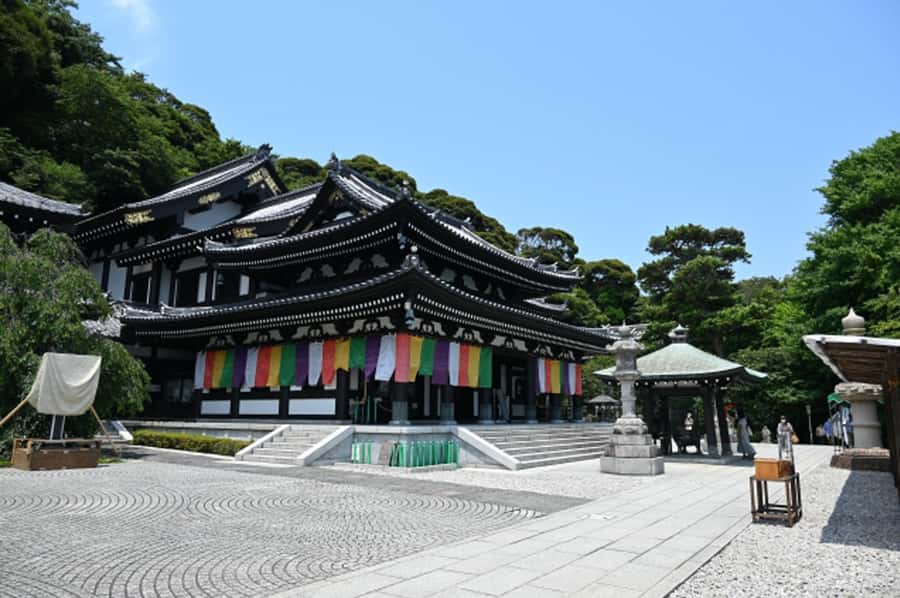
The final main stop is Hase-dera, with about an hour for a guided visit and photographs. The temple is known here for its peaceful setting, wooded areas, and bamboo groves. After the station crowds, shopping street, and train ride, this quieter ending gives the tour a welcome change of pace.
I like finishing at Hase-dera because you are not rushed back to Kamakura Station. The tour ends at Hasedera, leaving you in the Hase area with the option to continue on your own. The route does not include hotel pickup or drop-off, so this finish is especially useful if you plan to explore nearby afterward.
The temple visit involves walking and changing surfaces. The experience is not suited to wheelchair users or people with mobility impairments. Even if you walk comfortably, bring water and expect the weather to affect how pleasant the temple grounds feel. A hat and sunscreen are sensible on sunny days, while a light rain layer is wise when conditions are uncertain.
What the guide adds to the walk
The best reason to choose a guided route in Kamakura is not simply finding the entrances. It is learning how the city’s customs and monuments fit together.
Midori receives repeated praise for being attentive, helpful, and passionate. She is described as someone who explains Kamakura’s history and traditions while also answering questions and helping the group. Kyoko is also noted for speaking excellent English, engaging with the group, and explaining Japanese customs clearly.
That personal touch matters in a place where signs may not give much background in English. You can ask about the samurai period, shrine customs, Buddhist practices, or modern food traditions as they come up. One guide has also given a small Japanese gift at the end, a thoughtful detail that adds warmth without changing the basic value of the tour.
The strongest feedback centers on clear explanations, personal attention, and the amount of ground covered. One useful caution is that the tour moves quickly. If you want a detailed art-history lesson at each temple, this will feel brief. If you want a well-organized introduction to Kamakura with room for questions, the format works better.
Is $32 a fair price?
At $32 per person, the tour is reasonably priced for a 210-minute guided walk with an English-speaking professional and a maximum group size of 10. You are paying for route planning, historical interpretation, and help connecting sites that are spread across Kamakura.
The value is strongest if this is your first visit. Without a guide, you can certainly reach the Great Buddha and Tsurugaoka Hachimangu, but you may miss the link between the shogunate, shrine traditions, Buddhist temples, and modern local life. The guide also removes some of the uncertainty around moving from central Kamakura to the Hase area.
Budget separately for the listed 1,200 yen in admission and transportation costs, plus any food. The activity information is not perfectly consistent about what admission fees cover, so confirm the final inclusions before paying. The stated base price does not include hotel pickup or drop-off.
The free cancellation option up to 24 hours before the start and reserve-now, pay-later booking add flexibility. Those terms are useful if your Kamakura day depends on weather or a changing Tokyo schedule.
Who will get the most from this experience
I would choose this tour if you have one day in Kamakura and want to see the major sights without spending hours planning the order. It suits first-time visitors, history fans, and anyone who prefers a small group over a large coach outing.
It also works well for people curious about Japanese customs. The tour goes beyond statues and photo stops by explaining shrine practice, Buddhist heritage, local foods, and traditions that remain part of daily life.
You should think twice if you have limited walking ability, use a wheelchair, or want a very slow temple visit. The route includes walking, a train transfer, several major sites, and a short overall schedule. It is also not the right pick if your main goal is a long meal, extensive shopping, or private transport.
Bring comfortable shoes, water, sunscreen, a hat, and a camera. Smoking is not allowed during the activity. Since the walk runs in changing weather, dress for the forecast rather than assuming the day will stay cool and dry.
Should you book the Kamakura walking tour?
Book it if you want a focused introduction to Kamakura’s samurai past, major religious sites, and local food culture in a small English-speaking group. The route covers the essential sights, and guides such as Midori and Kyoko add the historical and cultural explanations that self-guided visits can lack.
Skip it if you already know Kamakura well or want hours at each temple. For most first-time visitors, though, $32 is a sensible way to organize a scattered set of sights. Keep your expectations realistic: this is a brisk orientation, not an all-day scholarly tour. Leave time afterward to revisit the place that caught your attention most.
FAQ
Where does the Kamakura walking tour start?
The tour starts in front of the Tourist Information Center at the East Exit of JR Kamakura Station. The guide will be holding a sign.
Where does the tour finish?
The tour finishes at Hasedera, near Hase-dera Temple. Hotel pickup and drop-off are not included.
How long does the tour last?
The stated duration is 210 minutes, or about three and a half hours.
What language is the tour offered in?
The tour is offered in English with a live guide.
How large is the group?
The tour is limited to 10 participants, making it a small-group experience.
Are attraction admission fees and transportation included?
The activity information says admission to attractions is included, but it also lists 1,200 yen for admission and transportation. Check the final booking details to confirm exactly what this amount covers.
Are meals included?
No. Meals are not included. You can learn about local foods such as shirasu-don and octopus crackers, but you pay for food separately.
Is the tour suitable for wheelchair users?
No. The activity is not suitable for wheelchair users or people with mobility impairments. Comfortable walking shoes are recommended.
More Temple Walking Tours in Kamakura
- Bangkok: City Highlights Temple and Market Walking Tour
★ 4.5 · 3,990 reviews - Bangkok: Grand Palace and Wat Phra Kaew Guided Walking Tour
★ 4.4 · 2,417 reviews - Bangkok: Wat Pho and Wat Arun Guided Walking Tour
★ 4.6 · 1,720 reviews - Tokyo: Asakusa Walking Tour with Sensoji Temple Visit
★ 4.8 · 1,583 reviews
Just added around Kamakura
- Kanagawa: Kimono Rental in Kamakura Provided by RikaWafuku★ 4.8 · 8 reviews
- Kamakura: Great Buddha, Hase Temple, & Komachi Street Tour★ 5.0 · 11 reviews
- Kamakura: Private History and Heritage Tour by Rickshaw★ 4.9 · 7 reviews
- Kamakura Private Custom Tour with Local Guide★ 5.0 · 7 reviews
- Kamakura Half Day Tour with a Local Expert Guide★ 4.4 · 23 reviews
- Kamakura: Half day Walking tour & Japanese sweets★ 5.0 · 11 reviews
- Kamakura: Daibutsu Hiking Trail Tour with Local Guide★ 5.0 · 10 reviews
- Kamakura Private & Customized Half-Day Tour with Local Guide★ 5.0 · 11 reviews
Nikko & Kamakura Day Trips, compared.
Kamakura & Enoshima Day Trip including Temple Tickets
Read our review →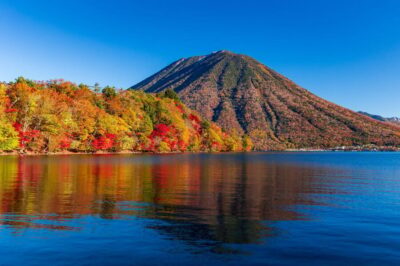
Nikko Toshogu Shrine and Kegon Waterfall Tour
Read our review →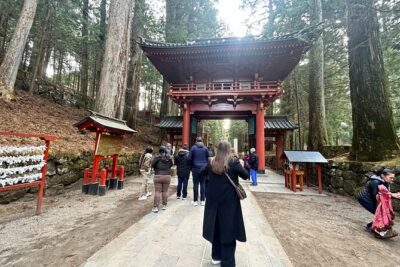
Nikko, Kegon Waterfall & Chuzenji Lake from Tokyo
Read our review →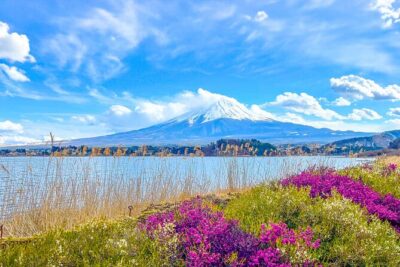
Mount Fuji, Kamakura, Big Buddha, & Lake Ashi Day Trip
Read our review →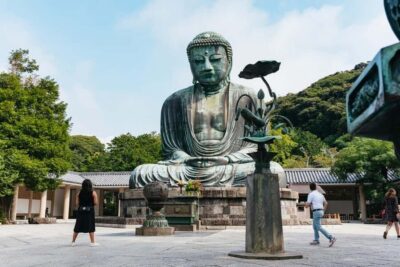
Mt. Fuji, Kamakura, Big Buddha, & Lake Ashi Day Trip
Read our review →
Nikko Full-Day Private Tour with Government-Licensed Guide
Read our review →
Browse the lists this tour appears in