
REVIEW · NIKKO & KAMAKURA DAY TRIPS
Kamakura: Private History and Heritage Tour by Rickshaw
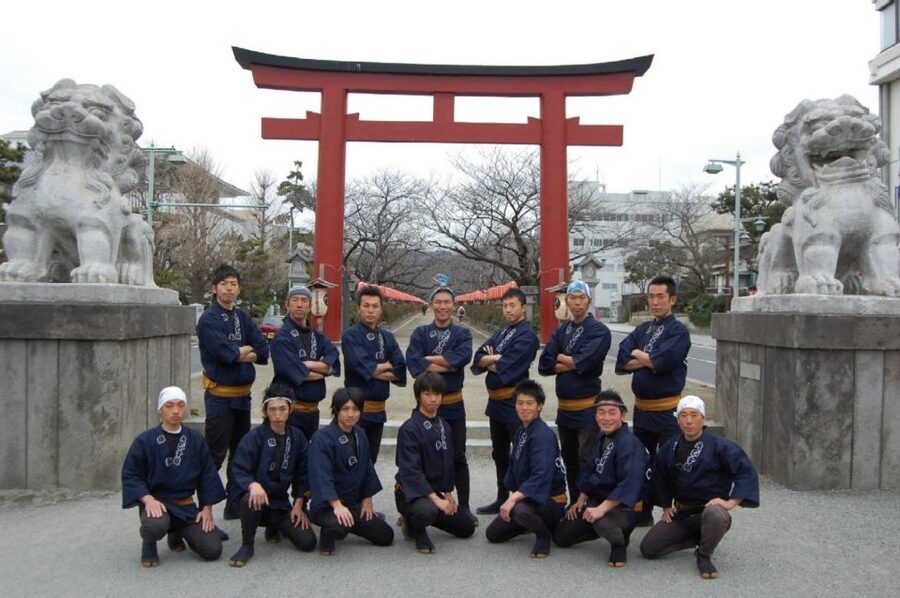
Kamakura’s temples and shrines are spread across a busy town, and a private rickshaw gives you a quick, comfortable way to connect them. You roll past Otori Gate, Tsurugaoka Hachimangu Shrine, quiet temple grounds, and old side streets without spending the whole day figuring out the route.
I like the easy choice of four tour lengths, and I like the personal touch: your guide can adjust the outing to your interests and will stop for photos. The main caution is space. Each rickshaw is only 74 centimeters wide, and it carries no more than two adults, so larger parties may need several rickshaws.
Key points to know before booking
- Four routes from 45 to 190 minutes: Pick a short town orientation or a full Kamakura outing.
- The Great Buddha appears on the 130-minute and 190-minute tours: These are the right choices if the statue is your priority.
- Hokokuji Temple is included on the 70-minute option and longer tours: Its gardens add a quieter, greener stop.
- Tsurugaoka Hachimangu Shrine anchors the route: Longer tours climb to the shrine for views over Kamakura.
- A private ride keeps the pace flexible: You can discuss interests with the local partner before the tour.
- Two adults fit in one rickshaw: Children under six may sit on an adult’s lap, subject to the stated rules.
Why a rickshaw suits Kamakura
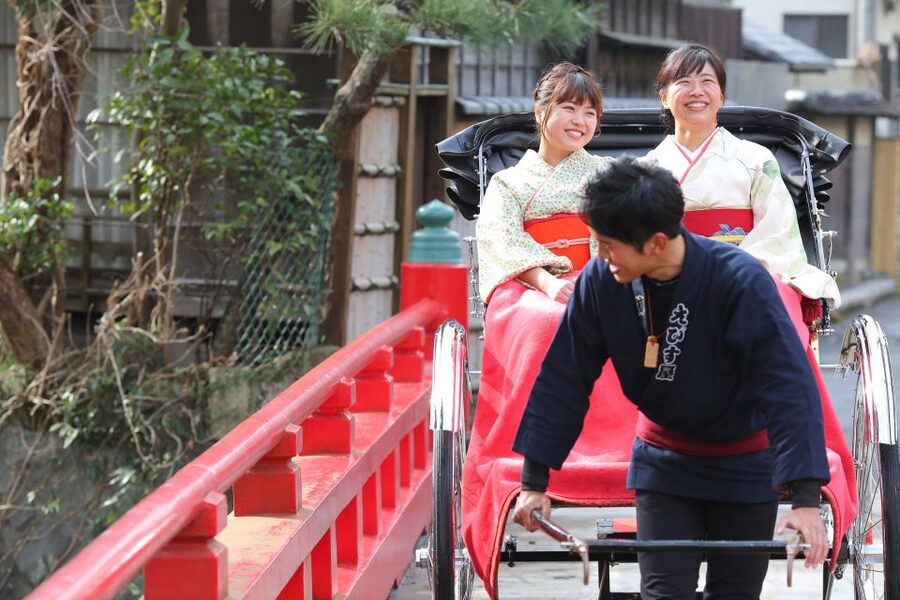
Kamakura was once the seat of Japan’s samurai government, and its main sights are linked by streets that can feel much more interesting than a straight trip from station to temple. A rickshaw lets you see the town between the famous stops.
You are not simply being driven from one gate to another. Your guide pulls you through the center, points out places along the way, and handles the route while you watch the streets pass by. That matters in Kamakura, where a short distance on a map can include a major shrine, a narrow side street, and a temple with broad grounds.
The private format is the biggest advantage. You are not sharing the ride with a large group, and you can ask for a pace or focus that suits you. The tour information specifically invites you to discuss preferences with the local partner. If you care most about temples, photographs, or the Great Buddha, say so before setting off.
The ride is also a pleasant choice for a first look at Kamakura. A short tour will not replace a full day of temple visits, but it can help you get your bearings quickly. A longer tour gives you more time to leave the main road and reach the major sights.
More Private Temple Tours in Japan
- Kamakura Private Tour: Temples, Nature, and the Great Buddha
★ 5.0 · 121 reviews - From Tokyo: Kamakura Private Customize Tour by Luxury Van
★ 4.6 · 38 reviews - Kamakura Private & Customized Half-Day Tour with Local Guide
★ 5.0 · 11 reviews
The 45-minute route: a useful Kamakura introduction
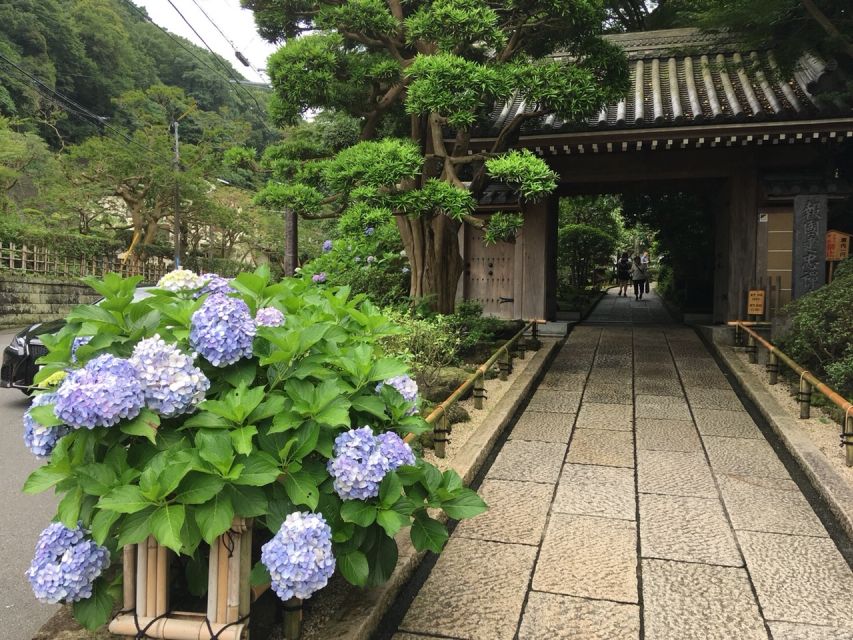
The shortest tour begins in the center of town and passes Otori Gate and the famous Tsurugaoka Hachimangu Shrine. You then return toward the station through quaint side streets and past temples with wide grounds.
This is the best fit if your schedule is tight or you want a taste of Kamakura before continuing elsewhere. It focuses on the town center rather than trying to include every major sight. You will see the approach to one of Kamakura’s most important shrines, but you should not book this option expecting the Great Buddha or Hokokuji Temple.
I like this route for arrival day planning. It gives you a sense of the town’s shape and makes the streets feel less anonymous. The return through side roads is also important. You get a look at Kamakura beyond the main shopping and traffic corridors.
At 45 minutes, the tour is an orientation, not a full heritage visit. If this is your only time in Kamakura, spend the extra money and time on one of the longer options.
The 70-minute route: add Hokokuji Temple
The next option adds Hokokuji Temple, known for its gardens. You can leave the rickshaw and wander through the grounds, making this route a better match for anyone who wants time on foot as well as time riding.
Hokokuji changes the feel of the outing. The shortest route is mainly a moving introduction to central Kamakura. This version gives you a proper stop in a garden setting, with time to look around rather than seeing the temple area only from the road.
The 70-minute tour remains fairly compact, so it suits you if you want one meaningful temple stop without giving up most of your day. It is also a sensible middle choice for families and first-time visitors who want more than a city circuit but do not need every listed sight.
Keep in mind that the listed admission fees are not included. If you choose this route, budget separately for any entry charge at Hokokuji Temple.
The 130-minute route: Hachimangu views and the Great Buddha
The 2-hour-10-minute tour reaches Tsurugaoka Hachimangu Shrine and includes the Daibutsu, Kamakura’s Great Buddha Statue. This is the first option that covers the two headline sights most people associate with Kamakura.
At Hachimangu, the tour climbs all the way up to the shrine, where you can enjoy views over the city. That climb gives the visit more meaning than a quick pass beneath the entrance gate. You see how the shrine sits above the central approach and get a broader sense of Kamakura from higher ground.
The Great Buddha provides a very different experience. The statue is a single, powerful sight rather than a wide temple complex, and seeing it up close gives the longer ride a clear focal point. Photo stops are included, so you have a chance to record both the statue and the route through town.
This is the option I would choose for a first visit if you have around half a day available. It includes the strongest pair of major sights without requiring the full 190-minute outing.
You should still expect some walking. The rickshaw brings you through town, but visiting a shrine and viewing the Great Buddha means getting out, moving around, and managing steps or uneven ground according to the site. The ride itself is not a substitute for exploring each place on foot.
More Nikko and Kamakura Day Trips in Kamakura:
- Tokyo: Kamakura & Enoshima Day Trip including Temple Tickets
★ 4.5 · 1,375 reviews - From Tokyo: Kamakura & Enoshima 1-Day Bus Tour
★ 4.5 · 189 reviews - Kamakura Historical Walking Tour with the Great Buddha
★ 5.0 · 129 reviews - From Tokyo: Kamakura Full Day Tour with a Local Expert Guide
★ 4.6 · 43 reviews
The 190-minute tour: the fullest route
The 3-hour-10-minute option combines the full set of listed sights: the central town route, Otori Gate, Tsurugaoka Hachimangu Shrine, Hokokuji Temple, its gardens, the Great Buddha, and the city views.
This is the strongest choice if Kamakura is a major part of your day rather than a brief stop between destinations. You get the relaxing road experience, time at temple grounds, the major shrine, and the Great Buddha in one private outing.
The benefit is not only the number of places. The longer tour lets Kamakura unfold at a more sensible pace. You are less dependent on a rushed checklist, and the guide can shape the ride around your interests. If you want photo stops, extra attention to shrines, or more time around the heritage sites, this is the duration to discuss when booking.
The tradeoff is simple: three hours and ten minutes is a serious commitment. If you have limited time, the 130-minute option covers the most famous sights more efficiently. If you want the fullest route and do not mind giving Kamakura a large share of your day, the longest tour offers the best coverage.
Tsurugaoka Hachimangu and Kamakura’s samurai past
Tsurugaoka Hachimangu is not just a stop for photographs. It is the central historical marker on this tour, linking modern Kamakura with the city’s role as a former samurai capital.
The approach through Otori Gate helps set the scene. The shrine is tied closely to the rise of the Kamakura shogunate, and its broad approach gives the town a sense of ceremony and order. On the longer route, reaching the shrine’s higher area adds a useful view over the city.
The tour does not promise a formal lecture in multiple languages. The listed tour language is Japanese, although one guide was praised for speaking clearly in both English and Japanese. If you need detailed explanations in English, confirm language arrangements with the local partner before booking.
Hokokuji’s gardens and the value of a real stop
Hokokuji is valuable here because it breaks up the ride with a calm place to walk. The route description specifically allows time to wander through the famous gardens, so this is more than a drive-by photo stop.
I would choose the 70-minute or longer route if gardens matter to you. The 45-minute version is better for streets and the shrine approach, while Hokokuji gives you a quieter pause and a change of pace.
Admission is not included, so check the current entry cost before you go. Food and drinks are also separate. The tour includes a souvenir postcard and sticker, but not meals or other purchases.
The Great Buddha and the photo stops
The Daibutsu is the clearest reason to select the 130-minute or 190-minute tour. You get to see Kamakura’s Great Buddha up close instead of only hearing about it or passing through the town.
Photo stops are part of the experience, and the guides have been praised for taking photos during the outing. That is useful when you are traveling alone, as a couple, or with children and want more than self-timer snapshots.
Selfie sticks are not allowed. Bring a regular phone or camera and follow the guide’s advice at each stop. The advertised most Instagram-worthy spot is not identified in the available details, so ask your guide which viewpoint suits the weather and light on your day.
What the private format really gives you
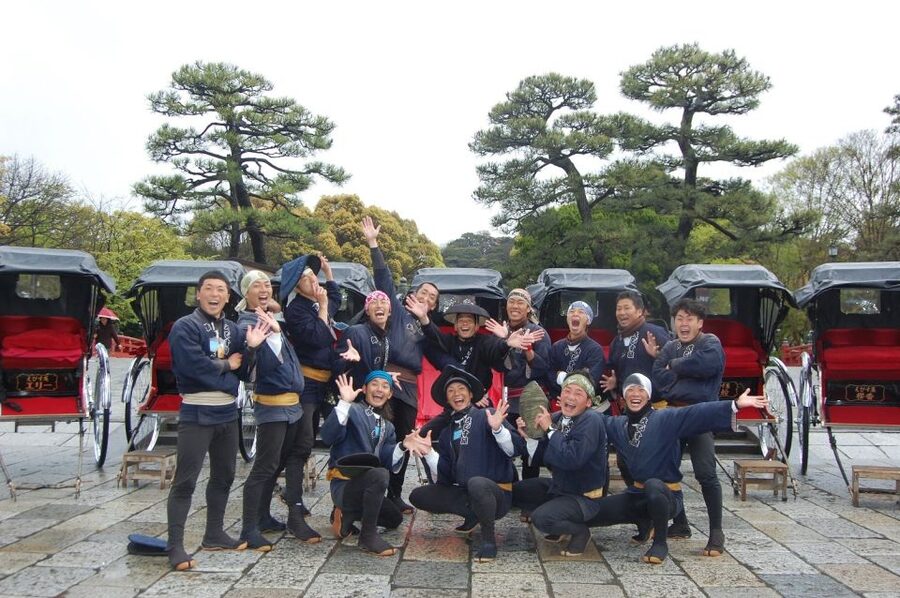
A private group means the ride is yours rather than part of a large shared party. That can make a real difference on a short tour. You do not need to wait for strangers, and you can ask questions as the route unfolds.
The experience has also received strong praise for friendly guiding. Satoshi, one of the rickshaw pullers, was described as pleasant and helpful, with useful information along the way and photo stops included. Another guide was praised for being well informed about the area and comfortable in English and Japanese.
The official language information lists Japanese, so do not assume every departure includes an English-speaking guide. Confirm this directly if English explanations are essential to your plans.
The ride is limited to two adults per rickshaw. Two children aged five or under may ride with two adults if they sit on an adult’s lap. A child under six who needs a separate seat pays the adult price. Children aged six and over are charged adult pricing.
At 74 centimeters wide, the rickshaw may feel close for some adults. If you want more personal space, or if your group is larger, booking individual rickshaws may be more comfortable.
Price, timing, and practical value
At $51 per person, the price is reasonable if you value a private guide, local transport between sights, photo stops, and a flexible route. It is less attractive if you only want a cheap ride around town or plan to visit one temple independently.
The key is choosing the right duration. The 45-minute tour gives you an introduction at the lowest time commitment. The 70-minute version adds Hokokuji. The 130-minute tour includes the Great Buddha and the Hachimangu views. The 190-minute route covers everything listed.
Admission fees, transportation to Kamakura, hotel pickup, food, and drinks are not included. You need to reach the town yourself and meet the guide outside the office building, less than 90 meters down the street from Tsurugaoka Hachiman-gu Shrine.
Starting times vary, so check availability for your date. You can reserve now and pay later, and cancellation is free up to 24 hours before the tour for a full refund. Those terms help if your Japan plans are still shifting.
Comfort, access, and who should skip it
The tour is listed as wheelchair and stroller-friendly, which makes the private setup useful for families and some visitors with mobility needs. Still, individual temple and shrine areas may involve their own paths, steps, or surfaces, so ask about the stops that matter most to you.
This is not a good choice if you have back problems. It is also not recommended for pregnant women, with special caution noted for the first 16 weeks of pregnancy. The rickshaw’s narrow seat and the pulling motion may not suit everyone.
For children, the lap-riding rule is important. If your child needs a separate seat, the adult fare applies. For two adults traveling with small children, confirm the seating arrangement before arrival.
Should you book the Kamakura rickshaw tour?
Book it if you want a private introduction to Kamakura, enjoy having a local guide handle the route, and like the idea of mixing sightseeing with an open-air ride. The 130-minute option is the best all-around choice for the Great Buddha and Hachimangu Shrine. Choose 190 minutes if you want Hokokuji and the full route without rushing.
Choose 45 minutes only if your schedule is tight. Choose 70 minutes if Hokokuji’s gardens matter more to you than seeing the Great Buddha.
Skip it if you have back problems, are pregnant, dislike confined seating, or prefer to explore every temple at your own pace. For everyone else, the rickshaw offers a friendly, efficient way to connect Kamakura’s major sights, with enough room for personal requests and memorable photographs.
FAQ
How long is the Kamakura rickshaw tour?
You can choose a 45-minute, 70-minute, 130-minute, or 190-minute tour. Starting times depend on availability.
Does the tour visit the Great Buddha?
The Great Buddha is included on the 130-minute and 190-minute tours. It is not listed as part of the 45-minute or 70-minute options.
Is Hokokuji Temple included?
Hokokuji Temple is included on the 70-minute tour and the two longer tours. The stop includes time to wander through its gardens.
Where is the meeting point?
Your guide waits just outside the office building, less than 90 meters down the street from Tsurugaoka Hachiman-gu Shrine.
How many people fit in one rickshaw?
A maximum of two adults can ride in one rickshaw. Up to two children aged five and under may ride with two adults if they sit on an adult’s lap.
Is the tour available in English?
The tour information lists Japanese as the language. One guide was described as speaking well in both English and Japanese, but you should contact the local partner to confirm language needs before booking.
More History Tours in Kamakura
- Bali: Tanah Lot UNESCO World Heritage Sites Full-Day Tour
★ 4.7 · 1,947 reviews - 2 Days Guided Historical Tour in Angkor
★ 5.0 · 855 reviews - Chiang Mai: Historic Temples and City Guided Walking Tour
★ 4.7 · 650 reviews - Mt. Fuji Heritage Tour: Traditional Villages, Lakes & Shrine
★ 4.5 · 509 reviews
More Private Temple Tours in Kamakura
- Kamakura Private Custom Tour with Local Guide
★ 5.0 · 7 reviews - Ubud: Waterfalls, Water Temple & Rice Terraces Private Tour
★ 5.0 · 5,484 reviews - Montserrat Monastery Small Group or Private Tour Hotel pick-up
★ 5.0 · 5,144 reviews - Full-Day Angkor Wat Sunrise Private Tour with Guide from Siem Reap
★ 5.0 · 2,920 reviews
Just added around Kamakura
- Kanagawa: Kimono Rental in Kamakura Provided by RikaWafuku★ 4.8 · 8 reviews
- Kamakura: Great Buddha, Hase Temple, & Komachi Street Tour★ 5.0 · 11 reviews
- Kamakura: Walking Tour through the City of Samurai★ 4.9 · 12 reviews
- Kamakura Private Custom Tour with Local Guide★ 5.0 · 7 reviews
- Kamakura Half Day Tour with a Local Expert Guide★ 4.4 · 23 reviews
- Kamakura: Half day Walking tour & Japanese sweets★ 5.0 · 11 reviews
- Kamakura: Daibutsu Hiking Trail Tour with Local Guide★ 5.0 · 10 reviews
- Kamakura; First Samurai Capital walking tour★ 5.0 · 8 reviews
Nikko & Kamakura Day Trips, compared.
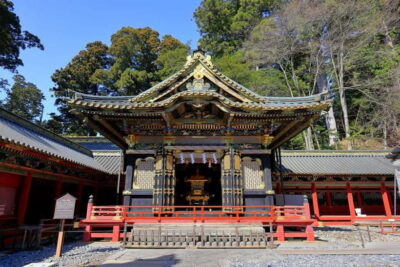
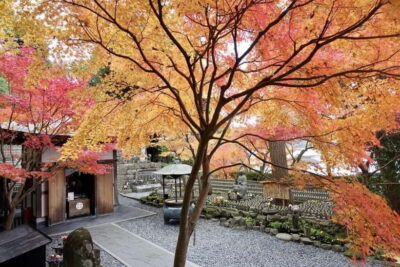
Kamakura & Enoshima Day Trip including Temple Tickets
Read our review →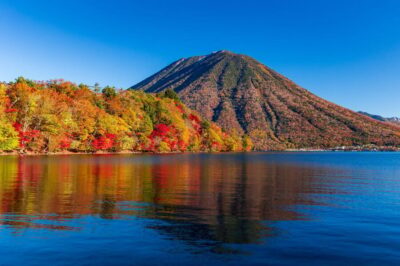
Nikko Toshogu Shrine and Kegon Waterfall Tour
Read our review →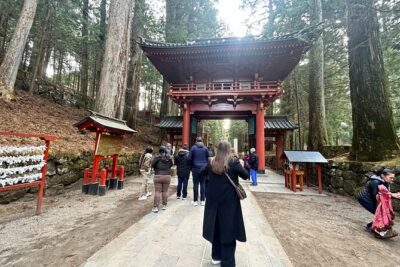
Nikko, Kegon Waterfall & Chuzenji Lake from Tokyo
Read our review →
Mount Fuji, Kamakura, Big Buddha, & Lake Ashi Day Trip
Read our review →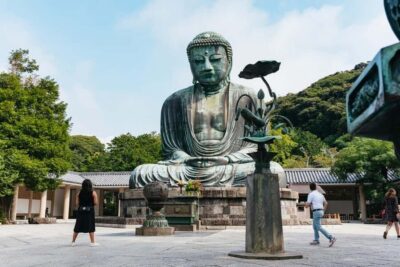
Mt. Fuji, Kamakura, Big Buddha, & Lake Ashi Day Trip
Read our review →
Nikko Full-Day Private Tour with Government-Licensed Guide
Read our review →
Browse the lists this tour appears in