
REVIEW · NIKKO & KAMAKURA DAY TRIPS
Kamakura: A Journey Through Medieval Japan
Kamakura gives you Japan in several moods at once: quiet Zen temple gardens, grand shrine steps, a centuries-old Buddha, and a seaside island with a touch of kitsch. This tour, led by John, connects those places with the stories that make them matter, rather than treating them as a string of photo stops.
I especially like the way the route links Zen Buddhism with samurai politics, then shifts to the food of Buddhist monks and the coastal sights of Enoshima. I also like the flexible pace. John can adjust the plan for a private group, use trains and buses when needed, and point out good photo spots without turning the day into a race.
The catch is simple: this is still a walking tour. You will use public transport and find places to sit, but temple paths, shrine steps, and Enoshima require time on your feet. People with mobility impairments or wheelchair users should choose another way to see Kamakura.
Key points at a glance
- Start at Kita-Kamakura Station: The meeting point at the East Exit is easy to find and puts you close to the city’s finest Zen temples.
- Engaku-ji explains Zen and power: The first hour sets Kamakura’s religious and political story in place.
- Shojin-ryori adds real cultural value: The optional Buddhist vegetarian meal is usually part of the longer tour and can be arranged for the shorter one.
- The Great Buddha is not a quick photo stop: At Kotoku-in, John gives context to one of Japan’s most famous statues.
- Enoshima changes the mood: The 8-hour private route ends with a mix of sacred sites, seaside scenery, family amusements, and sunset views.
- Extra costs are modest but real: The $35 guide fee does not include admission, transport, or lunch.
Why Kamakura works so well as a day from Tokyo
Kamakura was the home of Japan’s first warrior government, founded roughly 900 years ago during the Kamakura Period. That single fact helps explain the city’s unusual character. It is not only a temple town or a beach escape. It is where religious institutions, military power, court traditions, and everyday Japanese life met.
You can reach the city from Tokyo, but Kamakura feels far removed from the capital once you begin moving through its temple districts. The tour starts in Kita-Kamakura, a quieter area north of the main center, then carries you toward the major shrine and the Great Buddha. The longer route continues to Enoshima, giving you both inland religious sites and the coast.
I like this structure because the day has a clear story. You begin with Zen, move into the politics of the Kamakura government, return to Buddhist sculpture, then finish at a holy island that has become a popular seaside outing. The guide’s explanations help connect places that could otherwise feel unrelated.
The tour is offered for four to eight hours. A half-day visit is enough for a strong introduction to Kamakura. Choose the longer private option if you want lunch, more time at the sites, and Enoshima without squeezing everything together.
More Nikko and Kamakura Day Trips in Kamakura:
- Tokyo: Kamakura & Enoshima Day Trip including Temple Tickets
★ 4.5 · 1,375 reviews - From Tokyo: Kamakura & Enoshima 1-Day Bus Tour
★ 4.5 · 189 reviews - Kamakura Historical Walking Tour with the Great Buddha
★ 5.0 · 129 reviews
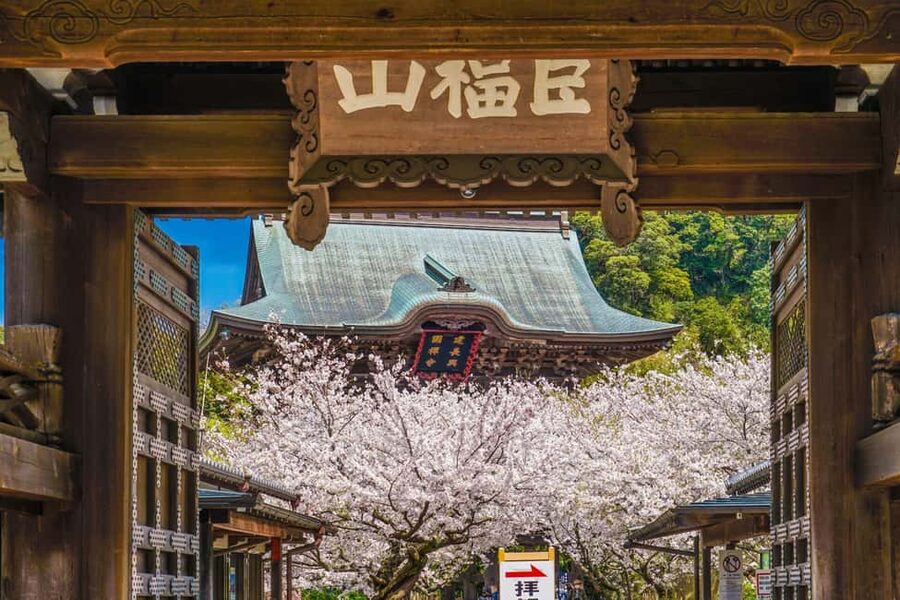
Starting at Kita-Kamakura and entering Engaku-ji
Meet John outside the East Exit of Kita-Kamakura Station. The station has a simple layout, which makes it a less stressful meeting point than one of Tokyo’s giant transport hubs. From there, Engaku-ji is the first major stop.
Plan on about an hour at the temple. Engaku-ji is one of Japan’s most important Zen temples, and it gives the tour a calm, thoughtful beginning. Rather than rushing straight to the most famous statue, you start by learning how Zen shaped Japanese religious practice, art, and politics.
This is where John’s storytelling matters most. He explains not only what you are looking at, but why Zen mattered to the warrior government and how religious life fit into the power structure of medieval Japan. That context turns temple buildings and garden spaces into part of a larger story.
The temple visit also sets the pace for the day. You will walk, pause, listen, and look closely. The route is not an all-day hike through wilderness, but it is not a ride-and-snap sightseeing trip either. Comfortable shoes are a must.
Tokei-ji and the voices of women
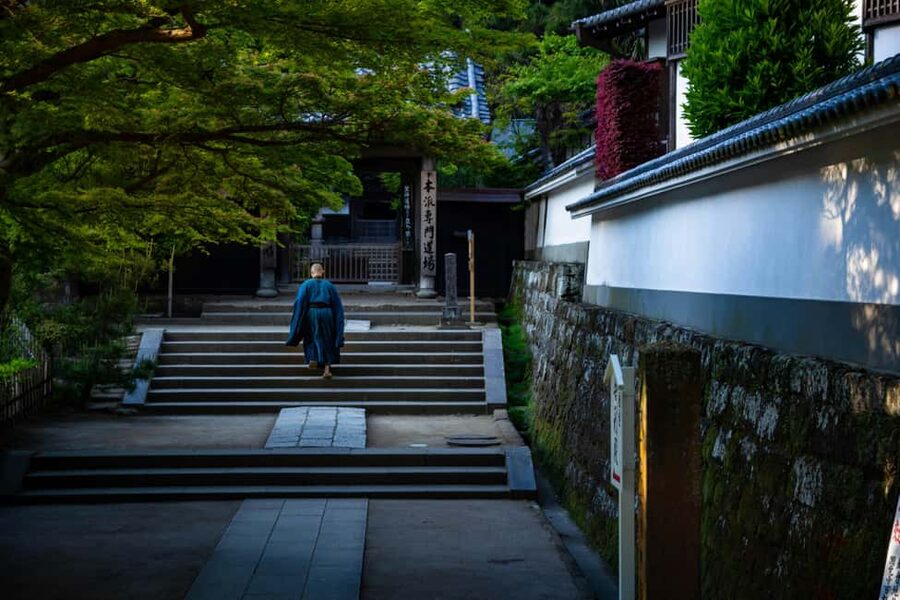
The next stop is Tokei-ji, a former nunnery visited by women from across Japan as a pilgrimage site. The guided visit lasts about 15 minutes, so it is a brief stop, but its subject adds an important counterpoint to the usual samurai-centered story.
Kamakura is often presented through warrior government, military leaders, and famous male figures. Tokei-ji helps widen that view. It gives you a glimpse of women’s religious life and the role a temple could play in pilgrimage and refuge.
Do not expect a long, detailed visit here. The value is in the connection to the larger story and the change of pace after Engaku-ji. If you have a special interest in women’s history or Buddhist institutions, tell John in advance so he can shape the discussion around your interests.
Shojin-ryori, the meal monks eat
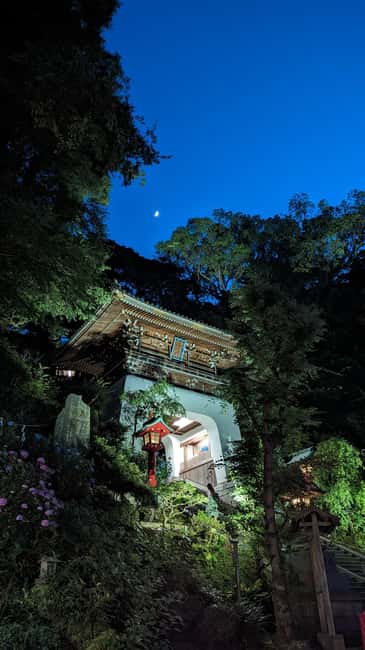
On the longer route, lunch is a chance to try shojin-ryori, the vegetarian food associated with Japanese Buddhist monks. The meal is generally included in the eight-hour tour, but you can request it on the four-hour version.
This is more than a convenient lunch break. Food gives you another way to understand religious practice. The meal is vegetarian, and vegan-friendly arrangements are possible if you give notice. If you have allergies or other dietary restrictions, contact the guide before the tour. One group with celiac disease received help finding a gluten-free restaurant, so advance communication can make a real difference.
Lunch costs about 1,000 yen per person, with the guide’s meal also paid by the group. That extra cost is reasonable, but remember that it is not covered by the $35 guide fee.
A 45-minute lunch break is fairly brisk. You will get a chance to sit down and eat, but this is not a long food tour. If local cuisine is one of your main reasons for booking, the private eight-hour option gives you more breathing room.
Same country, a different morning at the gates:
- Kamakura Private Tour: Temples, Nature, and the Great Buddha
★ 5.0 · 121 reviews - From Tokyo: Kamakura Full Day Tour with a Local Expert Guide
★ 4.6 · 43 reviews - From Tokyo: Kamakura Private Customize Tour by Luxury Van
★ 4.6 · 38 reviews - Kamakura Half Day Tour with a Local Expert Guide
★ 4.4 · 23 reviews
Tsurugaoka Hachimangu and the center of Kamakura power
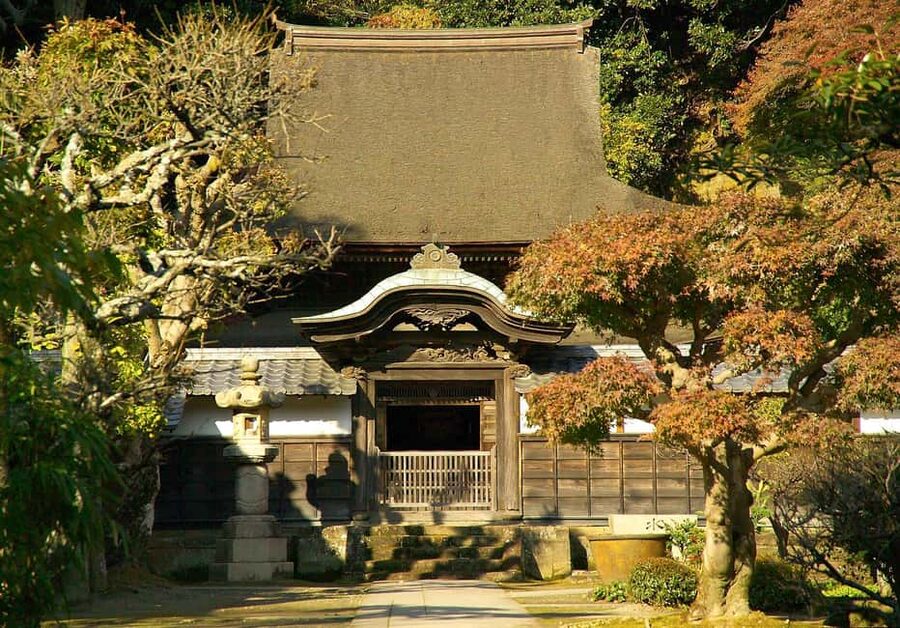
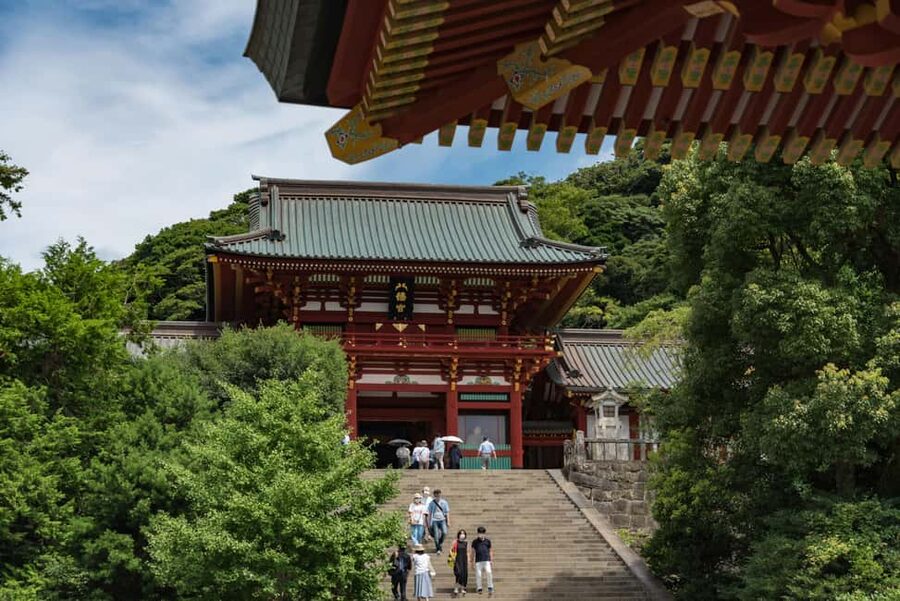
After lunch, the tour moves to Tsurugaoka Hachimangu, the large Shinto shrine in central Kamakura. Allow about 30 minutes for the guided portion.
This shrine is closely tied to the political center of the Kamakura Period. Its scale also gives you a useful contrast with the quieter Zen temples. Engaku-ji feels reflective and measured. Tsurugaoka Hachimangu feels public, ceremonial, and tied to the city’s civic life.
The visit is not only about religious architecture. John can explain the relationship between the shrine, the shogunate, the Tokugawa period, and the Imperial Family. One of his strengths is connecting the medieval story to later Japanese history and present-day customs.
The shrine is popular, so your experience can change with the crowd. A private guide helps you make better use of your half hour, especially if you want to understand what you are seeing rather than simply walk up the main approach. John also knows where to pause for photographs.
Getting to Kotoku-in and the Great Buddha
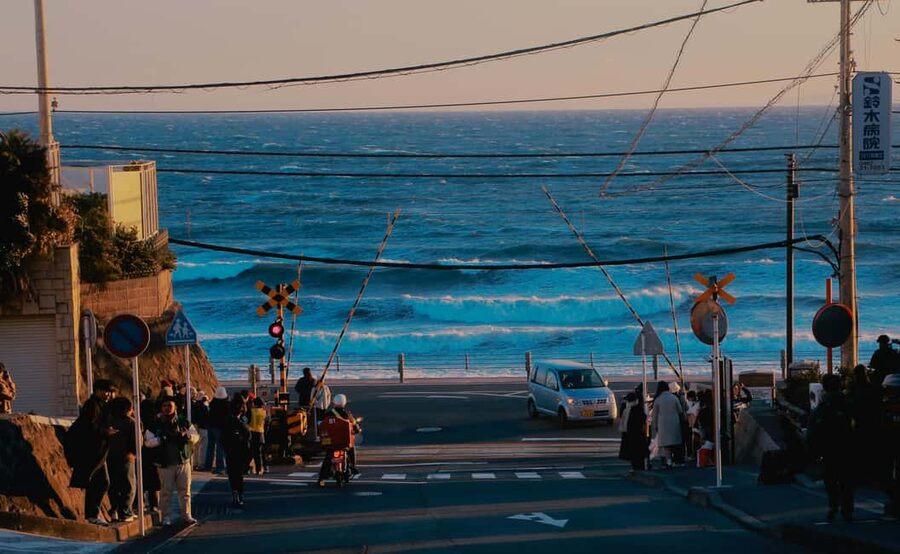
From Tsurugaoka Hachimangu, the group uses a bus or coach for about 20 minutes. This is a useful part of the plan. Kamakura’s key sights are spread out, and trying to walk every connection would make the day tiring.
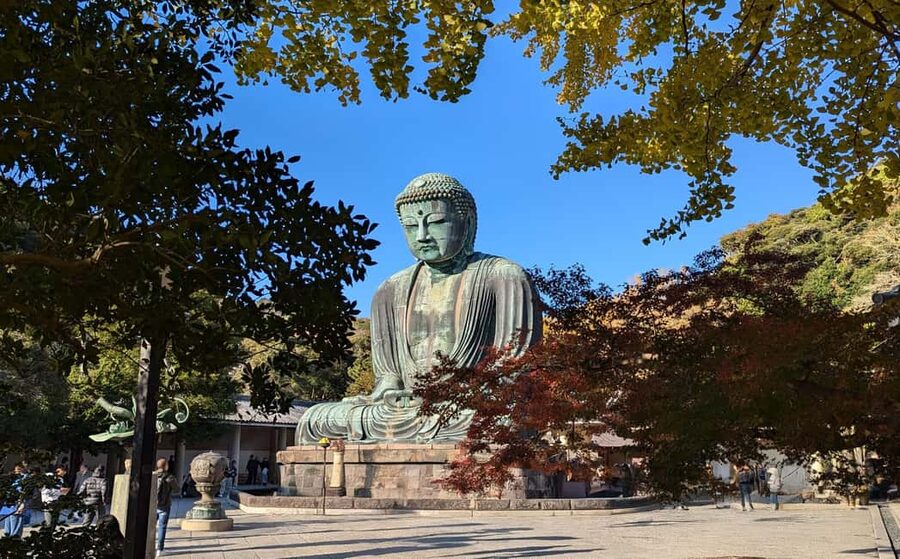
Kotoku-in is home to the Great Buddha of Kamakura. The guided visit lasts about 30 minutes. The statue is one of the largest and most famous Buddhas in Japan, and its scale gives the stop immediate impact.
Still, the statue becomes more meaningful when you know its place in Kamakura’s Buddhist story. John’s role here is to provide that background and help you notice the details instead of treating the visit as a single photograph. He also adjusts the pace for the group, which matters if you are traveling with children, older relatives, or people who want more time at one site.
Thirty minutes is enough for a focused visit, but not an extended study session. If the Great Buddha is your main reason for coming to Kamakura, tell John when you book a private tour. The itinerary can be customized, though admission remains an extra cost.
Enoshima, where holiness meets seaside fun
Enoshima is the final stop on the private eight-hour route. You reach the island by train, with about 15 minutes set aside for the ride. Once there, the guided visit lasts roughly two hours.
Enoshima has a different personality from the temple district. It was considered a holy island in ancient times, but today it is also a favored outing for couples and families. The result is an entertaining mix of shrines, island traditions, seaside views, and lighthearted attractions.
That contrast is one of the best reasons to choose the longer tour. You do not spend the whole day looking at religious buildings in silence. Enoshima adds movement, open views, and a more casual coastal mood.
The island walk can be tiring. You should expect more time on your feet, and the route may include inclines and steps. John can help you avoid wasting energy and point you toward strong photo locations. A sunset visit is possible on some schedules, and the island can be especially appealing then.
The eight-hour version ends with drop-off at either Kita-Kamakura Station or Kamakura Station. Confirm the preferred ending point with John when arranging your day.
How much the tour really costs
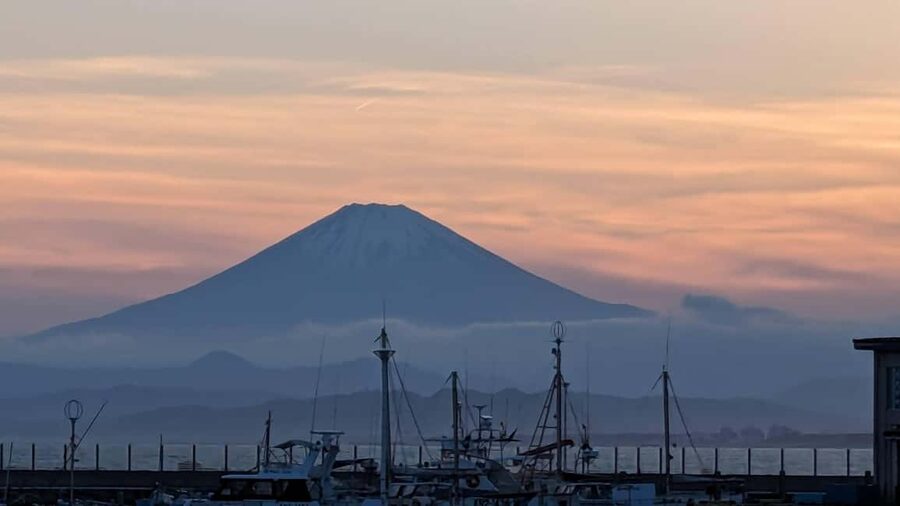
The advertised price is $35 per person, but that covers the guide fee only. You should also budget approximately:
- 800 to 1,500 yen per person for entrance fees
- About 400 yen per person for public transport
- About 1,000 yen per person for lunch
The guide and the group also cover the guide’s entrance fees and meal. That is worth noting when you compare the price with a self-guided day.
Kamakura is possible without a guide. You can visit the same broad area by train and bus, and the major sites are well known. The value here is the interpretation, route planning, and ability to change the schedule around your interests. John is also comfortable using public transport, which helps you see more without wearing yourself out.
For a half-day visit from Tokyo, the cost makes sense if you want a clear historical framework and easy navigation. For a private eight-hour day, the value depends on group size. The $35 price per person is especially attractive for a small group, though admission, food, and transport add to the total.
The walking level and who should book
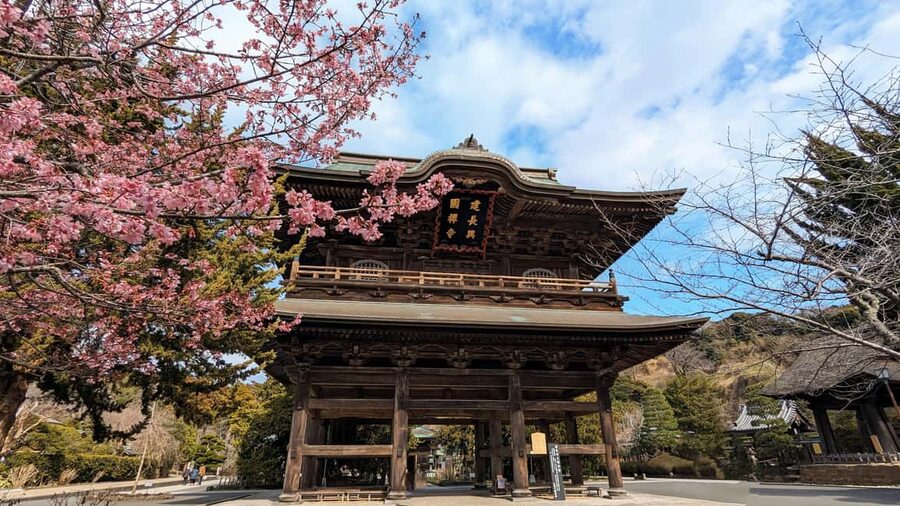
The description calls this a walking tour, and you should take that seriously. Public transport breaks up the distance, and there are places to sit along the way, but you will walk around temple grounds, shrine approaches, the Great Buddha site, and possibly Enoshima.
This tour is a good fit for you if:
- You want history explained in clear English.
- You prefer a private or small-group pace.
- You are interested in both Buddhism and Shinto.
- You want to combine famous sights with less obvious historical detail.
- You would like help using local trains and buses.
- You want a flexible plan rather than a fixed group schedule.
It is less suitable if you need step-free access, use a wheelchair, or find several hours of walking difficult. Contact the guide about dietary needs or other limitations, but the activity is specifically not suitable for wheelchair users or people with mobility impairments.
John’s style also seems best suited to people who enjoy stories and questions. He is praised for explaining history, daily Japanese culture, food, and practical travel information, not just naming buildings. His fluent English is a particular help if you want detailed conversation throughout the day.
Four hours or eight hours?
Choose four hours if Kamakura is a side trip from Tokyo and you mainly want the historic core. You can see major temples and shrines, visit the Great Buddha, and gain a useful overview without giving up the entire day.
The shorter tour is also a sensible choice in hot weather or if you have a packed Japan schedule. You can request shojin-ryori lunch, but it is generally part of the longer plan, so confirm this before booking.
Choose eight hours if you want the full progression: Engaku-ji, Tokei-ji, lunch, Tsurugaoka Hachimangu, Kotoku-in, and Enoshima. The longer day works best for a private group that wants to pause for photographs, ask questions, and finish by the sea.
Do not choose eight hours simply because more is always better. If you dislike walking or prefer a slow temple visit, the full route may feel long. The shorter option gives you the main Kamakura story with less physical demand.
Should you book Kamakura: A Journey Through Medieval Japan?
Book this tour if you want Kamakura to make sense, not just look pretty. The strongest parts are John’s storytelling, the link between Zen and warrior rule, the chance to try shojin-ryori, and the flexible use of public transport.
I would choose the four-hour route for a first visit squeezed into a Tokyo day. I would choose the private eight-hour version for a small group that wants Enoshima, a proper lunch, and time to adjust the pace.
Skip it if you need accessible touring or want a completely independent, low-cost day. For everyone else who enjoys history, walking, and personal guidance, this is a well-planned way to meet Kamakura’s temples, shrine culture, famous Buddha, and seaside side.
FAQ
Where does the tour begin?
Meet the guide outside the East Exit of Kita-Kamakura Station.
Where can the tour end?
The tour has drop-off options at Kita-Kamakura Station and Kamakura Station.
How long does the experience last?
The tour lasts between four and eight hours, depending on the option you choose.
Is the tour private?
Private and small-group options are available.
Is the tour conducted in English?
Yes. The live guide speaks English.
Is lunch included in the price?
No. Lunch costs about 1,000 yen per person, and the group also pays for the guide’s meal.
Can I try shojin-ryori?
Yes. It is generally offered on the eight-hour tour and can be requested for the four-hour tour.
Are vegetarian and vegan meals available?
Yes. The tour is vegetarian and vegan-friendly, but you should notify the guide beforehand.
Are entry fees included?
No. Expect approximately 800 to 1,500 yen per person for entrance fees, including the guide’s fees.
Are transportation costs included?
No. Public transport costs about 400 yen per person.
Is the tour suitable for wheelchair users?
No. The activity is not suitable for wheelchair users or people with mobility impairments.
Can the itinerary be changed?
Yes. Private tours can be customized to your interests and needs.
Just added around Kamakura
- Kanagawa: Kimono Rental in Kamakura Provided by RikaWafuku★ 4.8 · 8 reviews
- Kamakura: Great Buddha, Hase Temple, & Komachi Street Tour★ 5.0 · 11 reviews
- Kamakura: Walking Tour through the City of Samurai★ 4.9 · 12 reviews
- Kamakura: Private History and Heritage Tour by Rickshaw★ 4.9 · 7 reviews
- Kamakura Private Custom Tour with Local Guide★ 5.0 · 7 reviews
- Kamakura Half Day Tour with a Local Expert Guide★ 4.4 · 23 reviews
- Kamakura: Half day Walking tour & Japanese sweets★ 5.0 · 11 reviews
- Kamakura: Daibutsu Hiking Trail Tour with Local Guide★ 5.0 · 10 reviews
Nikko & Kamakura Day Trips, compared.
Kamakura & Enoshima Day Trip including Temple Tickets
Read our review →
Nikko Toshogu Shrine and Kegon Waterfall Tour
Read our review →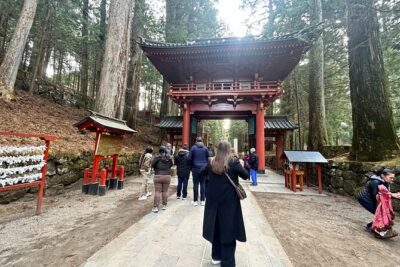
Nikko, Kegon Waterfall & Chuzenji Lake from Tokyo
Read our review →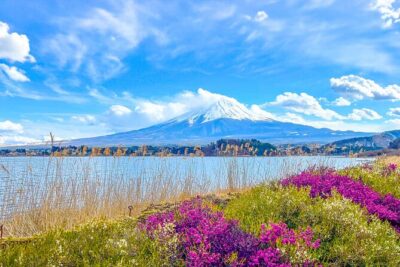
Mount Fuji, Kamakura, Big Buddha, & Lake Ashi Day Trip
Read our review →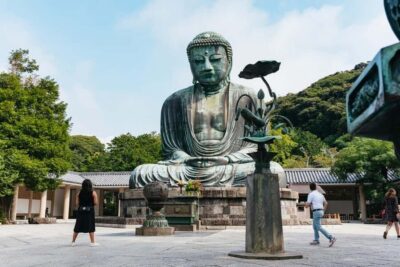
Mt. Fuji, Kamakura, Big Buddha, & Lake Ashi Day Trip
Read our review →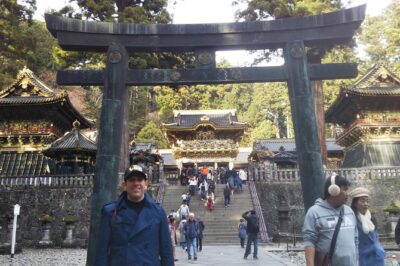
Nikko Full-Day Private Tour with Government-Licensed Guide
Read our review →
Browse the lists this tour appears in