

REVIEW · E-BIKES
E-Bike Nara Highlights – Todaiji, Knives, Deer, Shrine
Nara’s famous sights are spread across a large park, and an e-bike lets you cover them without spending the whole day on foot. You ride from Nara Park to Todaiji, Kasuga Taisha, Wakakusayama, and Ukimido, with enough time to stop, look around, and hear the story behind each place.
I like the mix of major sights and local detail. Feeding the deer properly is more interesting than simply posing beside them, and the visit to a traditional knife shop adds something you would not get on a standard temple tour. The guides, including Chris, Remi, Robert, and Melody, are often praised for their history knowledge, patience, and help with photos.
The main consideration is pace. The route covers a lot in 210 minutes, so the cycling sections can be brisk rather than leisurely. The price is also fairly high at $90 per person, and bicycle insurance is not included.
Key points at a glance
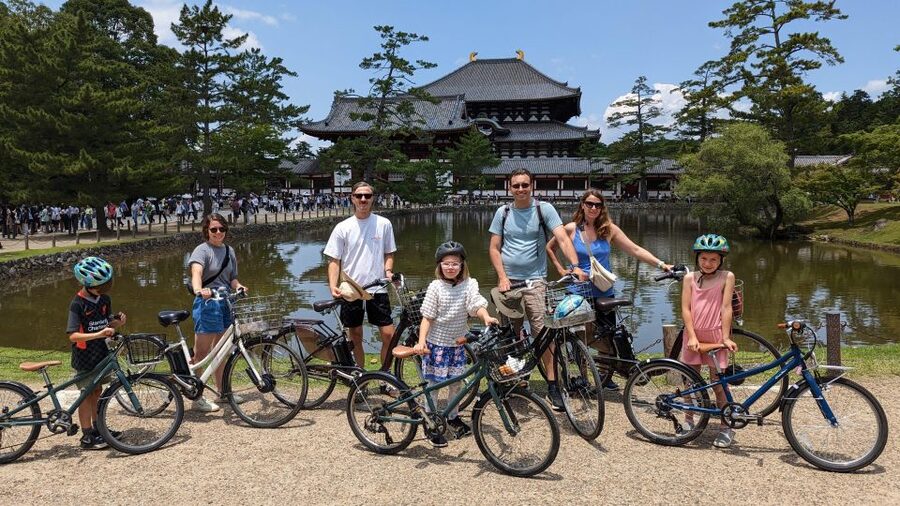
- Cover a large part of Nara Park by e-bike: You see more than you would on foot in the same 3.5 hours.
- Visit Todaiji Temple and its Nandaimon Gate: Temple admission is included, with time to explore on your own.
- Learn the Nara way to feed deer: Deer crackers are provided, but extra crackers cost more.
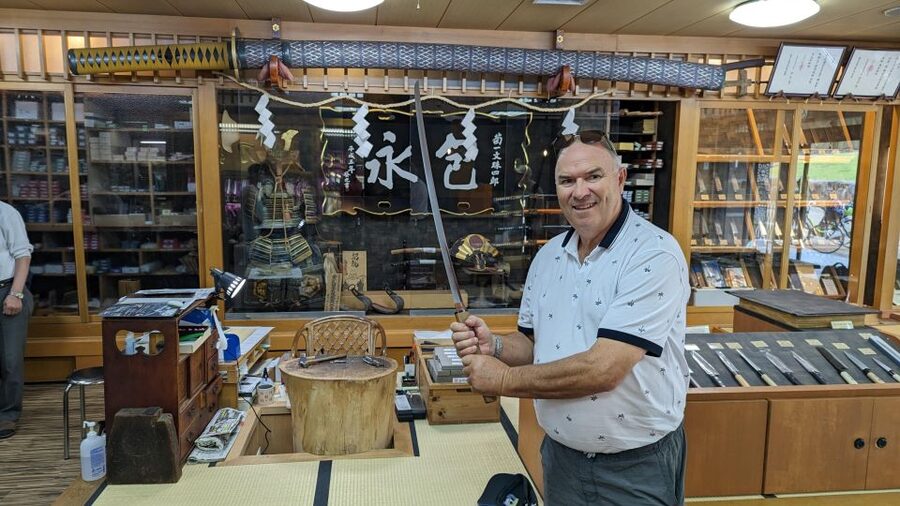
- Visit a historic Japanese knife shop: Kikuichimonjushirokanenaga offers an introduction to cutlery and shopping help.
- See Kasuga Taisha and Ukimido: The route includes shrine lanterns, forest paths, and a pondside view.
- Best for confident cyclists with limited time: The bikes make hills and distance easier, but this is not a slow, purely scenic ride.
Why an e-bike works well in Nara
Nara is easy to visit badly. Many people arrive, see the deer near the station, walk to Todaiji, and then run out of energy before reaching Kasuga Taisha or the quieter corners of the park. The distances are manageable, but the combination of temple grounds, wooded paths, slopes, crowds, and summer heat can make the day tiring.
This tour solves that problem with electric-assist bicycles. You still pedal, but the motor helps on inclines and keeps the group moving between sights. One review from a 60-year-old rider who described being out of shape found the bike manageable, while another noted that the bikes made the hills near Wakakusayama much easier.
The benefit is not only speed. You get a different feel for Nara when you move between places outdoors instead of following a station-to-temple route. You can see deer along the way, pass broad parkland, and reach spots that might be skipped on a short walking visit.
The tradeoff is that the ride has a forward pace. If you want to stop every few minutes for photos, you may find the group rhythm restrictive. The biking is generally approachable, but you should be able to ride confidently in a group and manage a bicycle for several hours. Bicycle insurance is not included.
More Cycling Tours in Japan:
- Kyoto: Fushimi Inari Shrine and Tofukuji Temple E-Bike Tour
★ 5.0 · 75 reviews - Kyoto: Hidden Gems E-Bike Tour Through Backstreets & Temples
★ 4.9 · 54 reviews - Naha: Guided E-Bike Tour of the 12 Zodiac Temples
★ 4.9 · 50 reviews
Starting near Kintetsu Nara Station
The meeting point is at 16-1 Takamaichicho, in front of Building LIFE 21, at the bicycle base. It is less than a five-minute walk from Kintetsu Nara Station, not JR Nara Station.
That distinction matters. Nara has two main rail stations, and the wrong one can add a significant walk or require a taxi. Arrive 15 minutes early so you have time to find the base, meet your guide, and get set up without holding up the departure.
Look for the guide in a navy cap and red polo shirt with the JTA uniform. The bicycles are supplied for the tour, and helmets are available if requested, subject to availability. Bring comfortable clothes, comfortable shoes, cash, and your passport.
The tour can run as a private or small-group outing. A single person can book, but the session needs at least two participants to operate. If that minimum is not reached, the provider may cancel and offer a new date or a full refund.
Meeting Nara’s deer in the right way
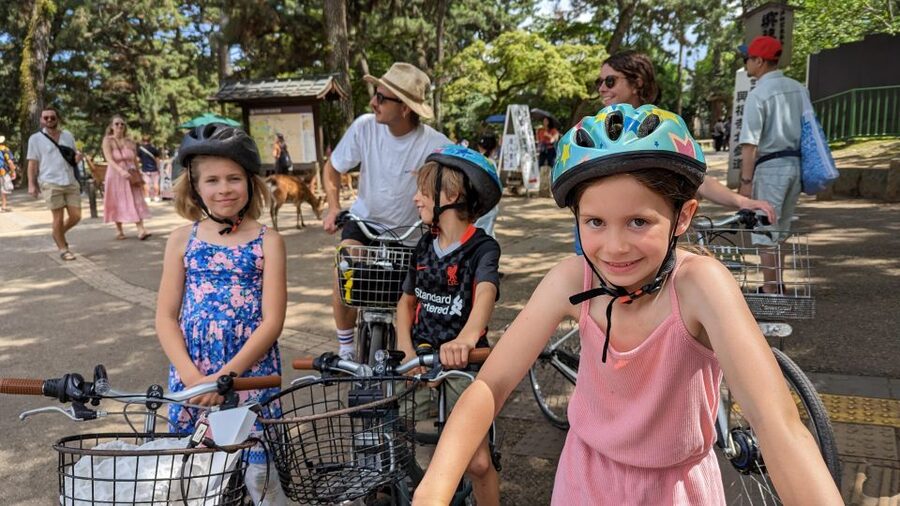
The deer are a major part of Nara, but they are not tame pets. They are accustomed to people and can be eager once they see food, so your guide’s instructions are useful.
Each person receives deer crackers, known as shika senbei. The guide explains how to offer them and how to signal that you have run out. That small lesson makes the encounter more orderly and helps you avoid teasing a deer with an empty hand.
You can expect plenty of photo opportunities, but keep your attention on the animals rather than only on your camera. The deer may approach quickly, especially when they see the crackers. Extra crackers are not included, so use the supplied portion sensibly.
This part is especially good for families and first-time visitors to Nara. Young riders under 10 can be accommodated with a child seat, with a maximum of one child seat per e-bike. Confirm that arrangement before booking.
Nandaimon Gate and the scale of Todaiji
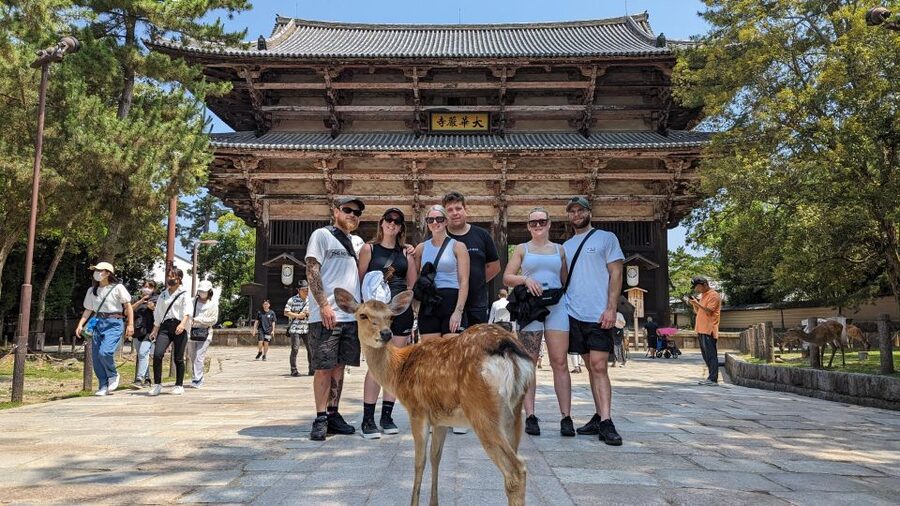
The first major stop is Nandaimon Gate, the grand entrance to Todaiji. This is more than a quick photo stop. The gate gives you an immediate sense of the scale of the temple complex, and the guardian statues inside are among the memorable details to look for.
You get about 20 minutes here for guided sightseeing, photos, and time with the deer nearby. It is a useful introduction before entering the temple itself.
Todaiji receives about 45 minutes. The admission fee is included, which makes the $90 price easier to assess. You have time to enter the main hall, look around, and shop or explore at your own pace rather than being hurried through every room by the guide.
The temple is one of Nara’s essential stops, but it can be crowded. Your guide can provide context before you enter, then give you freedom to experience the interior yourself. That balance works well if you prefer not to be followed through every step of a religious site.
Do not expect a long temple study session. Forty-five minutes is enough for the main building and a focused look around, but not for every path and side building in the Todaiji grounds. If Todaiji is your main reason for coming to Nara, you may want extra time after the tour.
More E-Bike Rides in Japan:
- Hiroshima: Peace Park, Castle, and Mitaki Temple E-Bike Tour
★ 4.8 · 11 reviews - Angkor Sunrise Bike Tour / E-Bike or Tuk Tuk
★ 5.0 · 615 reviews - Morning Monastery E-bike Tour
★ 5.0 · 71 reviews - From Siem Reap: Angkor Wat Sunrise and Temples E-Bike Tour
★ 5.0 · 52 reviews
Riding past Mt. Wakakusa

After Todaiji, the route passes Mt. Wakakusa. You get around 15 minutes for views, photos, and wildlife sightings. The e-bike matters here because the route includes an incline, and several riders specifically appreciated the assistance on hills.
This is not a mountain hike or a long climb. Think of it as a scenic portion of the ride that gives you a wider view of the park and its surroundings. The stop helps break up the temples with open air and movement.
The exact feel depends on weather and season. Summer can be hot, while winter rides can feel cold, especially when moving at speed. Nara’s spring and autumn conditions are likely to be more comfortable, but the tour operates across the year, so dress for the forecast.
A stop for Japanese knives and local snacks
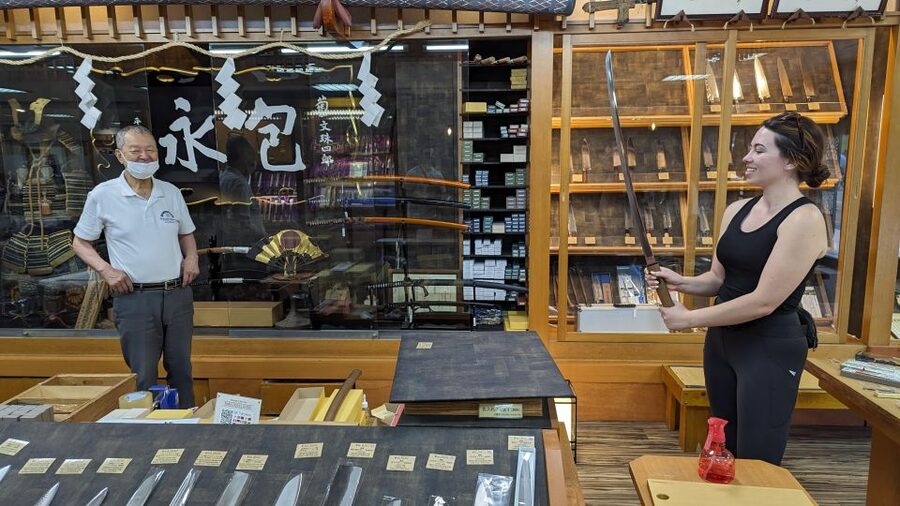
The visit to Kikuichimonjushirokanenaga is the tour’s most unusual stop. This long-established cutlery shop introduces you to Japanese knives and the craft behind them, with connections to sword-making traditions.
You get about 30 minutes for a break, photos, local snacks, and shopping. A Japanese snack called Kanoko is included for each person. The guide can also help with knife or souvenir purchases, which is valuable if you are unsure about sizes, uses, sharpening, or taking an item home.
This is not simply a retail detour. A good guide can explain why Japanese cutlery has such a strong reputation and help you understand what you are looking at before you buy. Several guides have been praised for being especially useful in the shop, and more than one person arrived determined not to buy a knife and changed their mind.
That tells you something about the stop, but you should still shop with a plan. Prices vary, and the $90 tour fee does not include purchases. If you want a practical souvenir, ask questions and compare what you need rather than buying only because the blades are attractive.
Kasuga Taisha and its lanterns
Kasuga Taisha is the most atmospheric part of the route. The shrine is known for its many stone and bronze lanterns, and the approach through the wooded area gives the visit a different mood from the open spaces around Todaiji.
The tour allows about 30 minutes for the shrine. You can take photos, look at the architecture, watch for deer, and hear about the Shinto traditions connected with the site.
Thirty minutes is enough for a good introduction, but it is not enough to inspect every corner of the shrine grounds. If you enjoy religious architecture, lanterns, or quiet forest paths, you may want to return on your own after the tour.
The guide’s role is particularly useful here. The differences between Buddhist Todaiji and Shinto Kasuga Taisha can be confusing during a short Nara visit. Guides such as Robert and Remi have been noted for explaining Buddhism, Shinto, Zen ideas, history, and modern Japanese culture in clear terms. The quality of the experience depends partly on who leads your group, but the provider offers English guides and may have French-speaking guides with advance notice.
French is not guaranteed on a shared tour. If having a French-speaking guide is important, contact the provider before choosing a date.
Ukimido and the final ride through the park
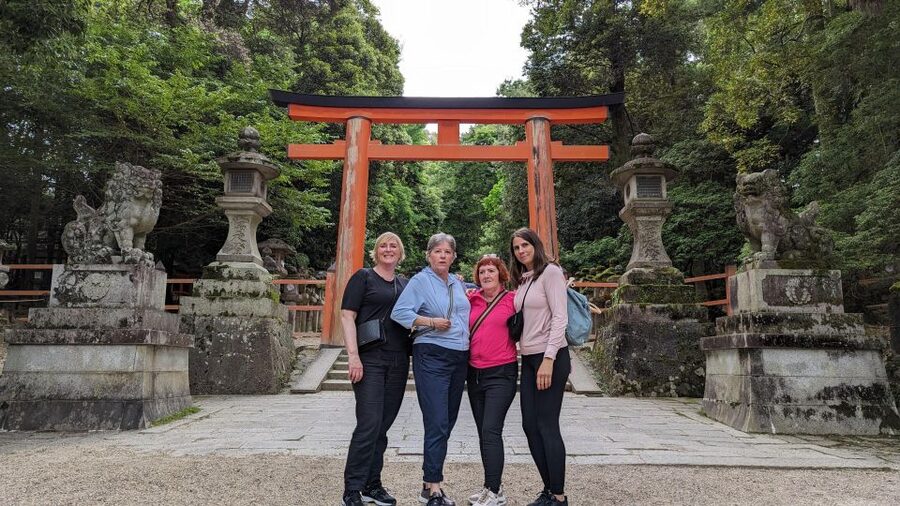
The return route includes another ride through Nara Park and a stop at Ukimido. You get about 15 minutes at the pondside structure for photos and views.
Uk imido gives the itinerary a calmer final pause. After the large gate, temple, deer, shrine, and knife shop, it is pleasant to stop beside the water before getting back on the bikes. The visit is short, so think of it as a scenic break rather than a full sightseeing session.
The final 10-minute pass through Nara Park returns you to the bicycle base. In total, the route includes roughly 210 minutes of riding, walking, temple visits, wildlife viewing, shopping, and guided explanation. The tour may occasionally run longer if the group is comfortable with that, so avoid scheduling a train or dinner immediately afterward.
Is $90 per person good value?
At $90, this is not the cheapest way to see Nara. You can walk through parts of the park for free, pay separately for temple admission, and visit the main sights without a guide. A self-guided day will cost less.
The value comes from the amount you cover and the time you save. In 3.5 hours, you visit Todaiji, Nandaimon, Kasuga Taisha, Ukimido, Mt. Wakakusa, and a specialist knife shop. You also receive bike rental, deer crackers, temple admission, a snack, and a bilingual local guide.
I see the price as reasonable for a short Nara visit, particularly if you are coming from Kyoto or Osaka and have only part of a day. It is less compelling if you already have a full day in Nara, enjoy walking slowly, or are happy to research the sites yourself.
The private-tour option can make the cost easier to justify for families or small groups that want flexibility. For a shared tour, the value depends on how much you care about covering ground efficiently and getting cultural explanation along the way.
Who should book this ride?
I would choose this tour if you:
- Have limited time in Nara and want to see several major sights.
- Enjoy cycling and can ride confidently in a group.
- Want help with the deer, temples, shrine customs, and knife shopping.
- Prefer a small group or private format.
- Need an easier way to handle distance, hills, or hot weather.
- Want a guide who can answer broader questions about Japanese culture.
I would think twice if you:
- Want a slow, photo-heavy cycling tour.
- Dislike shopping stops.
- Need a guaranteed French-speaking guide on a shared tour.
- Are not comfortable riding a bicycle.
- Want to spend several hours inside Todaiji or Kasuga Taisha alone.
- Consider $90 too much for a half-day outing.
The bikes have generally been described as being in good condition, though one rider found a bicycle poorly maintained and not ideal for taller people. That is a useful reminder to check your bike before setting off and tell the guide immediately if the fit or brakes do not feel right.
Practical details before you book
Free cancellation is available up to 24 hours before departure, and you can reserve now and pay later. The tour is offered in English and French, but French needs advance confirmation for a shared group.
The listed inclusions are the e-bike, a helmet if available and requested, a bilingual guide, deer crackers, Todaiji entrance, the Kanoko snack, and shopping help. Food, drinks, extra deer crackers, and guide tips are not included.
Alcohol and drugs, pets, and audio recording are not allowed. The provider asks you to bring your passport, comfortable clothing, comfortable shoes, and cash.
FAQ
Where does the Nara e-bike tour start?
It starts at 16-1 Takamaichicho, in front of Building LIFE 21, at the bicycle base. The base is less than a five-minute walk from Kintetsu Nara Station, not JR Nara Station.
How long does the tour last?
The scheduled duration is 210 minutes, or 3.5 hours. It includes cycling, walking, sightseeing, deer viewing, temple and shrine visits, and the knife-shop stop.
Is Todaiji admission included?
Yes. The entrance fee for Todaiji Temple is included in the tour price.
Are deer crackers included?
Yes. Deer crackers are provided for each participant. Extra crackers, along with additional food and drinks, are not included.
Can children under 10 join?
Yes. Child seats can be provided for young riders under 10, with up to one child seat per e-bike. Confirm the arrangement before booking.
Is a French-speaking guide guaranteed?
No. French-speaking guides may be available, but French is not guaranteed on a shared tour. Contact the provider ahead of time if you need French for your chosen date.
Should you book the Nara e-bike tour?
Book it if you want to make one half-day in Nara count. The route brings together the deer, Todaiji, Kasuga Taisha, park scenery, Ukimido, and a distinctive knife-making stop, while the e-bike saves your legs for the sightseeing.
I would choose a morning departure in warm or busy seasons, since it can help you avoid the strongest crowds and heat. Leave extra time afterward, ride at a comfortable pace, and tell the guide if the bicycle does not fit properly.
For an active visitor who wants context and efficient sightseeing, this is a strong choice. For a slow temple day, a cheaper self-guided visit will suit you better.
Just added around Japan
- From Asakusa: Old Tokyo, Temples, Gardens and Pop Culture★ 5.0 · 47 reviews
- Private guided tour: Mt. Aso volcano, grasslands, Aso Shrine★ 5.0 · 19 reviews
- Goshuin Collecting tour at Asakusa Local Temples & Shrines, Tokyo★ 5.0 · 8 reviews
- Tokyo:Nikko UNESCO World Heritage Sites Private 1-Day Tour★ 3.8 · 6 reviews
- Tokyo Yokohama Night View Tour With Kamakura And Enoshima★ 3.5 · 14 reviews
- Tokyo: Snow Monkey Park and Zenkoji Temple Private Day Tour★ 4.7 · 127 reviews
- Tokyo War History Tour: Yasukuni Shrine & War Museum★ 4.5 · 6 reviews
- Tokyo to Nikko: Exclusive Private Day Trip★ 4.8 · 6 reviews
E-Bikes, compared.
Fushimi Inari Shrine and Tofukuji Temple E-Bike Tour
Read our review →
Hidden Gems E-Bike Tour Through Backstreets & Temples
Read our review →
Naha: Guided E-Bike Tour of the 12 Zodiac Temples
Read our review →
e-Bike Cycling Tour to Arkadi Monastery Full Lunch included
Read our review →Browse the lists this tour appears in