
REVIEW · NIKKO & KAMAKURA DAY TRIPS
Kamakura Historical Walking Tour with the Great Buddha
Kamakura packs a remarkable amount into a small seaside city: a grand Shinto shrine, old Buddhist temples, a forest trail, the famous Great Buddha, and a beach where you may see Mt. Fuji across the water. This five-hour small-group walk gives you a useful first look without making you plan every train, ticket, and temple stop yourself.
I like the included temple lunch and street-food samples, which turn the day into more than a sightseeing march. I also like the personal scale: with no more than seven people, guides such as Isao, Mark, Ken, Fujii, and Yoko can answer questions about customs and help with practical matters, including the train back to Yokohama. The tradeoff is clear: this is a real walking and hiking day, with roughly 5 kilometers on foot and some slippery or steep trail sections.
Key points at a glance
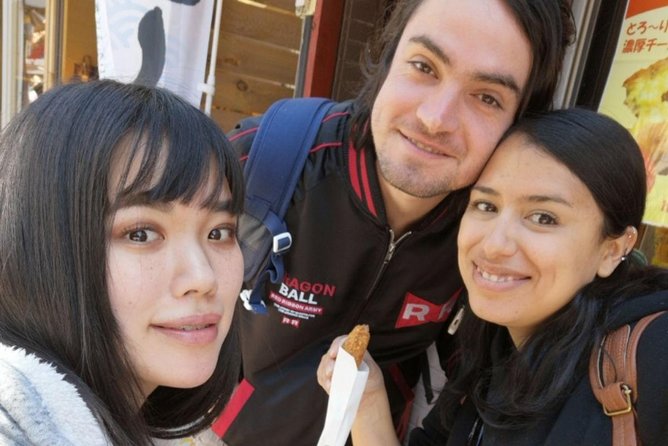
- Street food on Komachi Street: Start with Japanese snacks near Kamakura Station before the temples begin.
- Three major sights in one route: Visit Tsurugaoka Hachimangu, Hasedera Temple, and the Great Buddha at Kotoku-in.
- Forest hiking section: About 2.5 kilometers of trail adds views and exercise, but calls for proper shoes.
- Temple lunch included: Vegetarian and vegan choices are available, though the selection may be limited.
- Small group of seven or fewer: The format leaves room for questions about Japanese culture, etiquette, and local transport.
- Beach finish: Yuigahama Beach and Kamakura Seaside Park provide a calmer end to a busy sightseeing day.
Why this Kamakura walk works well for first-time visitors
Kamakura is easy to reach from the greater Tokyo area, but its sights are spread across streets, temple grounds, and hilly paths. You can visit on your own, yet a first visit takes more planning than the map suggests. This tour gives you a route, a guide, admission to the main paid sights, food along the way, and a group small enough to feel personal.
The day begins at 10:00 a.m. at the clock tower plaza outside the west exit of JR Kamakura Station. That meeting point matters. Kamakura Station has several exits and the city can feel confusing when you first arrive, so check that you are at the west side before the start time. The tour begins promptly, and arriving late can mean missing the group.
The advertised price is $98.44 per person. That is not the cheapest way to see Kamakura, especially if you plan to visit only the Great Buddha and one temple. But the price includes the Great Buddha and Hasedera entrance fees, a temple lunch, food samples on Komachi Street, guide service, and photos. You also get a planned route that covers several sights in half a day.
You still pay a transportation charge of 440 yen. The route normally uses the walking trail, but rain can change the plan. In wet weather, the guide uses a train to reach the Great Buddha instead of the hiking path. That protects the day from becoming a muddy scramble, though it also means the physical route and some views may change.
More Temple Walking Tours in Japan
- Kamakura: Walking Tour through the City of Samurai
★ 4.9 · 12 reviews - Kamakura: Half day Walking tour & Japanese sweets
★ 5.0 · 11 reviews - Kamakura; First Samurai Capital walking tour
★ 5.0 · 8 reviews
Komachi Street: snacks before the temples
The first stop is Komachidori, the shopping street running from the east side of Kamakura Station toward Tsurugaoka Hachimangu. The tour uses this opening stretch for Japanese snack and street-food samples. It is a practical choice. A morning of temples and hiking is better with something in your stomach, and small bites let you try local flavors without committing to a full meal right away.
I like this part because it gives you a quick look at everyday Kamakura before the formal shrine visits. The street is a shopping area, not an untouched old lane, so expect shops and food counters rather than a quiet historical setting. Still, it is a useful place to get your bearings and ask your guide about what you are eating.
The scheduled visit lasts about 20 minutes. That is enough for sampling, but not enough for a long, leisurely shopping session. If you want souvenirs or extra food, you may need to return after the tour. Additional food is not included, so keep a little money handy.
Tsurugaoka Hachimangu and the customs of Kamakura
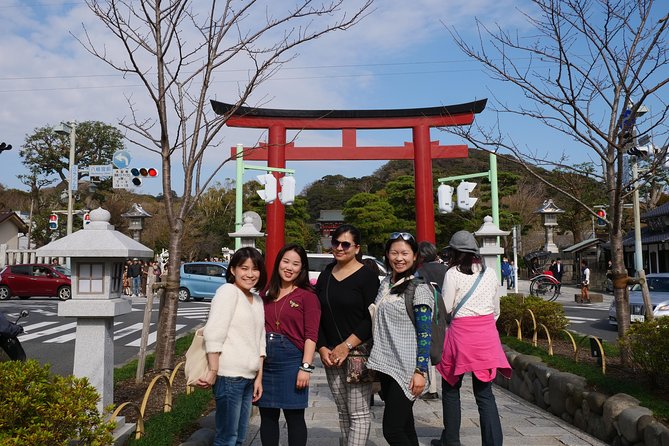
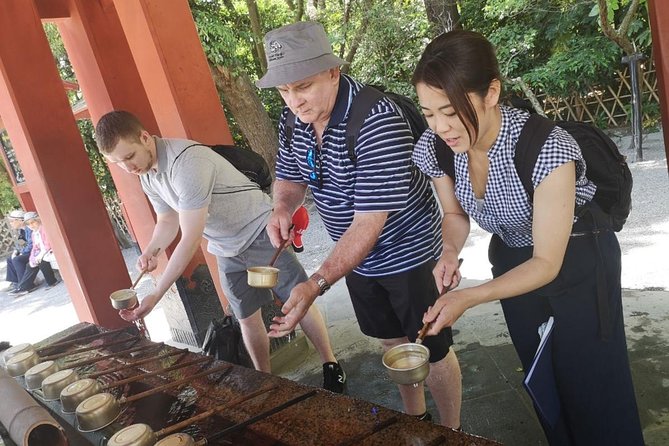
Tsurugaoka Hachimangu is Kamakura’s major Shinto shrine and one of the most important stops on the route. The visit lasts about 30 minutes, with admission included. The grounds offer a good introduction to Japanese shrine customs, and your guide can explain what you are seeing rather than leaving you to guess at the rituals.
This is where the guide’s role becomes valuable. You can learn how a Shinto shrine differs from a Buddhist temple, what certain gates and structures mean, and how to behave respectfully. The tour is designed around culture as well as architecture, so ask questions. Past guides including Ken and Rookie have been particularly good at explaining etiquette and answering broader questions about Japanese life.
Thirty minutes is a brisk visit. You will get an overview rather than a slow examination of every building and garden. That works well for a first visit, but it may feel short if shrine architecture is your main interest. You should also expect walking between parts of the complex and onward through the city.
The trail to Hasedera: beautiful, but not effortless
Hasedera Temple receives about 50 minutes, making it one of the longer stops. The temple is known for its gardens, coastal views, and a small cave area. The combination gives you more than a single impressive building. You can move from planted temple grounds to a darker, enclosed space and then look out toward the sea.
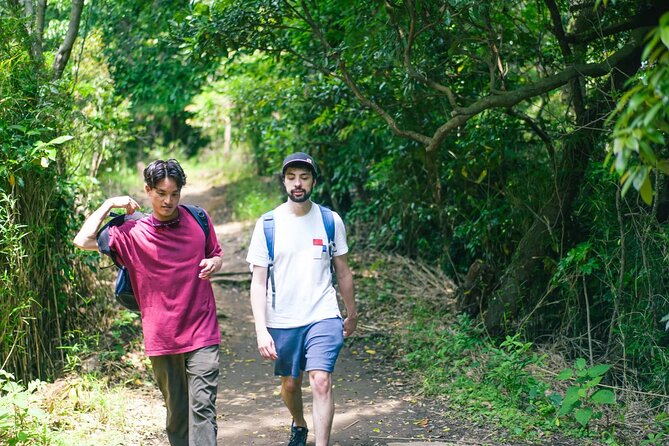
The route also includes a wooded hiking section of about 2.5 kilometers. This is one of the tour’s best features if you want more than paved streets. Guides have taken groups through a woodsy route with views toward Yuigahama Beach, Hasedera, and the Great Buddha. On a clear day, this section gives the day a sense of place that a taxi or train ride cannot provide.
It is also the part you need to take seriously. Some sections can be steep or slippery, and the tour operator advises hiking clothes, sturdy shoes, water, and a towel. This is not a difficult mountain expedition, but it is not a flat city stroll either. The route may change if weather makes the trail unusable.
Hasedera’s coastal outlook is a fine reason to keep the temple on the route. You may also appreciate the quieter change of pace after Komachi Street and Tsurugaoka Hachimangu. Since the schedule is fixed, do not count on spending a long time at every garden feature. The guide has to keep the group moving toward the Great Buddha and the beach.
More Nikko and Kamakura Day Trips in Kamakura:
- Tokyo: Kamakura & Enoshima Day Trip including Temple Tickets
★ 4.5 · 1,375 reviews - From Tokyo: Kamakura & Enoshima 1-Day Bus Tour
★ 4.5 · 189 reviews - Kamakura Private Tour: Temples, Nature, and the Great Buddha
★ 5.0 · 121 reviews - From Tokyo: Kamakura Full Day Tour with a Local Expert Guide
★ 4.6 · 43 reviews
Lunch at a temple, with limits for special diets
Lunch is included and served in a temple setting. Vegetarian and vegan menus are available, which is helpful in Japan, where meal choices can sometimes be difficult to identify without local help. The meal adds real value to the price because it removes the need to find a restaurant during the busiest part of the day.
You should be realistic about dietary needs. Vegetarian choices are available but limited, and the operator cannot guarantee allergy-free food. The food is prepared in kitchens that are not controlled by the tour company, and substitutions may not always be possible. If you have a serious allergy or strict medical diet, contact the provider before booking and carry whatever food you need for backup.
The lunch also makes the tour feel more connected to Kamakura’s religious sites. It is not simply a stop at a generic restaurant between attractions. You get a meal tied to the temple visit, though the exact menu and serving details are not specified.
The Great Buddha at Kotoku-in
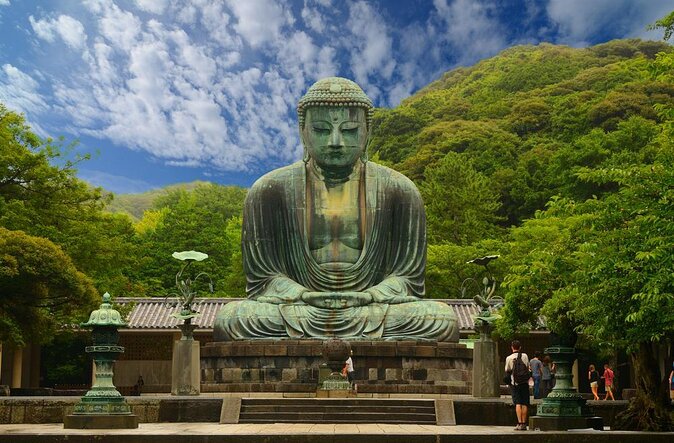
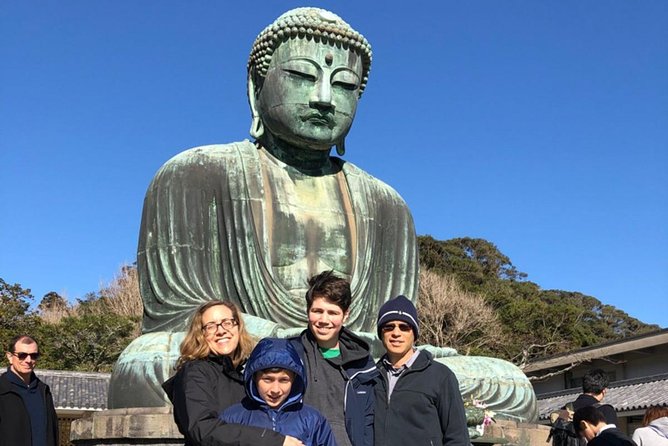
Kotoku-in’s Great Buddha is the day’s headline sight. The bronze statue has been enshrined at Kamakura for more than 750 years and is one of Japan’s most recognizable religious monuments. Admission is included, and the visit is scheduled for about 40 minutes.
The guide can supply the background that gives the statue meaning. Without context, you see a huge seated Buddha and take a few photographs. With an explanation of its age, religious role, and place in Kamakura, the visit becomes easier to remember. The tour also gives you enough time to look around rather than treating the statue as a quick photo stop.
The Great Buddha is popular, so this is unlikely to be a solitary experience. Your small group helps, but the grounds can still be busy. The statue itself is outdoors, and weather can affect the feel of the stop. If rain forces the group to use the train instead of the hiking trail, you still visit the Great Buddha, but the day loses some of its woodland walking.
Yuigahama Beach and the view toward Mt. Fuji

The final section moves to Yuigahama Beach and Kamakura Seaside Park’s Yuigahama area. Each receives about 20 minutes. The beach is known for sandy shore, shallow water, and views across the ocean. The tour uses this section for photographs and a change of scenery after the temples.
On a clear day, you may see Mt. Fuji across the water. That view is weather dependent, so treat it as a welcome possibility rather than a promise. Even without Fuji, the beach helps you understand Kamakura as a coastal town, not just a collection of historic sites.
Enoshima Island is passed by during the route rather than visited as a full stop. That distinction matters if Enoshima is high on your list. You will not have time to explore the island on this five-hour tour, but you may get a glimpse of it along the coast.
The activity ends back at the original meeting point. Since the day includes several stops and a return journey, do not plan a tightly timed evening reservation immediately afterward. The tour lasts about five hours, but walking pace, weather, and trail conditions can affect the final timing.
The guides and the small-group advantage
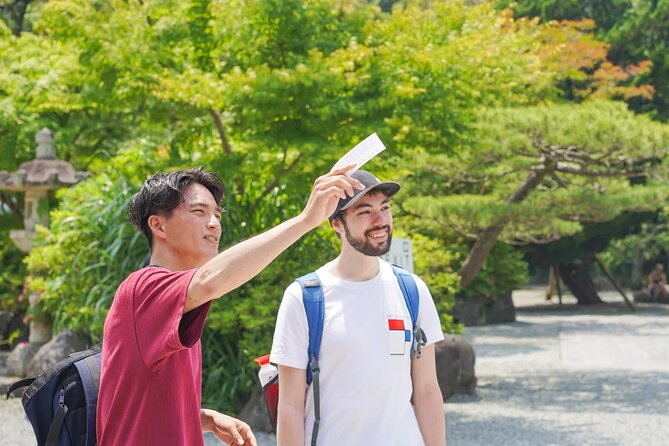
The guide can make or break a walking tour, and this experience benefits from its small maximum of seven people. You are not lost in a large crowd, and there is more room to ask about shrine customs, temple etiquette, food, or train connections.
Several guide names are associated with strong, personal guiding styles. Isao has been praised for making the shrine and temple history easy to follow. Mark has helped explain the route back to Yokohama, which is a useful service if you are visiting from there. Ken is described as attentive and patient, while Fujii has led the hike in a friendly, easygoing way. Yoko has guided groups through the wooded route and temple lunch. Rookie has taken visitors to less familiar shrines and answered questions about Japanese customs.
The exact guide is not guaranteed, so book the tour for its format and route rather than for one particular person. The best use of the small group is to speak up. Ask the guide to explain rituals, point out details you might miss, and help you confirm your train plans.
Walking demands, weather, and what to bring
This is a 5-kilometer walking and hiking tour, with about 2.5 kilometers on the hiking trail. Wear shoes with good grip. Sandals, smooth soles, and fashionable footwear that becomes uncomfortable after several hours are poor choices.
Bring water and a towel. Summer conditions in Japan can become extremely hot, with highs listed as high as 40°C, while winter can reach -5°C. Dress for the season, and do not underestimate the heat on exposed streets or the effort of the trail.
Rain does not automatically end the day, but it can change the route. If the hiking path is unsafe, the group takes a train to the Great Buddha. The activity requires good weather, and if the provider cancels because of poor conditions, you can choose another date or receive a full refund.
You can cancel for a full refund up to 24 hours before the start time. Changes or cancellations inside that window are not accepted and are not refunded. Since the tour starts at 10:00 a.m., build in enough time to reach the west exit clock tower plaza without rushing.
Who should book this tour?
I would choose this tour if you are visiting Kamakura for the first time and want the major sights explained in one organized day. It suits people who like a mix of temples, food, local customs, coastal views, and moderate hiking. It is also a good fit if you are coming from Tokyo or Yokohama and want a guide to handle the route.
Families with older children, active adults, and curious first-time visitors should find the format useful. The small group is also a good choice if you prefer conversation over a large bus tour. The included lunch and entry tickets make the $98.44 price easier to justify, especially when you value a guide and do not want to plan every connection yourself.
I would hesitate if you want a slow temple day, extensive shopping time, or a completely flat walk. I would also think carefully if you have mobility limits, serious food allergies, or little tolerance for heat and slippery paths. The tour covers a lot, but that means the pace is purposeful.
Should you book the Kamakura Historical Walking Tour?
Book it if you want one well-planned introduction to Kamakura with the Great Buddha, Hasedera, Tsurugaoka Hachimangu, street food, lunch, and a coastal finish. The combination of cultural explanation and trail walking gives you more than a simple attraction transfer.
Skip it if your priority is deep independent exploration, a relaxed beach day, or a long meal. For most first-time visitors who can manage five kilometers and a 2.5-kilometer trail, this is a practical way to see Kamakura’s main sights while still leaving room for local food, questions, and a few good views.
FAQ
Where does the Kamakura walking tour start?
It starts at 10:00 a.m. at the clock tower plaza outside the west exit of JR Kamakura Station, at 12-3 Onarimachi, Kamakura, Kanagawa 248-0012, Japan.
How long does the experience last?
The tour lasts approximately five hours and ends back at the meeting point.
How many people can join the tour?
The group has a maximum of seven travelers.
What entrance fees are included?
Admission to Hasedera Temple and the Great Buddha at Kotoku-in is included.
Is lunch included?
Yes. Temple lunch is included, and vegetarian and vegan options are available. Choices may be limited, and allergy-free meals cannot be guaranteed.
Is transportation included?
A transportation fee of 440 yen is not included. If rain makes the hiking trail unusable, the guide uses a train to reach the Great Buddha.
How much walking is involved?
The route covers about 5 kilometers of walking and hiking, including roughly 2.5 kilometers on a hiking trail.
What should I bring and wear?
Wear suitable hiking clothes and shoes, and bring water and a towel. Some trail sections can be slippery.
What happens if the weather is poor?
Routes may change if the trail is unusable. If the activity is canceled because of poor weather, you can receive a full refund or choose a different date.
More History Tours in Kamakura
- Kamakura: Private History and Heritage Tour by Rickshaw
★ 4.9 · 7 reviews - Bali: Tanah Lot UNESCO World Heritage Sites Full-Day Tour
★ 4.7 · 1,947 reviews - 2 Days Guided Historical Tour in Angkor
★ 5.0 · 855 reviews - Chiang Mai: Historic Temples and City Guided Walking Tour
★ 4.7 · 650 reviews
More Temple Walking Tours in Kamakura
- Bangkok: City Highlights Temple and Market Walking Tour
★ 4.5 · 3,990 reviews - Bangkok: Grand Palace and Wat Phra Kaew Guided Walking Tour
★ 4.4 · 2,417 reviews - Bangkok: Wat Pho and Wat Arun Guided Walking Tour
★ 4.6 · 1,720 reviews - Tokyo: Asakusa Walking Tour with Sensoji Temple Visit
★ 4.8 · 1,583 reviews
Just added around Kamakura
- Kanagawa: Kimono Rental in Kamakura Provided by RikaWafuku★ 4.8 · 8 reviews
- Kamakura: Great Buddha, Hase Temple, & Komachi Street Tour★ 5.0 · 11 reviews
- Kamakura: Walking Tour through the City of Samurai★ 4.9 · 12 reviews
- Kamakura: Private History and Heritage Tour by Rickshaw★ 4.9 · 7 reviews
- Kamakura Private Custom Tour with Local Guide★ 5.0 · 7 reviews
- Kamakura Half Day Tour with a Local Expert Guide★ 4.4 · 23 reviews
- Kamakura: Half day Walking tour & Japanese sweets★ 5.0 · 11 reviews
- Kamakura: Daibutsu Hiking Trail Tour with Local Guide★ 5.0 · 10 reviews
Nikko & Kamakura Day Trips, compared.
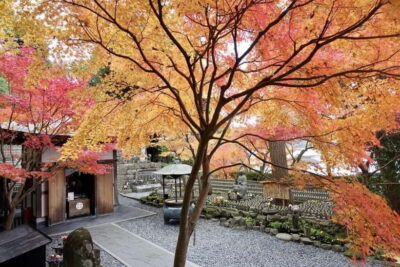
Kamakura & Enoshima Day Trip including Temple Tickets
Read our review →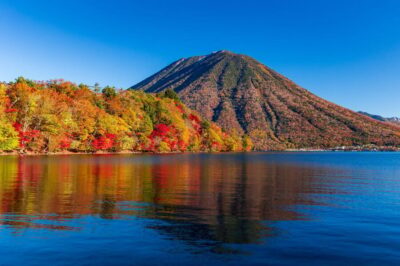
Nikko Toshogu Shrine and Kegon Waterfall Tour
Read our review →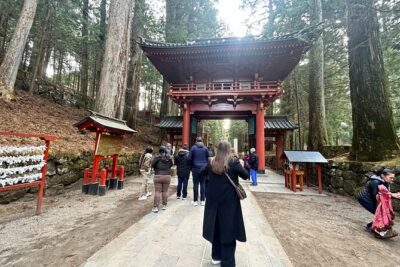
Nikko, Kegon Waterfall & Chuzenji Lake from Tokyo
Read our review →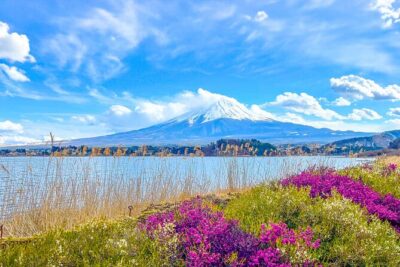
Mount Fuji, Kamakura, Big Buddha, & Lake Ashi Day Trip
Read our review →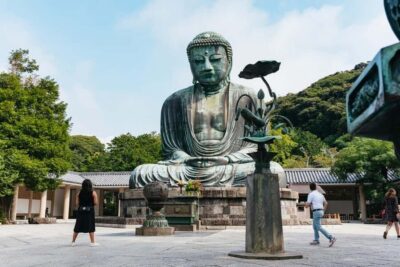
Mt. Fuji, Kamakura, Big Buddha, & Lake Ashi Day Trip
Read our review →
Nikko Full-Day Private Tour with Government-Licensed Guide
Read our review →
Browse the lists this tour appears in