
REVIEW · SEOUL TEMPLE TOURS
Seoul: Vegan Temple Food Class, Jogyesa & Changdeokgung Tour
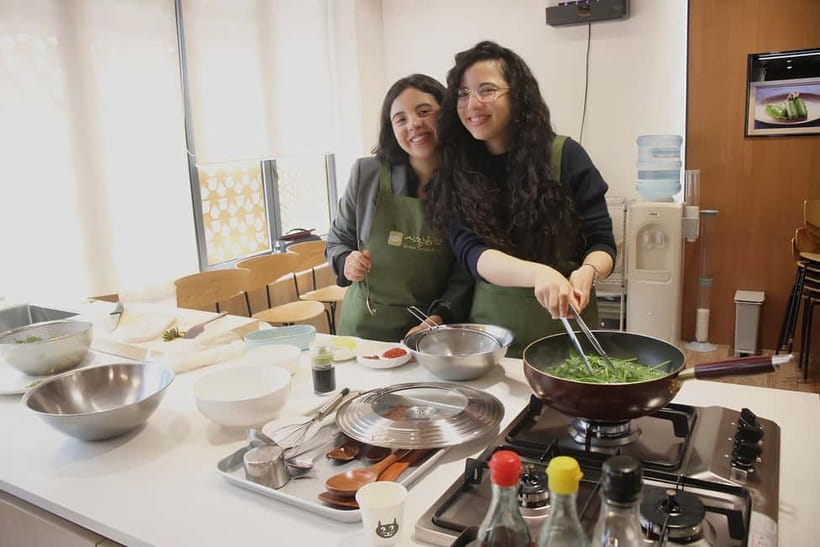
The most unusual part of this Seoul outing is the temple food class, where a Buddhist monk teaches you why Korean monastic cooking avoids meat and focuses on simple, seasonal ingredients. You cook, eat what you make, and connect the meal to Buddhist ideas about care, balance, and avoiding waste.
I like the mix of hands-on food and major sights. I also like that the route reaches places many palace tours skip, including Korea’s large medicinal herb and ginseng market. The main drawback is that this is a walking-heavy day, with standing during the cooking class and no hotel pickup.
Key points
- Cook with a Buddhist monk: Learn the ideas behind Korean temple cuisine while preparing a fully plant-based meal.
- Eat what you make: The food is served on-site, and you are asked to finish it there unless you bring a reusable container.
- Visit Jogyesa Temple: See a central place of Korean Zen Buddhism, with old trees and colorful lanterns.
- Explore traditional Seoul: Walk through Insadong’s teahouses, craft shops, and calligraphy studios.
- See medicine in daily life: Visit a major herb and ginseng market, with time for cultural explanation and local tastings.
- Tour Changdeokgung: Enter a UNESCO World Heritage palace and hear stories of the Joseon dynasty.
Why the Temple Kitchen Is the Star
Many Seoul food tours take you to a restaurant. This one puts you to work first.
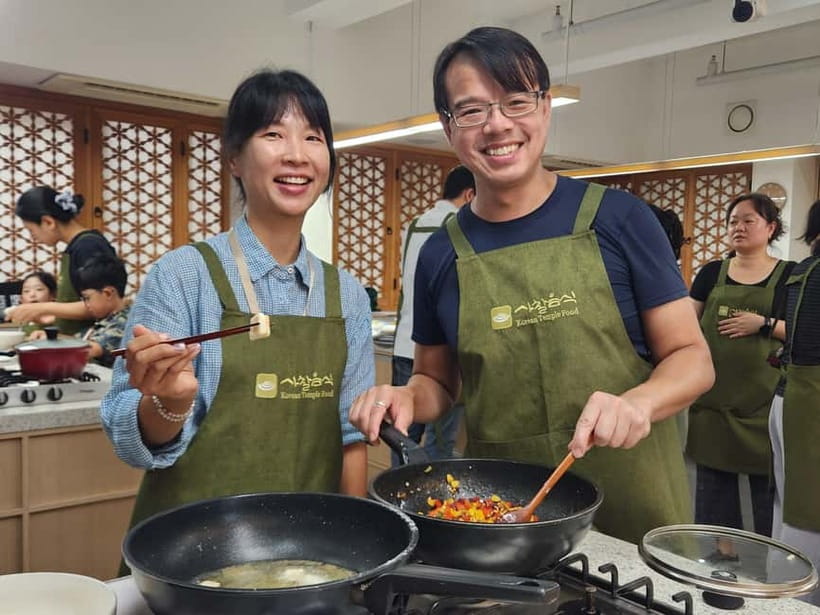
You prepare vegan temple food in a calm, modern studio with a Buddhist monk as your instructor. The class is not simply a recipe demonstration. You learn why temple cooking values seasonality, modest preparation, harmony among ingredients, and respect for food.
That context gives the meal more meaning. A dish made without meat is not presented as a substitute for something else. It belongs to a food tradition shaped by Buddhist practice. Korean temple cuisine also avoids the strong allium ingredients commonly used in Korean cooking, though the exact menu changes with seasonal produce. The supplied information confirms that the menu changes each time, so you should expect a lesson built around what is available rather than a fixed dish list.
The class is hands-on, which makes it a good choice if you want more than a lecture. You get to prepare the food, then taste the result on-site. Several guides, including Bruce, Gina, Ron, and BJ, have been praised for helping with translation and explaining the cultural side of the meal. The monk brings the religious perspective, while the English-speaking guide helps you follow the practical details.
Cooking is done standing. That matters more than it may sound, especially because the rest of the experience is also on foot. If you have difficulty standing or walking for long stretches, this is not the easiest Seoul activity.
Eating Mindfully, With No Food Waste
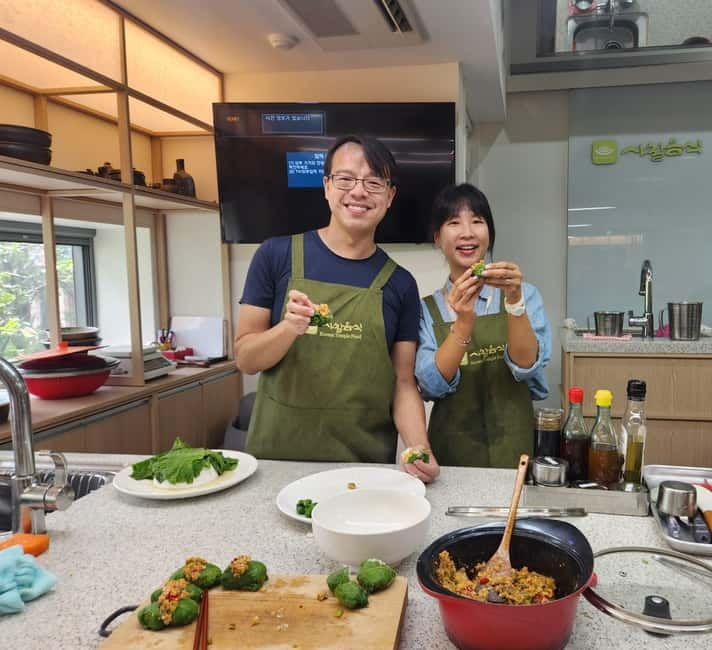
The meal is part of the lesson, but there is a clear rule: finish the food at the location. Temple cooking aims to avoid waste, so leftovers are not casually packed up for later.
If you want to take food with you, bring your own reusable container. This small detail is worth planning for before you leave your hotel. You should also avoid assuming that the menu will suit every personal preference simply because it is vegan. The dishes are seasonal and connected to temple practice, not designed as familiar Western vegetarian comfort food.
That said, the food is meant to be enjoyed by vegetarians and by anyone curious about Korean cuisine. You do not need to follow a Buddhist diet to appreciate the class. The appeal is learning how ingredients, health, restraint, and daily habits fit together.
One especially interesting thread from the tour is the connection between food and Korean traditional medicine. Guide Alex, for example, helped explain how traditional medicine considers body types and recommends different foods for different constitutions. This gives the market visit later in the day a useful link to the cooking class rather than making it feel like a separate stop.
Other temples and shrines people visit around South Korea:
- Seoul: Palace, Temple and Market Guided Foodie Tour at Night
★ 4.9 · 750 reviews - Busan’s Cultural Wonders with Beach Train & Gamcheon Village etc
★ 4.5 · 663 reviews - Seoul: Mt Seorak + Naksansa Temple or Nami Island Group Tour
★ 4.7 · 422 reviews
Jogyesa Temple and the Living Side of Buddhism
After the meal, the tour visits Jogyesa Temple, the spiritual center of Korean Zen Buddhism.
Jogyesa is not just an old building placed on a sightseeing route. It remains an active religious site in central Seoul. You can see colorful lanterns, ancient trees, and the steady presence of Buddhist practice within the city. Your guide explains how Buddhism continues to shape Korean life, which helps you read the temple as more than a photo stop.
The setting is especially useful after the cooking class. You have already heard Buddhist ideas in the kitchen, then you see those ideas connected to a working temple. The transition from preparing food to walking through a religious site gives the day a clear thread.
You should dress and behave respectfully, as you would at any active place of worship. The visit is not described as a formal ceremony, so expect an explanation and walk-through rather than participation in a religious service.
Insadong’s Shops, Tea, and Traditional Arts
The route also passes through Insadong, one of Seoul’s best areas for traditional culture.
This is the kind of neighborhood where a short walk can bring you past teahouses, craft shops, art spaces, and calligraphy studios. It offers a change of pace from the quiet temple and gives you a look at Seoul’s artistic side. You may have time to browse, but this is a guided walking stop rather than a dedicated shopping session.
One of the strongest parts of the route is the contrast. The cooking class is focused and practical. Jogyesa is spiritual. Insadong is commercial but still tied to traditional arts. Together, they show different ways Korean culture appears in everyday Seoul.
The itinerary can also include a traditional market experience, with opportunities to taste food and tea. One account of the tour describes visiting an art market area and trying local delicacies. Another describes tasting food and tea while walking through a local market. Treat this as an added cultural element, not as a full restaurant meal or food crawl. The point is sampling and explanation, not eating your way through the city.
Seoul’s Medicinal Herb and Ginseng Market
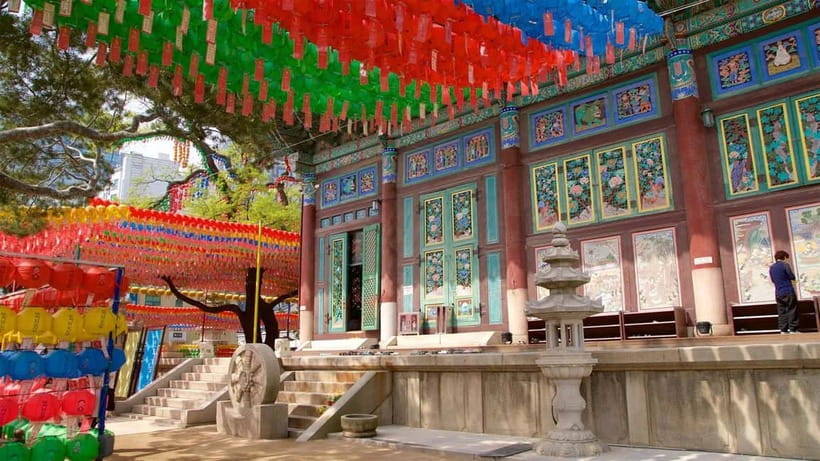
The medicinal herb and ginseng market adds a subject that many standard palace tours leave out.
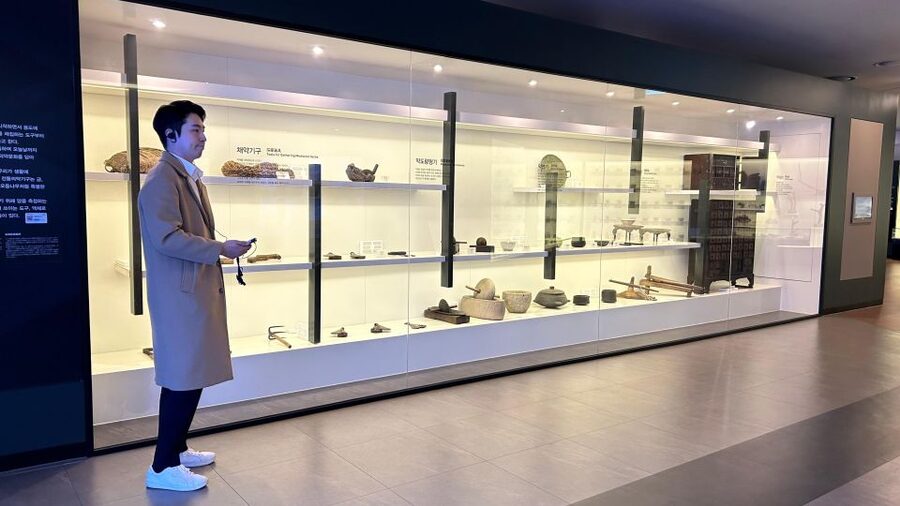
Korean food culture and traditional medicine overlap in interesting ways. At the market, you can see ingredients used for health, cooking, and daily care. The tour also includes a museum visit connected with traditional medicine, and one account describes seeing exhibits while wearing traditional clothing. The supplied details do not promise a costume experience for every departure, so consider that a possible part of the cultural visit rather than a guaranteed feature.
This stop is most useful if you want to understand how Koreans have historically linked food with the body. Guides explain medicinal ingredients and the way traditional medicine sorts food recommendations according to body composition. That makes the market more than a shopping street.
You should not expect a clinical consultation or medical advice. The value is cultural: you see the ingredients, learn how they fit into Korean traditions, and connect them to the temple kitchen’s focus on balanced living.
More Food and Drink Tours in South Korea:
- Seoul Night Palace & Market Food Tour with Vehicle
★ 5.0 · 275 reviews - Bangkok by Night: Temples, Markets and Food Tuk-Tuk Tour
★ 5.0 · 3,752 reviews - Bangkok: Markets, Temples and Food Night Tour by Tuk Tuk
★ 4.9 · 2,371 reviews - 1-Day Snow Monkeys, Zenko-ji Temple & Sake in Nagano
★ 5.0 · 1,020 reviews
Changdeokgung Palace and Joseon Royal Life
The final major stop is Changdeokgung Palace, one of Seoul’s finest royal sites and a UNESCO World Heritage site.
Changdeokgung is known for its graceful architecture and quieter garden setting. Your guide shares stories of the Joseon dynasty as you move through the palace grounds. This is a good way to finish because the palace provides a strong historical counterpoint to the Buddhist temple and traditional market.
Guide Bruce has been specifically praised for helping with translation and explaining the palace. That kind of support matters at Changdeokgung, where the buildings can look elegant but confusing without context. A guide helps you understand what you are seeing and why the palace was designed as it was.
The palace portion is not just a quick photograph outside the gate. Admission is included, and the visit gives the day a proper historical anchor. Still, you should remember that you are seeing the palace as part of a broader cultural route. If your main goal is a long, slow exploration of every palace building and garden, a dedicated Changdeokgung tour would give you more time.
What the $73 Price Covers
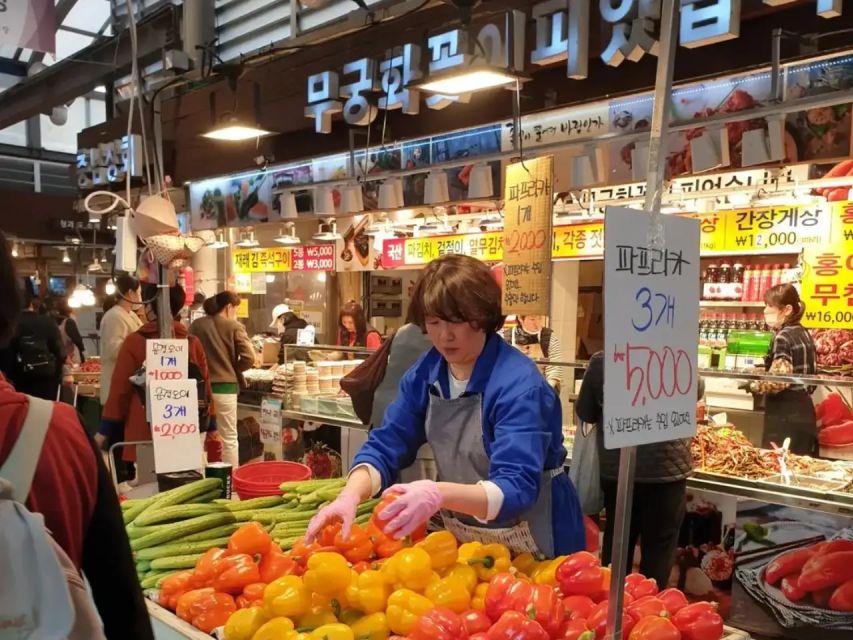
At $73 per person, this experience is priced as a full cultural outing rather than a simple cooking class.
The fee includes the English-speaking licensed guide, the temple food class and monk instructor, and admission to Changdeokgung Palace. It does not include pickup or drop-off, so you must reach Anguk Station Exit 1 on your own and return to the meeting point when the activity ends.
The value depends on what you want from Seoul. If you only want a cooking lesson, you may find the price high because you are also paying for the guided visits and walking route. If you want food, religion, traditional medicine, art, and royal history in one day, the price is easier to justify.
I especially like that the cooking class is not treated as an isolated tourist trick. The palace admission and cultural stops make it a broader introduction to central Seoul. You also avoid paying separately for a guide at each location.
The experience may be private on some departures. One booking resulted in a private experience with VIP-style attention, but private service should not be assumed for every date unless your booking confirms it. Guides have included Gina, Ron, Bruce, BJ, and others, and the quality of the day will partly depend on who leads your departure.
Walking, Weather, and Practical Planning
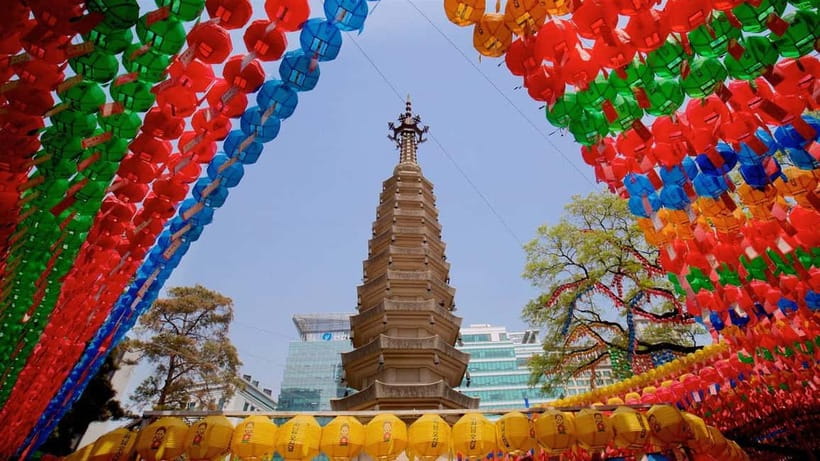
The meeting point is Anguk Station Exit 1, where the guide holds a Tripper sign. There is no hotel pickup, so allow enough time to reach the station without rushing.
The full activity is conducted on foot, apart from a taxi transfer described during one version of the route between the cooking class and the medicinal market. Since the exact walking pattern can vary, wear comfortable shoes and plan for a physically active day.
Cooking takes place standing, and the palace, temple, market, and Insadong visits all involve walking. The tour is not recommended if you have mobility issues or difficulty covering long distances.
The activity operates in rain or snow. It may only be canceled if weather makes the route impossible, so bring suitable clothing and shoes rather than planning around perfect skies.
English is the listed tour language. One practical note from the booking information is that Saturday classes are conducted in English, so Saturday may be the safest choice if the monk-led instruction is your top priority. Confirm the language details for your chosen date before booking.
You can reserve now and pay later, and cancellation is free up to 24 hours in advance. Those terms help if your Seoul schedule is still shifting.
Who Will Enjoy This Seoul Experience?
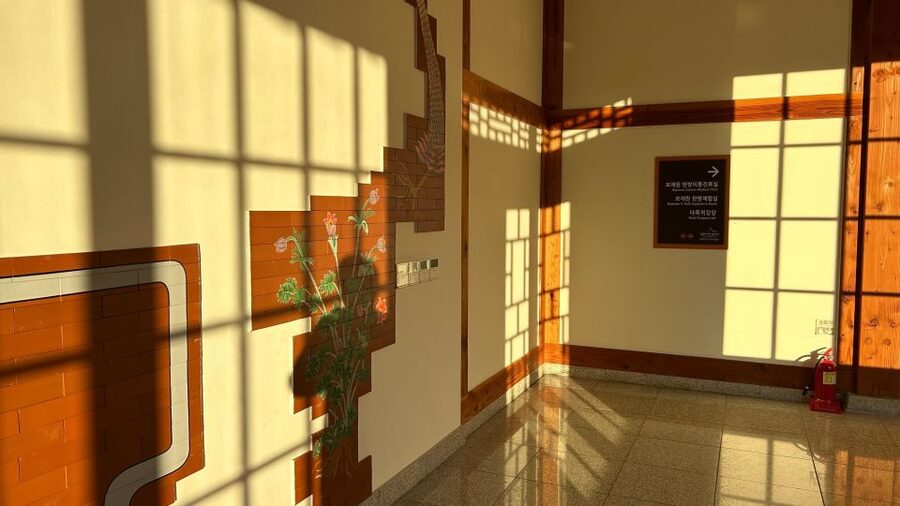
I would choose this tour if you want a day with real cultural range. It suits vegetarians particularly well, but the temple food class is also a good fit for anyone curious about Korean ingredients, Buddhist practice, or mindful eating.
It is also a strong option for first-time visitors who want more than the usual palace-and-shopping circuit. You get a major royal site, but you also see Jogyesa, Insadong, and the medicinal market. The route gives you several ways into Korean culture without requiring separate bookings.
Food-focused visitors should enjoy the hands-on format. The menu changes with the season, so you get a more flexible introduction to Korean temple food than a fixed cooking class would provide. The class is also practical enough that you may be able to recreate the dishes at home.
I would hesitate if you want a relaxed day with lots of free time, a hotel transfer, or a fixed menu. I would also look elsewhere if your priority is a long palace garden visit or a serious food crawl. This is a guided sampler of several connected subjects, not a slow exploration of one site.
Should You Book It?
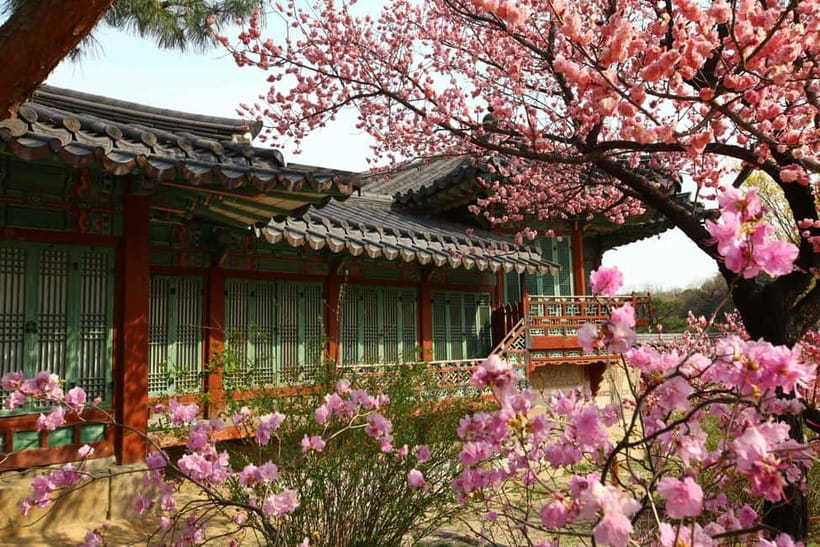
Book this experience if you want food and culture in equal measure, especially if vegan cooking, Buddhism, traditional medicine, and Seoul’s royal past all appeal to you. The monk-led class is the main reason to go, while Jogyesa, Insadong, the medicinal market, and Changdeokgung give the day useful depth.
Skip it if standing and walking will be difficult, or if you prefer to explore at your own pace. For most active visitors, the $73 price offers a fair package: a hands-on class, a guide, a palace admission, and several distinctive Seoul stops in one day.
FAQ
Where does the tour begin?
The tour begins at Anguk Station Exit 1. Look for the guide holding a Tripper sign.
Where does the tour end?
The activity ends back at the meeting point.
Is the cooking class fully vegan?
Yes. Korean temple food contains no meat, and the experience is fully plant-based.
Will the menu be the same each time?
No. The menu changes according to seasonal ingredients.
Can I take leftover food with me?
You are asked to finish the meal at the cooking location. If you want to take food with you, bring your own reusable container.
Is Changdeokgung Palace admission included?
Yes. Admission to Changdeokgung Palace is included in the price.
Is hotel pickup included?
No. Pickup and drop-off are not included.
Is the tour suitable for people with mobility issues?
The cooking is done standing, and the tour is conducted on foot. It is not recommended for people who have difficulty walking long distances.
More Workshops in South Korea
- Bali: Silver Jewelry Making Class in Kuta or Uluwatu
★ 4.9 · 380 reviews - Bali: Uluwatu Silver Jewelry Making Workshop with Creation
★ 4.9 · 260 reviews - Kyoto: Calligraphy class at Buddhist temple in city center
★ 5.0 · 167 reviews - Best Surf Lesson around Uluwatu
★ 5.0 · 64 reviews
More Food Tours in South Korea
- Bangkok: Tuk Tuk Adventure Chinatown Michelin Food & Temples
★ 4.3 · 725 reviews - Old Delhi Food-Spice Market-Temples Tour Soon Featured on NETFLIX
★ 5.0 · 304 reviews - Takua Pa: Food Market, Tsunami Museum, Temple, & Old Town
★ 4.9 · 165 reviews - Bangkok Night Tour: Food, Temple & Tuk Tuk
★ 5.0 · 126 reviews
Just added around South Korea
- Seoul: War Memorial, Jogyesa Temple & Tapgol Park Tour★ 4.8 · 56 reviews
- Seoul: Night Bongeunsa Temple Guided Tour★ 5.0 · 11 reviews
- Seoul: UNESCO Sites tour: Palace, Shrine & Bukchon Village★ 4.8 · 26 reviews
- Seoul: Temple & Starfield COEX Mall Gourmet Tour in Gangnam★ 4.7 · 22 reviews
- Gyeongbokgung Palace, Jogyesa Temple and Bukchon village★ 5.0 · 12 reviews
- Gyeongju: UNESCO Heritage Tour Including Bulguksa Temple★ 4.8 · 104 reviews
- Danyang Tour:Guinsa Temple & Bobaljae & Cheongpung Cable Car★ 5.0 · 15 reviews
- Busan’s Best: Sea Temples, Yacht Tour & Sky Capsule Day Tour★ 4.8 · 24 reviews
Seoul Temple Tours, compared.
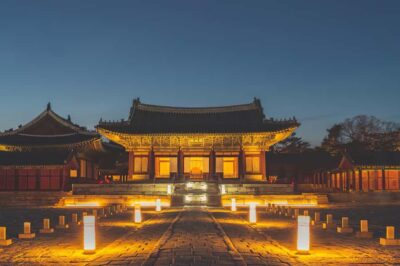
Palace, Temple and Market Guided Foodie Tour at Night
Read our review →
Mt Seorak + Naksansa Temple or Nami Island Group Tour
Read our review →
Seoul Night Palace & Market Food Tour with Vehicle
Read our review →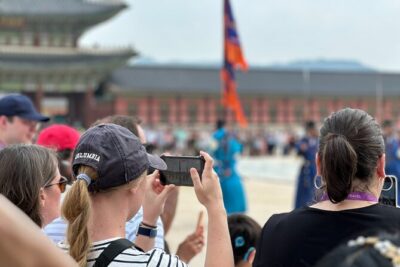
Best Things to Do – Half Day Seoul Trip (Seoul Palace & Temple)
Read our review →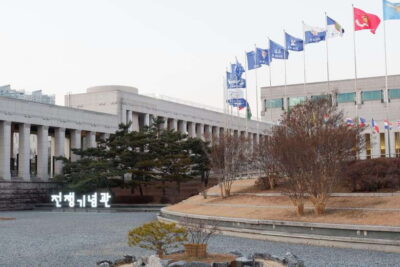
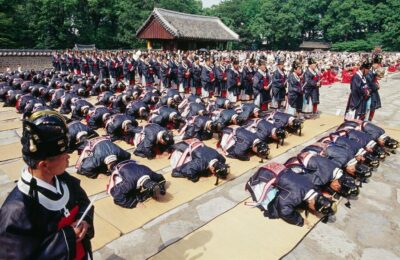
UNESCO Sites tour: Palace, Shrine & Bukchon Village
Read our review →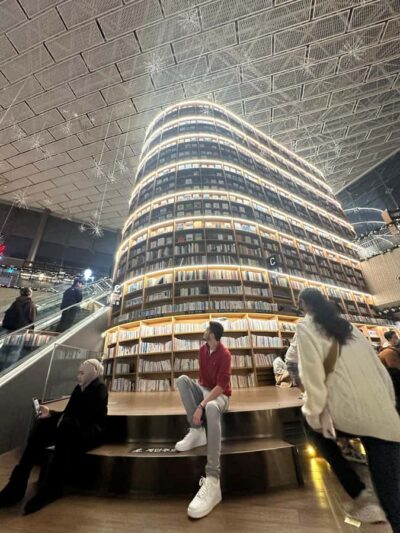
Temple & Starfield COEX Mall Gourmet Tour in Gangnam
Read our review →
Danyang Tour:Guinsa Temple & Bobaljae & Cheongpung Cable Car
Read our review →Browse the lists this tour appears in