
REVIEW · SEOUL TEMPLE TOURS
Seoul: War Memorial, Jogyesa Temple & Tapgol Park Tour
The most striking part of this Seoul tour is the way it moves from military history to modern national identity, then into Buddhist Seoul and the March 1 Independence Movement. At Tapgol Park, you also get a curious pop-culture stop connected to the bread-and-lottery scene in Squid Game Season 2.
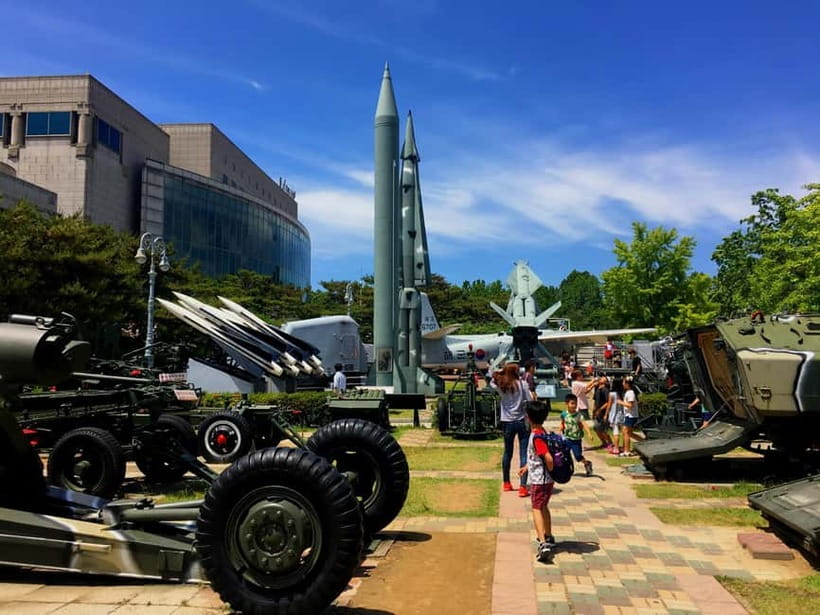
I like the War Memorial’s outdoor displays, where tanks and aircraft make the subject immediate, and I like the small-group feel described by guests who toured with Connie, Leo, Jang, and others. The included minivan is a real comfort, especially on a cold or rainy afternoon.
The main consideration is the walking. You will move through several historic sites, and the tour is not suitable for wheelchair users. The afternoon schedule also gives you a useful overview rather than long, leisurely time at every museum.
Key points at a glance
- War Memorial of Korea: See military equipment and visit the third-floor United Nations Memorial Cemetery section.
- Tapgol Park: Visit the place where the March 1, 1919 Independence Movement began, with a pop-culture link to Squid Game.
- Four very different stops: The route connects war, modern Korea, Buddhism, and the independence struggle.
- Included transport: Ride in an air-conditioned minivan with a professional English-speaking guide.
- Guides who add personal detail: Connie, Leo, Jang, Dragon, Orota, Melvin, and Mrs. Park are among the guides praised for warmth, clear explanations, and helpful pacing.
- Good value at $42: Entrance fees and transport are included, but food and hotel pickup are not.
A useful afternoon introduction to Seoul
This is a sensible tour if you want more than palaces and shopping streets. Seoul’s usual first stops are Gyeongbokgung, Bukchon Hanok Village, and Myeongdong. This route takes you into a different part of the city, where Korea’s recent past is the main subject.
The afternoon begins at the lobby of the Koreana Hotel’s office building. From there, you travel between stops by air-conditioned minivan. That matters because Seoul weather can be sharp, wet, or tiring, and you will appreciate having a warm or cool vehicle between sites.
The tour is conducted in English. Several guides have received especially warm praise for their approach. Connie is described as friendly and considerate, with personal stories that make the history easier to connect with. Leo is noted for a good pace, help with photographs, and care for an older family member. Jang is praised for answering questions and making visitors feel welcome.
Guide assignments can vary, so you should not book expecting one particular person. Still, the pattern is useful: this experience depends heavily on the guide, and the people named above have made a strong impression through clear explanations, patience, and a personal touch.
A few more temple visits around South Korea worth a look
- Seoul: Palace, Temple and Market Guided Foodie Tour at Night
★ 4.9 · 750 reviews - Seoul: Mt Seorak + Naksansa Temple or Nami Island Group Tour
★ 4.7 · 422 reviews - Best Things to Do – Half Day Seoul Trip (Seoul Palace & Temple)
★ 5.0 · 190 reviews
The War Memorial and Korea’s wartime story
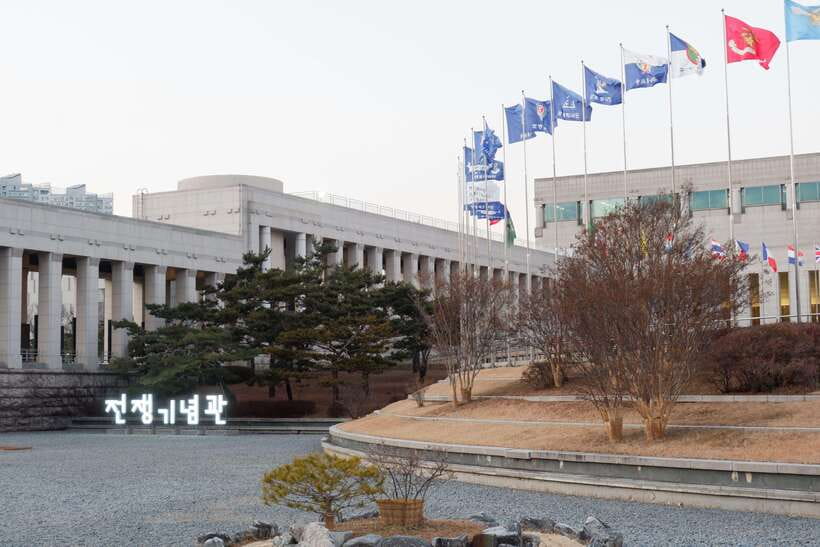
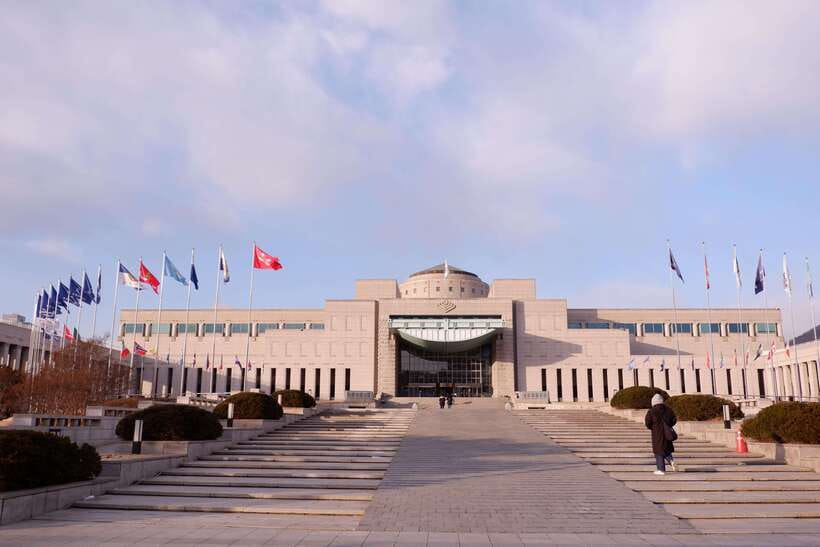
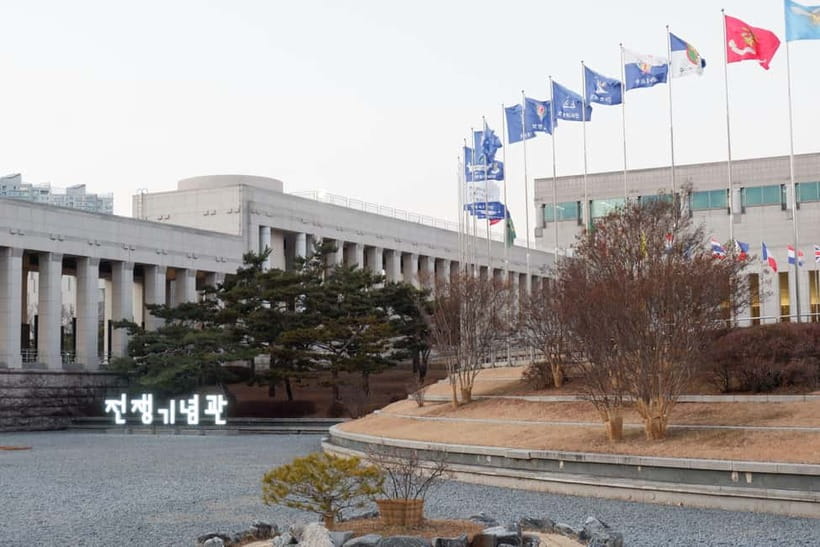
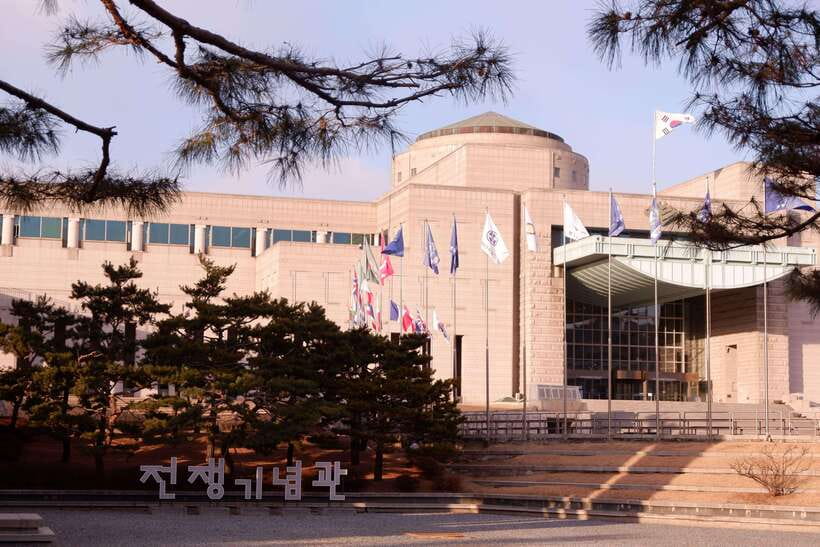
The War Memorial of Korea is the anchor of the afternoon. Established in 1994, it uses Korea’s military past to make a larger point about preventing future conflict and hoping for reunification between North and South Korea.
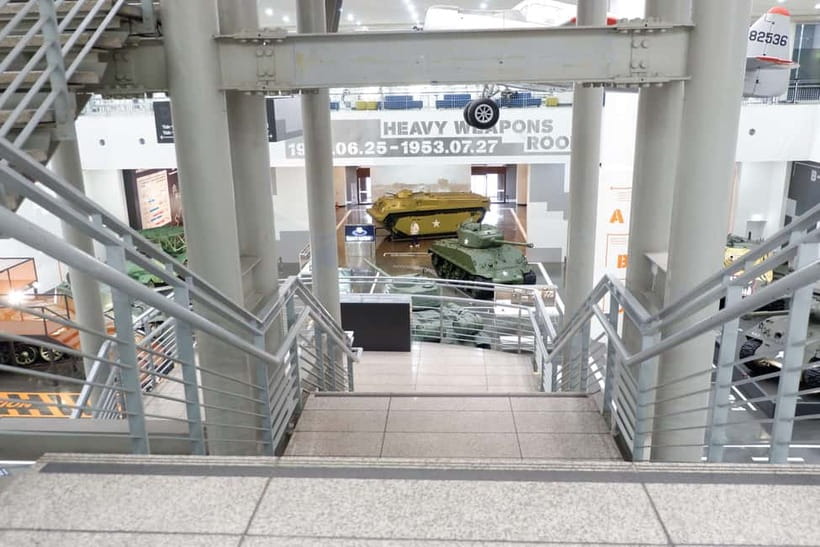
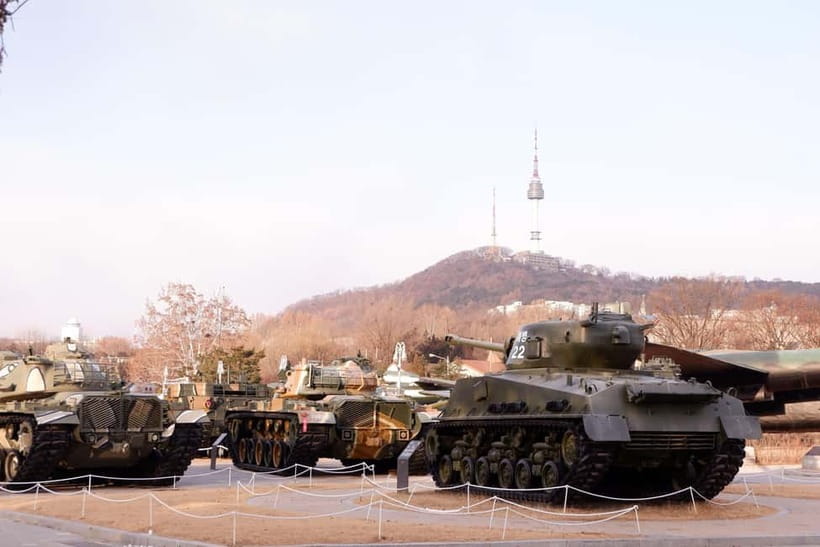
You will mainly visit the third-floor United Nations Memorial Cemetery section, but the museum is also known for its outdoor military displays. Tanks and aircraft give the visit a physical sense of scale that photographs and text panels cannot provide. If you have children or anyone in your group who needs a more visual museum visit, this part should hold attention well.
The subject is serious, and the memorial is not simply a display of weapons. Its purpose is tied to the Korean War, the cost of division, and the continuing wish for peace. A good guide can help you place the objects in that wider setting rather than treating them as isolated machinery.
The cemetery section adds a quieter note. It shifts the focus away from equipment and toward the international side of the Korean War. You will need to give the guide your attention here, since the value comes from understanding what the memorial represents, not only from looking at the displays.
This stop can take emotional energy. If you prefer a light sightseeing afternoon, the war memorial may feel heavier than the usual city tour. I see that as a strength for most visitors, but it is worth knowing before you book.
Modern Korea at the National Museum
The National Museum of Korean Contemporary History opened on December 26, 2012. Its four permanent exhibition halls cover South Korea from the late nineteenth century to the present.
That time span helps explain the sharp changes you see across Seoul. The museum gives you a framework for understanding how Korea moved through late imperial rule, Japanese occupation, war, division, and the development of the modern South Korean state.
You should not expect an exhaustive museum visit on this half-day route. The stop is intended to give you a well-chosen introduction. Your guide can point out the main ideas and help connect the displays to what you have already seen at the War Memorial.
I like the pairing of these two museums. The War Memorial focuses on conflict and national defense, while the contemporary history museum looks more broadly at the country’s political and social development. Together, they prevent the afternoon from becoming only a military tour.
The museum is also useful for visitors who know little about Korea before arriving. Instead of collecting disconnected facts at temples and markets, you get a timeline that makes later sightseeing easier to understand.
A quiet pause at Jogyesa Temple
Jogyesa Temple is the chief temple of the Jogye order, which represents Korean Buddhism. It promotes a community based on living together and the spirit of the bodhisattva, the Buddhist ideal of acting for the benefit of others.
The temple has also lived through Korea’s turbulent modern period. That gives the stop more weight than a quick photograph outside a pretty building. Your guide can explain the temple’s religious role and its place in the city’s modern story.
Jogyesa offers a change of pace after the museums. You move from war rooms and national timelines to a working Buddhist site with a quieter atmosphere. Please treat it as a place of worship, not just a sightseeing set. Keep your voice down and follow any instructions given by your guide.
This part of the route may appeal most to visitors who want to see how history and daily spiritual life overlap in Seoul. It is not presented as a long meditation visit, so you will get an introduction rather than extended free time.
Same country, a different morning at the gates:
- Busan’s Cultural Wonders with Beach Train & Gamcheon Village etc
★ 4.5 · 663 reviews - Seoul Night Palace & Market Food Tour with Vehicle
★ 5.0 · 275 reviews - Small Group Discover Busan Tour with hotel pickup and dropoff
★ 5.0 · 111 reviews - Gyeongju: UNESCO Heritage Tour Including Bulguksa Temple
★ 4.8 · 104 reviews
Tapgol Park, independence, and a strange television connection
Tapgol Park sits near Insadong in central Seoul. Its most important role is political: the March 1, 1919 Korean Independence Movement began here. The movement called for independence from Japanese rule and became a major moment in Korea’s modern national story.
The park is smaller and more ordinary-looking than the weight of that event might suggest. That is part of its appeal. You are standing in a public city space where a demand for independence took shape, not in a remote battlefield or grand palace.
There is also a more recent connection. Tapgol Park appears briefly in Squid Game Season 2, episode 1, where the recruiter distributes bread and lottery tickets to homeless people before stamping on the remaining bread. The tour includes a lottery, giving you a playful link to that scene.
The lottery is a light moment, but it should not replace the park’s real importance. I would treat the television reference as an extra, especially after hearing about the 1919 movement. The contrast is interesting: one location carries a major political memory and a strange piece of current pop culture at the same time.
What the transport and pace are really like
The included air-conditioned minivan is one of the tour’s practical strengths. You do not need to work out every transfer between the War Memorial, museums, temple, and park, and you have a place to rest between visits.
The tour involves a moderate amount of walking. Wear comfortable shoes, as requested. You should be able to walk through museums, move between outdoor areas, and remain on your feet during explanations.
The pace appears adaptable when the guide is attentive. Leo is specifically praised for keeping a good rhythm with an 80-year-old parent in the group. That does not guarantee a custom itinerary, but it suggests the guide can respond to different walking speeds.
The tour runs rain or shine. Bring suitable clothing and accept that some parts of Tapgol Park and the War Memorial involve outdoor movement. The vehicle helps, but it does not turn the entire afternoon into an indoor activity.
Hotel pickup and drop-off are not included. For the afternoon option, you meet at the Koreana Hotel’s office-building lobby and finish with drop-off at Myeongdong Cathedral. Check the exact meeting point shown for your selected option, since it can vary.
The full-day option adds Seoul’s classic sights
The same experience is also offered as part of a full-day route. The full-day departure is from Myeongdong Station Exit 10, in front of Sejong Hotel.
Before the afternoon sites, the full-day schedule includes:
- Gyeongbokgung Palace, including the Royal Guard Changing Ceremony
- Bukchon Hanok Village
- Bugak Skyway
- Ginseng Museum
- Gwangjang Market, with lunch at your own expense
On Sundays, Namsangol Hanok Village replaces Bukchon Hanok Village. That change is important if traditional houses are a major reason for booking.
The full-day option gives you a broad first look at Seoul. You get a palace, traditional neighborhoods, a city viewpoint, a museum, a food market, and then the more serious historical stops described above.
The tradeoff is stamina. Adding the classic Seoul sights before the War Memorial, two museums, Jogyesa Temple, and Tapgol Park creates a long day with plenty of walking. I would choose the full day if you have limited time in Seoul and want an overview. I would choose the afternoon version if you prefer a calmer pace or already have palace sightseeing arranged.
Lunch at Gwangjang Market is not included, so budget separately for food and drinks. The same applies to the afternoon tour, which does not include meals.
Is $42 a fair price?
At $42 per person, the afternoon tour offers solid value if you want transport, entrance fees, and an English-speaking guide in one package. You are paying for more than admission tickets. The guide’s explanations help connect four quite different places, and the minivan saves you the trouble of arranging city transport.
The value is strongest for first-time visitors who want context. If you already know Seoul well, speak Korean, and are comfortable using public transport, you could visit some locations independently for less. You would also control your own timing.
The included lottery is a small extra rather than a reason to book by itself. The real value comes from the combination of the War Memorial, the contemporary history museum, and the independence site at Tapgol Park.
Food and drinks cost extra, and there is no hotel pickup or drop-off. Those omissions are normal for a tour at this price, but you should plan your route to the meeting point and back from Myeongdong Cathedral.
Who will enjoy this tour most?
I recommend it to you if you want Seoul’s modern history placed at the center of your sightseeing. It suits first-time visitors, families with older children, and anyone who wants a guided introduction without committing to a full day.
It is also a good fit if you like asking questions. Small groups give you more chances to speak with the guide, and the named guides have been praised for answering questions, helping with photos, and sharing personal stories.
You may want another option if your priority is shopping, food, or palace architecture. This tour includes none of those as the main focus in its afternoon format. It is also not suitable for wheelchair users, and children must be accompanied by an adult.
The full-day choice suits a short Seoul stay. The afternoon choice suits a traveler who has already visited Gyeongbokgung and Bukchon, or who wants a focused route rather than a day packed with major sights.
Should you book it?
Book this tour if you want a practical, guided look at the Korea behind the postcard images. The strongest combination is the War Memorial, the contemporary history museum, and Tapgol Park, with Jogyesa Temple providing a welcome change of mood.
Choose the afternoon version for better energy and focus. Choose the full-day version if you need to cover classic Seoul sights as well. At $42, the afternoon tour is a good buy for the included transport, admissions, and guide, provided you are comfortable with walking and a serious subject.
FAQ
How much does the tour cost?
The listed price is $42 per person.
What places are included in the afternoon tour?
The afternoon route includes the War Memorial of Korea, mainly the third-floor United Nations Memorial Cemetery section, the National Museum of Korean Contemporary History, Jogyesa Temple, and Tapgol Park.
Where does the afternoon tour meet?
The designated departure point is the lobby of the Koreana Hotel’s office building. The meeting point may vary depending on the option booked, so check your selected option.
Where does the afternoon tour finish?
The afternoon tour ends with drop-off at Myeongdong Cathedral.
Is transportation included?
Yes. Transport by air-conditioned minivan is included.
Are entrance fees included?
Yes. Entrance fees are included in the tour price.
Is food included?
No. Food and drinks are not included. The full-day option includes lunch time at Gwangjang Market, but lunch is at your own expense.
Is the tour suitable for wheelchair users?
No. The tour is listed as not suitable for wheelchair users. A moderate amount of walking is involved, and comfortable shoes are recommended.
Just added around South Korea
- Seoul: Vegan Temple Food Class, Jogyesa & Changdeokgung Tour★ 4.6 · 34 reviews
- Seoul: Night Bongeunsa Temple Guided Tour★ 5.0 · 11 reviews
- Seoul: UNESCO Sites tour: Palace, Shrine & Bukchon Village★ 4.8 · 26 reviews
- Seoul: Temple & Starfield COEX Mall Gourmet Tour in Gangnam★ 4.7 · 22 reviews
- Gyeongbokgung Palace, Jogyesa Temple and Bukchon village★ 5.0 · 12 reviews
- Gyeongju: UNESCO Heritage Tour Including Bulguksa Temple★ 4.8 · 104 reviews
- Danyang Tour:Guinsa Temple & Bobaljae & Cheongpung Cable Car★ 5.0 · 15 reviews
- Busan’s Best: Sea Temples, Yacht Tour & Sky Capsule Day Tour★ 4.8 · 24 reviews
Seoul Temple Tours, compared.
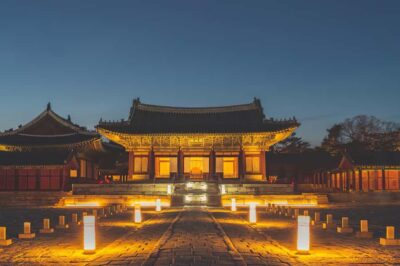
Palace, Temple and Market Guided Foodie Tour at Night
Read our review →
Mt Seorak + Naksansa Temple or Nami Island Group Tour
Read our review →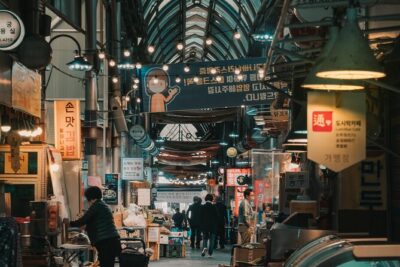
Seoul Night Palace & Market Food Tour with Vehicle
Read our review →
Best Things to Do – Half Day Seoul Trip (Seoul Palace & Temple)
Read our review →
Vegan Temple Food Class, Jogyesa & Changdeokgung Tour
Read our review →
UNESCO Sites tour: Palace, Shrine & Bukchon Village
Read our review →
Temple & Starfield COEX Mall Gourmet Tour in Gangnam
Read our review →
Danyang Tour:Guinsa Temple & Bobaljae & Cheongpung Cable Car
Read our review →Browse the lists this tour appears in