
REVIEW · SEOUL TEMPLE TOURS
Gyeongbokgung Palace, Jogyesa Temple and Bukchon village
Seoul’s past comes together neatly on this walking route: a Buddhist temple, a royal palace, a king’s statue, and old hillside lanes. I especially like the traditional herbal tea at Gyeongbokgung and the chance to learn a Korean board game during the break, details that make the tour feel more personal than a simple photo stop.
I also like the way the route links major sights on foot, with guide Lee praised for patience, clear explanations, and a friendly manner. The main drawback is pace: Bukchon can use more time and historical explanation, so you may want to return on your own if the village is your top interest.
Key points at a glance
- Jogyesa begins the story: Start at Seoul’s head temple for the Jogye Order of Korean Buddhism, close to Insadong’s tea houses and restaurants.
- Gyeongbokgung is the centerpiece: Walk through the main Joseon Dynasty palace, founded in 1395, with admission included.
- A palace tea break adds character: Traditional herbal tea gives you a calm pause and a taste of Korean custom.
- Lee is a particularly strong guide: She is described as patient, friendly, well informed, punctual, and happy to discuss Korean culture.
- Bukchon brings old Seoul into the present: Explore traditional architecture and attractive lanes, though the village portion may feel short if you want more detail.
- The value is strongest for first-time visitors: For $82, you get a guide, entrance ticket, and a focused introduction to several central sights.
Why this route works for a first Seoul day
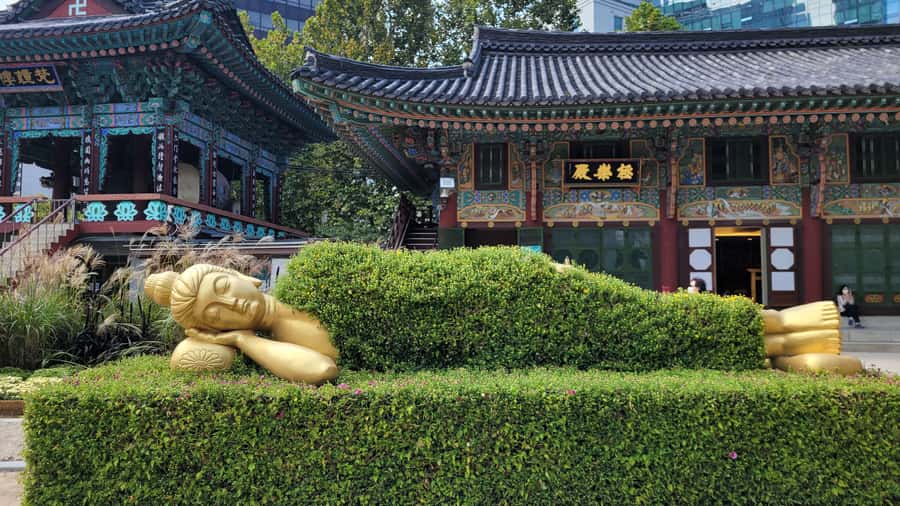
Seoul can feel enormous when you first arrive. The city mixes glass towers, narrow food streets, royal compounds, Buddhist sanctuaries, and preserved traditional homes. This tour gives you a useful first chapter without asking you to cross the whole city by subway.
The route focuses on central Seoul and connects places that explain different parts of Korean life. Jogyesa introduces living Buddhist practice. Gwanghwamun Square brings in national figures and modern civic space. Gyeongbokgung shows the power and ceremony of the Joseon court. Bukchon offers a closer look at traditional homes and residential streets.
I like this sequence because it moves from active religious life to royal history and then into ordinary architecture. You are not simply ticking off famous sights. You get a basic framework for understanding why these places matter.
The tour takes about three hours, based on the experience described by the guide and participants. That is enough time for a useful introduction, but not enough for a slow examination of every building, museum, and lane. Plan on walking steadily and wearing comfortable shoes.
A few more temple visits around South Korea worth a look
- Seoul: Palace, Temple and Market Guided Foodie Tour at Night
★ 4.9 · 750 reviews - Seoul: Mt Seorak + Naksansa Temple or Nami Island Group Tour
★ 4.7 · 422 reviews - Best Things to Do – Half Day Seoul Trip (Seoul Palace & Temple)
★ 5.0 · 190 reviews
Meeting near Anguk Station and starting at Jogyesa
The stated meeting point is Anguk Station Exit 6, and the activity ends back at the meeting point. Check the exact instructions before setting out, since the route also begins with Jogyesa Temple in the Insadong area.
Jogyesa is the head temple of the Jogye Order of Korean Buddhism. It gives the tour a quiet opening before the larger palace grounds and city squares. You can expect the guide to explain the temple’s place in Korean Buddhist life and to point out cultural details that are easy to miss when visiting alone.
The area around Insadong adds useful context. It is known for traditional tea houses and restaurants, so it is a practical place to continue exploring after the tour. If you arrive early, you can use the surrounding streets for a meal or tea, but food is not included in the tour.
This first stop is more than a quick religious photo opportunity. It lets you see that Korean tradition is not confined to museums or restored palace buildings. Jogyesa remains an active place of worship, and that gives the opening a more grounded feel.
Gwanghwamun Square and King Sejong
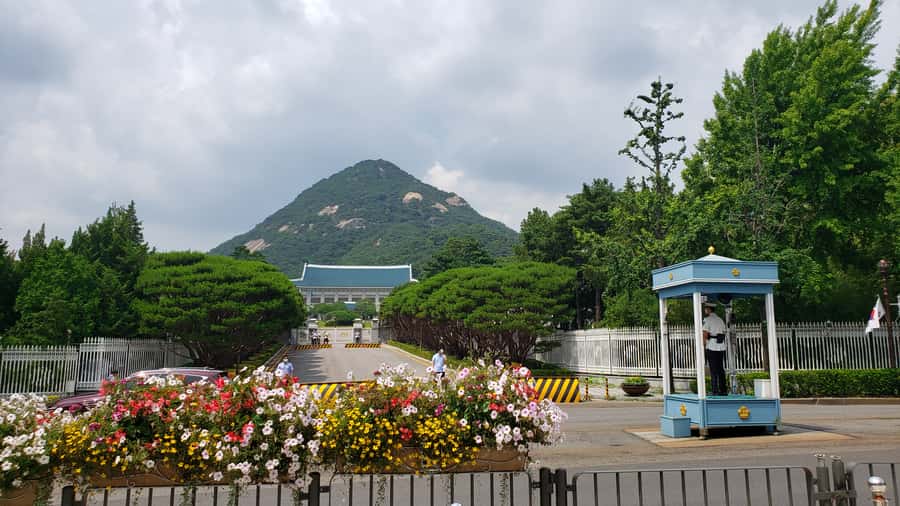
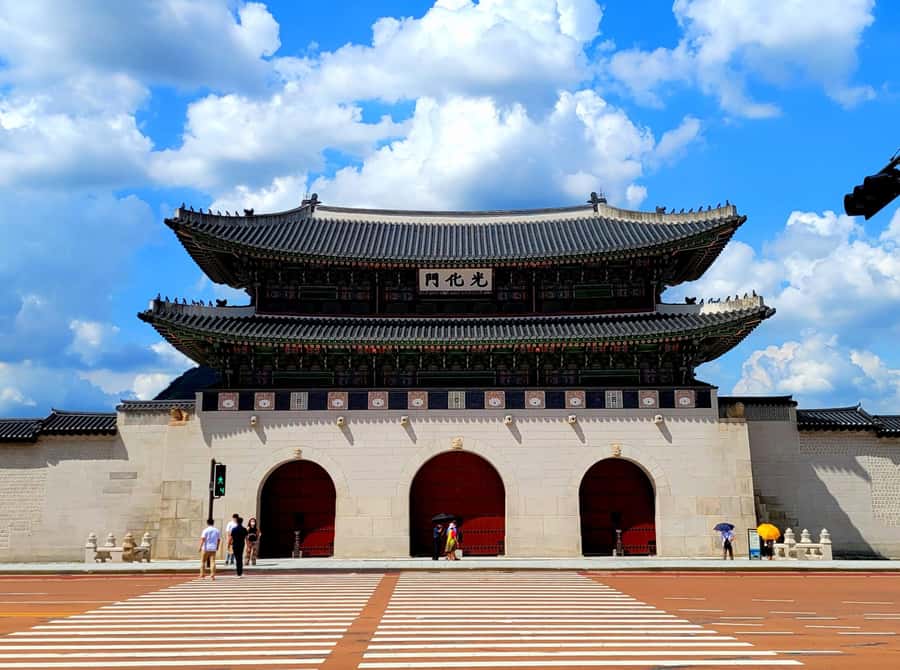
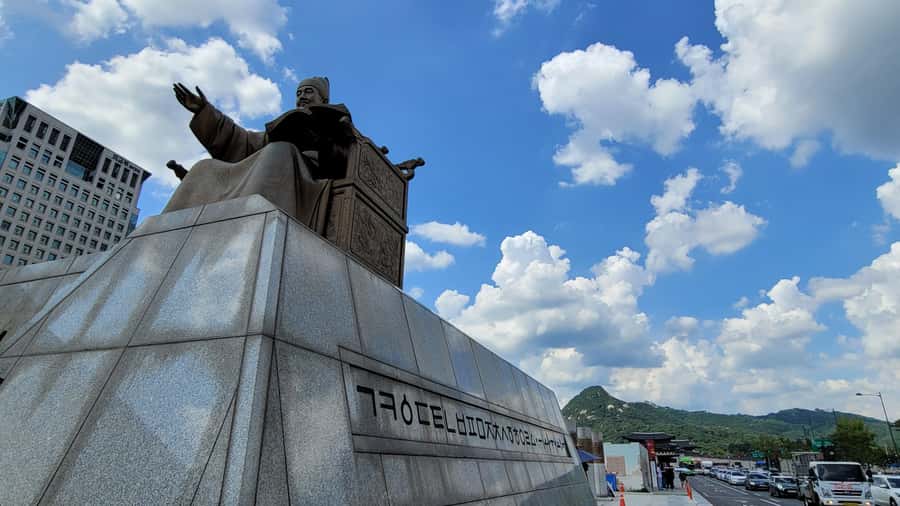
From the temple, the walk continues toward Gwanghwamun Square. The square is associated with major Korean public figures, including King Sejong, whose statue is an important stop on the route.
A guide can make this part much more useful than a quick look at a monument. You will learn about Korean language and culture along the way, and King Sejong provides a natural opening for that discussion. The tour information does not promise a language lesson, but the stop helps connect Korean identity with one of the country’s best-known historical rulers.
The square also acts as a visual transition. The broad public space leads you from the older Insadong and temple district toward the royal palace. It is a good point to pause, orient yourself, and understand how the historic center fits into modern Seoul.
Do not expect a long independent stop here. The square is one part of a walking program built around several major places. If you want extensive time for photos or a detailed study of every feature, you may need to return later.
Entering Gyeongbokgung, Seoul’s main Joseon palace
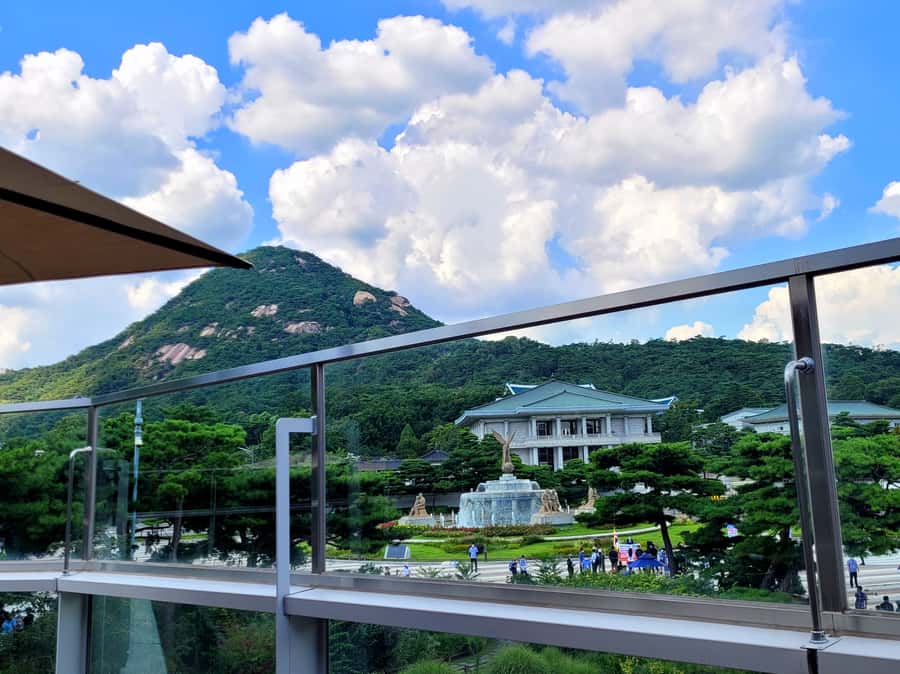
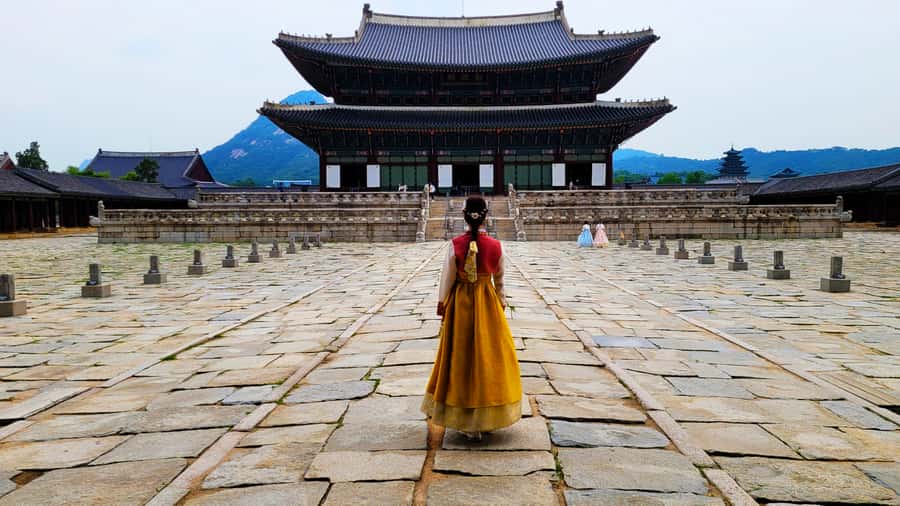
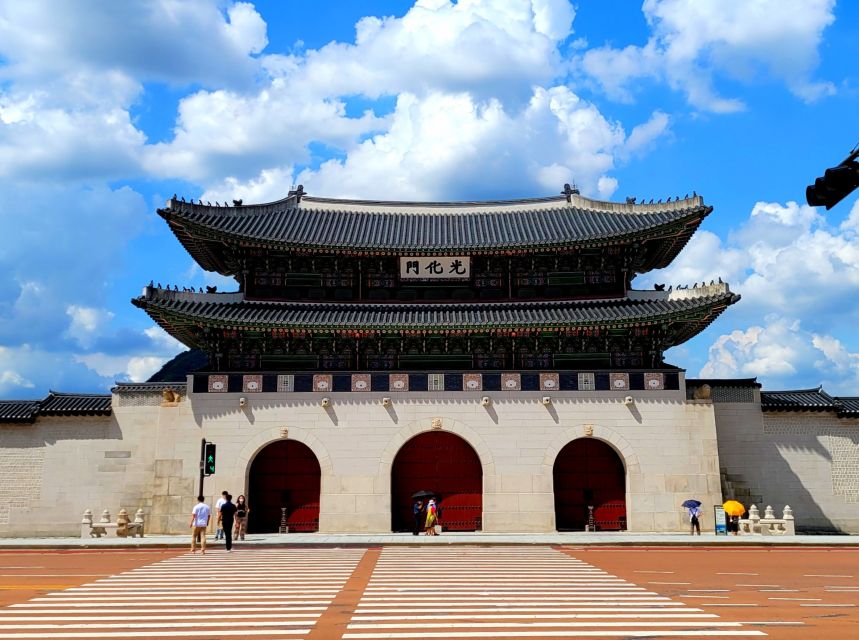
Gyeongbokgung is the heart of the tour. Founded in 1395, it served as the main palace of the Joseon Dynasty. The entrance ticket is included, which matters because the palace is the one major paid sight on this route.
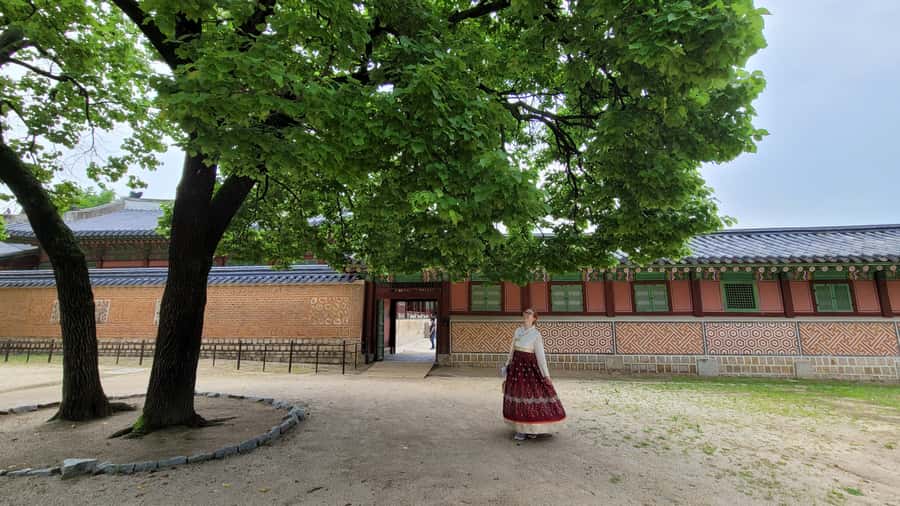
Inside, the scale changes quickly. Seoul’s traffic and modern buildings give way to courtyards, formal gates, palace halls, and open spaces. The guide’s role is important here because the buildings can look beautiful without making their purpose clear. With a good explanation, you can better understand the palace as a working center of royal government and ceremony.
Lee has been praised for explaining historical facts and customs in a clear, patient way. That is especially helpful at a palace, where many names and periods can blur together. She also creates room for questions and discussion, so you are not forced to listen to a nonstop speech.
The palace portion is not a full-day architectural study. The tour has to keep moving to reach Bukchon, and the exact amount of time at individual halls is not specified. Still, the visit gives first-time visitors the essential experience: entering the main royal complex, seeing its formal design, and hearing the story behind it.
I recommend using the palace stop to ask questions. You might ask about Joseon customs, royal life, Korean writing, or the difference between a palace and a temple. The guide’s friendly and patient manner is one of the strongest reasons to choose a guided visit rather than walking through alone.
Same country, a different morning at the gates:
- Busan’s Cultural Wonders with Beach Train & Gamcheon Village etc
★ 4.5 · 663 reviews - Seoul Night Palace & Market Food Tour with Vehicle
★ 5.0 · 275 reviews - Small Group Discover Busan Tour with hotel pickup and dropoff
★ 5.0 · 111 reviews - Gyeongju: UNESCO Heritage Tour Including Bulguksa Temple
★ 4.8 · 104 reviews
Herbal tea and a Korean board game
The traditional herbal tea is a small inclusion, but it gives the tour a welcome pause. It is served at the palace, and it adds something beyond sightseeing. You get a chance to sit, reset your feet, and connect the visit with Korean tea culture.
One especially enjoyable detail is the chance to learn a traditional Korean board game during the break. This is not a standard palace feature listed as a major attraction, so it can feel like a pleasant surprise. It also gives you a more active way to engage with culture than simply looking at buildings.
The tea is not a meal. Food is excluded, so eat before the tour or plan a meal afterward. Because the route lasts around three hours, most people will find the break useful but should not treat it as a substitute for lunch.
This pause also shows the benefit of having a guide who adapts to the group. Lee is described as open to discussion and willing to add an unexpected cultural activity. That kind of flexibility can make a short tour feel less mechanical.
Walking through Bukchon Village
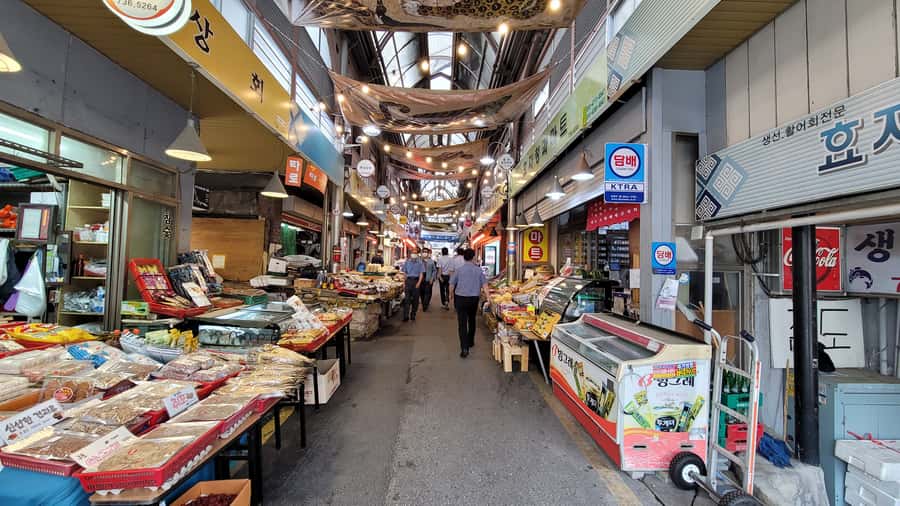
The final major area is Bukchon, a traditional village known for its attractive architecture and narrow streets. This is where the tour shifts from royal and religious monuments to older residential Seoul.
Bukchon is photogenic, but it is not just a set of picture spots. The homes and lanes offer a sense of how traditional Korean design looks at neighborhood scale. Instead of viewing one grand palace building at a time, you walk among repeated rooflines, walls, and streets that form a complete setting.
The walking is described as moderate. Comfortable shoes are essential, especially because the route includes several stops and Bukchon’s streets can require some uphill walking. The tour does not allow mobility scooters, and pets are not permitted.
I would like more time here if Bukchon were my main reason for booking. The tour’s schedule covers several important sights, so the village portion may feel shorter than the palace visit. The historical background may also be lighter than you want. The practical solution is simple: use the tour for orientation, then return to Bukchon later if you want a slower look.
Please remember that Bukchon is a lived-in area, not only an attraction. Keep your voice low, respect residents, and avoid treating every doorway as a photo prop. The tour’s cultural focus should help you see the village as a neighborhood as well as a scenic stop.
What the English guide adds
The guide can make or break a history walk, and Lee receives particularly strong praise for the qualities that matter in practice. She is described as informed, friendly, patient, punctual, and willing to answer questions. She also communicated by email with one participant who did not have a Korean phone number, which is useful if you are arranging a meeting from abroad.
I value that kind of practical care. A guide does not need to talk constantly. You need clear directions, enough time to look around, and explanations that connect one sight to the next. Lee’s approach appears to include all three.
The experience is offered in English. The guide can explain Korean history, customs, language, and cultural details as you walk. The board game and tea also suggest a relaxed approach rather than a strict lecture format.
No group size is given, so I would not book this expecting a private tour. You should also avoid assuming the route can be heavily customized. The activity has a set meeting point, included palace entry, and a planned return to the start.
Is $82 a fair price?
The cost is $82 per person. That is not a bargain-priced stroll, but the value depends on what you want from your first day in Seoul.
The fee includes the Gyeongbokgung entrance ticket, an English-speaking guide, and traditional herbal tea. You are also paying for a route that links four major cultural areas without requiring you to plan the order, navigate between them, or research the palace and temple in advance.
The price makes the most sense if you want context and company. A solo visitor or first-time couple may find the guide’s explanations worth more than the entrance fee itself. The tour also helps you use limited time well.
The value is weaker if you prefer slow, independent sightseeing. You may want to spend longer in Gyeongbokgung, pause often for photographs, or explore Bukchon beyond the planned route. In that case, the included admission and tea may not justify the fixed schedule.
Food, hotel pickup, and hotel drop-off are not included. You need to reach Anguk Station Exit 6 yourself and return there at the end. The ability to reserve now and pay later adds flexibility, and cancellation is allowed up to 24 hours before the tour for a full refund.
Who will enjoy this walking tour most?
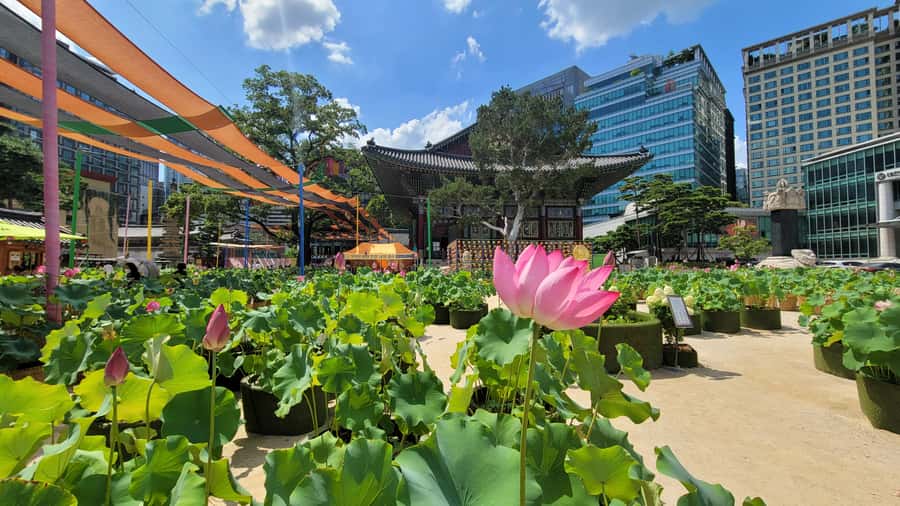
I would choose this tour for a first visit to Seoul, especially if you want a quick cultural foundation before exploring on your own. It suits people who like history explained in plain language and who do not want to spend their arrival day working out transport and palace logistics.
Families may also appreciate the relaxed guide style, the tea pause, and the board game. The route is not designed around children specifically, but the mix of monuments and hands-on culture gives younger visitors more variety than a formal palace lecture.
It is also a good fit for adults who want a moderate walk through central Seoul. You need comfortable shoes, and you should be ready to walk between stops, but this is not described as a strenuous hike.
I would hesitate if you have limited mobility, need a fully accessible route, or rely on a mobility scooter, since scooters are not allowed and the path includes traditional village streets. I would also choose another plan if Bukchon is your main priority and you want extended historical commentary there.
The tour is conducted in English, and alcohol and drugs are not allowed. As with any walking activity, you are responsible for your own personal property, health, and safety.
Should you book it?
Book this tour if you want four central Seoul experiences in about three hours, with a guide who can explain the history and add human touches such as tea and a traditional game. The strongest reason to go is the combination of places: Jogyesa, Gwanghwamun Square, Gyeongbokgung, and Bukchon each show a different side of Korean culture.
The main caution is time. You will see the highlights, not every corner. If you are happy with a well-organized introduction, $82 is reasonable for the included palace entry, guide, and cultural extras. If you prefer complete freedom or a long Bukchon visit, use this as a starting point and plan extra independent time afterward.
FAQ
Where does the tour start?
Meet your guide at Anguk Station Exit 6. The route begins with Jogyesa Temple in the Insadong area.
Where does the tour end?
The activity ends back at the meeting point.
How long does the tour take?
The experience takes about three hours.
What language is the tour offered in?
The tour is offered in English.
Is the Gyeongbokgung entrance fee included?
Yes. The Gyeongbokgung Palace entrance ticket is included.
Is food included?
No. Food is not included, but traditional herbal tea is provided.
What should I bring?
Bring comfortable shoes for the walking route. Pets, mobility scooters, alcohol, and drugs are not allowed.
Just added around South Korea
- Seoul: War Memorial, Jogyesa Temple & Tapgol Park Tour★ 4.8 · 56 reviews
- Seoul: Vegan Temple Food Class, Jogyesa & Changdeokgung Tour★ 4.6 · 34 reviews
- Seoul: Night Bongeunsa Temple Guided Tour★ 5.0 · 11 reviews
- Seoul: UNESCO Sites tour: Palace, Shrine & Bukchon Village★ 4.8 · 26 reviews
- Seoul: Temple & Starfield COEX Mall Gourmet Tour in Gangnam★ 4.7 · 22 reviews
- Gyeongju: UNESCO Heritage Tour Including Bulguksa Temple★ 4.8 · 104 reviews
- Danyang Tour:Guinsa Temple & Bobaljae & Cheongpung Cable Car★ 5.0 · 15 reviews
- Busan’s Best: Sea Temples, Yacht Tour & Sky Capsule Day Tour★ 4.8 · 24 reviews
Seoul Temple Tours, compared.
Palace, Temple and Market Guided Foodie Tour at Night
Read our review →
Mt Seorak + Naksansa Temple or Nami Island Group Tour
Read our review →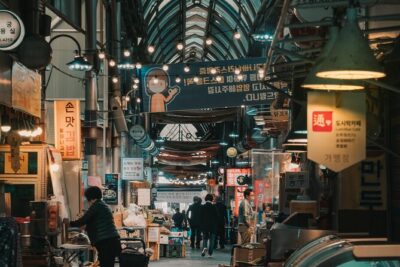
Seoul Night Palace & Market Food Tour with Vehicle
Read our review →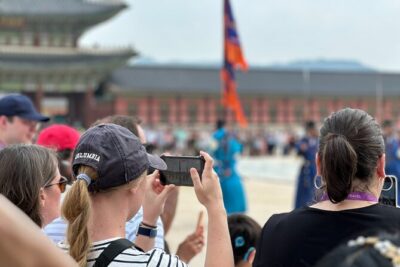
Best Things to Do – Half Day Seoul Trip (Seoul Palace & Temple)
Read our review →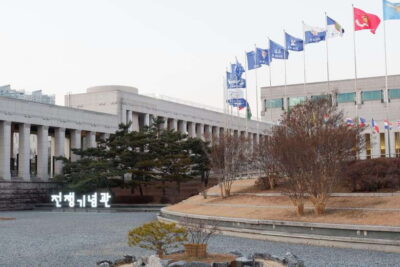
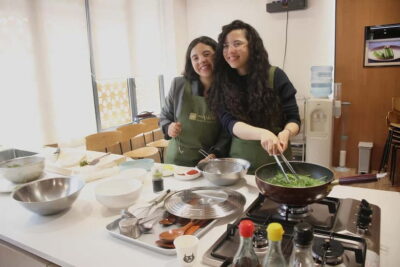
Vegan Temple Food Class, Jogyesa & Changdeokgung Tour
Read our review →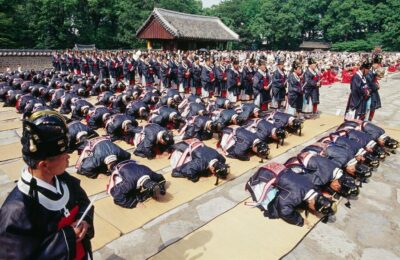
UNESCO Sites tour: Palace, Shrine & Bukchon Village
Read our review →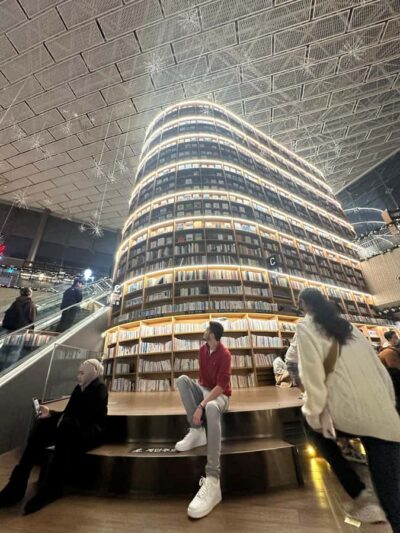
Temple & Starfield COEX Mall Gourmet Tour in Gangnam
Read our review →Browse the lists this tour appears in