
REVIEW · SEOUL TEMPLE TOURS
Seoul: UNESCO Sites tour: Palace, Shrine & Bukchon Village
Seoul’s royal past comes into focus on this compact cultural tour, which links Bukchon Hanok Village, Jongmyo Shrine, and Changdeokgung Palace. I like the mix of living neighborhood, sacred site, and royal compound. Guides such as Stella, Chloe, Leo, and Ms. Park are praised for clear English, history lessons, personal service, and even taking photos.
I also like that entrance fees, a driver, and van transport are included in the $36 price. The main drawback is the amount of walking, plus the schedule changes by day: Jongmyo is replaced by Insa-dong on Tuesdays, and Changdeokgung gives way to Gyeongbokgung on Mondays.
Key points at a glance
- Bukchon begins the cultural story: Walk among traditional hanok houses that now hold cafés and cultural centers.
- Jongmyo Shrine is quiet and ceremonial: Learn how Korean kings honored earlier monarchs at this UNESCO site.
- Changdeokgung shows royal design at its best: See a palace known for graceful buildings and carefully planned gardens.
- The full-day route reaches Suwon: Add Suwon Hwaseong Fortress and Hwaseong Haenggung Palace for a longer look at royal Korea.
- Guides add personal help: Stella, Chloe, Leo, Orota, KyungAh Park, and Ms. Park are noted for history explanations, photos, and friendly care.
- The practical setup is simple: Meet at Myeong-dong subway station Exit 10 at 8:30 am, then return to Myeongdong.
Why this Seoul tour works well
I like this outing because it does not treat Seoul’s past as a row of disconnected monuments. Bukchon shows how traditional houses fit into a modern city. Jongmyo explains royal ritual and memory. Changdeokgung reveals how kings lived and how Korean design used buildings, courtyards, and gardens together.
That progression gives you a better sense of Korea than a palace visit alone. You see architecture, religion, royal government, and daily urban life in one day. The guide matters here. A quick look at a wooden gate tells you little, but a good explanation of who used the space and why can turn it into a memorable stop.
The price is also fair for Seoul. At $36 per person, you receive admission fees, an English-speaking guide, a van, and a driver. Lunch is not included, and there is no hotel pickup, but the package still saves you the work of arranging transport between several central and outlying sites.
This is not a free-flowing stroll where you set your own pace. You meet at a fixed point, follow a planned route, and spend much of the day moving between locations. If you want long café stops or extensive shopping, this will feel structured. If you want to cover major heritage sites without sorting out Seoul’s transport system yourself, the structure helps.
A few more temple visits around South Korea worth a look
- Seoul: Palace, Temple and Market Guided Foodie Tour at Night
★ 4.9 · 750 reviews - Seoul: Mt Seorak + Naksansa Temple or Nami Island Group Tour
★ 4.7 · 422 reviews - Best Things to Do – Half Day Seoul Trip (Seoul Palace & Temple)
★ 5.0 · 190 reviews
Starting in Bukchon Hanok Village
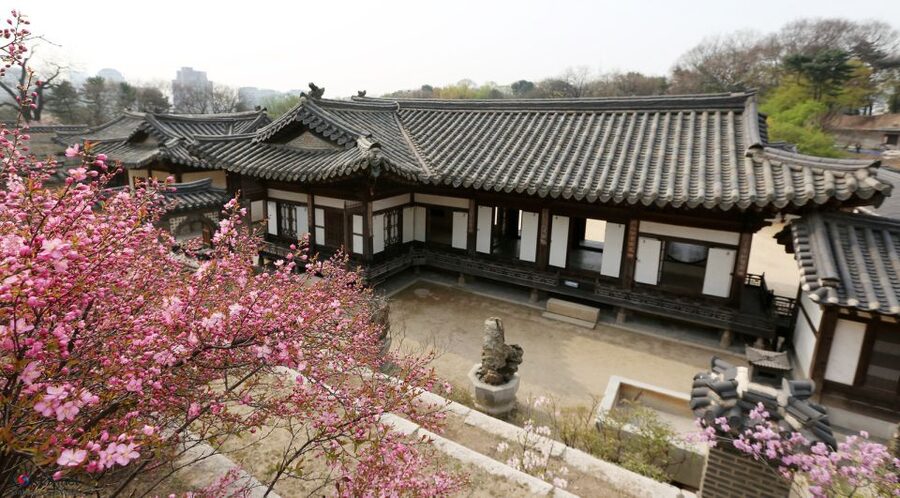
The morning begins at Bukchon Hanok Village, after meeting outside Exit 10 of Myeong-dong subway station at 8:30 am. Bukchon is made up of traditional Korean houses called hanok, with tiled roofs, timber details, and narrow streets that climb through the neighborhood.
The appeal is that Bukchon is not simply an open-air museum. Many hanok buildings now hold cafés, galleries, and cultural centers. You get to see old architectural forms in a neighborhood that still functions as part of Seoul.
Bring comfortable shoes. The streets can involve slopes and uneven walking, and the village is a place where you should keep your voice low and respect residents. The tour is not suitable for wheelchair users, so anyone with mobility concerns should take that limitation seriously before booking.
This first stop also gives you a useful introduction to the day. Guides explain the plan, point out architectural details, and help you understand what makes a hanok different from a modern city building. Several guides are specifically praised for taking photos, which can be useful in Bukchon’s narrow lanes and at the palace grounds.
If Bukchon is closed, the route changes to Namsangol Hanok Village. That substitute keeps the traditional-house theme, but you should not expect the exact same streets or views.
Jongmyo Shrine and the meaning of royal memory
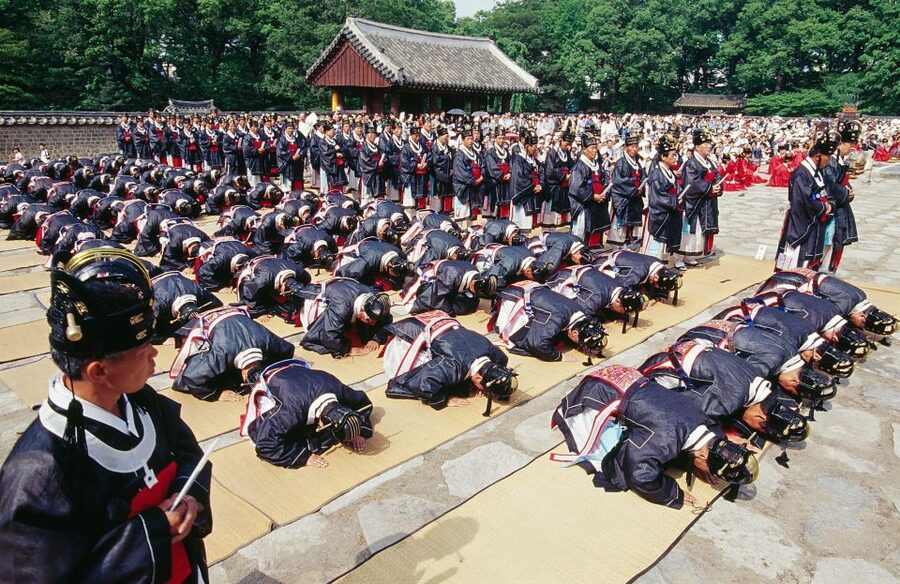
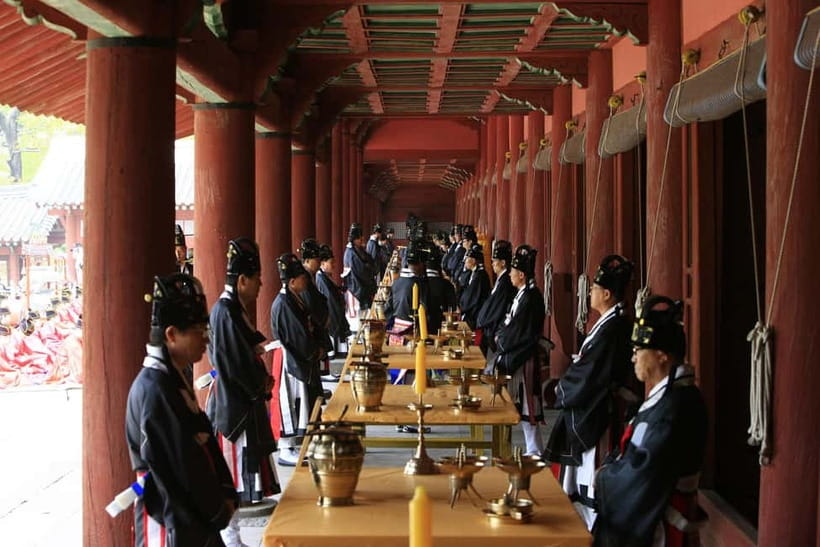
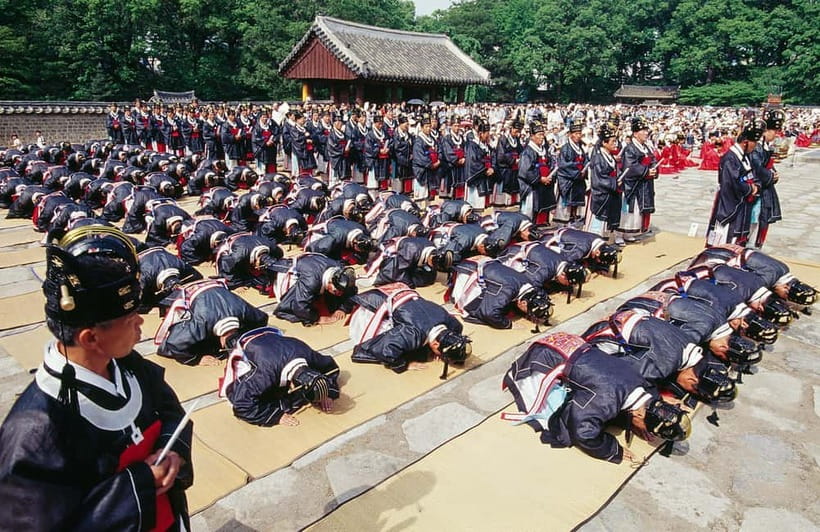
Jongmyo Royal Shrine is one of the tour’s most distinctive stops. Built nearly 600 years ago, it was created for royal ancestral rites. Korean kings came here to honor former monarchs, and the site remains linked to traditional memorial ceremonies and court music.
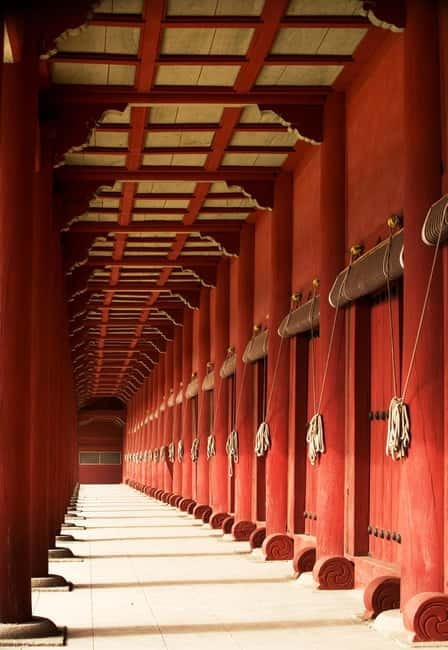
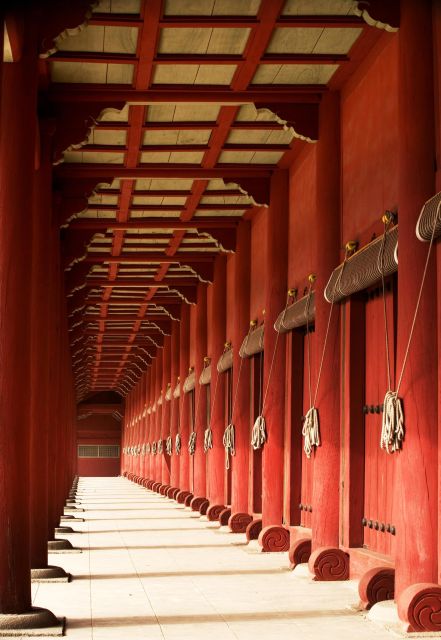
I find Jongmyo especially valuable because it adds a spiritual and ceremonial side to the day. A palace can look grand, but Jongmyo explains how royal authority was tied to duty toward ancestors. The long, formal spaces and restrained design suit that purpose.
Your guide can give the site a human shape by explaining who came here and what the rituals meant. Without that context, you might simply see a series of buildings and courtyards. With it, the shrine becomes a place about memory, family lines, and the responsibilities of kingship.
The schedule has an important Tuesday change. Jongmyo is closed that day, so the tour visits Insa-dong Culture Street instead. Insa-dong is known for antique shops, galleries, traditional tea houses, and an older town atmosphere. It is a useful alternative, but it is not a substitute if your main goal is UNESCO heritage and royal ritual.
If Jongmyo is a priority, choose another day. This is one of the most important booking details in the entire experience.
Changdeokgung Palace and its Korean design
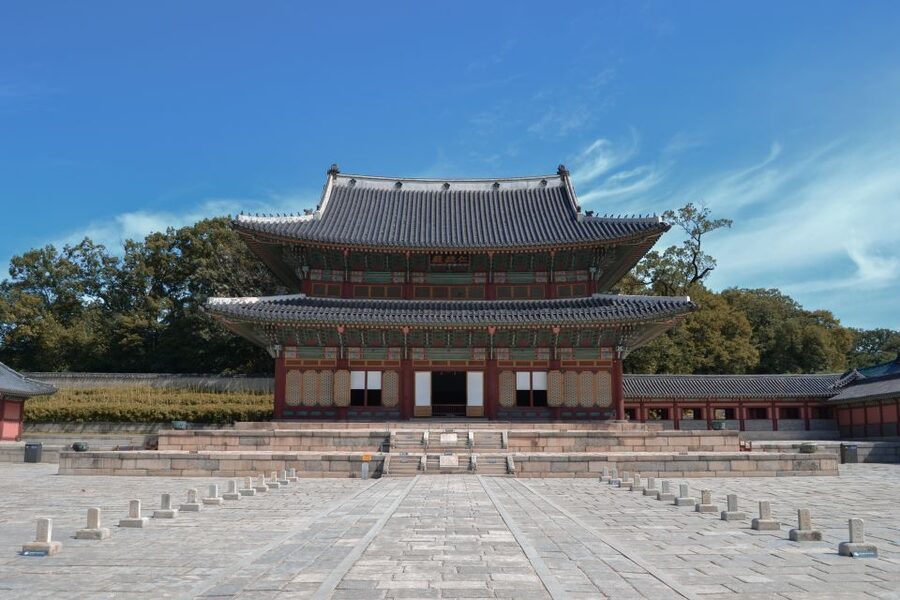
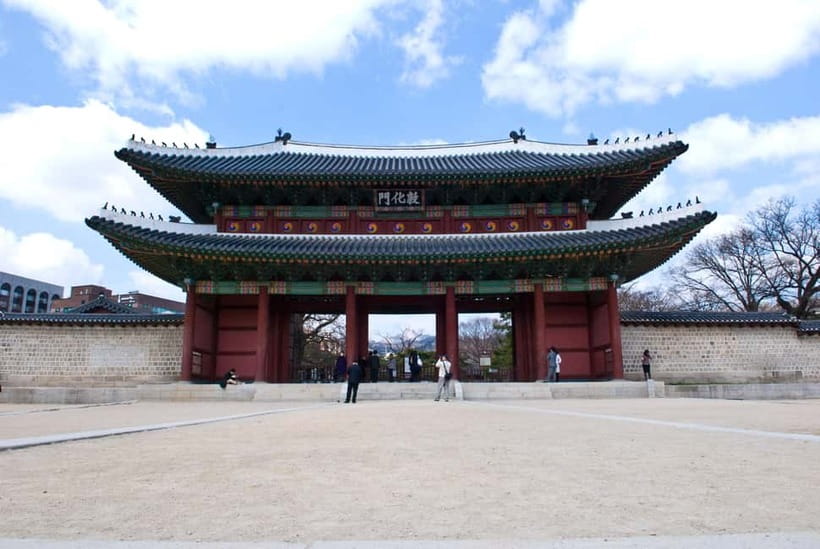
Changdeokgung Palace is the architectural centerpiece of the regular route. It served as a royal residence and is recognized by UNESCO for its cultural importance. The palace is admired for buildings that fit naturally into their setting rather than trying to overpower it.
That approach makes Changdeokgung different from a simple collection of grand halls. You see gates, courtyards, wooden structures, and garden areas arranged with a sense of balance. The setting reflects traditional Korean design, where the relationship between buildings and nature matters as much as decoration.
I like the way this stop follows Jongmyo. First you learn how royal families honored the dead. Then you see the spaces where the living court worked and resided. The two sites together give you a fuller picture of the Joseon royal world.
Changdeokgung is closed on Mondays. On that day, the tour visits Gyeongbokgung Palace instead. Gyeongbokgung is another major royal site, but it offers a different setting and experience. If you have your heart set on Changdeokgung, avoid Monday.
The palace visit can also be one of the busier parts of the day, depending on conditions. A guide helps you focus on details rather than simply wandering through crowds. The strongest guide feedback centers on this kind of explanation. Orota, Chloe, Leo, and KyungAh Park are noted for making the history accessible, managing the schedule well, and answering questions.
Same country, a different morning at the gates:
- Busan’s Cultural Wonders with Beach Train & Gamcheon Village etc
★ 4.5 · 663 reviews - Seoul Night Palace & Market Food Tour with Vehicle
★ 5.0 · 275 reviews - Small Group Discover Busan Tour with hotel pickup and dropoff
★ 5.0 · 111 reviews - Gyeongju: UNESCO Heritage Tour Including Bulguksa Temple
★ 4.8 · 104 reviews
The full-day route to Suwon
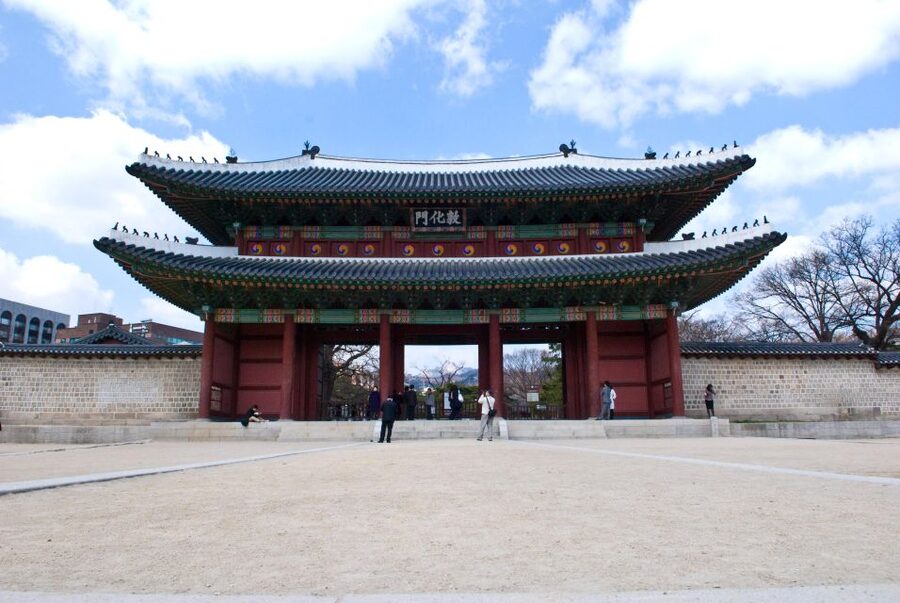
The schedule also describes a full-day version that continues to Suwon in Gyeonggi-do Province after the Seoul sites. This extends the day beyond central Seoul and adds two major places: Suwon Hwaseong Fortress and Hwaseong Haenggung Palace.
Suwon Hwaseong is a UNESCO World Heritage Site and a powerful example of late eighteenth-century military engineering. Its walls and defensive design show a different side of Korean history from the ceremonial buildings in Seoul. Instead of focusing mainly on royal ritual and court life, the fortress shows planning, defense, and the practical needs of a kingdom.
Hwaseong Haenggung Palace was a temporary residence for kings when they traveled outside the capital. That detail gives the stop a clear purpose. It was not simply another palace built for display. It served the court during royal journeys and linked Suwon’s defensive role with royal administration.
The Suwon addition is a good choice if you want a full day of Korean heritage and prefer not to arrange a separate day trip. It does make the schedule longer and more demanding. You will be covering several sites, so this format suits someone who wants a strong overview rather than a slow, deeply focused visit to one palace.
The supplied schedule presents the Suwon visits as part of the full-day tour, while the earlier route description focuses on Bukchon, Jongmyo, and Changdeokgung. Confirm the exact version offered on your date so you know if Suwon is included. Either way, the return is to Myeongdong near the subway station.
What the guides add to the day
The strongest part of this experience is the human guidance. The English-speaking guides named for this tour include Stella, Park, Leo, KyungAh Park, Chloe, Heidi, and Orota. Names can vary by departure, so you should not book expecting one particular person unless the operator confirms it.
The guide style described for this experience is warm and practical. Stella is noted for clear English, history explanations, and tips about Korean culture and restaurants. Leo is praised for his passion and for adjusting to the needs of a couple. Chloe is noted for helping with a hanbok shop and taking photos.
That personal help matters more than it may sound. A guide who takes a photo can save you from asking strangers at every site. Someone who explains local customs can also help you avoid treating a shrine or residential village like a photo set.
Ms. Park is repeatedly praised for friendly history lessons, careful pacing, and taking photos at each location. Orota is noted for interesting explanations at the palace and shrine, along with a friendly, accommodating manner. These details suggest the tour is a good fit if you want more than a basic transfer between landmarks.
Still, the exact experience depends on the guide assigned to your group. The consistent pattern is clear English, strong history knowledge, and a personable approach, but no guide can guarantee the same pace or style for every departure.
Transport, lunch, and the real cost
You meet at Myeong-dong subway station, outside Exit 10, at 8:30 am. The tour ends back in Myeongdong, near the subway station. That makes the start and finish convenient if you are staying in or near central Seoul, but you must make your own way to the meeting point.
There is no hotel pickup and no hotel drop-off. Do not assume the van will collect you from your accommodation. The local partner sends the exact meeting details and time by email, so check your spam folder if the message does not appear.
Van transport and a driver are included. This is useful for the route to Suwon, where arranging public transport between several sites would take more time. The included entrance fees also make the price easier to judge. At $36, you are paying for access, transport, and a guide rather than just a walking tour.
Lunch is provided as a break, but the meal itself is not included. Keep money available for food. Since no specific restaurant or menu is promised, do not book this expecting a special culinary stop.
A stop at Cheongha Korea Ginseng follows the heritage visits. You learn about Korean ginseng and its place in East Asian medicine, including its long use as a natural remedy and its reputation for helping the body handle stress. This can be an interesting cultural and commercial stop, but it is also the part most likely to feel less essential if your main interest is architecture.
You are not required to buy anything based on the information provided. Treat it as an educational stop, and keep your attention on the sites that matter most to you.
Who should book this experience
I would choose this tour if you are visiting Seoul for the first time and want a guided introduction to royal Korea. It works especially well for people who enjoy history, architecture, and cultural context but do not want to plan several separate admissions and transfers.
It also suits couples and small groups who appreciate help with photos and local questions. The guide feedback points to a friendly, attentive style, and that can make a packed cultural day feel less formal.
Families with older children may also find the variety useful. Bukchon offers streets and houses, Jongmyo offers ceremony, the palace offers royal architecture, and Suwon adds fortifications. Younger children who need lots of unstructured time may find the schedule tiring.
I would skip it if you want a leisurely palace visit, extensive shopping, or a private itinerary with no fixed meeting time. You should also think twice if walking is difficult, since the tour is not suitable for wheelchair users and includes several heritage sites.
The tour runs rain or shine. Bring clothing suited to the forecast and shoes you can use for a full day on foot. Alcohol and drugs are not allowed.
Should you book it?
Book this tour if you want efficient coverage of Seoul’s royal heritage with a guide who can explain what you are seeing. The combination of Bukchon, Jongmyo, and Changdeokgung is well chosen, and the full-day Suwon route adds serious value for anyone seeking more than the standard city highlights.
The best booking decision is based on the day. Avoid Tuesday if Jongmyo is essential, and avoid Monday if Changdeokgung is the palace you most want to see. If those substitutions do not bother you, the $36 cost is reasonable for admission, a guide, and van transport.
For a first Seoul visit, I would put this near the top of a culture-focused schedule. Just confirm whether your departure includes Suwon, plan for lunch costs, and arrive at Myeong-dong Exit 10 with comfortable shoes.
FAQ
Where does the tour start?
Meet outside Exit 10 of Myeong-dong subway station at 8:30 am. The exact meeting point and time are confirmed by email from the local partner.
Where does the tour end?
The tour ends back in Myeongdong near the subway station. Hotel drop-off is not included.
Is lunch included?
A lunch break is provided, but the cost of the meal is not included in the tour price.
What happens if I book on a Tuesday?
Jongmyo Royal Shrine is closed on Tuesdays, so the tour visits Insa-dong Culture Street instead.
What happens if I book on a Monday?
Changdeokgung Palace is replaced by Gyeongbokgung Palace on Mondays.
Is the tour suitable for wheelchair users?
No. The tour is listed as unsuitable for wheelchair users.
Just added around South Korea
- Seoul: War Memorial, Jogyesa Temple & Tapgol Park Tour★ 4.8 · 56 reviews
- Seoul: Vegan Temple Food Class, Jogyesa & Changdeokgung Tour★ 4.6 · 34 reviews
- Seoul: Night Bongeunsa Temple Guided Tour★ 5.0 · 11 reviews
- Seoul: Temple & Starfield COEX Mall Gourmet Tour in Gangnam★ 4.7 · 22 reviews
- Gyeongbokgung Palace, Jogyesa Temple and Bukchon village★ 5.0 · 12 reviews
- Gyeongju: UNESCO Heritage Tour Including Bulguksa Temple★ 4.8 · 104 reviews
- Danyang Tour:Guinsa Temple & Bobaljae & Cheongpung Cable Car★ 5.0 · 15 reviews
- Busan’s Best: Sea Temples, Yacht Tour & Sky Capsule Day Tour★ 4.8 · 24 reviews
Seoul Temple Tours, compared.
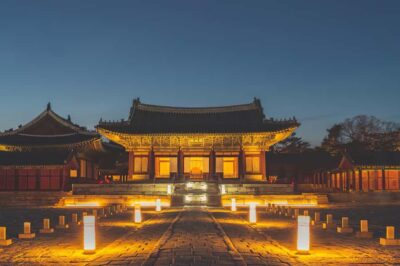
Palace, Temple and Market Guided Foodie Tour at Night
Read our review →
Mt Seorak + Naksansa Temple or Nami Island Group Tour
Read our review →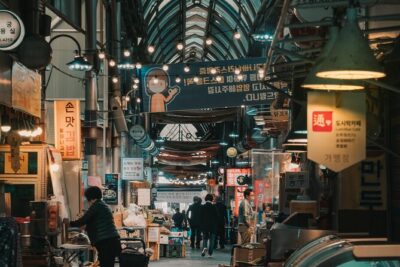
Seoul Night Palace & Market Food Tour with Vehicle
Read our review →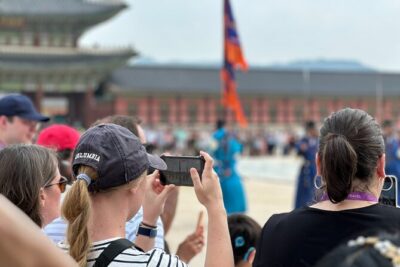
Best Things to Do – Half Day Seoul Trip (Seoul Palace & Temple)
Read our review →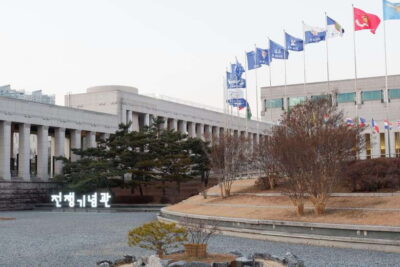
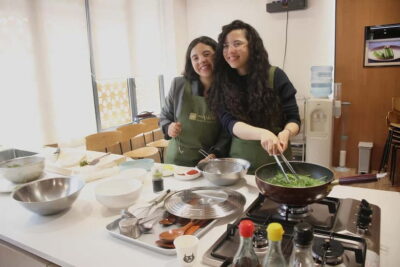
Vegan Temple Food Class, Jogyesa & Changdeokgung Tour
Read our review →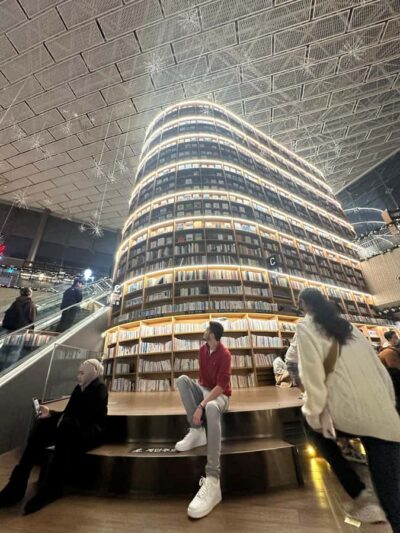
Temple & Starfield COEX Mall Gourmet Tour in Gangnam
Read our review →
Danyang Tour:Guinsa Temple & Bobaljae & Cheongpung Cable Car
Read our review →Browse the lists this tour appears in