
REVIEW · TICKETS
Kyoto: Ninnaji Temple Entry Ticket
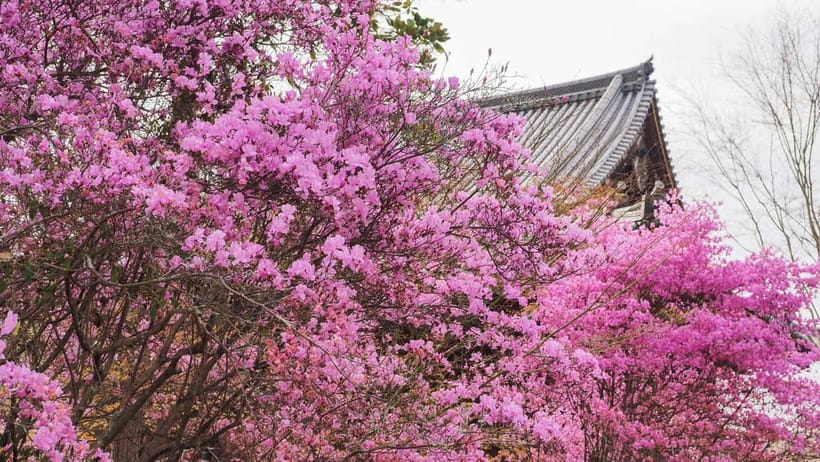
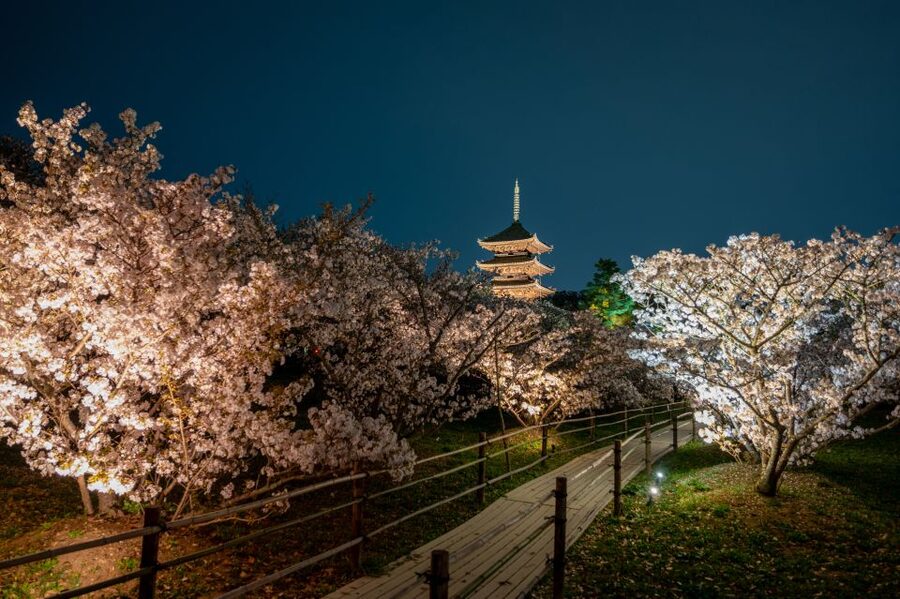
Ninnaji’s best surprise is its late-blooming Omuro sakura, which can keep Kyoto’s cherry-blossom season going after many other trees have finished. The temple also gives you a five-story pagoda, palace gardens, and a peaceful two-hour pilgrimage course for one modest admission price.
I like the way this visit combines famous sights with quieter corners, especially the Goten Palace gardens and the short Omuro Pilgrimage. I also like the strong seasonal character: snow in the gardens, autumn color around the old buildings, summer ceremonies, and spring blossoms.
The main catch is timing. The Omuro Sakura area requires an extra fee during its bloom period, and the exact dates can change. The basic ticket also does not automatically include every special exhibit or seasonal event.
Key points to know before entering Ninnaji
- Late-blooming Omuro sakura: The temple’s famous cherry trees bloom later than many of Kyoto’s better-known cherry groves.
- Goten Palace and gardens: Your main ticket includes the palace area and its gardens, except during special admissions.
- A two-hour pilgrimage walk: The Omuro Pilgrimage offers a shorter version of the Shikoku Pilgrimage, with nature and temple scenery along the route.
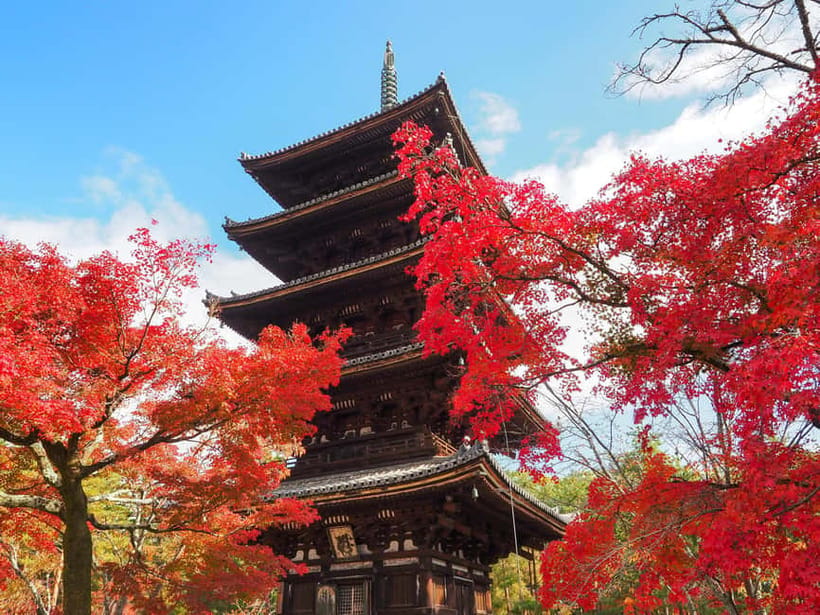
- A five-story pagoda: This is one of Ninnaji’s most recognizable views and a rewarding subject for photographs.
- Optional cultural exhibits: The Reihokan Museum and flower festival require the correct ticket option when they are open.
- Changing seasonal hours: The temple is open from 9 AM to 5 PM from March through November, and until 4:30 PM from December through February.
Why Ninnaji feels different from a quick temple stop
Ninnaji was founded in 888 and serves as the main temple of the Omuro school of Shingon Buddhism. That gives the site more weight than a simple photo stop, but you do not need specialist knowledge to enjoy it. The appeal is immediate: old temple buildings, gardens, religious spaces, and a setting that changes with the calendar.
I would plan at least half a day here, even though the ticket is valid for one day. If you only walk through the main temple area, you can see the essential buildings more quickly. If you add the full Omuro Pilgrimage course and the museum, the visit becomes a slower, fuller outing.
The modest price, listed at $5 per person, makes this one of the easier Kyoto admissions to justify. You are paying for access to a large historic temple area rather than a single room or viewing platform. The value is best if you take time with the gardens and walking course, not if you rush in for one pagoda photograph.
More Entry Tickets in Japan:
- Tokyo: Kamakura & Enoshima Day Trip including Temple Tickets
★ 4.5 · 1,375 reviews - Nikko: Edo Wonderland Edomura Cultural Theme Park Ticket
★ 4.3 · 205 reviews - Lisbon: Jerónimos Monastery Entrance Ticket
★ 4.1 · 14,164 reviews
Entering the Goten Palace and gardens
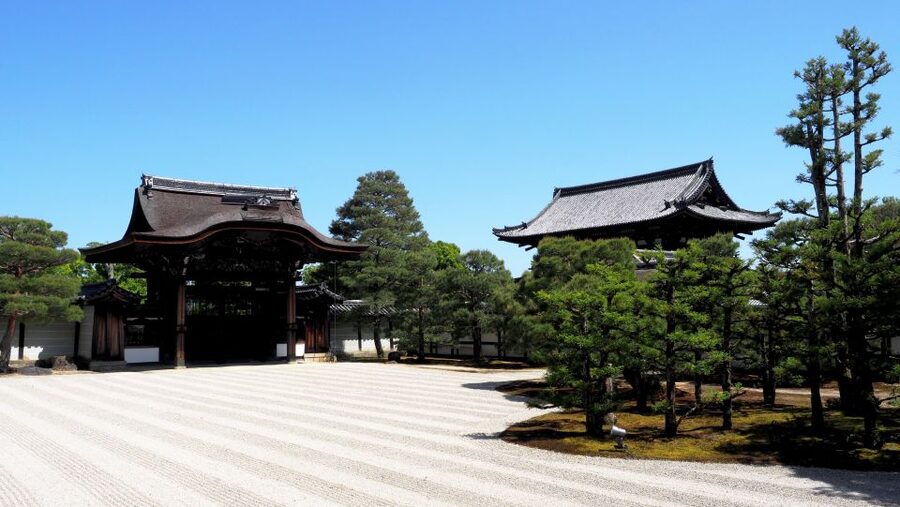
The Goten Palace area is the heart of the standard visit. Your ticket includes entrance to the palace and gardens, unless a special admission is in effect. This matters because the ticket covers more than the outer grounds and gives you a chance to see the refined side of Ninnaji.
The palace grounds are a good place to slow down. Japanese gardens reward quiet attention more than fast sightseeing, and the setting changes sharply by season. In winter, snow can give the gardens a clean, hushed appearance. In autumn, red and yellow leaves frame the historic buildings.
I like this section for its balance. You get formal architecture and garden views, but the experience is not only about grand scale. The pleasure comes from how the buildings, paths, and plants work together. Give yourself time to look back toward the structures from the garden rather than walking straight through.
The palace area may be less exciting for children who need constant movement, and the experience is not built around interactive displays. It suits you best if you enjoy architecture, gardens, photography, or quiet cultural sites.
Finding the five-story pagoda and Omuro Sakura
The five-story pagoda is one of the clearest visual markers at Ninnaji. It gives the temple grounds a strong vertical focal point, especially when seasonal color or flowering trees frame the view. You will want to allow extra time here, since the pagoda is not simply something to pass on the way to another attraction.
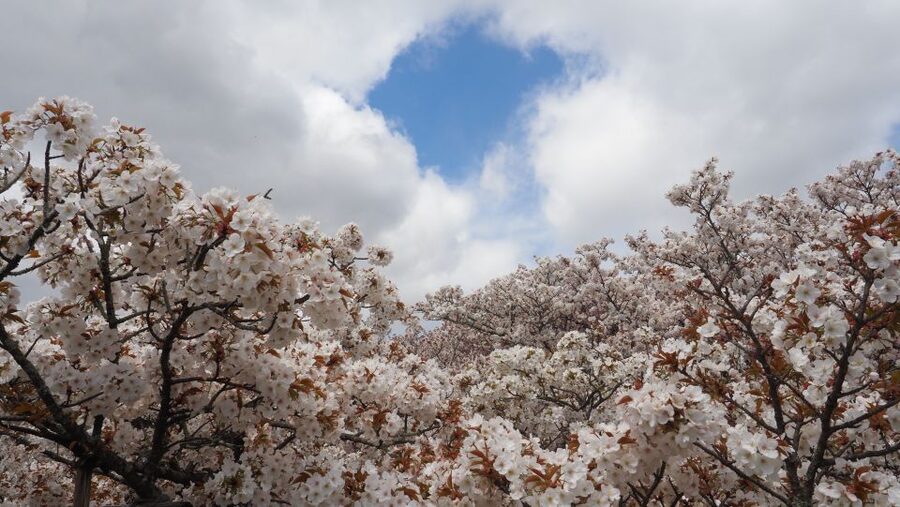
The Omuro Sakura trees are Ninnaji’s biggest spring draw. Their late bloom can be useful if you arrive in Kyoto after the city’s earlier cherry trees have peaked. Do not treat the late-blooming label as a guarantee for a particular travel date, though. The flowering period depends on the season, and the paid viewing period can shift according to when the trees reach full bloom.
During cherry blossom season, an extra admission fee is required to enter the area beyond the Chumon inner gate. The money goes toward preserving the Omuro Sakura, so this is not an arbitrary surcharge. Still, you should budget for it if the blossoms are your main reason for coming.
This is the point where planning matters most. A basic temple ticket may not cover the spring viewing area, and the paid period is not fixed to the same dates every year. Ask at the ticket counter when you arrive if the Omuro Sakura admission is in effect.
Walking the two-hour Omuro Pilgrimage
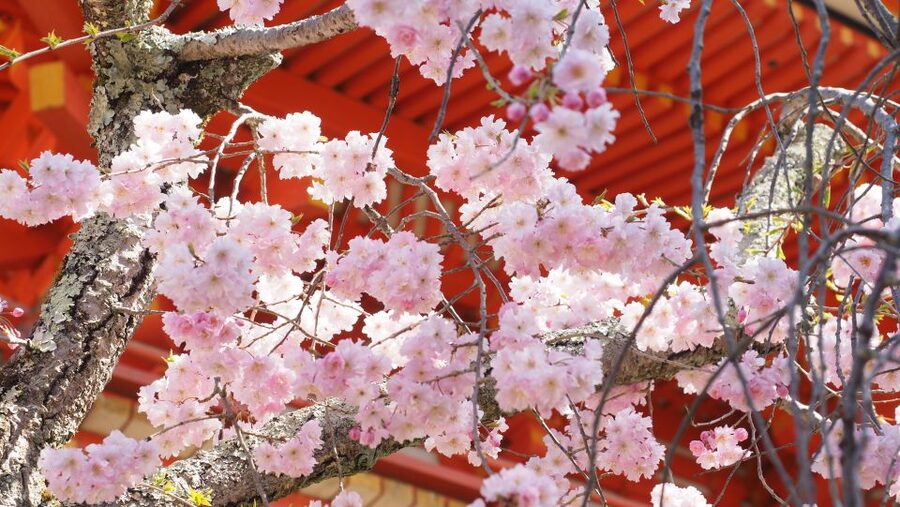
The Omuro Pilgrimage course is a shorter version of the Shikoku Pilgrimage. The full Shikoku route is famous for its scale and religious importance, while this temple course offers a more manageable way to experience a related tradition within a Kyoto visit.
Plan around two hours for the course. The route is described as being surrounded by the sounds of nature and seasonal scenery, so it gives you a different experience from the palace gardens and main buildings. Instead of collecting sights quickly, you spend time walking through a quieter part of the temple setting.
I like this option for people who want more than architecture. It lets you connect the temple visit with walking, reflection, and the natural setting. In spring, flowers shape the route. In autumn, red and yellow leaves change the mood. Winter can bring a quiet, snow-covered setting, while summer has its own connection to the temple’s Buddhist ceremonies.
You should not add the pilgrimage course casually if your schedule is already packed. Two hours is a meaningful block of time, and the course may feel less rewarding if you are mainly interested in the palace or pagoda. If you enjoy a slower pace, it is one of the strongest reasons to choose Ninnaji over a shorter temple stop.
A few more temple visits around Japan worth a look
- Kyoto: Tea Ceremony Ju-An at Jotokuji Temple
★ 4.9 · 3,207 reviews - Tokyo: Asakusa Walking Tour with Sensoji Temple Visit
★ 4.8 · 1,583 reviews - Nikko: Kegon Falls, Lake Chuzenji & Toshogu Temple
★ 4.6 · 1,577 reviews - Kyoto/Osaka: Nara, Fushimi Inari Taisha, Arashiyama Bus Tour
★ 4.7 · 1,275 reviews
Seasonal visits from spring through winter
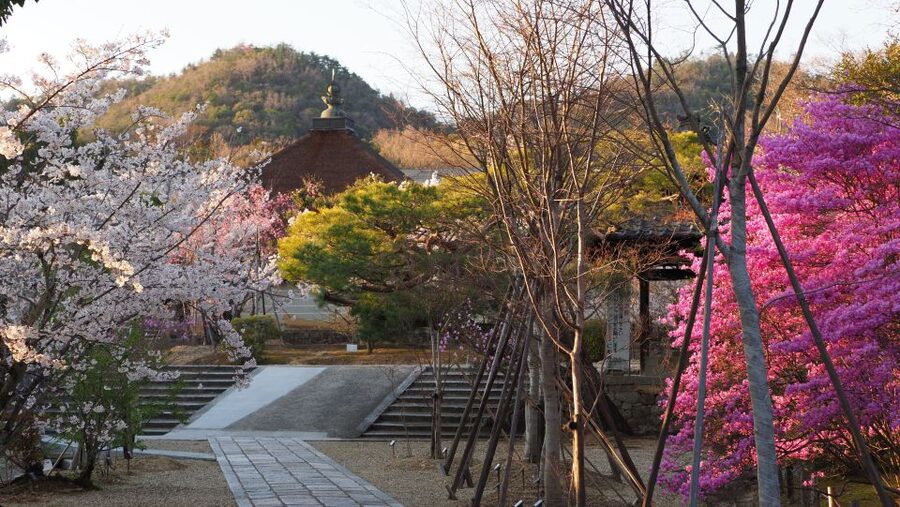
Ninnaji works well as a repeat visit because the scenery is not fixed. The temple has a distinct seasonal rhythm, and each period gives you a different reason to go.
Spring: The late-blooming Omuro Sakura is the headline attraction. If you miss the main Kyoto blossom period, Ninnaji may still offer a chance to see flowering cherry trees. Remember that access beyond the Chumon inner gate costs extra during the active viewing period.
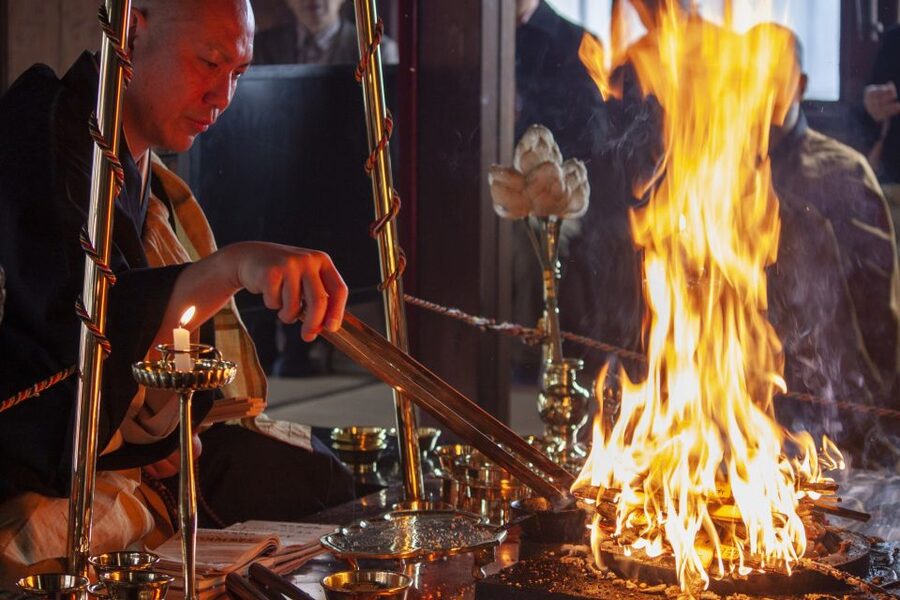
Summer: Many priests are present for Buddhist ceremonies. The experience is likely to feel more connected to the temple’s religious life than a purely scenic visit, although ceremonies are not described as a scheduled part of the ticket. You should treat them as part of the seasonal atmosphere rather than something guaranteed at a particular hour.
Autumn: The historic buildings are surrounded by red and yellow foliage. This is a strong season for combining the palace gardens with the Omuro Pilgrimage course, since both the architecture and the walking route gain from the changing color.
Winter: Snow can give the Japanese garden and Goten Palace a particularly calm appearance. The shorter opening hours matter in this season, since the temple closes at 4:30 PM rather than 5 PM.
I would choose your visit season based on what you value most. Go in spring for the famous blossoms, autumn for foliage, winter for quiet garden scenes, and summer for the temple’s ceremonial atmosphere.
Adding the Reihokan Museum and special admissions
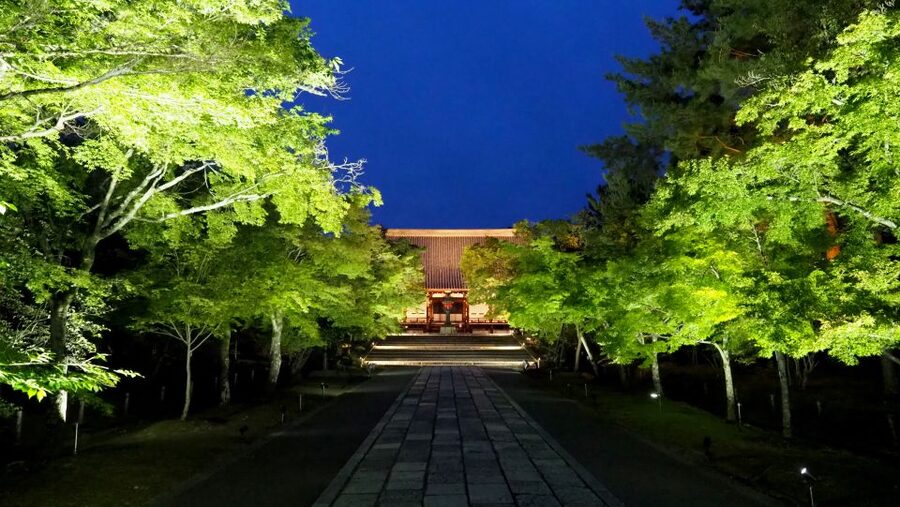
The Reihokan Museum holds important cultural items belonging to Ninnaji. It is a useful addition if you want context for the temple’s religious and artistic importance instead of seeing only its outdoor spaces.
The museum entrance is included only when you select the appropriate option. The same principle applies to the flower festival and other special admissions. Check the exact ticket choice before booking, since the basic entry does not automatically cover every event or exhibit.
I would add the museum if you enjoy objects, art, and religious history. If you have limited time and mainly want gardens, blossoms, and the pagoda, the standard temple visit may be enough. The museum adds depth, but it also makes the day less focused on outdoor scenery.
A special guide inside Kannon-do can also add useful explanation. A recent booking specifically praised this guide as informative and worthwhile. Since special access or guided availability can vary, ask at the temple if it is operating during your visit rather than building your entire schedule around it.
Timing, ticket rules, and practical planning
The temple opens from 9 AM to 5 PM from March through November. From December through February, it opens from 9 AM to 4:30 PM. Ticket booths close 30 minutes before the temple itself closes, so do not arrive at the last possible moment.
For a relaxed visit, I would arrive earlier in the day. That gives you time for the Goten Palace, pagoda, seasonal viewing area, and part of the pilgrimage course without watching the clock. If you want the full two-hour walk and the museum, an early start becomes more important.
The ticket is valid for one day, which gives you useful flexibility. You can spend a long morning at Ninnaji, take a break, and return later if the admission rules allow it. The supplied information confirms one-day validity, but it does not specify re-entry conditions, so ask at the entrance before leaving the grounds.
The site is wheelchair accessible. That is helpful, though the information provided does not describe every surface or section of the pilgrimage route. If you need access details for a particular building or path, check with the ticket counter. A person with a physical disability certificate enters free of charge, and the certificate holder should ask at the ticket counter. The free admission applies only to the person with the certificate.
Cancellation is flexible if your plans are uncertain. You can cancel up to 24 hours in advance for a full refund, and the reserve-now, pay-later option lets you hold the booking without paying immediately.
Who will get the most from this ticket
I would recommend Ninnaji to you if you want a temple visit with several layers:
- You care about seasonal scenery, especially late cherry blossoms or autumn color.
- You enjoy gardens and traditional architecture.
- You want a quiet walking course rather than only a short photo stop.
- You are interested in Shingon Buddhism and temple collections.
- You prefer a self-paced visit with no required group schedule.
- You are willing to spend several hours in one historic complex.
Families may appreciate the open-air setting, pagoda, and changing scenery, but the palace gardens and museum ask for a slower pace. Visitors focused only on Kyoto’s most famous cherry blossom locations may find the extra Omuro Sakura fee and changing bloom dates inconvenient.
The $5 price is strong value for the standard entrance. The ticket becomes less simple when you add the museum, flower festival, or seasonal blossom admission, so compare the included options carefully. You should pay for the extras only when they match your interests.
Should you book Ninnaji Temple?
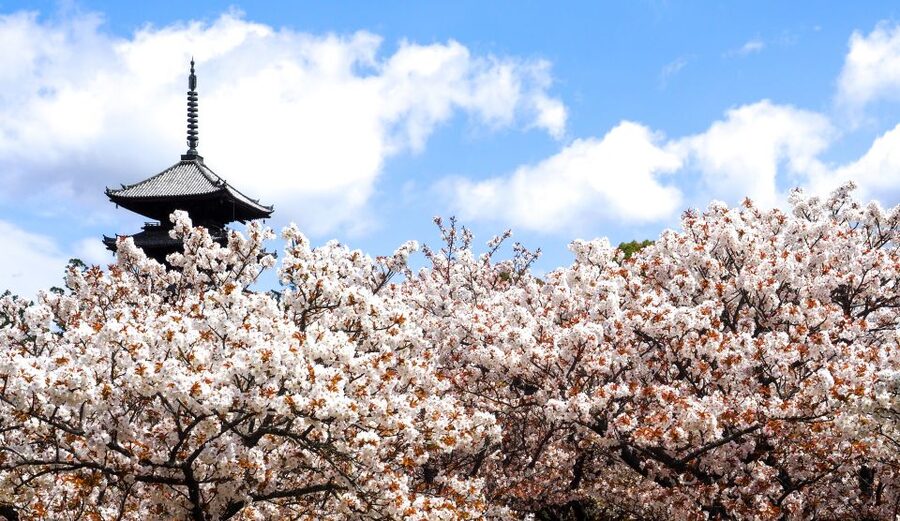
Book this ticket if you want a calm, flexible day built around gardens, architecture, seasonal scenery, and a substantial walking route. The late-blooming Omuro Sakura and five-story pagoda provide the big visual draw, while the Goten Palace and Omuro Pilgrimage give you reasons to stay longer.
Skip it if you have only a few minutes for Kyoto or if your main goal is a guaranteed cherry blossom display on a fixed date. Bloom timing changes, and the blossom area may cost extra.
For most visitors who enjoy historic temples and unhurried walks, I think Ninnaji is worth the modest admission. Arrive early, check which special areas are open, and save enough time for the pilgrimage course rather than treating the temple as a quick stop.
FAQ
How much does Ninnaji Temple admission cost?
The listed price is $5 per person for the Ninnaji Temple entry ticket.
How long is the Omuro Pilgrimage course?
The Omuro Pilgrimage course takes about two hours and is a shorter version of the Shikoku Pilgrimage.
What are Ninnaji’s opening hours?
From March through November, Ninnaji is open from 9 AM to 5 PM. From December through February, it is open from 9 AM to 4:30 PM.
Is the Reihokan Museum included?
The Reihokan Museum is included only if you select the option that includes its entrance ticket.
Is there an extra fee for the Omuro Sakura cherry blossoms?
Yes. During cherry blossom season, an admission fee is required to enter the area beyond the Chumon inner gate. The period requiring payment can change depending on when the blossoms reach full bloom.
Is Ninnaji Temple wheelchair accessible?
Yes, the activity is listed as wheelchair accessible. The supplied information does not give separate access details for every building or section of the pilgrimage course.
Can I cancel the booking?
Yes. You can cancel up to 24 hours in advance for a full refund. A reserve-now, pay-later option is also available.
Just added around Japan
- From Asakusa: Old Tokyo, Temples, Gardens and Pop Culture★ 5.0 · 47 reviews
- Private guided tour: Mt. Aso volcano, grasslands, Aso Shrine★ 5.0 · 19 reviews
- Goshuin Collecting tour at Asakusa Local Temples & Shrines, Tokyo★ 5.0 · 8 reviews
- Tokyo:Nikko UNESCO World Heritage Sites Private 1-Day Tour★ 3.8 · 6 reviews
- Tokyo Yokohama Night View Tour With Kamakura And Enoshima★ 3.5 · 14 reviews
- Tokyo: Snow Monkey Park and Zenkoji Temple Private Day Tour★ 4.7 · 127 reviews
- Tokyo War History Tour: Yasukuni Shrine & War Museum★ 4.5 · 6 reviews
- Tokyo to Nikko: Exclusive Private Day Trip★ 4.8 · 6 reviews
Tickets, compared.
Uluwatu Kecak and Fire Dance Show Entry Ticket
Read our review →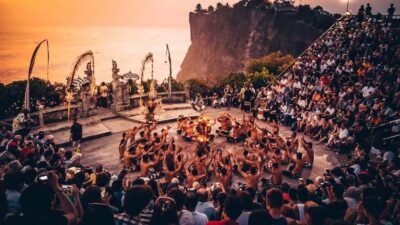
Kecak Fire Dance Show & Uluwatu Temple Entry Ticket
Read our review →
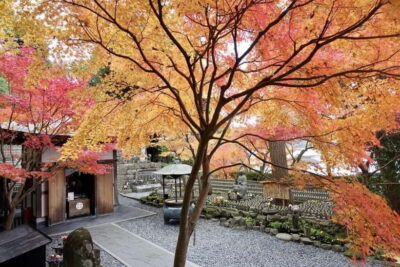
Kamakura & Enoshima Day Trip including Temple Tickets
Read our review →
The Temple of Heaven or Summer Palace Entry Ticket
Read our review →
Agrigento: Valley of the Temples Ticket & App Audioguide
Read our review →
Skip the Line: Tablao Flamenco Pura Esencia Ticket
Read our review →Browse the lists this tour appears in