
REVIEW · NIKKO & KAMAKURA DAY TRIPS
Kamakura: Daibutsu Hiking Trail Tour with Local Guide
Kamakura’s Daibutsu Trail gives you a better feel for the old samurai town than a simple temple checklist. Over six hours, you walk forest paths between the Great Buddha and Jochi-ji, with room to add Zeniarai Benten, Jufuku-ji, Engaku-ji, or Kencho-ji. Your guide can shape the day around your pace and interests.
I like two things here. First, the tour is private, so you can slow down for history, skip a site that does not grab you, or adjust plans if the heat rises. Second, guides such as Shinji, Seizo, and Andy have shown strong communication and care, including helping one family when a child became ill. The main drawback is cost: at $154 per person, entrance fees, meals, and transport are extra.
Key points to know before booking
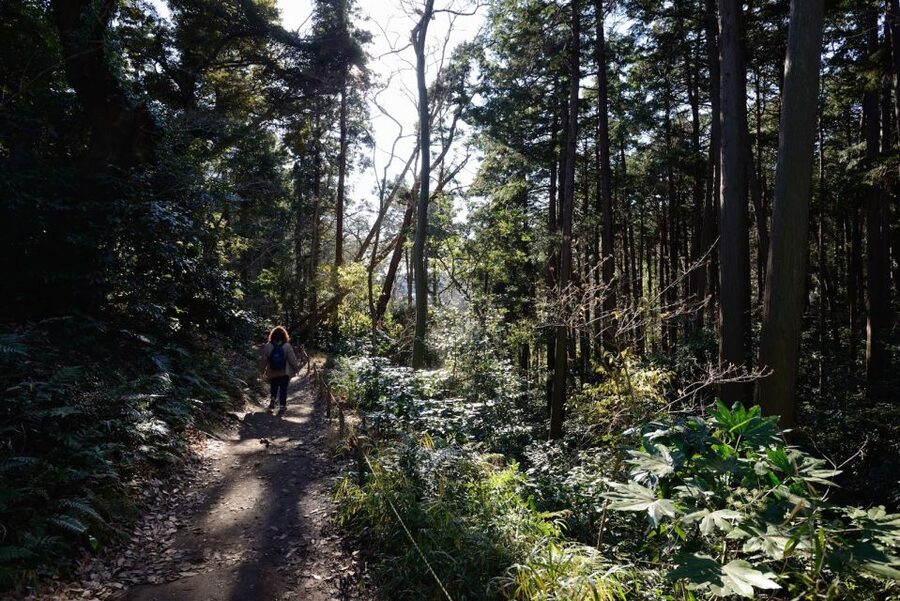
- The 6-kilometer Daibutsu Trail links two major sites: the Great Buddha in the south and Jochi-ji Zen temple in the north.
- Your itinerary is flexible: you can request temples, cultural sights, a longer hike, or a gentler day.
- Zeniarai Benten adds a memorable local custom: you can wash money at this unusual shrine after branching off the main trail.
- The tour is private and guide-led: pickup is on foot from your accommodation if it is within a reasonable distance, or from a requested station.
- You pay extra for practical costs: food, drinks, entrance fees, and public or private transport are not included.
- Comfortable shoes matter: this is a real hike, not simply a walking tour between paved temple grounds.
Why the Daibutsu Trail is the right way to see Kamakura
Kamakura sits about an hour from Tokyo, but it feels like a different kind of day out. This was the home of the samurai, and its temples and shrines carry a sense of Japan’s political and religious past. The Daibutsu Trail lets you connect those places on foot instead of moving from station to station by train or taxi.
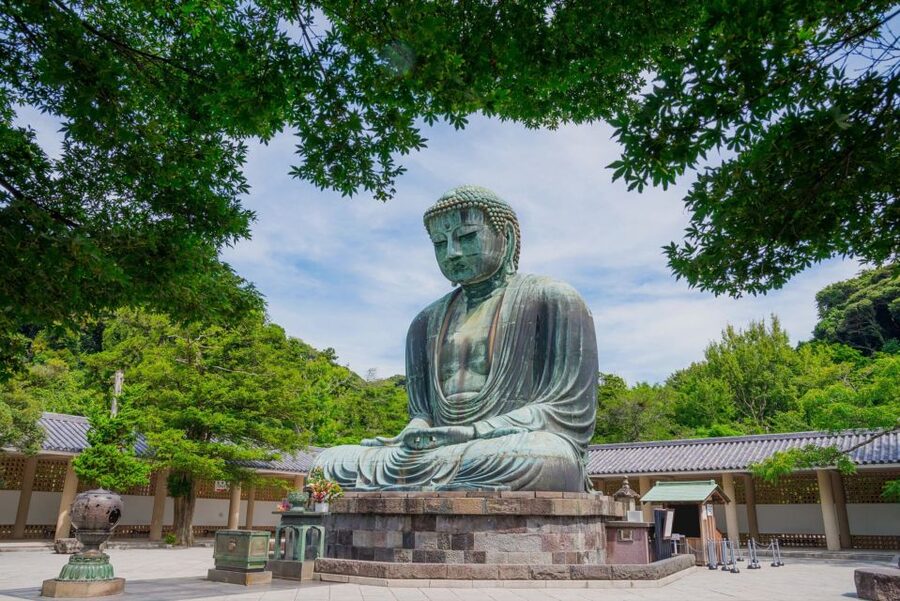
The route covers about 3.7 miles, or 6 kilometers. It runs between the Great Buddha, known as the Daibutsu, and Jochi-ji toward the north. The path brings a bit of fresh air and woodland into a day that could otherwise become a string of temple courtyards.
I like the contrast. You begin or end near one of Kamakura’s most important sights, then spend time on a trail where the pace is quieter. Your guide can explain what you are seeing as you walk, which is useful when the distinction between Zen temples, shrines, and historic sites is not obvious at first.
This is also a smart choice if you do not want to build a Kamakura day around a fixed group schedule. You meet your guide at your hotel lobby or a station, then set off on foot. The guide can organize the six hours around your interests, though you should remember that transport during the tour is not included if you need it.
More Nikko and Kamakura Day Trips in Kamakura:
- Tokyo: Kamakura & Enoshima Day Trip including Temple Tickets
★ 4.5 · 1,375 reviews - From Tokyo: Kamakura & Enoshima 1-Day Bus Tour
★ 4.5 · 189 reviews - Kamakura Historical Walking Tour with the Great Buddha
★ 5.0 · 129 reviews
Starting with the Great Buddha or Jochi-ji
The two ends of the trail give the day a clear shape. At the southern end is Kamakura’s Great Buddha. At the northern end is Jochi-ji, a Zen temple and one of the landmarks connected with the old temple network of the town.
The exact order depends on your meeting point and the plan you make with your guide. That flexibility is useful. You can tell the local partner what time you want to start, where you are staying, and what you most want to see before the tour is finalized.
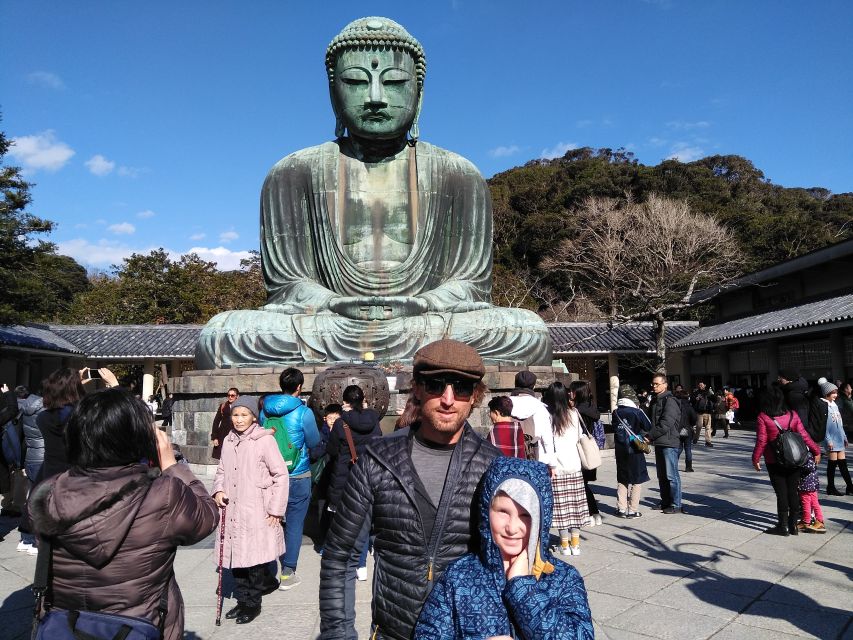
The Great Buddha is the obvious headline stop. It gives the hike a strong sense of place and helps connect the trail to Kamakura’s larger religious and cultural story. Jochi-ji gives you a quieter northern anchor, and its position near the trail makes it a natural place to begin or finish.
Do not expect the full experience to be a relaxed stroll. The distance is manageable for many active visitors, but the trail is still a hike. Wear shoes with good grip and clothes that let you move comfortably. In hot weather, the six-hour length matters. Seizo adjusted the pace and plan for one family during a very hot day, a reminder that a private guide can be useful when conditions change.
Zeniarai Benten and the money-washing custom
One of the most unusual stops is Zeniarai Benten. The shrine sits just off the main route, so you can branch away from the Daibutsu Trail to visit it. Its best-known custom involves washing money at the shrine.
This is the kind of stop that makes a private guide valuable. A quick visit on your own may leave you wondering what the ritual means or how it fits into Kamakura’s religious culture. Your guide can give the custom context and help you decide how much time to spend there.
The detour also shows the benefit of not treating the trail as a single fixed line. If the shrine interests you, include it. If your priority is hiking time or a particular Zen temple, your guide can keep the day moving.
The tradeoff is that every added stop takes time from the six-hour schedule. You cannot assume that every temple and trail extension will fit comfortably into one day. Tell your guide your top priorities at the start, and keep one or two sights as optional extras.
Jufuku-ji and Kamakura’s Zen tradition
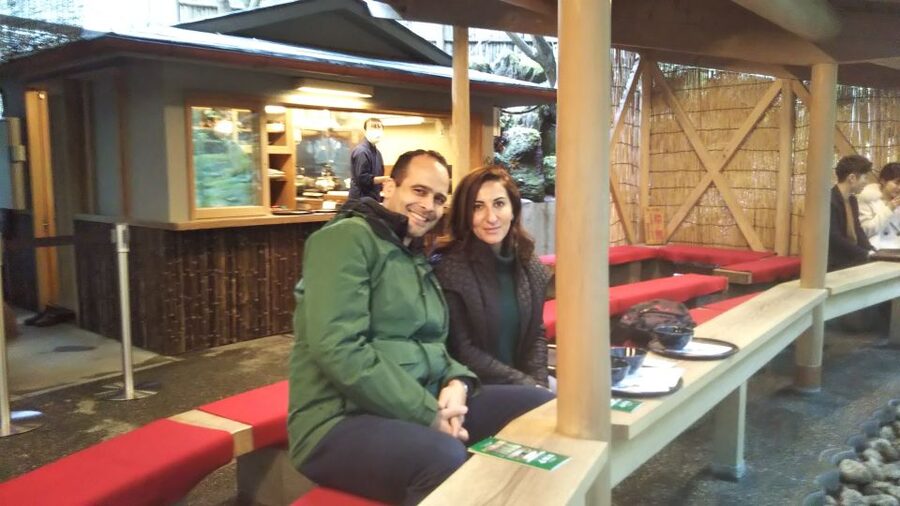
Near Zeniarai Benten is Jufuku-ji, described as the first of Kamakura’s five important Zen temples. It is an especially useful addition if you want the day to go beyond the most famous statue.
Jufuku-ji gives the itinerary more historical depth without requiring a separate full-day temple tour. Your guide can place it in the wider story of Kamakura and explain why these Zen temples matter to the town.
You should also keep your expectations practical. This tour is not advertised as a specialist academic lecture, and the exact amount of time at each site depends on your interests and pace. The strength is personal explanation. You can ask questions as they come up rather than wait for a scheduled talk.
For first-time visitors to Kamakura, that makes a difference. Instead of seeing several similar-looking gates and halls, you can ask what makes each place distinct. A licensed local guide can also help you decide which sites deserve more time and which can be a shorter stop.
More Hikes and Treks in Kamakura:
- Fushimi Inari Hidden Hiking Tour (Private Option Available)
★ 5.0 · 1,750 reviews - From Barcelona: Montserrat Monastery, Easy Hike, Cable Car
★ 4.9 · 1,021 reviews - From Barcelona: Montserrat Monastery & Scenic Mountain Hike
★ 4.9 · 978 reviews - Chiang Mai – Doi Suthep Temple & Wat Pha Lat Hike
★ 4.6 · 740 reviews
Engaku-ji and Kencho-ji for a fuller temple day
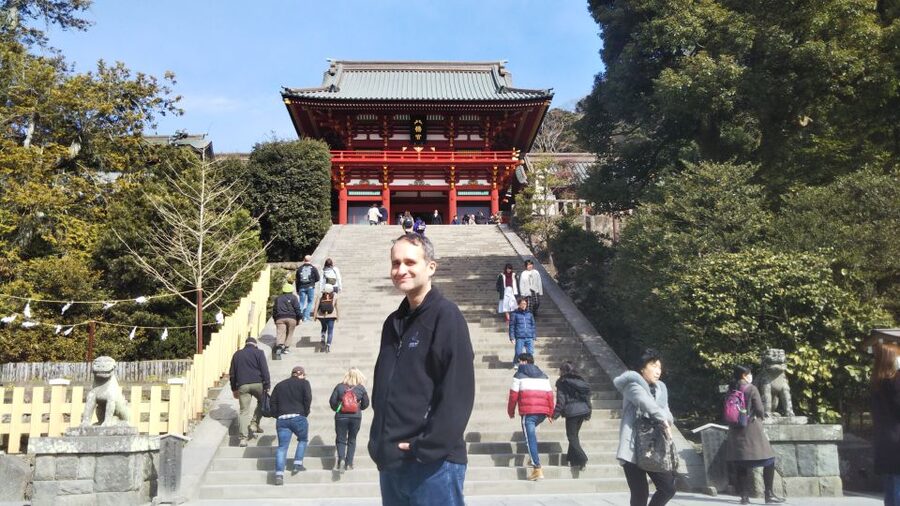
Engaku-ji and Kencho-ji are nearby options that can be added to the route. Both are important enough to shape the day, especially if temples are your main reason for coming to Kamakura.
The advantage of including them is variety within the same broad cultural theme. You are not limited to one famous sight and one trail. You can build a fuller picture of the town’s Zen heritage, with the trail acting as the link between major temple areas.
The drawback is physical and financial. More stops mean more walking and possibly more local transport, and entrance fees are not included in the tour price. The tour also uses public transportation or private taxis when needed, and you pay those fares separately.
Ask your guide to rank the sites before you commit to a long list. A six-hour private tour can feel generous, but Kamakura offers enough worthwhile stops to fill it quickly. A focused day will usually be more enjoyable than rushing through every possible temple.
The Tennen Trail for a longer hike
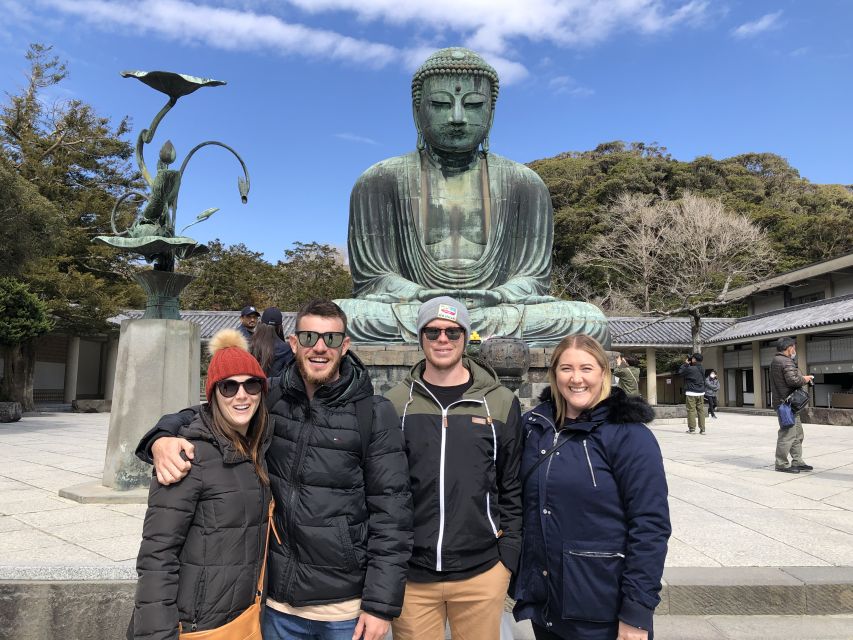
From Kencho-ji, you may be able to continue along the Tennen Trail. This creates a longer walking day and finishes near the fifth and last of the five important Zen temples.
This option suits you if the walking itself is a major reason for booking. It gives the day more time on foot and less time moving between separate attractions. You also get a broader view of Kamakura’s wooded routes and temple connections.
You should be clear about your fitness and your preferred balance of hiking and sightseeing. The Tennen extension is not the default promise of every six-hour plan. It is described as a possible continuation, so confirm with your guide how it fits your chosen stops, starting point, and pace.
A private tour is particularly useful here because the guide can help you choose. If you want the longest possible walking day, say so. If you prefer to combine the Daibutsu Trail with several temples, the guide can keep the route more compact.
What the private guide adds
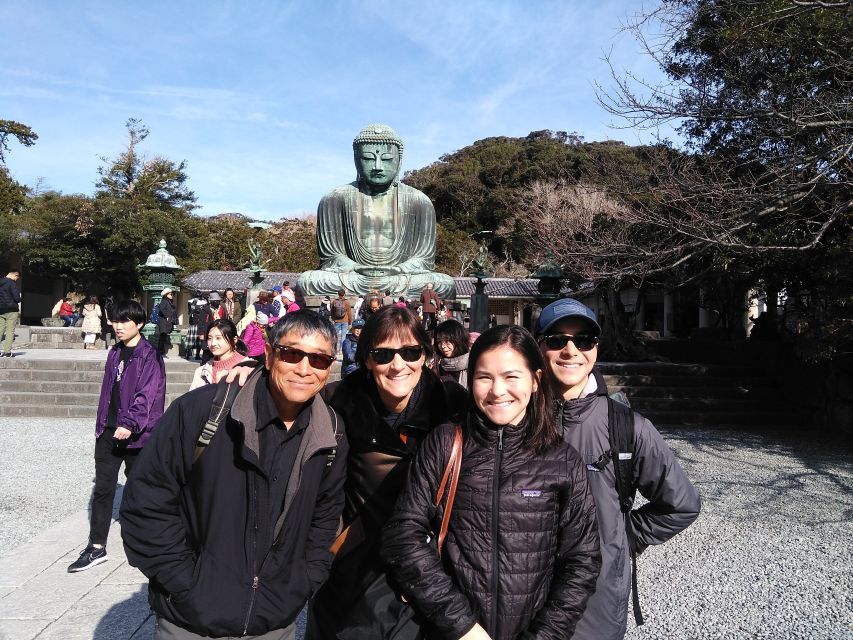
The strongest part of this experience is the human element. You are not simply handed a map and pointed toward a trail. A licensed guide meets you, walks with you, explains Kamakura, and adjusts the plan around your requests.
Shinji has been praised for clear communication and professional handling of the day. Seizo made sure a family could see what they wanted during very hot weather without pushing them beyond their comfort. Andy was especially helpful before the meeting and adapted the day when a child became ill, still making the experience worthwhile even though the outing ended early.
Those details matter more than a long list of promised sights. A trail tour can be affected by weather, tired legs, or a change in family plans. The ability to alter the route is a real benefit, not just a marketing feature.
English and Japanese are available. The guide contacts you before the tour to confirm the arrangements, and the booking is not final until a guide accepts it. Most guides contact you within seven days, but the local partner continues searching if one is not yet available. Keep an eye on your email before the tour.
Is $154 per person good value?
At $154 per person, this is not the cheapest way to visit Kamakura. You still pay for food, drinks, admission fees, and any public or private transportation used during the day.
The value comes from the private format and the six hours of personal guiding. If you are traveling with family or a small private group, the guide can work around different walking speeds and interests. You are also paying for local planning, explanations, and the chance to avoid spending your own time sorting out the route.
The price is harder to justify if you mainly want to walk the trail independently and visit only one or two major sights. Kamakura can be explored without a private guide, especially if you are comfortable managing trains, directions, and temple visits yourself.
I would consider this a stronger buy for first-time visitors, families, and anyone who wants cultural context rather than a self-guided hike. It is also useful when you have limited time in the Kanto Region and want one organized day from Tokyo.
Timing, pickup, and extra costs
The tour lasts six hours, but starting times depend on availability. You can request a start time and tell the local partner where you are staying. Pickup is on foot from your accommodation when it is within a reasonable distance, or from a train station you request.
Your guide waits in the hotel lobby or at the station 10 minutes before the scheduled pickup. From there, the day begins on foot. This is convenient, but it does not mean door-to-door vehicle service.
Plan for extra expenses. Admission fees, meals, drinks, and transportation are separate. If you add sites or need a taxi, those costs come out of your own budget. Ask your guide early in the day which stops have entrance fees and how you will move between areas.
Cancellation is flexible up to 24 hours before the start time, with a full refund. You can also reserve and pay later, which helps if your Tokyo plans are still shifting.
Who should book this Kamakura hike?
I would choose this tour if you want a private, adjustable day that mixes walking, temples, local customs, and history. It fits couples, families, and small groups who prefer a guide’s attention over a fixed group itinerary.
It is also a good match if you want to ask questions as you go. Kamakura’s religious sites can blur together without explanation, and a local guide can help you notice the differences.
I would think twice if you dislike uneven walking, want a low-cost day, or expect every admission and taxi fare to be included. The itinerary can be adapted, but it remains a six-hour hiking experience. Comfortable shoes and clothes are essential.
Should you book the Daibutsu Trail tour?
Book it if the private format matters to you and you want more than a quick visit to the Great Buddha. The route links major sights with a real walk, and the guide can adjust the day for heat, illness, interests, and pace.
Before booking, decide your priorities. Tell the guide if Zeniarai Benten, the Zen temples, or the longer Tennen Trail matters most. If you want a relaxed day, do not try to force every stop into the schedule.
For an independent, budget-minded visitor, the price may be too high. For a family or first-time visitor who wants personal help and a flexible plan, the combination of local guiding and the Daibutsu Trail makes good sense.
FAQ
How long does the Kamakura hiking tour last?
The private tour lasts six hours.
How long is the Daibutsu Trail?
The Daibutsu Trail is about 3.7 miles, or 6 kilometers, between the Great Buddha in the south and Jochi-ji in the north.
Where does the tour begin?
Your guide can meet you at your hotel if it is within a reasonable walking distance, or at a train station you request. The guide waits 10 minutes before the scheduled pickup.
Is the tour private?
Yes. This is a private guided tour, so the itinerary can be adjusted around your interests and preferences.
Which languages are available?
The tour is available with a live guide speaking English or Japanese.
Are food and drinks included?
No. Food and drinks are not included in the tour price.
Are entrance fees included?
No. Entrance fees for temples and other sites are paid separately.
Is transportation included?
No. Any public transportation or private taxis used during the tour are paid for separately. Pickup from your accommodation on foot is included when it is within a reasonable distance.
What should I bring?
Bring comfortable shoes and comfortable clothes suitable for a six-hour hike.
Just added around Kamakura
- Kanagawa: Kimono Rental in Kamakura Provided by RikaWafuku★ 4.8 · 8 reviews
- Kamakura: Great Buddha, Hase Temple, & Komachi Street Tour★ 5.0 · 11 reviews
- Kamakura: Walking Tour through the City of Samurai★ 4.9 · 12 reviews
- Kamakura: Private History and Heritage Tour by Rickshaw★ 4.9 · 7 reviews
- Kamakura Private Custom Tour with Local Guide★ 5.0 · 7 reviews
- Kamakura Half Day Tour with a Local Expert Guide★ 4.4 · 23 reviews
- Kamakura: Half day Walking tour & Japanese sweets★ 5.0 · 11 reviews
- Kamakura Private & Customized Half-Day Tour with Local Guide★ 5.0 · 11 reviews
Nikko & Kamakura Day Trips, compared.
Kamakura & Enoshima Day Trip including Temple Tickets
Read our review →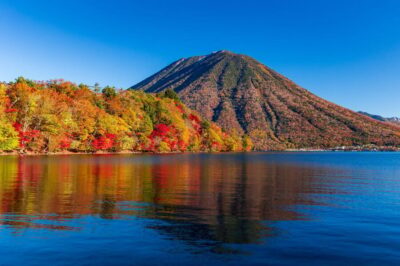
Nikko Toshogu Shrine and Kegon Waterfall Tour
Read our review →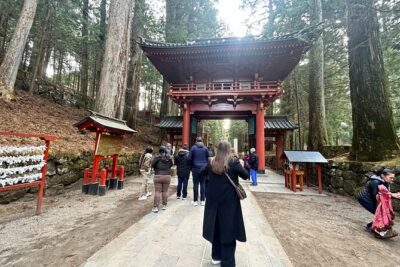
Nikko, Kegon Waterfall & Chuzenji Lake from Tokyo
Read our review →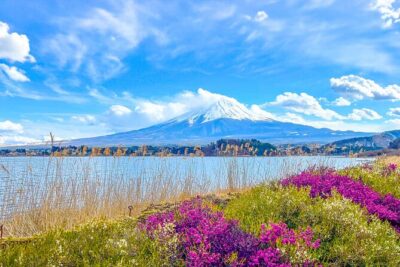
Mount Fuji, Kamakura, Big Buddha, & Lake Ashi Day Trip
Read our review →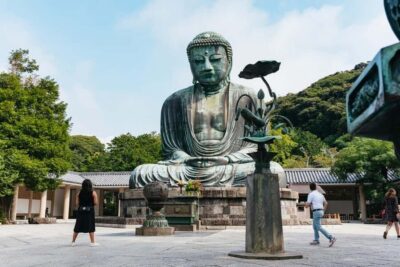
Mt. Fuji, Kamakura, Big Buddha, & Lake Ashi Day Trip
Read our review →
Nikko Full-Day Private Tour with Government-Licensed Guide
Read our review →
Browse the lists this tour appears in