
REVIEW · NIKKO & KAMAKURA DAY TRIPS
Kamakura; First Samurai Capital walking tour
Kamakura’s appeal is the sharp contrast between its peaceful lanes and its violent role in Japanese history. This 3.5-hour walk traces that story through Engaku-ji, Kencho-ji, and Tsurugaoka Hachimangu, then finishes with a close look at Kamakura’s 800-year-old lacquerware tradition.
I like the small group, limited to four people, because it gives your guide room to explain Zen architecture, samurai politics, and local customs without shouting over a crowd. I also like the final stop at the Kamakurabori Museum, a useful change of pace after the temples and a chance to see Japanese craft rather than only famous buildings.
The main drawback is physical. You will walk for several hours, climb 135 steps to a temple bell, and manage other hills and stairs along the way. Temple admission is also extra, so the $63 price is not your only cost.
Key points at a glance
- Begin beside Kita-Kamakura Station: The meeting point is easy to reach by the Yokosuka Line, but you must use the correct end of the long platform.
- See two major Rinzai Zen temples: Engaku-ji and Kencho-ji offer formal gates, Buddha halls, Dharma halls, bells, and quiet temple grounds.
- Climb 135 steps at Engaku-ji: Your reward is an 800-year-old national treasure bell and a view over Kamakura.
- Walk the historic approach to Hachimangu: The 450-meter Dankazura leads toward Kamakura’s most important Shinto shrine.
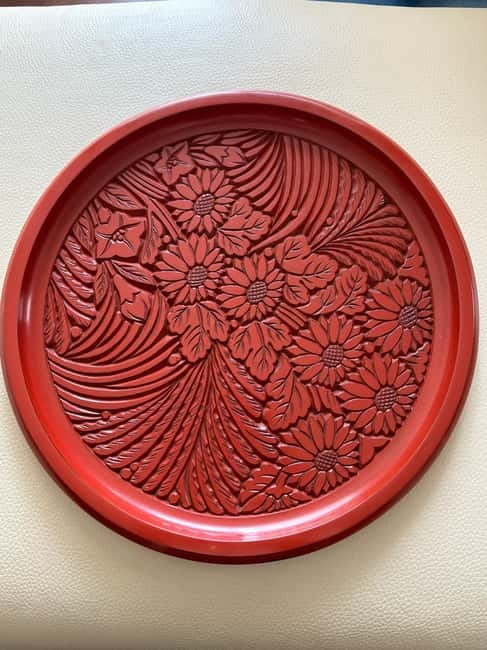
- Finish with Kamakurabori craft: The lacquerware museum explains an art that began with Buddhist sculptors and later became part of daily life.
- Keep cash and water handy: Temple fees, optional Goshuin stamps, summer heat, and the walking distance all call for a little planning.
Why Kamakura makes a good day from Tokyo
Kamakura sits on Honshu and is about an hour from central Tokyo by train, making it a practical outing if you want temples and history without a long journey. The town served as Japan’s first samurai capital from 1192, when military rule took firm shape under the first shogun.
The modern town can feel calm and scenic, but its past was not. Battles took place before and after its rise, and more than 170 Buddhist temples in Kamakura commemorate the dead. Several were built or supported by powerful figures of the period, so the architecture is not merely decorative. It reflects political power, religious devotion, and the need to memorialize lives lost in conflict.
This tour gives you a useful sequence. You begin with Zen temples in quieter Kita-Kamakura, move toward the grand political symbol of Tsurugaoka Hachimangu, and finish with an art form shaped by both religion and everyday use. I find that order helpful because you see Kamakura as more than a place with one famous Buddha statue.
More Temple Walking Tours in Japan
- Kamakura Historical Walking Tour with the Great Buddha
★ 5.0 · 129 reviews - Kamakura: Walking Tour through the City of Samurai
★ 4.9 · 12 reviews - Kamakura: Half day Walking tour & Japanese sweets
★ 5.0 · 11 reviews
Starting at Kita-Kamakura Station
The tour meets at the East exit of Kita-Kamakura Station. This detail matters because the station platform is extremely long and the Yokosuka Line is the only train line that stops there.
If you are coming from Tokyo, ride in the carriage closest to the driver. Exit through the ticket gate at the front of the platform, for trains heading toward Zushi, Yokosuka, and Kurihama. Do not cross the railroad crossing to reach the other side.
If you arrive from the opposite direction, toward Tokyo, use the rearmost carriage. You will cross the railroad crossing and use the nearest ticket gate on that side. These instructions are worth saving before you leave Tokyo, especially if you are trying to meet the group on time.
Your guide is Yurie, whose English is described as fluent and clear. She uses hand-drawn maps and original panels to explain where Kamakura sits in Japanese history and how the city developed. That sort of visual aid is especially useful if Japanese eras, Buddhist schools, and shogun succession are new to you.
Engaku-ji and the 135-step climb
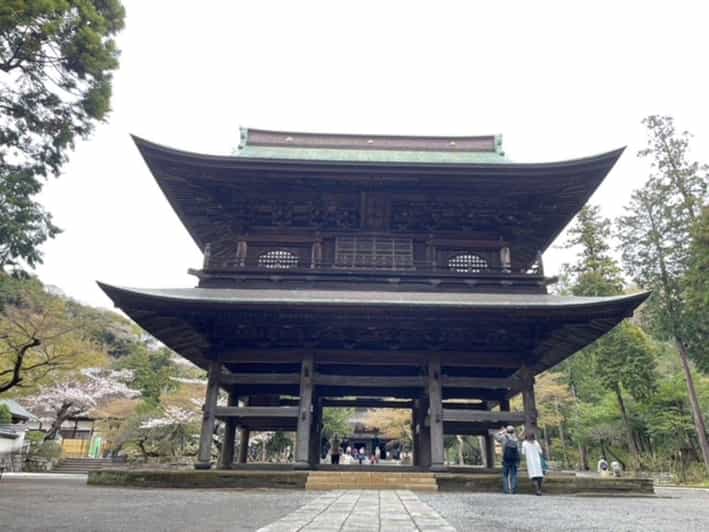
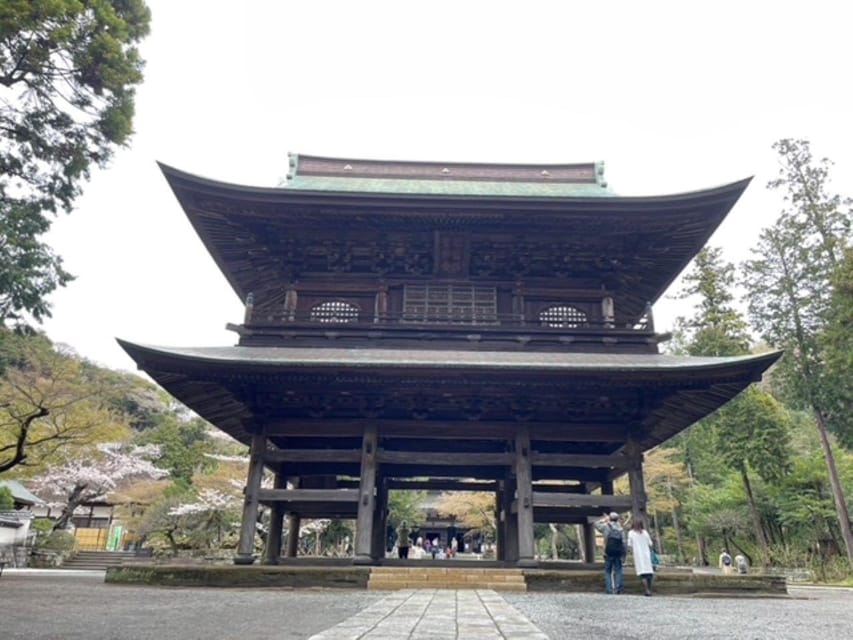
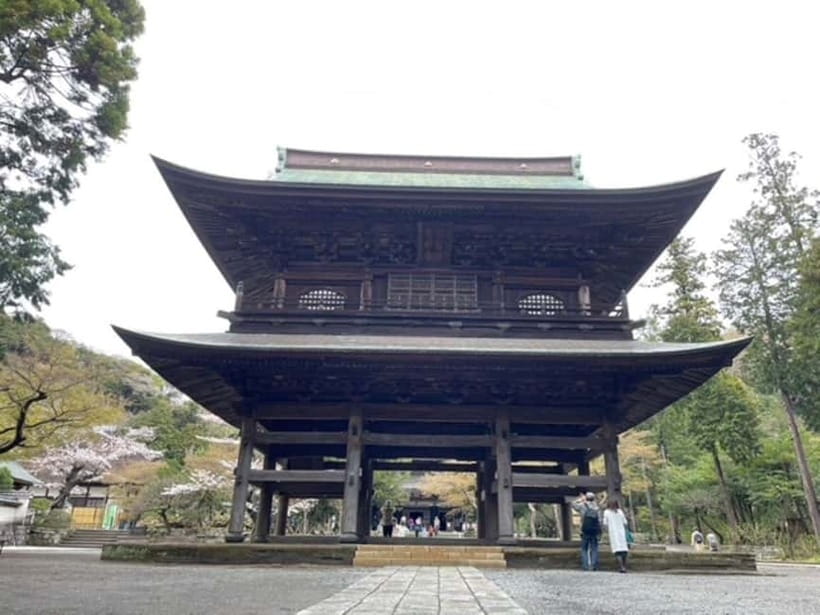
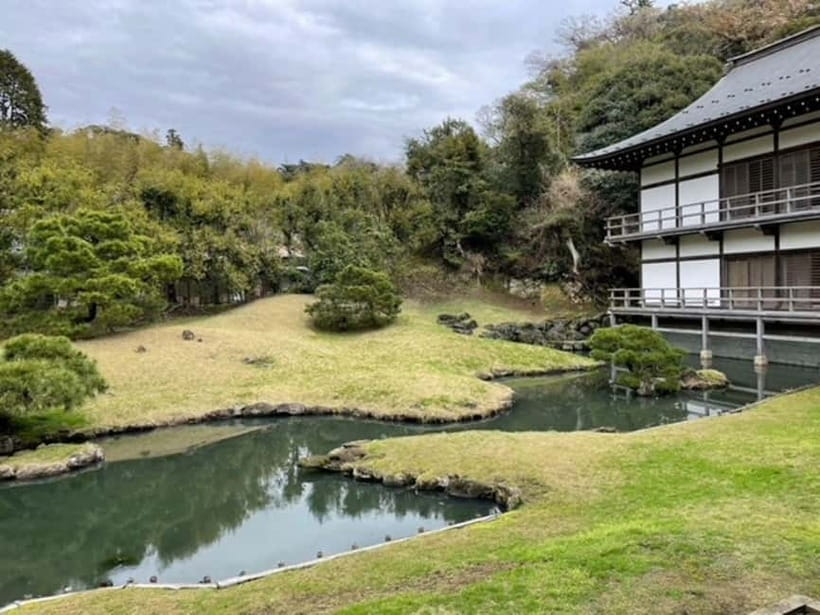
Engaku-ji is only about two minutes from the station, so the tour gets to its first major sight quickly. You enter through the large Sanmon Gate, an impressive threshold that prepares you for the formal arrangement of the temple grounds.
The route continues to the Butsuden, or Buddha Hall, where you can admire the Buddha statue. You then visit the Hatto, or Dharma Hall, with its painted dragon on the ceiling. These stops give you more than a quick photo opportunity. Your guide explains the function of each building and helps you read the layout as a working Zen temple rather than a collection of old structures.
Engaku-ji also contains Shariden, a building identified as Kamakura’s only National Treasure construction. The tour information highlights the temple bell as another national treasure, so ask Yurie to clarify the distinction between the two if you want a fuller understanding of the site.
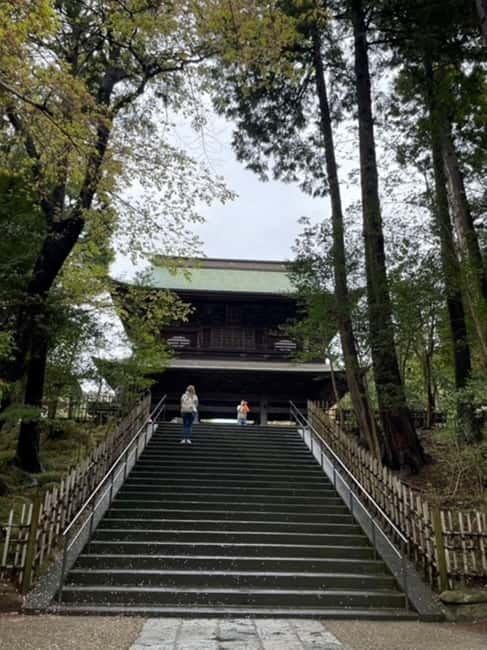
The bell requires a climb of 135 steps. It is a real effort, particularly in hot weather, but the payoff is strong: an 800-year-old bell and a scenic view over Kamakura. Wear shoes with good support, and do not treat the stairs as a minor detail. They are one of the clearest reasons this walk is not suitable for wheelchair users.
The first temple visit lasts about 65 minutes. That is enough time to see the important buildings and hear the background without turning the stop into a rushed checklist. The grounds are peaceful, but the steps and uneven walking make comfortable footwear essential.
Walking to Kencho-ji
The walk from Engaku-ji to Kencho-ji takes about 20 minutes. This is not simply dead time between attractions. It gives you a chance to move through Kita-Kamakura, the quieter end of the route, before reaching the larger temple complex.
Kencho-ji is described as the most prestigious Zen temple in Kamakura. Its Sanmon Gate, Butsuden, Hatto, and Bonsho bell repeat some of the architectural vocabulary you saw at Engaku-ji, but at a grander scale. Seeing both temples helps you compare how major Rinzai Zen institutions present power and order.
The Butsuden is closed for maintenance until 2027. That is an important limitation, especially if you are expecting to enter every main hall. You will still see the wider temple grounds and other major features, but the closure means this stop is partly an exterior architectural visit.
The Kencho-ji portion lasts about 40 minutes. Your guide can help prevent the two temple visits from blending together. Look for the differences in scale, approach, and setting, and listen for the basic ideas of Zen that shape the buildings and grounds. One of the strongest parts of this tour is that it connects temple design with religious practice instead of treating the sites as old monuments only.
More Nikko and Kamakura Day Trips in Kamakura:
- Tokyo: Kamakura & Enoshima Day Trip including Temple Tickets
★ 4.5 · 1,375 reviews - From Tokyo: Kamakura & Enoshima 1-Day Bus Tour
★ 4.5 · 189 reviews - Kamakura Private Tour: Temples, Nature, and the Great Buddha
★ 5.0 · 121 reviews - From Tokyo: Kamakura Full Day Tour with a Local Expert Guide
★ 4.6 · 43 reviews
Tsurugaoka Hachimangu and the road of cherry trees
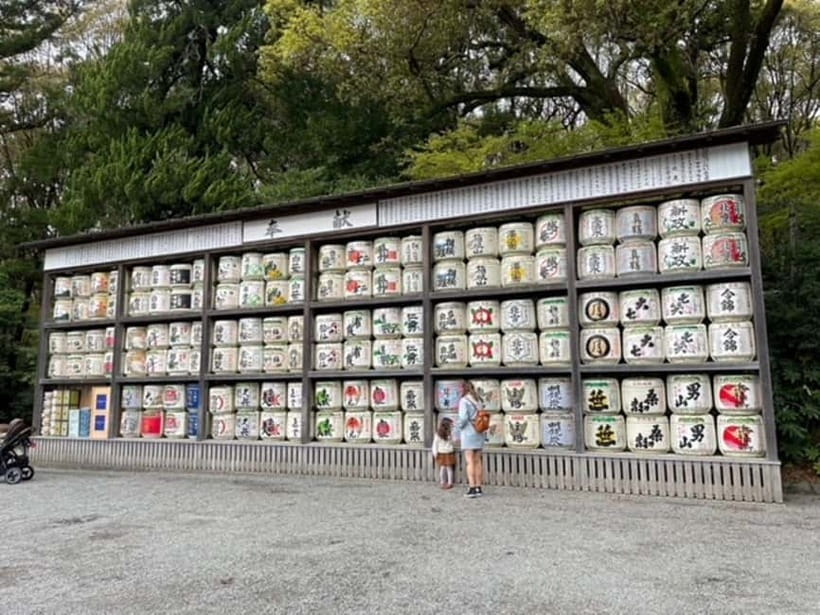
From Kencho-ji, you walk another 15 minutes to Tsurugaoka Hachimangu. This shrine was created to display the authority of Kamakura’s first shogun, and it remains the town’s central symbol.
The shrine is dedicated to Hachiman, a kami associated with good fortune in warfare. That connection makes the site especially important for understanding samurai culture. You are not simply visiting a beautiful shrine. You are seeing a place where military authority and religious belief were presented together.
Tsurugaoka Hachimangu sits at the top of a hill, giving you a scenic view over Kamakura. The climb is another reason to pace yourself. After the earlier temple stairs, you will appreciate carrying water and planning for shade in summer.
The tour includes a walk along Dankazura, the 450-meter raised walkway leading from the former seacoast toward the Third Torii gate. The first shogun built it as a prayer for the safe delivery of an heir. Today, it is also known for cherry blossoms, although the timing of flowers depends on the season.
You walk from the Third Torii toward the Second Torii, which marks the current beginning of Dankazura. This section gives you a strong sense of how the shrine was connected to the town and the sea. The route is ceremonial, not just practical, and your guide can explain why that approach mattered to the shogun’s public image.
The Hachimangu visit takes about 40 minutes. It is the largest and most openly political stop on the route, a useful contrast with the more restrained atmosphere of the Zen temples.
Kamakurabori, an art form with a practical life
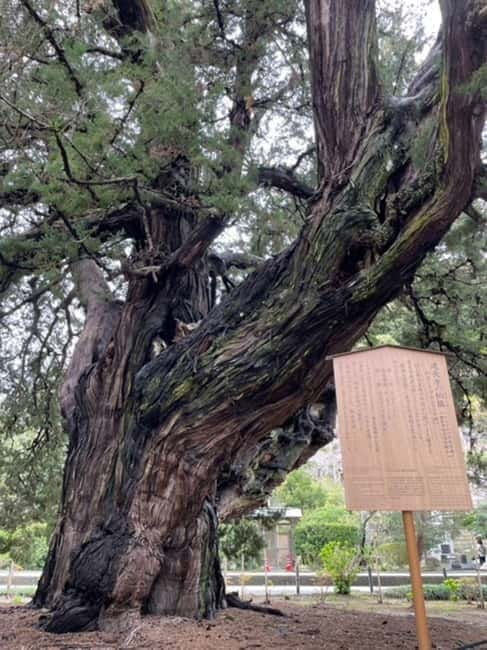
The final walk takes about 10 minutes to the Kamakurabori Museum, local gift shop, and café. The museum admission is included, unlike the temple fees, so you do not need to budget another entrance charge here.
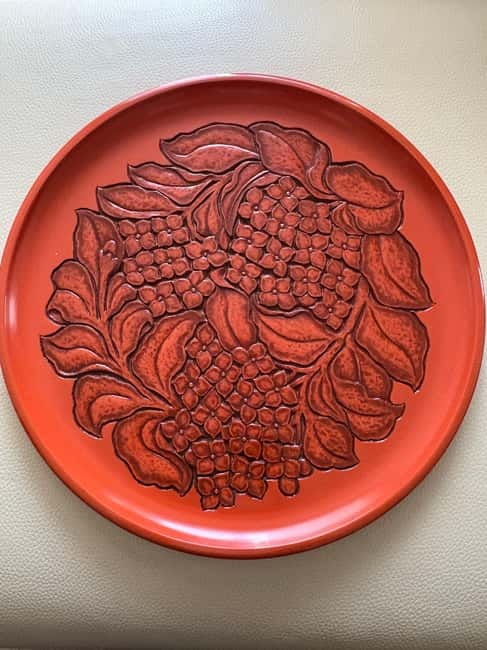
Kamakura lacquerware began about 800 years ago with Buddhist sculptors. Over time, especially during the Edo period from 1603 to 1868, production moved beyond ritual Buddhist objects. Craftspeople began making daily goods, and the art is now also used in tea ceremonies.
The museum displays works from the Muromachi period, 1336 to 1568, through the present day. That range lets you see how the craft changed while remaining tied to Kamakura’s religious and artistic past.
I like this ending because it moves the tour away from large monuments and toward skilled handwork. You get a clearer idea of how the city’s culture continued after the age of the shoguns. The guide’s interest in the craft is central here, and Yurie is particularly strong at explaining its value and workmanship.
The visit lasts about 20 minutes. It is brief, but it adds an artistic layer that many standard Kamakura outings miss. If you are interested in Japanese design, tea culture, woodworking, or traditional crafts, this may be the stop that makes the tour feel distinctive.
What the $63 price really covers
At $63 per person, the cost is reasonable for a private-feeling small group with an English-speaking licensed guide, but you should count the extra temple fees. Each temple costs about ¥500, so visiting both adds roughly ¥1,000 per person. Bring additional cash if you want Goshuin, the commemorative temple or shrine stamps, which cost about ¥500 each.
The price includes 3.5 hours of guiding and admission to the Kamakura lacquerware museum. It does not include food, drinks, transportation, hotel pickup, hotel drop-off, or personal purchases.
The value depends on how much explanation you want. If you only need directions and photographs, you can visit Kamakura independently for less. If you want help connecting Zen, samurai government, shrine ritual, and lacquerware, the guide adds real value. The group limit of four is also important. You are more likely to ask questions and keep a sensible pace than in a large coach group.
The tour ends at the museum and café rather than returning to the starting station. That is useful because you can continue your day from there, perhaps toward local shops and Komachi-dori, as long as you arrange your own onward route. Food is not part of the tour, and the morning schedule does not include lunch.
Practical advice for the walk
This tour runs rain or shine. Wear weather-appropriate clothing and comfortable shoes with solid grip. You will walk between sites, manage hills, and climb stairs, including the 135 steps at Engaku-ji.
Bring a drink and a hat in summer. The combination of open approaches, shrine grounds, and stairs can feel tiring under strong sun. Cash is necessary for the temple admissions and useful for Goshuin.
The activity is not suitable for wheelchair users, people with a cold, or people over 95 years old. The small group is limited to four participants, and the tour is conducted in English.
Free cancellation is available up to 24 hours before the start time for a full refund. You can also reserve now and pay later, which helps if your Tokyo plans are still shifting.
Who should book this Kamakura walk?
I would choose this tour if you have already seen Kamakura’s Great Buddha, or if you want a more historical and cultural day than a simple photo stop. It suits first-time visitors who want the major temples and shrine explained in plain English, as well as returning visitors who want to understand Zen and Kamakura lacquerware in greater detail.
It is especially good for people who enjoy architecture, Japanese religious history, traditional craft, and guided walking. The route is also a sensible choice for anyone who prefers a four-person group over a larger excursion.
I would skip it if stairs are difficult for you, if you want free time for shopping, or if you dislike paying additional entrance fees after booking. You should also choose another plan if you want a food-focused outing, since meals and drinks are not included.
FAQ
Where does the Kamakura walking tour begin?
It begins outside the East exit of Kita-Kamakura Station. The Yokosuka Line is the only train line that stops at Kita-Kamakura.
How long does the tour last?
The tour lasts 210 minutes, or 3.5 hours.
Which temples are included?
The route includes Engaku-ji and Kencho-ji. It also visits Tsurugaoka Hachimangu, a major Shinto shrine.
Is the lacquerware museum admission included?
Yes. Admission to the Kamakurabori Museum is included in the tour price.
Are temple entrance fees included?
No. Temple admission costs about ¥500 per temple, so bring cash for both temples.
Is the tour suitable for wheelchair users?
No. The route includes considerable walking, hills, and stairs, including 135 steps to the bell at Engaku-ji.
More Temple Walking Tours in Kamakura
- Bangkok: City Highlights Temple and Market Walking Tour
★ 4.5 · 3,990 reviews - Bangkok: Grand Palace and Wat Phra Kaew Guided Walking Tour
★ 4.4 · 2,417 reviews - Bangkok: Wat Pho and Wat Arun Guided Walking Tour
★ 4.6 · 1,720 reviews - Tokyo: Asakusa Walking Tour with Sensoji Temple Visit
★ 4.8 · 1,583 reviews
Just added around Kamakura
- Kanagawa: Kimono Rental in Kamakura Provided by RikaWafuku★ 4.8 · 8 reviews
- Kamakura: Great Buddha, Hase Temple, & Komachi Street Tour★ 5.0 · 11 reviews
- Kamakura: Walking Tour through the City of Samurai★ 4.9 · 12 reviews
- Kamakura: Private History and Heritage Tour by Rickshaw★ 4.9 · 7 reviews
- Kamakura Private Custom Tour with Local Guide★ 5.0 · 7 reviews
- Kamakura Half Day Tour with a Local Expert Guide★ 4.4 · 23 reviews
- Kamakura: Half day Walking tour & Japanese sweets★ 5.0 · 11 reviews
- Kamakura: Daibutsu Hiking Trail Tour with Local Guide★ 5.0 · 10 reviews
Nikko & Kamakura Day Trips, compared.
Kamakura & Enoshima Day Trip including Temple Tickets
Read our review →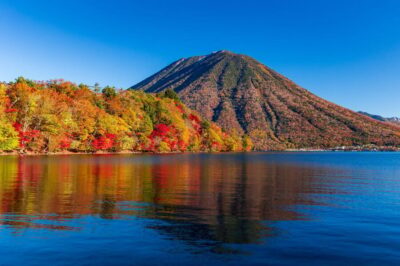
Nikko Toshogu Shrine and Kegon Waterfall Tour
Read our review →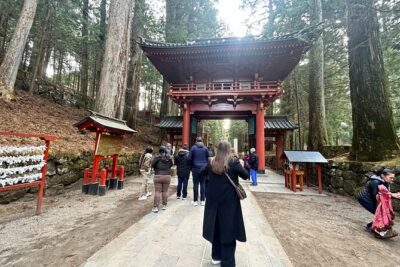
Nikko, Kegon Waterfall & Chuzenji Lake from Tokyo
Read our review →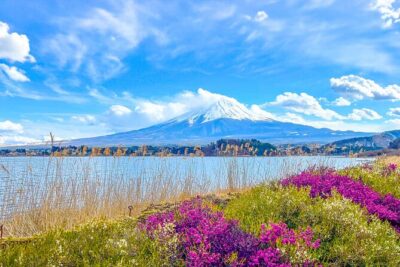
Mount Fuji, Kamakura, Big Buddha, & Lake Ashi Day Trip
Read our review →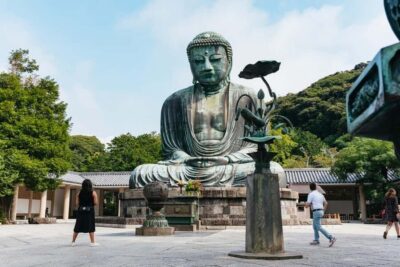
Mt. Fuji, Kamakura, Big Buddha, & Lake Ashi Day Trip
Read our review →
Nikko Full-Day Private Tour with Government-Licensed Guide
Read our review →
Browse the lists this tour appears in