
REVIEW · NIKKO & KAMAKURA DAY TRIPS
From Tokyo: Kamakura, Great Buddha, and Enoshima Bus Tour
The Great Buddha of Kamakura is the star of this full-day escape from Tokyo. At 13.5 meters tall, the weathered bronze statue has survived roughly 750 years of earthquakes and typhoons. I like the ride on the old Enoden train and the chance to combine seaside scenery with Kamakura’s samurai-era shrines.
I also like the generous free time at several stops, which lets you browse, eat, and take photos without being rushed every minute. The tradeoff is that the day covers a lot of ground, so time at the Great Buddha and Enoshima can feel short, especially if you want the Enoshima lighthouse view. Guide commentary may also vary by guide and language ability.
Key points
- See a 13.5-meter national treasure: Enter the Great Buddha for an extra 50 yen and learn how the statue was made.
- Ride the Enoden along the coast: The small electric train offers seaside views and may pass the famous Slam Dunk railroad crossing.
- Walk through samurai-era Kamakura: Tsurugaoka Hachimangu connects the city to the warrior government founded more than 800 years ago.
- Choose your Tokyo finish: Stay in Asakusa or continue by Tokyo Metro toward Shibuya Crossing.
- Expect a full walking day: Comfortable shoes and water are essential.
- Pay $75 with lunch optional: The price includes transport, guided visits, the Enoden ticket, and key admissions.
From Shinjuku to Kamakura’s bronze Buddha
Your morning begins at 7:30 in front of the Shinjuku Center Building, near the red brick entrance and about a seven-minute walk from JR Shinjuku Station. Look for the LIMON staff member in a yellow jacket, vest, or shirt. The bus leaves strictly at 7:40, so this is not the morning to cut your connection close.
The air-conditioned vehicle takes you out of central Tokyo toward Kamakura. The exact vehicle depends on the number of people joining, so transport could be a bus or another suitable vehicle. Hotel pickup is not included, which makes the Shinjuku meeting point an important part of your planning.
Kamakura once served as Japan’s political center during the Kamakura Period. The city is closely tied to the rise of the samurai government, and its shrines and temples give the day a welcome change from Tokyo’s towers and crowds.
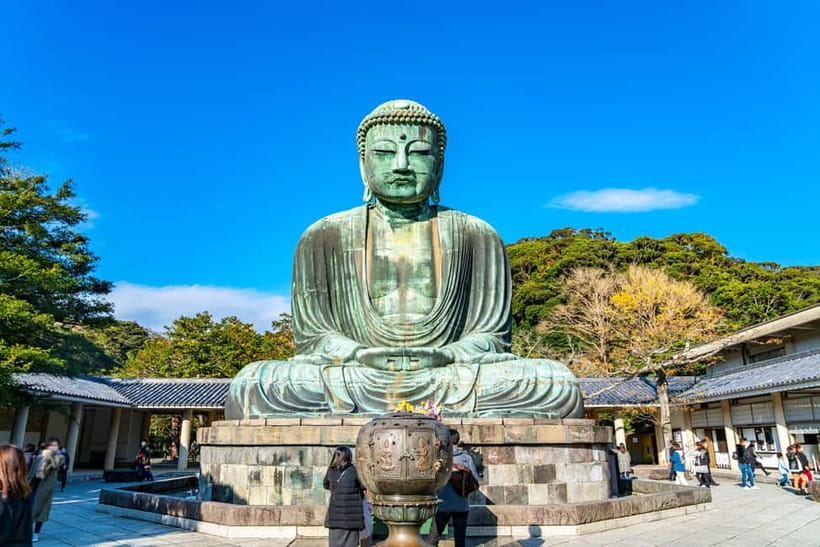
Your first major stop is the Great Buddha of Kamakura, a copper statue measuring 13.5 meters from its base to the top. It was originally covered in gold leaf, but centuries of exposure have left the surface with its familiar blue-green patina.
The statue originally stood inside a temple hall. That building was destroyed, leaving the Buddha outdoors, where it has faced typhoons, earthquakes, and long stretches of weather. The result is a monument that feels both grand and exposed. You are not simply looking at a large statue in a courtyard. You are seeing a piece of Kamakura that has endured repeated changes around it.
Admission to the Great Buddha is included. For another 50 yen, paid on site, you can enter the statue itself and read about its construction. It is a small extra cost and worth considering if you want more than the standard photo stop.
Allow time for photographs, but keep an eye on the meeting instructions. The day includes several major stops, and the available time here may not satisfy you if you want to linger over every detail.
More Nikko and Kamakura Day Trips in Japan:
- Nikko: Kegon Falls, Lake Chuzenji & Toshogu Temple
★ 4.6 · 1,577 reviews - Tokyo: Kamakura & Enoshima Day Trip including Temple Tickets
★ 4.5 · 1,375 reviews - Tokyo: Nikko Toshogu Shrine and Kegon Waterfall Tour
★ 4.5 · 1,266 reviews
Enoshima Shrine and the busy Nakamise-dori
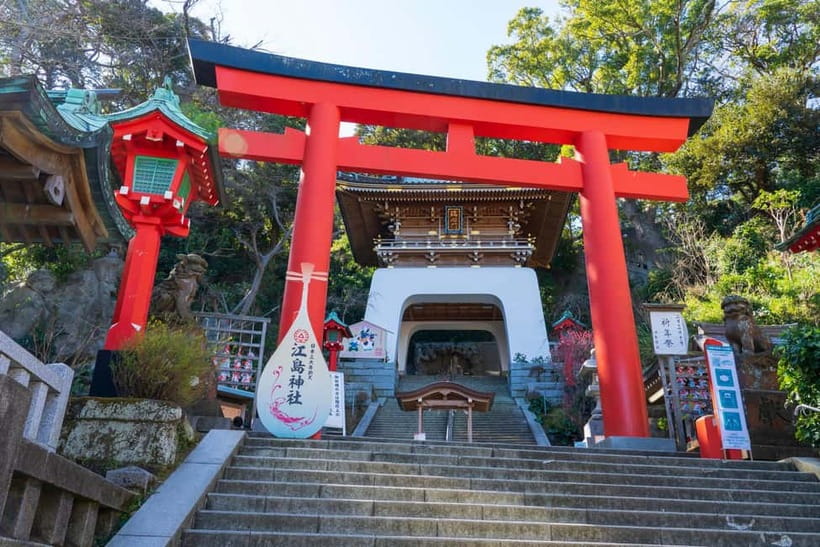
From Kamakura, the tour continues to Enoshima, a small island and seaside sightseeing area known for its shrine, views, food, and souvenir shops. The approach through Nakamise-dori gives you a lively slice of local tourism, with a street leading toward Enoshima Shrine.
This is a good place to make a practical choice. You can browse for souvenirs, stop for a local snack, or head toward the shrine and its grounds. The shrine is associated with three sister goddesses connected with the sea, water, good luck, finance, and the arts.
The appeal of Enoshima is not just one building. It is the mix of coastal air, religious sites, food stalls, shops, and open views. If you want to see the observation lighthouse, however, plan carefully. The schedule may not leave enough time to reach it, enjoy the view, and return to the group.
That time limit is the clearest weakness of the route. Enoshima rewards a slower visit, yet this tour also has to fit Kamakura, the train journey, Tsurugaoka Hachimangu, Asakusa, and Shibuya into one day. You will get a taste of the island rather than a complete exploration.
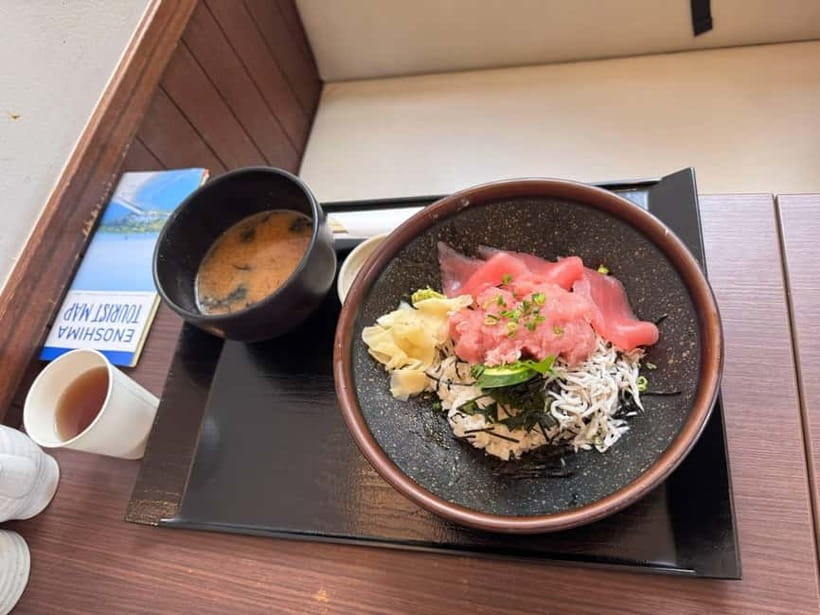
Food is another consideration. Lunch is included only if you select the lunch option. If you do not choose it, Enoshima is a sensible place to buy something, but you should keep your watch in mind. Free time is useful, though it is not unlimited.
The Enoden train along the seaside
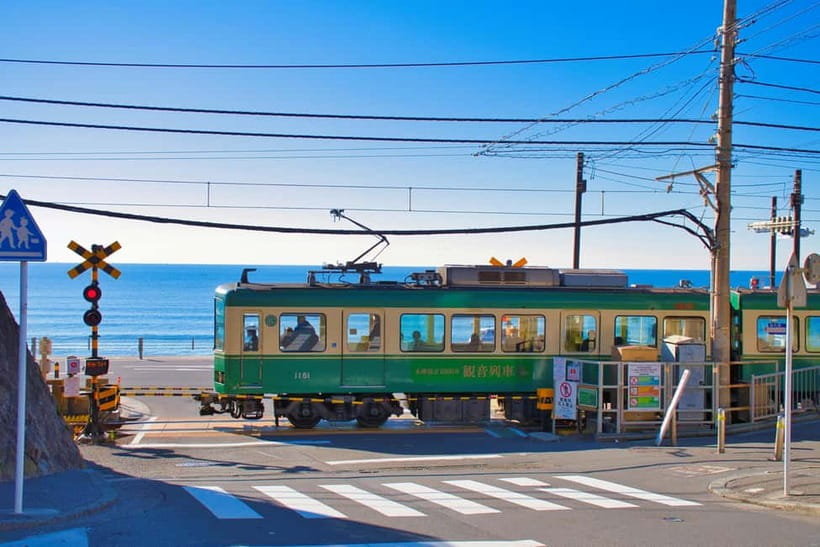
The Enoshima Electric Railway, usually called Enoden, is one of the most memorable parts of the outing. This retro one-car train runs between the coastal area and Kamakura, giving the route a more local feel than traveling everywhere by tour vehicle.
The ride is short but adds character. You may catch views of the glittering ocean, and on a clear day you might see Mount Fuji across the water. The route also passes the famous railroad crossing associated with the anime Slam Dunk.
The train ride matters because it breaks up the bus travel. You are not only being driven from attraction to attraction. You are using a historic-feeling local rail line and seeing how the seaside communities connect.
Do not expect a long scenic railway journey. It is one part of a packed day, and the train can be busy. Still, even a brief ride gives the itinerary a useful change of pace.
Tsurugaoka Hachimangu and Kamakura’s samurai past
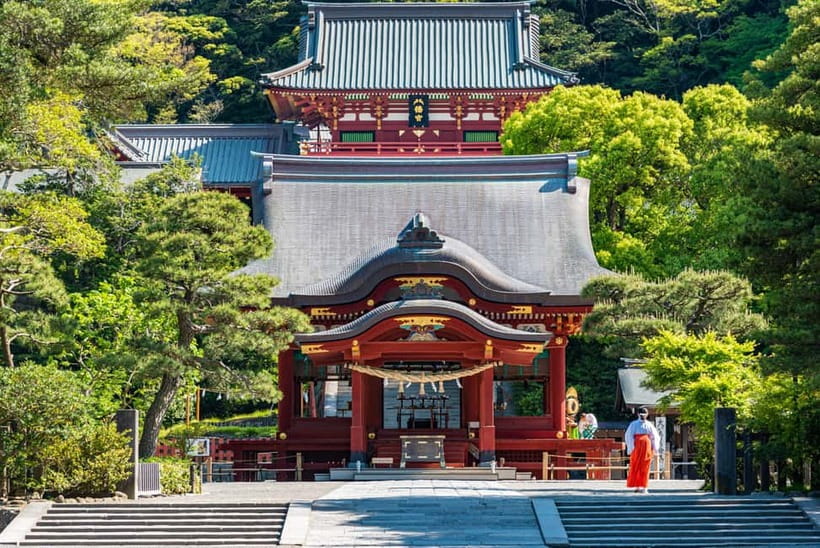
The train brings you to the area of Tsurugaoka Hachimangu, Kamakura’s most important Shinto shrine. It was built more than 800 years ago during the Kamakura Period, when the city was the home base of Japan’s samurai rulers.
The shrine remains a place of worship, so approach it with the same care you would show at any Japanese religious site. Avoid treating the grounds as only a photo backdrop. Follow posted customs, keep your voice down where appropriate, and watch how people use the space.
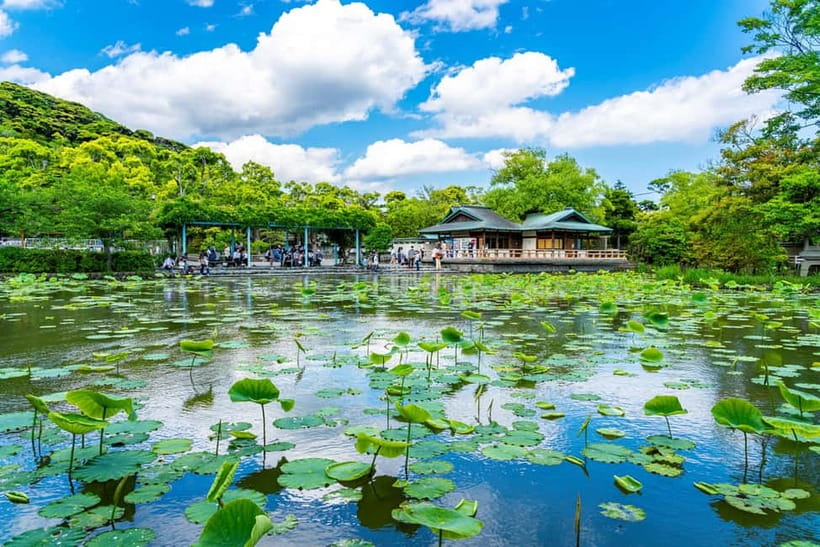
Tsurugaoka Hachimangu is known for its broad approach, shrine buildings, pond, and garden. The setting feels calmer than the shopping streets, even though it is one of Kamakura’s main sights. The annual Yabusame ritual, in which mounted archers shoot at targets from horseback, keeps the shrine connected to its warrior past.
You will have time to look around on your own, and that freedom is one of the tour’s better features. Some people will want to focus on the shrine buildings. Others may prefer the pond and garden, or simply a quiet pause after the busier Enoshima streets.
The main limitation is the same one found throughout the day: you cannot explore every corner at length. If you are deeply interested in Shinto architecture or samurai history, you may want a separate Kamakura visit later.
A few more temple visits around Japan worth a look
- Kyoto: Tea Ceremony Ju-An at Jotokuji Temple
★ 4.9 · 3,207 reviews - Tokyo: Asakusa Walking Tour with Sensoji Temple Visit
★ 4.8 · 1,583 reviews - Kyoto/Osaka: Nara, Fushimi Inari Taisha, Arashiyama Bus Tour
★ 4.7 · 1,275 reviews - Tokyo Panoramic 1 Day: Meiji Shrine, Asakusa, Odaiba and SKYTREE®
★ 4.5 · 1,222 reviews
Komachi-dori, food, and free time
Kamakura’s Komachi-dori shopping street is another useful part of the day. It is a lively pedestrian route filled with places to eat, browse, and buy souvenirs. The street helps you see Kamakura as a living town, not only as a collection of historic sites.
I value free time here because guided sightseeing can become tiring when every stop is explained from one fixed position. You can choose a snack, look for gifts, or simply walk at your own pace. The schedule gives you room to make the visit your own.
At the same time, shopping streets can absorb time quickly. A few minutes spent browsing can turn into a missed meeting point if you are not careful. Keep track of where you need to regroup, especially if you have bought food or are traveling with children.
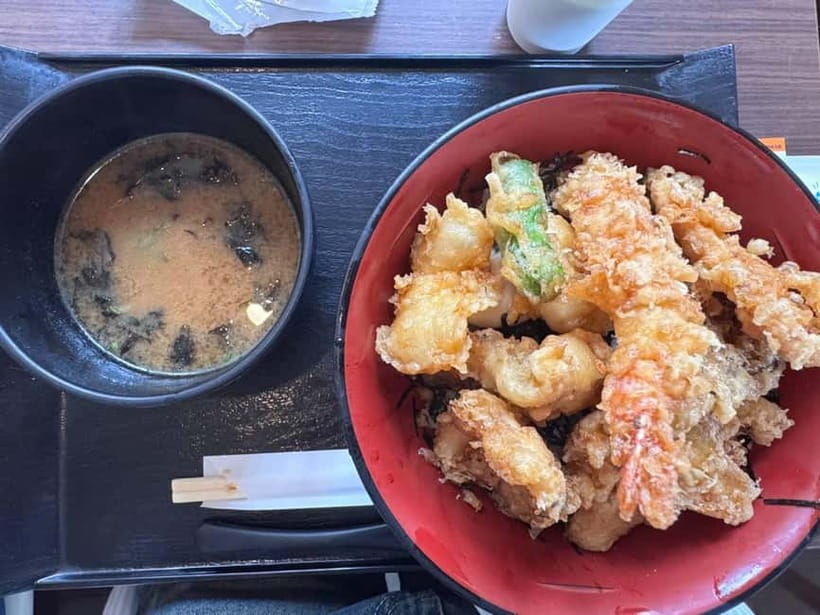
The tour’s lunch option may suit you if you want a predictable meal and fewer decisions. One meal was described as delicious and filling, but the supplied details do not specify the menu. If you choose lunch, check the exact option when booking.
Asakusa and Sensoji under Tokyo Skytree
After Kamakura and Enoshima, the route returns to Tokyo for Asakusa. This is a sharp change of mood. Kamakura offers old capital history and coastal scenery, while Asakusa gives you Tokyo’s retro temple district, traditional shopping, and dense city streets.
The first sight is Kaminari-mon, the large gate associated with Sensoji. From there, Nakamise-dori leads toward the temple, with shops selling snacks, souvenirs, and traditional goods. The street can be crowded, so keep your group and meeting instructions in mind.
Sensoji is Tokyo’s oldest temple, and its traditional architecture looks especially striking with Tokyo Skytree visible in the distance. That contrast is one reason Asakusa works well near the end of this tour. In a single view, you can connect old religious Tokyo with the modern city skyline.
You can choose to remain in Asakusa rather than continue with the group. This is a useful option if you want more time for Sensoji, shopping, or nearby streets. If you stay, remember that the tour’s included Tokyo Metro ticket is intended for the group transfer from Asakusa toward Shibuya.
Shibuya Crossing and the final transfer
The group continues from Asakusa by Tokyo Metro toward Shibuya. The ticket is included, which saves you the trouble of arranging this cross-city transfer after a long day.
Shibuya offers a modern finish after the temples and old streets of the morning. The famous crossing gives you the familiar image of Tokyo as a fast, bright, constantly moving city. It is also a practical place to continue your evening independently.
The activity details say the group disbands in Shibuya. The meeting information also says the activity ends back at the original meeting point, so confirm the final drop-off arrangement before booking. This is a small but important point, especially if you have an evening reservation or need to return to a hotel in another part of Tokyo.
What the $75 price really covers
At $75 per person, the tour offers reasonable value if you want to see several places in one day without arranging separate trains, buses, and admissions. Included items cover the guided Kamakura visit, Great Buddha admission, Enoden ticket, air-conditioned transport, and the Tokyo Metro ride from Asakusa to Shibuya.
Lunch changes the value calculation. Select the lunch option if you prefer convenience and a fixed plan. Skip it if you want to choose your own food in Enoshima or Kamakura.
The tour is less compelling for someone who already knows the rail system and wants long, unhurried visits. Independent travelers can spend a full day in Kamakura and Enoshima alone. You are paying for structure, transport, and the ability to connect four very different areas in one outing.
The strongest value comes from the variety. In one day, you see a monumental Buddha, a seaside island, an electric railway, a samurai-era shrine, a famous temple district, and Shibuya. The price is easier to justify if that range matters more to you than slow sightseeing.
Guide quality and the pace of the day
The tour is offered in English and Japanese. Guide quality may depend on the individual guide. Some guests found the guides helpful and easy to understand, while others found limited English made detailed conversation difficult.
That difference matters because the route itself is strong, but the historical context can be uneven. You will see important places even if the commentary is brief. Still, if you want a detailed explanation of Buddhist architecture, Shinto practice, or samurai politics, ask questions early and clearly.
The day is well suited to people who appreciate a clear plan but still want free time. Several stops allow you to explore independently rather than follow the guide every second. The tradeoff is a tight schedule and significant walking.
Wear comfortable shoes. Bring water. The tour runs in rain unless severe weather prevents it, so a weather check before departure is sensible. Temples and shrines require respectful behavior, and the day includes enough walking that poor footwear will be felt by afternoon.
Infants aged zero to two may join free, but they do not receive a lunch or a bus seat. Families should factor that into their comfort and safety plans.
Who should book this Kamakura and Tokyo tour
I would choose this tour for a first visit to Tokyo when you want to see more than the city center. It is especially useful if you want Kamakura and Enoshima but do not want to work out the rail connections, transfer points, admissions, and timing alone.
It also suits people who like a mix of guided structure and personal time. You receive transport and a broad route, then get space to browse Komachi-dori, Nakamise-dori, Enoshima, and the temple grounds.
I would hesitate if your main goal is a slow visit to one site. The Great Buddha and Enoshima may feel too brief for serious photographers, detailed history fans, or anyone determined to visit the Enoshima observation lighthouse.
The rating information is based on only six reviews, so treat the strong score as a useful signal, not a guarantee of identical guide performance. The most consistent strengths are the clean, safe transport, the range of sights, the free time, and the chance to get beyond central Tokyo.
Should you book it?
Book it if you want a broad, efficient day with Kamakura, Enoshima, Asakusa, and Shibuya in one route. The Enoden ride, Great Buddha, Tsurugaoka Hachimangu, and Sensoji give the day real variety, and the $75 price is fair when you value included transport and admissions.
Choose another plan if you want to spend half a day at Enoshima, climb to the lighthouse, or study Kamakura’s temples in detail. Before paying, confirm the lunch choice, the expected final stop, and how much English commentary will be available on your departure date.
FAQ
Where does the tour start?
Meet at 7:30 in front of the Shinjuku Center Building, at the red brick entrance in front of a taller white building. It is about a seven-minute walk from JR Shinjuku Station.
What time does the bus leave?
The bus departs strictly at 7:40. Look for a LIMON staff member wearing a yellow jacket, vest, or shirt.
Is hotel pickup included?
No. You must travel to the Shinjuku meeting point independently.
Is lunch included?
Lunch is included only if you select the lunch option when booking.
What is included in the tour price?
The tour includes guided sightseeing in Kamakura, Great Buddha admission, the Enoden Electric Railway ticket, air-conditioned transportation, and a Tokyo Metro ticket from Asakusa to Shibuya.
Can I enter the Great Buddha?
Yes. Entry to the statue costs an additional 50 yen, paid on site.
Is the tour offered in English?
Yes. The tour is offered in English and Japanese.
Can infants join the tour?
Infants aged zero to two may participate free of charge, but they do not receive lunch or a bus seat.
Can I stay in Asakusa instead of going to Shibuya?
Yes. You can choose to remain in Asakusa or continue with the group toward Shibuya. The provided meeting information gives conflicting details about the final return point, so confirm the ending arrangement before departure.
Just added around Japan
- Private guided tour: Mt. Aso volcano, grasslands, Aso Shrine★ 5.0 · 19 reviews
- From Asakusa: Old Tokyo, Temples, Gardens and Pop Culture★ 5.0 · 47 reviews
- Goshuin Collecting tour at Asakusa Local Temples & Shrines, Tokyo★ 5.0 · 8 reviews
- Tokyo:Nikko UNESCO World Heritage Sites Private 1-Day Tour★ 3.8 · 6 reviews
- Tokyo Yokohama Night View Tour With Kamakura And Enoshima★ 3.5 · 14 reviews
- Tokyo: Snow Monkey Park and Zenkoji Temple Private Day Tour★ 4.7 · 127 reviews
- Tokyo War History Tour: Yasukuni Shrine & War Museum★ 4.5 · 6 reviews
- Tokyo to Nikko: Exclusive Private Day Trip★ 4.8 · 6 reviews
Nikko & Kamakura Day Trips, compared.
Kamakura & Enoshima Day Trip including Temple Tickets
Read our review →
Nikko Toshogu Shrine and Kegon Waterfall Tour
Read our review →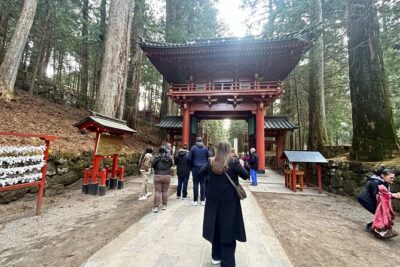
Nikko, Kegon Waterfall & Chuzenji Lake from Tokyo
Read our review →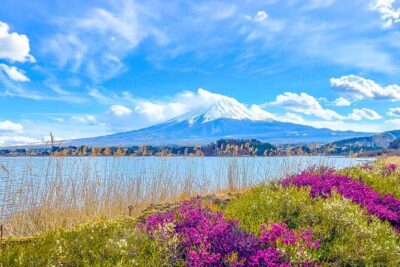
Mount Fuji, Kamakura, Big Buddha, & Lake Ashi Day Trip
Read our review →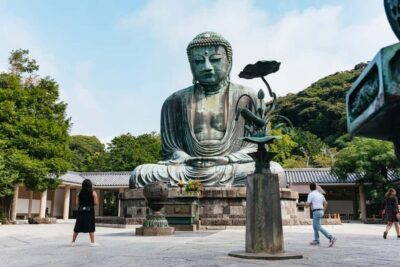
Mt. Fuji, Kamakura, Big Buddha, & Lake Ashi Day Trip
Read our review →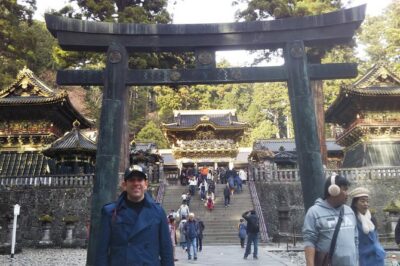
Nikko Full-Day Private Tour with Government-Licensed Guide
Read our review →
Browse the lists this tour appears in