
REVIEW · ROME TEMPLE TOURS
Rome underground hidden temples, ruins, and secret basilicas
Rome’s most striking underground story waits beneath an ordinary church near the Colosseum. At San Clemente, you walk down through a medieval basilica, a fourth-century church, and a first-century Roman house with a secret Mithraic temple. It is a rare place where Rome’s past is stacked one layer below the next.
I especially like the combination of Michelangelo’s Moses and the gladiator school ruins before the underground visit. I also like the choice between a private guide and a self-guided audio tour in five languages. The main drawback is practical: stairs, uneven floors, and narrow underground spaces make this unsuitable for wheelchair users, and the experience may last anywhere from one to two and a half hours depending on the option you choose.
Key points to know before you book
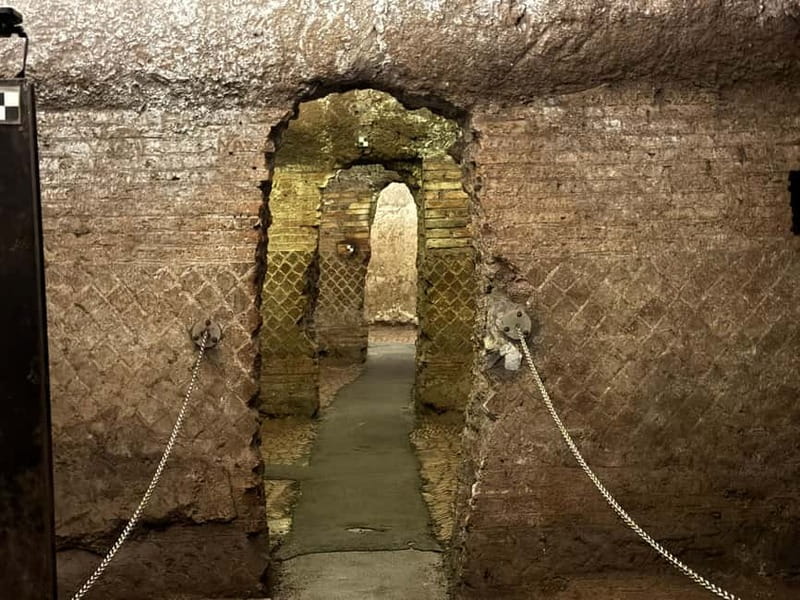
- San Clemente goes three levels underground: You move from a decorated 12th-century basilica to a fourth-century church, then to a first-century Roman house and Mithraeum.
- Michelangelo’s Moses is part of the guided route: The visit to San Pietro in Vincoli adds one of Rome’s great sculptures and the chains traditionally associated with St. Peter.
- The Ludus Magnus connects to Colosseum history: You see the ruins of the gladiators’ training complex, once linked to the arena by underground passages.
- You can choose your pace: The private guided option covers all three main sites, while the audio option focuses on San Clemente.
- The walking is short but not effortless: No transport is provided between stops, and underground stairs and uneven surfaces are unavoidable.
- Church clothing rules are strict: Knees and shoulders must be covered for everyone entering the churches.
Why Rome’s underground history feels different
The Colosseum is Rome at full volume: huge, famous, and usually crowded. This experience takes you a few streets away and changes the scale completely. Instead of looking up at imperial monuments, you look down through layers of ordinary life, worship, and power.
That change matters. Ancient Rome is not only marble arches and emperors. Beneath San Clemente, you find evidence of changing religions, reused buildings, private homes, and ceremonies that were once kept from public view. The sites do not feel like separate museum rooms. They form a physical timeline under your feet.
The route is offered as a private guided tour in English, with guides also available in Spanish, Italian, and French, or as an audio-guided visit to San Clemente in English, Italian, Spanish, French, and German. Check exactly which version you are booking. The private option includes San Pietro in Vincoli, the Ludus Magnus, and the full San Clemente visit. The audio option includes admission to San Clemente and access to its three underground levels, but it does not provide the same guided walk through the other two locations.
At $31 per person, the price is reasonable for the private option if you want several major stops with admission tickets included. For the audio option, value depends more on how much structure and personal explanation you want. You are paying for access and interpretation rather than transport, since all three sites are reached on foot.
A few more temple visits around Italy worth a look
- Agrigento: Valley of the Temples Skip-the-Line Sunset Tour
★ 4.5 · 1,512 reviews - Pantheon Elite Guided Tour – Rome’s Iconic Ancient Temple
★ 5.0 · 1,447 reviews - Palermo: Agrigento and the Valley of the Temples Day Tour
★ 4.2 · 1,240 reviews
San Pietro in Vincoli and Michelangelo’s Moses
The tour begins at one of two possible meeting points, Via Labicana 96 or Piazza di San Pietro in Vincoli. Confirm your exact starting point before setting out, because the meeting location depends on the option booked.
San Pietro in Vincoli is a modest church with a major surprise inside. Its name means St. Peter in Chains, and the church displays two sets of chains traditionally connected with the apostle. The more famous attraction is Michelangelo’s Moses, created for the tomb of Pope Julius II.
You will have about 20 minutes here on the guided option. That is enough time to see the sculpture and hear the basic story, but it is not a long art-history lecture. Look closely at the details: Moses is seated, muscular, and alert, with a powerful expression that makes the marble feel almost alive. The statue rewards a slower look, so do not spend the entire stop taking quick photographs.
This first visit also gives the tour a useful rhythm. You begin with a celebrated work of Renaissance art, then move backward into ancient Roman public life and early religious history. The contrast keeps the route from becoming a string of similar ruins.
Church rules apply here. Your knees and shoulders must be covered, for both men and women. This rule is enforced, so dress with the next stop in mind rather than treating it as a quick sightseeing detour.
The Ludus Magnus and Rome’s gladiator system
The next stop is the Ludus Magnus, the ruins of an ancient gladiator training complex. The site sits close to the Colosseum, and the connection is the key to understanding it. Gladiators trained and lived here before appearing in the arena. Underground passages linked the school with the Colosseum, allowing fighters and equipment to reach the games without crossing the public streets.
The guided visit lasts about 15 minutes. That sounds short, but the ruins are best understood through their relationship to the arena. You are not entering a restored training center with rooms filled with objects. You are looking at the surviving remains and using the guide’s explanation to picture the original purpose.
This is a good stop for anyone drawn to the human side of Roman entertainment. The Colosseum often gets reduced to a grand architectural icon. The Ludus Magnus reminds you that the spectacle depended on a working system of training, housing, movement, and control.
There is also a practical limitation. The ruins are viewed from the route rather than explored as a large walk-through complex. If you expect an extensive gladiator museum, adjust your expectations. The value comes from the setting and the story, especially when you visit the Colosseum separately or have just seen it nearby.
The short walking distance between stops is manageable for most people who are comfortable on city streets. Still, wear proper shoes. Rome’s pavement can be uneven, and the underground portion adds stairs later in the visit.
San Clemente’s three buried churches
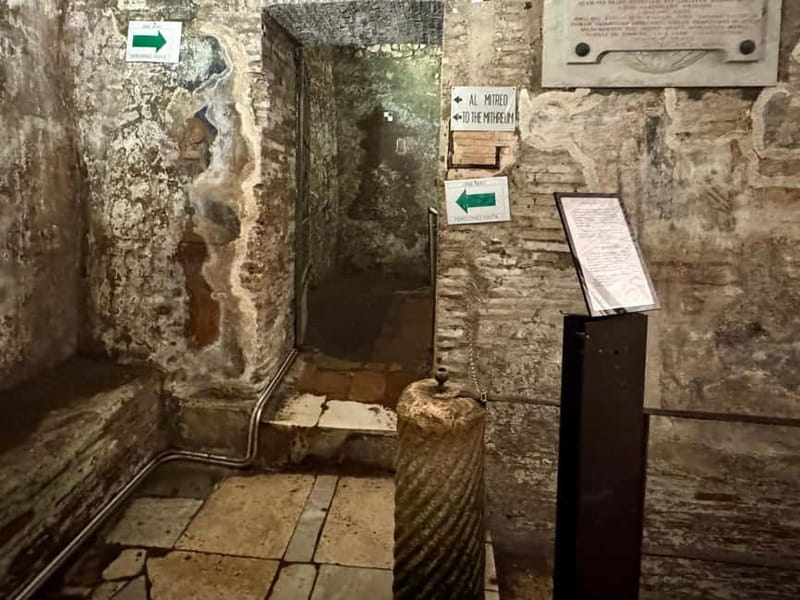
San Clemente is the main event. From the street, it looks like a historic church. Below it, the building becomes a three-level record of Rome’s changing faith and daily life.
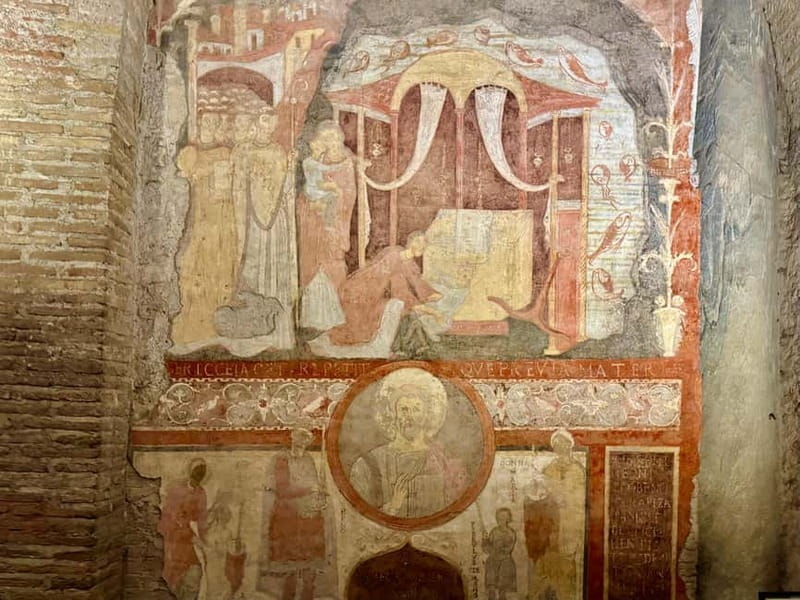
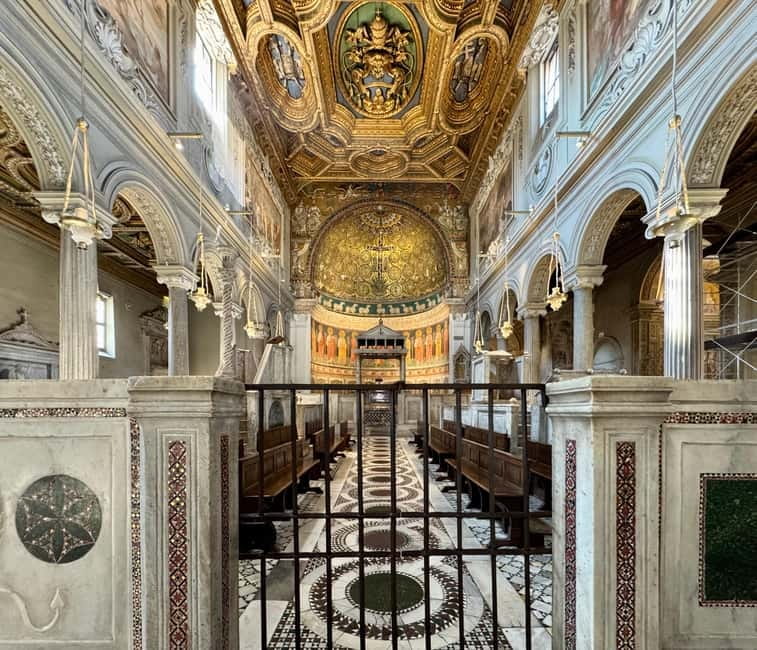
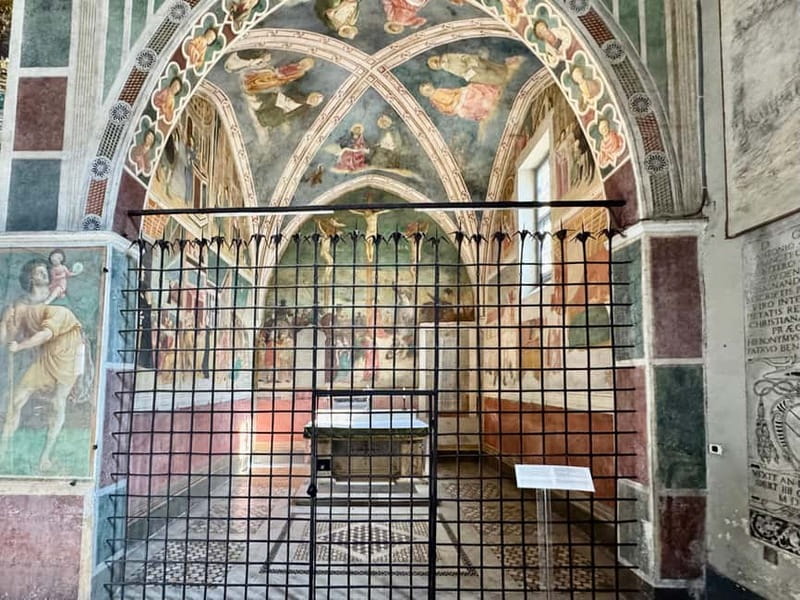
You begin in the 12th-century basilica, where mosaics and other decoration give the upper church a formal, richly finished appearance. This is the level most people would see during a normal church visit, and it gives you a useful starting point before you descend.
The next level is a fourth-century church, buried when the later basilica was built above it. The atmosphere changes as the decoration becomes more restrained and the walls reveal a different period of Christian worship. The important idea is not simply that the church is old. It is that one church was physically covered by another, preserving an earlier place of worship beneath the floor.
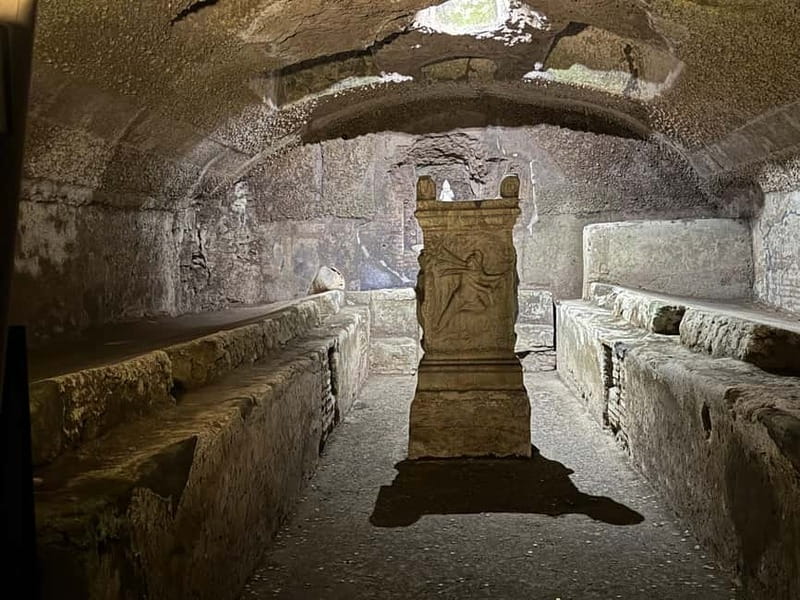
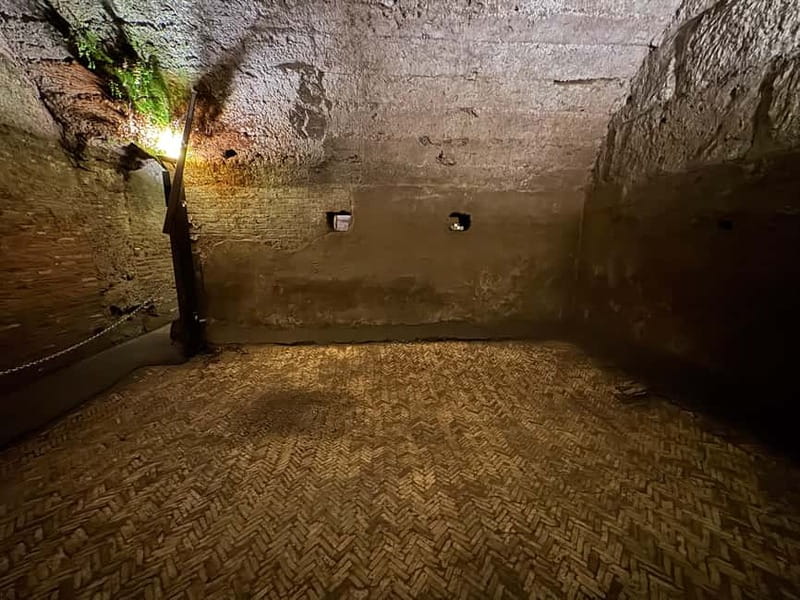
At the lowest level, you reach a first-century Roman house and the Mithraeum. The Mithraic religion centered on the god Mithras and was practiced through private rites. This was not a public civic temple in the same way as Rome’s large state monuments. The setting helps you understand how several religious traditions occupied the same city, sometimes openly and sometimes in small, private communities.
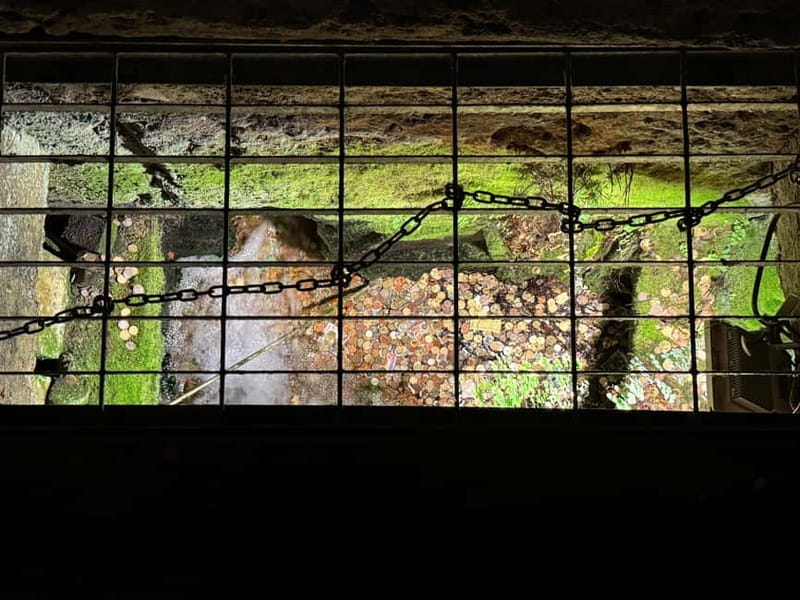
You may hear the sound of water below. The underground remains include a Roman house and passages that give the lower level a more enclosed, archaeological feel. Keep in mind that the experience is not designed for unrestricted touching, even though the layers are close enough to feel physically immediate. Follow the site’s instructions and take care on the stairs.
The full guided visit to San Clemente takes about 45 minutes. That is a useful amount of time for orientation, but the lower levels can reward more attention than a schedule allows. If you are fascinated by ancient religion, Roman building methods, or early Christianity, you may prefer the audio option’s self-guided pace. If you want a clear narrative linking the levels, the private guide is the better fit.
Same country, a different morning at the gates:
- Rome’s Iconic Temple: Pantheon Audio Guided Tour with Fast Access
★ 4.0 · 1,188 reviews - Agrigento: Valley of the Temples Ticket & App Audioguide
★ 4.3 · 1,160 reviews - Colosseum Special Access Tour, with Ancient Temples & Tombs
★ 4.8 · 747 reviews - Agrigento: Valley of the Temples E-Scooter Tour
★ 4.6 · 557 reviews
Private guide or audio tour?
The two formats serve different kinds of visitors.
The private guided tour is the stronger choice if you want the whole route. You receive a guide in English, with Spanish, Italian, and French also available, and the tour includes all entrance tickets. You visit San Pietro in Vincoli, the Ludus Magnus, and San Clemente in one connected walk.
A private guide can also help you make sense of the transitions. Without explanation, Moses, gladiator ruins, and a Mithraeum may feel like three unrelated sights. With a good route narrative, they become a compact look at Rome’s art, arena culture, Christianity, and private religious life.
The audio-guided option is better if you prefer independence or need one of the five listed audio languages. It focuses on San Clemente, and you can move at your own pace through the three underground levels. A published assessment specifically praises the phone audio visit for being clear and for revealing a larger-than-expected underground site. That makes this version a sensible choice if you want focused information without committing to a private walk.
Bring your own headphones. You also need a smartphone made in 2020 or later with a current operating system for the best app performance. Older phones may have compatibility or playback problems. This is a small detail, but it can decide whether the audio option feels easy or frustrating.
Timing, walking, and what to wear
The advertised duration ranges from one to two and a half hours. The difference comes from the format, starting point, and pace. The guided itinerary itself includes roughly 20 minutes at San Pietro in Vincoli, 15 minutes at the Ludus Magnus, and 45 minutes at San Clemente, plus walking and transitions.
No hotel pickup, drop-off, food, drinks, or transport between sites is included. You walk between the locations, all of which are near the Colosseum. That keeps the price down and suits anyone already sightseeing in central Rome, but it means you should not schedule this immediately after a tiring long-distance excursion.
Wear comfortable walking shoes. Underground floors can be uneven, and stairs are part of the San Clemente visit. The experience is not wheelchair accessible and is not suitable for wheelchair users, people using walking frames, or anyone relying on a non-folding or electric wheelchair.
A passport or identity card should be brought. Large bags and luggage are not allowed, and pets and smoking are prohibited. The tour runs in all weather, so dress for the walk outside even though much of the main visit is indoors.
Is $31 a fair price?
For the private option, $31 per person is a good price if all listed admissions are included and you want a guide to connect three sites. You are not just buying entry to one underground church. You are getting a short art stop, an archaeological stop, and the full San Clemente descent.
The value is lower if you are interested only in the underground basilica and do not need a guide. In that case, the audio option may give you the right balance of access and freedom. It also lets you spend more time on the lower levels without trying to keep pace with a group.
The tour does not include the Colosseum itself. That is important. You see the nearby gladiator school ruins and learn about the connection, but this experience is not a substitute for a Colosseum ticket.
Free cancellation is available up to 24 hours before the start, and you can reserve now and pay later. Those policies help if your Rome schedule is still shifting, but the practical questions matter more: confirm the meeting point, select the correct tour type, and make sure your clothing meets church requirements.
Who should book this underground Rome experience?
I would recommend the private version to first-time Rome visitors who want a compact route with strong historical variety. It works especially well after seeing the Colosseum, because the Ludus Magnus and its underground connection add context that the arena alone cannot provide.
It also suits repeat visitors who have already covered the major monuments and want a quieter, more unusual side of the city. San Clemente is the real reason to book, while Moses gives the tour a strong opening and the gladiator school provides a useful bridge to ancient Rome.
Choose the audio version if you value personal pace, need German as an audio language, or want to concentrate only on San Clemente. Skip the experience if stairs and uneven underground floors will make the visit difficult, or if your main goal is a long, detailed tour of the Colosseum itself.
FAQ
Where does the tour start?
The meeting point may be Via Labicana 96 or Piazza di San Pietro in Vincoli, depending on the option booked. Confirm the exact location when you make your reservation.
How long does the experience last?
The duration is listed as one to two and a half hours. The exact length depends on the selected option, start time, walking, and pace.
What sites are included in the private guided tour?
The private tour includes San Pietro in Vincoli, the Ludus Magnus, and the Basilica of San Clemente with its three underground levels.
What can I see at San Pietro in Vincoli?
You can see Michelangelo’s Moses and the two sets of chains traditionally associated with St. Peter.
What is the Ludus Magnus?
The Ludus Magnus was an ancient gladiator training complex near the Colosseum. It was connected to the arena by underground passages.
What is below the Basilica of San Clemente?
The lower levels include a fourth-century church, a first-century Roman house, and a Mithraeum associated with the worship of Mithras.
Is there an audio-guided option?
Yes. The audio option includes entry to San Clemente and access to its three underground levels. Audio is available in English, Italian, Spanish, French, and German.
What phone do I need for the audio tour?
A smartphone made in 2020 or later with the latest operating system is recommended. Older devices may have app compatibility or playback problems.
Are headphones provided?
Headphones are not listed as included. Bring your own headphones for the best audio quality.
Is the tour wheelchair accessible?
No. The underground areas have stairs and uneven surfaces, and the experience is not suitable for wheelchair users.
Just added around Italy
- Cooking Class in a former Artist Monastery in the Heart of Monopoli★ 5.0 · 18 reviews
- Agrigento Valley of the Temples Archaeological Area★ 4.0 · 33 reviews
- Private transportation to the Valley of the Temples + Agrigento★ 5.0 · 8 reviews
- Agrigento: Valley of the Temples Entry Ticket & Audio Guide★ 3.0 · 40 reviews
- Rome: Temples, Squares & Markets Guided Walking Tour★ 4.8 · 26 reviews
- Paestum: Temples and Museum Tour with Archaeologist Guide★ 5.0 · 14 reviews
- Paestum: 2-Hour Greek Temples & Archaeological Museum★ 4.8 · 19 reviews
- Paestum Tour: Best Preserved Temples in the World (UNESCO)★ 4.5 · 11 reviews
Rome Temple Tours, compared.
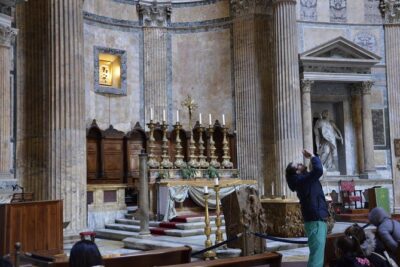
Pantheon Elite Guided Tour – Rome’s Iconic Ancient Temple
Read our review →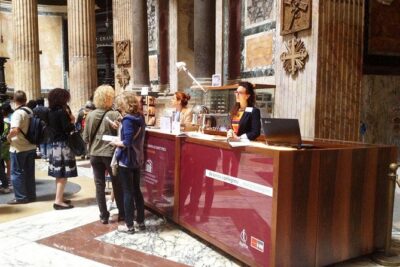
Rome’s Iconic Temple: Pantheon Audio Guided Tour with Fast Access
Read our review →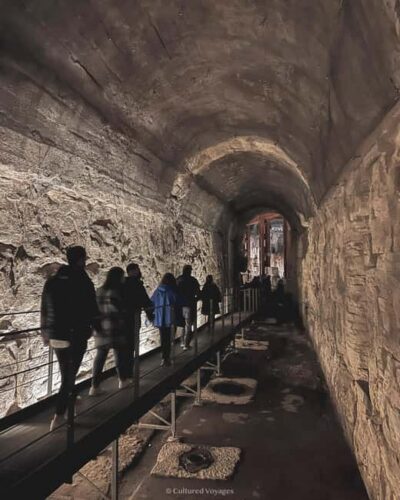
Colosseum Special Access Tour, with Ancient Temples & Tombs
Read our review →
Walking Guided Tour and Rome’s Iconic Temple Pantheon Entrance
Read our review →
Rome’s Iconic Ancient Temple: Pantheon Fast Track Entry Tickets
Read our review →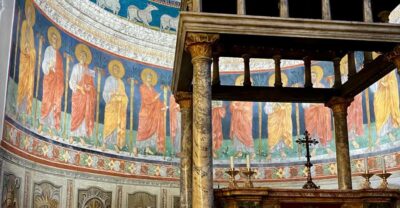
Tour of St. Clement’s Basilica Underground Temples
Read our review →
Pantheon: The Iconic Ancient Roman Temple – Semi-Private Tour
Read our review →
Pantheon Private Guided Tour – Rome’s Iconic Ancient Temple
Read our review →Browse the lists this tour appears in