
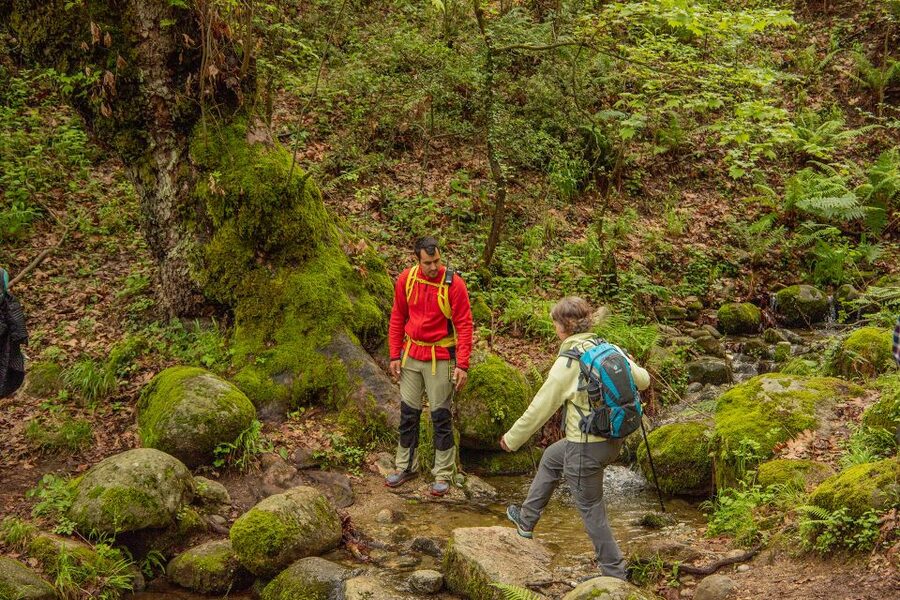
REVIEW · METEORA MONASTERY TOURS
Kalabaka: Meteora Small-Group Hiking Tour w/ Monastery Visit
Meteora is best understood on foot, where the sandstone pillars rise around you and old trails lead past hermitages, ruins, caves, and monastery walls. This five-hour morning hike starts with a short ride from Kalabaka and takes you into the quieter corners of the site before visiting one of its famous monasteries.
I like the traditional footpaths and the way local guides connect geology, plants, wildlife, history, and legend. I also like the value: at $35, you get transport, a guide, water, and a full half-day of walking. The catch is that this is a real hike, not a stroll, with rocky ground, uphill sections, and a steep descent from the monastery.
Key points to know
- The route begins at Kastraki Square, then reaches Dupiani Hermitage and several historic monastery sites.
- You visit one monastery, usually Great Meteoron or Varlaam, with about an hour to explore.
- The best views come between the stops, not only from inside the monastery.
- Guides such as Christos, Evan, and Dimitris are praised for local stories, flexible pacing, and clear explanations.
- Most of the route is moderate, but steep steps, loose rock, and the descent require proper shoes.
- The $35 price is strong value, but monastery entry costs an extra €5 per person.
Why walking is the right way to see Meteora
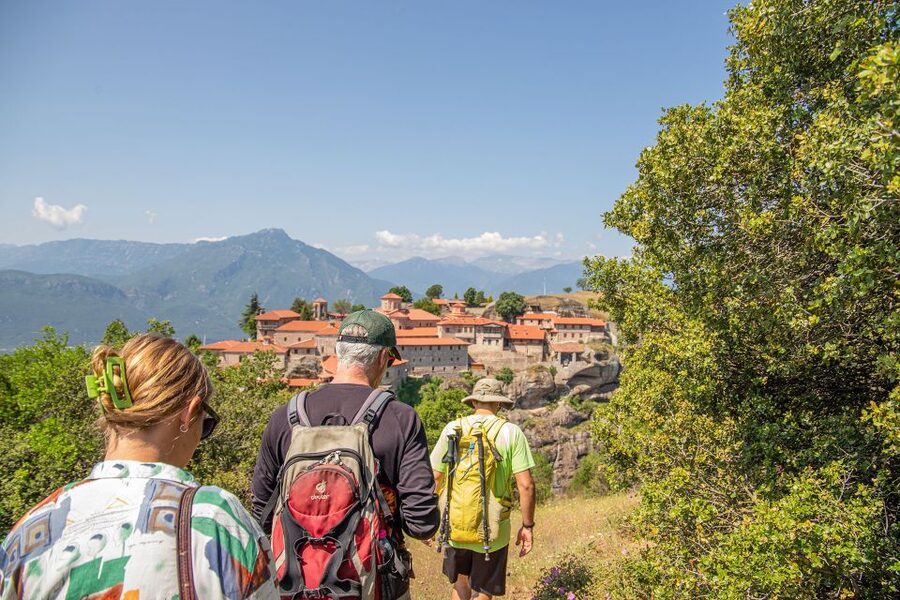
Meteora can be viewed from a bus or car, but that gives you only the broad picture. On foot, you notice the strange grooves in the sandstone, the small caves, the changing color of the rock, and the narrow paths once used by monks and local people.
The route also gives you time to stop. Your guide may point out plants, lizards, turtles, or other local wildlife, then shift naturally to the story of a ruined monastery or the way hermits once lived among the cliffs. That mix gives the morning more texture than a simple succession of photo stops.
This is not a technical mountain trek. Several people in their 60s and 70s have completed it, and guides adjust the speed for the group. Still, you need a reasonable level of fitness. The trail includes hills, stone steps, uneven paths, and a descent that can feel harder than the climb.
More Meteora Monastery Tours in Greece:
- Athens: Meteora Monasteries Day Trip with Caves and Lunch
★ 4.7 · 4,670 reviews - Athens to Meteora: Monasteries, Caves & Seaside Stopovers
★ 4.7 · 2,958 reviews - Athens: Meteora Monasteries, Caves & Coastal Stopovers with Lunch
★ 4.5 · 1,432 reviews
From Kalabaka to Kastraki Square
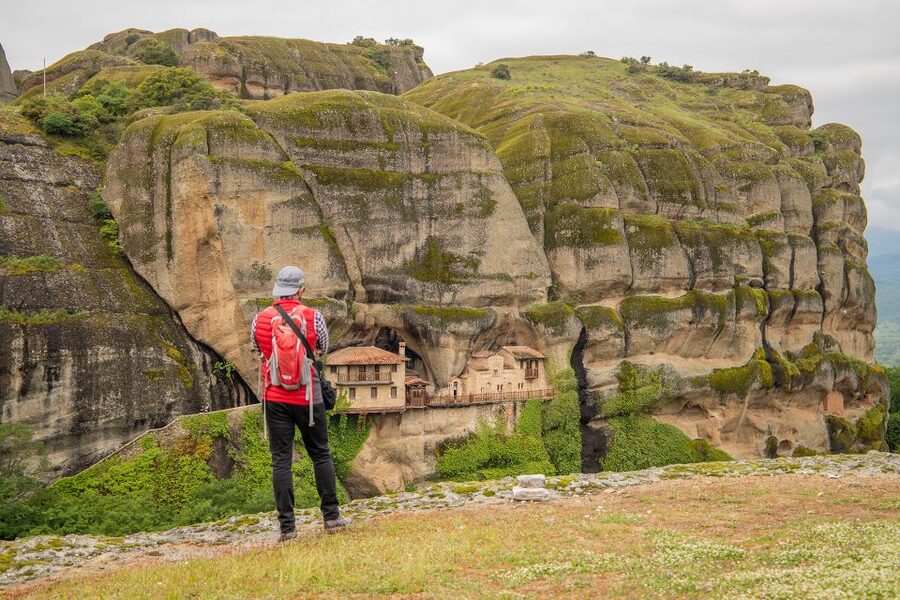
Pickup is available from many hotels and guesthouses in Kalabaka and Kastraki, including Hotel Dellas Boutique, Doupiani House, Hotel Meteora, Hotel Tsikeli, Villa San Giorgio, and Guesthouse Arsenis. The ride to the trailhead takes about 10 minutes, so very little of your morning is spent in the vehicle.
The walk begins at Kastraki Square, a useful starting point because you are quickly among the rocks rather than waiting beside a road. Your guide provides a map and bottled water. Some guides also carry walking poles, or make one available when a member of the group needs extra support.
The morning timing matters. Starting early usually means cooler air and fewer people on the paths. Much of the route is shaded, which helps in summer, though June, July, and August can still be warm. Bring your own snack, a hat, and more water if you normally drink a lot while hiking.
Dupiani Hermitage and the first sandstone views
From Kastraki, the trail heads toward Dupiani Hermitage. This is one of the first places where the setting begins to make sense. The rocks are not simply tall cliffs behind the monasteries. They form a maze of towers, shelves, and narrow gaps, with paths threading between them.
The route passes below the ruined Pantokratoros Monastery on the north side of Dupiani Rock. You do not get the polished interior experience here. Instead, you see the remains as part of the rock itself, which helps you understand how difficult and isolated religious life could be in this area.
This portion is also where a good guide earns the fee. Christos, Evan, Dimitris, Chris, and other guides have been praised for explaining the plants, animals, geology, and local stories without turning the walk into a lecture. You can ask questions as you go, and the pace allows time to look around.
Ypapanti Monastery and the ruins of St. Dimitrios
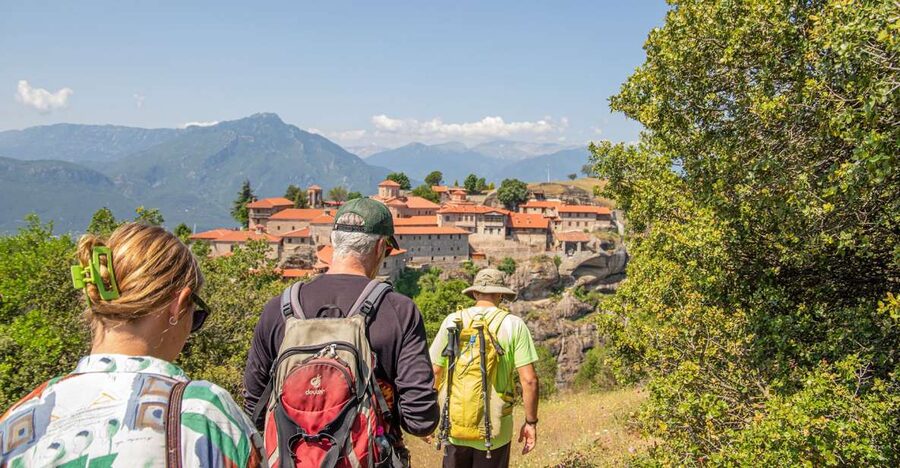
The trail continues toward Ypapanti Monastery and the ruins of St. Dimitrios. Ypapanti is built into the rock, so the approach feels very different from arriving at a large monastery by road. The setting shows how monks used natural shelves and hollows in the cliffs rather than simply placing buildings on open ground.
You also pass the remains of St. Dimitrios, destroyed by Ottoman forces in 1808 during a local uprising. The ruins are not just another old wall to photograph. They give your guide a chance to explain how political conflict affected religious communities in Meteora.
This is one of the tour’s best features: the walk connects places that would otherwise seem separate. You hear about a monastery, then see the path, cliff, or hidden ledge that explains why it was built there. The setting does much of the teaching, and you are not expected to absorb all the information in one formal speech.
More Hikes and Treks in Greece:
- Meteora Small Group Hiking tour with Transfer and Monastery Visit
★ 5.0 · 484 reviews - Meteora: Hiking Tour with Local Guide and Monastery Visit
★ 4.8 · 20 reviews - Fushimi Inari Hidden Hiking Tour (Private Option Available)
★ 5.0 · 1,750 reviews - From Barcelona: Montserrat Monastery, Easy Hike, Cable Car
★ 4.9 · 1,021 reviews
The climb toward Great Meteoron and Varlaam
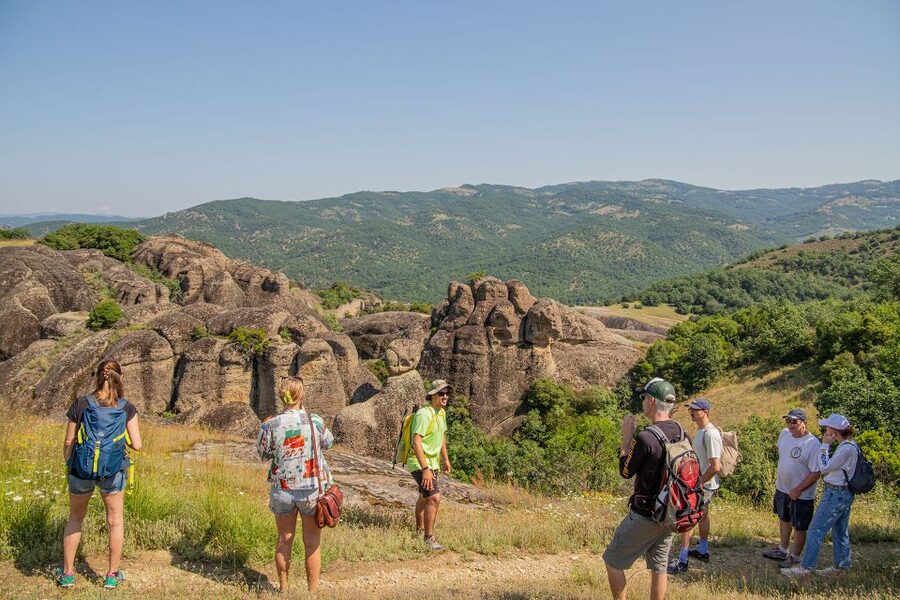
From the lower trails, the route climbs toward the two major monasteries on the itinerary: Great Meteoron and Varlaam. These are two of Meteora’s six Eastern Orthodox monasteries, all included within the UNESCO World Heritage Site.
The climb is manageable for people who are comfortable walking uphill, but it is not flat or effortless. Some sections are rocky, and the final approach can include steep steps. Wear sneakers with a firm sole or walking boots. Sandals and flip-flops are specifically unsuitable, especially on the descent.
The reward is a series of changing views. You see sandstone pillars from different angles, with the monastery buildings appearing and disappearing as the trail bends. Several people describe the route as mostly easy, but those same accounts point out that the downhill section can be challenging. Plan for a moderate hike, not a casual sightseeing walk.
One monastery, not a full monastery circuit
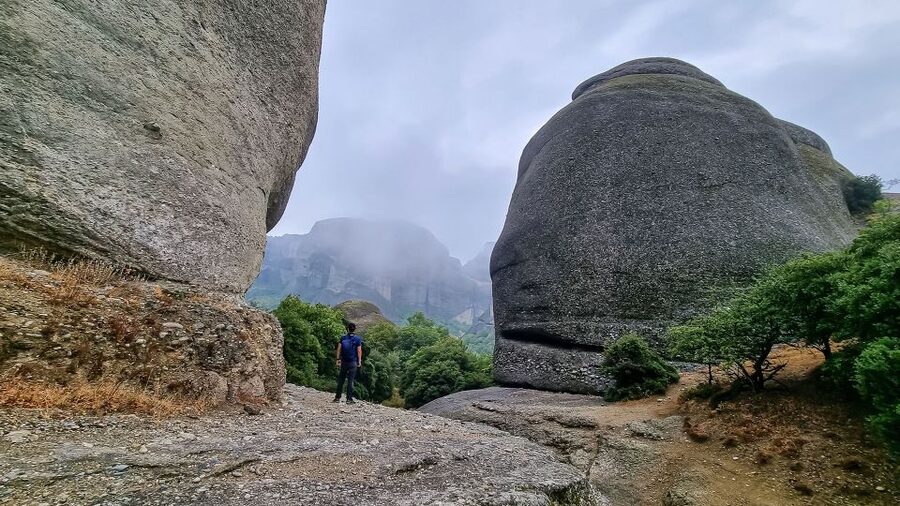
The tour allows about an hour at Great Meteoron or Varlaam. The exact monastery can vary, so check the departure details when booking if one matters more to you.
The visit is partly self-guided. Your guide takes you to the monastery and explains what to notice, but a guide inside the monastery is not included. This is important because the experience is designed around the walk and the outdoor setting, not a detailed indoor tour of several monasteries.
Admission is also extra at €5 per person for each monastery visited. Add that cost to the $35 tour price. Even so, the total remains reasonable for a half-day outing that includes hotel pickup, transport, guiding, water, and access to a major Meteora monastery.
Dress modestly. Sleeveless shirts are not allowed under the stated clothing rules, and you should bring cash for the entry fee. The monastery visit is a religious and cultural stop, so respectful clothing is part of being prepared, not a minor detail.
What to look for inside Great Meteoron or Varlaam
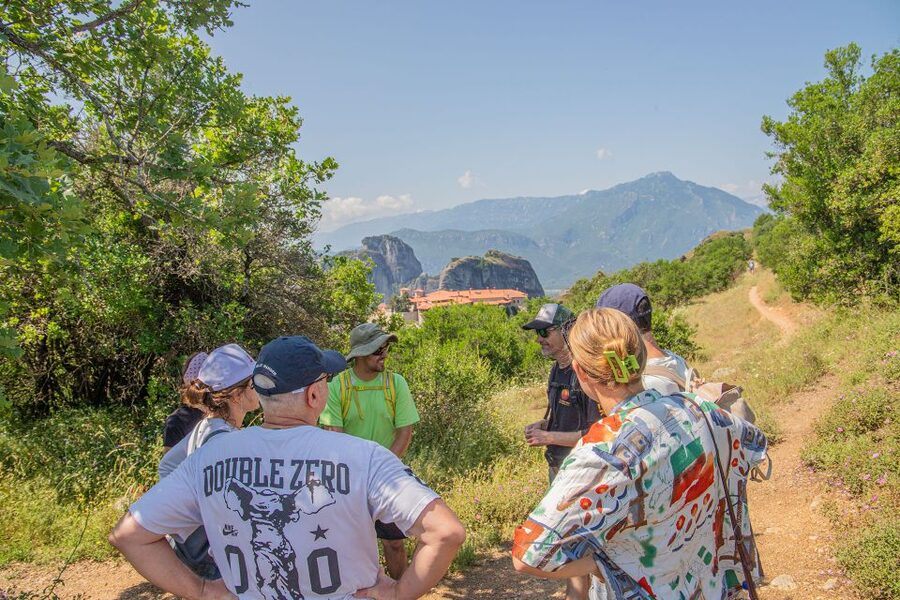
Your guide can point out the most worthwhile features before you enter, which helps because an hour passes quickly. Look for the relationship between the buildings and the cliff, the views from the monastery grounds, and the way the complex seems to grow directly from the rock.
You should not expect a private guided explanation in every room. Instead, use the time to explore at your own pace, take in the views, and visit the areas open to the public. Some people prefer this balance because they get focused outdoor interpretation followed by a little freedom indoors.
If your main goal is to visit several monastery interiors, this tour may feel limited. The route is built around one monastery visit and several outdoor viewpoints. For a first introduction to Meteora, that trade-off works well because you see more of the surrounding area than you would on a monastery-only outing.
The descent to St. George the Madilas
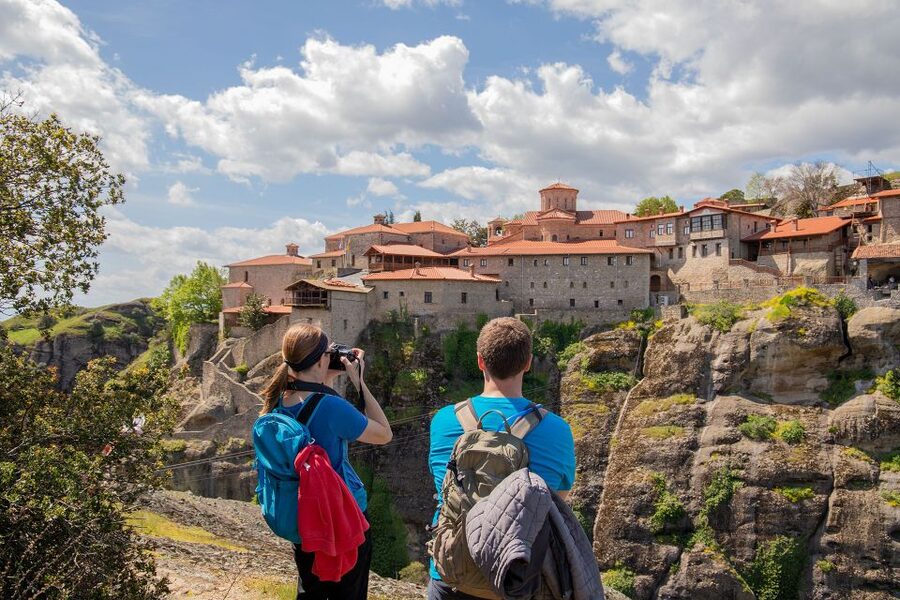
After the monastery visit, the route goes down from Varlaam toward St. George the Madilas. This section deserves respect. Descending on uneven ground can be tougher on the knees than walking uphill, and the trail may feel slippery if wet.
St. George the Madilas is known for a local custom in which children climb with only a rope to leave offerings to St. George. You see the place connected to that tradition, and the guide explains why it matters locally. It is an unusual stop that adds a human story to the grand views and monastery architecture.
The trail then continues through more of Meteora’s natural setting before returning to the vehicle. Depending on the pace and conditions, the walking portions total several hours. The published schedule allows about two and a half hours for the main Meteora hike, one hour at the monastery, and another hour of walking.
The guides make the difference
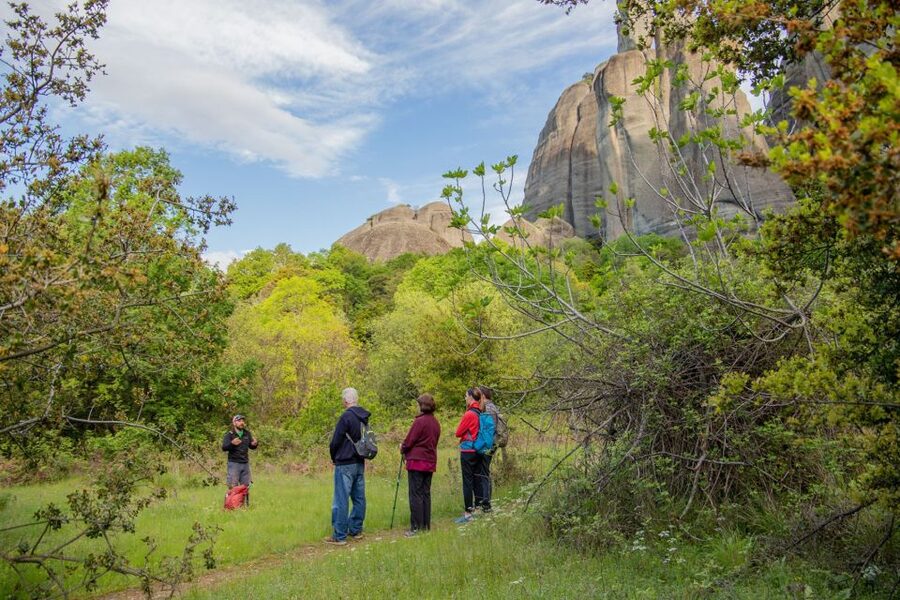
The strongest part of this experience is the guiding. Christos is described as warm, funny, and well informed about the area. Evan is praised for keeping an easy pace and explaining history, nature, and local life in clear English. Dimitris is noted for adjusting the route and speed to suit different fitness levels.
That matters in a mixed small group. One person may want to stop for photographs, another may be focused on reaching the next viewpoint, and someone else may need a short rest. The guides have shown a willingness to pause, offer walking poles, and keep the group together without making the morning feel rushed.
The information also goes beyond monastery dates. You can expect stories about local myths, the geology of the sandstone, plants and animals, climbing traditions, and the way people once moved through the area. The result feels more personal than simply following a marked road from one viewpoint to another.
Price, pace, and practical value
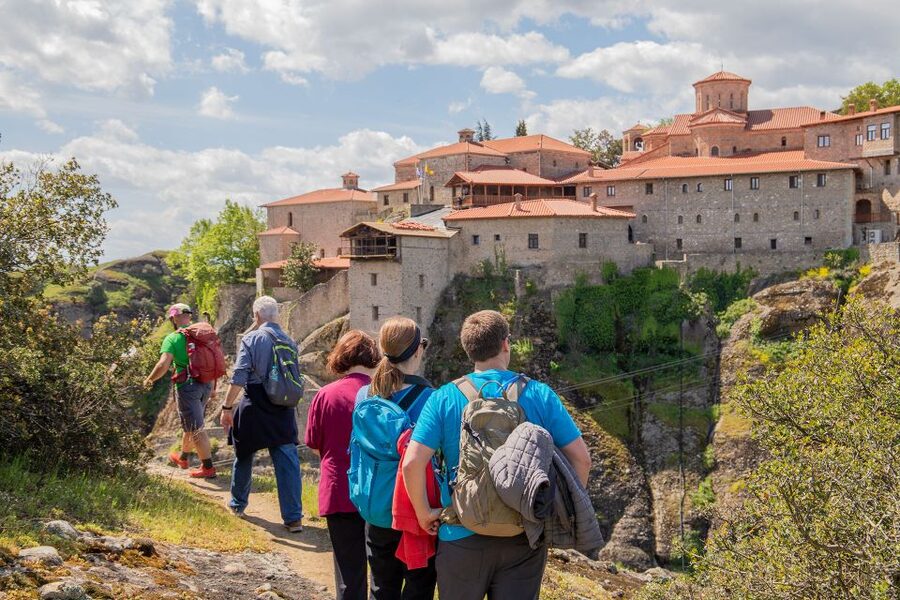
At $35 per person, this is one of the better-value ways to see Meteora if you want both exercise and interpretation. Hotel pickup and drop-off remove the need to arrange transport to Kastraki, while the guide gives you access to traditional paths that would be difficult to find alone.
The extra cost is the monastery ticket, €5 per person for each monastery visited. Food is not included, so carry a snack. Water is provided, but the tour lasts five hours and includes uphill walking, so bringing additional water is sensible, particularly in warm weather.
The 96 percent perfect score for transport reflects an important practical strength: pickup is generally well organized. Still, allow a little flexibility in your morning. Weather, trail conditions, and the group’s walking pace can affect the exact timing.
Free cancellation is available up to 24 hours before departure, and you can reserve now and pay later. That is useful if you are building a Greece itinerary around uncertain weather, though good walking conditions will make the route more enjoyable.
Who should book this Meteora hike?
You should book it if you want to see Meteora from several angles, enjoy a moderate walk, and prefer local stories to a quick bus circuit. It suits adults and older children with reasonable fitness, and children under seven are not accepted.
It is also a good fit if you have only half a day in the area. You get the major monastery experience, outdoor viewpoints, ruined religious sites, and a guide who helps connect them. The morning format leaves the rest of the day open for Kalabaka, another museum, or a slower meal.
You should think twice if you have heart problems, limited mobility, visual impairment, or a low fitness level. The provider does not recommend the tour for these conditions. You should also skip it if you are hoping to spend the entire time inside monasteries or avoid uneven trails.
Rain does not automatically ruin the outing. One winter hike continued in wet weather and still provided memorable views, but rain makes rock and steps more difficult. Closed-toe shoes with non-slip soles are essential, and you should bring clothing suited to changing conditions.
Should you book it?
For most active visitors to Meteora, yes. The price is fair, the pickup is convenient, and the route offers something a vehicle cannot: quiet trails, close views of the rock, ruined monasteries, local wildlife, and stories tied to the places around you.
Book it especially if you want a first taste of Meteora without committing to a hard mountain trek. Just arrive with proper shoes, modest clothing, a snack, and realistic expectations about the climb. You will walk, sweat a little, and earn those monastery views.
FAQ
How long does the Meteora hiking tour last?
The tour lasts five hours, including transportation from Kalabaka, several walking sections, and about one hour at a monastery.
Which monastery will I visit?
The tour visits either Great Meteoron or Varlaam. The route information identifies these as the two possible monastery stops.
Is the monastery entry fee included?
No. Entry costs €5 per person for each monastery visited. Food and drinks beyond the provided water are also not included.
Is the hike suitable for beginners?
The route is often described as moderate and manageable for beginners who are comfortable walking uphill. It includes rocky paths, steep sections, and a descent that can be demanding, so suitable fitness and footwear are necessary.
What should I wear and bring?
Wear walking boots, sneakers, or another closed-toe shoe with a non-slip sole. Bring comfortable clothes, a hat, snacks, and cash. Sleeveless shirts, sandals, and flip-flops are not allowed.
Is hotel pickup available?
Yes. Pickup and drop-off are included from numerous hotels and guesthouses in Kalabaka and Kastraki, including Hotel Dellas Boutique, Hotel Doupiani House, Hotel Tsikeli, and Guesthouse Arsenis.
Just added around Greece
- Monastery, Elafonissi and Winery Tour from Chania★ 5.0 · 8 reviews
- Chania Private Tour: Monastery, Scenic Gorge & Mountain Views★ 5.0 · 12 reviews
- Shore Explore Chania: City Charm, Beach, Monastery & Winetasting★ 5.0 · 13 reviews
- Chania Old Town, Public Market and Chrisopigi Monastery Tour★ 4.5 · 6 reviews
- Rethymno: Arkadi Monastery, Margarites Village & Melidoni Cave.★ 4.5 · 12 reviews
- Private Half-day Tour: Antisamos beach Swim, Melissani Lake, Agrilia Monastery★ 5.0 · 8 reviews
- Meteora Monasteries & Caves Unesco Wonder in Greece Day Trip★ 5.0 · 15 reviews
- Mercedes Private Tour to Classical Athens and Temple of Poseidon★ 5.0 · 13 reviews
Meteora Monastery Tours, compared.
Meteora Monasteries Day Trip with Caves and Lunch
Read our review →
Athens to Meteora: Monasteries, Caves & Seaside Stopovers
Read our review →
Meteora Monasteries, Caves & Coastal Stopovers with Lunch
Read our review →
Meteora Monasteries & Caves DayTrip from Athens with Greek Lunch
Read our review →
Meteora Monasteries, Hermit Caves Tour with Pickup
Read our review →
Meteora Sunset with Monastery & Hermit Caves Tour in Small Group
Read our review →
Meteora Monasteries, Hermit Caves & Seaside Escapes
Read our review →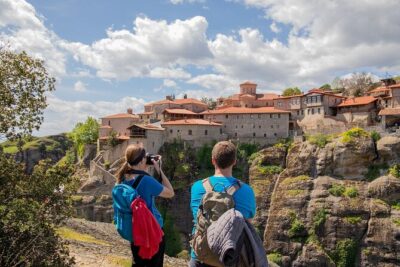
Meteora Small Group Hiking tour with Transfer and Monastery Visit
Read our review →Browse the lists this tour appears in