
REVIEW · PORTUGAL TEMPLE TOURS
Batalha Monastery: Private Tour
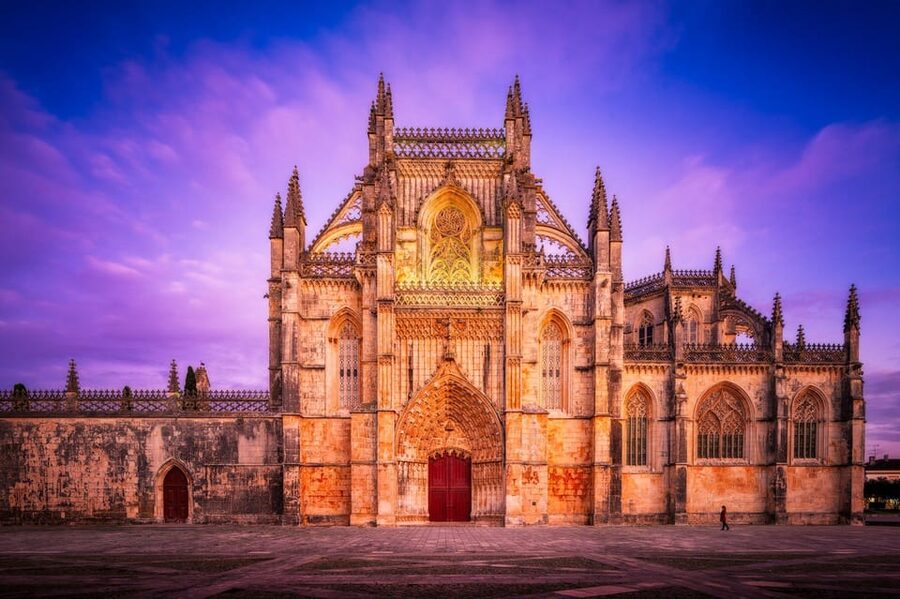
Batalha Monastery tells the story of Portugal at the moment the country fought to remain independent. Built after the Portuguese victory over Castile at Aljubarrota in 1386, it is both a grand church and a national memorial, with royal tombs, stained glass, and late Gothic stonework at every turn.
I like the private format, which lets you ask why a detail matters instead of trailing behind a large group. I also like the chance to see the tombs of João I, Queen Filipa de Lencastre, João II, and Henry the Navigator in one visit. The main thing to watch is the price: at $53 per person, you still pay separately for monastery admission.
Key points to know before you go
- See Portugal’s royal pantheon: The monastery holds the tombs of João I, English-born Queen Filipa de Lencastre, João II, Henry the Navigator, and other royal family members.
- Connect the building to 1386: Batalha was founded to mark Portugal’s victory over Castile at the Battle of Aljubarrota.
- Expect a private two-hour visit: Your guide focuses on your group rather than following a large fixed crowd.
- Choose English or Portuguese: The live tour is offered in both languages.
- Look for the stained glass: The monastery’s church had the first stained-glass windows of its kind in Portugal.
- Plan for an extra admission cost: The $53 tour price includes the guide and insurance, but not the monastery ticket.
Why Batalha Monastery matters
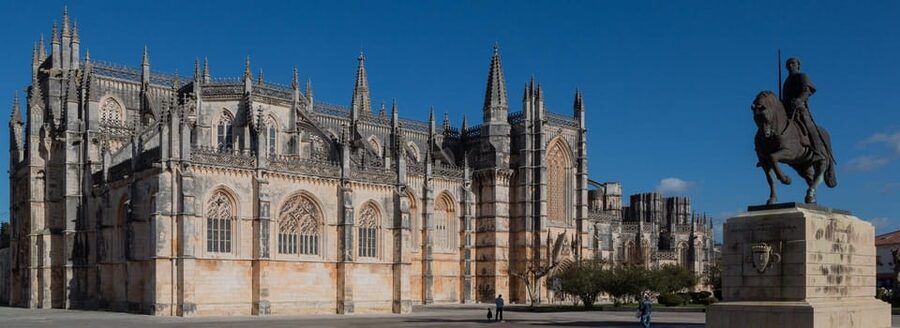
Batalha is not simply an old church with elaborate stonework. Its very purpose was political. King João I ordered the monastery after Portugal defeated the Kingdom of Castile at Aljubarrota in 1386, a battle that secured Portuguese independence and opened a new chapter for the country.
That gives the visit a useful thread to follow. You are not looking at decoration in isolation. The soaring Gothic forms, royal tombs, and long building campaign all connect to Portugal’s effort to define itself as an independent kingdom.
The monastery was dedicated to the Virgin Mary and run by Dominican monks for more than 600 years. Their religious life shaped the building, from the worship spaces to the colored light inside the church.
I find this kind of setting easier to understand with a guide. Without context, Batalha can become a parade of arches, chapels, and carved stone. With a good explanation, the monument becomes a record of royal ambition, religious devotion, military victory, and Portugal’s later role in overseas exploration.
More Private Temple Tours in Portugal:
- Lisbon: Belém Private Walking Tour & Jerónimos Monastery
★ 4.5 · 83 reviews - Fátima Private Tour: Shrine| Sacred Path |Shepherds House
★ 5.0 · 81 reviews - Ubud: Waterfalls, Water Temple & Rice Terraces Private Tour
★ 5.0 · 5,484 reviews
Starting at the monastery entrance
The tour begins at Batalha Monastery, so there is no separate transport segment to arrange within the experience. You meet your guide at the monument and spend the two-hour visit there.
That simple setup matters if you are building a day around Batalha. You are not losing time to hotel pickups or a long transfer between sights. The focus remains on the monastery itself, and two hours gives your guide enough time to explain the main spaces without turning the visit into a rushed sprint.
The tour is private, which is especially useful here. You can pause over a tomb, ask about a royal figure, or request more explanation about the Battle of Aljubarrota. A large group often has to keep moving. In a private group, the pace can respond to your interests.
The experience is available in English and Portuguese. English-speaking guides named João and JP received especially strong praise for clear explanations, thoughtful answers, and useful suggestions about other towns to visit. You should confirm your language when booking, since that will shape the experience more than any small difference in the route.
The church, stained glass, and late Gothic design
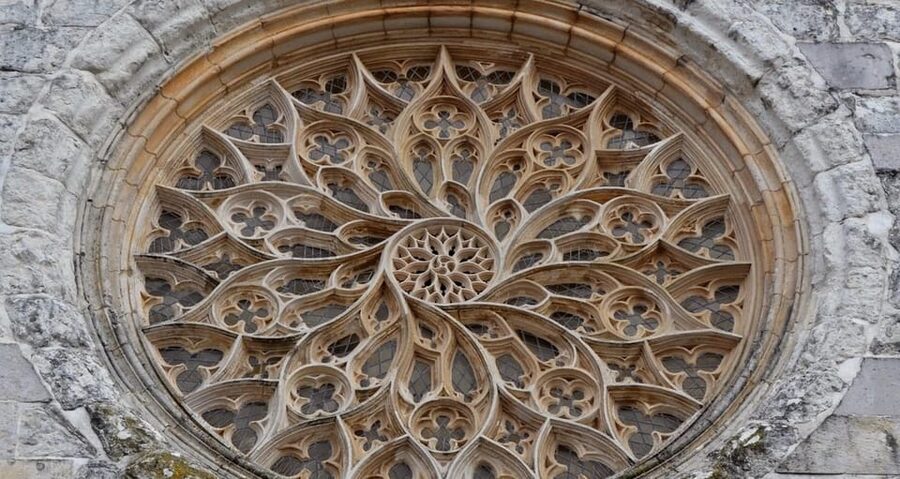
The church is one of Batalha’s main rewards. The building combines late Portuguese Gothic design with Manueline elements, the decorative style associated with Portugal’s later royal building projects.
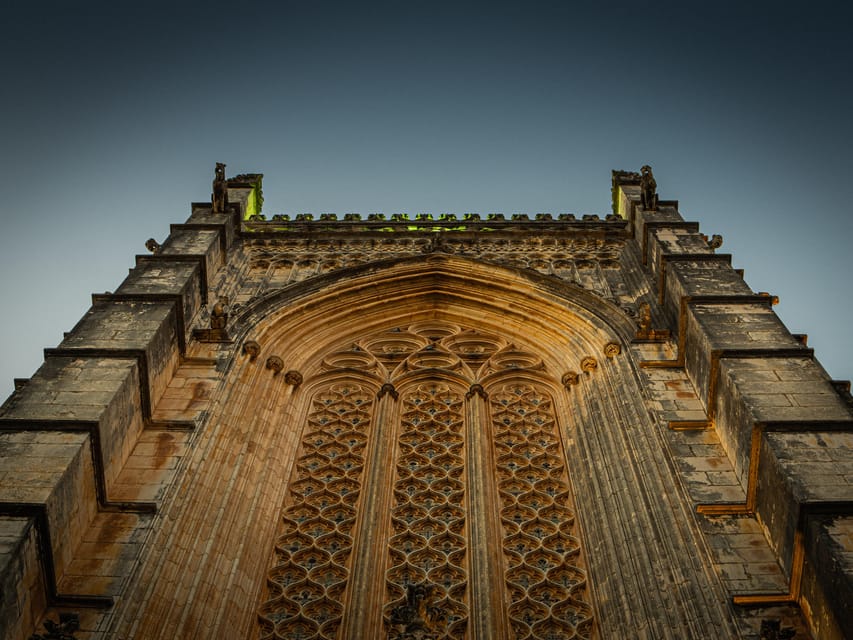
Look up as often as you look ahead. Gothic churches are designed to draw your eye upward, and Batalha uses height, light, and stone structure to create that effect. The stained glass adds another layer. The church is noted for having the first stained-glass windows of its kind in Portugal, and the colored light was part of the atmosphere in which Dominican monks worshiped for centuries.
Your guide can help separate the building’s different design periods. That is important because Batalha was not created in one quick burst. A long royal and religious project can contain changes in taste, function, and style. The result is a building where late Gothic structure meets Manueline detail.
I would not treat the church as a quick photo stop. Give yourself time to notice how the light changes the interior and how the scale of the space reflects the monastery’s royal purpose. You may find the guide’s historical explanation more useful than a list of architectural labels, especially if Gothic architecture is not already familiar to you.
The royal pantheon and its famous tombs
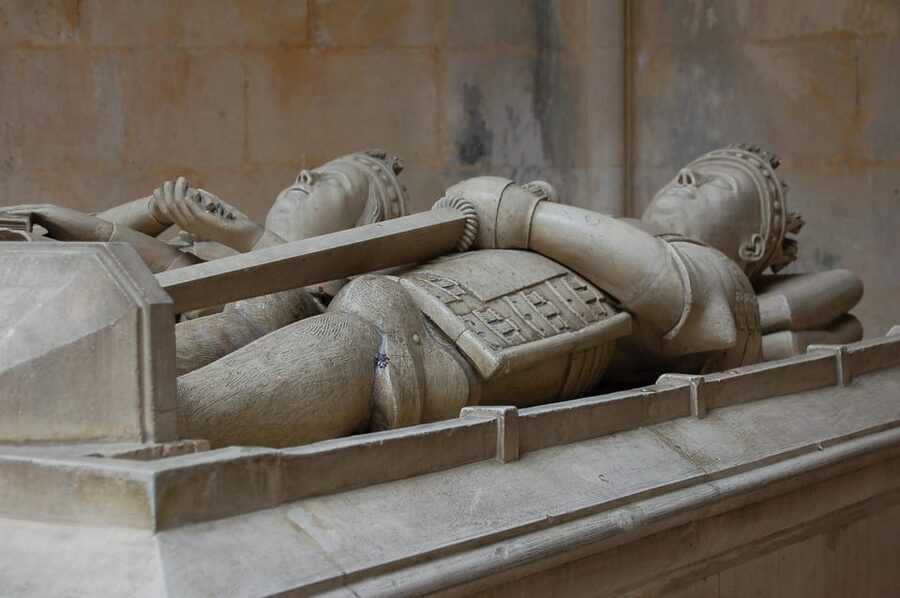
The royal pantheon is the emotional center of the visit. Here you see the resting place of King João I and Queen Filipa de Lencastre, along with other members of the Portuguese royal family.
Queen Filipa was British-born, an important detail that reflects the long relationship between Portugal and England. Her marriage to João I links the monastery to both Portuguese politics and a wider European network of royal alliances.
The tombs of João II and Henry the Navigator add another layer. Both are tied to the period that led Portugal toward the maritime expansion known as the Portuguese Discoveries. Henry the Navigator is particularly important in the national story, even though his role is often simplified. At Batalha, the guide can place him within the wider royal family and the political world that supported Portugal’s seaborne ambitions.
This is where a private tour earns its keep. You can ask who each person was, why the tomb is located there, and how the royal family used the monastery as a place of memory. You are not just seeing famous names carved in stone. You are seeing how a monarchy presented its own story.
The pantheon is also a good reason to visit even if architecture is not your main interest. The tombs give the monastery a human scale. They turn the building from a huge national monument into a place connected to individual rulers, marriages, deaths, and succession.
A few more temple visits around Portugal worth a look
- Lisbon: Jerónimos Monastery Entrance Ticket
★ 4.1 · 14,164 reviews - Lisbon: Jerónimos Monastery E-Ticket and Audio Guide
★ 3.7 · 660 reviews - Lisbon: Belém Walking Tour with Jerónimos Monastery Ticket
★ 4.9 · 637 reviews - Lisbon: Belem Walking Tour with Jeronimos Monastery Ticket
★ 4.7 · 490 reviews
The Battle of Aljubarrota and Portugal’s independence
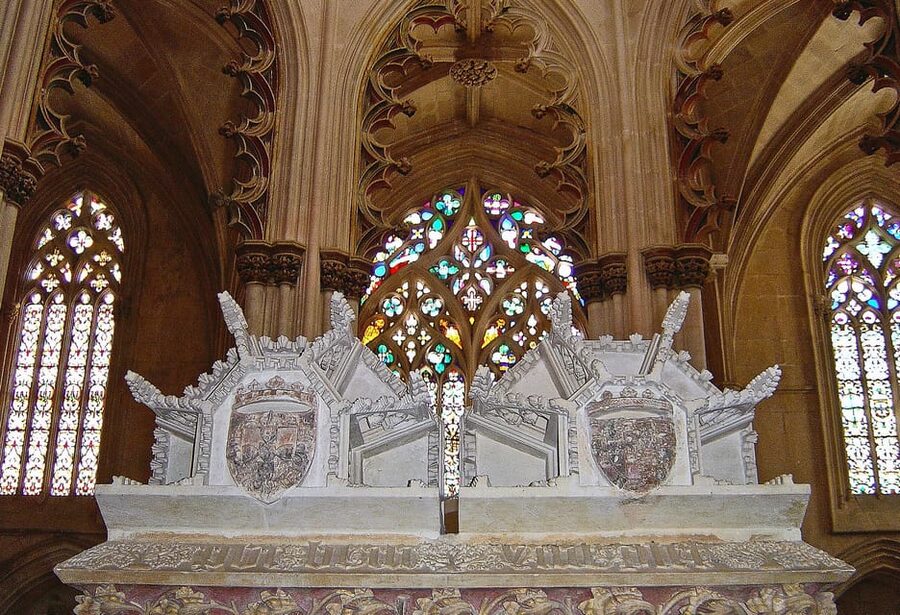
The monastery’s founding story should guide your whole visit. In 1386, Portugal defeated Castile at Aljubarrota. The victory protected Portuguese independence, and Batalha was built to commemorate it.
That context helps explain why the building became so ambitious. This was not a modest parish church. It was a royal statement, a religious foundation, and a public reminder of a decisive victory.
Ask your guide to connect the battle with the people buried in the pantheon. João I was the king linked to the victory, while the monastery later became tied to rulers who helped shape Portugal’s overseas reach. The building therefore links two major periods: the defense of Portugal as an independent kingdom and the later growth of Portugal as a global empire.
The tour is strongest when these subjects stay connected. If the visit becomes only a timeline of kings, you may miss the larger point. The monastery shows how military success, royal power, faith, and national identity were deliberately joined together.
Dominican life and the passage of time
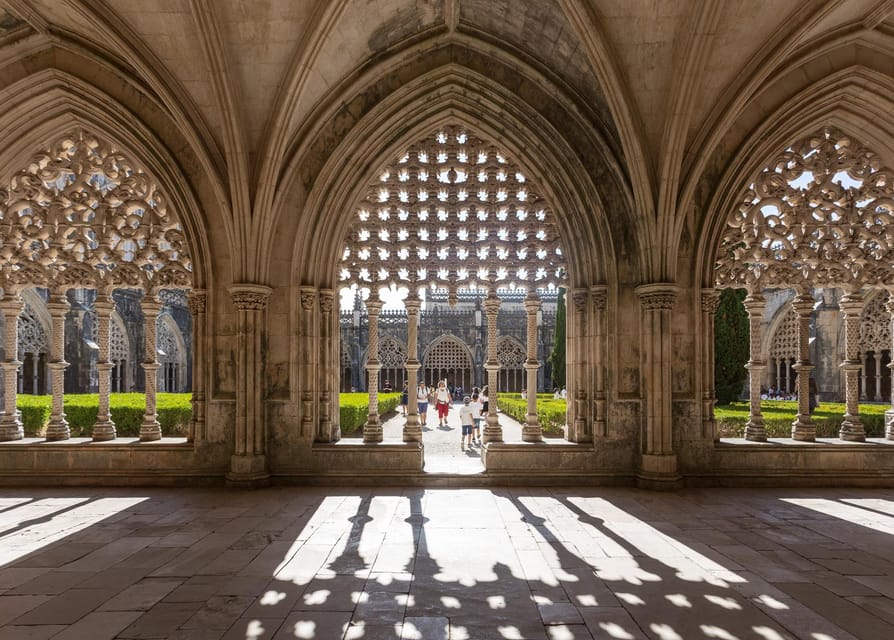
For more than 600 years, Dominican monks lived and worshiped at Batalha. Their presence explains why the monastery is more than a ceremonial royal monument.
The building had to serve daily religious life as well as royal commemoration. That means you are looking at spaces shaped by prayer, community, and routine, not only by kings and battles.
A guide can help you picture the building as a working religious complex. The stained glass was not added only for modern visitors. Its colored light formed part of the atmosphere in which the monks practiced their faith.
The two-hour duration suits this kind of visit. You have enough time to hear the basic story, examine major features, and ask questions without committing half a day to one monument. If you prefer a slow, solitary visit with lots of time for sketches or photography, the guided pace may feel more structured. For most people, that structure is helpful because Batalha contains more history than its compact visit time suggests.
What the $53 price includes
The tour costs $53 per person and includes a guide and insurance. Admission to Batalha Monastery is not included, so you need to add the entrance ticket to your budget.
That makes the value depend on what you want from the visit. If you only want to walk through the church and see the main architecture, buying entry alone will cost less. If you want the monastery’s royal tombs, military origins, religious role, and architectural changes explained in clear English or Portuguese, the private guide provides the main added value.
The price makes the most sense for couples, families, or small groups who can share the private experience. It is easier to justify when several people divide the cost and can ask their own questions.
I would be less quick to choose it if you already have strong background in Portuguese history and prefer reading at your own pace. I would choose it if you want the visit to make sense quickly, especially during a wider Portugal trip when you may not have time to research João I, Filipa de Lencastre, Aljubarrota, and the Portuguese Discoveries on your own.
Because the ticket is extra, check the combined cost before booking. The separate admission is not a hidden feature, but it is an important part of the final price.
The value of a private guide
The strongest part of this experience is the human explanation. The tour is not built around a long list of stops. It is built around helping you understand why the monastery exists and why its tombs matter.
The guides named João and JP were praised for clear English, strong subject knowledge, and the ability to answer questions. One guide also offered suggestions for other towns to visit, which can be useful if Batalha is part of a larger route through central Portugal.
That kind of local help can be worth more than a standard audio guide. You can ask about a carving that catches your eye, return to a confusing point, or request more detail about Portugal’s royal family. A private group also means your questions do not need to fit a preset script.
Still, the quality of any guided experience depends on the individual guide and the match between your interests and the presentation. If you want a very quiet, independent visit, you may prefer to explore alone. If you like stories, context, and the chance to ask questions, this format is a better fit.
Who should book this experience
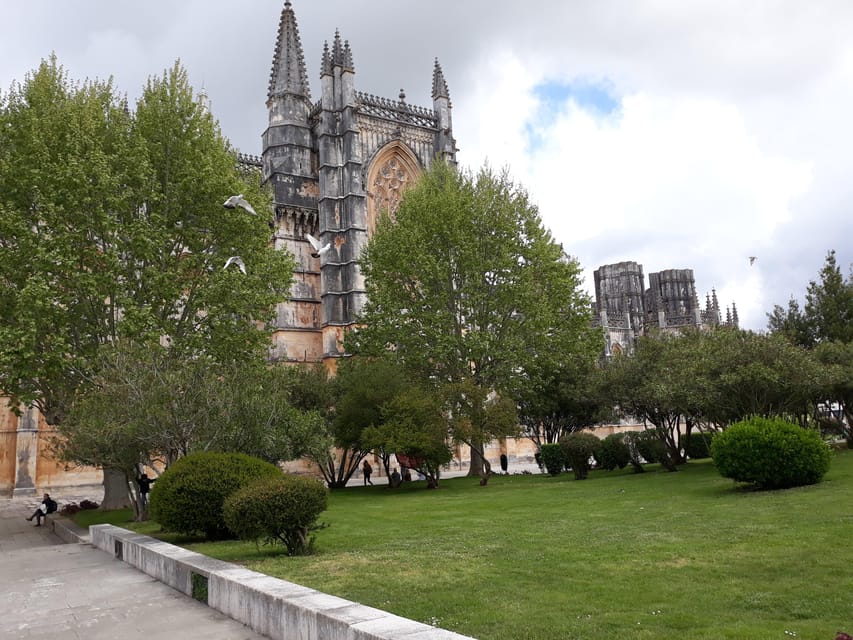
I would recommend the tour to first-time visitors to Batalha, families with older children, couples interested in Portuguese history, and anyone who wants architecture explained in plain language.
It is also a good choice for people who want to connect Batalha with Portugal’s wider story. The monastery covers the victory at Aljubarrota, the royal family, Dominican religious life, stained glass, and the early figures linked with the Portuguese Discoveries. That is a lot of ground for one monument, and a guide helps keep the threads together.
You should think twice if you want a very long visit or plan to spend hours photographing every detail. The advertised duration is two hours, and the guided format gives the visit a clear shape.
The experience is not a tour through several attractions. It begins and ends at Batalha Monastery, which is good if you want focused attention and less good if you expect transportation or a wider day tour.
Booking and cancellation details
You can cancel up to 24 hours before the activity for a full refund. You can also reserve now and pay later, which gives you some flexibility while arranging a Portugal itinerary.
The tour is offered as a private group with a live guide in English or Portuguese. Starting times depend on availability, so check the schedule before settling your plans.
Should you book the Batalha Monastery private tour?
Book it if you want Batalha to be more than a beautiful church. The royal pantheon, the Battle of Aljubarrota, the Dominican monks, the stained glass, and the link to the Portuguese Discoveries all carry more weight when someone explains how they fit together.
At $53 per person plus the monastery ticket, it is not the cheapest way to enter the monument. But for a small private group, the cost buys two hours of focused guidance, a flexible chance to ask questions, and a much clearer understanding of one of Portugal’s most important national monuments.
If you are already an expert in Portuguese history or prefer independent sightseeing, enter on your own. For most visitors, especially those with limited time, this private tour is a sensible way to see Batalha without missing the story behind the stone.
FAQ
Where does the Batalha Monastery tour start?
The tour starts at Batalha Monastery.
How long does the private tour last?
The guided visit lasts two hours.
What languages are available?
The live guide is available in English or Portuguese.
Is the tour private?
Yes. The activity is offered for a private group.
Is the monastery entrance ticket included?
No. The ticket for entry to Batalha Monastery is not included in the tour price.
What is included in the $53 price?
The price includes the guide and insurance. It does not include the monastery admission ticket.
Can I cancel for a full refund?
Yes. You can cancel up to 24 hours in advance for a full refund.
Just added around Portugal
- Belém: Jeronimos Monastery, Tickets and Guided tour★ 4.9 · 30 reviews
- Lisbon: Belem Walking Tour with Jeronimos Monastery Entry★ 4.9 · 163 reviews
- Lisbon: Belém Private Walking Tour & Jerónimos Monastery★ 4.5 · 83 reviews
- From Lisbon: Évora, Chapel of Bones, & Roman Temple Tour★ 5.0 · 8 reviews
- Fátima Private Tour: Shrine| Sacred Path |Shepherds House★ 5.0 · 81 reviews
- Lisbon: Belem Tour with Pastéis at Jerónimos Monastery★ 4.7 · 96 reviews
- Between Life & Death: Roman Temple, Cathedral & Bone Chapel★ 4.9 · 6 reviews
- Belém Walking Tour + Jerónimos Monastery Ticket★ 5.0 · 24 reviews
Portugal Temple Tours, compared.
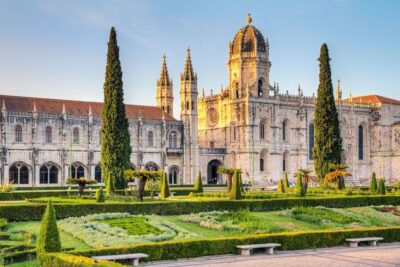
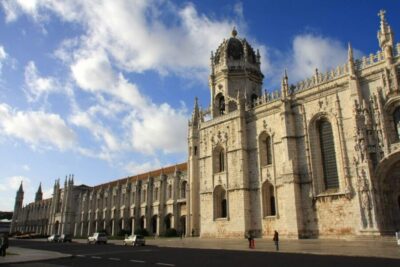
Belém Walking Tour with Jerónimos Monastery Ticket
Read our review →Belem Walking Tour with Jeronimos Monastery Ticket
Read our review →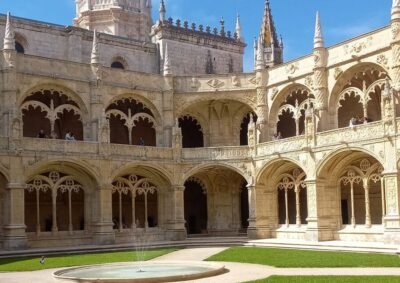
Belem, Jeronimos Monastery, and Coach Museum Tour
Read our review →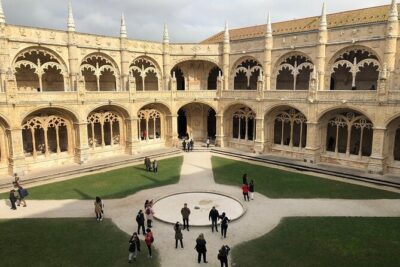
Belem and Jeronimos Monastery Guided Small Group Walking Tour
Read our review →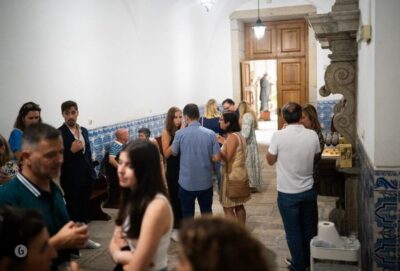
“Porto: Fado Show with Guided Tour in a Historic Monastery”
Read our review →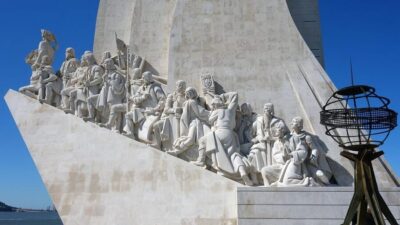
Belem Walking Tour with Jeronimos Monastery Entry
Read our review →Browse the lists this tour appears in