
REVIEW · TOKYO TEMPLE TOURS
Tokyo:Mt.Fuji,Kawaguchiko Oishi Park,Arakurayama Sengen Park
The best part of this day trip is the variety. In one long outing, you see Mt. Fuji from a hilltop pagoda, the shore of Lake Kawaguchi, flower fields, and a traditional village beside Lake Saiko. Chureito Pagoda gives you the famous postcard view, but the lake and village stops make the day feel less like a photo mission and more like a look at Yamanashi.
I like the way the tour handles transport, since the route covers places that are awkward to connect by public bus in one day. I also like the mix of free time and short guided introductions. Guides such as Omar, Koji, George, Eric, and Jorge have been praised for clear directions, humor, and helpful local explanations.
The tradeoff is the pace. You are covering a lot of ground in about 10 hours, and traffic between Tokyo and Mt. Fuji can be heavy. Some stops may feel short, especially if you want long walks, careful photography, or extra time at the lake and Saiko village.
Key points to know before booking
- Four distinct Mt. Fuji viewpoints: See the mountain from Arakurayama, Lake Kawaguchi, Oishi Park, and the Saiko area.
- 398 steps to the classic view: The climb to Chureito Pagoda is a real workout, though a sloped route is available for visitors who need an easier option.
- Seasonal scenery changes the day: Cherry blossoms peak around late March to mid-April, lavender appears from late June to mid-July, and autumn color fills the Maple Corridor.
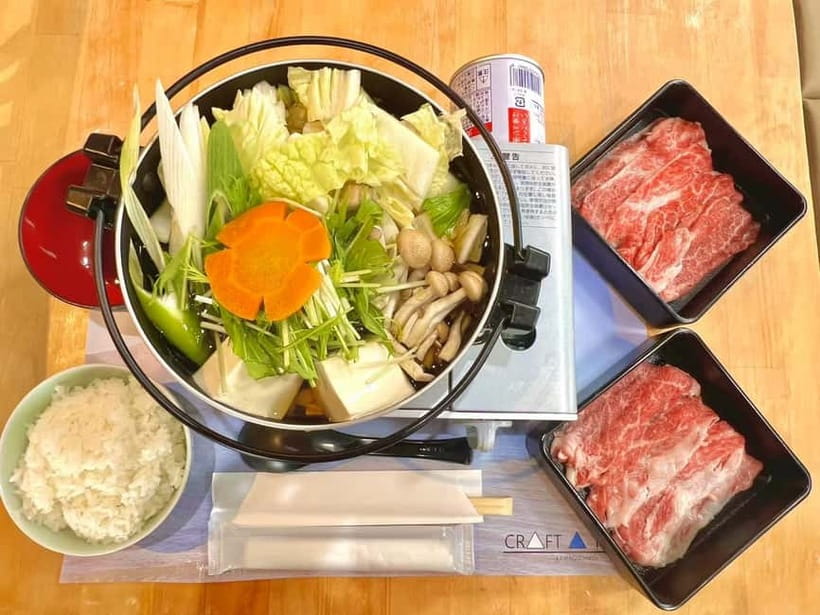
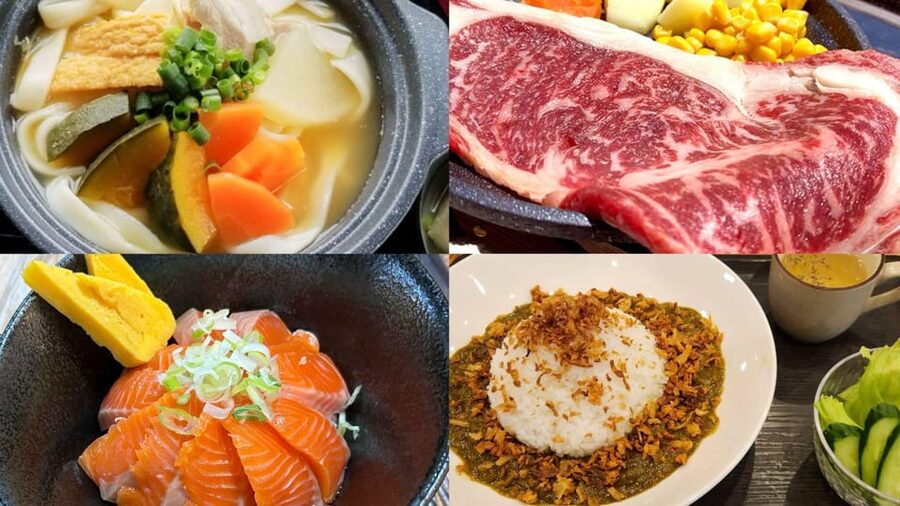
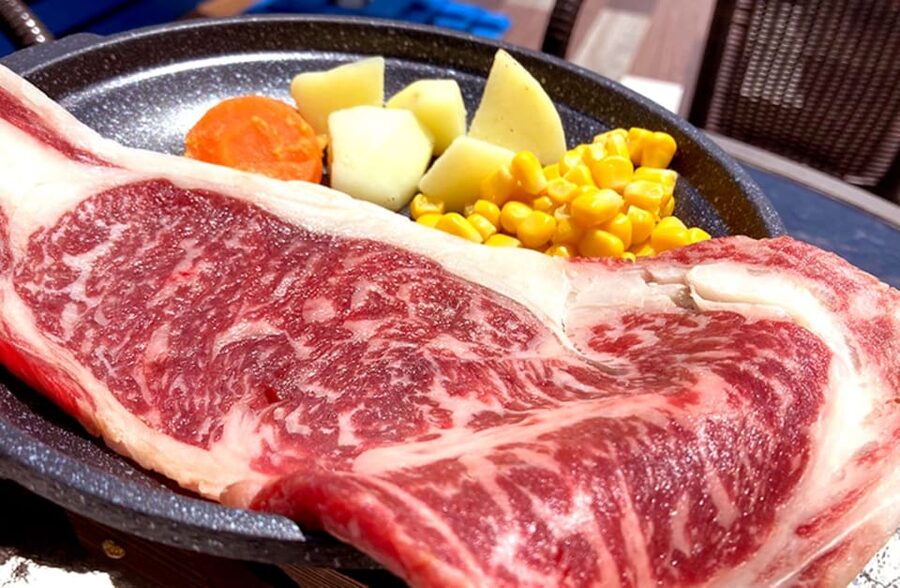
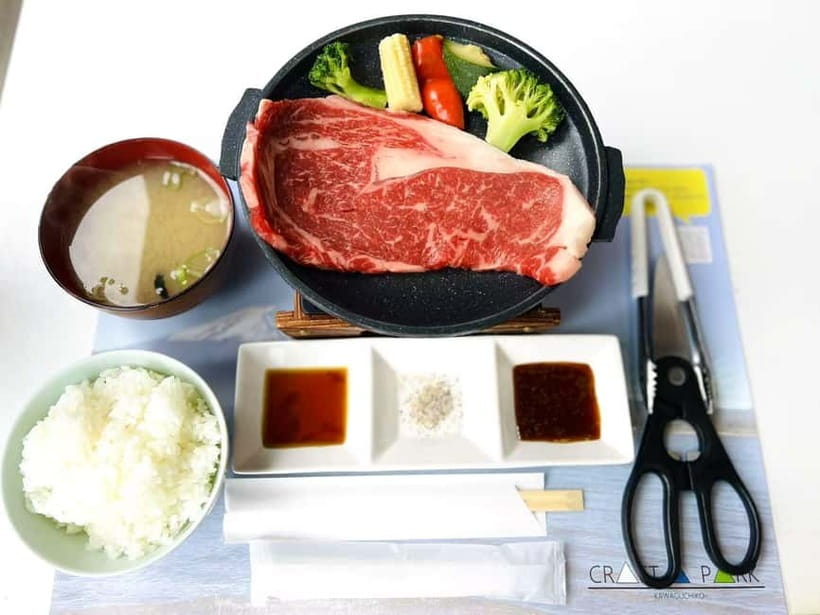
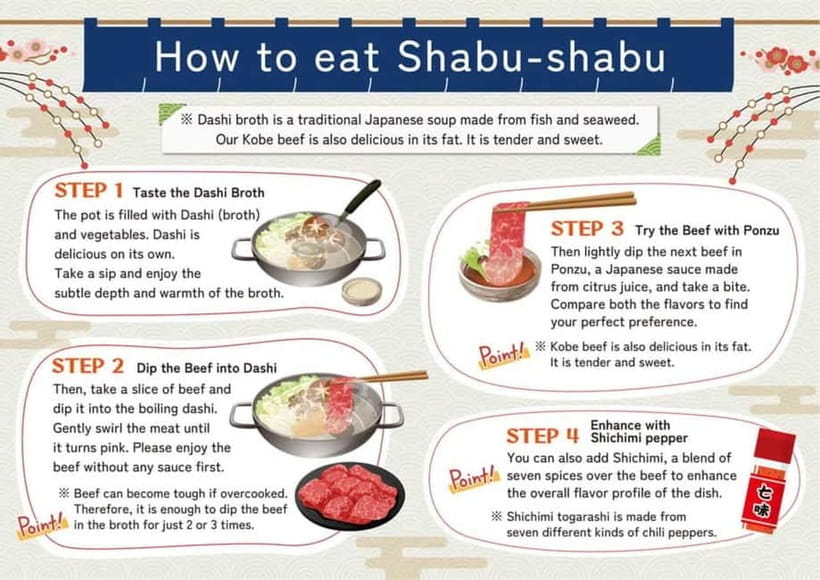
- Lunch is optional: Choose Kobe beef shabu-shabu, Koshu wine beef steak, or local Houtou noodles when selecting the meal plan.
- A useful Tokyo escape: Air-conditioned transport takes you out of the city and back to Shinjuku without making you arrange several regional connections.
- Weather controls the main attraction: Mt. Fuji can be hidden by cloud or rain, but the village, lake, parks, and food still give the day plenty of purpose.
Why this Mt. Fuji day trip works from Tokyo
At $54 per person, this is priced as a practical sightseeing day rather than a private excursion. The value comes from combining transport, a guide, and admission to Saiko Iyashi-no-Sato Nenba in one booking. Lunch costs extra if you choose it, so you can decide if a set meal suits your budget.
The route is busy, but it is not padded with a long shopping stop. You spend the day at scenic and cultural sites, with time to walk, take photos, eat, and browse local goods. That makes the price appealing if you want to see several sides of the Fuji area without renting a car.
The bus leaves from one of two Tokyo meeting points, including the area near the Robert Indiana LOVE sculpture and the KOKUYO Tokyo Shinagawa office, depending on your booking. The final stop is Shinjuku Station. Arrive 10 minutes early, since the bus leaves on time.
Traffic is the main variable. A road jam can shorten time at later stops, and the return to Tokyo may take longer than planned. Guides have adjusted the route or stop lengths when conditions allowed, but no bus tour can control the roads around Mt. Fuji.
Other temples and shrines people visit around Tokyo:
- Tokyo: Asakusa Walking Tour with Sensoji Temple Visit
★ 4.8 · 1,583 reviews - Nikko: Kegon Falls, Lake Chuzenji & Toshogu Temple
★ 4.6 · 1,577 reviews - Tokyo: Nikko Toshogu Shrine and Kegon Waterfall Tour
★ 4.5 · 1,266 reviews
Arakurayama Sengen Park and the 398-step climb
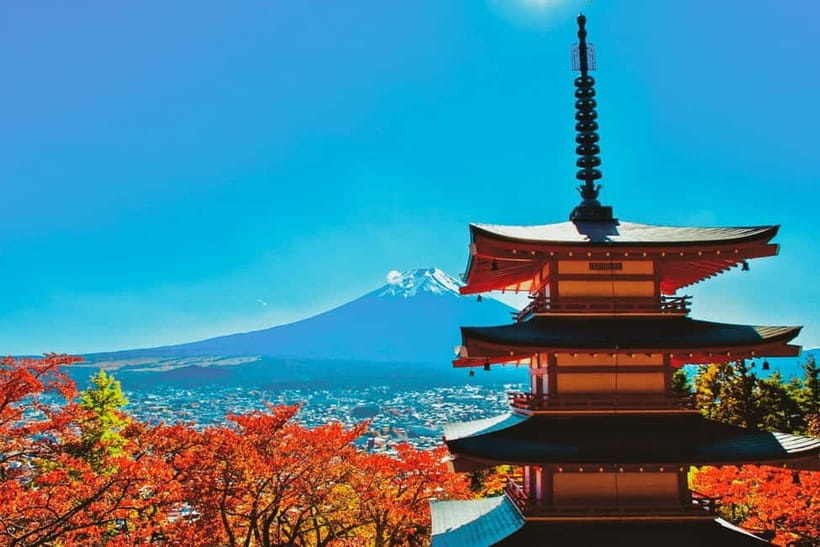
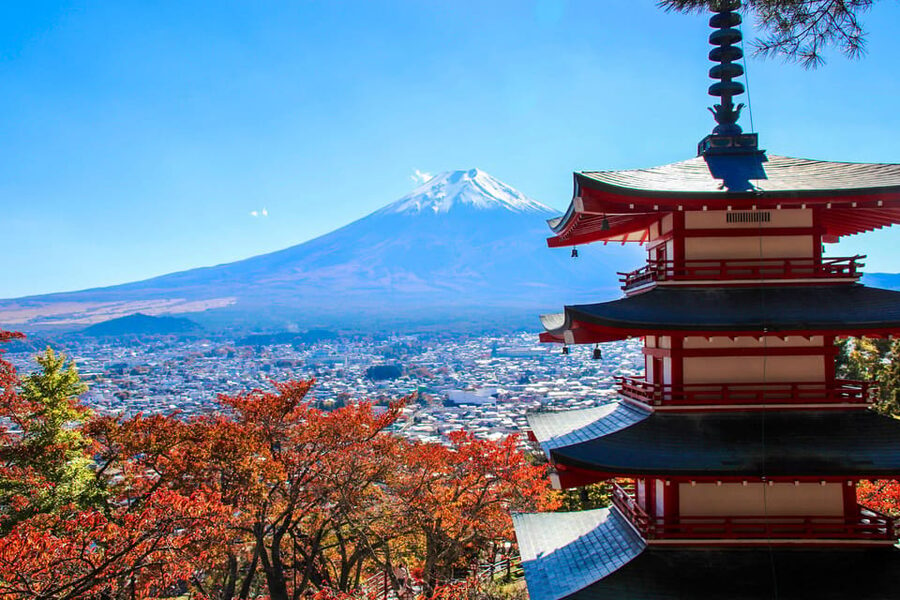
The day usually begins with Arakurayama Sengen Park, one of Japan’s most recognizable Mt. Fuji viewpoints. The classic scene places the snow-capped mountain behind the red Chureito Pagoda, with the pagoda and surrounding hills filling the foreground.
From the park entrance, you climb 398 stone steps to reach the main observation area. You do not need to be a serious hiker, but comfortable shoes are important. The stairs can feel demanding early in a full day of walking, especially if you stop often for photos.
A sloped route is available, which helps if the stairs are not suitable for you. It may take longer, but it gives more people a chance to reach the viewpoint. The reward is a broad view across Fujiyoshida and toward Mt. Fuji, provided the mountain is visible.
The timing of your visit matters. Around late March to mid-April, roughly 650 cherry trees bloom here, and the park holds its annual Cherry Blossom Festival. In autumn, red and gold leaves frame the pagoda. Winter can bring the clearest snow-covered Fuji views, while summer offers greener hills but often less snow on the summit.
The famous photograph is not guaranteed. Clouds and rain often hide the mountain, even when the lower scenery is attractive. Give yourself a moment to enjoy the shrine grounds and view without treating the entire stop as a hunt for one perfect picture.
Hikawa Clock Shop and Arakura Fuji Sengen Shrine
The nearby streets around Hikawa Clock Shop offer another well-known Fuji view. The road points toward the mountain, creating a distinctly Japanese town scene with Mt. Fuji at the far end. It is a quick photo stop, not a long shopping district visit.
This stop works well after the hilltop view because it changes your perspective. Instead of looking over the area from above, you see how the mountain fits into an ordinary local street. Keep your camera ready, but remember that this is a public road, so follow the guide’s instructions and avoid blocking traffic.
Arakura Fuji Sengen Shrine adds a quieter spiritual setting to the route. The shrine is connected with the same area as the pagoda, but the atmosphere differs from the crowded observation deck. You can look at the architecture, take photos, and hear about the local religious meaning of the site before continuing.
The combination of shrine, town street, pagoda, and mountain gives the morning more depth than a single lookout would. It also means several short walks and repeated stairs, so pace yourself from the start.
Lake Kawaguchi: the best place to slow down
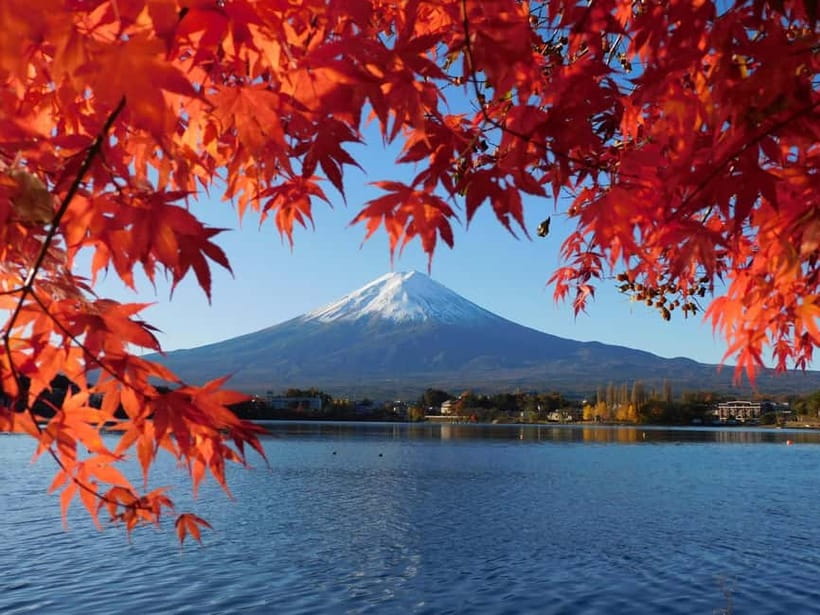
Lake Kawaguchi is the main pause in the middle of the day, with about two hours assigned to the lake area and nearby attractions. The shoreline gives you a lower, wider view of Mt. Fuji, and on a clear day the mountain can appear reflected in the water.
This is one of the strongest parts of the route because you can choose how to use the time. You might walk beside the lake, take photos, look for local food, or settle in for lunch. The lakefront also gives you a break from climbing and from the tight rhythm of short photo stops.
In spring, cherry trees line sections of the lakeside. In autumn, the nearby Maple Corridor becomes a popular place for red and gold leaves. The seasonal timing matters, since the same route can feel quite different in April, summer, or late November.
The lake area also carries the risk of feeling rushed. Two hours sounds generous, but lunch, walking, photos, and shopping can use it quickly. If Mt. Fuji is visible, you may wish you had more time. Keep an eye on the meeting time and do not wander too far from the agreed location.
Same country, a different morning at the gates:
- Tokyo Panoramic 1 Day: Meiji Shrine, Asakusa, Odaiba and SKYTREE®
★ 4.5 · 1,222 reviews - Tokyo: Mt. Fuji, Kamakura, Big Buddha, & Lake Ashi Day Trip
★ 4.5 · 867 reviews - Tokyo: Zen Meditation at a Private Temple with a Monk
★ 5.0 · 510 reviews - Mt. Fuji Heritage Tour: Traditional Villages, Lakes & Shrine
★ 4.5 · 509 reviews
Kawaguchiko Craft Park and the optional lunch
Kawaguchiko Craft Park brings together food, local products, and hands-on craft activities near the northern shore of Lake Kawaguchi. It is a useful practical stop because you can eat, browse souvenirs, and stay indoors or use open-air seating while looking toward Mt. Fuji.
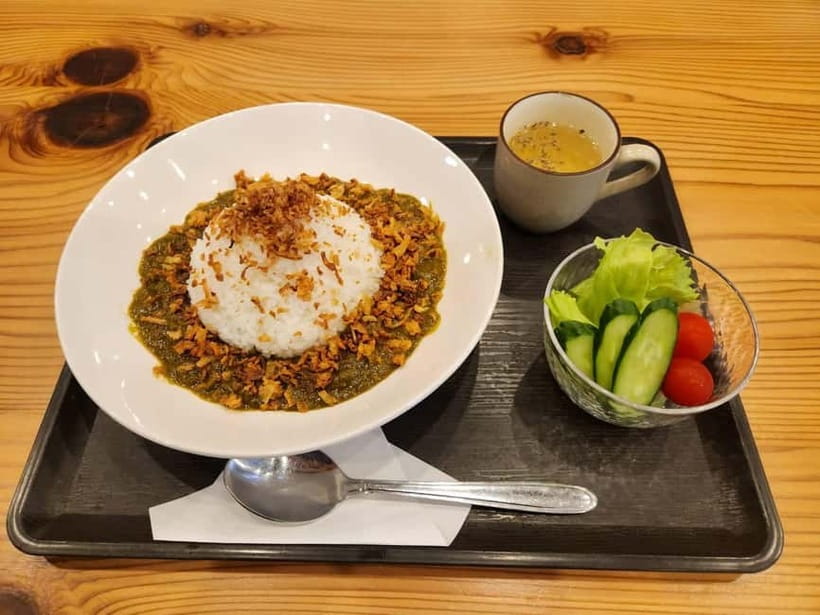
The lunch choice is important when comparing tour options. The available meals include A5-grade Japanese black Wagyu prepared as shabu-shabu, Koshu wine beef steak, and Houtou noodles. Houtou is a regional specialty, with thick noodles simmered in miso broth with vegetables and chicken.
The meal is not just fuel for a long day. Houtou gives you a local dish tied to Yamanashi, while the beef options offer a more special occasion meal. Vegetarian and other dietary questions should be settled before booking, since one customer had difficulty getting a clear answer about gluten-free food in advance.
You can also buy regional specialties and limited-edition souvenirs here. A short walk leads to the lake, so the stop works well for a gentle shoreline stroll after eating.
Oishi Park and its 350-meter Flower Road
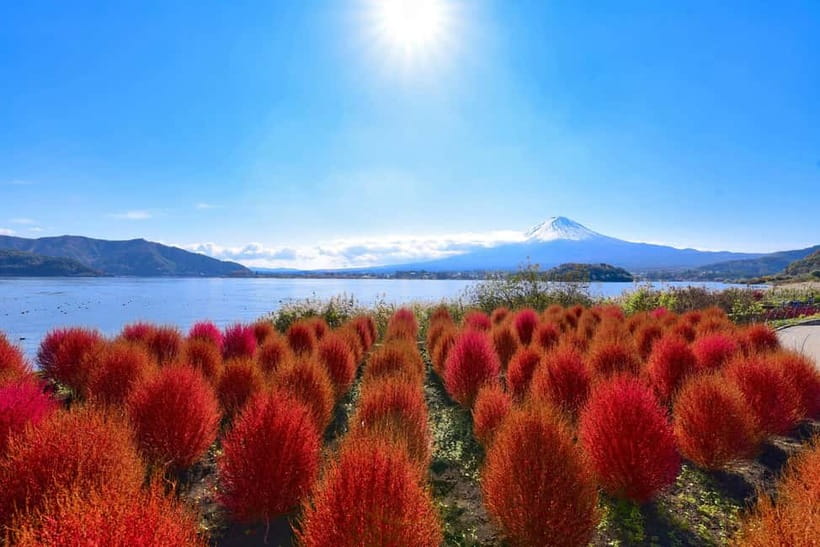
Oishi Park is one of the most photogenic lake stops. Its 350-meter Flower Road runs beside Lake Kawaguchi, with seasonal planting arranged to frame Mt. Fuji when the weather cooperates.
The flowers change through the year:
- Tulips appear in spring.
- Lavender fills the park during the Kawaguchiko Herb Festival from late June to mid-July.
- Kochia turns the park red and copper in autumn.
The lavender season is especially appealing because the purple fields contrast with Mt. Fuji across the lake. Still, do not book the tour based on one flower alone. Bloom dates depend on conditions, and cloud can hide the mountain at any time of year.
The stop is around 30 minutes, so think of it as a focused photo walk rather than a long park visit. You can see the main flower area and lake view, but you will not have time to explore every path at a slow pace.
Saiko Iyashi-no-Sato Nenba, a traditional village by Lake Saiko
Saiko Iyashi-no-Sato Nenba is the cultural change of pace that makes this tour more than a series of viewpoints. The restored village has about 20 thatched-roof houses modeled after the traditional style associated with Shirakawa-go.
The buildings now hold craft studios, small shops, and places to eat. You can walk between them, browse handmade items, and see a version of rural architecture that feels very different from central Tokyo.
One of the most memorable activities is dressing in a kimono or ninja outfit for photographs with Mt. Fuji in the background. The village also changes with the seasons. Cherry blossoms and carp streamers mark spring, summer brings green hills, autumn brings colored leaves, and winter can cover the thatched roofs in snow.
About 50 minutes is allowed here. That is enough to walk through the main area and take photos, but it can feel short if you want to try a craft, change clothes, shop, and stop for food. If this is the part of the day that interests you most, move with purpose and check the bus departure time as soon as you arrive.
The entry ticket is included, which adds value compared with visiting several separate attractions independently. The village is also a good backup when Mt. Fuji is hidden, since the buildings and seasonal setting remain worthwhile.
Guides, bus comfort, and the pace of the day
The tour uses an air-conditioned vehicle and a live guide in English or Chinese. Guides including Omar, Koji, George, Eric, Jorge, and others have been praised for humor, clear meeting instructions, local stories, and calm handling of delays.
That human element matters on a day with several stops. A good guide tells you where to meet, how long you have, and which direction to walk. Clear instructions are especially important when the group is spread across a shrine, park, village, or lakeside area.
The bus provides relief between walks, though the day remains physically active. You climb stairs, walk through parks, cross village grounds, and move between photo locations. Bring water, wear shoes with good grip, and keep some food with you if you tend to get hungry between meals.
The tour can combine English and Chinese bookings in the same vehicle, depending on the day. The vehicle size can also change with group numbers. This is worth knowing if you prefer a small, quiet outing. The strength here is convenience and coverage, not a private-tour atmosphere.
Weather, seasons, and your chance of seeing Mt. Fuji
Mt. Fuji is the star, but it is never fully under the tour operator’s control. Clear days can give you views from several angles, while rain and cloud may hide the summit for much of the route. Several departures have still been enjoyable in poor weather because the village, flowers, shrine, lake, and local food provide other points of interest.
For the clearest snow-covered summit, winter and early spring are often appealing, though cold weather requires proper layers. Late March to mid-April is popular for cherry blossoms. Late June to mid-July brings the lavender festival. Autumn is best for the Maple Corridor and the colored trees around the parks.
Summer can offer flowers and green scenery, but Fuji may have little or no snow. If the iconic snow-capped image is your only goal, consider your expectations carefully. If you want a full day of regional scenery with Mt. Fuji as the hoped-for centerpiece, this tour is a safer choice.
Who should book this tour?
I would recommend it to first-time visitors based in Tokyo who want a simple way to reach the Fuji Five Lakes area. It suits you if you like scenic photos, short walks, regional food, shrine architecture, and a little shopping in one day.
It is also useful for solo visitors or couples who do not want to plan several train and bus connections. The guide keeps the day moving, and the included transport removes much of the route planning.
I would hesitate if you want long, quiet visits at each location, dislike fixed departure times, or need a relaxed pace. The day is long, traffic can cut into sightseeing, and the most popular viewpoints can be crowded.
At $54, the tour offers strong value if you use the whole route. Choose it for access to several Fuji-area highlights, not for a guaranteed mountain photograph. If the sky clears, you may get the classic view from multiple angles. If it does not, you still have a pagoda, shrine, lake, flowers, local food, and a traditional village to fill the day.
FAQ
How long does the Mt. Fuji tour last?
The tour lasts about 10 hours. It begins at one of the designated Tokyo meeting points and finishes at Shinjuku Station.
What languages are available?
Live guiding is available in English and Chinese. Depending on the day, bookings in different languages may share the same vehicle.
Is lunch included?
Lunch is included only when you select the lunch option. Choices include Kobe beef shabu-shabu, Koshu wine beef steak, and Houtou noodles.
How difficult is the walk to Chureito Pagoda?
The main route includes 398 stone steps from the park entrance to the observation area. A sloped route is also available for people who need an alternative to the stairs.
Is admission to Saiko Iyashi-no-Sato Nenba included?
Yes. The entry ticket to Saiko Iyashi-no-Sato Nenba is included in the tour price.
Can I cancel the booking?
You can cancel up to 24 hours before the activity for a full refund. The reserve-now, pay-later option lets you hold a place without paying immediately.
Just added around Tokyo
- Tokyo:Nikko UNESCO World Heritage Sites Private 1-Day Tour★ 3.8 · 6 reviews
- Tokyo: Snow Monkey Park and Zenkoji Temple Private Day Tour★ 4.7 · 127 reviews
- Tokyo War History Tour: Yasukuni Shrine & War Museum★ 4.5 · 6 reviews
- Tokyo: Sensoji Temple & Street Food: Private Tour with guide★ 4.6 · 8 reviews
- Tokyo: Shibuya Sky, Harajuku & Meiji Shrine Highlights Tour★ 4.5 · 9 reviews
- Tokyo: Nikko Private Sightseeing Day Trip with Driver★ 5.0 · 10 reviews
- Tokyo → Nikko:Private Customizable Day Trip (English Driver)★ 4.9 · 26 reviews
- Tokyo’s Kitchen: Tsukiji Market Food & Culture Walk★ 4.7 · 74 reviews
Tokyo Temple Tours, compared.
Asakusa Walking Tour with Sensoji Temple Visit
Read our review →
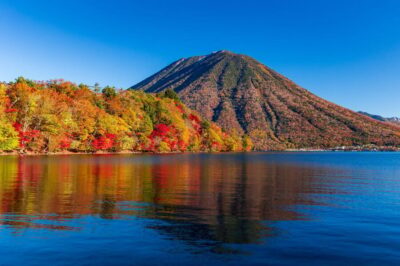
Nikko Toshogu Shrine and Kegon Waterfall Tour
Read our review →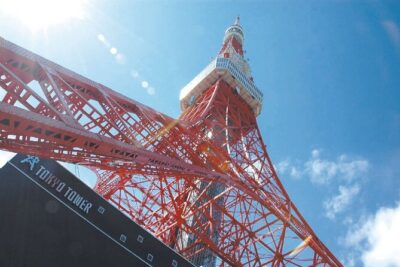
Tokyo Panoramic 1 Day: Meiji Shrine, Asakusa, Odaiba and SKYTREE®
Read our review →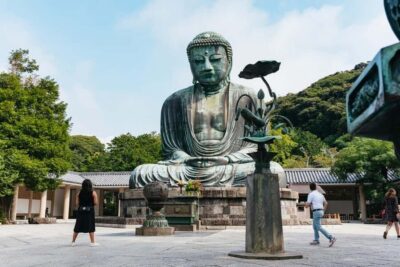
Mt. Fuji, Kamakura, Big Buddha, & Lake Ashi Day Trip
Read our review →
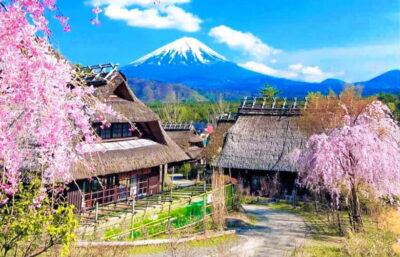
Mt. Fuji Heritage Tour: Traditional Villages, Lakes & Shrine
Read our review →
Samurai Entertainment Night Show in Kanda Shrine
Read our review →Browse the lists this tour appears in