
REVIEW · KATHMANDU TEMPLE TOURS
From Kathmandu: 2 Stupas and Kopan Monastery Spiritual Tour
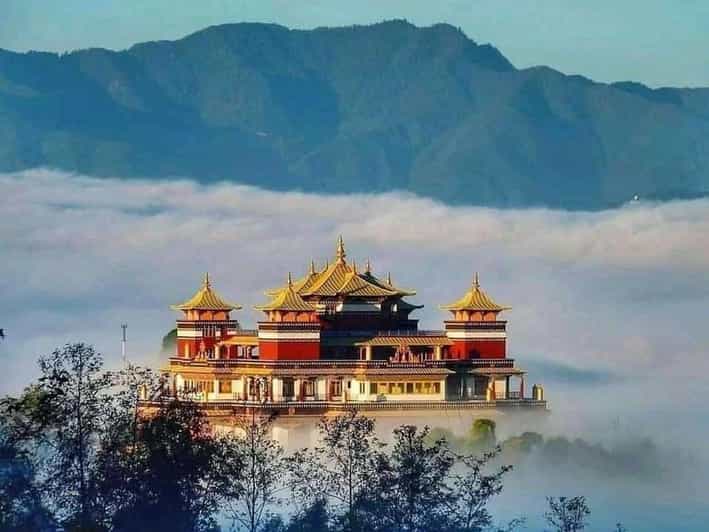
The best part of this five-hour tour is the change of pace. Kathmandu can be noisy and demanding, but at Jamchen Vijaya Stupa and Kopan Monastery you get time to pause, listen, and think. The day ends at Boudhanath, where pilgrims circle the great white dome beneath prayer flags and Buddha’s painted eyes.
I like the private format, which lets your guide adjust the pace and answer real questions instead of delivering a fixed speech. I also like the chance to meditate at Kopan Monastery. Guides including Pooja, Karma, Aneel, and Pranav have been praised for making Buddhism, local customs, and daily life easy to understand.
The main caution is that this is a walking-based spiritual tour, not a relaxed vehicle sightseeing trip. The activity is not suitable for wheelchair users or people with mobility impairments, and Kopan Monastery can occasionally be closed, so the precise program may change.
Key points to know before you go
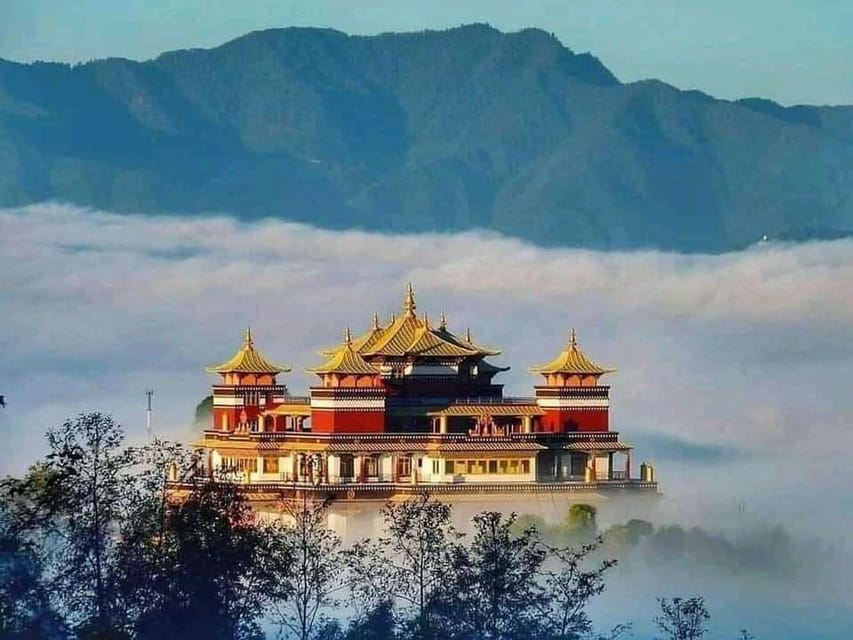
- Three very different Buddhist sites: Quiet Jamchen Vijaya Stupa, hilltop Kopan Monastery, and busy Boudhanath each offer a different mood.
- Private car and hotel pickup: You are collected from your Kathmandu accommodation and returned there after about five hours.
- Meditation is a real part of the visit: Time at Kopan can include sitting quietly or joining a meditation session.
- Guiding is the heart of the experience: Pooja, Karma, Aneel, Pranav, and other English-speaking guides explain symbols, beliefs, and Nepali culture.
- Boudhanath brings the day back to daily life: After quiet reflection, you can watch pilgrims, browse shops, and look for momos or another Nepali meal.
- Very low listed price: At $6 per person, the value is excellent if the advertised rate is available, though you should confirm exactly what is included when booking.
A gentle introduction to Kathmandu’s Buddhist side
This tour works because it does not treat Buddhist sites as a string of photo stops. Your guide helps explain what you are seeing, why people walk clockwise around stupas, and how prayer wheels, colors, images, and rituals fit into Buddhist practice.
The three locations also create a useful progression. Jamchen Vijaya gives you quiet. Kopan gives you a closer look at monastic life and meditation. Boudhanath gives you the full public setting, with worship, shops, food, and everyday activity all gathered around one sacred monument.
You do not need to be Buddhist to enjoy the day. I would recommend it to anyone curious about Nepal’s religious traditions, especially if you prefer conversation and context to rushing from one monument to another.
The tone is personal rather than formal. Guides such as Pooja have been praised for being warm and funny, while Karma and Aneel are noted for explaining Buddhist ideas in plain English. Pranav is especially good for travelers who want to discuss both ancient beliefs and modern Nepal.
A few more temple visits around Kathmandu worth a look
- Kathmandu Spiritual Sites: Bodhnath & Pashupatinath Tour
★ 5.0 · 185 reviews - Kathmandu: Chandragiri Cable Car and Monkey Temple Tour
★ 4.8 · 139 reviews - Lunch with Nuns – Monastery
★ 5.0 · 75 reviews
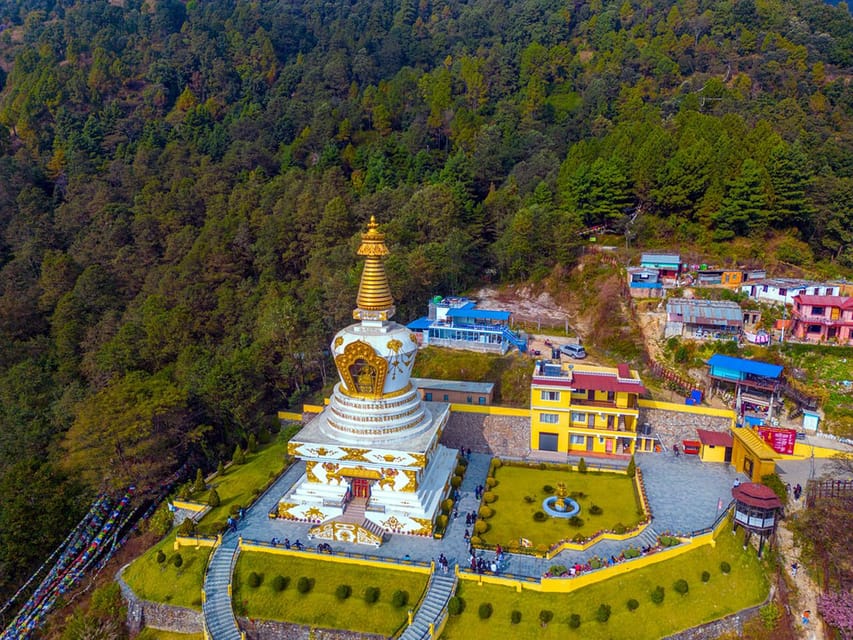
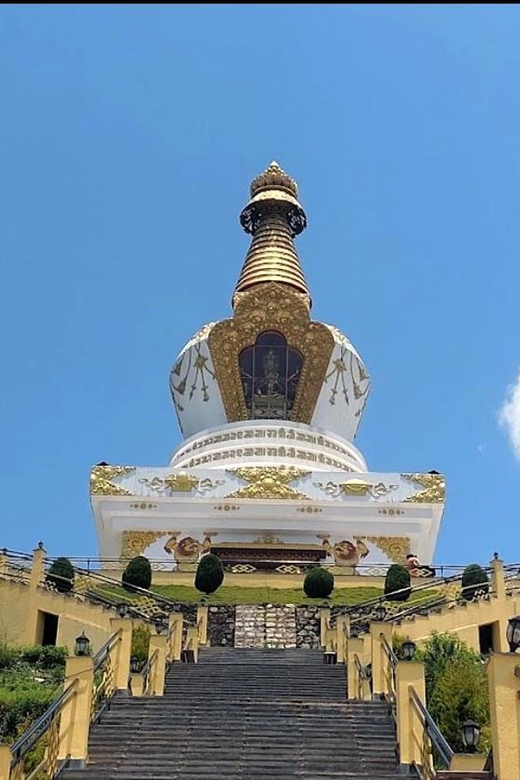
Jamchen Vijaya Stupa, the quiet first stop
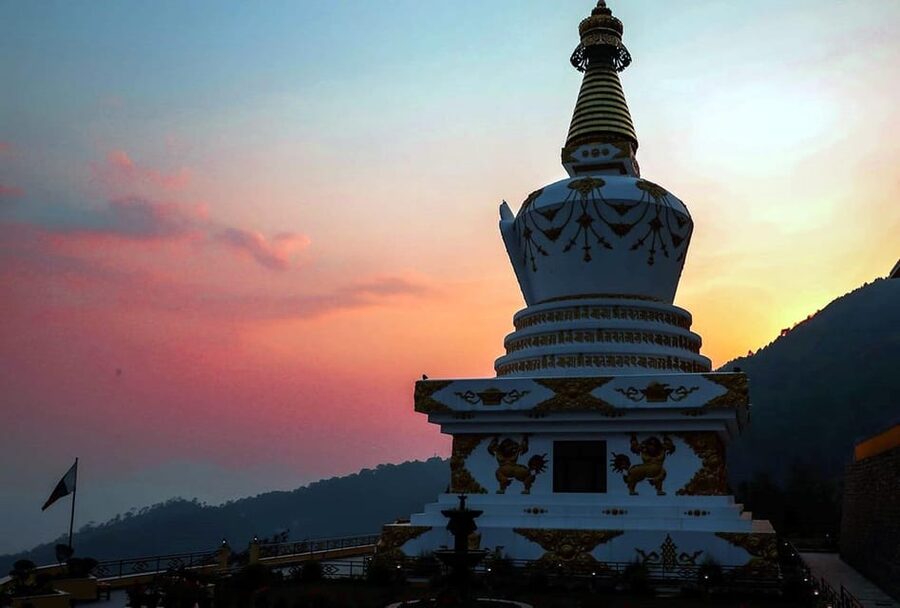
Your first visit is to Jamchen Vijaya Stupa, also written as Jamche Vijaya Stupa in the tour information. The stop lasts about an hour and includes a guided visit, sightseeing, and walking.
This is the calmest setting of the three. The site is described as peaceful, with views and natural surroundings that give you room for reflection. The point is not to collect another photograph. It is to notice the shape of the stupa, the details around it, and the way the site is used as a place for prayer and stillness.
Your guide can help you read the visual language of the monument. Buddhist sites often use color, repeated forms, prayer wheels, and sacred images to communicate ideas about wisdom, compassion, and the path toward inner calm. The exact depth of the explanation depends on your guide and your questions, so speak up if you want more than a basic introduction.
This stop is also useful at the start of the day because it sets a slower rhythm. You are not pushed through in a few minutes. The scheduled hour gives you time to look around and settle into the subject before reaching Kopan.
There is one practical point to keep in mind. You will be walking, and the activity specifically excludes people with mobility impairments and wheelchair users. Bring comfortable shoes and keep your hands free, since large bags and luggage are not allowed.
Kopan Monastery, where the tour becomes personal
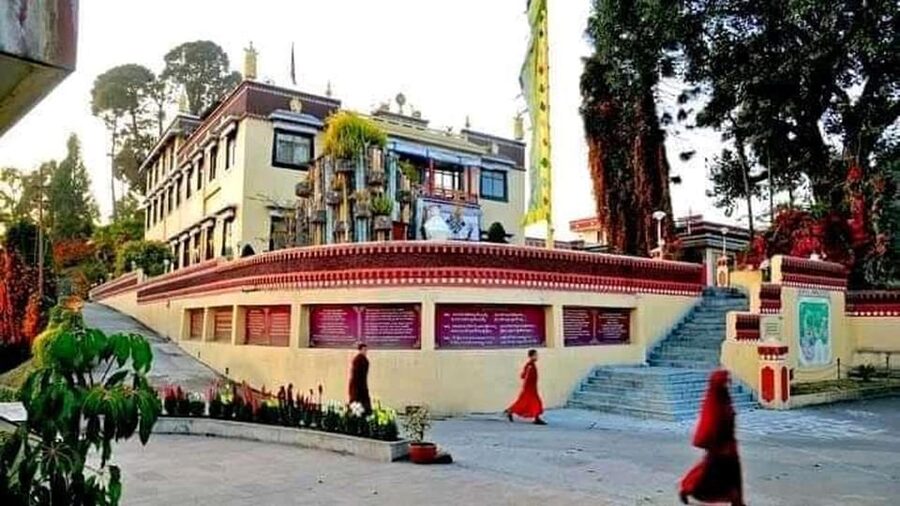
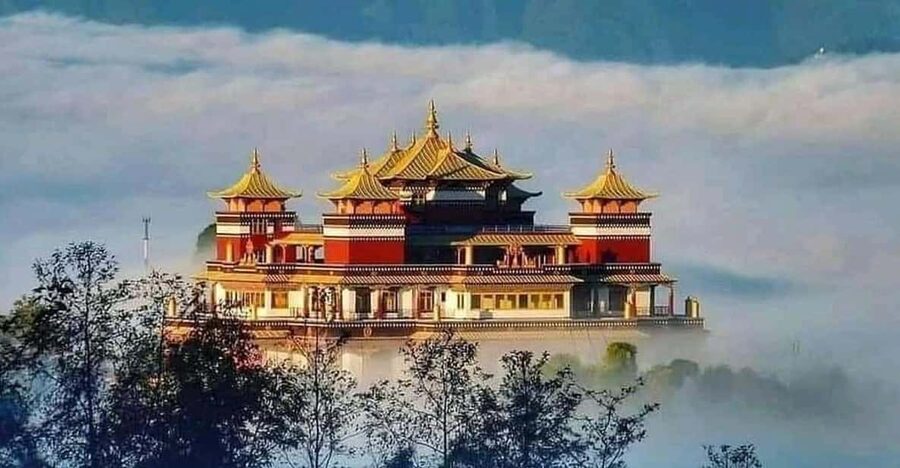
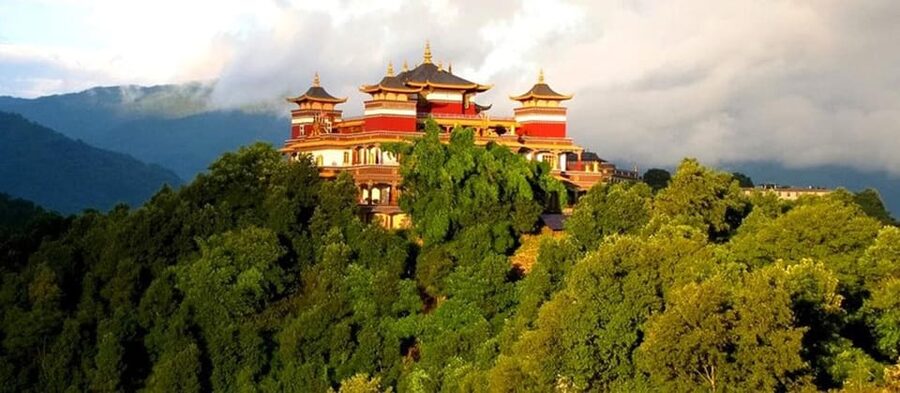
Kopan Monastery is the emotional center of the experience. The visit lasts about an hour and can include a photo stop, free time, walking, a class, scenic views, and meditation.
The monastery sits on a hill with views across Kathmandu Valley. More important than the view, though, is the chance to encounter a living monastic setting rather than a silent monument. You may see prayer wheels, colorful murals, gardens, and places used for study and meditation.
The tour description allows for contact with monks and Buddhist teaching. Your guide may help you understand what you are seeing, or you may have time to observe quietly. Do not expect a private audience with a monk as a guaranteed feature. The monastery is an active religious place, and access can depend on the day and local arrangements.
Meditation is one of the strongest reasons to choose this tour. Several people describe sitting quietly at Kopan for close to an hour, while others mention a meditation session as the most memorable part of the day. You do not need previous experience. The value is simply having protected time to stop, breathe, and pay attention.
A guide can make this part much more useful. Pooja has been praised for encouraging people to experience the setting rather than only look at it. Karma has also been praised for explaining the religious ideas behind the visit in a clear, approachable way.
Kopan is not guaranteed to be fully open every time. One visitor still found the tour worthwhile when the monastery was closed, but you should be aware that access can change. If Kopan is important to you, ask about current opening arrangements before booking.
Boudhanath Stupa, the grand finish
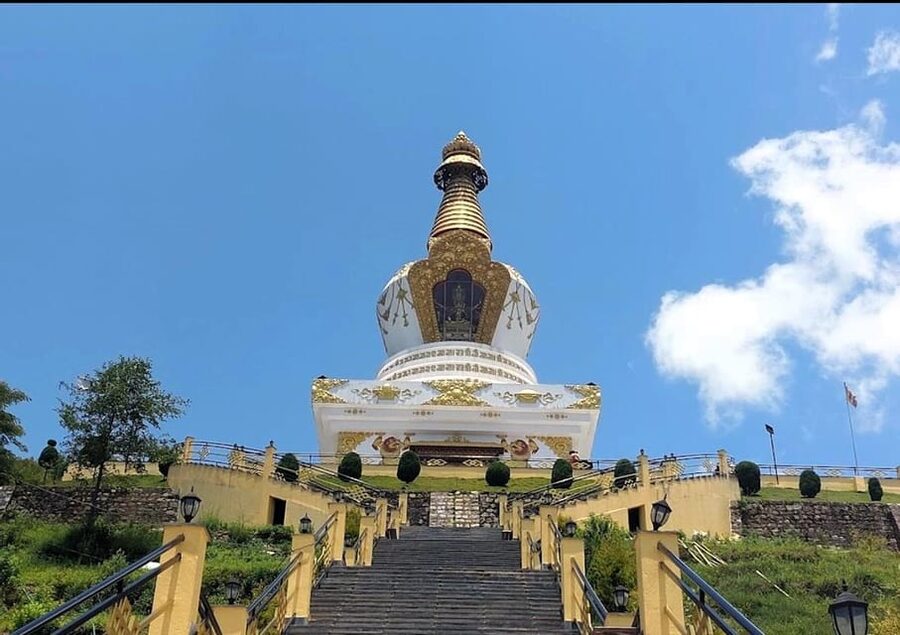
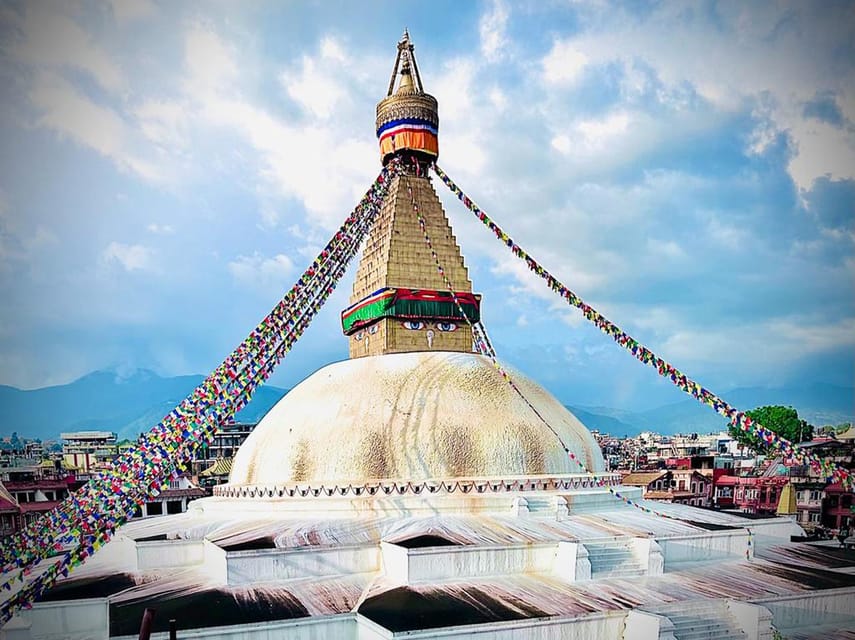
The final stop is Boudhanath Stupa, one of the world’s major Buddhist pilgrimage sites and a UNESCO World Heritage Site. The schedule allows about an hour for a break, photographs, a guided visit, free time, sightseeing, and walking.
Boudhanath feels very different from Jamchen Vijaya. The enormous white dome and Buddha’s watchful eyes dominate the square, while prayer flags, shops, monasteries, and traditional eateries fill the area around it. Here, religious practice is visible in public. You can watch people walk around the stupa, turn prayer wheels, and recite mantras.
Your guide should explain how to move respectfully through the site. Pay attention to the direction of walking and avoid treating worshippers as part of a staged performance. Ask before taking close photographs of people, especially during prayer.
This is also the best stop for a little independent time. You may want to circle the stupa, browse Buddhist items, or sit with a drink and take in the scene. The tour includes the chance to buy an authentic Nepali lunch, but the meal itself is not included in the listed package, so bring money if you want momos or another local dish.
Boudhanath can be busy, and that is part of its appeal and its challenge. After the hush of Kopan, the noise and movement may feel like a sharp change. I see that as a strength: you finish by seeing how Buddhism works not only in meditation rooms, but also in the middle of city life.
Same country, a different morning at the gates:
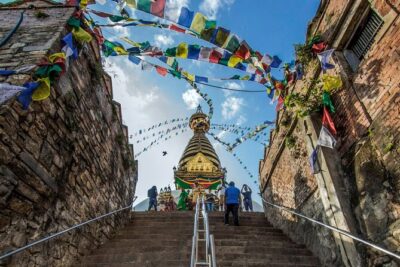
- Monkey Temple – Swayambhunath Tour – Private/Small Group
★ 5.0 · 50 reviews - Kathmandu: Pashupatinath Temple Evening Aarati Tour
★ 5.0 · 36 reviews - Chandragiri Cable Car & Monkey Temple Tour- Private/Group
★ 5.0 · 32 reviews - Private Chandragiri Cable Car and The Monkey Temple Tour
★ 5.0 · 30 reviews
Why the guide matters more than the vehicle
The car gets you between sites, but the guide determines how much you take away. The tour is offered as a private group with a live English-speaking guide, so you can ask about Buddhist philosophy, Nepali customs, temple design, or the practical meaning of a ritual.
The strongest guiding style here is conversational. Pooja has been singled out for her gentle manner, humor, and ability to explain symbols and religious beliefs. Karma is praised for passion and clear explanations. Aneel is noted for connecting spiritual traditions with Nepalese culture and personal stories.
Pranav is a good example of the kind of guide this tour suits. He has been described as open and easy to talk with, able to move from the origins of Buddhist practice to ancient and modern Nepal. That is useful if you want a cultural conversation rather than a memorized list of dates.
Guide assignments can vary, so you should not book on the assumption that you will receive a particular person. Still, the repeated praise for guides across different dates points to a clear strength in the experience: the human element is likely to matter more than any single monument.
The driver matters, too. The route involves Kathmandu traffic, and several people valued having a careful, punctual driver. Hotel pickup and drop-off save you from arranging separate taxis, which is particularly useful if you are alone or still finding your way around the city.
Five hours, private transport, and the real value
The stated duration is five hours, although the three main visits are each scheduled for about one hour. The remaining time covers pickup, driving, traffic, and moving between locations.
That makes the tour a good half-day choice. You can fit it into a morning or afternoon and still have time for another Kathmandu activity. Do not treat the five-hour length as five hours of uninterrupted sightseeing. Kathmandu traffic can affect the rhythm, and the point of the tour is unhurried attention rather than maximum site count.
At $6 per person, the listed price is strikingly low for a private-car tour with hotel pickup, transport, and a licensed guide. If that rate is available for your date, the value is excellent. Even a short private tour can cost more once you add taxis and entrance arrangements separately.
Check the final booking details for any site fees or food costs not clearly included in the package. Lunch is an optional purchase, not part of the included services. The flexible cancellation policy allows cancellation up to 24 hours in advance for a full refund, and reserve-now, pay-later booking is available.
The transport receives a 91 percent perfect score, which supports the practical side of the tour. Still, I would choose it mainly for the guiding and access to the three sites, not simply as a way to get around.
Who will enjoy this spiritual tour most
I would choose this experience if you have one free half-day in Kathmandu and want cultural context without committing to a long retreat or multi-day journey. It works especially well for solo visitors because the private format gives you company, a driver, and someone to answer questions.
It also suits couples, small private groups, and first-time visitors who want an introduction to both Buddhist belief and local life. You can keep the discussion simple, or ask more detailed questions about meditation and philosophy.
This is not the best choice if you want a strenuous hike, a long formal meditation course, or a full day at each location. It is also a poor fit if stairs and walking are difficult. Large bags and luggage are not permitted, and you should bring a passport or identification card, with a copy accepted.
Dress and behave respectfully at religious sites. The supplied information does not specify a strict dress code, but modest clothing and a quiet manner are sensible choices at a monastery and stupa.
Should you book it?
Book this tour if you want to understand Kathmandu’s Buddhist sites rather than simply photograph them. The combination of Jamchen Vijaya’s calm, Kopan’s meditation, and Boudhanath’s public religious life gives you a well-shaped half-day.
The best reason to go is the guide. A strong guide such as Pooja, Karma, Aneel, or Pranav can turn unfamiliar symbols and rituals into something clear and human. Just keep your expectations flexible around Kopan’s access and remember that the day involves walking.
At the listed $6 price, hotel pickup, private transport, and an English-speaking guide make this an unusually good buy. I would book it for a first visit to Kathmandu, especially if you want a thoughtful introduction to Nepal’s Buddhist traditions without giving up the rest of your day.
FAQ
How long does the tour last?
The tour lasts five hours, including hotel pickup and drop-off in Kathmandu.
Which places are included?
The tour includes Jamchen Vijaya Stupa, Kopan Monastery, and Boudhanath Stupa in Kathmandu.
Is hotel pickup included?
Yes. Pickup and drop-off by car are included from accommodations in Kathmandu.
Is the tour private?
Yes. The activity is offered as a private group experience.
What language does the guide speak?
The live tour guide speaks English.
Can I meditate at Kopan Monastery?
Meditation is included as part of the spiritual focus of the tour, and the visit may provide time for a meditation session. Access and arrangements can vary, and Kopan Monastery may occasionally be closed.
Is lunch included?
No. You have the chance to buy an authentic Nepalese lunch during the tour, but the meal is not listed among the included services.
What should I bring?
Bring a passport or identification card. A copy is accepted. Comfortable walking shoes are also sensible.
Is the tour suitable for wheelchair users?
No. The activity is not suitable for wheelchair users or people with mobility impairments. Large bags and luggage are also not allowed.
Just added around Kathmandu
- Sacred Pashupatinath: Aarati,Cremation Rites & Boudha Stupa★ 5.0 · 18 reviews
- Kathmandu: Guided Walking Tour with Monkey Temple★ 5.0 · 18 reviews
- Kathmandu: Pashupatinath Temple Evening Aarati Tour★ 4.7 · 11 reviews
- Kathmandu: Pashupatinath Temple Aarti Night Tour★ 4.8 · 29 reviews
- Kathmandu: Pashupatinath Temple Evening Aarati Tour★ 5.0 · 36 reviews
- Kathmandu: Chandragiri Cable Car and Monkey Temple Tour★ 5.0 · 9 reviews
- Bhaktapur Durbar Square and Boudhanath Stupa★ 5.0 · 7 reviews
- Private Chandragiri Cable Car and The Monkey Temple Tour★ 5.0 · 30 reviews
Kathmandu Temple Tours, compared.
Kathmandu Spiritual Sites: Bodhnath & Pashupatinath Tour
Read our review →
Monkey Temple – Swayambhunath Tour – Private/Small Group
Read our review →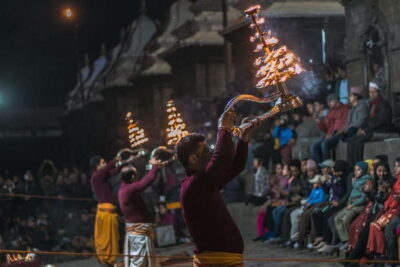
Chandragiri Cable Car & Monkey Temple Tour- Private/Group
Read our review →
Private Chandragiri Cable Car and The Monkey Temple Tour
Read our review →
Browse the lists this tour appears in