
REVIEW · KATHMANDU TEMPLE TOURS
Kathmandu Spiritual Sites: Bodhnath & Pashupatinath Tour
At sunset, Pashupatinath becomes a place of lamps, music, prayer, and intense local devotion. This tour pairs that powerful evening Aarati ritual with the calmer ritual of walking around Boudhanath Stupa, giving you a close look at two of Kathmandu’s most important faith centers in about four hours.
I like the use of public transport, which turns a simple temple visit into a glimpse of daily Kathmandu life. I also like the small group limit of 12, since guides can answer questions and keep everyone together near the crowded riverfront. The main drawback is the pace: roughly 2 kilometers of walking, crowded sites, and a late afternoon start may be tiring for some people.
Key points at a glance
- Two major sacred sites in one evening: Visit the Tibetan Buddhist Boudhanath Stupa and Hindu Pashupatinath Temple.
- Aarati at sunset: Watch the offering of lights to Lord Pashupatinath beside the Bagmati River.
- Local transport included: Ride between sites as local residents do, rather than staying inside a tourist vehicle all evening.
- Small group format: The maximum group size is 12, with private departures also possible.
- Optional paid extras: Butter lamps, palm reading, and photographs or interaction with sadhus cost extra.
- Strong guide element: Guides such as Rita, Rozit, Amit, Subash, Bipin, and Ramhavi have led departures, with particular praise for clear explanations, patience, photography help, and care in large crowds.
Why these two sites work so well together
Kathmandu can feel like a jumble of shrines, traffic, incense, bells, and ceremonies. This tour gives that busy religious life a clear shape. You first see Boudhanath, the great Buddhist stupa, then move to Pashupatinath, the major Hindu temple complex, as daylight fades.
The contrast is useful. At Boudhanath, you follow the clockwise flow around a white dome beneath the watchful Buddha eyes. At Pashupatinath, the focus shifts to Shiva, Hindu ideas about birth and death, holy men, riverside cremation rites, and the evening offering of lamps.
You do not need a background in either religion. The guide’s job is to explain what you are seeing without turning the visit into a lecture. This matters at places where a prayer wheel, butter lamp, sadhu, or cremation platform can be easy to misunderstand.
The tour costs $60.56 per person. That is not the cheapest way to see the sites, since you could visit parts of Kathmandu independently, but the price includes entrance fees, transport between the meeting point and the sites, an English-speaking Nepali guide, and help with the rituals and crowds. For a first visit or a short stay, that package has practical value.
A few more temple visits around Kathmandu worth a look
- Kathmandu: Chandragiri Cable Car and Monkey Temple Tour
★ 4.8 · 139 reviews - From Kathmandu: 2 Stupas and Kopan Monastery Spiritual Tour
★ 4.8 · 115 reviews - Lunch with Nuns – Monastery
★ 5.0 · 75 reviews
Starting in Thamel at 3 pm
You meet at Hotel Marshyangdi on Chaksibari Marg in Thamel at 3 pm. Thamel is Kathmandu’s main visitor district, so the meeting point is convenient if you are staying nearby. The tour ends back at the same meeting point.
The first leg uses public transport. This is one of the more useful choices in the program. You get a look at how people move around Kathmandu, and the ride adds a local note that a private car would miss. It can also feel less predictable, so keep your group close and listen carefully to the guide.
The tour lasts about four hours, though traffic and crowd conditions can affect the exact rhythm. A 15-minute stop at Thamel is listed as part of the route, mainly covering the departure and return arrangements rather than sightseeing.
Boudhanath Stupa: walking the prayer-wheel circuit
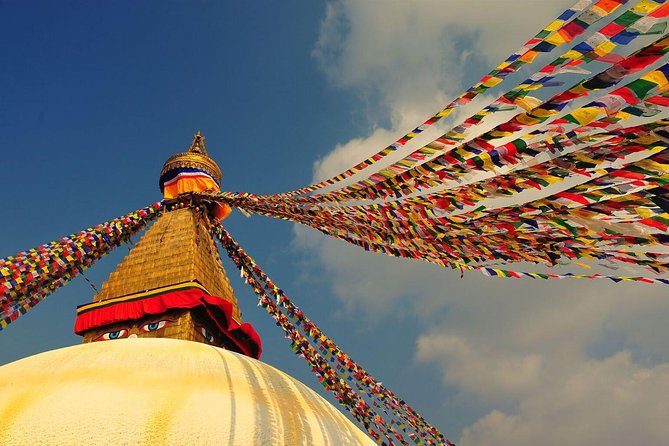
Boudhanath is the first major stop, with about 1 hour and 25 minutes set aside. This is one of the largest stupas in the world and a center of Tibetan Buddhism in Nepal. The broad white dome and golden details make it easy to recognize, but the real interest is in how people use the space.
You can walk around the stupa with local Buddhists, turning prayer wheels as you go. The motion is simple, yet it gives you a way to take part rather than only look. Your guide explains the meaning of the circuit and the customs around the shrine.
A traditional butter lamp is another optional part of the visit. The cost is not included, so ask your guide about the price before paying. Lighting one can make the visit feel more personal, but you should not feel pressured to add it.
Allow time to look upward as you walk. The painted eyes, prayer flags, dome, and steady movement around the base create some of the most memorable scenes of the evening. The site can be especially active on holidays, when the flow of worshippers and local activity increases.
Boudhanath is also a place where the group’s size helps. A group of 12 is small enough for a guide to point out details and answer questions, but you still need to stay alert. The walking route is shared with worshippers, and it is easy to lose sight of people when the space fills.
The walk toward Pashupatinath
After Boudhanath, the group walks for about 15 minutes toward Pashupatinath Temple. The full walking distance for the tour is approximately 2 kilometers, so comfortable shoes are important.
This short walk creates a useful pause between the Buddhist and Hindu sites. You are not simply being driven from one monument to another. The streets and local transport become part of the lesson, and the guide can continue explaining Kathmandu’s religious life along the way.
The tour is family-friendly, and children under six can join free of charge. Still, parents should consider the late afternoon timing, the crowds, and the sensitive scenes near the river before bringing very young children.
Same country, a different morning at the gates:
- Monkey Temple – Swayambhunath Tour – Private/Small Group
★ 5.0 · 50 reviews - Kathmandu: Pashupatinath Temple Evening Aarati Tour
★ 5.0 · 36 reviews - Chandragiri Cable Car & Monkey Temple Tour- Private/Group
★ 5.0 · 32 reviews - Private Chandragiri Cable Car and The Monkey Temple Tour
★ 5.0 · 30 reviews
Pashupatinath: Shiva, sadhus, and the Bagmati River
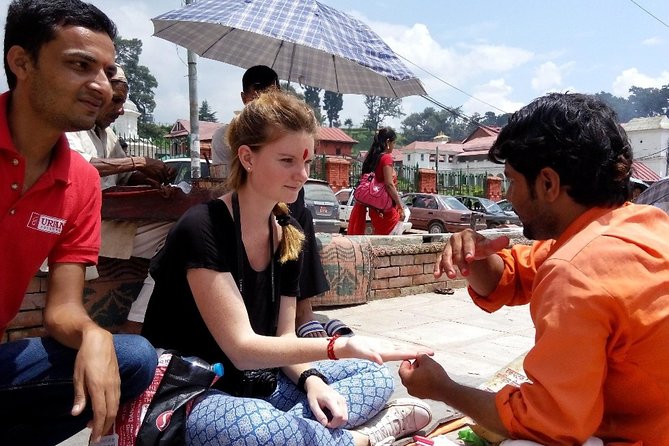
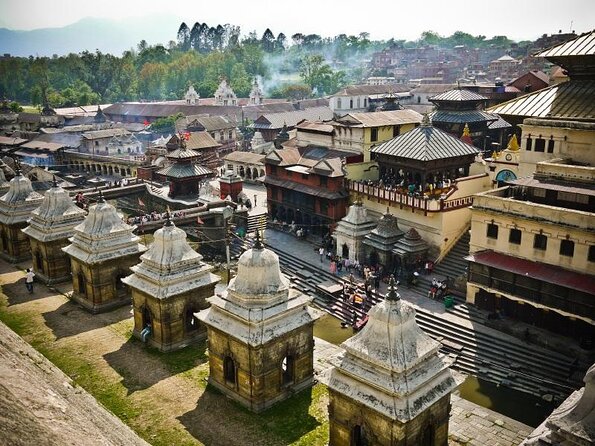
Pashupatinath receives about 2 hours and 20 minutes, making it the longer and more emotionally demanding stop. The temple is dedicated to Shiva and is one of the holiest Hindu shrines in Nepal. The complex is also UNESCO-listed and has been renovated after earthquake damage.
The guide explains Hindu beliefs about the cycle of birth and death, giving context to what takes place beside the Bagmati River. You may see cremation ceremonies from public areas near the river. This is not a spectacle. Mourning families deserve privacy, and you should not take photographs or watch closely out of curiosity.
That point is central to having a respectful visit. Keep your camera away from cremation rites, follow the guide’s instructions, and remember that the ceremony is a family’s sacred farewell, not a performance for visitors.
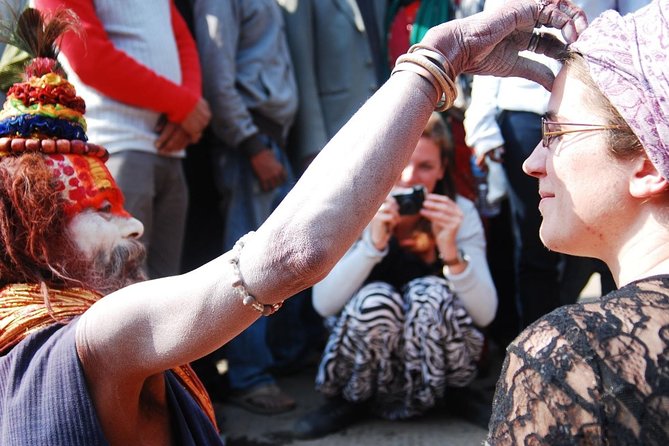
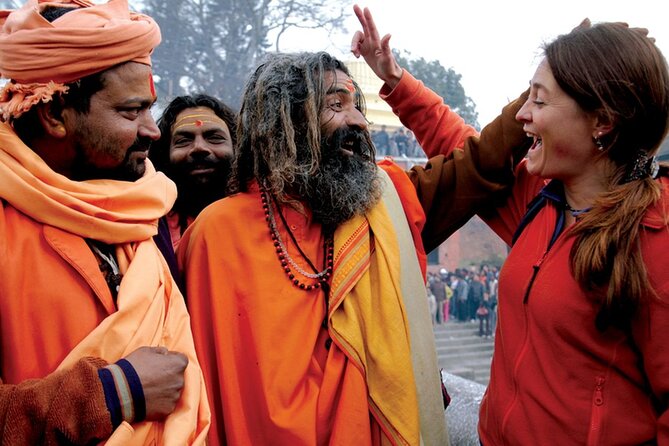
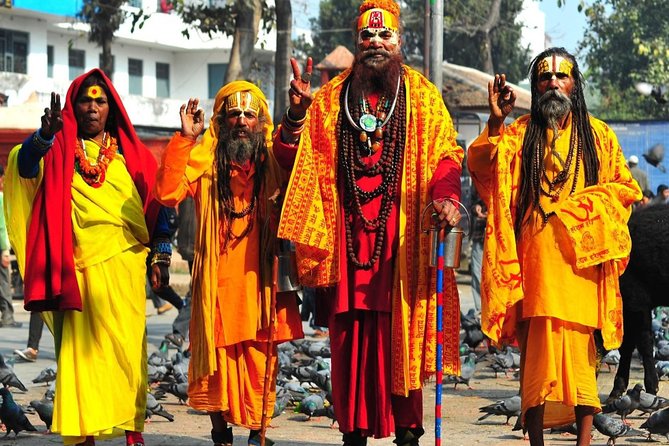
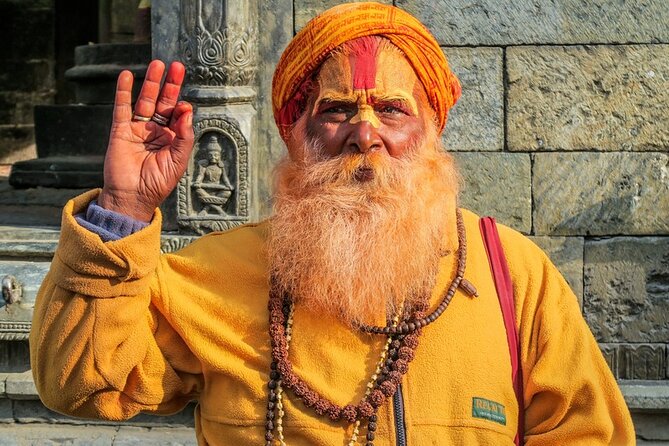
You may also see sadhus, Hindu holy men known for their colorful clothing and rejection of ordinary material possessions. The tour explains their religious choices and the role they play within the site. If you want a photograph or direct interaction, fees may apply, with the supplied information listing about $7.50 for this option. Alms are not included.
A local palm reader may also be available. This is optional and costs extra, with the stated price varying from about $7.50 to $9 per person. The guide can help with negotiation, which is useful if you choose to take part. Treat it as a cultural encounter and entertainment, not as a guaranteed prediction.
The Aarati ritual after dark
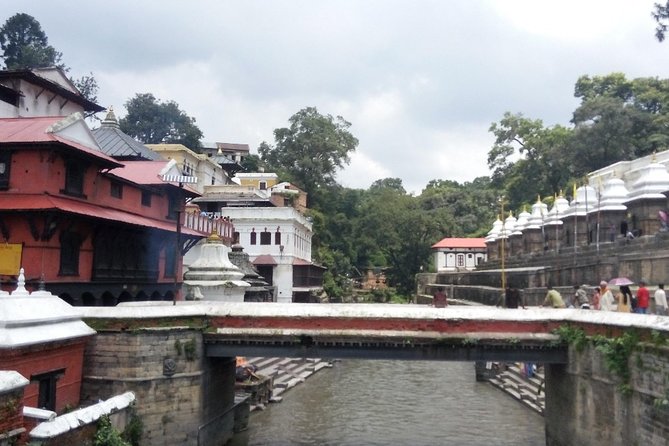
The high point comes as the sun goes down. Locals gather on the eastern side of Pashupatinath along the Bagmati River for Aarati, an offering of light to Lord Pashupatinath.
You can expect lamps, movement, prayer, and a strong sense of shared devotion. The ceremony is particularly effective because the tour places you there during the evening gathering rather than during a quiet daytime visit. This is not just a monument viewed from a distance. You see how people use the temple complex as part of daily religious life.
Crowds are the main practical concern. Stay near your guide and group, especially once the riverfront fills. A guide’s value becomes clear here: the group can find a suitable place, keep together, and move through the crowd without wasting the short evening window.
The ceremony may be the most memorable part of the tour, but it is also the least controlled. You will not have a private viewing area, and the crowd may make photography difficult. Go for the atmosphere and meaning, not for a perfectly staged picture.
What the guide adds
The tour depends heavily on the individual guide. The strongest departures have included guides named Rita, Rozit, Amit, Subash, Bipin, and Ramhavi. Their reported strengths vary, but the useful pattern is clear: expect the best experience when your guide explains religious customs in plain English, answers questions, and adjusts the pace to the group.
Amit, in particular, has been associated with photography advice, including tips for getting better results from a phone. Bipin has helped people find photo locations and navigate Kathmandu’s small lanes. Ramhavi has been praised for keeping the group together during the crowded Pashupatinath ceremony.
Rozit has been described as personable and generous with his time, while Rita has adjusted the route to suit the group. Subash has been noted for strong English and detailed explanations. These details matter because the sites can otherwise feel confusing, and the guide’s manner shapes the whole afternoon.
The small-group maximum of 12 is a good middle ground. It is more social than a private tour, but far easier to manage than a large bus group. If you want the most control over timing and conversation, ask about a private option.
Value, extra costs, and possible drawbacks
At $60.56, the tour is best value for someone with limited time in Kathmandu. You get two major UNESCO sites, entrance fees, transport, a local English-speaking guide, and a carefully timed visit to Aarati. Trying to arrange both sites alone may cost less, but you would need to handle transport, entry arrangements, religious etiquette, and crowd navigation yourself.
Budget for optional spending. Lunch and dinner are not included. Butter lamps, palm reading, alms, and paid interaction or photographs with sadhus are separate. You can enjoy the main tour without buying any of these extras.
There are a few other trade-offs. Public transport is authentic but may be less comfortable than a private vehicle. The walking distance is manageable for most people, though the crowded streets and uneven pace can be tiring. The tour also mentions earthquake damage at some sites, although the visited sights have been renovated.
One negative possibility is a meeting-point problem. A departure has been reported where no one was found at the pickup point, despite other tours gathering there. Confirmation is issued at booking, but I would still arrive early, keep the meeting details handy, and contact the operator if the guide is not visible at 3 pm.
Free cancellation is available if you cancel at least 24 hours before the start time. Changes or cancellations inside that window are not accepted for a refund.
Who should book this Kathmandu evening tour?
I would choose this tour if you have only a few days in Kathmandu, want help understanding Hindu and Buddhist customs, or prefer seeing sacred places with a local guide rather than piecing the visit together alone.
It suits adults, families with older children, solo visitors, and small groups who want a social but manageable outing. It is also a good fit if you are curious about everyday religious practice, not just architecture.
I would think twice if you dislike crowds, public transport, walking, or emotionally serious sites. Pashupatinath includes visible cremation activity, and the correct response is respectful distance. If you want quiet temple time or complete control over photography, a private visit at a different time may suit you better.
For most first-time visitors, though, the combination is hard to beat. Boudhanath gives you a calm ritual circuit, Pashupatinath brings you into the center of Kathmandu’s Hindu life, and Aarati supplies a memorable close to the evening.
FAQ
How long does the tour last?
The tour lasts approximately four hours.
Where does the tour start?
It starts at Hotel Marshyangdi on Chaksibari Marg in Kathmandu’s Thamel district.
What time does the tour begin?
The stated start time is 3 pm.
Where does the tour end?
The activity ends back at the meeting point at Hotel Marshyangdi.
Which sites are included?
The tour includes Boudhanath Stupa and Pashupatinath Temple, both UNESCO World Heritage sites.
Is transportation included?
Transportation from the meeting point to Boudhanath and from Pashupatinath to the endpoint is included. The tour uses public transport.
How many people can join the group?
The maximum group size is 12 people. A private option may also be available.
Are entrance fees included?
Entrance fees for Boudhanath Stupa and Pashupatinath Temple are included.
Do optional activities cost extra?
Yes. Palm reading, butter lamps, alms to sadhus or monks, and photographs or interaction with sadhus are not included in the tour price.
Can children join?
Yes. The tour is child-friendly, and children under six are permitted to join free of charge.
Should I take photographs during cremation ceremonies?
No. You should respect mourning families by refraining from taking photographs or watching the cremation rituals.
What is the cancellation policy?
You can cancel up to 24 hours before the start time for a full refund. Cancellations or changes made less than 24 hours before the start time are not accepted for a refund.
Just added around Kathmandu
- Sacred Pashupatinath: Aarati,Cremation Rites & Boudha Stupa★ 5.0 · 18 reviews
- Kathmandu: Guided Walking Tour with Monkey Temple★ 5.0 · 18 reviews
- Kathmandu: Pashupatinath Temple Evening Aarati Tour★ 4.7 · 11 reviews
- Kathmandu: Pashupatinath Temple Aarti Night Tour★ 4.8 · 29 reviews
- Kathmandu: Pashupatinath Temple Evening Aarati Tour★ 5.0 · 36 reviews
- Kathmandu: Chandragiri Cable Car and Monkey Temple Tour★ 5.0 · 9 reviews
- Bhaktapur Durbar Square and Boudhanath Stupa★ 5.0 · 7 reviews
- Private Chandragiri Cable Car and The Monkey Temple Tour★ 5.0 · 30 reviews
Kathmandu Temple Tours, compared.
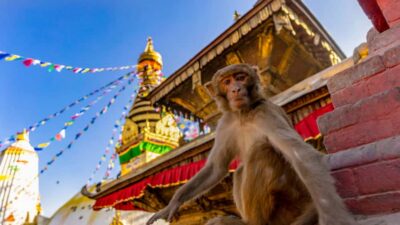
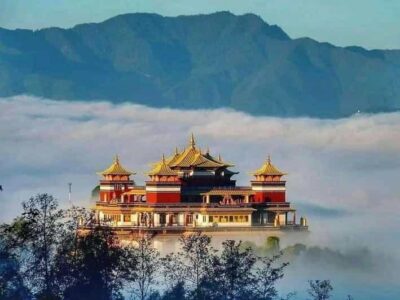
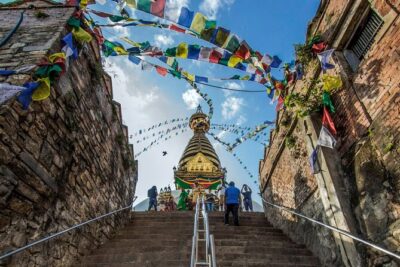
Monkey Temple – Swayambhunath Tour – Private/Small Group
Read our review →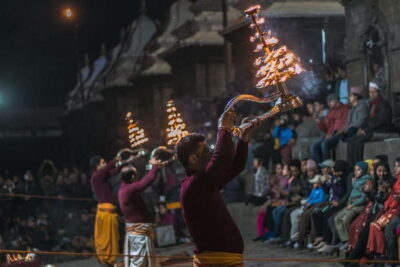
Chandragiri Cable Car & Monkey Temple Tour- Private/Group
Read our review →
Private Chandragiri Cable Car and The Monkey Temple Tour
Read our review →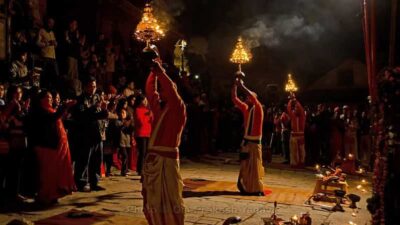
Browse the lists this tour appears in