
REVIEW · KATHMANDU TEMPLE TOURS
Sacred Pashupatinath: Aarati,Cremation Rites & Boudha Stupa
Pashupatinath’s riverbank cremations and evening Aarati give this Kathmandu outing its emotional force. At Boudhanath, you move at a quieter pace, walking the sacred kora beneath prayer flags before crossing to a temple complex where death, worship, and daily life share the same space.
I like the contrast between the two sites, and I like having a guide to explain symbols that are easy to miss. Guides such as Razz, Pranav, Karma, and Sudhir have been praised for clear English and thoughtful answers. The main consideration is that the cremation rites and Aarati can feel intense, and the tour is not suited to children under 12 or people with respiratory problems.
Key points to know before you go
- Boudhanath begins with a sacred walk: Circle the great white stupa, turn prayer wheels, and watch daily Tibetan Buddhist devotion.
- Pashupatinath is a living Hindu shrine: You can visit the outer complex, but non-Hindus cannot enter the main sanctum.
- Cremation rites are visible from the Bagmati River ghats: Your guide explains the ritual while you watch from a respectful distance.
- The Aarati ceremony adds sound and movement: Chants, bells, conch shells, and lamps create the evening’s most powerful moment.
- The $11 tour price is only part of the cost: Entry fees are extra, totaling NRs 1,400 for both UNESCO sites.
- The meeting point needs attention: Unless you choose pickup, you meet at the Pashupatinath ticket counter and arrange transport yourself.
Two sacred sites, two very different moods
This is a useful introduction to Kathmandu’s spiritual life because Boudhanath and Pashupatinath do not feel alike. Boudhanath gives you space to slow down. Pashupatinath is more crowded, more emotional, and harder to take in without some context.
You spend about an hour at each main stop, though the total activity can last anywhere from two to five hours depending on the selected option, transport, and timing. That short format works well if you have limited time in Kathmandu, but it also means you should not expect an exhaustive visit to either complex.
The guide matters here. At Boudhanath, you may understand the basic shape of the stupa without help, but the meaning of the eyes, prayer wheels, flags, and circumambulation is easier to grasp when someone explains it beside you. At Pashupatinath, guidance is even more useful because the religious customs and cremation practices require care and respect.
A few more temple visits around Kathmandu worth a look
- Kathmandu Spiritual Sites: Bodhnath & Pashupatinath Tour
★ 5.0 · 185 reviews - Kathmandu: Chandragiri Cable Car and Monkey Temple Tour
★ 4.8 · 139 reviews - From Kathmandu: 2 Stupas and Kopan Monastery Spiritual Tour
★ 4.8 · 115 reviews
Boudhanath Stupa and the rhythm of the kora
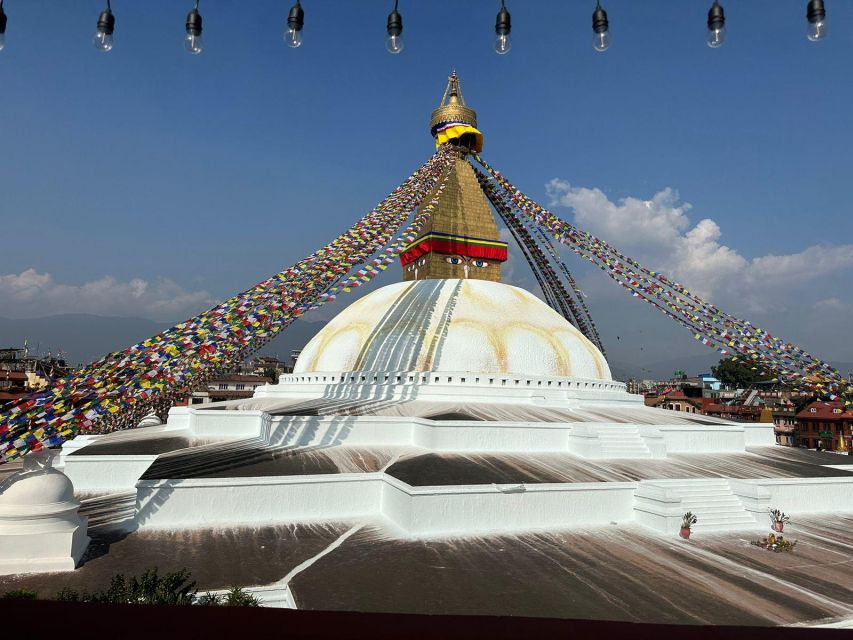
Boudhanath is one of Kathmandu’s most recognizable sights: a huge white dome topped by a golden spire and the watchful eyes of the Buddha. Around it, pilgrims walk clockwise in the kora, turning prayer wheels as they go.
Your visit includes time for photographs, walking, sightseeing, and a guided explanation of the stupa’s symbols. You can also look into monastery courtyards, browse nearby spiritual shops, or pause at a rooftop café for tea and a view across the dome.
I like this first stop because it gives you room to settle into the day. The movement is simple: walk, observe, listen, and let the place reveal itself gradually. Colorful prayer flags move overhead, while shops and cafés remind you that this is not a museum. It is a working religious center woven into ordinary Kathmandu life.
The surrounding market adds another layer. You might see singing bowls, religious objects, handmade goods, and Thangka paintings. One visitor was also able to watch artists working on Dalai Lama Thangka paintings and join a short singing bowl meditation and massage experience. These extras are not the core of the tour, and shops may encourage you to buy, so decide in advance what you want to spend.
A polite no is generally enough if you do not want anything. The area is best enjoyed when you give yourself a few quiet minutes rather than treating it as a quick photo stop.
Why the kora is worth your time
The kora is not just a lap around a landmark. It is an act of devotion, and joining it gives you a direct way to take part without needing to be Buddhist. Walk in the same clockwise direction as other pilgrims, keep your pace calm, and avoid treating the prayer wheels or shrine spaces as props.
Your guide can point out details you might otherwise pass without noticing. The experience is especially good for people who want some cultural meaning along with photographs. If you prefer a purely scenic stop, Boudhanath still works, but the explanation adds much of its value.
The tour description allows time for a rooftop café, shopping, and monastery courtyards, but the exact balance depends on your guide and selected option. If Boudhanath matters most to you, say so at the start. A private or small-group format should make that easier than a larger group.
Pashupatinath and the sacred Bagmati River
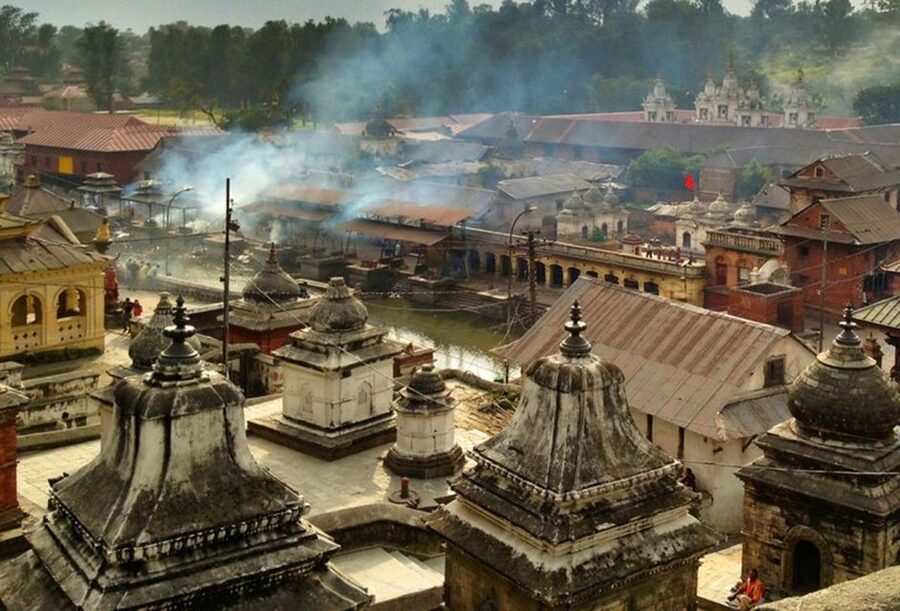
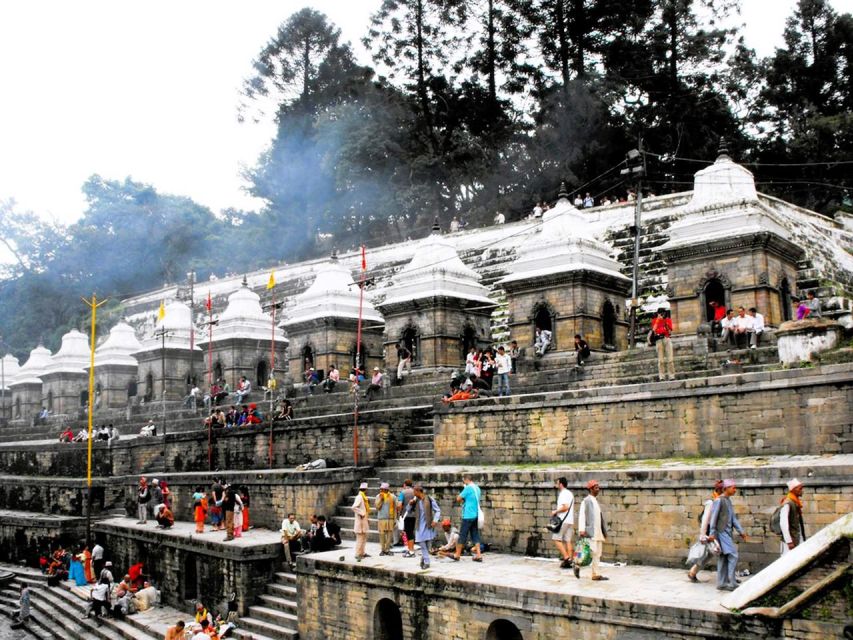
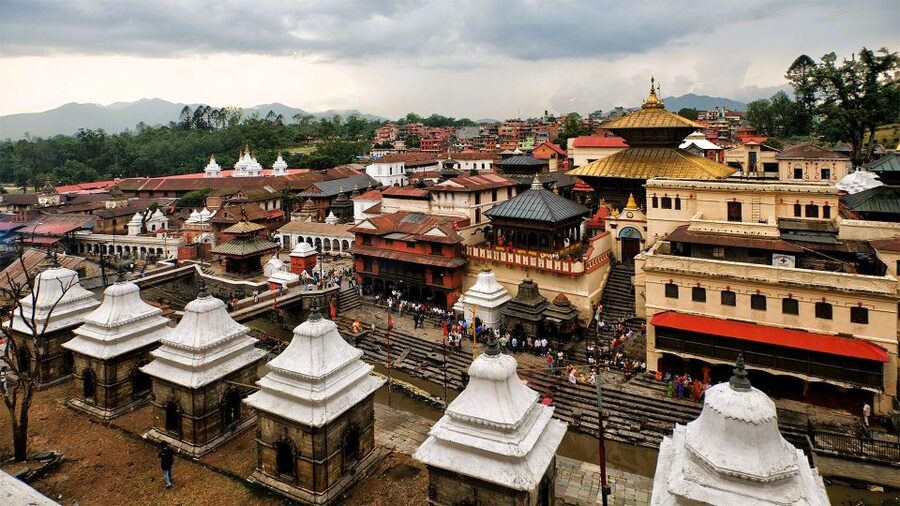
Pashupatinath is Nepal’s most important Hindu temple complex and a major shrine dedicated to Shiva. It sits beside the Bagmati River, where religious ceremonies take place in public view.
Non-Hindus cannot enter the main sanctum, so your visit focuses on the outer complex, surrounding shrines, statues, architecture, and river ghats. That restriction is important to understand before booking. You still see a great deal, but this is not a full inside visit to the temple.
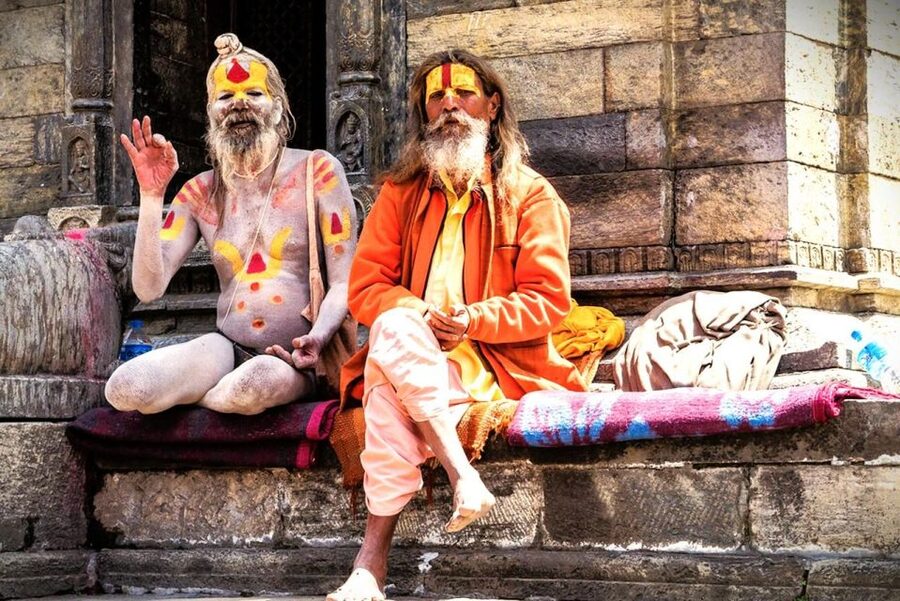
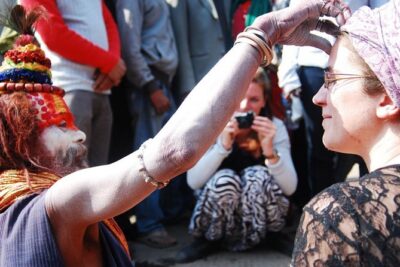
The complex has a different energy from Boudhanath. There are holy men, shrines, pilgrims, religious images, and the constant movement of people carrying out daily rites. Your guide helps connect these details so the site feels less confusing and more human.
The setting is also visually striking. The Bagmati gives the visit a clear sense of place, while the ghats bring the subject of death into public life. Here, religious practice is not hidden away. It is part of the city.
Same country, a different morning at the gates:
- Lunch with Nuns – Monastery
★ 5.0 · 75 reviews - Monkey Temple – Swayambhunath Tour – Private/Small Group
★ 5.0 · 50 reviews - Kathmandu: Pashupatinath Temple Evening Aarati Tour
★ 5.0 · 36 reviews - Chandragiri Cable Car & Monkey Temple Tour- Private/Group
★ 5.0 · 32 reviews
Watching cremation rites with respect
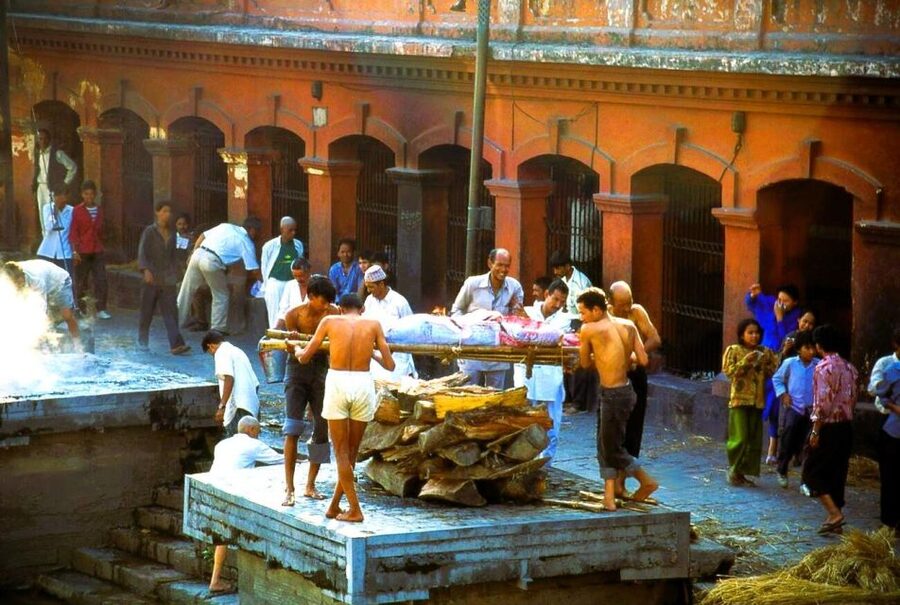
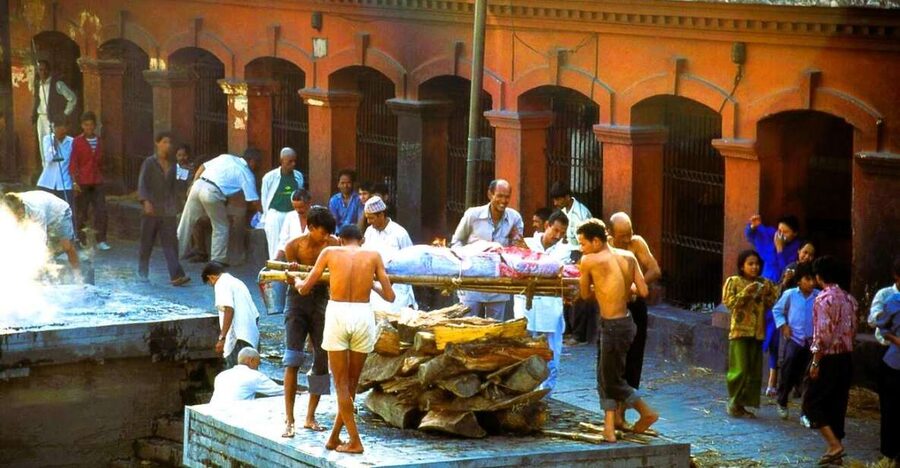
The open-air cremations are the most difficult part of the experience for many people. You may see a family gathering at the river, a body prepared for cremation, and the sacred fire used as part of the final rites.
This is not entertainment, and your attitude matters. Watch quietly, follow your guide’s instructions, and do not assume that close photographs are appropriate. The tour presents the ceremonies as a way to understand Hindu beliefs about death, the soul, fire, and the Bagmati River, not as a spectacle.
I appreciate that this part is explained rather than simply pointed out. A guide can tell you what is happening and why the river and fire carry such importance. At the same time, no explanation removes the emotional weight. One review described the experience as moving, while another noted that the Aarati and cremation scenes can be hard to watch. That is a fair warning.
People with respiratory issues should not book this experience. Smoke near the cremation ghats can make the visit uncomfortable or unsafe. The activity also excludes children under 12, which makes sense given the setting and subject matter.
The Aarati ceremony at Pashupatinath
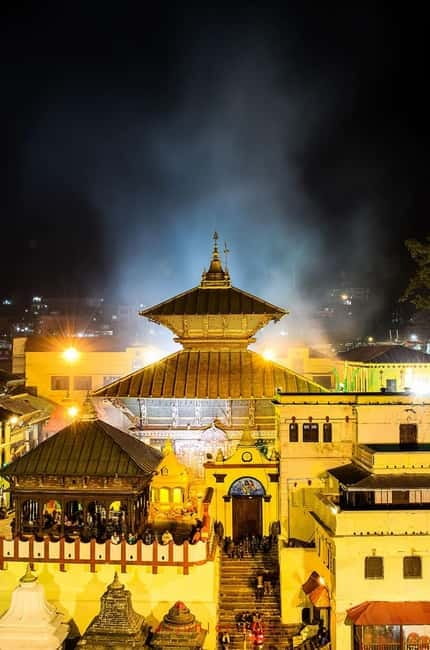
The Aarati is the evening focus of the visit. As daylight fades, chants, bells, conch shells, and lamps create a ceremonial atmosphere beside the river. Your guide positions you to see the ritual and explains its stages as it unfolds.
This is often the most memorable section because it combines sound, movement, light, and devotion. You do not need to share the faith to recognize the care and concentration of the people taking part.
The timing is important. The activity description refers to an evening Aarati, but starting times vary, so check availability before booking and confirm that your selected option includes the ceremony. Some options may cover only part of the experience or offer different transport arrangements.
Pranav has been singled out for explaining each step and finding a good viewing place. Razz has also received praise for clear explanations and strong English. These details matter because the ceremony can be hard to understand from the edge of a crowd without help.
What the guides add to the experience
This is a guide-led cultural visit, not simply a ride between two attractions. The strongest part of the service is the explanation at the sites.
Razz has been described as friendly, clear, and especially good at answering questions. Pranav is noted for careful explanations at Pashupatinath and for helping visitors see the Aarati properly. Karma has guided both the temple visit and Boudhanath, including time around the local market. Sudhir is also named as a professional guide who brings a strong sense of cultural and spiritual context.
You may not receive one of these specific guides, so do not book on the assumption that a particular person is guaranteed. Still, the repeated praise for the guiding style points to the main strength of the experience: someone is there to explain what you are seeing, not just lead the walk.
English, Chinese, Hindi, and Russian guiding are available. Private and small-group options are offered. If you have questions about religion, death customs, or photography, a private format gives you more freedom to pause and ask.
Price, entrance fees, and transport
At $11 per person, the tour itself is inexpensive for a guided visit to two major religious sites. The value is strongest if you want cultural explanation and help with the Aarati rather than simply entering, taking photos, and leaving.
The advertised price does not include entrance fees. You should budget NRs 1,000 for Pashupatinath and NRs 400 for Boudhanath, for NRs 1,400 in total. Food, drinks, shopping, and personal purchases are also extra.
Transport depends on the option you select. Hotel pickup and drop-off may be included, or you can meet the guide at the Pashupatinath ticket counter. The stated return points are Kathmandu and Thamel.
Pay close attention here. The meeting instructions say you must arrange your own transport unless you purchase transport from the agency at a reasonable additional rate. Confirm your pickup, drop-off, and entrance arrangements before setting out. The tour can be smooth, but the transport wording is not identical for every option.
The activity offers free cancellation up to 24 hours before departure and reserve-now, pay-later booking. Those policies are useful if your Kathmandu plans may shift.
Who will enjoy this visit most
I would choose this tour if you want a compact introduction to two of Kathmandu’s most important religious places and prefer having a local guide explain customs that are not immediately obvious.
It suits:
- First-time visitors with only part of a day available
- People interested in Hindu and Tibetan Buddhist practice
- Visitors who want to see the Aarati with help finding a good viewing spot
- Those comfortable with serious subjects and public cremation rites
- People who prefer a private or small-group experience
- Anyone staying in Kathmandu or Thamel and wanting guided return transport
It is less suitable if you want a relaxed sightseeing trip with little walking or if you feel uncomfortable around death rituals. It is also not suitable for children under 12 or people with respiratory issues.
Wear practical clothing that respects both religious settings. Bring your passport or an accepted copy, since identification is listed among the required items. Leave large luggage and bags behind, and do not bring drones, alcohol, or drugs. The site rules also prohibit nudity.
Should you book Sacred Pashupatinath?
Book it if you want meaning as well as scenery. Boudhanath gives you a calm start with the kora, prayer wheels, flags, cafés, and market life. Pashupatinath then brings you face to face with Hindu worship, cremation rites, and the emotional Aarati beside the Bagmati.
The $11 guiding fee is good value, but remember the separate NRs 1,400 entry cost and confirm your transport plan. I would also treat the cremation and Aarati as serious religious moments, not photo opportunities.
If you are ready for that level of honesty, this is one of the more useful short cultural outings in Kathmandu. Choose a small group or private option if questions and quiet observation matter to you, and check that your selected departure includes both Boudhanath and the evening Aarati.
FAQ
How long does the tour take?
The activity can last between two and five hours. Check the available starting times because the exact duration depends on the selected option.
What are the main stops?
You visit Boudhanath Stupa and Pashupatinath Temple. The tour includes guided sightseeing, walking, time for photographs, and cultural explanations at both sites.
Can non-Hindus enter Pashupatinath Temple?
Non-Hindus cannot enter the main sanctum. You can explore the outer complex, view shrines and architecture, and visit the river ghats with the guide.
Are entrance fees included?
No. Entry costs are listed separately as NRs 1,000 at Pashupatinath and NRs 400 at Boudhanath.
Where do I meet the guide?
Unless your selected option includes pickup, the guide meets you at the Pashupatinath Temple ticket counter. You arrange your own transport or purchase transport through the agency.
Is hotel pickup available?
Yes, pickup is available with selected options. The guide can collect you from your hotel and accompany you throughout the visit and Aarati ceremony.
What languages are available for the guided tour?
Guiding is available in English, Chinese, Hindi, and Russian. Private and small-group formats are also offered.
Just added around Kathmandu
- Kathmandu: Guided Walking Tour with Monkey Temple★ 5.0 · 18 reviews
- Kathmandu: Pashupatinath Temple Evening Aarati Tour★ 4.7 · 11 reviews
- Kathmandu: Pashupatinath Temple Aarti Night Tour★ 4.8 · 29 reviews
- Kathmandu: Pashupatinath Temple Evening Aarati Tour★ 5.0 · 36 reviews
- Kathmandu: Chandragiri Cable Car and Monkey Temple Tour★ 5.0 · 9 reviews
- Bhaktapur Durbar Square and Boudhanath Stupa★ 5.0 · 7 reviews
- Private Chandragiri Cable Car and The Monkey Temple Tour★ 5.0 · 30 reviews
- PashupatiNath and BoudhaNath – Private/Small Group★ 5.0 · 18 reviews
Kathmandu Temple Tours, compared.
Kathmandu Spiritual Sites: Bodhnath & Pashupatinath Tour
Read our review →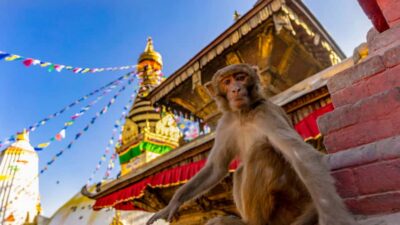
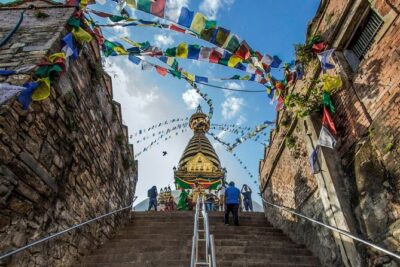
Monkey Temple – Swayambhunath Tour – Private/Small Group
Read our review →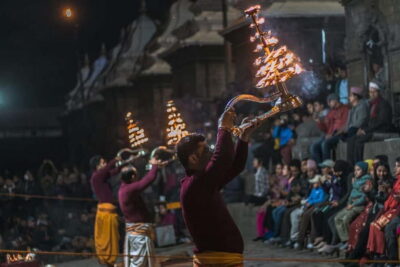
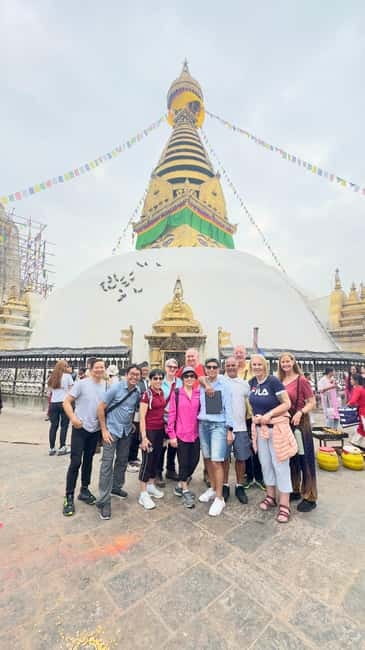
Chandragiri Cable Car & Monkey Temple Tour- Private/Group
Read our review →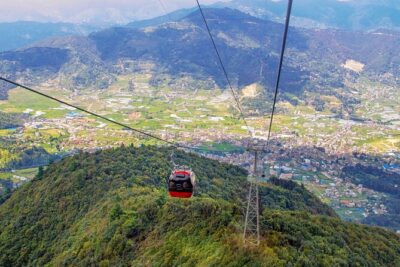
Private Chandragiri Cable Car and The Monkey Temple Tour
Read our review →Browse the lists this tour appears in