
REVIEW · TOKYO TEMPLE TOURS
Mt. Fuji Heritage Tour: Traditional Villages, Lakes & Shrine
Mt. Fuji is the star, but this day trip wisely gives you several supporting acts: a thatched-roof village, flower fields, autumn maples, a hilltop pagoda, and clear spring ponds. The best part is the range of views. You are not stuck at one lookout hoping the clouds cooperate.
I like the strong photo variety and the fact that transport, parking, a guide, and admission to Saiko Iyashi no Sato Nenba are included for $50. I also like the careful pacing reported by guests who traveled with guides such as Sia, Kazi, Wanting, and Alex. The main drawback is the long day, with roughly five hours spent on the bus, plus short visits at several stops.
Key Points at a Glance
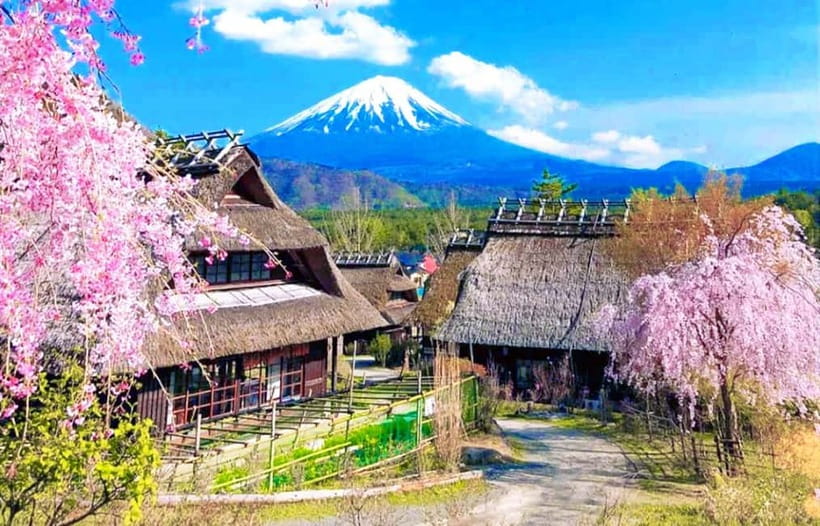
- Saiko Iyashi no Sato Nenba: Photograph traditional thatched houses with Mt. Fuji behind them, and try local snacks near the entrance.
- Seasonal Lake Kawaguchi views: Oishi Park brings lavender in summer, while the Maple Corridor is the better choice during peak autumn color.
- Chureito Pagoda climb: Expect steps at Arakurayama Sengen Park, but the famous Fuji and pagoda view is worth the effort.
- Oshino Hakkai springs: See eight clear ponds and sample local treats such as rice crackers or wasabi ice cream.
- Multilingual support: Tours operate in English, Japanese, and Traditional Chinese, with guides including Sia, Kazi, Wanting, Alex, and others.
- Useful value at $50: Bus transport, driver, guide, parking, and one major admission are covered, but lunch and personal spending are not.
A Full Day Around Mt. Fuji for $50
At $50 per person, this is a value-focused way to reach several famous Mt. Fuji sights from Tokyo. The price includes the coach, driver, guide, parking fees, and admission to Saiko Iyashi no Sato Nenba.
It does not include lunch, drinks, snacks, costume rental, or shopping. That matters because the day is long and many stops have food stalls or shops. Bring cash, since cards may not work everywhere.
The tour lasts about 10 hours. It starts and ends at the Tokyo MODE Gakuen meeting point at 1-chōme-5-1 Marunouchi, with the exact meeting arrangement depending on the option booked. You should arrive 15 minutes early. Late arrivals and no-shows do not receive a refund.
I see the biggest value in convenience. You avoid arranging several train and bus connections, and a guide helps you find the photo points, shrine entrances, bathrooms, and return bus. The tradeoff is freedom. This is a shared tour, so you follow the group schedule rather than lingering wherever you please.
More History Tours in Tokyo:
- From Tokyo: Nikko World Heritage Site Private Full-Day Trip
★ 4.9 · 243 reviews - Tokyo: Nikko World Heritage Private Day Trip Hotel Pick-up
★ 4.8 · 145 reviews - From Tokyo: Private Nikko World Heritage Sights One Day Trip
★ 4.7 · 52 reviews
Saiko Iyashi no Sato Nenba and the Thatched Fuji View
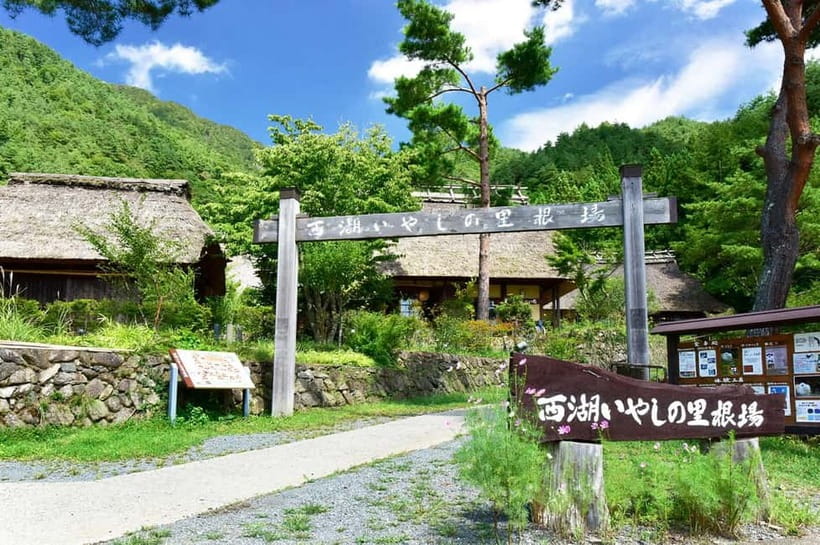
The first major stop is Saiko Iyashi no Sato Nenba, reached after about two and a half hours by coach. You get roughly an hour here, including a guided visit.
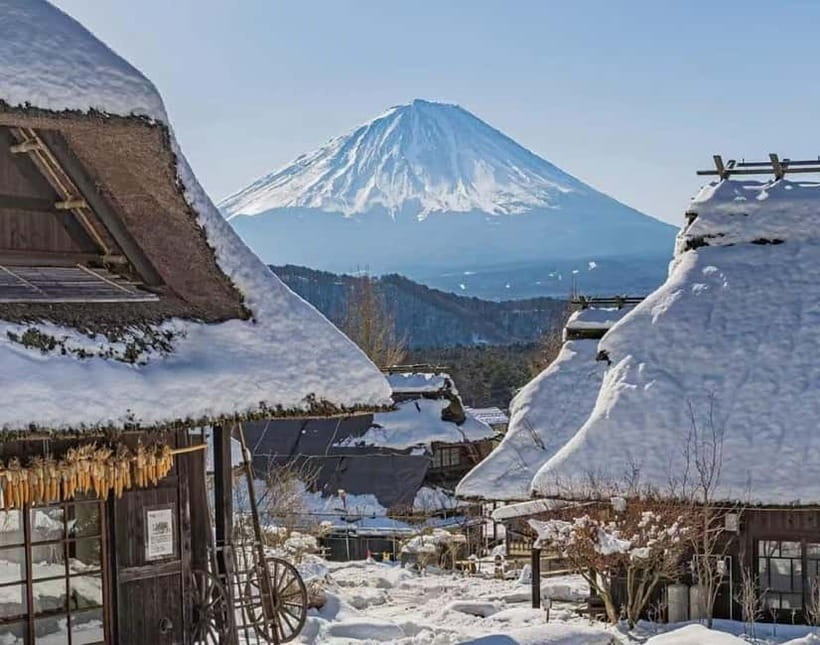
This reconstructed traditional village is designed around old-style thatched houses, with Mt. Fuji often visible behind them. It gives you a more distinctly Japanese setting for photographs than a modern town or roadside lookout. The roofs, mountain, and village paths make this one of the most memorable stops for anyone who wants more than a simple Fuji snapshot.
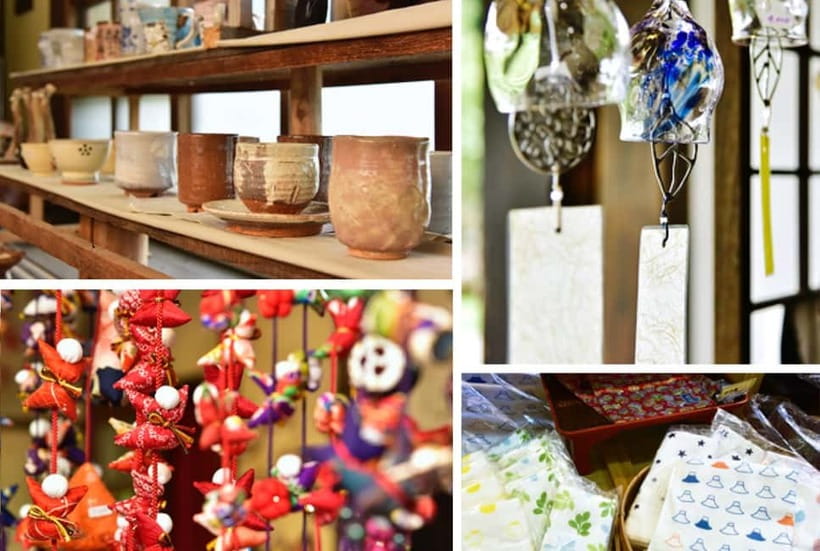
Near the entrance, you can buy Japanese street snacks. You can also rent a ninja costume for an additional fee if you want playful photos. That option is clearly aimed at fun rather than serious cultural study, but families and children may enjoy it.
The important warning is the weather. Clouds can hide Fuji even when the village itself is still worth visiting. Several people had enjoyable days despite poor visibility, and this is one of the stops that retains its appeal without a clear mountain.
Lake Kawaguchi, Oishi Park, and Seasonal Timing
After the village, the coach continues toward Lake Kawaguchi. The lake area is not treated as one long free period. Instead, you visit selected viewpoints, especially Oishi Park and the Maple Corridor.
Oishi Park receives about 40 minutes. In summer, lavender gives the park a fragrant purple display. In autumn, red broom grass changes the color near the lake. These seasonal plantings give you a different reason to visit besides Fuji itself.
You should pay attention to the date on your booking. During peak autumn foliage, listed as October 26 through November 20, the schedule goes to the Maple Corridor instead of Oishi Park. That change makes sense: the corridor is the stronger seasonal sight at that time, with bright maple leaves framing the snow-capped mountain when the weather cooperates.
The Maple Corridor also receives about 40 minutes. You can expect a compact photo stop rather than a long walk through the area. I would not book this day trip solely for autumn color, since foliage dates shift with weather, but the seasonal focus is a smart feature.
The Lake Kawaguchi section shows both the strength and limitation of this tour. You see several well-known views without spending a full day at one location. At the same time, 40 minutes passes quickly if you want photographs, snacks, and a relaxed lakeside walk.
Arakurayama Sengen Park and the Chureito Pagoda Climb
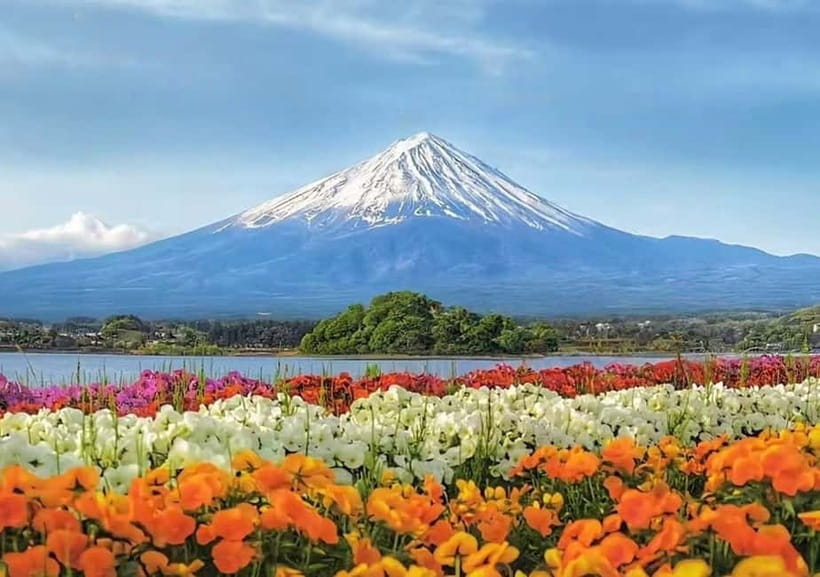
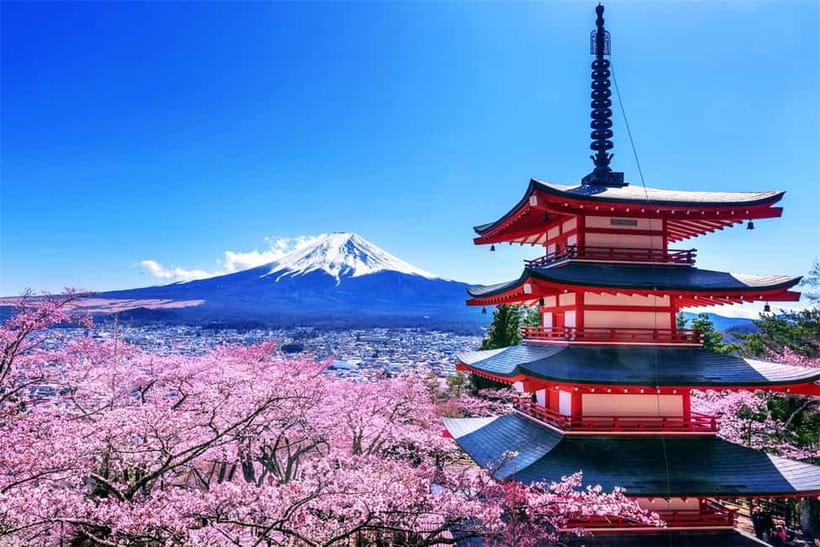
The next section is the tour highlight for many first-time visitors: Arakurayama Sengen Park, Arakura Fuji Sengen Shrine, and Chureito Pagoda.
The park receives about 40 minutes, followed by shorter visits of roughly 15 minutes at the shrine and pagoda. In practice, the main effort is the climb. You need comfortable shoes, because the famous viewpoint is reached by steps.
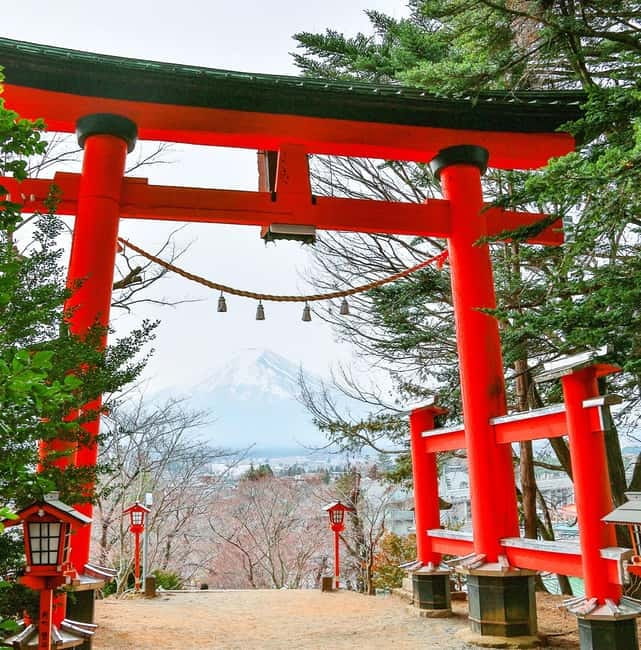
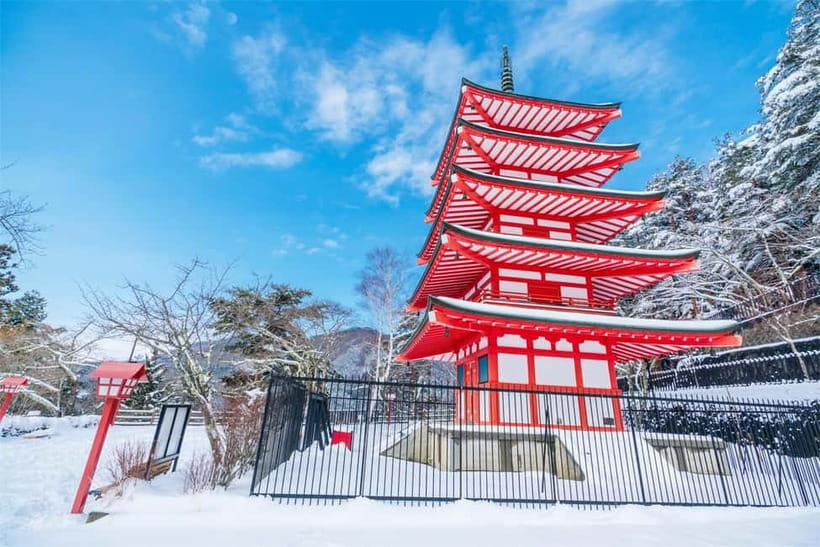
At the top, the five-story Chureito Pagoda sits in front of Mt. Fuji, creating one of Japan’s most recognizable photographs. The view is especially appealing because it combines several symbols in one frame: the red pagoda, the mountain, and the surrounding town below.
The shrine along the route gives the stop more substance than a simple camera break. You can pause for a prayer, look at the traditional details, and then continue upward. One useful tip is to deal with a goshuin, if you want one, before climbing. The writing service can take time, and waiting until the end may interfere with the group schedule.
This is also where the schedule may feel tight. If you walk slowly, have small children, or want a large number of photos, 40 minutes at the park plus short pagoda time may not feel generous. The climb is manageable for many people, but the tour is not suitable for wheelchair users.
A few more temple visits around Tokyo worth a look
- Tokyo: Asakusa Walking Tour with Sensoji Temple Visit
★ 4.8 · 1,583 reviews - Nikko: Kegon Falls, Lake Chuzenji & Toshogu Temple
★ 4.6 · 1,577 reviews - Tokyo: Nikko Toshogu Shrine and Kegon Waterfall Tour
★ 4.5 · 1,266 reviews - Tokyo Panoramic 1 Day: Meiji Shrine, Asakusa, Odaiba and SKYTREE®
★ 4.5 · 1,222 reviews
Lunch Is Practical, Not Part of the Ticket
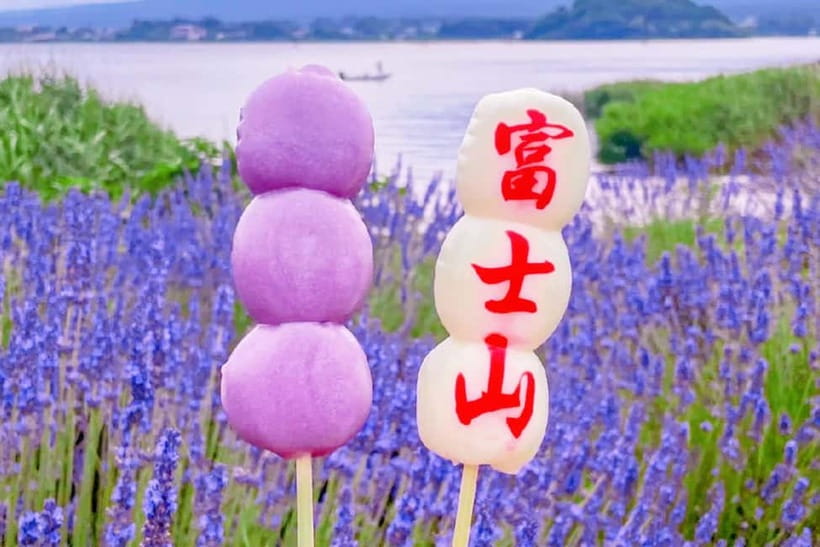
The schedule includes about 40 minutes at a local restaurant, but lunch is not included in the $50 price. You can bring food, buy something at the attractions, or eat at a restaurant suggested by the guide.
This arrangement keeps the headline price low, but it means you should plan ahead. I would carry water and some cash, and I would not assume that every food seller accepts cards. Guides may collect lunch orders early so food is ready when the group arrives, which can save time.
Food quality and choice can depend on the restaurant used that day. Some people appreciated having a sit-down meal, while others wanted more options. If you are particular about lunch, bring something or ask the guide about the plan early.
The food stops at other attractions may be more interesting if you want local flavors. At Oshino Hakkai, look for rice crackers and wasabi ice cream. The latter is not an everyday dessert, but it is a memorable small taste of the area.
Oshino Hakkai and the Eight Spring Ponds
The final attraction is Oshino Hakkai, reached after about 25 minutes from the lunch stop. You get around 70 minutes here, which is one of the more generous visits of the day.
Oshino Hakkai is known for eight clear spring ponds fed by melted snow from Mt. Fuji. The water, reflections, small channels, and mountain setting make this a calmer end to a busy route. You can take photographs, walk between the ponds, and browse nearby stalls.
This stop works well after the pagoda because it changes the mood. Arakurayama is about stairs and a grand framed view. Oshino Hakkai is slower and more open, with water and local food taking the lead.
It is still a popular attraction with souvenir shops and food vendors, so do not expect complete solitude. The shops operate independently from the tour. Bring cash for small purchases, and keep an eye on the meeting time because the final ride back to Tokyo lasts about two and a half hours.
The Bus Ride Is Part of the Calculation
The transport is comfortable enough for a full day, and a good driver makes a real difference on a route that can face weekend and holiday traffic. Guides such as Sia received particular praise for clear timing instructions, early communication, and making sure no one was left behind.
The guide also handles practical details that are easy to underestimate. You may receive the guide contact number and vehicle license plate the night before. Guides have helped families, explained where to meet the bus, and kept larger groups organized.
This is a multilingual shared group tour. Explanations are given in English, Japanese, and Traditional Chinese, so the amount of commentary in any one language may be limited. Some guides provide plenty of information about Mt. Fuji, shrines, local customs, and basic Japanese words. Others keep commentary shorter, which suits people who want a quiet bus ride.
Traffic is the largest logistical risk. The return can be delayed on weekends and holidays, and stops may be shortened, adjusted, or canceled if conditions require it. I would not schedule a train, dinner reservation, or other fixed activity immediately after the advertised return time.
Mt. Fuji Weather and the Art of Flexible Expectations
Clear mountain views are never guaranteed. Weather can cover Fuji at one stop and reveal it later, or hide it for the entire day. The tour company advises checking the forecast, and you should take that seriously.
The route protects you somewhat because there are several attractions that remain worthwhile without the mountain. The village, shrine, pagoda, maple trees, lake, and spring ponds still offer plenty to see. That said, anyone booking mainly for the classic pagoda and Fuji photograph should choose a day with the best available forecast if possible.
Morning visibility can also work in your favor. Some visitors saw Fuji clearly earlier in the day before clouds moved over it later. This is not a promise, just another reason the full route has value. You get several chances instead of one single viewpoint.
Who Will Like This Tour Most
I would recommend this trip to first-time visitors who want a broad introduction to the Mt. Fuji area without renting a car or sorting out regional transport. It also suits families, couples, photographers, and people who prefer an organized day with a clear route.
Families should note the long bus rides and the steps at Chureito Pagoda. The route can work well with children, but you need snacks, water, and patience. One family traveled with a three-year-old and a five-month-old and still found the day worthwhile, though every family will have a different tolerance for a 10-hour outing.
Photographers will appreciate the number of viewpoints, but serious photographers may find the stop lengths restrictive. You can get the classic compositions, yet you will not have unlimited time to wait for changing light.
This is less suitable for wheelchair users, people who dislike group schedules, or anyone wanting a quiet, slow visit to one lake or shrine. It is also not ideal if you need to guarantee a fixed arrival time back in Tokyo.
What to Bring and How to Prepare
Wear comfortable shoes for the village paths and pagoda steps. Carry water, cash, and a small snack if you prefer not to depend on the lunch stop.
Check the forecast before leaving, but pack for changing conditions rather than assuming a perfect mountain day. Have your meeting point and return time saved on your phone, and arrive 15 minutes early.
If you want a costume at Saiko Iyashi no Sato Nenba, bring extra money for the rental. For shopping, food, and souvenirs, use cash because some locations may not accept cards.
The tour is rated 4.5 out of 5 from 509 bookings, and the most consistent praise centers on organization, kind guides, clear instructions, and good value. Guides named Sia, Kazi, Wanting, Alex, Rachel, Feng, and others have helped make the long day feel manageable. The strongest practical benefit is not fancy presentation. It is having someone keep the group moving and explain what happens next.
Should You Book It?
Book this tour if you want to see the major Mt. Fuji photo stops, traditional village scenery, shrine architecture, and Oshino Hakkai in one affordable day. At $50, the included transport and guide make the price hard to criticize, especially from Tokyo.
Skip it if you need lots of time at each stop, want a private guide, or cannot manage a long coach day with stairs. Also reconsider if your schedule cannot absorb a traffic delay.
For most first-time visitors, I would choose a clear-weather date outside the busiest holiday periods, carry lunch money and water, and treat the pagoda as the one stop where comfortable shoes matter most. You may not get Fuji in every photograph, but the route gives you enough variety that a cloudy afternoon does not ruin the whole day.
FAQ
How long does the Mt. Fuji Heritage Tour last?
The tour lasts about 10 hours, including travel from Tokyo, sightseeing stops, lunch time, and the return coach journey.
What is included in the price?
The $50 price includes admission to Saiko Iyashi no Sato Nenba, a tour guide, driver, pickup and drop-off at the designated meeting point, and parking fees.
Is lunch included?
No. You can bring food, buy lunch at an attraction, or eat at a restaurant suggested by the guide. Personal expenses are not included.
Which languages are available?
The tour offers live guidance in English, Japanese, and Traditional Chinese.
Will I definitely see Mt. Fuji?
No. Weather can block the mountain, so a clear view is not guaranteed. The tour still visits villages, shrines, parks, lakes, and spring ponds that can be enjoyed in cloudy conditions.
Is the tour suitable for wheelchair users?
No. The activity is not suitable for wheelchair users, and the Chureito Pagoda viewpoint involves climbing steps.
Just added around Tokyo
- Tokyo:Nikko UNESCO World Heritage Sites Private 1-Day Tour★ 3.8 · 6 reviews
- Tokyo War History Tour: Yasukuni Shrine & War Museum★ 4.5 · 6 reviews
- Tokyo: Snow Monkey Park and Zenkoji Temple Private Day Tour★ 4.7 · 127 reviews
- Tokyo: Sensoji Temple & Street Food: Private Tour with guide★ 4.6 · 8 reviews
- Tokyo: Shibuya Sky, Harajuku & Meiji Shrine Highlights Tour★ 4.5 · 9 reviews
- Tokyo: Nikko Private Sightseeing Day Trip with Driver★ 5.0 · 10 reviews
- Tokyo → Nikko:Private Customizable Day Trip (English Driver)★ 4.9 · 26 reviews
- Tokyo’s Kitchen: Tsukiji Market Food & Culture Walk★ 4.7 · 74 reviews
Tokyo Temple Tours, compared.
Mt.Fuji,Kawaguchiko Oishi Park,Arakurayama Sengen Park
Read our review →
Asakusa Walking Tour with Sensoji Temple Visit
Read our review →
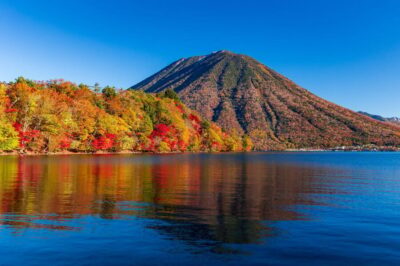
Nikko Toshogu Shrine and Kegon Waterfall Tour
Read our review →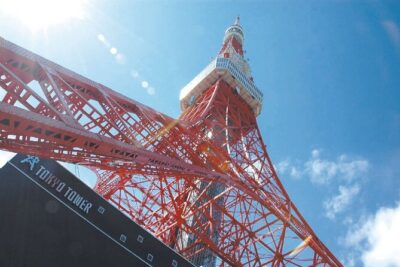
Tokyo Panoramic 1 Day: Meiji Shrine, Asakusa, Odaiba and SKYTREE®
Read our review →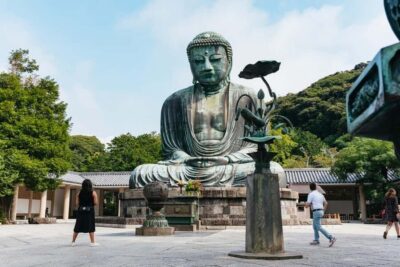
Mt. Fuji, Kamakura, Big Buddha, & Lake Ashi Day Trip
Read our review →
Samurai Entertainment Night Show in Kanda Shrine
Read our review →Browse the lists this tour appears in