
REVIEW · KATHMANDU TEMPLE TOURS
Kathmandu: Pashupatinath Temple Evening Aarati Tour
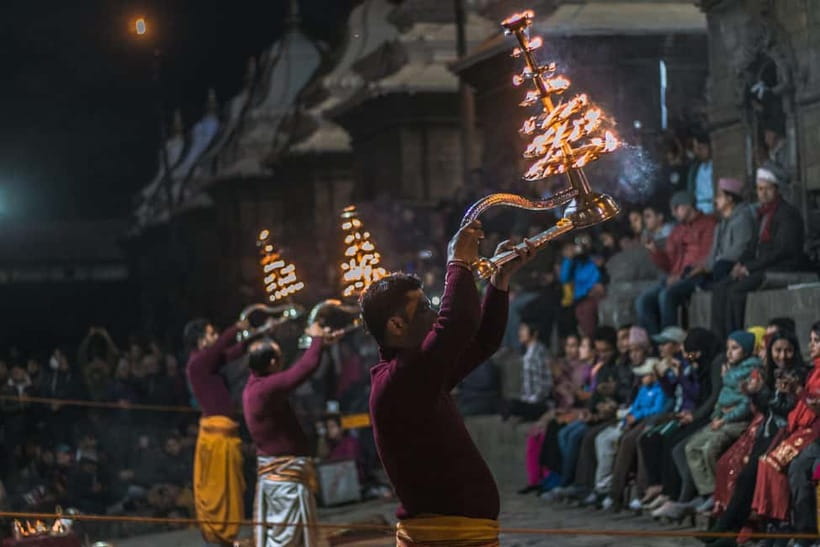
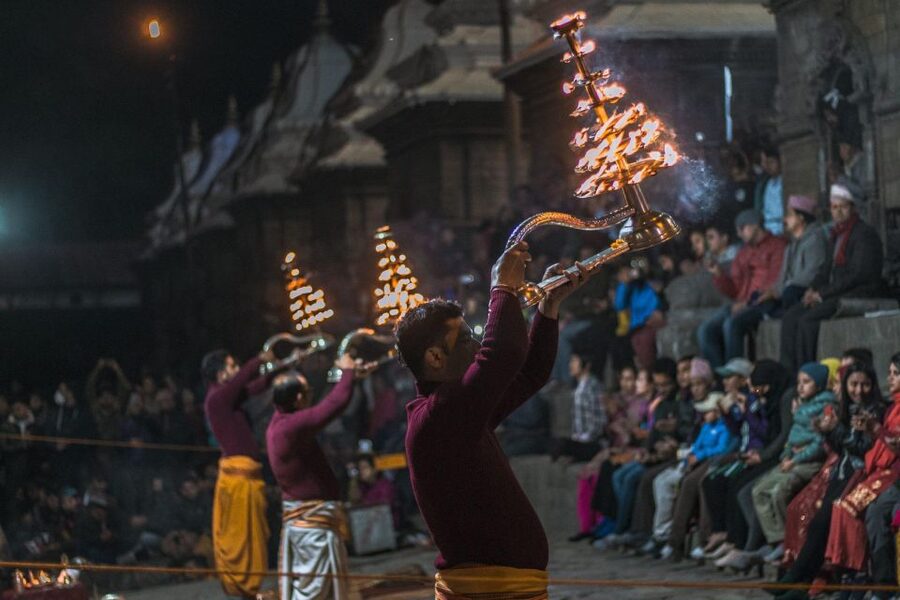
The most moving part of this evening tour is the Bagmati Aarati, when priests circle oil lamps beside the river while chanting and worshippers sing bhajans. The flames, music, incense, and darkening sky create a powerful scene, even if you know little about Hindu worship.
I like the hotel pickup in an air-conditioned private vehicle, and I like having a guide explain the ceremony rather than watching it as a puzzle. Guides named Razz, Ravi, and Shankar have been praised for clear explanations and helpful care in crowded conditions. The main drawbacks are the extra NPR 1,000 monument fee and the fact that non-Hindus cannot enter the inner temple.
Key points
- The Aarati begins around 6:00 to 6:30 PM: Seasonal timing can shift, so confirm the start time and arrive early.
- The ceremony takes place by the Bagmati River: You watch from the riverbank, not from inside the main temple.
- Guiding adds real value: Expect context on Hindu gods, cremation customs, prayer, and the symbolism of the lamps.
- Pickup covers central Kathmandu: Choose from Thamel, Boudhha, or Kathmandu, with an extra charge possible for outlying hotels.
- The price is $22 plus entry: The tour includes transport, guide, and taxes, but not the NPR 1,000 monument ticket.
- Crowds matter: Weekends, Mondays, holidays, Maha Shivaratri, and Haritalika Teej can make a good viewing place harder to find.
Why the Bagmati Aarati matters
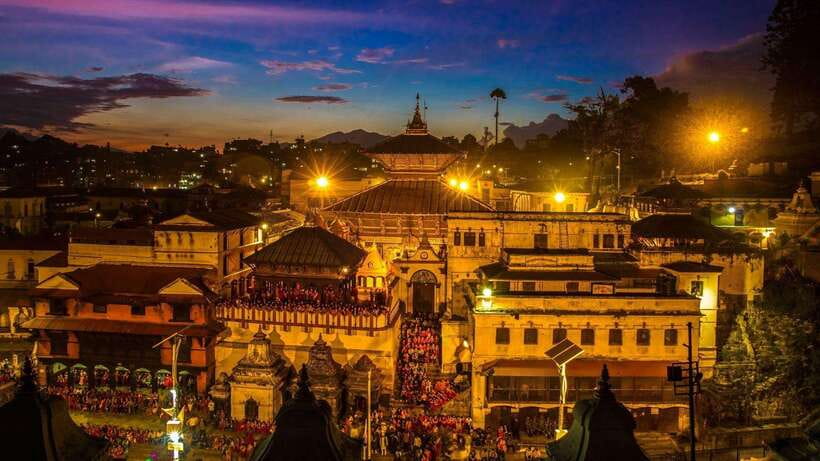
Pashupatinath is one of Kathmandu’s most important Hindu religious sites. The temple complex sits beside the Bagmati River, a waterway treated as holy. Hindu belief holds that bathing in the river can wash away sins, and the river also forms part of the area’s funeral and prayer traditions.
The evening Aarati is a public act of worship. Priests raise oil lamps and move them in slow circles while sacred words are chanted. Worshippers answer with bhajans, or devotional songs. The ritual honors both the river and Pashupatinath, a form of Lord Shiva.
I find the ceremony most meaningful when you view it as shared prayer rather than a staged show. People gather for spiritual reasons, so your role is to watch quietly, follow local cues, and avoid treating the ritual as a photo performance. The closing prayers focus on the well-being of all souls and gratitude for divine kindness.
The Bagmati Aarati began in 2000 and became a regular tradition in 2006. That gives the ceremony a relatively recent formal history, but its setting connects it to older Hindu customs tied to the river, the temple, death, prayer, and Lord Shiva.
More Temple Sunset Tours in Kathmandu:
- Kathmandu: Pashupatinath Temple Evening Aarati Tour
★ 5.0 · 36 reviews - Kathmandu: Pashupatinath Temple Aarti Night Tour
★ 4.8 · 29 reviews - Angkor Wat Sunrise or Sunset Tour with Guide from Siem Reap
★ 5.0 · 12,109 reviews
From your hotel to Pashupatinath
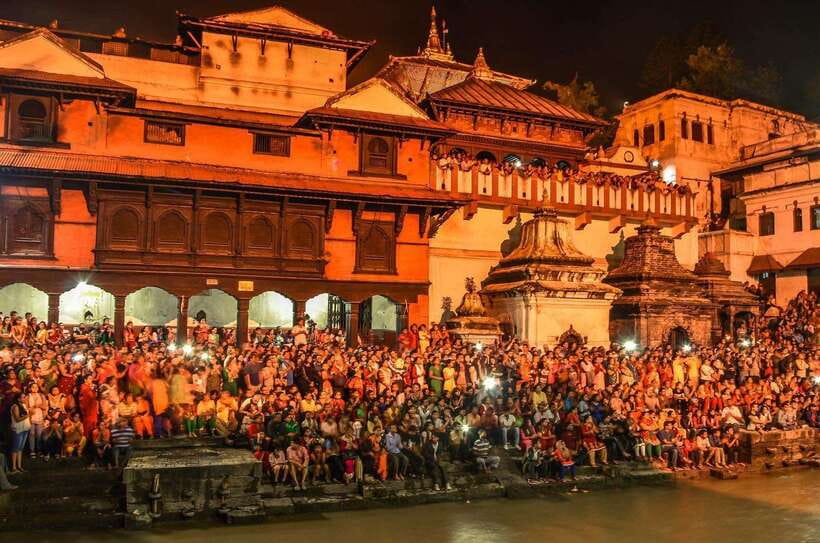
The tour lasts about three hours from pickup to drop-off. You can request collection from a hotel in central Kathmandu, with listed pickup areas including Thamel, Boudhha, and Kathmandu. The ride is in a private air-conditioned vehicle, which is useful after a day of walking Kathmandu’s dusty streets.
Pickup is one of the tour’s practical strengths. You do not need to work out a taxi ride to the temple at dusk, and you return to Kathmandu, Thamel, or Boudhha afterward. If your hotel sits outside the city center, an extra transport charge may apply, so check this before booking.
The evening schedule is built around the Aarati, which usually starts around 6:00 or 6:30 PM. The exact time varies with the season. I would avoid arriving at the last minute. The riverbank can fill up, particularly on weekends and festival days, and an early arrival gives your guide more time to position you somewhere with a clear view.
The transport is not the main reason to book this outing, but it removes a few small hassles. You are paying for a guide, vehicle, taxes, and a planned visit in a city where evening traffic and unfamiliar streets can make independent timing less smooth.
Walking through the Pashupatinath area
Once you reach Pashupatinath, your guide leads a three-hour visit around the temple area and riverbank. The site is not simply a single building to enter, admire, and leave. It is a functioning religious center with shrines, worshippers, priests, funeral activity, and a steady flow of people.
Your guide can explain the religious roles of Lord Shiva and Pashupati, the meaning of the lamps, and why the Bagmati matters. Several guides have also been praised for explaining cremation customs and the wider links between Hindu and Buddhist traditions. That background is useful because the site can otherwise feel visually striking but hard to interpret.
You may see cremation activity in the area. One account of the tour describes viewing cremations at close range before the Aarati. This is not light sightseeing, and you should be ready for a setting where prayer, mourning, and daily religious life occur side by side. Follow your guide’s instructions, keep a respectful distance, and do not assume every moment is suitable for a photograph.
The temple area can also bring strong incense smoke, chanting, and crowds. If you prefer quiet, empty monuments, this may feel intense. If you want to understand how a sacred site functions as part of everyday life, those same qualities give the visit its force.
Watching the lamps beside the river
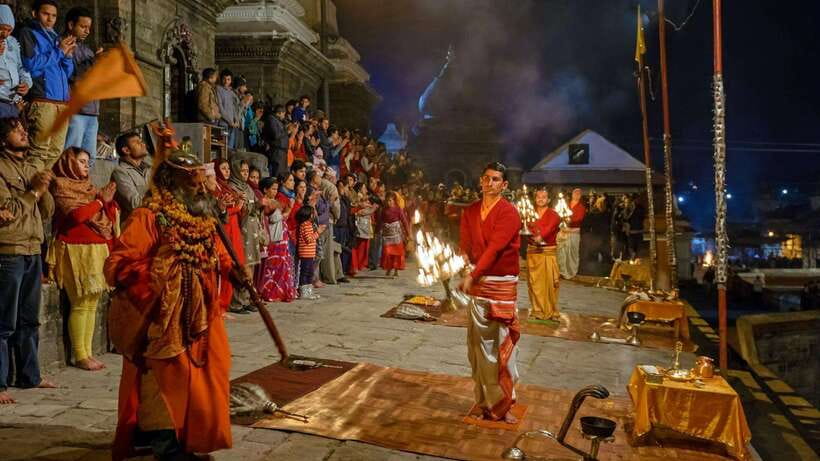
The Aarati is the heart of the experience. Priests perform the ritual with oil lamps, moving them in repeated circular motions as they chant. Devotional songs fill the riverbank, and the gathering gradually shifts from ordinary evening activity into focused prayer.
The visual details are simple but effective: firelight, smoke, voices, and the river beside the temple. You do not need specialist knowledge to appreciate the rhythm of the ceremony. Still, I would not judge it only as a visual event. The lamps symbolize devotion to the divine, while the prayers express gratitude and concern for the well-being of all souls.
A divine dance called Tandav may also form part of the homage to Lord Shiva. The ceremony is linked with Hindu ideas about God’s presence in all living beings and the value of collective well-being. Your guide can help connect these ideas to what you see, which is why the English-language explanation matters.
The ceremony is open to people watching from the Bagmati River banks. Non-Hindus cannot enter the main temple, but you can still observe the Aarati from the river side. This distinction is important. You are not buying access to every part of the temple complex, and the tour should not be judged on the expectation of entering the inner shrine.
A few more temple visits around Kathmandu worth a look
- Kathmandu Spiritual Sites: Bodhnath & Pashupatinath Tour
★ 5.0 · 185 reviews - Kathmandu: Chandragiri Cable Car and Monkey Temple Tour
★ 4.8 · 139 reviews - From Kathmandu: 2 Stupas and Kopan Monastery Spiritual Tour
★ 4.8 · 115 reviews - Lunch with Nuns – Monastery
★ 5.0 · 75 reviews
Finding a good place in a crowded setting
A good viewing position can shape the evening. One guide, Razz, has been specifically praised for finding a place to sit on a very busy Saturday night. That detail matters more than it may first appear. The ceremony can attract large crowds, and standing behind a packed group can make it harder to see the lamps or follow the ritual.
Arrive early when possible, especially on weekends, Mondays, public holidays, and major festivals. Maha Shivaratri and Haritalika Teej are especially important times at Pashupatinath, but they can also bring heavier crowds and a more crowded viewing area.
The guide’s role here is practical as well as cultural. Razz has been praised for clear English, kindness, and care. Shankar has been praised for explaining religion, gods, and cremation customs. Ravi is associated with the hotel transfer and driving portion of one outing. Guide assignments can change, so you should not assume you will receive a particular person, but these names show the kind of support the tour aims to provide.
Photography is generally allowed. I would keep your phone or camera secondary to the ritual. Ask before photographing people involved in prayer or mourning, avoid flash if it could disturb worship, and put the camera away during sensitive moments.
What the $22 price really covers
At $22 per person, the tour is reasonably priced if you value transport and interpretation. The fee includes hotel pickup and drop-off, a private air-conditioned vehicle, an English-speaking guide, and taxes. You are also paying for a timed evening visit built around the Aarati rather than trying to arrange separate transport and a guide yourself.
The important extra cost is the monument entrance fee of NPR 1,000 per person, which is not included. Add that to your budget before booking. Meals, drinks, shopping, and personal expenses are also separate.
The value is strongest for first-time visitors to Kathmandu, people who want help understanding Hindu ritual, and anyone uncomfortable navigating the temple area alone. If you already know the site well and can arrange transport easily, you may decide that the guide fee is less important.
There is one caution connected with shopping. A serious complaint describes a guide taking a customer to a rudraksha seller and allegedly helping push an inflated price. The complaint is about one specific experience, not proof of a general practice, but I would still keep shopping separate from the tour unless you independently want to buy something. If a purchase is suggested, compare prices, ask what you are buying, and never feel pressured to spend.
Dress, manners, and what to carry
Dress modestly, covering your shoulders and knees. This is not just a formal rule. Conservative clothing helps you move through the temple area without drawing unwanted attention and shows respect for the people who come to worship.
Expect incense smoke, chanting, and close crowds. If you are sensitive to smoke, take that into account before booking. The experience is also outdoors by the river, so a light layer may be useful if the evening turns cool, though the tour information does not promise any particular weather conditions.
Bring cash for the NPR 1,000 entrance fee and personal purchases. The tour does not include food or drinks, so plan those separately. Keep valuables secure in the crowd, and make sure your phone is charged if you want to take photographs.
The strongest approach is simple: watch first, photograph second. The Aarati is a living religious service. You will get more from it if you treat it as an act of worship rather than an evening spectacle arranged for visitors.
Who will enjoy this evening most
I would recommend the tour to you if you want a short, organized introduction to Pashupatinath and Hindu worship. It suits first-time visitors, couples, solo visitors, and anyone who wants an English explanation while moving through a complex and emotionally serious site.
It is also a good choice if your schedule is tight. Three hours is enough to include transport, a guided visit, and the evening ceremony without taking an entire day away from Kathmandu. Pickup from Thamel or Boudhha makes it easy to fit into a city stay.
You may prefer an independent visit if you dislike fixed timing, do not want a guide, or plan to spend a long time exploring the wider temple complex. This tour centers on the Aarati, so its value depends on your interest in religious ceremony rather than a broad architectural tour.
I would also think carefully if you want a purely peaceful evening. The chanting can be calming, but the area may be crowded and the nearby cremation activity can feel confronting. That is not a flaw in the religious site, but it is an important part of what you may encounter.
Booking flexibility and timing
The tour offers free cancellation up to 24 hours before departure and allows you to reserve now and pay later. Those terms are useful when your Kathmandu plans may shift, especially during a trip with changing weather or transport schedules.
Check the available start time before booking because the Aarati timing changes by season. The listed duration is three hours, but traffic and crowd conditions can affect how the evening feels. The activity includes pickup within central Kathmandu, while hotels farther from the city center may cost more.
The overall rating is 4.7 from 11 ratings, with many strong comments about the guides’ explanations, English, kindness, and ability to help with crowded viewing conditions. The single serious complaint about shopping is worth keeping in mind, but it does not change the main strengths of the experience: a well-timed visit, private transport, and useful cultural context.
Should you book the Pashupatinath Aarati tour?
Book it if you want the Bagmati River ceremony explained in person, with hotel pickup and a guide who can put the prayers, cremation customs, and temple traditions into context. The extra NPR 1,000 entrance fee is easy to overlook, so include it in your total.
I would book this for a first Kathmandu visit, particularly if you are staying in Thamel or Boudhha and want a reliable evening plan. Arrive early, dress modestly, carry cash, and treat the ceremony with care. If you want an unhurried independent visit or plan to avoid crowds, go on your own instead. For most first-time visitors seeking a meaningful introduction to Pashupatinath, the $22 base price is fair.
FAQ
How long does the Pashupatinath Aarati tour last?
The tour lasts about three hours, including hotel pickup, the guided visit to Pashupatinath Temple, the Aarati, and drop-off.
What time does the Aarati begin?
The evening Aarati usually starts around 6:00 to 6:30 PM, though the time can change with the season.
Can non-Hindus enter Pashupatinath Temple?
Non-Hindus are not permitted inside the main temple. You can watch the Aarati from the Bagmati River banks.
Is the temple entrance fee included?
No. The monument entrance fee is NPR 1,000 per person and must be paid separately on the day.
Where does hotel pickup take place?
Pickup is available from hotels in central Kathmandu, including the Thamel and Boudhha areas. Hotels outside the city center may require an additional fee.
Is photography allowed during the Aarati?
Photography is generally allowed, but you should remain respectful during the rituals and avoid disturbing worshippers.
Just added around Kathmandu
- Sacred Pashupatinath: Aarati,Cremation Rites & Boudha Stupa★ 5.0 · 18 reviews
- Kathmandu: Guided Walking Tour with Monkey Temple★ 5.0 · 18 reviews
- Kathmandu: Pashupatinath Temple Aarti Night Tour★ 4.8 · 29 reviews
- Kathmandu: Pashupatinath Temple Evening Aarati Tour★ 5.0 · 36 reviews
- Kathmandu: Chandragiri Cable Car and Monkey Temple Tour★ 5.0 · 9 reviews
- Bhaktapur Durbar Square and Boudhanath Stupa★ 5.0 · 7 reviews
- Chandragiri Cable Car & Monkey Temple Tour- Private/Group★ 5.0 · 32 reviews
- Private Chandragiri Cable Car and The Monkey Temple Tour★ 5.0 · 30 reviews
Kathmandu Temple Tours, compared.
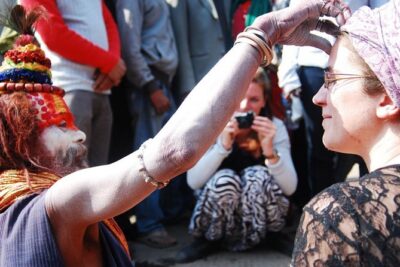
Kathmandu Spiritual Sites: Bodhnath & Pashupatinath Tour
Read our review →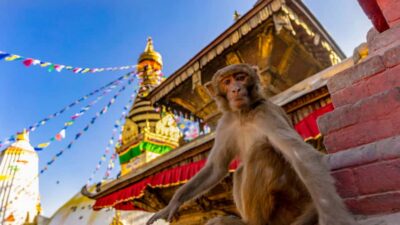
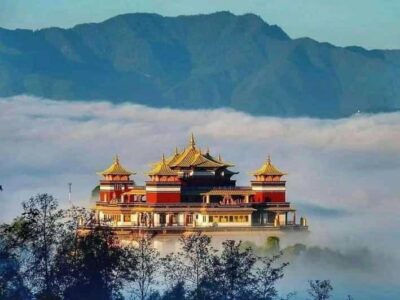
Monkey Temple – Swayambhunath Tour – Private/Small Group
Read our review →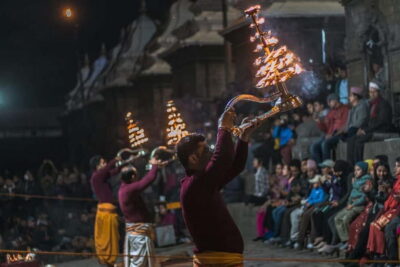
Chandragiri Cable Car & Monkey Temple Tour- Private/Group
Read our review →
Private Chandragiri Cable Car and The Monkey Temple Tour
Read our review →Browse the lists this tour appears in