
REVIEW · KATHMANDU TEMPLE TOURS
Kathmandu: Pashupatinath Temple Evening Aarati Tour
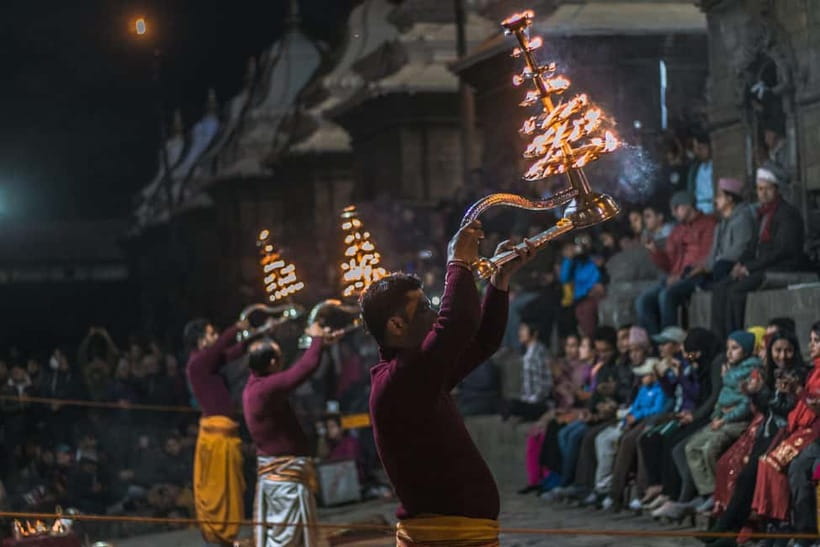
The most moving part of this Kathmandu evening comes when the priests raise their oil lamps beside the Bagmati River. Chanting, bells, incense, hymns, and classical instruments build into a ceremony that feels made for both worship and careful observation. The Aarati is the main event, but the temple visit beforehand gives it useful context.
I like two things here: you get a private English-speaking guide, and hotel pickup, transport, entry, and drop-off are included. Guides such as Ramesh, Rajat, and Anjan are praised for explaining Hindu customs clearly and patiently. The main consideration is timing: the ceremony draws a large crowd, so this is not a quiet, solitary temple visit.
Key points to know before you book
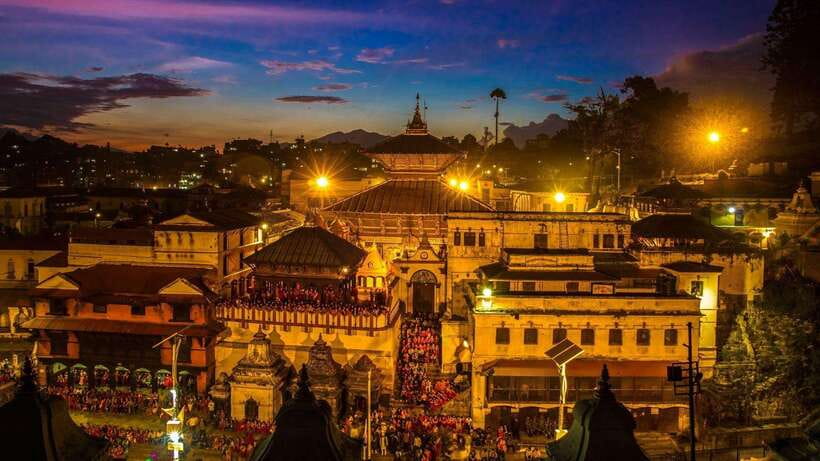
- Aarati begins around 6 p.m. and takes place on the Bagmati River bank on the eastern side of Pashupatinath Temple.
- The three-hour private tour includes Kathmandu hotel pickup and return, transport, entry, and a licensed English-speaking guide.
- The ceremony combines several senses, with Vedic mantras, bells, oil lamps, incense, hymns, and classical instruments.
- Ramesh, Rajat, and Anjan are among the guides praised for clear explanations and friendly conversation.
- Photography is possible in permitted areas, though the spiritual setting calls for restraint and respect.
- The $45 price is strongest for first-time visitors who want transport and cultural interpretation bundled together.
Why the evening Aarati matters
Pashupatinath is one of Nepal’s major Hindu religious sites, and the evening Aarati offers a way to encounter the temple as a living place of worship rather than simply a sightseeing stop. The ceremony is held beside the Bagmati River, where people gather as daylight fades.
Aarati is a ritual of light. Priests chant prayers and wave oil lamps before the idol of Lord Shiva. The ceremony also includes incense, ringing bells, Vedic mantras, hymns, and classical instruments. You are not just watching lamps move through the air. You are seeing a sequence of sounds, gestures, and offerings that carry meaning for the people taking part.
I like that the tour does not rush straight to the riverbank. Your guide first takes you through the temple complex and explains its religious importance. That short introduction helps you understand what you are seeing later, especially if Hindu worship is unfamiliar to you.
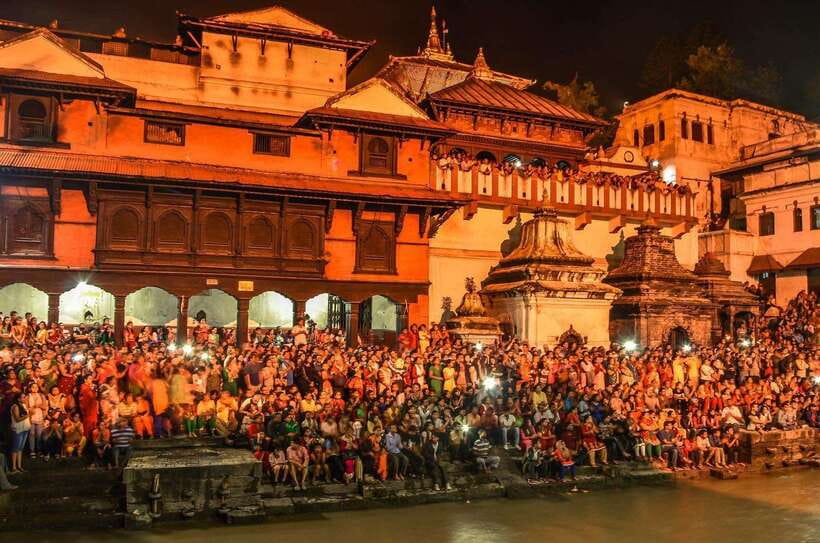
The ceremony itself is public and popular. People gather in large numbers, which creates a strong shared atmosphere but also means the experience can feel crowded. If you want total silence and private contemplation, this may not be the right outing. If you want to see a major Kathmandu ritual with a guide who can explain its purpose, it makes good sense.
More Temple Sunset Tours in Kathmandu:
- Kathmandu: Pashupatinath Temple Aarti Night Tour
★ 4.8 · 29 reviews - Kathmandu: Pashupatinath Temple Evening Aarati Tour
★ 4.7 · 11 reviews - Angkor Wat Sunrise or Sunset Tour with Guide from Siem Reap
★ 5.0 · 12,109 reviews
From your hotel to Pashupatinath
The tour lasts about three hours and begins with pickup in Kathmandu in the late afternoon. Transportation is included both ways, which matters in Kathmandu, where arranging a short evening ride can take more effort than expected.
The drive brings you to Pashupatinath Temple along the Bagmati River. Your guide leads the visit rather than leaving you to work out the complex alone. That is important here because the value of the outing comes from understanding the rituals, symbols, and setting, not only from looking at the buildings.
The transport is handled as part of a private group, and it has received a perfect score from all the published transport ratings supplied for this experience. Several guests specifically praised the drivers as polite, welcoming, and safe. That makes the evening easier, especially since the tour finishes after dark.
The precise pickup time depends on the day’s schedule, so you should check availability before booking. The ceremony is described as beginning around 6 p.m., and the tour is arranged to arrive before sunset, leaving time for the temple visit and some independent exploration.
Seeing the temple before the ceremony
Your guide begins with a tour of the Pashupatinath complex. This is where the experience earns much of its value. You can ask questions about Hindu traditions while the setting is still relatively calm, then watch the Aarati with a better sense of what the ritual means.
Guides have been praised for explaining the site in an accessible way. Ramesh is repeatedly singled out for his friendly manner and clear explanations of Hindu culture and rituals. Rajat is described as both well informed and approachable, while Anjan helped explain the ceremony and Hindu religion in clear English.
That personal explanation can change how you see the evening. Without it, you may notice the bells, lamps, smoke, music, and chanting but miss the role each part plays. With it, you have a better chance of following the order of the ceremony and understanding why the riverbank matters.
You also have time to explore independently before Aarati begins. This is useful if you want to take photographs in permitted areas or simply absorb the setting without listening constantly to commentary. The tour is guided, but it does not appear to treat every minute as a formal lecture.
One practical point: the supplied information describes a temple-complex visit and entry ticket, but it does not promise access to every interior space. You should follow the guide’s instructions about where you may go and where photography is allowed.
The Bagmati Riverbank at around 6 p.m.
As the evening ceremony approaches, people gather on the eastern side of the temple, beside the Bagmati River. The crowd is part of the experience. You will not be watching from an empty riverbank, and the best view may depend on where you are able to position yourself.
Around 6 p.m., priests begin chanting prayers and waving oil lamps before Lord Shiva. Bells ring, incense burns, and hymns are performed with classical instruments. The combination gives the ritual a strong visual and musical rhythm, especially as the light fades.
I would keep your camera ready but not let it take over. Photography is allowed in permitted areas, and the lamps, smoke, and evening light can make memorable images. Still, this is a religious ceremony, not a staged show. The most respectful approach is to photograph only where permitted, avoid blocking other people, and give your attention back to the ritual.
The ceremony can feel intense in the best sense. It is public, active, and visually striking, but it is also devotional. Your guide can help you observe without treating the ceremony as a puzzle to be solved or a performance put on for outsiders.
This is where the tour’s timing works well. Arriving before sunset gives you a chance to see the temple surroundings in daylight, watch the colors change, and then experience the shift into the lamp-lit ceremony. You get more than a quick nighttime stop.
A few more temple visits around Kathmandu worth a look
- Kathmandu Spiritual Sites: Bodhnath & Pashupatinath Tour
★ 5.0 · 185 reviews - Kathmandu: Chandragiri Cable Car and Monkey Temple Tour
★ 4.8 · 139 reviews - From Kathmandu: 2 Stupas and Kopan Monastery Spiritual Tour
★ 4.8 · 115 reviews - Lunch with Nuns – Monastery
★ 5.0 · 75 reviews
What the guides add
The most consistent strength of this experience is the guide. That matters because Pashupatinath can be meaningful and confusing at the same time. Hindu rituals contain details that may not be obvious if you are seeing them for the first time.
Ramesh is especially suited to visitors who want to ask questions. He is described as patient, friendly, and willing to provide extra information about Hindu culture. One guest who booked mainly for photography appreciated his flexibility and the time given to address specific requests. Ramesh also speaks Spanish as well as English.
Rajat receives similar praise for answering questions and making the visit informative without making it feel stiff. Anjan is noted for speaking clear English and helping explain the meaning of Aarati. These details suggest that the guide’s personality may vary, but the service is designed around personal explanation rather than a fixed audio script.
The tour is also suitable for someone who is not deeply familiar with Hinduism. You do not need prior knowledge to appreciate the ceremony. The guide’s job is to give you enough background to follow what is happening, while allowing the ritual to speak for itself.
I would tell you to use the guide actively. Ask about the order of the prayers, the lamps, the music, and the role of the river. The more specific your questions, the more useful the visit is likely to become.
What the $45 price covers
At $45 per person, the tour is not the cheapest way to reach Pashupatinath if you only want to see the ceremony from the outside. The price includes several services, though: hotel pickup and drop-off, round-trip transportation, a licensed English-speaking guide, temple entry, taxes, and service charges.
That bundle makes the cost easier to justify for a first visit. You are paying for someone to handle the transport, guide you through the complex, explain the cultural setting, and position the evening around the Aarati. You also avoid having to arrange separate entry and a return ride after dark.
The private-group format adds value if you care about asking questions or moving at your own pace before the ceremony. It also suits couples, families, or small groups who want a more personal visit than a large coach tour.
The value is lower if you already know Pashupatinath well, speak with a local guide independently, or only want to sit by the river for the ceremony. Food and drinks are not included, though the experience lasts only three hours, so that omission is unlikely to be a major concern for most people.
The tour offers free cancellation up to 24 hours before departure and a reserve-now, pay-later option. Those terms give you some flexibility, but the key decision is still whether you want interpretation and transport, not just entry.
Who will enjoy this evening most
I would recommend this tour most strongly to a first-time Kathmandu visitor who wants a cultural experience with clear guidance. It is a good fit if you are curious about Hindu worship but do not want to attend the ceremony without understanding what is happening.
It also suits photographers, provided you accept the rules of the setting. One guest booked mainly to take travel photographs and found the guide willing to accommodate requests. You should still treat photography as secondary to the ceremony.
Couples and small private groups may appreciate the format because you can speak directly with the guide. Families may also find the short three-hour schedule manageable, especially since transport is included.
This is less suitable if you dislike crowds, want a silent meditation experience, or prefer to explore religious sites entirely on your own. The Aarati attracts many people, and the ceremony is the focus of the evening. The private group gives you personal guidance, but it does not turn a public ritual into a private event.
Practical details for a respectful visit
Dress and behave as you would at any active place of worship. The provided information does not list a formal dress code, so I would follow the guide’s instructions and choose conservative clothing suitable for a religious site.
Keep the evening flexible around the ceremony. The tour begins in the late afternoon, and the Aarati is scheduled for around 6 p.m., but traffic and the day’s timing can affect the exact flow. Check the available starting time when you reserve.
There is no meal included. Since the outing takes about three hours, you can eat before or after, depending on your hotel pickup time and return time.
The experience is offered in English, with a live guide and a private group. If you want another language, the supplied details only confirm English, although Ramesh is also described as bilingual in Spanish and English.
Most important, listen to the guide about photography and where to stand. You will get more from the evening if you watch the ritual with patience instead of treating every moment as a photo opportunity.
Should you book the Pashupatinath Aarati tour?
Book it if you want Pashupatinath explained as a working religious site, not just photographed as a famous Kathmandu stop. The evening schedule is well chosen: you arrive before sunset, tour the temple complex, have time to look around, and then watch Aarati beside the Bagmati River.
The strongest reasons to choose it are the private format, included transport, and guides such as Ramesh and Rajat, who are praised for patience, cultural explanation, and a friendly manner. At $45, it offers solid value if you want the evening organized from hotel pickup through return.
Skip it if you want an empty riverbank, dislike public ceremonies, or already have reliable local transport and a strong understanding of Hindu ritual. For most first-time visitors, though, this is a thoughtful way to spend an evening in Kathmandu. The ceremony supplies the atmosphere, and the guide helps you understand what you are seeing.
FAQ
How long does the Pashupatinath Aarati tour last?
The tour lasts three hours, including hotel pickup, the visit to Pashupatinath Temple, the Aarati ceremony, and transportation back to Kathmandu.
What time does the Aarati ceremony begin?
The ceremony commences around 6 p.m. The tour begins in the late afternoon so you can arrive before sunset and visit the temple complex first.
Where does the Aarati take place?
The Aarati takes place on the bank of the Bagmati River, on the eastern side of Pashupatinath Temple.
What happens during the Aarati?
Priests chant prayers and Vedic mantras, ring bells, wave oil lamps, burn incense, and take part in hymns accompanied by classical instruments.
Is transportation included?
Yes. Hotel pickup and drop-off in Kathmandu, along with transportation to and from Pashupatinath Temple, are included.
Is a guide included?
Yes. The tour includes a licensed English-speaking live guide. Guides associated with the experience include Ramesh, Rajat, and Anjan.
Is the tour private?
Yes. The activity is offered as a private group tour.
Is food included?
No. Food and drinks are not included in the $45 price.
Can I cancel the booking?
You can cancel up to 24 hours in advance for a full refund. A reserve-now, pay-later option is also available.
Just added around Kathmandu
- Sacred Pashupatinath: Aarati,Cremation Rites & Boudha Stupa★ 5.0 · 18 reviews
- Kathmandu: Guided Walking Tour with Monkey Temple★ 5.0 · 18 reviews
- Kathmandu: Pashupatinath Temple Evening Aarati Tour★ 4.7 · 11 reviews
- Kathmandu: Pashupatinath Temple Aarti Night Tour★ 4.8 · 29 reviews
- Kathmandu: Chandragiri Cable Car and Monkey Temple Tour★ 5.0 · 9 reviews
- Bhaktapur Durbar Square and Boudhanath Stupa★ 5.0 · 7 reviews
- PashupatiNath and BoudhaNath – Private/Small Group★ 5.0 · 18 reviews
- Monkey Temple – Swayambhunath Tour – Private/Small Group★ 5.0 · 50 reviews
Kathmandu Temple Tours, compared.

Kathmandu Spiritual Sites: Bodhnath & Pashupatinath Tour
Read our review →

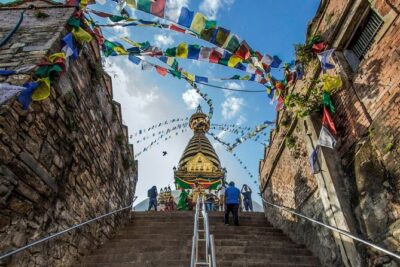
Monkey Temple – Swayambhunath Tour – Private/Small Group
Read our review →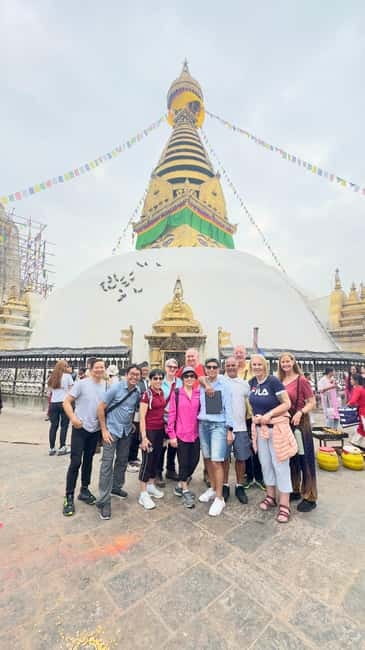
Chandragiri Cable Car & Monkey Temple Tour- Private/Group
Read our review →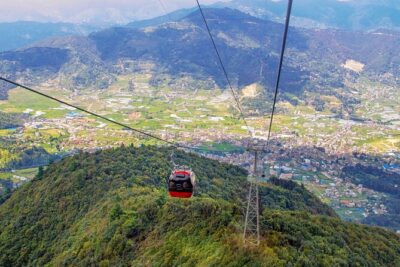
Private Chandragiri Cable Car and The Monkey Temple Tour
Read our review →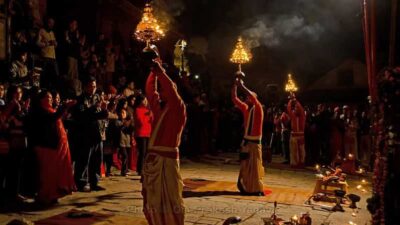
Browse the lists this tour appears in