
REVIEW · KATHMANDU TEMPLE TOURS
Kathmandu: Pashupatinath Temple Aarti Night Tour
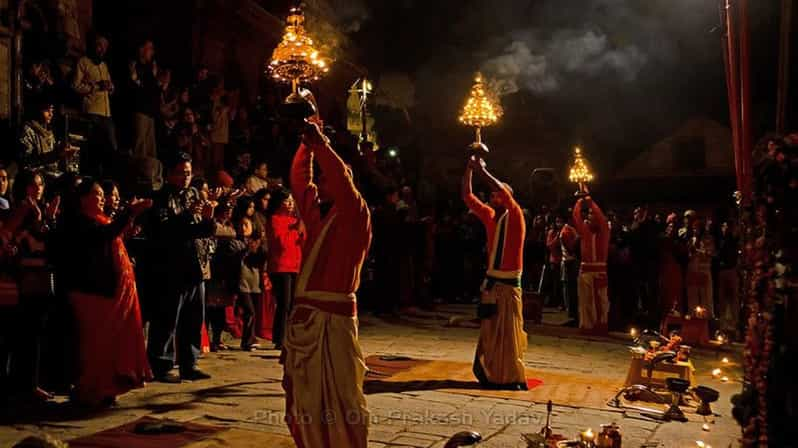
The most moving part of this three-hour outing is the contrast between the Bagmati River cremation ghats and the evening Aarti ceremony, where lamps, prayers, and devotion fill the temple area after dark. Pashupatinath is not a museum piece. It is a living Hindu pilgrimage site, and the night setting gives the visit a solemn, intimate feel.
I like the hotel pickup and private format, which remove much of Kathmandu’s evening transport hassle. I also like having an English-speaking guide to explain Lord Shiva, the temple’s long story, and the customs around Arya Ghat. The main drawback is timing: one Canadian visitor arrived late because of a delayed driver and missed the beginning of the ceremony.
Key Points Before You Book
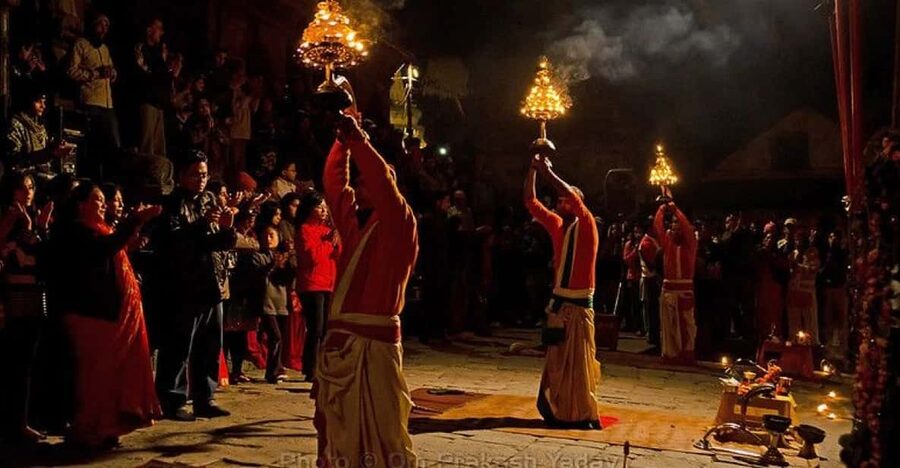
- The Aarti ceremony is the emotional center: You see an evening celebration of light and devotion beside the Bagmati River.
- Pashupatinath is an active Hindu pilgrimage site: Expect prayer, offerings, smaller shrines, ashrams, and cremation activity rather than a quiet monument.
- Private transport is included: A car collects you at your hotel and returns you afterward.
- Guide quality matters: Madhu was praised for his enthusiasm, historical stories, and careful explanations, though your assigned guide may be different.
- The price buys convenience as much as sightseeing: At $71 per person, the value rests on private service, entry, transport, and interpretation.
- Allow emotional space: Watching a cremation can be difficult, even when approached respectfully.
Why Pashupatinath Feels Different at Night
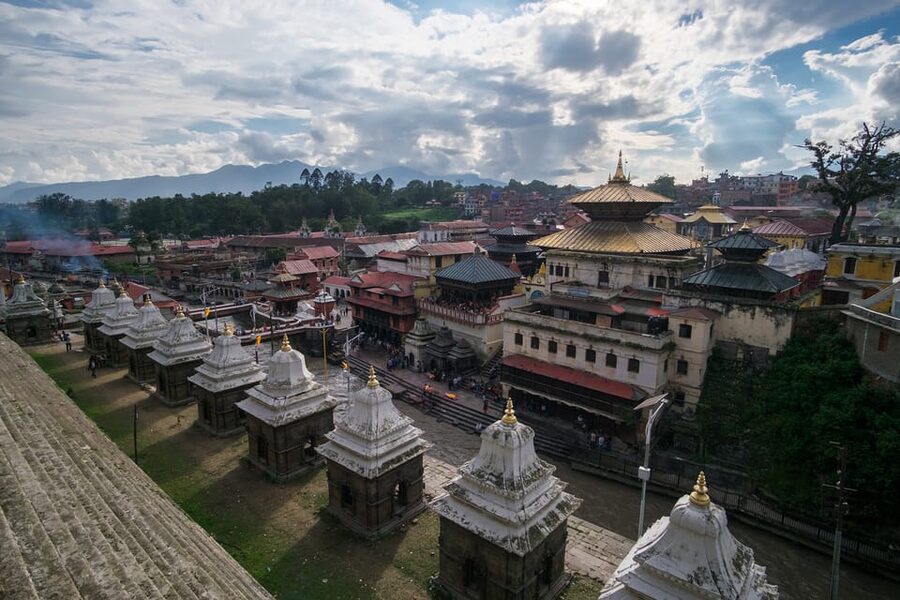
Pashupatinath Temple is dedicated to Pashupatinath, a form of Lord Shiva, and is one of the most important Hindu pilgrimage sites in Nepal. The complex stretches along both banks of the Bagmati River and forms part of Kathmandu’s UNESCO World Heritage Site.
The main temple is a pagoda-style building with a golden roof and finely worked silver doors. A shrine is believed to have existed here as early as the fifth century, while the present structure took shape after later rebuilding, including major work in the seventeenth century.
At night, the gold roof and silver doors are not viewed in the same way as they are in daylight. Artificial light picks out selected details, while the surrounding darkness makes the temple grounds feel more focused and ceremonial. You are not simply ticking off an old building. You are watching a place still used for worship.
That distinction matters. Pashupatinath has temples, ashrams, pilgrimage routes, and riverside cremation grounds. Its importance comes from ongoing religious life, not just architecture. Your guide can help you read the scene and explain why the site matters to Hindu worshippers from Nepal and beyond.
More Temple Sunset Tours in Kathmandu:
- Kathmandu: Pashupatinath Temple Evening Aarati Tour
★ 5.0 · 36 reviews - Kathmandu: Pashupatinath Temple Evening Aarati Tour
★ 4.7 · 11 reviews - Angkor Wat Sunrise or Sunset Tour with Guide from Siem Reap
★ 5.0 · 12,109 reviews
Hotel Pickup and the Ride to the Temple
The experience begins with pickup from your hotel. You are asked to wait in the lobby 15 minutes before the scheduled time, a sensible habit in Kathmandu where evening traffic can affect the drive.
Transportation to and from the temple is included, along with the entrance ticket and all taxes. The private-group setup gives you a more personal arrangement than a large coach trip. You can ask questions as you go, and the guide can adjust the explanation to your interests.
The transport also has a practical benefit. Kathmandu can feel confusing after dark, especially if you do not know the location of Pashupatinath or want to arrange a return ride after the ceremony. A driver waiting as part of the tour gives the evening a clear beginning and end.
Still, do not treat the pickup time as a small detail. The Aarti is tied to a particular evening schedule, and a late start can cost you part of the ceremony. One visitor had an otherwise excellent outing but missed the beginning after the driver arrived late. I would confirm the pickup time clearly and be ready in the lobby early.
Entering the Pashupatinath Complex
Once you reach the complex, the guide introduces you to the temple area and its religious setting. You can expect to see the main pagoda-style temple, smaller temples, ashrams, and activity along the Bagmati River.
The main shrine is the architectural focus. Its golden roof and silver doors reflect the importance given to the temple, but the wider complex gives the visit its real weight. A short look at the main building alone would miss much of what makes Pashupatinath significant.
Your guide’s role is especially useful here. A strong guide connects the visible details to the worship of Lord Shiva and the wider place of Pashupatinath in Nepali religious life. Madhu, one guide named in feedback, was praised for sharing historical stories while moving through the temple grounds. If he is assigned to your group, you can expect an enthusiastic, story-led introduction. Guides can vary, but the tour includes a licensed English-speaking guide.
The complex may feel solemn, busy, or difficult to interpret at first. That is not a flaw in the site. It is the result of seeing a working religious center rather than a controlled exhibit. You should listen carefully, follow local instructions, and let the guide explain what you are seeing before taking photographs or moving closer.
Arya Ghat and the Bagmati River
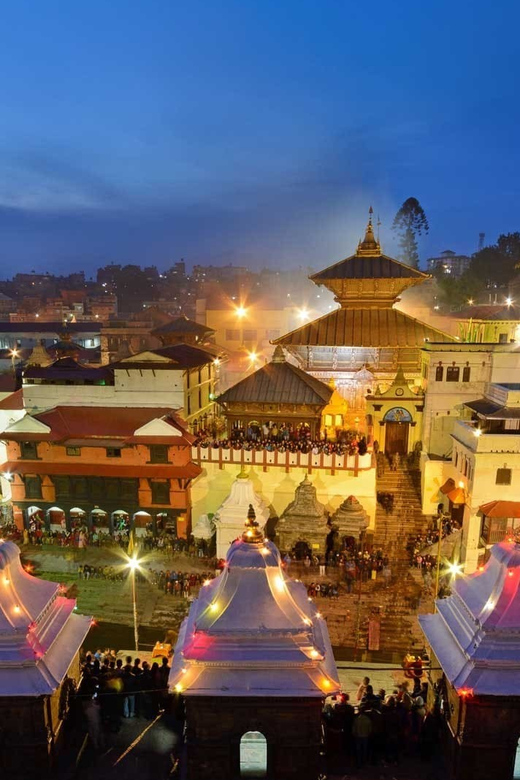
The cremation area known as Arya Ghat sits beside the Bagmati River. It is one of the most serious parts of the visit, and it should be treated with quiet respect.
Hindu cremation at Pashupatinath is connected with the hope of moksha, or liberation from the cycle of rebirth. That belief helps explain why this riverside location carries such importance for Hindu families and pilgrims.
You may see a live cremation during the visit. One person described watching a cremation alongside the Aarti as a moving experience. That combination can be powerful, but it can also be uncomfortable. This is not staged cultural entertainment. Someone’s family farewell may be taking place a short distance away.
I appreciate that this aspect gives the outing more depth than a standard monument visit, but it is also the reason I would not recommend booking this tour without thinking about your comfort level. If you prefer to avoid death-related customs, Pashupatinath may feel intense. If you approach it with restraint and respect, the riverside setting can help you understand how faith, death, and community are connected in this place.
A few more temple visits around Kathmandu worth a look
- Kathmandu Spiritual Sites: Bodhnath & Pashupatinath Tour
★ 5.0 · 185 reviews - Kathmandu: Chandragiri Cable Car and Monkey Temple Tour
★ 4.8 · 139 reviews - From Kathmandu: 2 Stupas and Kopan Monastery Spiritual Tour
★ 4.8 · 115 reviews - Lunch with Nuns – Monastery
★ 5.0 · 75 reviews
The Evening Aarti Ceremony
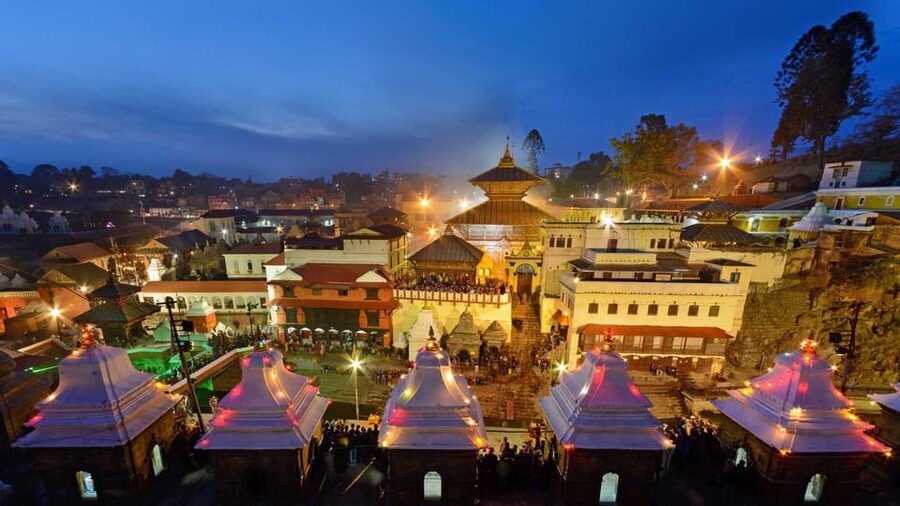
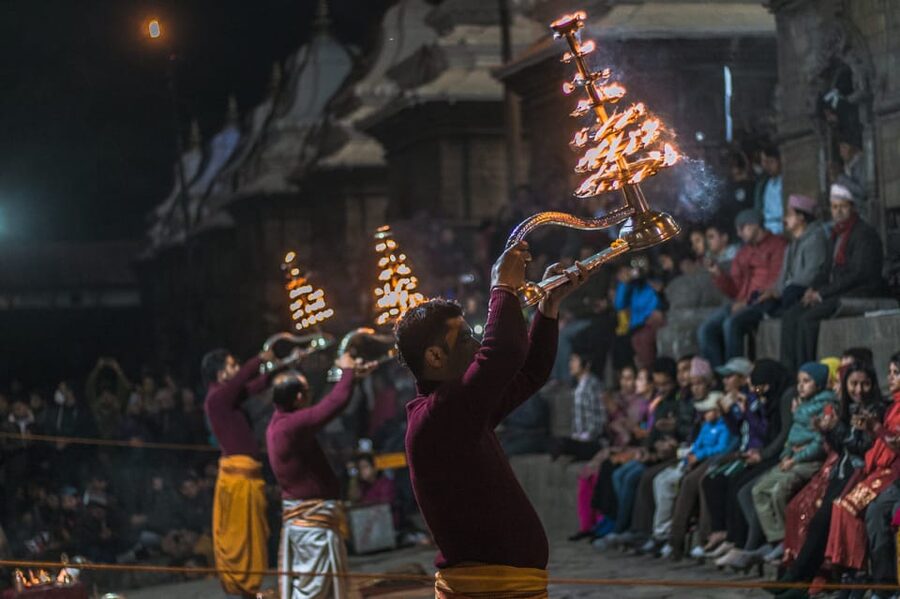
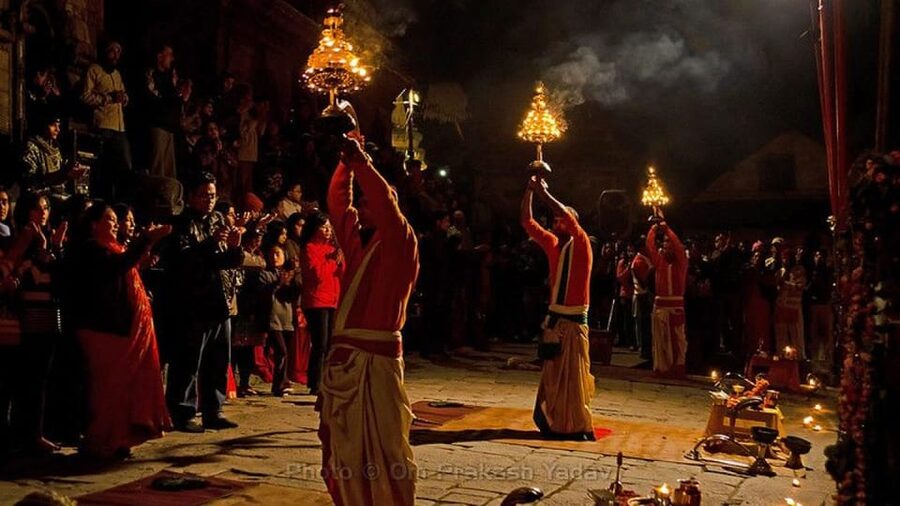
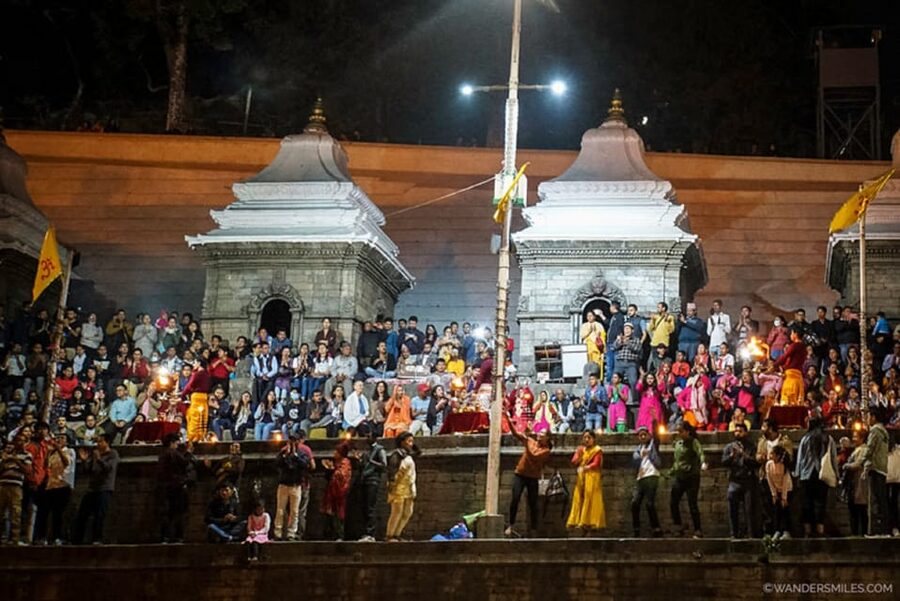
The Aarti is the main reason to choose this night tour instead of a daytime visit. It is a traditional ceremony of light and devotion held at Pashupatinath, and the Bagmati River provides the setting.
The ceremony is not presented as a theatrical show for outsiders. It is a religious observance, so the right approach is to watch quietly and follow your guide’s advice. The light of the lamps gives the riverbank a different mood from the nearby cremation area, creating a sharp contrast between mourning, prayer, and devotion.
You should expect the guide to explain the basic meaning and sequence of what is taking place, though the provided information does not specify the exact ceremony length or start time. Check the available departure times when booking and protect the start of the tour from delays.
Timing is the main practical concern. A late driver can mean missing the opening portion, and the ceremony is not something you can repeat whenever you like. Arrive in the lobby ahead of time, keep your phone available for pickup communication, and avoid scheduling another fixed activity immediately afterward.
What the Guide Adds
The difference between a quick temple stop and a worthwhile visit often comes down to interpretation. Pashupatinath contains enough shrines, customs, and religious references to leave you with only a blur of impressions if no one explains the setting.
The guide is there to make the complex readable. You can learn about Pashupatinath as a form of Shiva, the temple’s construction and rebuilding, the role of Maha Shivaratri, and the meaning attached to cremation at Arya Ghat.
The most useful style is not a string of dates. It is the connection between the building and the people using it. The tour information specifically promises historical explanation, and Madhu was praised for combining enthusiasm with stories about the temple area. Another person described the guide as informative and kind, while a solo woman said she felt safe and well informed throughout the outing.
That last point is worth noting for solo visitors. The private arrangement and hotel return provide a clear structure, and you are not left to find your own way through the complex at night. No tour can control every part of Kathmandu traffic, but the included transport reduces the number of moving parts.
Is $71 Good Value?
At $71 per person, this is not the cheapest way to see Pashupatinath. The price makes more sense when you count what is included: hotel pickup and drop-off, private transport, an entrance ticket, a licensed English-speaking guide, and taxes.
You are paying for a three-hour evening plan rather than just entry to a temple. That matters in Kathmandu, where arranging a car, finding the entrance, understanding the ceremony, and getting back to your hotel can take time and effort.
The value is strongest if you are staying in Kathmandu for a short visit, want an organized evening, or prefer not to manage transport after dark. It is also useful if you want context rather than a quick look at the golden roof.
The value is weaker if you already have a trusted local guide, can arrange transport easily, or mainly want to see the building from outside. In that case, $71 may feel high for a three-hour activity. The private format also means the final cost can seem more reasonable for two or more people sharing the convenience than for a strict budget solo visitor.
Food and drinks are not included, so plan to eat before or after the outing. The tour returns you to your hotel, but no meal stop is part of the stated plan.
Accessibility, Documents, and Flexibility
The activity is listed as wheelchair accessible, which is helpful for people who need that feature. Still, the temple complex includes several buildings, river areas, and outdoor paths, so you should confirm any specific mobility needs before booking.
Bring your passport. A copy is accepted, which is useful if you prefer not to carry the original document during the evening.
The activity offers free cancellation up to 24 hours before departure for a full refund. You can also reserve now and pay later, giving you some flexibility while your Kathmandu schedule takes shape. Starting times vary, so check the available slot rather than assuming one fixed departure.
The tour is offered in English and uses a private group format. That combination suits people who want to ask questions without feeling they are holding up a large party.
Who Will Enjoy This Night Tour Most?
I would recommend it most strongly to first-time visitors to Kathmandu who want a meaningful introduction to Hindu Nepal without spending hours planning the evening themselves.
It is a good fit for:
- Solo visitors who want an organized return to their hotel
- Couples and families who prefer a private group
- People interested in religious customs, architecture, and local history
- Visitors who want to see the Aarti rather than only the temple in daylight
- Anyone who values a guide’s explanation at an active religious site
You should think twice if you dislike organized tours, have little interest in religious sites, or feel uncomfortable seeing a cremation. The experience is not built around entertainment. Its strongest moments come from observation, patience, and respect.
The tour also suits photographers only with caution. The golden roof, silver doors, lamps, river, and night setting may offer memorable views, but the complex includes private religious moments. Follow the guide’s directions and do not let photography distract from the ceremony or the families at Arya Ghat.
Should You Book the Pashupatinath Aarti Tour?
Book it if you want a well-organized introduction to Pashupatinath at night, especially if hotel transport and an English-speaking guide matter to you. The Aarti, golden-roofed temple, and Bagmati River cremation ghats create a powerful evening, and the private format gives you room to ask questions.
I would not book it solely for a quick architectural photo. The point is the combination of place, ritual, history, and living religious practice. Go with an open mind, arrive early for pickup, and understand that the cremation area may be emotionally demanding.
The main risk is a late pickup that cuts into the Aarti. Confirm your departure details, wait in the lobby early, and allow the full three hours. If those conditions suit you, the $71 price is fair for the transport, entry, guide, and structure it provides.
FAQ
How long does the Pashupatinath Aarti Night Tour last?
The tour lasts three hours, including hotel pickup, the visit to Pashupatinath Temple, and the return to your hotel.
Is hotel transportation included?
Yes. Hotel pickup and drop-off, along with transportation to and from Pashupatinath Temple, are included.
Is the tour private?
Yes. The activity is offered as a private group tour.
Is an English-speaking guide included?
Yes. A licensed English-speaking guide is included. Madhu is one guide associated with the experience, but guide assignment can vary.
Does the tour include the temple entrance ticket?
Yes. The entry ticket to Pashupatinath Temple is included, along with all taxes.
What should I bring?
Bring your passport. A copy of the passport is accepted.
Can I cancel for a refund?
Yes. You can cancel up to 24 hours in advance for a full refund. Reserve now and pay later is also available.
Just added around Kathmandu
- Sacred Pashupatinath: Aarati,Cremation Rites & Boudha Stupa★ 5.0 · 18 reviews
- Kathmandu: Guided Walking Tour with Monkey Temple★ 5.0 · 18 reviews
- Kathmandu: Pashupatinath Temple Evening Aarati Tour★ 4.7 · 11 reviews
- Kathmandu: Pashupatinath Temple Evening Aarati Tour★ 5.0 · 36 reviews
- Kathmandu: Chandragiri Cable Car and Monkey Temple Tour★ 5.0 · 9 reviews
- Bhaktapur Durbar Square and Boudhanath Stupa★ 5.0 · 7 reviews
- Private Chandragiri Cable Car and The Monkey Temple Tour★ 5.0 · 30 reviews
- PashupatiNath and BoudhaNath – Private/Small Group★ 5.0 · 18 reviews
Kathmandu Temple Tours, compared.

Kathmandu Spiritual Sites: Bodhnath & Pashupatinath Tour
Read our review →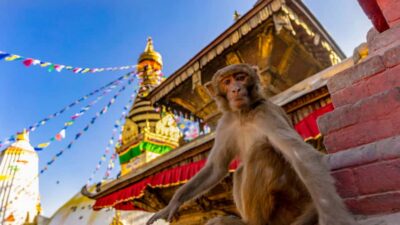
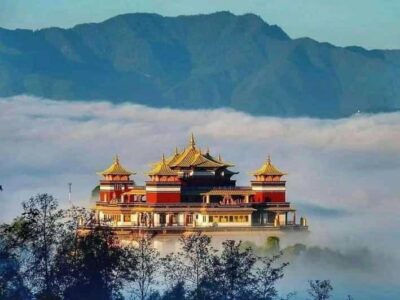
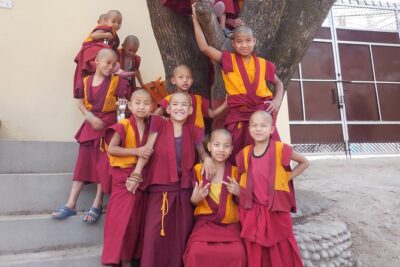
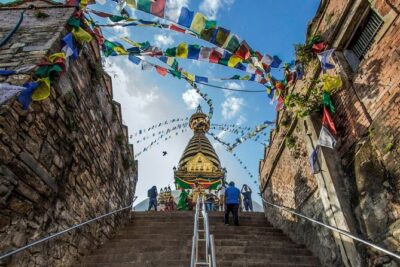
Monkey Temple – Swayambhunath Tour – Private/Small Group
Read our review →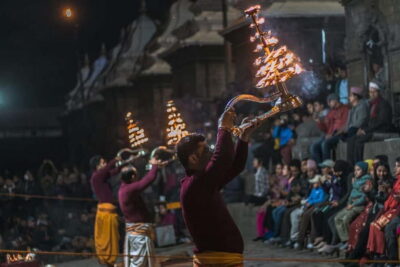
Chandragiri Cable Car & Monkey Temple Tour- Private/Group
Read our review →
Private Chandragiri Cable Car and The Monkey Temple Tour
Read our review →Browse the lists this tour appears in