
REVIEW · NIKKO & KAMAKURA DAY TRIPS
Kamakura Private & Customized Half-Day Tour with Local Guide
Kamakura is easy to visit from Tokyo, but its best moments are scattered between famous temples, quiet lanes, food stalls, and local shops. This private, flexible tour lets you shape the day around what you care about, with local guide Takumi Ikeda explaining the city in clear, friendly English or Japanese.
I like the choice of lunch: you can sit down for Japanese food, arrange a vegan bento, or skip the meal and keep sightseeing. I also like the chance to see more than the standard temple circuit, including a sword workshop, small shrines, bamboo, the beach, or Enoshima. The main drawback is that the $85 price excludes trains, meals, and entrance fees, so your final cost will be higher.
Key points to know before you book
- A private route shaped around you: Choose temples, shrines, food, crafts, nature, or the seaside.
- Takumi Ikeda as your local guide: He can explain customs, history, food, and everyday Kamakura life.
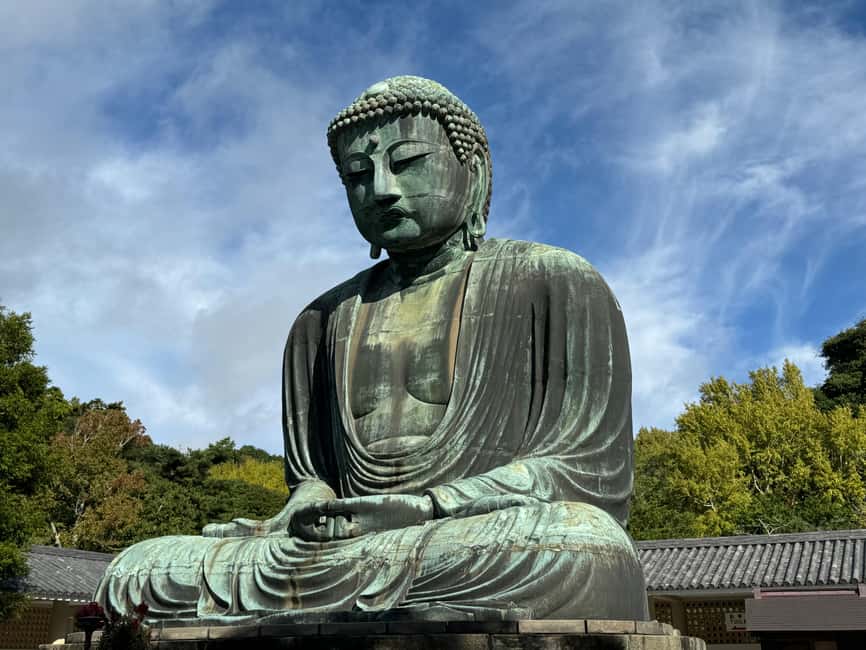
- The classic route is well balanced: Komachi Street, Tsurugaoka Hachimangu, Kōtoku-in, and Hase-dera fit into about four hours.
- Lunch is optional: Pick a local restaurant, vegan bento, or no lunch at all.
- You pay extra for the practical pieces: Train fares, admission fees, food, drinks, and personal purchases are not included.
- Best for a small private group: The tour is offered privately, in English or Japanese, with flexible timing from three to six hours.
Why a private Kamakura tour can be worth it
Kamakura has enough famous sights for a full day, yet its appeal is not limited to the big-ticket stops. You can see a Zen temple in the morning, wash coins at a cave shrine, browse snacks on Komachi Street, and finish with sea air at Yuigahama Beach. The trouble is deciding what fits and how to connect it all.
That is where a local guide helps. Takumi Ikeda was born in Kamakura and knows the area well. You can tell him what you want before the tour through GetYourGuide messages, with WhatsApp available if you prefer. This matters because the route is not locked into one sightseeing script.
I would use the planning stage to be specific. Tell him if you care most about Buddhist temples, samurai-era history, Japanese food, photography, quiet places, vegan meals, shopping, or a route toward Enoshima. If you have already seen major temples, ask for lesser-known shrines and local corners instead.
The private format is especially useful for families, couples, solo visitors, and anyone who dislikes being hurried along with a large group. It also gives you room to ask ordinary questions about Japanese customs, government, food, festivals, or daily life. Takumi has helped visitors with practical matters such as finding small utility shops and choosing vegetarian or gluten-free food.
This is not the cheapest way to see Kamakura. At $85 per person, you still pay for transportation, meals, drinks, and entrance fees. But the value is in the planning, local interpretation, and time saved. If you would otherwise spend part of the day studying train connections and deciding which temples to cut, the price may be fair.
More Private Temple Tours in Japan
- Kamakura Private Tour: Temples, Nature, and the Great Buddha
★ 5.0 · 121 reviews - From Tokyo: Kamakura Private Customize Tour by Luxury Van
★ 4.6 · 38 reviews - Kamakura: Private History and Heritage Tour by Rickshaw
★ 4.9 · 7 reviews
Starting at Kamakura Station and Komachi Street
The stated meeting point is the East Exit of Kamakura Station. From there, the route commonly begins along Komachi Dori Street, a lively shopping lane leading toward Tsurugaoka Hachimangu Shrine.
Give yourself about 30 minutes here on the standard route. You can browse food shops, small stores, and local goods, or simply use the street to get your bearings. It is a useful first stop because it gives you a quick sense of Kamakura beyond its temples.
Komachi Street can be busy, particularly at popular times. It is not the place for a slow, silent walk. Instead, treat it as a chance to sample snacks and see the commercial side of the city. Your guide can help explain foods and customs that may otherwise pass by without much meaning.
If shopping is not your priority, ask to shorten this section. The flexibility is one of the tour’s strongest features, and you may prefer to spend the time at a temple, shrine, or quiet viewpoint.
Tsurugaoka Hachimangu and Kamakura’s samurai past
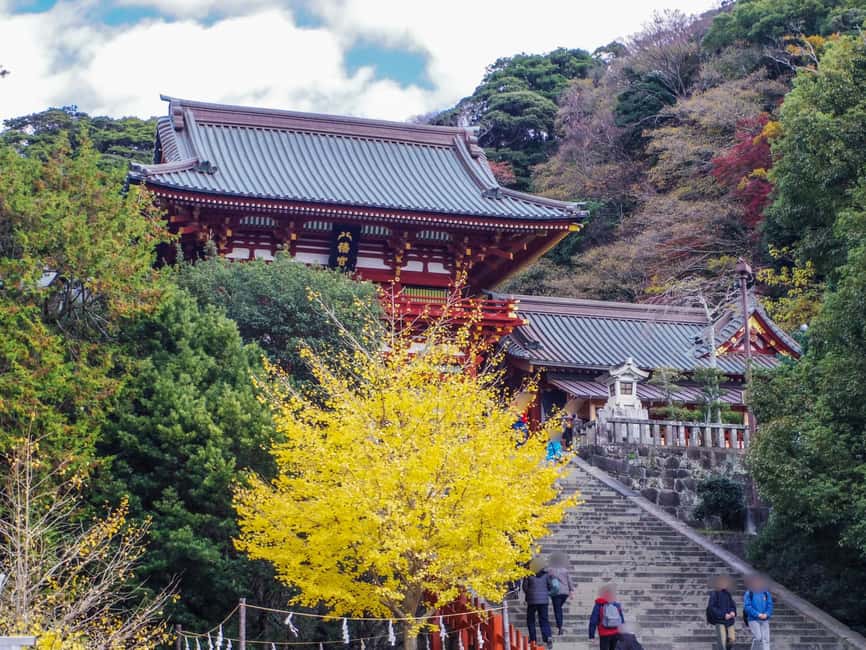
Tsurugaoka Hachimangu is the spiritual center of Kamakura and one of the city’s essential sights. Founded in 1063, the shrine is closely tied to Kamakura’s samurai heritage and gives you a clear sense of how religion, power, and public life were connected here.
The guided visit lasts about 45 minutes on the standard itinerary. That is long enough to walk through the grounds, take in the main structures, and ask questions without turning the stop into a lecture. Clear explanations are useful here because a shrine visit can be confusing if you are not sure what people are doing or why.
You can ask about rituals, shrine etiquette, and the difference between Shinto shrines and Buddhist temples. Those details make the visit more rewarding than simply taking a photo at the entrance.
The shrine is also a good contrast with the shops on Komachi Street. One is social and commercial, the other formal and ceremonial. I like having both in the same half-day because Kamakura’s character comes from this mix.
The train ride to Kōtoku-in and the Great Buddha
The route then uses a train for about 10 minutes toward Kōtoku-in. Transportation is not included, so keep some yen available for the fare. The train ride is short, but it breaks up the walking and links the central Kamakura sights with the Hase area.
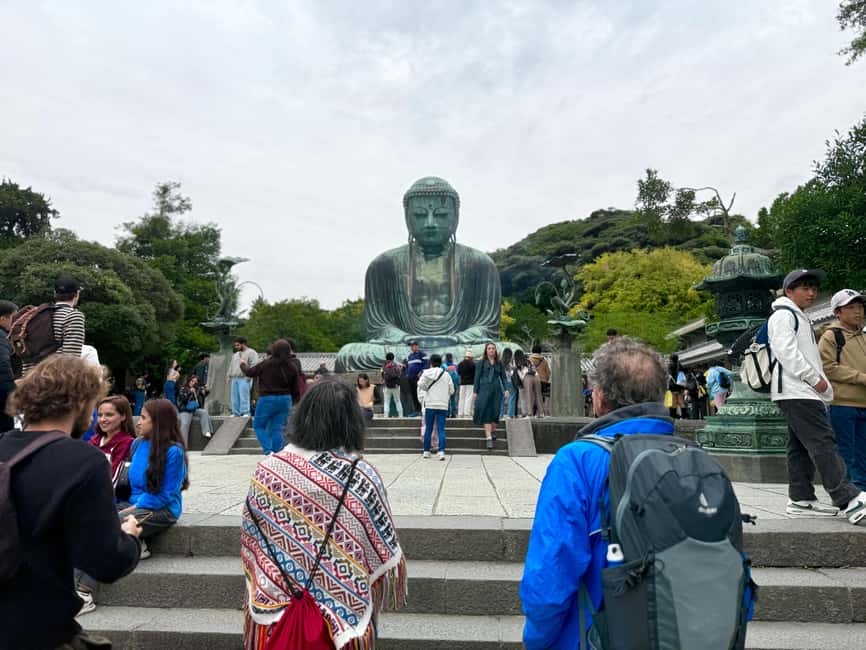
Kōtoku-in is home to Kamakura’s famous Great Buddha. The guided visit is planned for about 35 minutes. This is one of those places where a guide can add useful scale and context. The statue is impressive on its own, but the surrounding story helps you understand why it became such a strong symbol of Kamakura.
The stop is fairly focused, which works well in a half-day tour. You will have time to see the statue and grounds without using the entire afternoon. Admission is not included, so confirm the current entrance cost when you book or arrive.
If your priority is photography, tell Takumi early. He can help shape the pace around the sights you most want to see, though the exact route depends on timing and your choices.
More Nikko and Kamakura Day Trips in Kamakura:
- Tokyo: Kamakura & Enoshima Day Trip including Temple Tickets
★ 4.5 · 1,375 reviews - From Tokyo: Kamakura & Enoshima 1-Day Bus Tour
★ 4.5 · 189 reviews - Kamakura Historical Walking Tour with the Great Buddha
★ 5.0 · 129 reviews - From Tokyo: Kamakura Full Day Tour with a Local Expert Guide
★ 4.6 · 43 reviews
Hase-dera, gardens, and hillside views
Hase-dera receives about 50 minutes on the example itinerary. It is one of the most rewarding stops for visitors who want a mix of religious buildings, garden scenery, and views over the city. The temple has more visual variety than a quick photo stop, so the longer visit makes sense.
Your guide can explain Buddhist traditions and point out details you might otherwise miss. I would ask questions about how the temple is used today, not just when it was built. That brings the site closer to everyday Japanese culture.
Hase-dera can also be a good place to slow down after the crowds and shops. Comfortable shoes are important throughout the tour, and especially here, since temple grounds may involve steps, slopes, or uneven paths. The activity specifically recommends comfortable footwear.
Admission is extra. If you want a shorter route, you can ask to adjust the time here. If you prefer temples and gardens to shopping, you may want to give Hase-dera more attention and trim Komachi Street instead.
Optional temples, shrines, bamboo, and the coast
The standard route is only one possible plan. Before the tour, you can request other places based on your interests and the season.
Hokokuji Temple is a good choice if you want a quiet walk through bamboo and a cup of matcha. It offers a calmer mood than the busiest central sights, though you should confirm how it fits with the rest of your day.
Engaku-ji Temple sits near Kitakamakura Station and is one of Japan’s important Zen temples. An example route begins there, with the guide introducing Buddhist rituals and traditions in a quiet temple setting. If Zen history matters to you, this may be a better starting point than the central Kamakura route.
Kencho-ji Temple is another strong pick for visitors interested in Zen. It is described as the oldest Zen temple in Kamakura, with peaceful gardens and a hillside path offering a view. That extra walking makes comfortable shoes even more important.
Sasuke Inari has rows of red torii gates and fox statues. It is a good choice if you want a smaller shrine with a distinct look rather than another large formal complex.
Zeniarai Benzaiten Shrine is known for its cave setting and the custom of washing money in spring water for luck and prosperity. Ask the guide to explain the practice so you understand what you are doing rather than copying the people around you.
Yuigahama Beach changes the mood completely. You can feel the ocean air and see Kamakura as a coastal town, not only as a center of temples and shrines. It is a sensible add-on if you want a relaxed end to the tour.
Enoshima can extend the day toward an island with shrines, viewpoints, and seafood. Since the tour lasts three to six hours, confirm the timing carefully if you want to include it. Enoshima may work best as the final stop or as part of a longer custom plan.
A local lunch, or more time on the route
Lunch is one of the most useful choices offered here. You can choose a local Japanese restaurant, arrange a vegan bento, or skip lunch and use the time for sightseeing.
The example meal includes miso soup made with dashi and freshly prepared shrimp shinjō. The guide can explain Japanese food as you eat, which is valuable if you are unsure about ingredients or dining customs. You can also request soba, pork cutlet, or vegan-friendly food.
Food restrictions should be discussed in advance. The guide has helped with vegetarian and gluten-free choices, but you should still state your needs clearly before the day begins. Do not assume that a dish is suitable simply because it looks meat-free.
Skipping lunch makes sense if you have only three hours or want to reach several temples. Taking a proper meal makes more sense if food is one of your main reasons for booking a local guide. The right answer depends on your pace.
Swordmaking, local shops, and everyday Kamakura
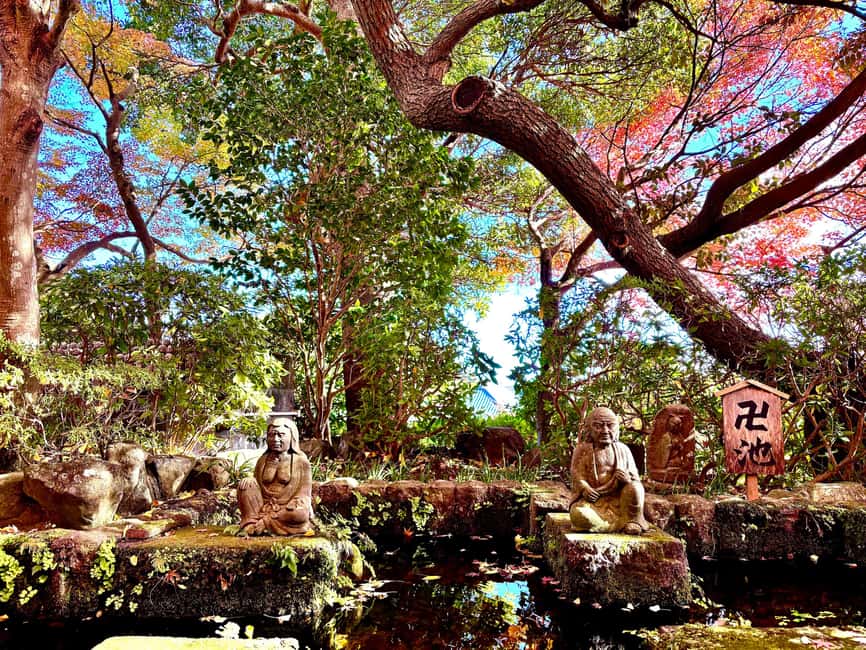
One of the more unusual optional stops is a swordsmith’s workshop with a 22-generation legacy. This adds a craftsmanship angle that you will not get from a standard temple route. Ask whether the workshop can fit your schedule, since the exact itinerary is chosen with your guide.
A visit like this is valuable because it shifts the focus from old buildings to living skills. You may learn more about how Japanese traditions continue through working craftspeople, not only through museums and monuments.
The tour can also include small local stores and practical stops. Takumi has helped visitors find odds and ends they needed during their trip, and he has introduced them to local foods such as roasted ginkgo seeds. These are small moments, but they can make the day feel more connected to present-day Kamakura.
You should not expect every optional stop to fit into one half-day. The tour offers choice, not unlimited time. Pick two or three priorities and let the guide build around them.
Timing, cost, and what you still pay for
The advertised duration is three to six hours, with the typical tour taking about four hours. Check the available start times when booking, then confirm your preferred pace through messages.
The meeting point is the East Exit of Kamakura Station. The written example route also mentions Kitakamakura Station for Engaku-ji, so clarify the starting station if you request that version. This is a small but important planning detail.
The $85 per-person price covers the private guiding service and a flexible route. It does not cover train fares, temple or shrine admission, food, drinks, or personal expenses. Because of that, compare the price with what you actually want from the day rather than treating it as an all-inclusive excursion.
Cancellation is free up to 24 hours before the start for a full refund. You can also reserve and pay later, which helps if your Japan schedule is still shifting. The guide speaks English and Japanese, and the group is private.
Who will get the most from this tour
I would recommend this experience to you if you want conversation, context, and a route shaped to your interests. It is particularly useful for first-time visitors who want to see Kamakura without handling every detail alone.
It also suits solo visitors. One solo guest received weather and preparation advice before the tour, and the guide shaped the route around that person’s priorities. That kind of attention is difficult to get on a large group excursion.
Food-focused visitors, vegetarians, people seeking gluten-free choices, and anyone curious about Japanese customs can also gain a lot from the format. Families may appreciate the ability to change the pace, though you should mention any mobility or stamina concerns when arranging the route.
This may not be your best choice if you want a fixed, all-inclusive itinerary or the lowest possible price. You will need to make decisions, pay local costs separately, and communicate your interests in advance.
Should you book the Kamakura private tour?
Book it if you want Kamakura to feel personal rather than programmed. Takumi Ikeda’s local knowledge, the flexible route, optional food stops, and access to places such as a sword workshop give the tour more range than a basic checklist of temples.
Before paying, send a short message with your top three priorities, dietary needs, desired duration, and whether you want the classic Kamakura route or a quieter plan through places such as Engaku-ji, Hokokuji, Sasuke Inari, or the beach. If you are comfortable with extra admission and transport costs, the $85 fee can be a sensible trade for a well-planned half-day and a local perspective.
FAQ
Where does the tour meet?
The meeting point is the East Exit of Kamakura Station.
How long does the tour last?
The tour is offered for three to six hours, with the usual duration listed as approximately four hours.
Is the tour private?
Yes. It is offered as a private group experience.
Which languages does the guide speak?
The tour is available in English and Japanese.
Is lunch included?
No. Lunch and drinks are not included, but you can arrange a vegan bento, eat at a local restaurant, or skip lunch.
Are transportation and entrance fees included?
No. Train fares, other transportation costs, entrance fees, meals, drinks, and personal expenses are paid separately.
Can I customize the itinerary?
Yes. The itinerary can be adjusted to your interests, schedule, and preferred style. You can discuss your choices through GetYourGuide messages, with WhatsApp available as an option.
More Half-Day Trips in Kamakura
- Athens: Cape Sounion & Poseidon Temple Sunset Half-Day Trip
★ 4.8 · 8,241 reviews - Cape Sounion and Temple of Poseidon Half-Day Small-Group Tour from Athens
★ 4.5 · 3,205 reviews - From Athens: Temple of Poseidon & Cape Sounion Half-Day Tour
★ 4.3 · 1,082 reviews - Bangkok: Grand Palace & Wat Pho Half-Day Private Tour
★ 4.7 · 510 reviews
More Private Temple Tours in Kamakura
- Kamakura Private Custom Tour with Local Guide
★ 5.0 · 7 reviews - Ubud: Waterfalls, Water Temple & Rice Terraces Private Tour
★ 5.0 · 5,484 reviews - Montserrat Monastery Small Group or Private Tour Hotel pick-up
★ 5.0 · 5,144 reviews - Full-Day Angkor Wat Sunrise Private Tour with Guide from Siem Reap
★ 5.0 · 2,920 reviews
Just added around Kamakura
- Kanagawa: Kimono Rental in Kamakura Provided by RikaWafuku★ 4.8 · 8 reviews
- Kamakura: Great Buddha, Hase Temple, & Komachi Street Tour★ 5.0 · 11 reviews
- Kamakura: Walking Tour through the City of Samurai★ 4.9 · 12 reviews
- Kamakura: Private History and Heritage Tour by Rickshaw★ 4.9 · 7 reviews
- Kamakura Private Custom Tour with Local Guide★ 5.0 · 7 reviews
- Kamakura: Half day Walking tour & Japanese sweets★ 5.0 · 11 reviews
- Kamakura: Daibutsu Hiking Trail Tour with Local Guide★ 5.0 · 10 reviews
- Kamakura Half Day Tour with a Local Expert Guide★ 4.4 · 23 reviews
Nikko & Kamakura Day Trips, compared.
Kamakura & Enoshima Day Trip including Temple Tickets
Read our review →
Nikko Toshogu Shrine and Kegon Waterfall Tour
Read our review →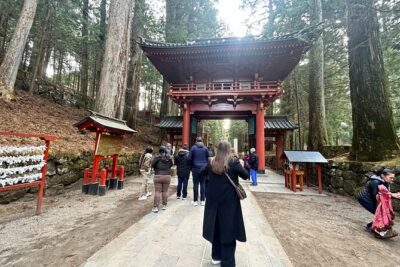
Nikko, Kegon Waterfall & Chuzenji Lake from Tokyo
Read our review →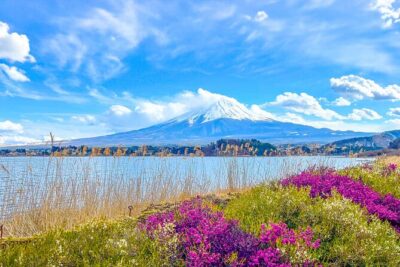
Mount Fuji, Kamakura, Big Buddha, & Lake Ashi Day Trip
Read our review →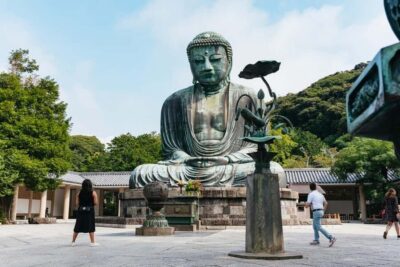
Mt. Fuji, Kamakura, Big Buddha, & Lake Ashi Day Trip
Read our review →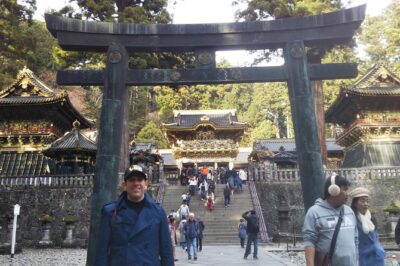
Nikko Full-Day Private Tour with Government-Licensed Guide
Read our review →
Browse the lists this tour appears in