
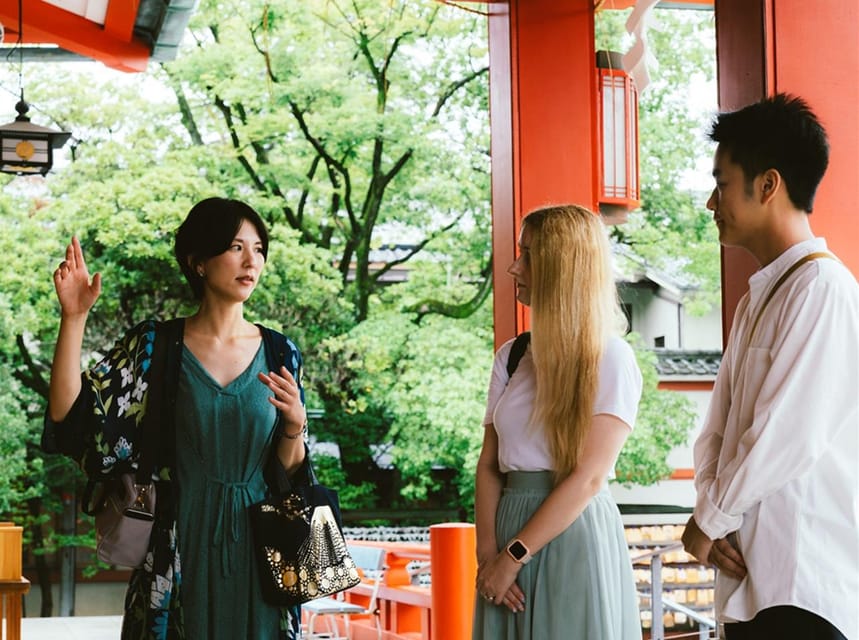
REVIEW · TOKYO TEMPLE TOURS
Tokyo: Buddhism and Shinto Temple Tour with a Real Local
The most striking part of this two-hour tour is the Buddhist fire ceremony at Naritasan Fukagawa Fudōdō. It is not treated as a performance put on for tourists. You sit quietly, follow local etiquette, and watch monks carry out a serious religious practice while Manami Watanabe explains what is happening, scene by scene.
I like the small group, limited to six people, and I like the setting in Monzennakacho, a lived-in East Tokyo district rather than a major sightseeing zone. Manami’s background in cultural heritage protection also gives the tour more substance than a quick stop at a temple. The main consideration is the strict conduct required inside the religious sites, including no photography, video, audio recording, hats, or casual clothing that leaves shoulders or knees uncovered.
Key points at a glance
- Watch a real Buddhist fire ceremony: See powerful drums and ritual fire at Naritasan Fukagawa Fudōdō while keeping the proper quiet and respectful posture.
- Learn from Manami Watanabe: Your English-speaking local guide was born and raised in the area and holds a Ph.D. in cultural heritage protection.
- Compare Buddhism and Shinto: Understand why Japanese people may take part in both traditions and how temples differ from shrines.
- Visit two distinct religious sites: The tour pairs Fukagawa Fudōdō with Tomioka Hachimangu Shrine for a useful side-by-side look.
- Keep the group intimate: With no more than six participants, you can ask detailed questions without shouting over a crowd.
- Allow for careful etiquette: Shawls are available, but you should bring comfortable shoes, cash, and clothing that respects the sites.
Tokyo has plenty of famous temples and shrines, but a famous name does not always mean a clear explanation. You may learn how to bow, toss a coin, and clap your hands, then leave without understanding what any of it means.
This tour takes a different route. In Monzennakacho, you get a compact introduction to Japanese spirituality through two active religious places. The goal is not to collect photographs. It is to help you understand what you are seeing, how to behave, and why Buddhism and Shinto continue to overlap in daily Japanese life.
At $62 per person, the price is reasonable if you want interpretation rather than simple sightseeing. The tour lasts only two hours, so you are paying for a focused lesson and guided access to a fire ceremony, not an all-day neighborhood tour. The group limit of six is important here. A smaller group makes it easier to hear explanations and ask questions during a quiet ritual.
Starting at Monzen-nakacho Station
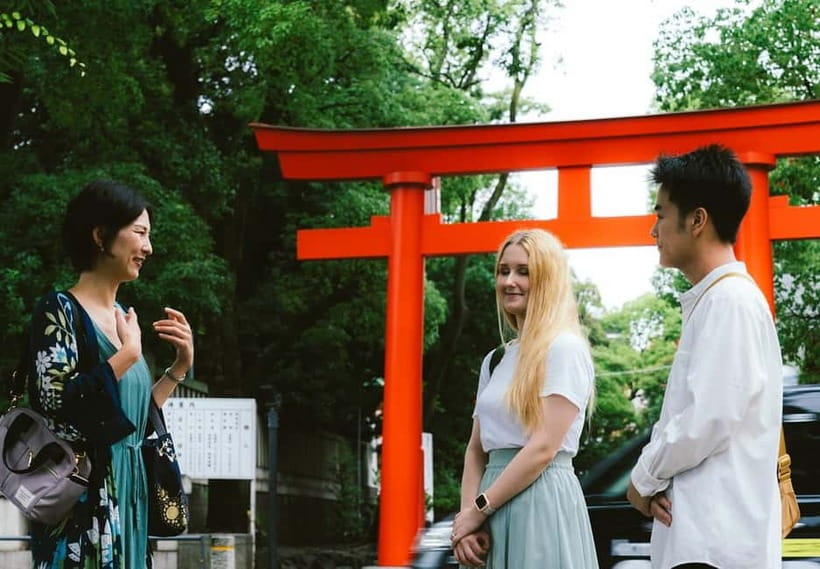
Meet outside Exit 4 of Monzen-nakacho Station, served by the Toei Oedo and Tokyo Metro Tozai lines. Look for the Kusuri no Fukutaro drugstore with a red sign just outside the exit.
Use Exit 4, not another station exit. This matters because another Kusuri no Fukutaro location can cause confusion. The meeting instructions also ask you to use the stairs rather than the elevator, since the drugstore is easier to spot from there.
Monzennakacho is in East Tokyo’s Shitamachi area, a term often used for the older, lower-city neighborhoods with strong local identity. You are not beginning in the postcard center of Tokyo. That is part of the appeal. The walk gives you a look at a district connected to everyday life, local worship, and neighborhood tradition.
If you arrive by taxi and the driver is unsure which drugstore you mean, the meeting instructions advise asking the driver to call Manami. Build in enough time to find the correct exit. Tokyo stations can be confusing, and starting the tour flustered is avoidable.
A few more temple visits around Tokyo worth a look
- Tokyo: Asakusa Walking Tour with Sensoji Temple Visit
★ 4.8 · 1,583 reviews - Nikko: Kegon Falls, Lake Chuzenji & Toshogu Temple
★ 4.6 · 1,577 reviews - Tokyo: Nikko Toshogu Shrine and Kegon Waterfall Tour
★ 4.5 · 1,266 reviews
Oyoko River and Tatsumi-shindo
The first part of the walk follows the Oyoko River for about 10 minutes. This is a short orientation stop, but it helps place Monzennakacho in its local setting before the religious visits begin.
You then spend about 10 minutes at Tatsumi-shindo. The supplied details do not promise a long visit here, so think of it as part of the neighborhood walk rather than a major stand-alone attraction. Its value is in showing how religious sites can appear within an ordinary urban district, close to streets, homes, shops, and daily routines.
This opening section also gives you time to ask basic questions. If you are unsure about the difference between a Buddhist temple and a Shinto shrine, ask early. The guide uses the rest of the walk to build on these ideas, and the small group makes conversation practical.
The fire at Naritasan Fukagawa Fudōdō
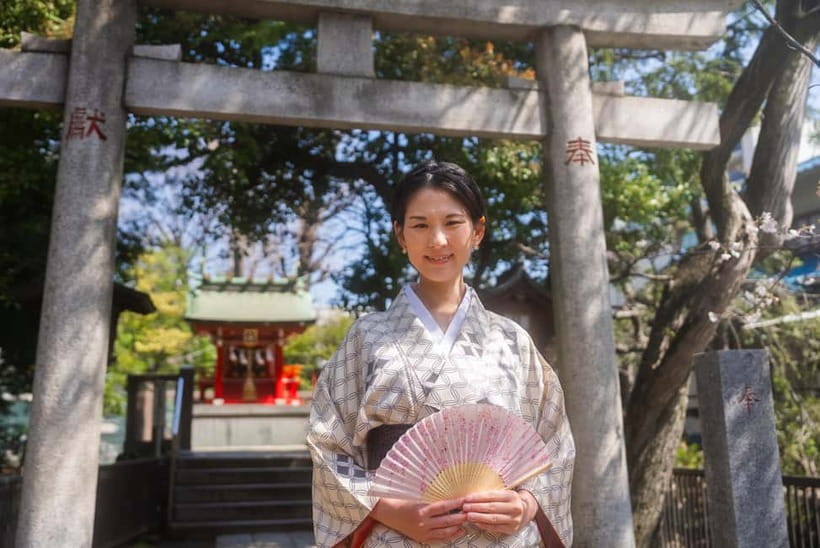
The main event takes about 40 minutes at Naritasan Fukagawa Fudōdō. You watch a Buddhist fire ceremony accompanied by forceful drumbeats. The sight and sound are memorable, but the way you watch is just as important as the ritual itself.
Manami provides explanation sheets and talks you through the ceremony without turning it into a running commentary. You observe in silence while she helps you understand the different parts. This approach is useful because Buddhist rituals can move quickly if you do not know what to look for.
The ceremony is treated as an everyday religious practice for Buddhist people, not as a tourist show. That affects where you sit and how you behave. The tour does not take the prime middle seats simply to secure the best view, because those seats should be available to members of the Buddhist community.
That choice may disappoint anyone expecting a front-row spectacle. I see it as an important part of the tour’s value. You are being shown how to attend respectfully, not how to turn worship into a photo opportunity.
Photography inside is not allowed. Video and audio recording are also prohibited. You should not expect to capture the flames or drum performance for social media. Instead, pay attention to the rhythm, the movement, and the guide’s explanation.
Posture matters as well. Crossing your legs while seated can be considered rude to Buddha and the monks. This is exactly the kind of detail that a quick sightseeing stop often misses. Keep your body language modest, follow instructions, and remember that you are entering an active religious space.
The experience may suit you especially well if you are curious about how rituals function rather than simply how they look. It may suit you less if your main goal is dramatic photography or an informal entertainment show.
Understanding Buddhism and Shinto side by side
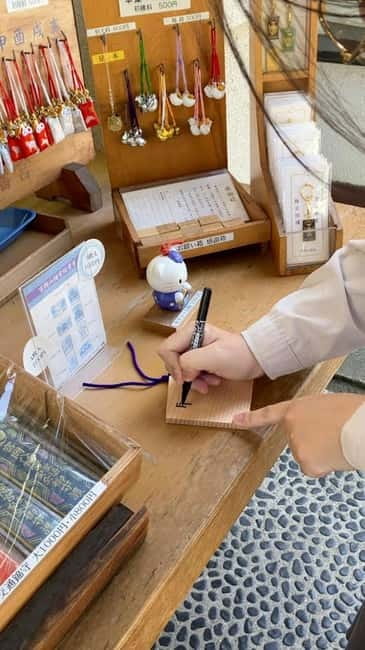
One of the strongest parts of this experience is the comparison between Buddhism and Shinto. Many people arrive in Japan with a simplified idea that one person follows one religion. The tour explains why Japanese people may take part in both traditions.
You learn how Buddhist temples and Shinto shrines differ, how to visit each properly, and how symbols and customs point to different beliefs. You also receive practical guidance on behavior, not just a list of facts.
This makes the tour useful early in a Japan trip. Once you know where to bow, when to clap, what to do with coins, and how to approach a sacred place, later visits become more meaningful. You can look beyond the surface ritual and recognize the choices people are making.
Manami’s academic background helps here. A Ph.D. in cultural heritage protection does not automatically make a tour good, but it suggests that the explanations are grounded in more than memorized sightseeing lines. Her style, based on the available feedback, is patient and open to questions. That matters when the subject involves unfamiliar beliefs and subtle rules.
Same country, a different morning at the gates:
- Tokyo:Mt.Fuji,Kawaguchiko Oishi Park,Arakurayama Sengen Park
★ 4.4 · 2,682 reviews - Tokyo Panoramic 1 Day: Meiji Shrine, Asakusa, Odaiba and SKYTREE®
★ 4.5 · 1,222 reviews - Tokyo: Mt. Fuji, Kamakura, Big Buddha, & Lake Ashi Day Trip
★ 4.5 · 867 reviews - Tokyo: Zen Meditation at a Private Temple with a Monk
★ 5.0 · 510 reviews
Tomioka Hachimangu Shrine and its local stories
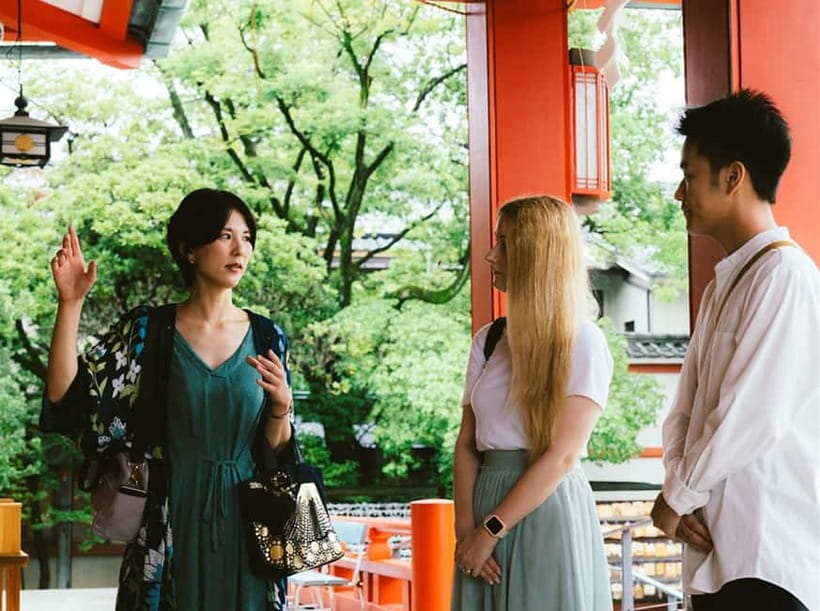
The final major stop is Tomioka Hachimangu Shrine, where you spend about 25 minutes. This changes the mood after the intensity of the fire ceremony. The shrine offers a calmer setting for learning about Shinto symbols and local customs.
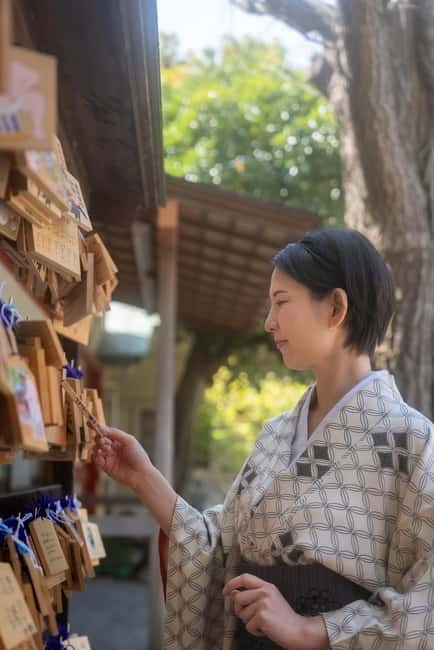
You hear about white fortune-telling papers, wooden wish plaques, and goshuin stamps. These are easy details to notice at a shrine, but their meaning is less obvious if you are walking alone. Manami explains how they fit into the act of visiting rather than treating them as decorative objects.
The shrine also connects sake and sumo with Shinto tradition. The sumo rocks are a notable feature, giving the stop a concrete link to Japan’s national sport and religious culture. This is a good reminder that Shinto is not only about shrine gates and purification. It also connects with community celebrations, offerings, local identity, and long-standing public customs.
The tour ends with Manami’s family stories and her strong connection to Tomioka Hachimangu. That personal link gives the final stop a warmer feel. You are not simply hearing about a shrine from a detached guide. You are hearing why this particular place matters to someone from the neighborhood.
You should still keep your expectations realistic. This is a 25-minute guided visit, not an extended shrine study. The stop works best as part of the larger comparison between Buddhist and Shinto practice.
What the small group changes
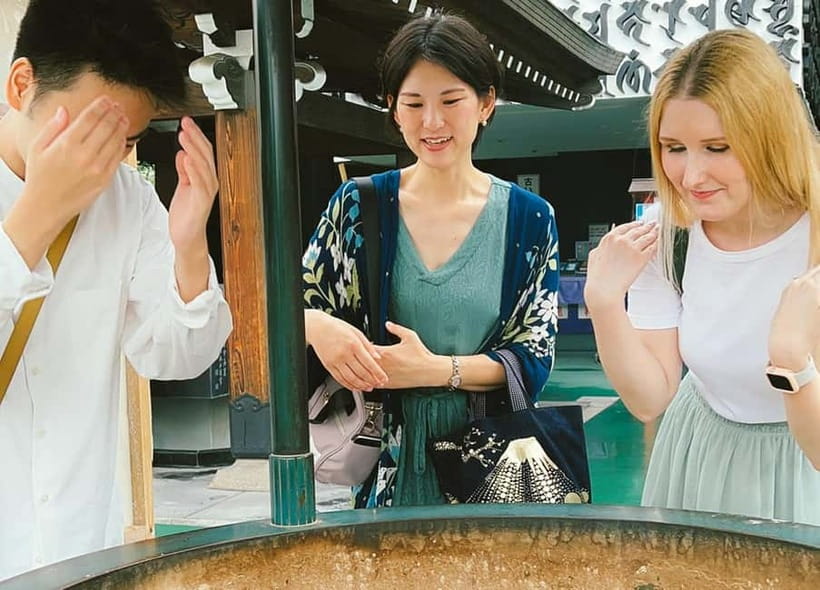
The group is limited to six participants. That is a major advantage for a tour built around etiquette and explanation.
In a large group, you may hear only the broad facts. Here, you can ask why a particular action is done, check whether a gesture is appropriate, or ask Manami to explain a term again. The small size also helps you stay together during the neighborhood walk and move quietly through the religious sites.
The experience may sometimes feel less social than a large group outing. There is no indication that it includes food, sake tasting, or a long free period for chatting. Its focus is learning and observation. If you want a lively food walk, this is not the right choice. If you want clear answers and a calm pace, the format works well.
The available ratings are very strong, with a 4.9 score from nine reviews. The praise repeatedly centers on Manami’s warmth, patience, and ability to explain Buddhism and Shinto. One person described taking the tour with only one other participant, which shows how small the group can be in practice. That can make the $62 fee feel worthwhile if personal attention is important to you.
Clothing, shoes, and respectful behavior
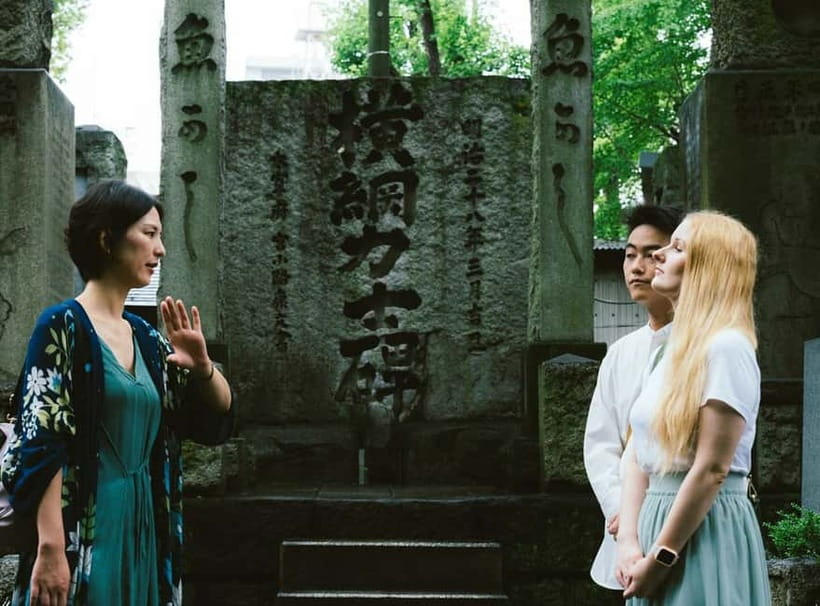
Wear comfortable shoes. The tour includes station access, a neighborhood walk, and visits to religious buildings. Shoes are not allowed indoors, so choose footwear that you can remove without trouble.
Dress modestly. Short skirts, sleeveless shirts, see-through clothing, and uncovered shoulders or knees are not suitable. Shawls are available for anyone who needs extra coverage, but it is better to arrive dressed appropriately rather than depend on a loaned covering.
Do not smoke during the activity. Hats are not allowed, and you should be ready to remove yours before entering the religious spaces.
Bring some cash. Small coins are used for the optional temple and shrine visiting ritual, although coins are not included. You may also want a drink, especially if you are walking in warm weather.
The restrictions are not minor fine print. They shape the experience. You are entering places where people come to worship, make wishes, show respect, and carry out regular religious practices. Following the rules lets you take part without disrupting that atmosphere.
Who should book this experience
I would recommend this tour to you if you want to understand the customs behind Tokyo’s temples and shrines. It is especially useful for a first visit to Japan, when the steps of purification, bowing, offering coins, and receiving stamps can seem confusing.
It also suits people who enjoy asking questions. Manami’s patience is one of the most praised parts of the experience, and the small group gives you room to make use of it. The tour is a good fit for adults, couples, solo visitors, and older children who can remain quiet and follow religious-site rules.
The experience is not suitable for children under five or people over 80, according to the activity restrictions. It may also be a poor fit if you need a fully relaxed sightseeing stop with unrestricted photography.
The tour is conducted in English. You should be comfortable listening to explanations about religious customs and asking questions in English. The pace is two hours, so you get a focused introduction without giving up most of your day.
Value at $62 per person
At $62, the tour costs more than simply walking past a temple and shrine on your own. The difference is the explanation, the small group, and admission to the fire ceremony.
If you visit independently, you may see the flames, drums, fortune papers, wish plaques, and shrine symbols without knowing how to interpret them. You may also accidentally break a rule, such as taking photos inside or sitting in a disrespectful posture. The fee buys a guide who helps you avoid those mistakes and explains why the customs matter.
The price is less compelling if you already have a strong background in Japanese religion or prefer to explore silently. You may also want a longer neighborhood tour for the same half-day commitment. But for two focused hours in East Tokyo, the cost is fair, particularly if your group stays very small.
Free cancellation up to 24 hours before the start gives you some flexibility, and you can reserve now and pay later. Check the available start times when booking, since the tour lasts two hours and the ceremony schedule matters.
Should you book the Monzennakacho temple tour?
Book it if you want a respectful, clearly explained look at Japanese religious life, especially the difference between Buddhism and Shinto. The fire ceremony is the centerpiece, but the shrine visit and local family stories keep the tour from feeling like a single-attraction stop.
Skip it if you want front-row ritual photographs, food tasting, sake, or a casual tour with few rules. This experience asks you to be quiet, dress properly, put away your camera indoors, and give worshippers priority seating.
For most curious first-time visitors, I think the balance is strong. Manami Watanabe’s local connection, patient answers, and academic background give the visit more meaning than a quick temple photo stop. Bring comfortable shoes, follow the etiquette, and expect to leave with a better sense of what you are seeing across Japan.
FAQ
How long does the Buddhism and Shinto tour last?
The tour lasts two hours, beginning and ending at Monzen-nakacho Station.
Where is the meeting point?
Meet outside Exit 4 of Monzen-nakacho Station, served by the Oedo and Tozai lines. The meeting point is by the Kusuri no Fukutaro drugstore with a red sign.
Should I use a specific station exit?
Yes. Use Exit 4, not another exit. The instructions also recommend using the stairs instead of the elevator so the drugstore is easier to find.
Who leads the tour?
The tour is led in English by Manami Watanabe, a local who was born and raised in the area. She holds a Ph.D. in cultural heritage protection.
What places does the tour visit?
The route includes the Oyoko River, Tatsumi-shindo, Naritasan Fukagawa Fudōdō Buddhist temple, and Tomioka Hachimangu Shrine. It returns to Monzen-nakacho Station.
Is the fire ceremony included in the price?
Yes. Admission to the fire ceremony at Fukagawa Fudōdō is included.
Can I take photographs or record the ceremony?
Photography inside is not allowed. Video and audio recording are also prohibited.
What should I wear and bring?
Wear comfortable shoes and modest clothing. Short skirts, sleeveless shirts, see-through clothing, hats, and shoes indoors are not allowed. Bring cash and drinks. Shawls are available if you need to cover your shoulders or knees.
Can I cancel or pay later?
You can cancel up to 24 hours in advance for a full refund. You can also reserve your place and pay later.
Just added around Tokyo
- Tokyo:Nikko UNESCO World Heritage Sites Private 1-Day Tour★ 3.8 · 6 reviews
- Tokyo War History Tour: Yasukuni Shrine & War Museum★ 4.5 · 6 reviews
- Tokyo: Snow Monkey Park and Zenkoji Temple Private Day Tour★ 4.7 · 127 reviews
- Tokyo: Sensoji Temple & Street Food: Private Tour with guide★ 4.6 · 8 reviews
- Tokyo: Shibuya Sky, Harajuku & Meiji Shrine Highlights Tour★ 4.5 · 9 reviews
- Tokyo: Nikko Private Sightseeing Day Trip with Driver★ 5.0 · 10 reviews
- Tokyo → Nikko:Private Customizable Day Trip (English Driver)★ 4.9 · 26 reviews
- Tokyo’s Kitchen: Tsukiji Market Food & Culture Walk★ 4.7 · 74 reviews
Tokyo Temple Tours, compared.
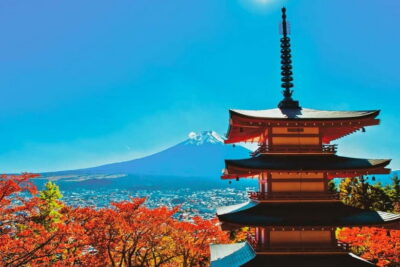
Mt.Fuji,Kawaguchiko Oishi Park,Arakurayama Sengen Park
Read our review →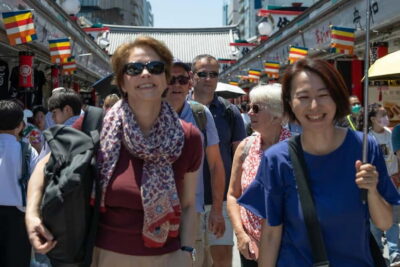
Asakusa Walking Tour with Sensoji Temple Visit
Read our review →
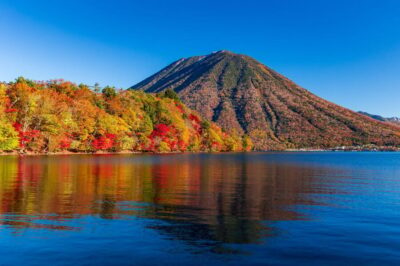
Nikko Toshogu Shrine and Kegon Waterfall Tour
Read our review →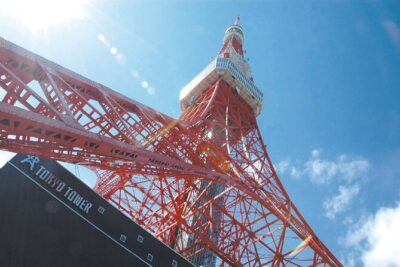
Tokyo Panoramic 1 Day: Meiji Shrine, Asakusa, Odaiba and SKYTREE®
Read our review →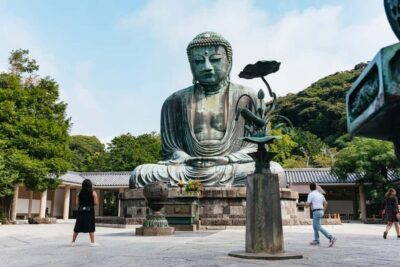
Mt. Fuji, Kamakura, Big Buddha, & Lake Ashi Day Trip
Read our review →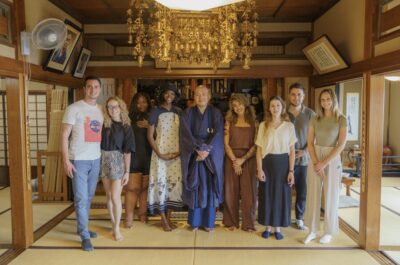
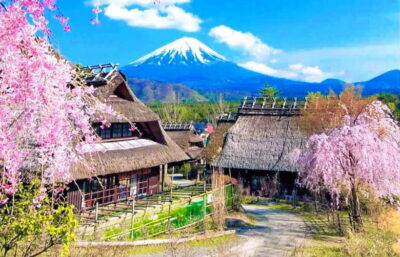
Mt. Fuji Heritage Tour: Traditional Villages, Lakes & Shrine
Read our review →Browse the lists this tour appears in