REVIEW · SIEM REAP TEMPLE TOURS
Siem Reap: 2-Day Temple Highlights Sunrise and Sunset Option
Angkor Wat at sunrise is the headline, but the real strength of this tour is its range. You see the famous temples, then move out to quieter sites such as Banteay Srei and Ta Nei, where the carved stone and jungle setting feel less hurried. Guides including Sak, Pi, Chhay, and Pal are praised for making history clear, personal, and fun.
I like the two-day pace, which gives you time for both the grand monuments and the smaller ruins. I also like the practical care: air-conditioning, bottled water, and cold towels after hot temple walks. The drawback is the early start and long first day, plus the extra $62 temple pass, which is not included in the $46 tour price.
Key points
- Sunrise at Angkor Wat: Enter before dawn from the quieter eastern side, then walk through the temple as the light improves.
- A strong mix of temples: The route covers Angkor Wat, Bayon, Ta Prohm, Banteay Srei, Preah Khan, Neak Pean, Pre Rup, Ta Nei, and more.
- Guides who add real value: Guides such as Sak, Pi, Bun, Chhay, and Pal explain Hinduism, Buddhism, Khmer kings, temple design, and local culture.
- Cooling breaks matter: Air-conditioned transport, cold water, and chilled towels make a real difference in Cambodia’s heat.
- Two sunset versions: Private bookings include a rice-field sunset drink, while small-group bookings include sunset at Bakheng Temple.
- Budget clearly: The $46 price covers transport and guiding, but you must add the $62 two or three-day temple pass and pay for meals.
Why two days works better than one
Angkor is not one temple. It is a huge archaeological area spread around Siem Reap, with grand ceremonial monuments, jungle ruins, reservoirs, terraces, and smaller shrines. Trying to cram the best sites into one day often leaves you remembering the heat more than the carvings.
This two-day plan gives the major temples room to breathe. Day one reaches the outer and northern sites, while day two focuses on the famous central monuments. That division makes sense: Banteay Srei deserves a long drive and proper attention, while Angkor Wat and Ta Prohm are best visited before the day becomes too hot and crowded.
The schedule is still active. You will walk on uneven stone, climb steps, cross exposed courtyards, and spend much of the day getting in and out of the vehicle. The tour suits someone who wants to see a lot, but it may not suit anyone needing a slow, fully accessible outing.
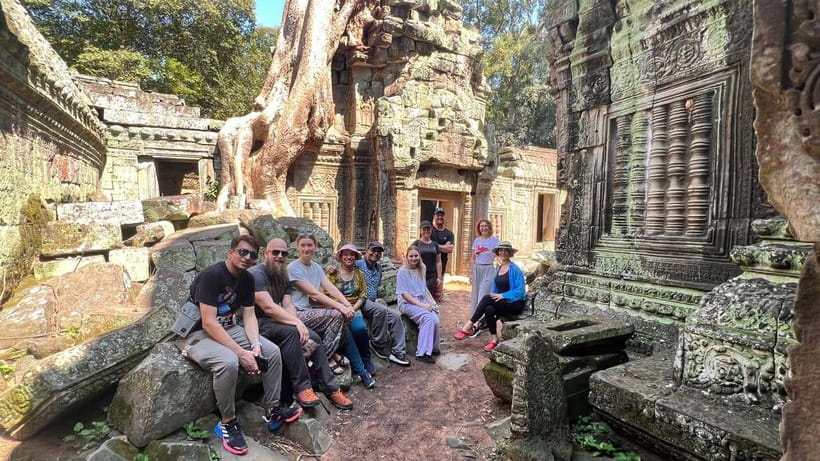
The strongest part of the experience is the guide. Good guiding turns a pile of old stones into a place with competing faiths, royal ambition, engineering skill, and human stories. Past groups have been led by Sak, Pi, Chhay, Bun, So, Pal, and others. The assigned guide can vary, but the format is consistent: an English-speaking local guide accompanies you through the temples and answers questions about religion, history, architecture, and modern Cambodia.
More Temple Sunrise Tours in Cambodia
- Angkor Wat Sunrise or Sunset Tour with Guide from Siem Reap
★ 5.0 · 12,109 reviews - Siem Reap: Angkor Wat: Small-Group Sunrise or Sunset Tour
★ 5.0 · 9,444 reviews - Siem Reap: Angkor Wat 2-Day Tour with Sunrise and Sunset
★ 4.9 · 4,429 reviews
Day one: Pre Rup and the red sandstone of Banteay Srei
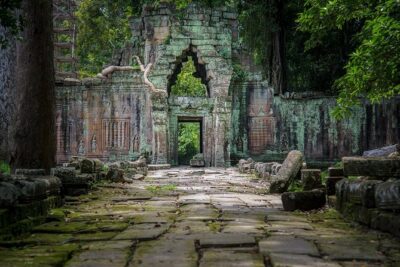
The first temple is Pre Rup, a Hindu temple mountain built under King Rajendravarman in 961 or early 962. Its brick, laterite, and sandstone construction gives it a warm, earthy appearance, especially when the light is low.
Pre Rup is useful as an introduction to Angkor’s temple design. You can see the stacked levels, towers, galleries, and central sanctuary that make a temple mountain feel like a symbolic climb toward the divine. The site is open and exposed, so the heat can build quickly. Wear a hat, use sun protection, and keep water close.
Banteay Srei is the day’s artistic prize. This smaller temple is built largely from pinkish sandstone, which allowed its sculptors to cut exceptionally fine details. Look closely at the lintels and pediments, where mythological scenes, guardian figures, foliage, and other designs cover the stone in a way that feels almost delicate.
The name is often translated as Citadel of the Women, though the key reason to visit is the carving, not the nickname. Banteay Srei looks different from Angkor Wat and the larger royal temples because its scale is intimate. You stand close to the reliefs and see how carefully the figures were shaped.
It is also farther from the main Angkor circuit, which makes this stop valuable and tiring at the same time. The drive takes time, but it removes you from the tight cluster of central temples. Your guide can use the road journey to explain the Khmer Empire and point out how temple styles changed over time.
Neak Pean and Preah Khan: water, roots, and quiet corners
After returning toward the central area, the tour visits Neak Pean. This Buddhist temple sits on a circular island within the Jayatataka Baray, an enormous reservoir. The approach across the water gives the site a different mood from the land-based temple mountains.
Neak Pean is more about setting and design than size. Its central shrine and surrounding water system reflect religious ideas tied to healing and sacred balance. The raised walkway also lets you see how much Angkor depended on water engineering. If the water level is low, the setting may feel less dramatic, but the plan of the site remains interesting.
Preah Khan is one of the day’s best stops for atmosphere. King Jayavarman VII commissioned it in honor of his father, and the complex combines long galleries, courtyards, shrines, carved stone, and trees pressing through old walls.
Unlike Angkor Wat’s grand symmetry, Preah Khan feels like a place gradually being taken back by the forest. Some sections are remarkably well preserved, while others show the damage caused by time, roots, and weather. Restoration work has helped protect parts of the complex, but you still get a strong sense of age.
I like Preah Khan because it gives you time to look at smaller details. A guide can point out Buddhist imagery, later Hindu alterations, doorways, and the way the building unfolds through narrow passages. It is also a useful contrast with the huge scale of Angkor Wat.
Sunset choices: rice fields or Bakheng Temple
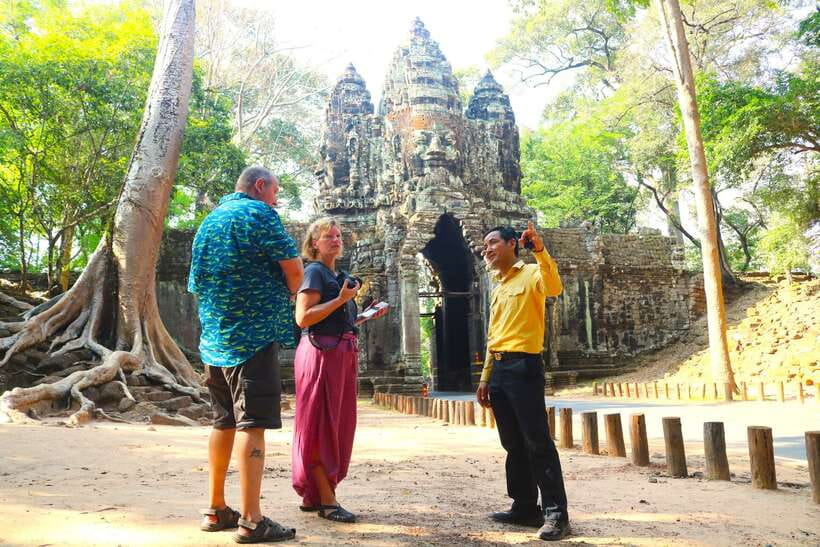
The first day ends with a sunset stop, but the exact version depends on the booking type. The private option includes a drink in a peaceful rice-field setting. This is less about a dramatic monument and more about slowing down after several hours of temple walking.
The small-group option includes sunset at Bakheng Temple. Bakheng sits on a hill and is known for broad views, though access and crowd conditions can affect how relaxed the stop feels. You should confirm the sunset format when booking, since the two versions are not the same.
Either option gives day one a gentler finish. The rice-field stop offers a rural view close to Siem Reap, while Bakheng provides a classic temple setting. Neither replaces the sunrise at Angkor Wat, but both help break up the itinerary.
More Temple Sunrise Tours in Siem Reap
- Angkor Wat Sunrise tour with Small – Group and Guide tours
★ 5.0 · 3,655 reviews - Angkor Wat Highlights and Sunrise Guided Tour from Siem Reap
★ 5.0 · 3,213 reviews - Full-Day Angkor Wat Sunrise Private Tour with Guide from Siem Reap
★ 5.0 · 2,920 reviews - Angkor Wat Sunrise & 3 Main Temples with Breakfast – Small Group
★ 5.0 · 2,857 reviews
Day two begins before dawn at Angkor Wat
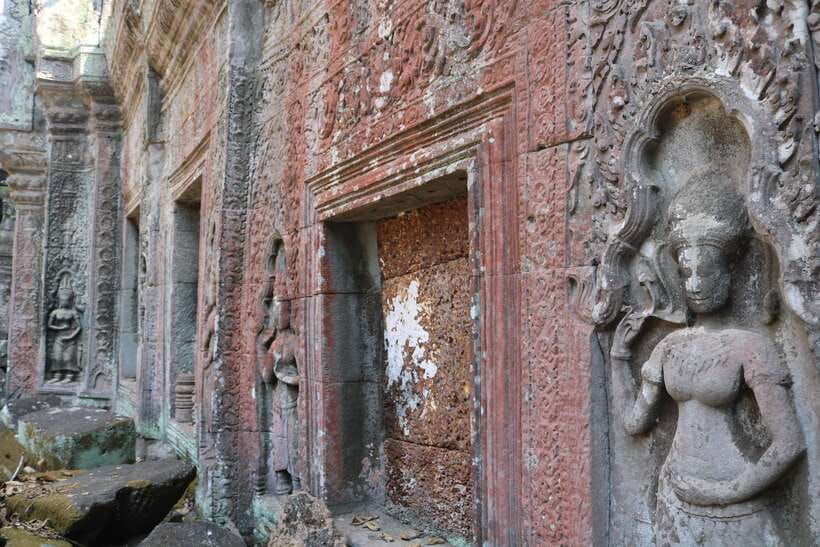
The second day starts in darkness. You enter Angkor Wat from the eastern side with a torch, then move through cloistered corridors before the main crowds settle into place.
Bring your own small flashlight or headlamp. Phone lights can help, but a proper torch makes the uneven walk easier and keeps your hands free. Wear shoes with a firm sole, since the stones can be irregular and damp in places.
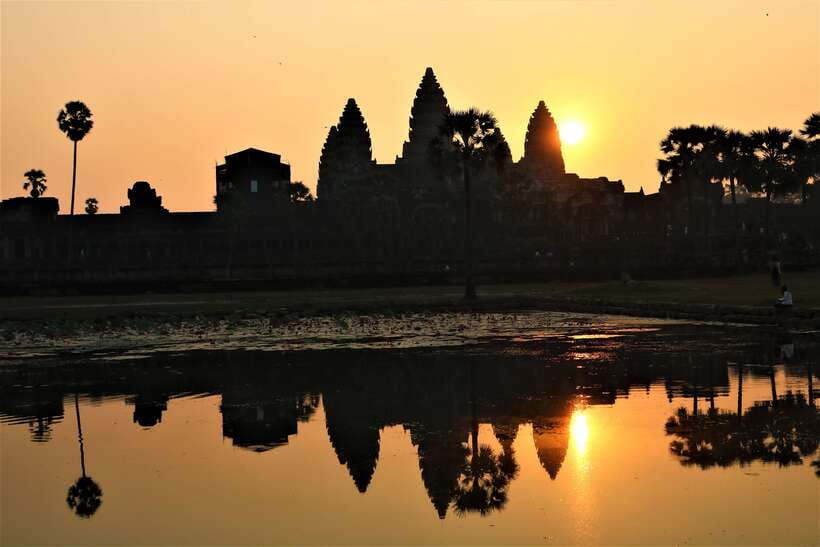
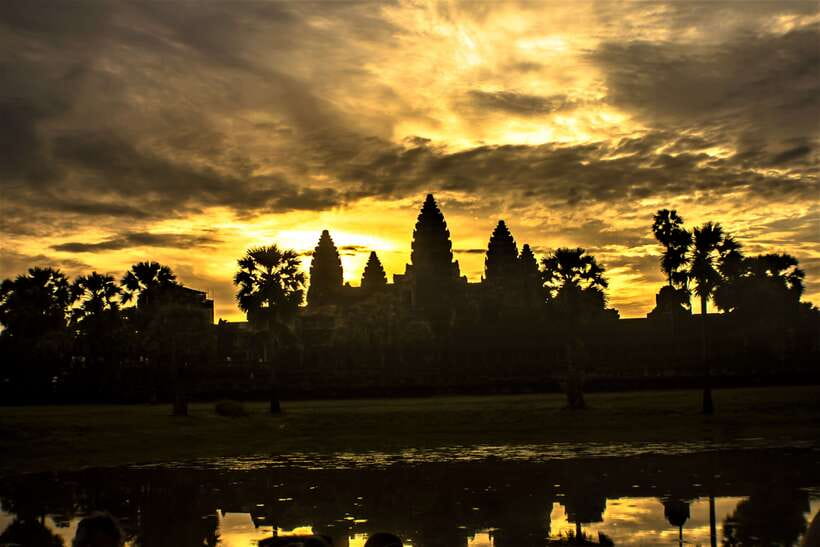
The sunrise view is usually associated with the temple towers reflected in the water, but the eastern entrance offers another experience. You approach the monument through shadowed galleries and corridors, then watch the sky brighten around the structure. The change from darkness to early light is the reason the short night is worth it.
Your guide will help with timing and viewing positions, but no guide can control clouds, crowds, or the exact colors of the morning. Treat the sunrise as a bonus rather than a guaranteed postcard. Afterward, you have breakfast outside the temple before continuing.
Meals are not included, so plan to pay for breakfast and lunch yourself. The schedule includes meal stops, but the supplied information does not specify fixed restaurants or meal prices. Some guides, including Pi, have helped groups choose places to eat, which is useful when you want a quick meal rather than a long break.
Ta Prohm and Ta Nei, two very different jungle ruins
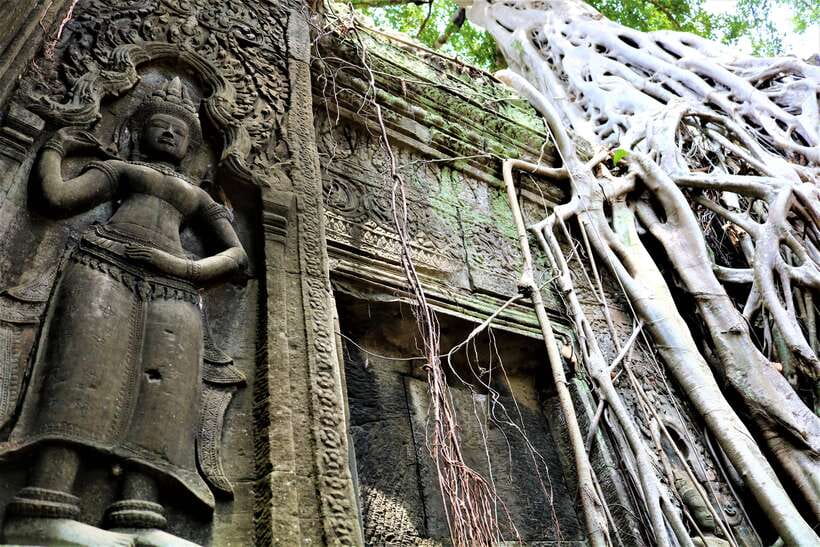
Ta Prohm is the familiar jungle temple, made famous by its massive trees and crumbling galleries. It was once home to 2,740 monks, but today its appeal comes from the uneasy partnership between stone and vegetation.
The trees are not simply decoration. Their roots push through walls, hold sections together, and threaten the structure at the same time. Restoration teams must decide how to preserve the temple without stripping away the wild appearance that makes it special.
Ta Prohm can be crowded, especially around the best-known tree-framed doorways. A good guide helps you find quieter corners and explains the carvings beyond the most photographed spots. You should allow time for pictures, but do not expect a private ruin.
Ta Nei is smaller and more secluded in feel. This late 12th-century stone temple sits within Angkor and gives you a useful contrast after Ta Prohm. Instead of a huge, famous complex, you get a more modest ruin where the layout and forest setting are easier to take in.
The sequence works well. Ta Prohm gives you the famous image, while Ta Nei gives you a quieter look at how many less celebrated temples fit into the Angkor area.
Angkor Thom and the many faces of Bayon
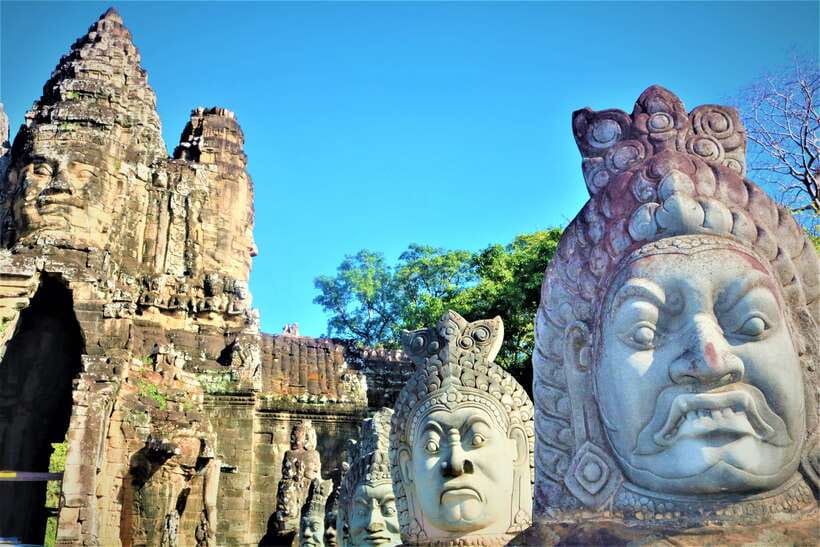
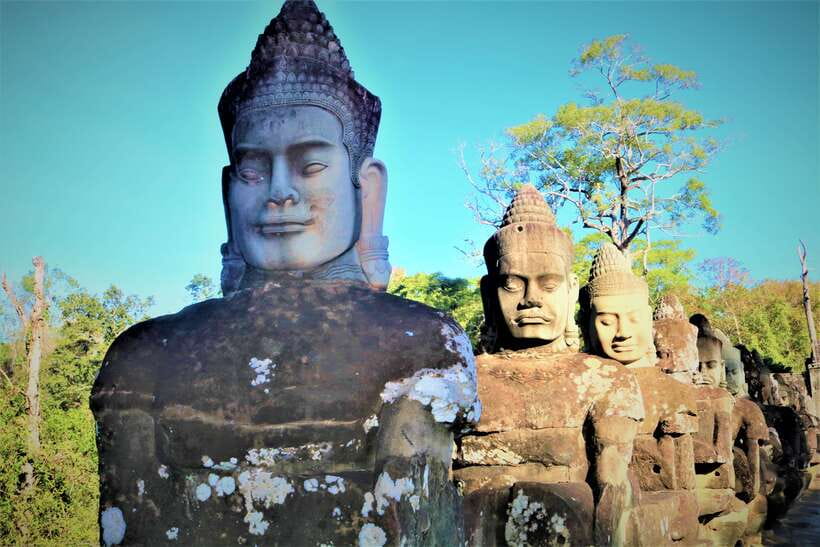
The southern gate of Angkor Thom is one of the most memorable approaches in the complex. A row of 54 stone figures lines each side of the causeway, with gods on one side and demons on the other. They pull at the body of a serpent, creating a dramatic entrance linked to Hindu and Buddhist stories.
The gate leads into Angkor Thom, the fortified city built under Jayavarman VII. The city is much larger than the Bayon itself, so the guide’s explanations help you understand that you are moving through a planned royal center, not simply visiting a single temple.
Bayon is the visual centerpiece. Its towers carry enormous carved faces, often counted at more than 200. The faces appear from different angles as you move through the galleries, giving the temple a strange, watchful quality.
The exact meaning of the faces has been debated, and your guide may explain the main interpretations without pretending there is one simple answer. Some connect them with the Buddha, while others see the features as linked to Jayavarman VII. The uncertainty is part of the interest.
Inside Bayon, you will also see detailed bas-reliefs showing battles, processions, market scenes, boats, animals, and daily life. These carvings are valuable because they show more than religious symbols. They offer glimpses of how the Khmer world presented itself.
The tour then reaches the Terrace of the Elephants and the Terrace of the Leper King. The Elephant Terrace was used for royal ceremonies and public display, while the Leper King terrace has layered carvings and a more enclosed feel. These stops are shorter than Angkor Wat or Ta Prohm, but they complete the picture of Angkor Thom as a royal capital.
What the guides and drivers add
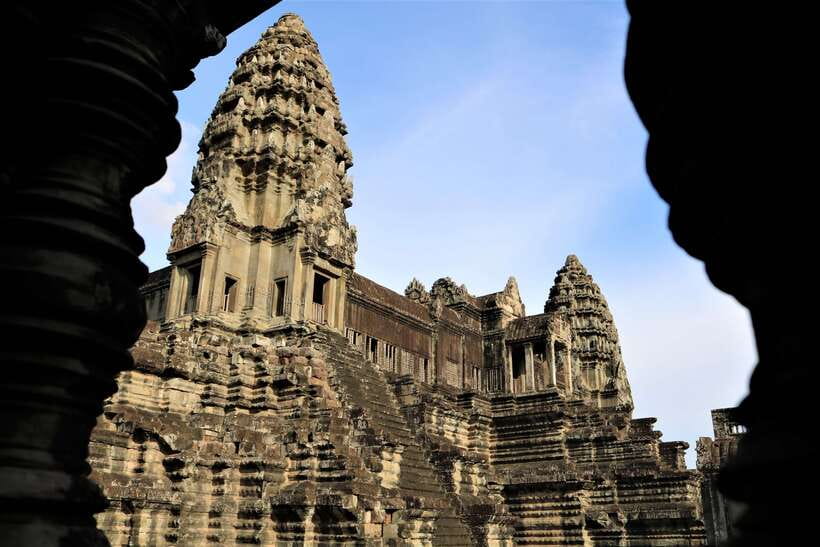
The best reason to choose a guided tour is not simply getting from one gate to another. It is having someone explain why a temple was built, which religion shaped it, how the carvings fit together, and what changed after the Khmer Empire.
Guides such as Chhay and Sak are known for combining clear history with humor. Pi has been especially useful for explaining the next stop before arrival, while Pal is praised for photos and for adding background during the drives. Bun has a warm way of bringing a group together, and So has helped connect temple history with Cambodian culture and present-day life.
Your guide may take photos for you, but you should still carry your own phone or camera and speak up about the kinds of pictures you want. Guides often know good angles, yet the best photo spots can be busy and light changes fast.
The driver matters just as much in this climate. The air-conditioned vehicle gives you a real reset between temples. Cold bottled water and chilled towels are offered after hot walks, a small service that becomes very welcome by midday.
Group size can vary. The small-group format has sometimes meant only a handful of people, while other departures have been larger, with numbers reaching around 15. A smaller group usually makes questions and photo stops easier, but you should not assume every departure will be tiny.
Price, temple pass, and practical value
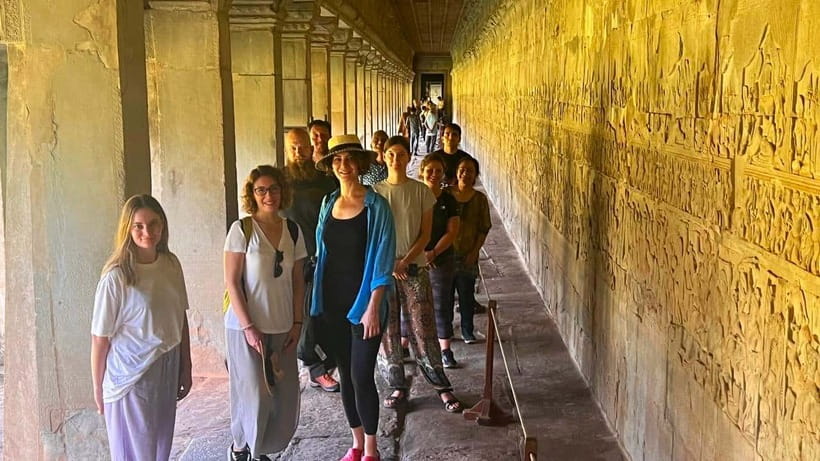
The tour costs $46 per person. That covers hotel pickup and drop-off within Siem Reap city, air-conditioned transport, an English-speaking licensed guide, bottled water, and cool towels. The private option also includes the rice-field sunset drink.
The major extra cost is the Angkor temple pass. A two or three-day pass costs $62 per person, bringing the basic combined cost to $108 before meals. That is important when comparing this tour with cheaper-looking one-day offers.
For the number of major and minor sites covered, the price is fair. You are paying for transport across a wide area, a guide who can explain details you would likely miss, and a carefully timed sunrise. A self-guided visit can cost less if you already have transport and research, but it requires more planning and gives you less help with timing.
The tour allows free cancellation up to 24 hours before departure, and you can reserve without paying immediately. Pickup is offered from hotels throughout Siem Reap city. The activity is not wheelchair accessible, and it is not suitable for children under eight or people with mobility impairments.
Wear clothes that cover your shoulders and knees. Shorts are not allowed, and comfortable walking shoes are essential. Insect repellent is also a smart item to pack, especially around wooded areas and rice fields.
Is this two-day Angkor tour right for you?
Book it if you want the major Angkor temples, several quieter sites, a sunrise, and a guide who can explain the religious and historical background. It is especially useful for a first visit, since the route covers the main highlights without limiting you to Angkor Wat alone.
You should think twice if you dislike pre-dawn starts, long sightseeing days, uneven ground, or group schedules. The tour is active, and the extra temple pass makes the final cost higher than the headline price.
For most fit visitors with only two days in Siem Reap, I would choose this format over a rushed one-day circuit. You see the celebrated monuments, but you also get Banteay Srei, Preah Khan, Neak Pean, Ta Nei, and Pre Rup. The air-conditioning, cold towels, and strong guide support make the heat manageable, while the sunrise and sunset give the temples their best light.
FAQ
Does the $46 price include the Angkor temple pass?
No. The two or three-day temple pass costs $62 per person and is paid separately. Meals are also not included.
What temples are included?
The route includes Angkor Wat, Angkor Thom, Bayon, Ta Prohm, Ta Nei, Banteay Srei, Pre Rup, Neak Pean, Preah Khan, Bakheng Temple, and the terraces within Angkor Thom.
Is sunrise at Angkor Wat included?
Yes. Day two begins with a pre-dawn visit to Angkor Wat for sunrise. You should bring a torch for the dark walk from the eastern side.
What sunset experience will I receive?
Private bookings include a rice-field sunset drink. Small-group bookings include sunset at Bakheng Temple.
Is hotel pickup available?
Yes. Pickup and drop-off are available from hotels throughout Siem Reap city.
What should I wear and bring?
Wear clothing that covers your shoulders and knees, along with comfortable walking shoes. Bring insect repellent and a torch for the sunrise visit.
Is the tour suitable for wheelchair users or young children?
No. The activity is not wheelchair accessible and is not suitable for children under eight or people with mobility impairments.
More Temple Sunset Tours in Siem Reap
- Full-Day Guided Sunset Tour of Angkor Wat
★ 5.0 · 1,507 reviews - Siem Reap: Full Day Angkor Wat Temple Experience with Sunset
★ 4.9 · 1,490 reviews - Angkor Wat full Day ‘Small Group with sunset & Tour Guide
★ 5.0 · 1,369 reviews - 2 Days Exclusive Temple Highlights with Sunset and Sunrise Tour
★ 5.0 · 1,157 reviews
More Temple Sunset Tours in Cambodia
- Siem Reap: Full-Day Angkor Wat Guided Tour with Sunset
★ 4.9 · 3,803 reviews - Angkor Wat Sunset Small Group Tour with Lunch Included
★ 5.0 · 3,059 reviews - Angkor 2-Day Sunset & Sunrise Small-Group Tour
★ 5.0 · 2,567 reviews - Siem Reap: Angkor Wat Sunrise or Sunset Guided Tour
★ 4.9 · 2,123 reviews
Just added around Siem Reap
- Ticket for Angkor Balloon Ride.★ 3.7 · 46 reviews
- Sunrise at Angkor Wat Temple: 3-Hour Private Tour★ 4.7 · 30 reviews
- Small-Group Full Day Angkor wat Guide tour with Sun set★ 5.0 · 136 reviews
- Siem Reap: Private 4-Day Angkor Wat and Phnom Kulen Tour★ 5.0 · 9 reviews
- Angkor Wat: Sunrise 2.5 Days Temples & Tonle Sap-Small Group★ 5.0 · 10 reviews
- Siem Reap: Ultimate Angkor Wat Offbeat Experience by Jeep★ 4.9 · 8 reviews
- Siem Reap: Personalized Angkor Wat Sunrise/Set by TukTuk/Car★ 4.9 · 41 reviews
- Siem Reap : Private Tuk-Tuk Tour of the Magnificent Temples.★ 4.9 · 14 reviews
Siem Reap Temple Tours, compared.
Angkor Wat Sunrise or Sunset Tour with Guide from Siem Reap
Read our review →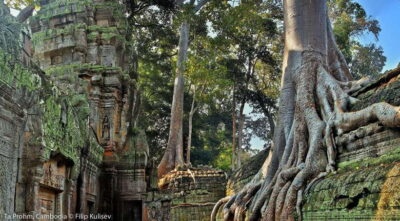
Angkor Wat: Small-Group Sunrise or Sunset Tour
Read our review →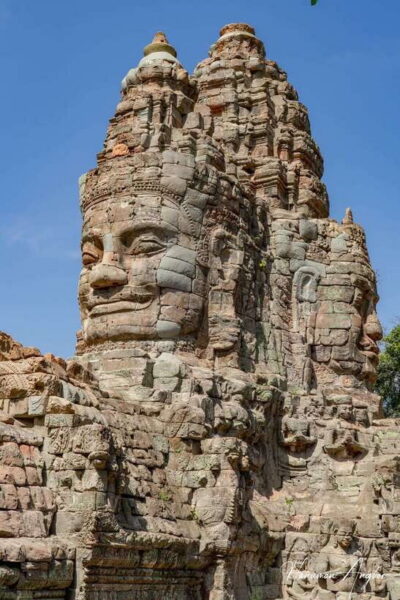
Angkor Wat 2-Day Tour with Sunrise and Sunset
Read our review →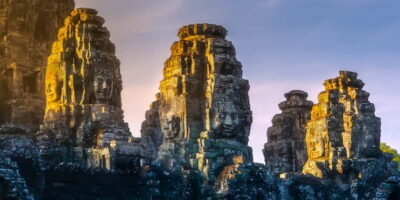
Angkor Wat Sunrise tour with Small – Group and Guide tours
Read our review →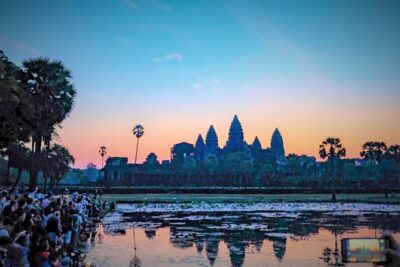
Angkor Wat Highlights and Sunrise Guided Tour from Siem Reap
Read our review →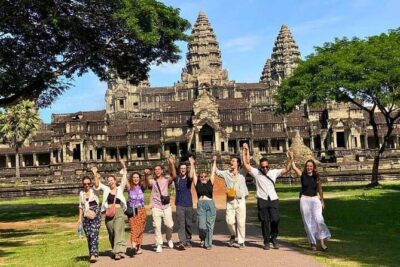
Angkor Wat Sunset Small Group Tour with Lunch Included
Read our review →