
REVIEW · TOKYO TEMPLE TOURS
Make a temple stamp book with artist
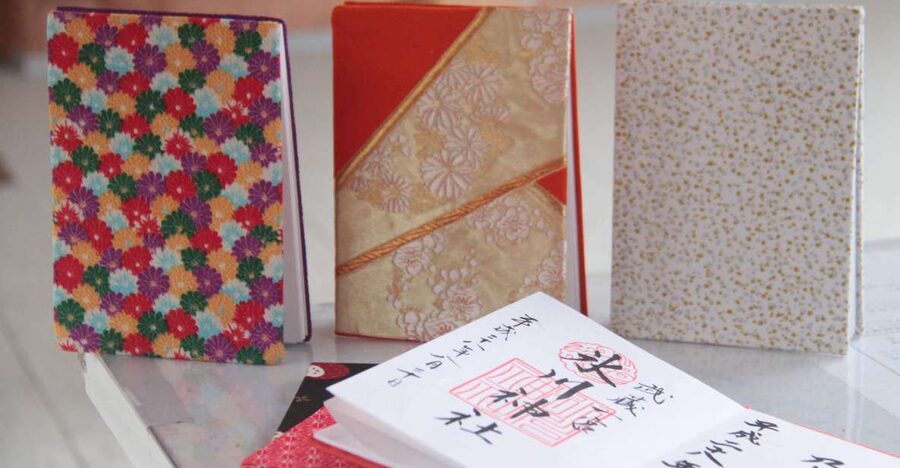
The best part of this experience is that you make something you can use for the rest of your Japan trip. Artist Chikako Oshiro guides you through the folding and gluing process, while more than 100 kimono fabrics let you create a goshuin book that feels personal rather than mass-produced.
I like two things here: the hands-on craft and the walk to a local shrine for your first stamp. You also get practical instruction in shrine etiquette, which adds meaning to later visits. The main drawback is that the classroom and shrine require about 10 steps, so this is not a good fit if stairs or uneven access are difficult for you.
Key points to know
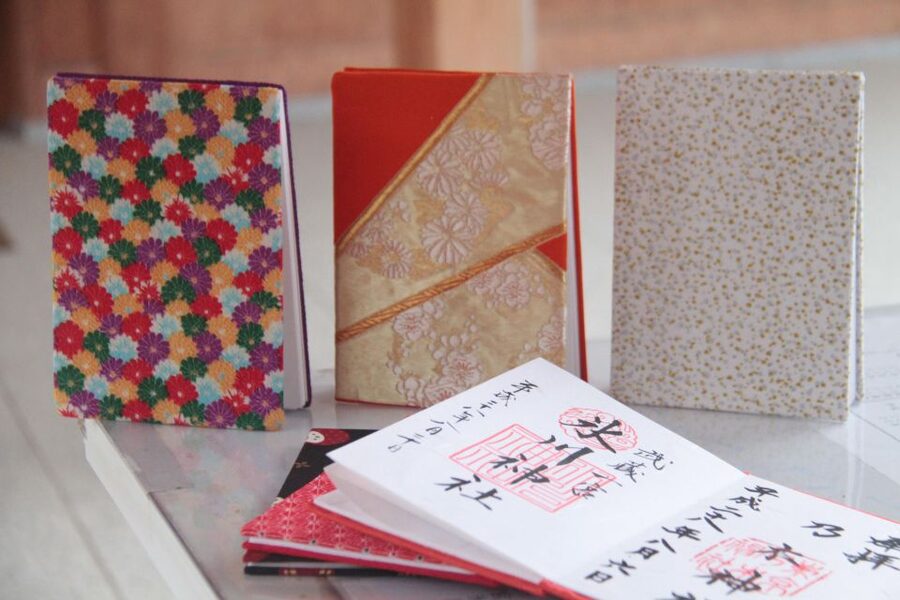
- Choose from over 100 kimono fabrics: Pick colors and patterns for a book that is truly your own.
- Learn the proper goshuin process: Fold and glue the pages with guidance from an English-speaking artist.
- Visit a local shrine: Your finished book receives its first stamp during the same session.
- Small group of up to eight: The limited size gives you room to ask questions and work at a steady pace.
- Convenient Shibuya-area setting: This makes a two-hour cultural activity easy to pair with sightseeing.
- Bring a little extra cash: The workshop fee is included, but the shrine stamp fee is not.
Making a Goshuin Book With Your Own Fabric
A goshuin book, also called a goshuincho, is used to collect calligraphic stamps and seals from Japanese temples and shrines. Each place has its own design and writing, so the book becomes a record of where you have gone.
This workshop begins with the choice that matters most: the cover fabric. You can select from more than 100 kimono fabrics, giving you a wide range of colors, textures, and traditional patterns. I like this part because it turns a simple souvenir into a personal object. You are not just buying a ready-made notebook. You are choosing the look, then helping make it.
Chikako Oshiro shows you how to fold and glue the papers correctly. That sounds simple, but the finished book depends on getting the folds and joins in the right order. The guided format is useful if you have never made Japanese stationery before. You can work with confidence instead of guessing where each page should go.
The materials are provided as part of the workshop fee. One useful touch is that extra glue has been available when needed, which matters if you are making a careful book and want to keep working without worrying about running short.
This is a craft session, not a fast demonstration. You should expect to spend a meaningful part of the two hours making the book. If you enjoy paper crafts, fabric, or small creative projects, this will likely be the heart of the experience.
The finished book is also practical. You can continue collecting goshuin during the rest of your time in Japan, then use it at future temples and shrines. Even if you do not fill many pages, the book will still remind you of the workshop and your first shrine visit.
A few more temple visits around Tokyo worth a look
- Tokyo: Asakusa Walking Tour with Sensoji Temple Visit
★ 4.8 · 1,583 reviews - Nikko: Kegon Falls, Lake Chuzenji & Toshogu Temple
★ 4.6 · 1,577 reviews - Tokyo: Nikko Toshogu Shrine and Kegon Waterfall Tour
★ 4.5 · 1,266 reviews
Why Kimono Fabric Makes the Souvenir Better
The fabric choice gives the workshop more cultural weight than a standard craft class. Kimono textiles are closely linked with Japanese dress and design, so the cover becomes a small sample of that visual tradition.
You may find yourself choosing between a bold pattern and something more restrained. There is no stated limit on how long you can spend selecting, but the session lasts two hours, so you should not wait until the final minutes. Once you find a fabric you like, follow Chikako’s advice about how it will work on the cover.
The activity does not require you to already know anything about kimono fabrics or goshuin. The instructions are in English, and the session explains both the making process and the purpose of the book. That combination helps you understand what you are creating instead of simply following a craft pattern.
I also like that the fabric gives each finished book a different look. In a group of eight, no two choices need to be alike. This is especially appealing if you want a souvenir connected to Japan but have little interest in factory-made gifts.
Keep expectations realistic. You are making a small traditional-style notebook in a two-hour class, not producing a professional bookbinding project. The value comes from the choice of material, the instruction, and the connection to the shrine visit.
From the Workshop to Your First Shrine Stamp
After the notebook is made, the group visits a local Shinto shrine. This is where the craft gains a clear purpose. You are not simply taking home a decorated book. You are using it to collect your first goshuin.
Chikako explains how to visit the shrine formally. That instruction can help you feel more comfortable at later shrines, where the customs may not be obvious to a first-time visitor. The focus is on respectful behavior and the meaning of the visit, not just on taking a stamp for your collection.
The first stamp is not included in the workshop fee, so plan to pay that small extra charge at the shrine. The exact amount is not provided, and you should check locally or ask the instructor during the activity.
A goshuin is more than a souvenir stamp in the usual sense. Each temple or shrine has its own mark and calligraphy, and collecting them gives your sightseeing a simple purpose. You can start noticing differences between places instead of treating every shrine as just another photo stop.
Your first stamp also gives the handmade book an immediate use. The timing works well: you make the book, learn the customs, then take it to a real shrine. That clear three-part structure keeps the activity focused.
The shrine visit is local rather than a major headline attraction. That is a benefit if you want a quieter cultural stop near the popular Shibuya area. It may feel less grand than visiting one of Tokyo’s best-known religious sites, but the point here is learning the practice and using your own book.
A Two-Hour Activity Near Shibuya
The location near Shibuya is useful for trip planning. Shibuya is already one of Tokyo’s most popular sightseeing districts, so you can place this workshop between other plans rather than traveling across the city for a full-day outing.
The meeting point is in front of an entrance between a drug store and Cozy Corner, the cake shop. Read the meeting instructions carefully and look for that specific entrance. In a busy Tokyo neighborhood, a recognizable shop reference can be more useful than a vague address.
The activity lasts two hours. That is long enough for the fabric choice, book construction, cultural explanation, and shrine visit, but short enough to fit into a morning or afternoon schedule.
The group is limited to eight people. I see this as a good balance. A large class could make fabric selection and individual instruction feel rushed, while a private session would cost more. With a small group, you have a better chance to ask about the craft or shrine customs as you work.
The instructor speaks English. That matters because the value is not only in making the book. You also need to understand how goshuin books are used and how to visit the shrine formally.
The activity operates rain or shine. Since the shrine visit is part of the plan, bring suitable clothing and footwear for the forecast. You should also allow for the fact that the session continues outdoors even in wet weather.
Same country, a different morning at the gates:
- Tokyo:Mt.Fuji,Kawaguchiko Oishi Park,Arakurayama Sengen Park
★ 4.4 · 2,682 reviews - Tokyo Panoramic 1 Day: Meiji Shrine, Asakusa, Odaiba and SKYTREE®
★ 4.5 · 1,222 reviews - Tokyo: Mt. Fuji, Kamakura, Big Buddha, & Lake Ashi Day Trip
★ 4.5 · 867 reviews - Tokyo: Zen Meditation at a Private Temple with a Monk
★ 5.0 · 510 reviews
Is the $38 Price Good Value?
At $38 per person, this is not the cheapest souvenir activity in Tokyo. You are paying for more than paper and fabric, though. The price includes the workshop fee, the materials, instruction from an artist, and a guided shrine visit.
The strongest value comes from the combination. A fabric craft class by itself would be creative but less connected to Japanese religious customs. A shrine visit by itself would cost little or nothing, but you would miss the step-by-step introduction to goshuin. Here, the two parts support each other.
The small group also makes the price easier to justify. With only eight people, the instructor can help with folding and gluing. This is more useful than a large group where you simply copy a demonstration from a distance.
The shrine stamp fee is extra. It is a minor additional cost, but you should know about it before booking. The workshop fee covers the class, not every expense connected with collecting your first goshuin.
I would call this good value for someone who wants an activity and a useful souvenir, not for someone seeking the lowest-cost way to see a shrine. The book should continue to serve you after the two hours, which gives the experience more lasting value than a short photo stop.
Who Will Enjoy This Most?
This workshop suits adults, couples, friends, and solo visitors who like making things with their hands. It also works for anyone who wants a quieter cultural activity near Shibuya instead of another major attraction.
You do not need previous craft experience. The process is explained clearly, and the instructor leads you through the folding and gluing. If you are patient and enjoy choosing details, you should be comfortable here.
It is also a good choice for someone who wants a meaningful first step into goshuin collecting. You learn what the book is for, make one yourself, and use it at a shrine before the session ends.
Families should note the age restriction. Children under 3 are not suitable for this activity. The stairs are another concern, with about 10 steps leading to the classroom and shrine, so people with mobility impairments should choose a different experience.
The class may be less suitable if you prefer a fast-paced sightseeing tour or a major landmark. Much of the time is spent sitting or working with materials, and the shrine visit is local. That is exactly the appeal for some people, but it will not replace a full Tokyo sightseeing route.
Booking Details That Matter
You can cancel up to 24 hours before the activity for a full refund. The reserve-now, pay-later option also lets you hold a place without paying immediately, which is useful when your Tokyo schedule is still changing.
Check available starting times before booking because the listed duration is two hours, not a fixed daily departure. Arrive at the meeting point by the specified time and use the drug store and Cozy Corner entrance as your visual reference.
Wear something comfortable for the craft session and shrine visit. The experience takes place rain or shine, and you will need to manage the outdoor portion in whatever weather Tokyo brings.
The class has earned a 4.9 rating from 10 verified bookings. The strongest praise centers on the kind instruction, fabric choice, clear explanations, and the way the workshop leads naturally to a first shrine stamp. One especially useful detail is the availability of extra glue when needed, a small sign that the focus is on helping you finish a book you are happy to keep.
Should You Book This Goshuin Workshop?
Book it if you want a personal souvenir, a small-group activity, and a clear introduction to shrine customs in one two-hour session. The choice of more than 100 kimono fabrics is the main draw, while the first shrine stamp gives the finished book an immediate purpose.
Skip it if you have mobility limitations, dislike craft work, or want a major landmark tour instead. Also remember that the stamp fee is extra and the experience runs in all weather.
For many visitors, the best reason to book is simple: you leave with something you made, then begin using it right away. Near Shibuya, at $38, that is a fair trade for two hours of creative work and cultural guidance.
FAQ
How long does the goshuin book workshop last?
The activity lasts two hours, including the craft workshop and the visit to a local shrine.
Where does the activity meet?
Meet in front of the entrance located between a drug store and Cozy Corner, which is a cake shop.
Who leads the workshop?
Artist Chikako Oshiro leads the workshop and provides instruction in English.
How many people can join the group?
The group is limited to eight participants.
Are the workshop materials included?
Yes. The workshop fee includes the materials used to make the goshuin book.
Is the shrine stamp included in the price?
No. The stamp fee at the shrine is not included in the workshop fee.
Can I cancel for a full refund?
Yes. You can cancel up to 24 hours in advance for a full refund.
Does the activity run in bad weather?
Yes. The activity takes place rain or shine.
Is the workshop suitable for children and people with mobility impairments?
Children under 3 are not suitable for the activity. There are about 10 steps to reach the classroom and shrine, so it is not suitable for people with mobility impairments.
Just added around Tokyo
- Tokyo:Nikko UNESCO World Heritage Sites Private 1-Day Tour★ 3.8 · 6 reviews
- Tokyo: Snow Monkey Park and Zenkoji Temple Private Day Tour★ 4.7 · 127 reviews
- Tokyo War History Tour: Yasukuni Shrine & War Museum★ 4.5 · 6 reviews
- Tokyo: Sensoji Temple & Street Food: Private Tour with guide★ 4.6 · 8 reviews
- Tokyo: Shibuya Sky, Harajuku & Meiji Shrine Highlights Tour★ 4.5 · 9 reviews
- Tokyo: Nikko Private Sightseeing Day Trip with Driver★ 5.0 · 10 reviews
- Tokyo → Nikko:Private Customizable Day Trip (English Driver)★ 4.9 · 26 reviews
- Tokyo’s Kitchen: Tsukiji Market Food & Culture Walk★ 4.7 · 74 reviews
Tokyo Temple Tours, compared.

Mt.Fuji,Kawaguchiko Oishi Park,Arakurayama Sengen Park
Read our review →
Asakusa Walking Tour with Sensoji Temple Visit
Read our review →

Nikko Toshogu Shrine and Kegon Waterfall Tour
Read our review →
Tokyo Panoramic 1 Day: Meiji Shrine, Asakusa, Odaiba and SKYTREE®
Read our review →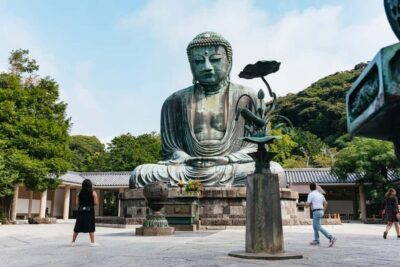
Mt. Fuji, Kamakura, Big Buddha, & Lake Ashi Day Trip
Read our review →
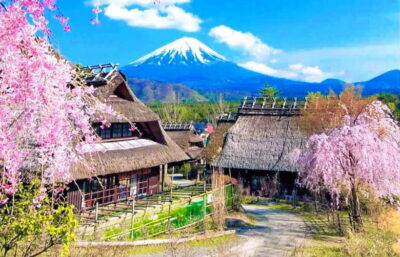
Mt. Fuji Heritage Tour: Traditional Villages, Lakes & Shrine
Read our review →Browse the lists this tour appears in