
REVIEW · NIKKO & KAMAKURA DAY TRIPS
Kamakura Temples Private Guided Tour from Tokyo
Kamakura packs temples, a famous bronze Buddha, and one of Japan’s most important shrines into a very manageable day from Tokyo. This private tour gives you a guide for the train ride and visits, so you can ask questions and adjust the pace instead of following a large group.
I like the private format and the chance to see three major sights in one day. I also like the train trip, which makes Kamakura feel like a real Japanese outing rather than a coach excursion. The main caution is value: at $145 per person, you still pay separately for transport, temple admission, lunch, and drinks.
Key points
- Three major Kamakura sights: Hase Temple, Kotokuin Temple, and Tsurugaoka Hachimangu Shrine are all covered.
- Private English-speaking guide: Guides such as Steve, Take, Mizuma-san, and Richie have led departures, with the exact guide depending on availability.
- Train travel from Tokyo: The journey takes about 70 minutes each way, with another short train ride within Kamakura.
- 3 to 4 kilometers of walking: Comfortable shoes are essential, especially around temple grounds and the approach to the shrine.
- Lunch and free time on Komachi Street: You get about 90 minutes to eat, browse, and sample local treats.
- Extra costs matter: Transport, two admission fees, lunch, and drinks are not included in the tour price.
Why Kamakura Makes a Good Day Trip from Tokyo
Kamakura offers a very different feel from central Tokyo. It was once the seat of Japan’s military government, and its temples and shrines are tied to centuries of Buddhist and Shinto practice. You can reach it by train in roughly an hour, yet the pace changes quickly once you leave Tokyo behind.
This tour focuses on the city’s best-known sights rather than trying to cover every temple. That is a sensible choice for a first visit. Hase Temple gives you art and gardens, Kotokuin gives you the iconic Great Buddha, and Tsurugaoka Hachimangu provides the grand Shinto setting.
The private arrangement is especially useful if you want explanations along the way. A guide can point out religious details, explain the difference between a temple and a shrine, and help you move through busy areas. Several guides have used maps and pictures while explaining Kamakura’s past, which can make the city easier to understand than a quick walk with no context.
Still, this is not a quiet countryside excursion. Kamakura is a popular day trip, and the main sights can be crowded, especially during spring and other busy periods. One guide, Take, was praised for handling heavy crowds and still reaching the key places. That practical help can matter when the lanes and temple entrances fill up.
More Private Temple Tours in Japan
- Tokyo: Zen Meditation at a Private Temple with a Monk
★ 5.0 · 510 reviews - From Tokyo: Nikko World Heritage Site Private Full-Day Trip
★ 4.9 · 243 reviews - From Tokyo: Private Tour Snow Monkey Park & Zenko-ji Temple
★ 4.7 · 184 reviews
Starting in Tokyo and Taking the Train
Pickup is available from several central locations, including Tokyo Station, Shinjuku Station, Tokyo, and Shinjuku City. Hotel pickup and drop-off can also be arranged, but the guide meets you and walks with you to public transport. This is not a private car service.
The train ride to Kamakura takes about 70 minutes. You and the guide travel together, and the return journey takes about an hour. The train is a practical choice because it avoids road traffic and lets you see how easily Tokyo connects with nearby cities.
There is an important cost detail here. Public transport is not included for you or the guide. The tour information gives an estimate of around 2,000 yen per person for transport, while also stating that a one-way ticket costs around 1,200 yen. Since the figures are not perfectly consistent, confirm the expected amount when booking and keep enough Japanese yen ready for the day.
The walk from your hotel to the meeting point, station, and sights may add up. The tour includes about 3 to 4 kilometers of walking, not counting every step inside stations or along shopping streets. I would wear supportive shoes and avoid bringing a large suitcase.
Hase Temple and the Eleven-Faced Kannon
Hase Temple, also called Hase-dera, is the first main stop. The visit lasts about 30 minutes in the planned schedule, so expect a focused introduction rather than an unhurried exploration of every corner.
The temple is known for Hase Kannon, a Buddhist statue of Kannon, the Goddess of Mercy. The statue has eleven faces, each linked with a different stage in the search for enlightenment. This gives your guide a useful opening to explain Buddhist ideas in plain language, rather than leaving you to guess why the statue looks the way it does.
Outside, the temple grounds include gardens and the Jizo-do Hall. Hundreds of small Jizo Bodhisattva figures appear here. Jizo is associated with protection, and the repeated figures create one of the most memorable visual details of the stop.
Thirty minutes is enough to see the principal features, but it is not much time if you want to linger in the gardens, take photographs, and listen closely. If Hase Temple is your top priority, ask your guide how the time will be handled. The private format may allow some flexibility, but the overall day still has a set return to Tokyo.
The Great Buddha at Kotokuin
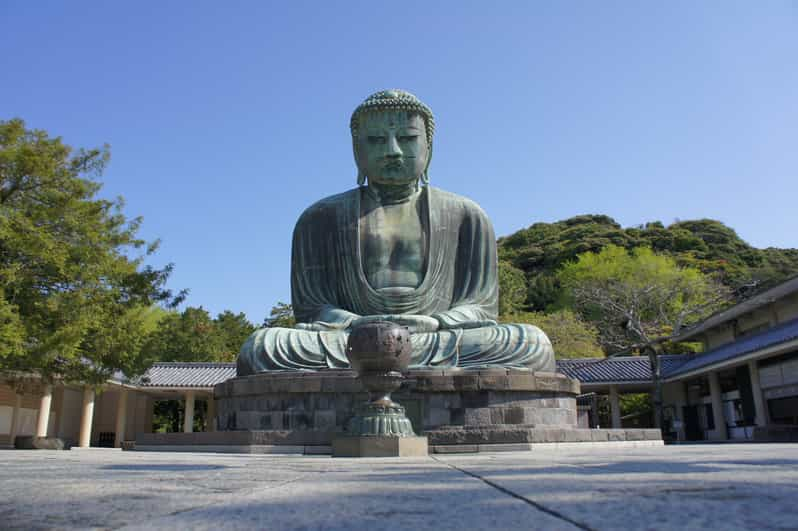
From Hase Temple, you walk about 10 minutes to Kotokuin Temple. This short connection is convenient, and it also means you get a small break from formal sightseeing before reaching Kamakura’s most famous image.
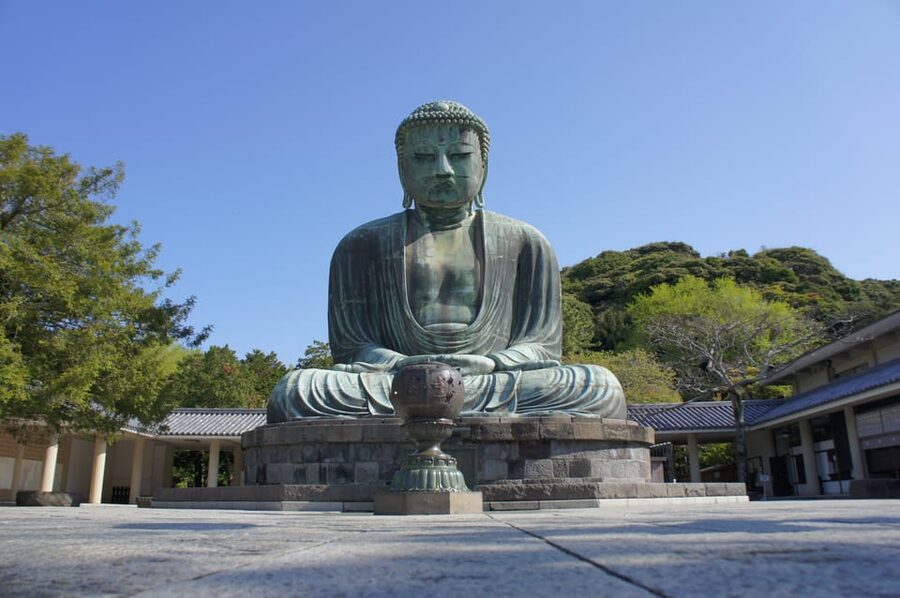
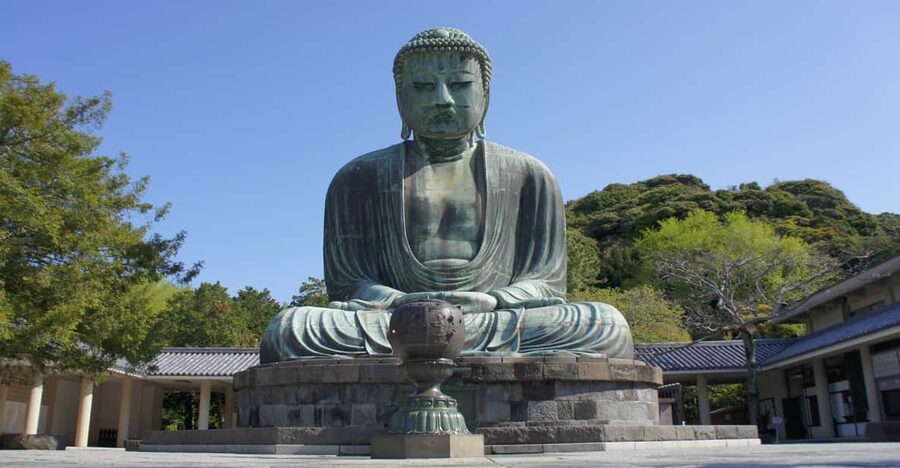
The Great Buddha is a 13-meter bronze statue dating to 1292. Its scale is impressive, but the setting is also part of the appeal. Unlike a statue enclosed entirely inside a building, this Buddha is viewed in an open temple setting, giving you room to appreciate its size from different angles.
The guide explains the statue’s religious meaning and past, which adds value to what could otherwise be a quick photo stop. The planned visit is another 30 minutes. Admission is 300 yen per person and is paid separately.
This stop is likely to be the most instantly recognizable part of the day. It is also the point where the tour’s time limit may feel most noticeable. You can photograph the statue quickly, but a guide’s explanation is what turns the visit into more than a famous landmark checklist.
More Private Temple Tours in Tokyo
- Tokyo Zen Meditation at Private Temple with Monk
★ 5.0 · 178 reviews - Tokyo: Nikko World Heritage Private Day Trip Hotel Pick-up
★ 4.8 · 145 reviews - Tokyo: Snow Monkey Park and Zenkoji Temple Private Day Tour
★ 4.7 · 127 reviews - Tokyo: Nikko Private Day Tour with English Speaking Driver
★ 4.8 · 97 reviews
Tsurugaoka Hachimangu and Kamakura’s Shinto Center
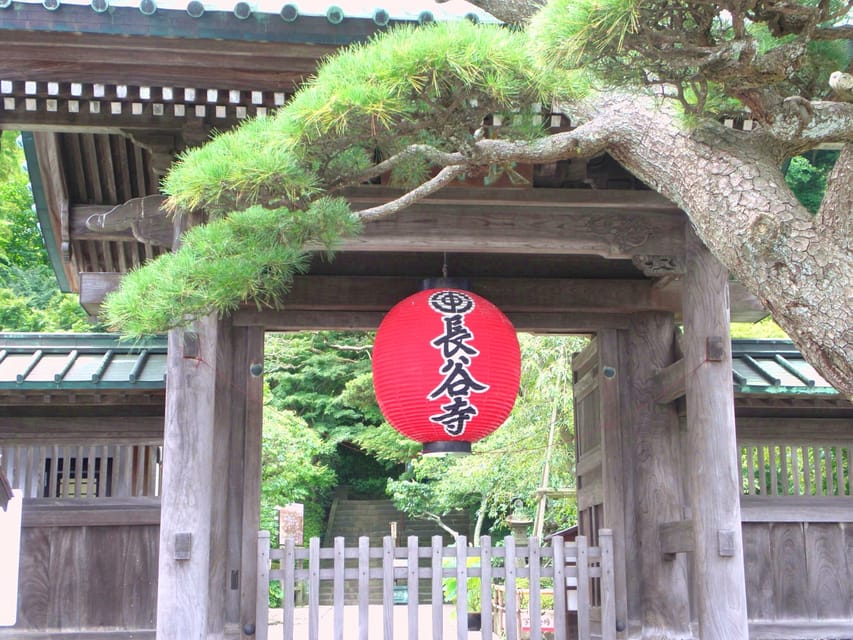
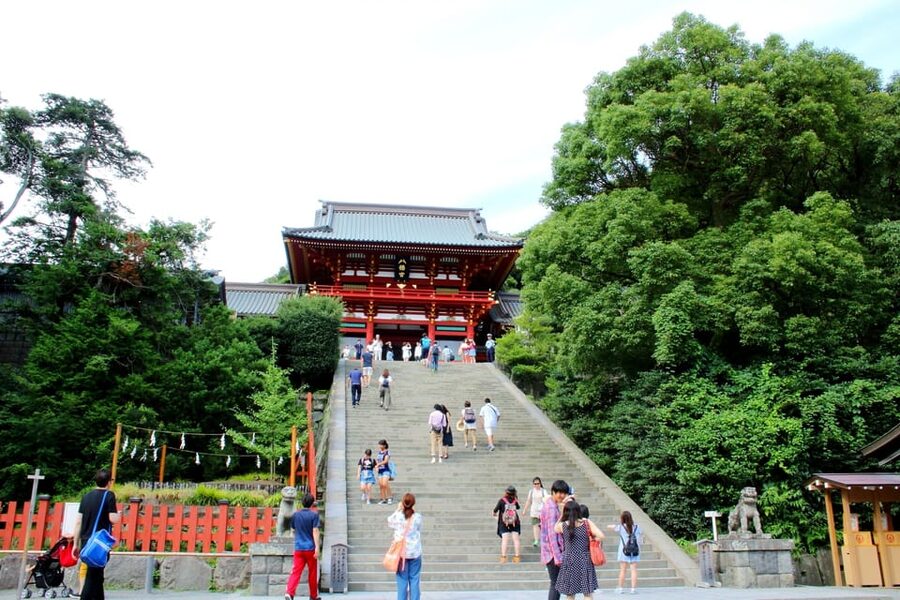
After Kotokuin, the tour continues by train for about 10 minutes to Tsurugaoka Hachimangu Shrine. This shrine was founded in 1063 and is dedicated to Emperor Ojin, who is associated with war and military protection.
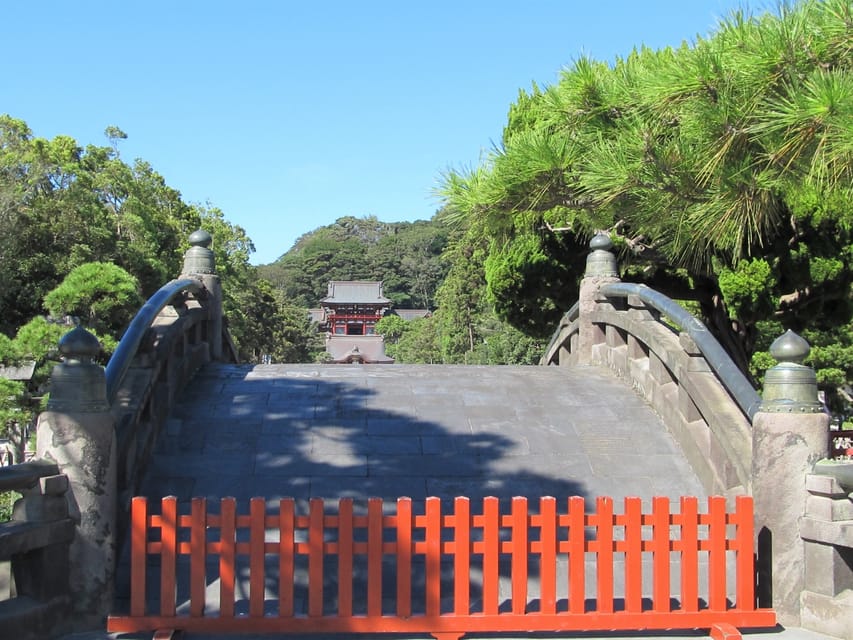
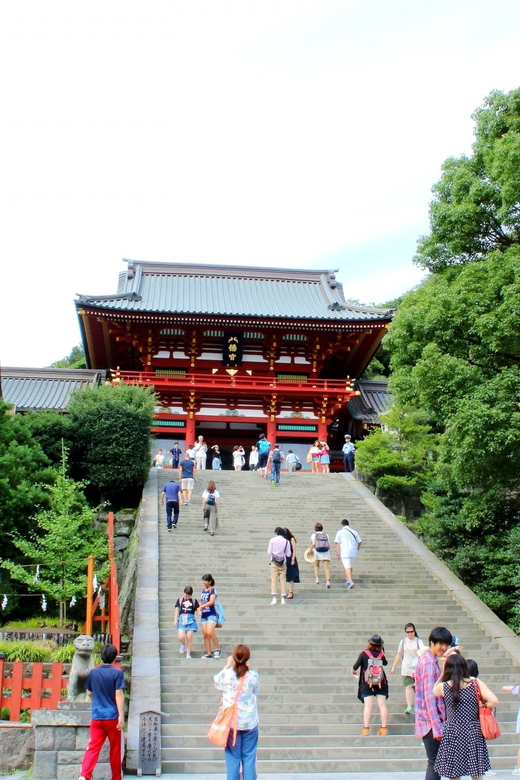
Tsurugaoka Hachimangu sits at the geographical center of Kamakura and is considered the city’s most important Shinto shrine. Its role gives you a different perspective from the Buddhist temples visited earlier in the day. Here, the focus shifts to Shinto customs, shrine architecture, and the connection between religion and Kamakura’s political past.
The scheduled visit lasts about 30 minutes. That should let you see the main complex and hear an explanation of its place in the city, though it leaves limited time for a slow wander. The shrine is also a good place to notice how Japanese religious sites function as part of ordinary city life, not simply as museum pieces.
A private guide helps here because the distinctions between Buddhist and Shinto sites can be confusing at first. Your guide can explain what you are seeing and answer practical questions about the complex. The tranquil atmosphere may be interrupted by crowds, but the broad shrine grounds can still provide a welcome pause after the morning’s walking.
Komachi Street Lunch and Free Time
The tour allows about 1.5 hours around Komachi Street for lunch, guided time, shopping, and personal wandering. This is the most flexible part of the day.
Lunch is not included, and the guide’s meal is also your responsibility. The schedule says you eat at one of Kamakura’s Japanese restaurants, but no specific restaurant or menu is promised. That is useful if you have preferences, but you should budget separately for food and drinks.
Komachi Street is a practical lunch location because it gives you both dining choices and time to browse. You might use the break for a proper meal, a quick snack, or small souvenirs. If you prefer a calm meal, tell the guide early, since the area can become busy.
One past departure included green tea drinking during the day, but this should not be treated as a guaranteed part of every booking. The same applies to specific restaurants. The private format lets you discuss preferences, but it does not mean every extra activity is included.
What the Guide Adds to the Day
The guide is a National Government Licensed Guide Interpreter, and the tour is conducted in English. The exact person is not fixed in the information provided. Previous departures have included Steve, Take, Mizuma-san, and Richie.
The strongest part of the guiding service is the chance to connect individual sights with Kamakura’s wider story. Mizuma-san was praised for explaining Japanese culture and history to a family. Take used maps and pictures to make Kamakura’s past clearer, while Steve was noted for organizing the day well and including a pleasant lunch and green tea experience.
The experience can depend on the individual guide. One booking with Richie received positive comments about his kindness and willingness to help, but the guest felt the explanations at the sights were too limited. That is worth taking seriously. A private guide is most valuable when you want interpretation, not only company and directions.
At the start, tell your guide what matters most. You might want more religious background, more time for photographs, help choosing lunch, or a quicker pace. Clear priorities give the guide a better chance to shape the day around you.
Walking, Crowds, and the Pace of the Route
The advertised walking distance is 3 to 4 kilometers, but the day can feel longer because of stations, temple paths, shrine grounds, and Komachi Street. Some areas may include steps or uneven surfaces. Comfortable shoes are specifically recommended, and that advice is worth following.
The route is efficient, but it is not slow. Hase Temple, Kotokuin, and Tsurugaoka Hachimangu each receive about 30 minutes in the planned schedule. Lunch and free time receive the longest block, at 1.5 hours.
Crowds are another factor. Kamakura is popular, and the main sights may be busy. A private guide can help you move through crowded areas and keep the day on track, but no guide can make a popular temple empty.
The return to Tokyo is expected around 4 or 5 pm. That makes this a full day without pushing into the evening. You should still allow some flexibility, since train connections and crowd levels can affect the exact arrival time.
Is the $145 Price Fair?
The tour costs $145 per person before the additional expenses. You also pay for public transportation for yourself and the guide, Hase Temple admission of 400 yen, Kotokuin admission of 300 yen, lunch, and drinks.
That means the true cost is noticeably higher than the advertised tour price. The transport estimate is around 2,000 yen per person, and the stated one-way fare is around 1,200 yen, so I would verify the transport figure before booking. The total can rise further if you choose a substantial lunch or buy items on Komachi Street.
You are paying mainly for the private guide, planning, translation, and company throughout a long day. For a family or couple that wants personal attention, that can be worthwhile. It is less appealing if you are comfortable navigating trains, reading signs, and researching the temples yourself.
The rating is 4.8 from 21 reviews, with several strong comments about guide expertise, organization, and crowd handling. The lower score focused on price and limited explanations, not rude service. That points to the central question: do you want a guided cultural day, or only transport and entrance to the sights?
Who Should Book This Kamakura Tour?
I would recommend it to first-time visitors to Japan who want Kamakura explained in English and prefer not to manage the train route and sightseeing order alone. Families may also appreciate the private format, especially when different ages need a flexible pace.
It suits people who want the major highlights in one day, including both Buddhist and Shinto sites. It is also a good match if you value questions and conversation more than a fixed group lecture.
I would hesitate if you are watching every yen, dislike walking, or want long, quiet visits at each temple. You can pay extra and still have only about 30 minutes at each main sight. Independent visitors may get better value by buying their own train tickets and admissions.
Cancellation is free up to 24 hours before the tour, and you can reserve now and pay later. Pickup is optional, but you need to provide your hotel details if you want the guide to meet you there.
FAQ
How long does the Kamakura tour last?
The tour lasts 8 hours. The return to Tokyo is expected around 4 or 5 pm.
How do I get from Tokyo to Kamakura?
You travel by train with the guide. The journey to Kamakura takes about 70 minutes, and the return trip takes about 1 hour.
Is hotel pickup included?
Hotel pickup and drop-off are included on foot if arranged. The guide walks with you rather than providing a private vehicle.
Where can pickup take place?
Pickup is available from Tokyo Station, Shinjuku Station, Tokyo, and Shinjuku City. Hotel pickup is also an option when you provide your hotel details.
Which Kamakura sights are included?
The tour visits Hase Temple, Kotokuin Temple with the Great Buddha, Tsurugaoka Hachimangu Shrine, and Komachi Street.
How much walking is involved?
The tour includes about 3 to 4 kilometers of walking. Comfortable shoes are recommended.
Are train tickets included?
No. Public transportation for you and the guide is paid separately. The information gives an estimate of around 2,000 yen per person and states that one-way tickets cost around 1,200 yen.
Are entrance fees included?
No. Hase Temple costs 400 yen per person, and Kotokuin Temple costs 300 yen per person.
Is lunch included?
No. Lunch and drinks are paid separately for both you and the guide. You have about 1.5 hours around Komachi Street for lunch, shopping, and free time.
Should You Book It?
Book this tour if you want a private English-speaking guide to explain Kamakura’s temples, shrine, and Great Buddha while you travel by train from Tokyo. The route is well chosen, and the day brings together the city’s three most important sights.
Before booking, add up the extra costs and decide how much guiding you really need. At $145 per person plus transport, admissions, and food, it is not a cheap day trip. But for a family or couple that values personal attention, cultural explanations, and help with a crowded route, it can be a useful and well-organized way to meet Kamakura.
More Nikko and Kamakura Day Trips in Tokyo
- Nikko: Kegon Falls, Lake Chuzenji & Toshogu Temple
★ 4.6 · 1,577 reviews - Tokyo: Nikko Toshogu Shrine and Kegon Waterfall Tour
★ 4.5 · 1,266 reviews - Tokyo: Mt. Fuji, Kamakura, Big Buddha, & Lake Ashi Day Trip
★ 4.5 · 867 reviews - Nikko: Edo Wonderland Edomura Cultural Theme Park Ticket
★ 4.3 · 205 reviews
Just added around Tokyo
- Tokyo:Nikko UNESCO World Heritage Sites Private 1-Day Tour★ 3.8 · 6 reviews
- Tokyo: Snow Monkey Park and Zenkoji Temple Private Day Tour★ 4.7 · 127 reviews
- Tokyo War History Tour: Yasukuni Shrine & War Museum★ 4.5 · 6 reviews
- Tokyo: Sensoji Temple & Street Food: Private Tour with guide★ 4.6 · 8 reviews
- Tokyo: Shibuya Sky, Harajuku & Meiji Shrine Highlights Tour★ 4.5 · 9 reviews
- Tokyo: Nikko Private Sightseeing Day Trip with Driver★ 5.0 · 10 reviews
- Tokyo → Nikko:Private Customizable Day Trip (English Driver)★ 4.9 · 26 reviews
- Tokyo’s Kitchen: Tsukiji Market Food & Culture Walk★ 4.7 · 74 reviews
Nikko & Kamakura Day Trips, compared.
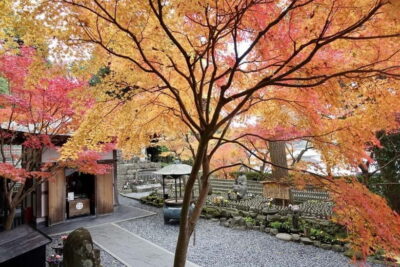
Kamakura & Enoshima Day Trip including Temple Tickets
Read our review →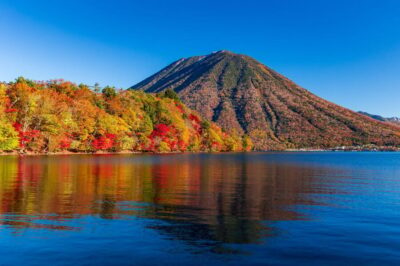
Nikko Toshogu Shrine and Kegon Waterfall Tour
Read our review →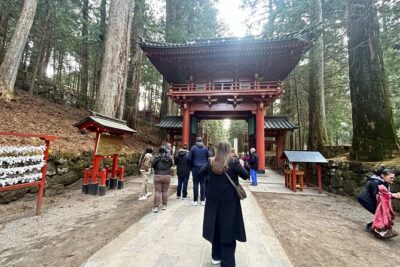
Nikko, Kegon Waterfall & Chuzenji Lake from Tokyo
Read our review →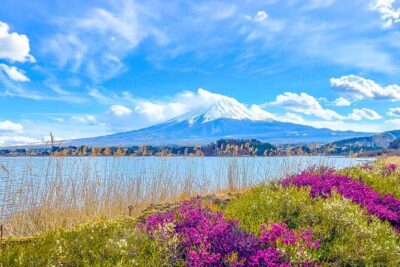
Mount Fuji, Kamakura, Big Buddha, & Lake Ashi Day Trip
Read our review →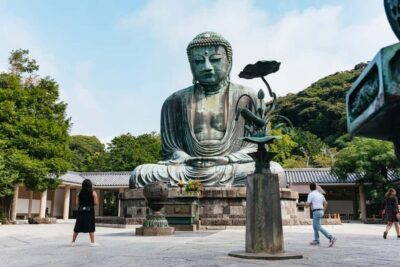
Mt. Fuji, Kamakura, Big Buddha, & Lake Ashi Day Trip
Read our review →
Nikko Full-Day Private Tour with Government-Licensed Guide
Read our review →
Browse the lists this tour appears in