
REVIEW · NIKKO & KAMAKURA DAY TRIPS
Kamakura Private & Customizable Tour – All-in-One Experience
Kamakura works best when you can slow down, skip what does not interest you, and give the temples, shrines, lanes, and sea views room to breathe. This private tour lets you shape the day before you arrive, then fine-tune it with your guide as you walk. Guides such as Deen, Marco, Sofia, and Lauren have led guests through both famous sights and quieter corners.
I like the pre-tour planning session, especially if you are unsure how to fit Kamakura into a Tokyo or Yokohama stay. I also like the freedom to use public transport and walk at your own pace, with help navigating stations, platforms, food stops, and local customs. The main catch is that transport fares and temple entrance fees are extra, and the walking can be tiring.
Key points at a glance
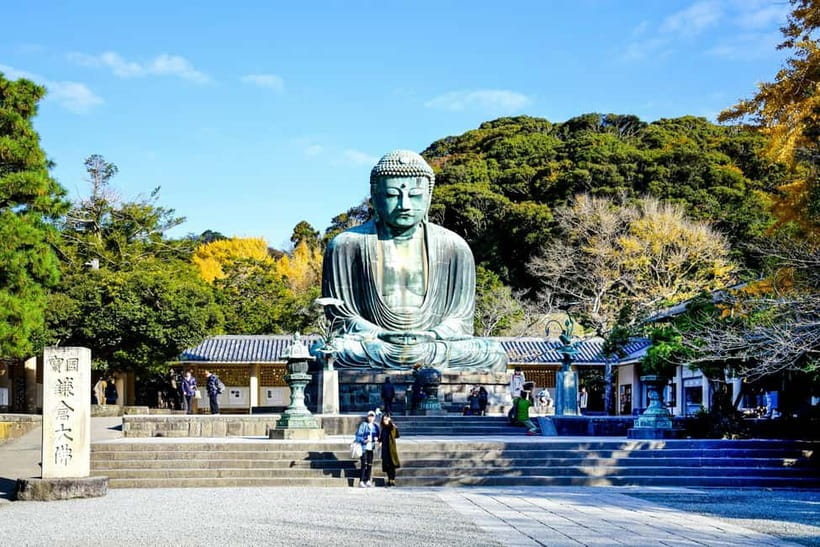
- Build the day around your interests: Choose temples, shrines, nature, food, culture, Enoshima, or a simple Kamakura essentials route.
- Get personal help before arrival: Your guide sends start-time choices, a proposed plan, suggested stops, and pickup details after booking.
- Travel by walking and public transport: Private cars and buses are not included, so this feels like a local day out rather than a chauffeur tour.
- Set your own pace: A 2-hour introduction and an 8-hour full day are both possible, depending on availability.
- Good for families and solo visitors: Guides have adapted tours for teenagers, young children, food restrictions, luggage, and different walking speeds.
- Extra photos may be available: Your guide can take pictures during the tour if available, with an optional photography add-on mentioned by past customers.
Why a private Kamakura day works so well
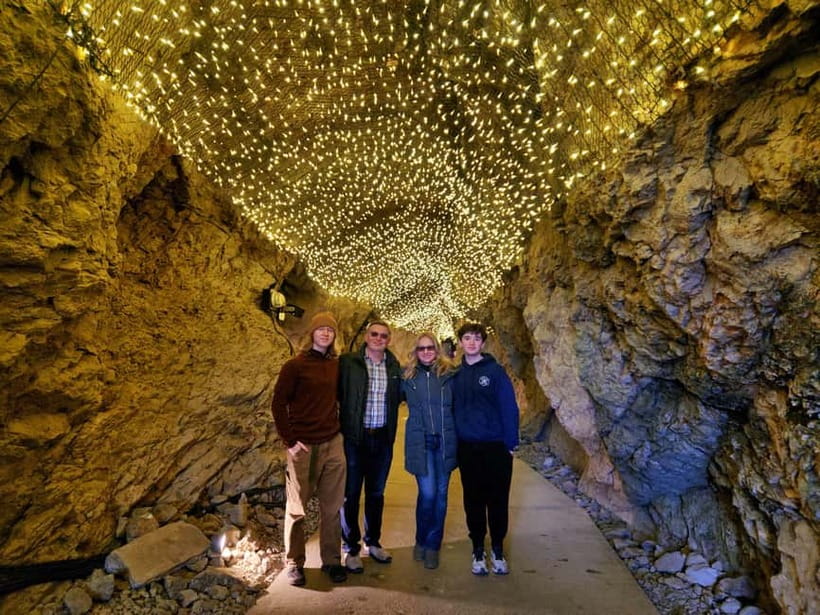
Kamakura is close enough to visit from Tokyo or Yokohama, yet it feels different from the city. Its appeal comes from variety: major Buddhist temples, Shinto shrines, wooded paths, old shopping streets, and the coast all sit within the same broad sightseeing area.
The trouble is that Kamakura is easy to misjudge. You can spend too long at one famous stop, miss a shrine that suits your interests, or lose time figuring out which train or local connection to take next. A private guide gives you a person who can make those decisions with you instead of handing you a fixed schedule.
The experience is sold at $51 per person, which is a strong value if you are traveling with a small private group and want more than basic directions. You are paying for planning, live interpretation, local judgment, and help during the day. You still pay your own transport and entry costs, so remember that the final spend will be higher than the headline price.
The tour runs from 2 to 8 hours. Two hours is enough for a focused introduction. Three hours can cover a compact essentials route. A full day gives you room for several temple and shrine stops, a meal, nature, and perhaps Enoshima. Your actual start time is confirmed after booking, rather than relying on the 9:00 AM placeholder shown by the booking system.
More Private Temple Tours in Japan
- Tokyo: Zen Meditation at a Private Temple with a Monk
★ 5.0 · 510 reviews - From Tokyo: Nikko World Heritage Site Private Full-Day Trip
★ 4.9 · 243 reviews - From Tokyo: Private Tour Snow Monkey Park & Zenko-ji Temple
★ 4.7 · 184 reviews
Planning your route before you arrive
The best feature here may happen before the tour itself. After booking, you receive a confirmation email within 72 hours. Your assigned guide then follows up with possible start times, a proposed route, suggested destinations, and pickup information if you selected it.
That exchange matters because Kamakura offers more choices than you can sensibly fit into a short visit. You can tell the guide that you care most about temples, spiritual traditions, nature, food, family-friendly stops, photography, or a particular pace. You can also explain practical needs, such as a child in the group, food restrictions, or limited time before a train.
The guides have shaped routes around broad requests rather than forcing every group through the same checklist. A family may choose the Great Buddha, Hasedera, Tsurugaoka Hachimangu, and Enoshima. Another group might prefer quieter religious sites and scenic walks. A solo visitor moving quickly may want a concentrated route with more stops.
I would use the planning message well. Tell the guide what you have already seen in Japan, how much walking feels comfortable, and the one or two places you most want to visit. If you want lunch included in the flow, say so early. The guide can suggest food options, but meals are not part of the tour price.
Kamakura’s famous sights, chosen with purpose
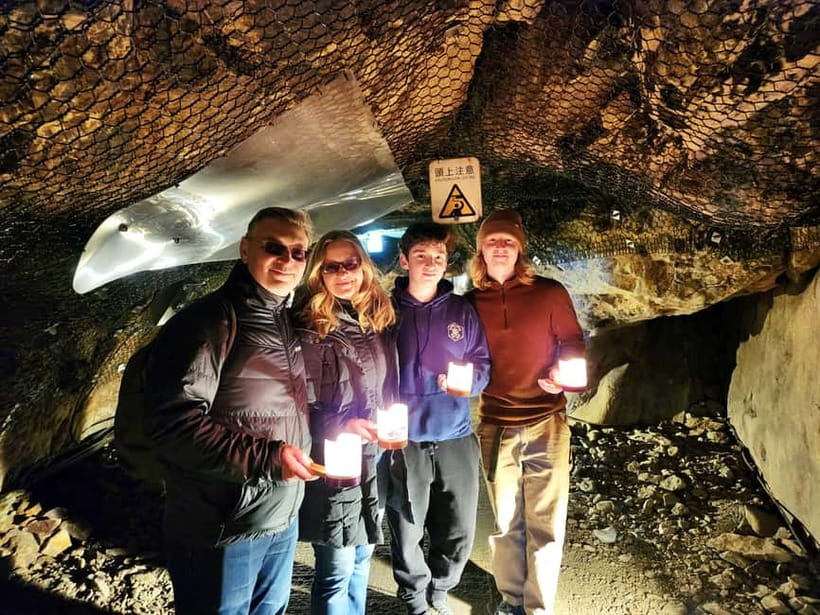
The Great Buddha at Kotoku-in is the obvious first choice for many visitors. It gives you a major Kamakura landmark and a clear sense of the city’s Buddhist heritage. It is also a practical anchor for a short tour because it is easy to understand and photograph.
Hasedera offers a different mood. Its grounds combine religious buildings, greenery, and views toward the coast. You will encounter stairs and uneven walking here, so tell your guide if anyone in your group needs a slower pace. One guide has adjusted the route for different mobility levels, which is useful, but this is not a wheelchair-accessible experience.
Tsurugaoka Hachimangu gives you the grand Shinto side of Kamakura. Its broad approach and shrine buildings make a good contrast with the more enclosed temple grounds. A guide can explain the difference between Buddhist and Shinto settings, along with customs that are easy to miss when you are moving on your own.
These stops are not automatically bundled into one fixed route. That is good news if you have already seen one of them, but it means you should read the proposed itinerary carefully. Entrance tickets are not included, and one customer expected two temple admissions to be covered, so budget for those separately.
Going beyond the standard checklist
The tour can also include less obvious stops. That does not mean every booking receives a secret route, but your guide can suggest places outside your initial plan when they fit your time and interests. One guide recommended an additional shrine that turned out to be a highlight for the group.
The value of this approach is not simply seeing more sites. It is finding a better match for your mood. If you want nature and culture, the guide can balance religious sites with quieter outdoor stretches. If you want stories and tradition, you can spend longer discussing the beliefs, legends, and customs connected to each place.
Deen has been praised for explaining several religious traditions and for adjusting the amount of detail to the group. That is a useful skill in Kamakura, where a quick visit can otherwise become a blur of gates, statues, halls, and rituals. You can ask for a broad introduction or more serious discussion, depending on your interest.
The tour also works well for visitors who want everyday advice. Guides have suggested restaurants, places to visit in Yokohama, and ways to continue exploring after the official tour ends. Those tips can be more useful than another list of famous sights, especially if Kamakura is one stop in a longer Japan itinerary.
More Private Temple Tours in Tokyo
- Tokyo Zen Meditation at Private Temple with Monk
★ 5.0 · 178 reviews - Tokyo: Nikko World Heritage Private Day Trip Hotel Pick-up
★ 4.8 · 145 reviews - Tokyo: Snow Monkey Park and Zenkoji Temple Private Day Tour
★ 4.7 · 127 reviews - Tokyo: Nikko Private Day Tour with English Speaking Driver
★ 4.8 · 97 reviews
Walking, trains, and the real pace of the day
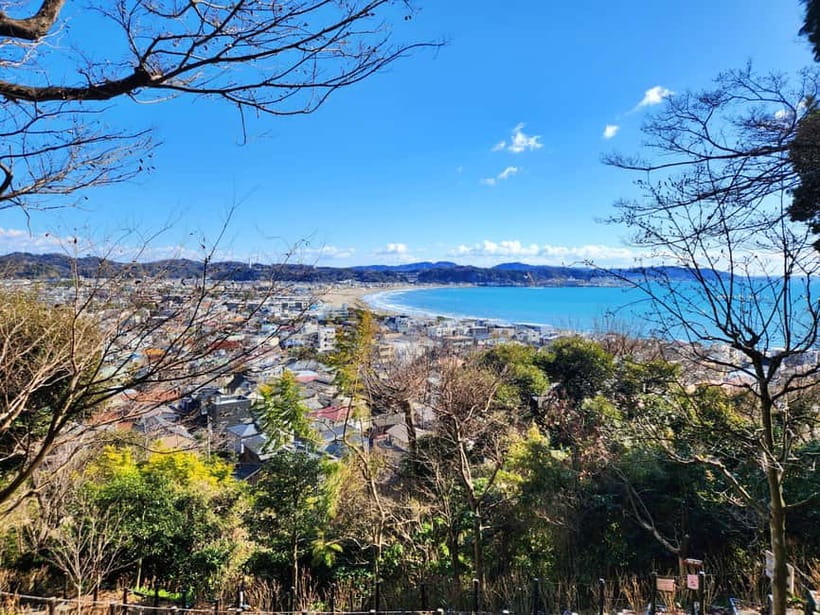
This is a walking and public-transport experience. Private transport is not included, and neither are public-transport fares. That setup keeps the day flexible, but it also means you should wear comfortable shoes and carry cash.
For many people, using local trains is part of the point. You get help with the route instead of spending your sightseeing time studying signs and platforms. One guide helped a group connect with the correct platform at Yokohama station for a train to Haneda, while another helped visitors get from their hotel area to Kamakura.
The pace is not locked. Sofia has led a fast-moving visitor through many sites, while Marco has slowed down for a group with mobility concerns. Deen has also helped families keep a relaxed rhythm, giving adults time to look around while engaging younger children.
Still, do not treat the 8-hour option as effortless. Kamakura can involve stairs, station changes, and long stretches on foot. The experience is not suitable for wheelchair users or people with a low fitness level. If your group includes an older adult, a toddler, or anyone with a health concern, use the planning stage to set a realistic route.
Optional hotel pickup is available on foot in Tokyo, Yokohama, and Kamakura areas. This is not a car transfer. It means the guide can meet you at your location and walk with you, subject to the agreed arrangements.
A strong choice for families and solo visitors
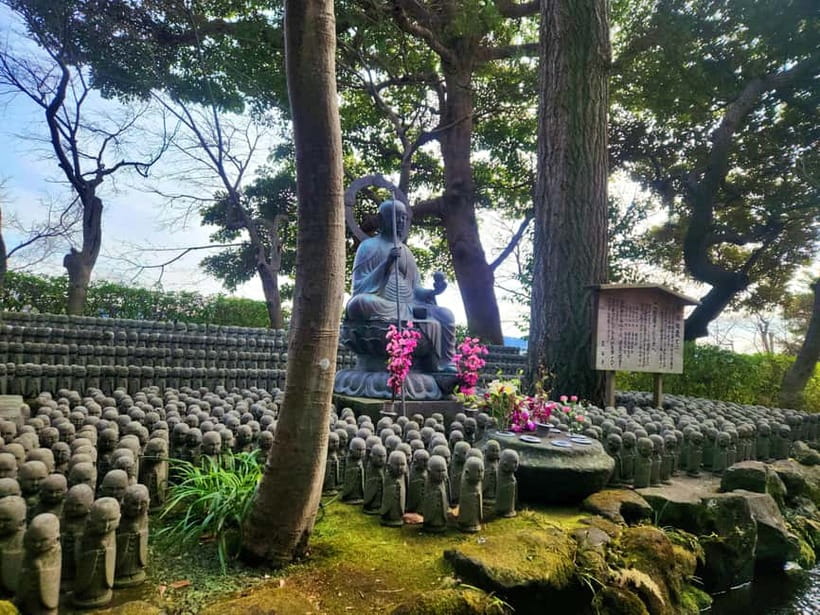
Families get a lot from this format because the guide can change the rhythm when children lose interest. Guides have worked with children as young as one and with teenagers. They have also explained sites in a way that keeps different ages involved rather than turning the day into a long lecture.
For a family with a 10-year-old, the combination of famous landmarks, stories, local transport, and flexible stops can work better than a formal group tour. You can pause, shorten a visit, or choose a food stop without worrying about strangers waiting.
Solo visitors have a different advantage. A guide can take photos of you during the day if available, which solves the usual problem of returning home with pictures of everything except yourself. An optional photography session has also been available for some bookings. Confirm what is offered when you plan the tour, since photos are not guaranteed as a standard service.
Couples and friends may appreciate the conversational side. Guides such as Deen have been described as easy to talk with and relaxed, while Marco, Sofia, and Lauren have each adapted their approach to the group in front of them. The tone is personal rather than formal, but you can still ask for serious historical and religious detail.
What the guides add
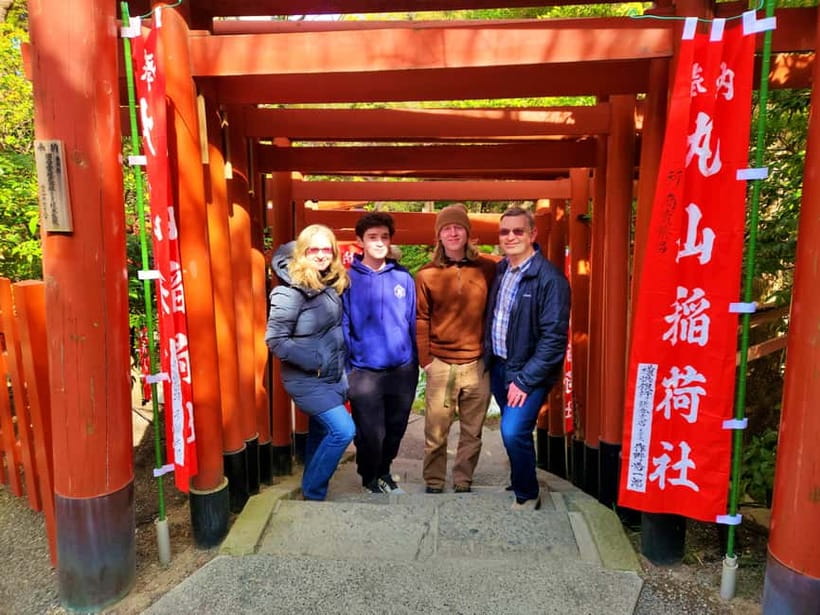
The strongest praise has gone to the guides’ personal attention. Deen is especially associated with careful advance communication, cultural explanations, family support, and practical help with transport. He has also offered advice for continuing on to Yokohama and other nearby stops.
Marco has led temple-focused routes and explained traditions and religions connected to the places visited. He has also adjusted the walking pace and helped with luggage and onward train connections. Sofia has suited visitors who wanted to move quickly without losing the background stories.
Lauren has worked around food restrictions and kept a child engaged during the day. These details matter because a good private tour is not just a person reciting facts. It is someone noticing when the group needs a seat, a meal, a simpler explanation, or a change of plan.
The guide names assigned to your booking may vary. You should treat the listed examples as an indication of the team’s style, not a guarantee that one particular person will lead your tour. Use the pre-tour exchange to explain exactly what you need.
What is included and what is not
The tour includes flexible planning and local support, with optional pickup on foot. Children under 12 join free, but you must include them in the booking. Your guide may take photos during the tour if available.
You pay separately for:
- Train, bus, or other public-transport fares
- Temple and shrine entrance tickets
- Food and drinks
- Any optional photography service, if offered as an add-on
Cash is listed among the things to bring. That is sensible for small purchases and entrance fees, though the exact amount you need will depend on the route.
Free cancellation is available up to 24 hours before the tour for a full refund. You can also reserve now and pay later, which helps if your Tokyo plans are still moving around.
Should you book this Kamakura tour?
Book it if you want Kamakura shaped around your interests rather than a standard route. It is especially useful for families, solo visitors, first-time users of Japan’s rail system, and anyone who wants clear explanations of Buddhist and Shinto sites.
Choose the 2 to 3-hour version if you want a focused introduction or have other plans that day. Choose a longer booking if you want several major sights, a slower pace, food advice, nature, or Enoshima added to the plan.
I would skip it if you want a private car, a fully fixed schedule, or a low-walking day. You will need to pay extra for transport and admissions, and the experience depends on being comfortable with walking and public transit.
For most visitors, the real value is the ability to adjust the day without losing local context. At $51 per person, that is a practical way to see Kamakura with a human guide instead of piecing together the route yourself.
FAQ
How long does the Kamakura private tour last?
The tour can last from 2 to 8 hours. Available start times and the final duration depend on the booking arrangements.
Is the tour private?
Yes. The experience is for a private group with a live English-speaking guide.
Which languages are available?
The tour is offered in English.
Is hotel pickup available?
Optional pickup on foot is available in the Tokyo, Yokohama, and Kamakura areas. This is not private car transportation.
Are transportation costs included?
No. Private transport and public-transport fares are not included in the tour price.
Are temple and shrine entrance tickets included?
No. Entrance tickets are separate from the tour price.
Can children join the tour?
Yes. Children under 12 join free, but they must be included in the booking.
What should I bring?
Bring comfortable shoes and cash. You should also plan for walking and public transport during the day.
More Nikko and Kamakura Day Trips in Tokyo
- Nikko: Kegon Falls, Lake Chuzenji & Toshogu Temple
★ 4.6 · 1,577 reviews - Tokyo: Nikko Toshogu Shrine and Kegon Waterfall Tour
★ 4.5 · 1,266 reviews - Tokyo: Mt. Fuji, Kamakura, Big Buddha, & Lake Ashi Day Trip
★ 4.5 · 867 reviews - Nikko: Edo Wonderland Edomura Cultural Theme Park Ticket
★ 4.3 · 205 reviews
Just added around Tokyo
- Tokyo:Nikko UNESCO World Heritage Sites Private 1-Day Tour★ 3.8 · 6 reviews
- Tokyo: Snow Monkey Park and Zenkoji Temple Private Day Tour★ 4.7 · 127 reviews
- Tokyo War History Tour: Yasukuni Shrine & War Museum★ 4.5 · 6 reviews
- Tokyo: Sensoji Temple & Street Food: Private Tour with guide★ 4.6 · 8 reviews
- Tokyo: Shibuya Sky, Harajuku & Meiji Shrine Highlights Tour★ 4.5 · 9 reviews
- Tokyo: Nikko Private Sightseeing Day Trip with Driver★ 5.0 · 10 reviews
- Tokyo → Nikko:Private Customizable Day Trip (English Driver)★ 4.9 · 26 reviews
- Tokyo’s Kitchen: Tsukiji Market Food & Culture Walk★ 4.7 · 74 reviews
Nikko & Kamakura Day Trips, compared.
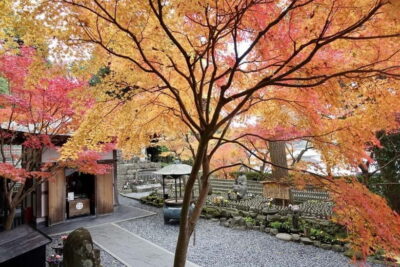
Kamakura & Enoshima Day Trip including Temple Tickets
Read our review →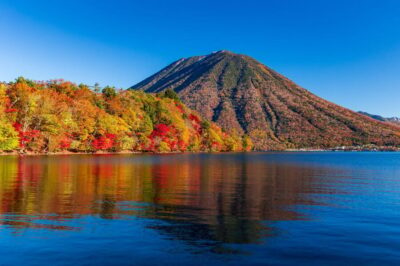
Nikko Toshogu Shrine and Kegon Waterfall Tour
Read our review →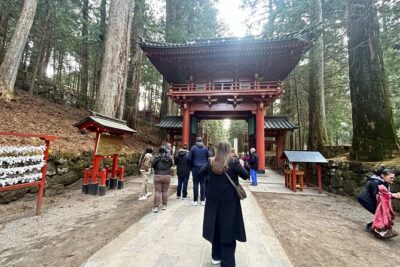
Nikko, Kegon Waterfall & Chuzenji Lake from Tokyo
Read our review →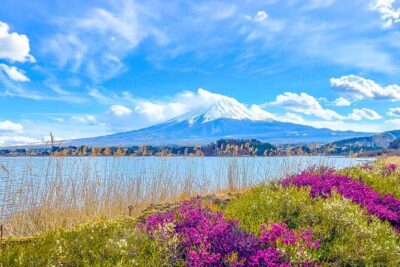
Mount Fuji, Kamakura, Big Buddha, & Lake Ashi Day Trip
Read our review →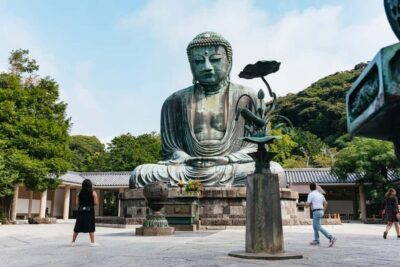
Mt. Fuji, Kamakura, Big Buddha, & Lake Ashi Day Trip
Read our review →
Nikko Full-Day Private Tour with Government-Licensed Guide
Read our review →
Browse the lists this tour appears in