
REVIEW · MALAYSIA TEMPLE TOURS
Ipoh Cave Temples Tours
Ipoh’s cave temples give you three very different experiences in one outing: painted religious spaces, natural limestone formations, and a mountaintop view after 450 steps. The tour also adds Mirror Lake, where a boat ride and a cup of Ipoh white coffee can round out the day.
I like the unhurried pace and the chance to ask questions as you walk. I also like the human touch from guide Fazly, who adds local food, snacks, cultural background, and practical help rather than simply pointing at the sights.
The main drawback is that some temple areas can feel worn and untidy, and the religious decorations may look garish if your taste runs minimalist. The stair climb is manageable for many people, but it still demands proper shoes and a steady pace.
Key points to know before booking
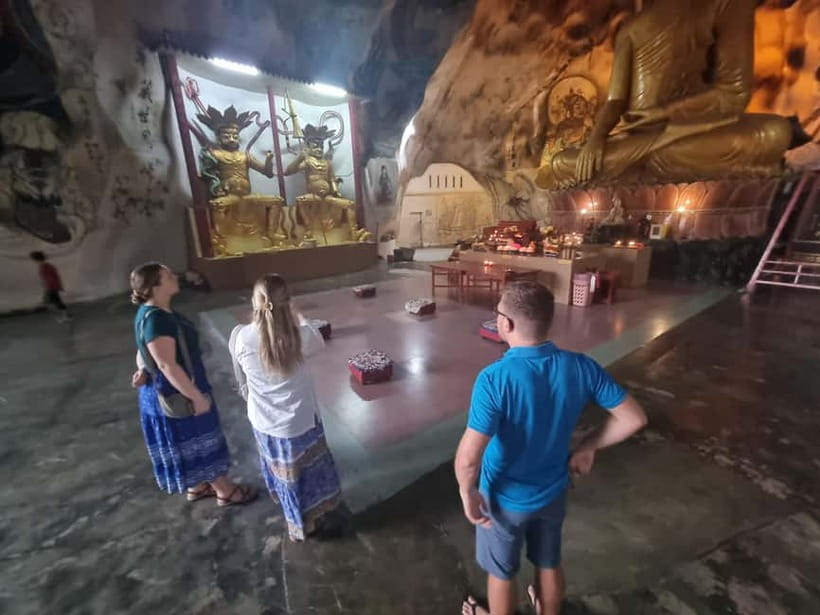
- Three temples, three distinct moods: See a viewpoint temple, a cave with stalagmites and stalactites, and Ipoh’s oldest cave temple.
- Fazly sets a relaxed pace: He explains the sites, leaves time for photographs, and helps you notice details you could easily miss.
- The 450-step climb is the main physical test: You are rewarded with broad views over Ipoh.
- Breakfast may be part of the local experience: If your accommodation does not provide breakfast, local-style food is included.
- Mirror Lake costs extra: The entrance ticket is RM30 per person, paid at the counter.
- Useful local extras add flavor: Depending on the day, you may try white coffee, feed fish and tortoises, or visit a pomelo farm.
Why Ipoh’s cave temples are worth your morning
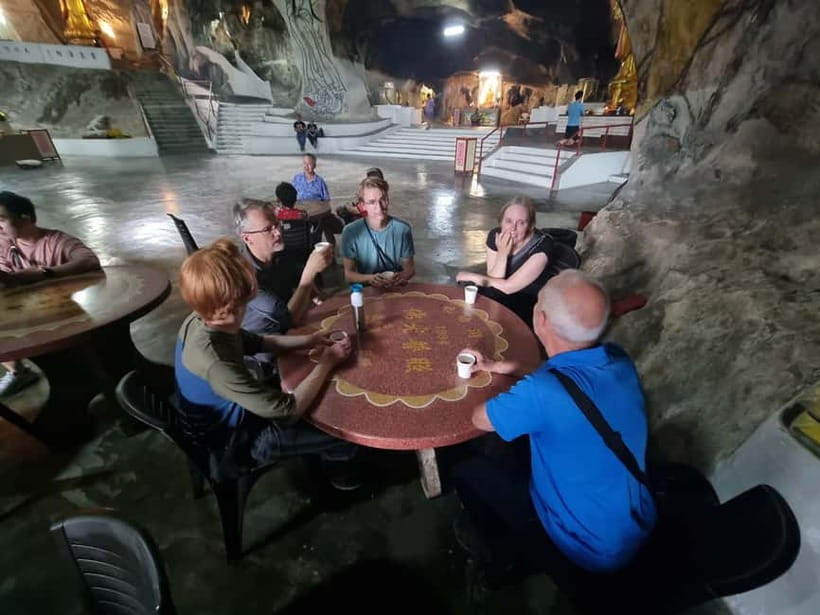
Ipoh is known for limestone hills, and its cave temples make good use of that setting. Rather than placing a temple in a separate building beside a hill, these religious sites use the caves themselves. You walk through openings in the rock, pass shrines and artwork, and see how human decoration and raw stone share the same space.
That contrast is the point. One temple may feel colorful and heavily decorated, while another lets the cave’s formations take more of the attention. A third shows older Chinese temple design that can feel more familiar if you have visited religious sites in China.
I like this format because you are not looking at three copies of the same attraction. Each stop gives you a different reason to get out of the vehicle: a climb, natural formations, or architecture and age.
The pace matters too. You are not pushed through each site in a few minutes. Fazly walks with you, explains what you are seeing, and gives you time to take photographs. If you enjoy asking questions or prefer to look closely rather than hurry from stop to stop, that is a real advantage.
A few more temple visits around the world worth a look
- Lisbon: Jerónimos Monastery Entrance Ticket
★ 4.1 · 14,164 reviews - Angkor Wat Sunrise or Sunset Tour with Guide from Siem Reap
★ 5.0 · 12,109 reviews - Teotihuacan, Guadalupe Shrine & Tlatelolco Day Tour with Lunch
★ 5.0 · 11,603 reviews
The 450 steps to the Ipoh viewpoint
One of the temples involves about 450 steps to reach the top. The climb is the most demanding part of the visit, but it is also the stop with the clearest reward. From above, you can look out toward Ipoh and its surrounding town views.
You do not need to treat this as a race. Take the stairs at your own speed, pause when needed, and bring water. Small mineral water is provided, but comfortable shoes remain important. Sandals or stiff clothing will make the climb less pleasant.
The climb may not suit everyone. Anyone with limited mobility, a heart or breathing condition, or a strong dislike of stairs should consider this carefully before booking. The information does not state that an alternative route is available, so ask before confirming if you need one.
For many people, the staircase adds a little effort without turning the tour into a serious hike. You get exercise, a different view of Ipoh, and a better sense of the limestone setting. The steps also make the viewpoint feel earned, which is not a bad thing when you have spent the morning visiting caves.
A cave shaped by nature, not just decoration
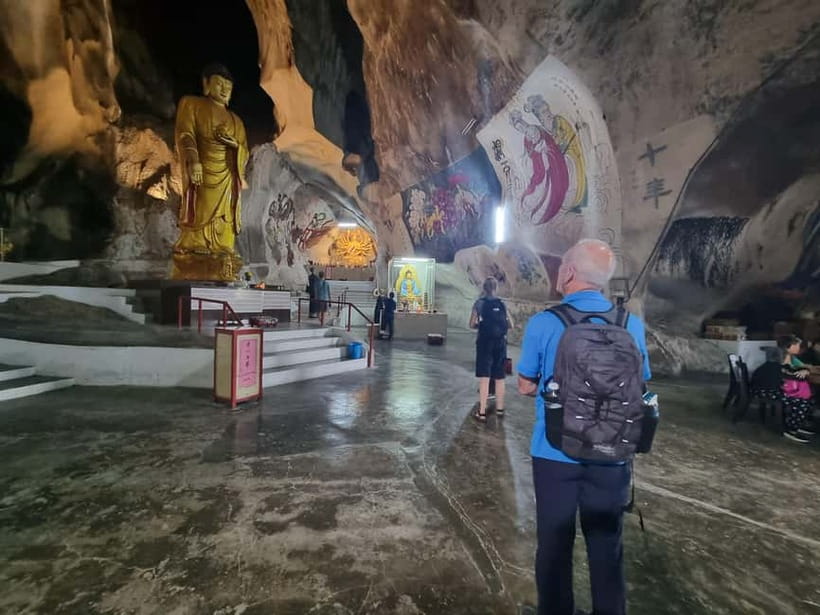
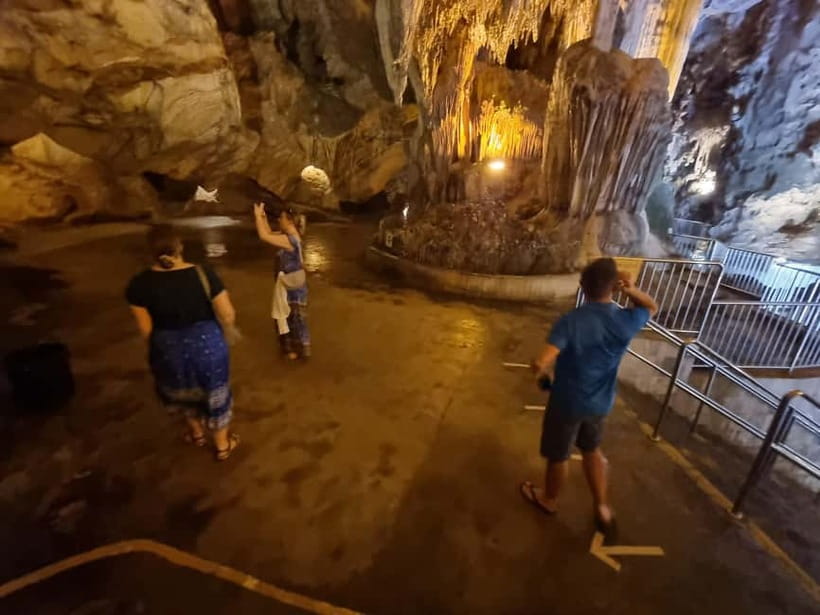
Another stop focuses on the cave itself. You can see stalagmites and stalactites that have been left in their natural form. These formations grow slowly, so the value here is in seeing the original texture and shape of the limestone rather than a fully built-up attraction.
This temple offers a useful pause after the stairs. Instead of concentrating on a high viewpoint, you turn your attention inward to the rock. Look up and along the walls, where the surface changes from smooth areas to rough formations.
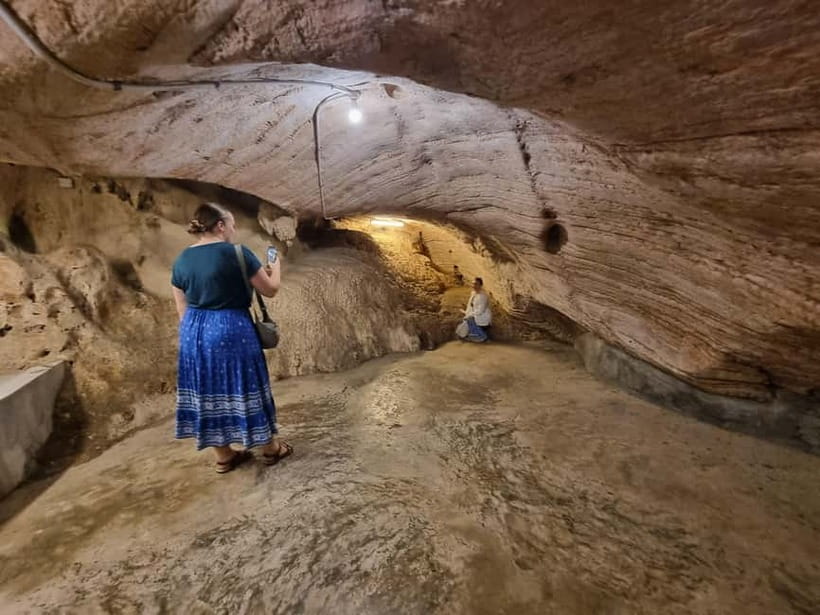
Conditions in a natural cave can feel different from an open-air temple. Comfortable clothes and shoes are sensible, especially if the ground feels uneven or damp. The supplied information does not give specific details about lighting or walking surfaces, so you should expect a natural setting rather than a polished museum.
There is also a practical balance here. Some visitors may find the cave areas somewhat run down, with rubbish in places. That can take away from the atmosphere. I would still include the stop because the natural formations provide something the other temples do not, but I would set your expectations at an active religious site rather than a perfectly maintained attraction.
Ipoh’s oldest cave temple and Chinese design
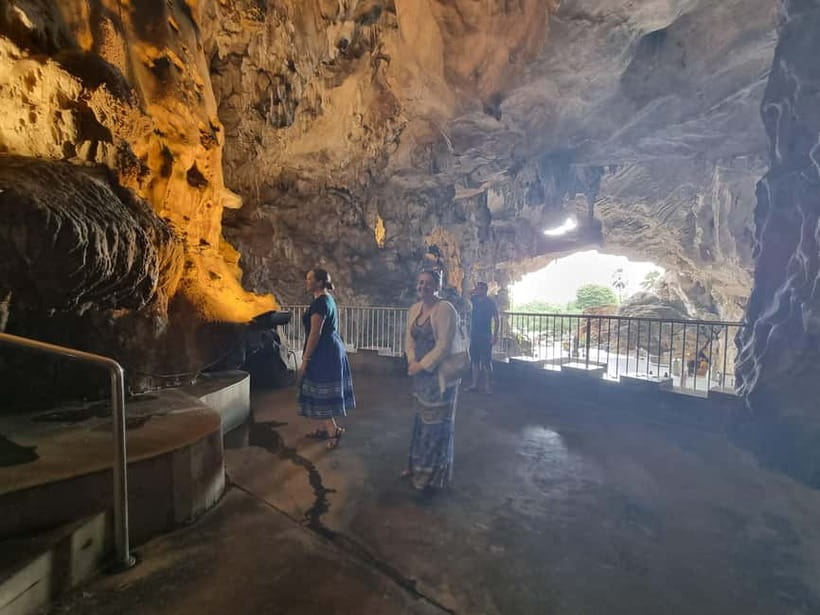
The third temple is described as the oldest cave temple in Ipoh. Its structure has a style that is mostly associated with China, giving the visit an architectural and cultural angle.
This is where a guide adds real value. From the outside, you may see a temple built into a limestone setting. Inside, the layout, symbols, and design can be difficult to interpret without context. Fazly can explain what you are looking at and answer questions as you move through the site.
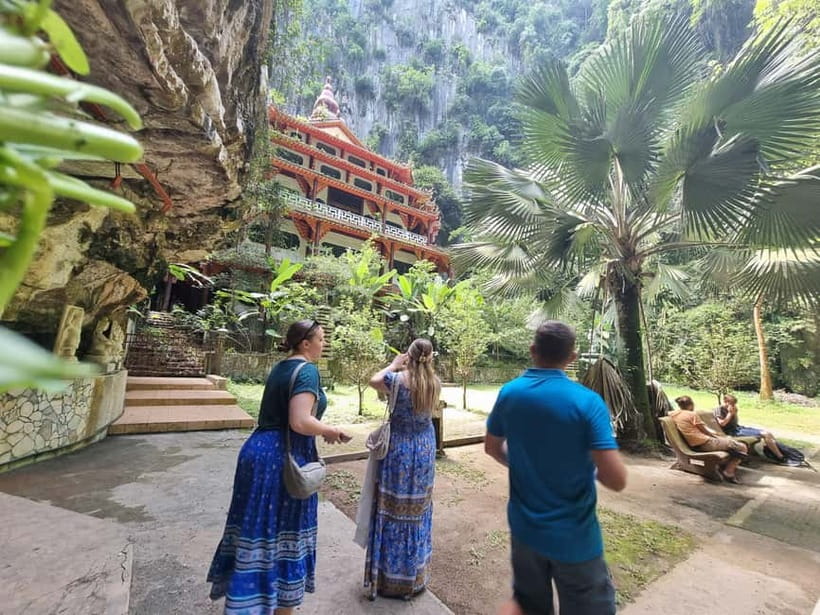
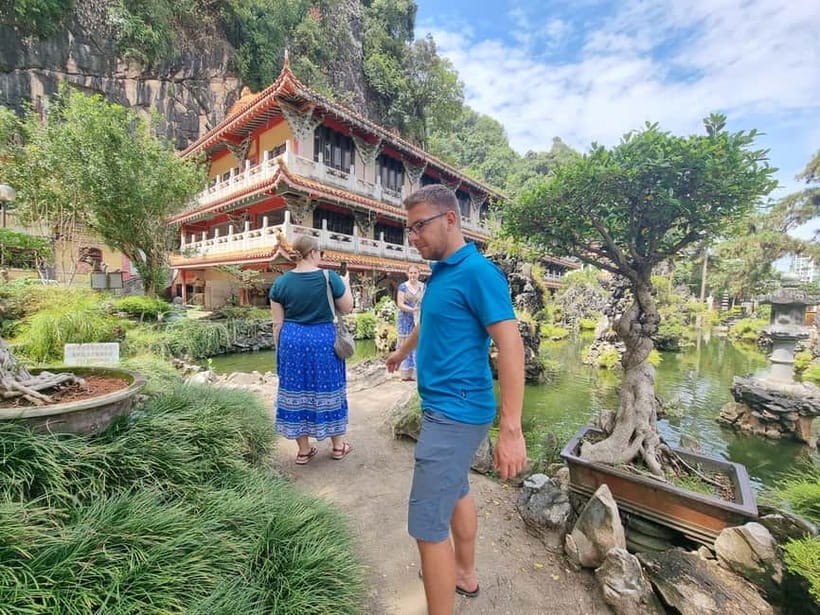
Sam Poh Tong is specifically part of the experience, and its pagoda is one of the memorable features. The pagoda gives you an architectural contrast to the enclosed cave spaces. Perak Tong is also part of the temple visits and is described as especially impressive, adding another strong reason to keep both sites on your plan.
Because the three temples are so different, you should not judge the entire outing by one stop. One may appeal to you for its scale, another for its rock formations, and another for its age and design. That variety is the strongest reason to visit all three instead of choosing only the most photographed site.
As with the other temples, religious spaces deserve respectful clothing and behavior. The tour information asks for comfortable clothes, but modest clothing is also a sensible choice when visiting active temples.
Same country, a different morning at the gates:
- From Bangkok: Ayutthaya Temples Guided Tour with Lunch
★ 4.7 · 10,535 reviews - Siem Reap: Angkor Wat: Small-Group Sunrise or Sunset Tour
★ 5.0 · 9,444 reviews - Athens: Cape Sounion & Poseidon Temple Sunset Half-Day Trip
★ 4.8 · 8,241 reviews - Ubud: Monkey Forest, Jungle Swing, Rice Terrace, and Water Temple
★ 5.0 · 7,160 reviews
Breakfast, snacks, and small local encounters
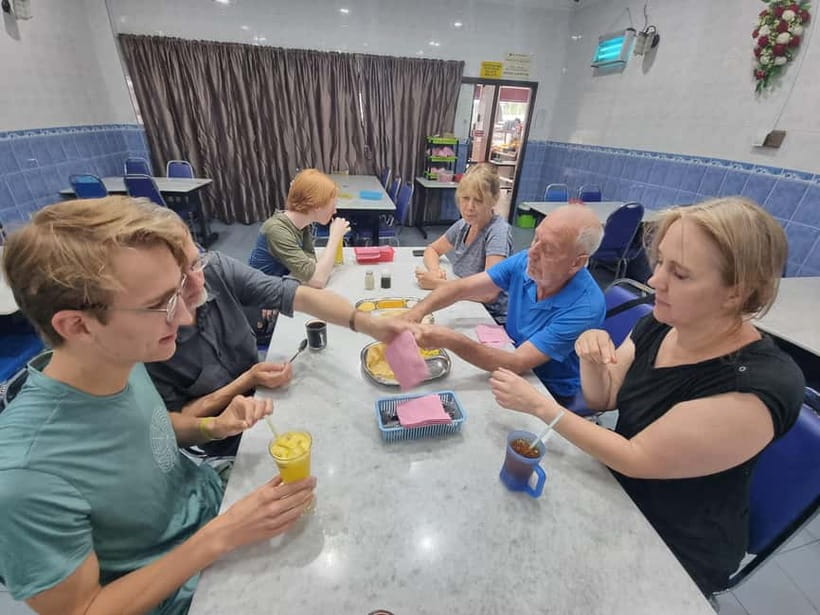
If your accommodation does not provide breakfast, the tour includes a local-style breakfast. This is a useful detail for an early start, and it gives you a chance to eat something connected to Ipoh rather than relying on a standard hotel meal.
Food can become part of the conversation. Fazly has also provided snacks during the day, and the experience may include local dishes and a pomelo farm stop. These extras are not the main advertised reason to book, and you should not assume every added stop is guaranteed, but they show how the outing can move beyond a simple temple transfer.
The tour can also include feeding fish and tortoises. Families may especially appreciate this small activity because it gives children something concrete to do between temple visits. It also adds a lighter moment to a morning that otherwise involves history, stairs, and religious sites.
I would ask Fazly early in the day how the food and extra stops are being handled. That way, you know what to expect and can plan your appetite. The tour is at its best when you allow room for these local touches instead of treating every minute as fixed sightseeing time.
Mirror Lake, boat rides, and the extra RM30
Mirror Lake is included in the outing, but its entrance ticket is not. You pay RM30 per person at the counter. That cost is important when you compare the overall value of the tour, since the advertised tour price alone does not cover every part of the day.
The lake provides a change of mood after the temples. Instead of painted shrines and enclosed caves, you get open water, quiet scenery, and time to slow down. A boat ride is available, and the nearby café is associated with local food and Ipoh white coffee.
The white coffee is worth considering if you want a classic Ipoh experience. It gives you a simple way to end the sightseeing with a local drink rather than rushing straight back to your accommodation. The café also makes the stop practical if you need food or a break.
Mirror Lake is not the best value for someone who wants only free temple visits. The RM30 extra may feel reasonable if you value the boat ride and peaceful setting, but it should be included in your budget from the start. You can decide at the counter based on your interest and the conditions that day.
What Fazly adds to the experience
The guide can make or break a temple tour. Here, Fazly is repeatedly described as friendly, funny, professional, and accommodating. Those qualities matter because the sites are spread across different types of space, and a good guide helps connect them.
Expect more than a list of dates and names. Fazly can explain the temples, answer questions, offer local food suggestions, and give advice for onward travel. He also takes photographs and allows time for you to explore rather than keeping you in a tight line.
Families may find his approach especially useful. Snacks, fish and tortoise feeding, and a relaxed pace help keep younger visitors involved. Solo visitors can also benefit from his company and local advice, especially if this is your first time in Ipoh.
The guide’s role does not erase the sites’ rough edges. Some areas may have rubbish, and decoration can feel excessive to Western eyes. A good guide can help you understand the place, but he cannot turn an old religious complex into a polished theme park. I see that as part of the honest character of the outing.
Who should book this Ipoh tour?
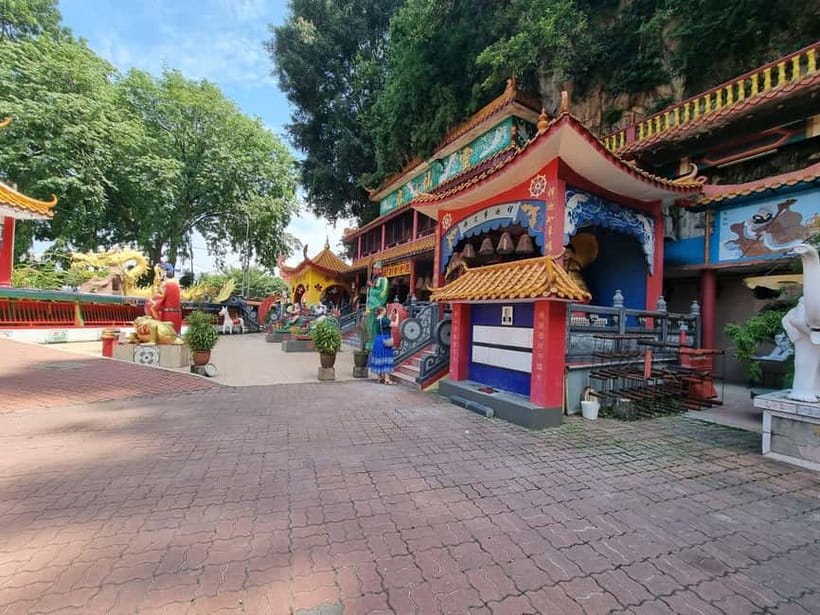
I would recommend it to first-time visitors who want several major cave temples without arranging separate transport. It suits people who like culture, photography, local food, and a guide who can explain what they are seeing.
It is also a good choice for families, provided everyone can manage the 450 steps or is comfortable asking in advance about the climb. The slower pace gives you time to stop, look, and keep children from feeling rushed.
This tour may be less suitable if you want pristine facilities, a highly polished attraction, or a quiet nature trip with no religious artwork. It may also be a poor fit if stairs are difficult for you. The caves are active temple sites, not purpose-built galleries, so conditions can be uneven and maintenance may vary.
Bring comfortable shoes, comfortable clothing, and a willingness to adjust your pace. A camera is useful, but do not let photographs replace the experience of looking closely at the cave rock, pagoda, and temple details.
Booking, payment, and practical value
Hotel or accommodation pickup is included, which makes the tour easier to arrange than hiring separate transport for three temple sites and Mirror Lake. English is the stated tour language.
You can reserve now and pay later, which helps if your Ipoh plans are still changing. Cancellation is allowed up to 24 hours in advance for a full refund. These terms are useful, but the real value depends on what you want from the day.
The strongest value comes from the combination of transport, guiding, breakfast when needed, water, three different temples, and Mirror Lake access arrangements. You also get someone who can handle the cultural explanations and local details. Remember to add RM30 per person for Mirror Lake.
The tour has received a full five-star rating from 28 ratings, with especially strong praise for Fazly’s humor, care, patience, and local knowledge. I would give the guide’s personal attention more weight than the score itself, since a temple tour can feel flat without good explanations.
Should you book the Ipoh Cave Temples Tour?
Book this tour if you want an easy way to see Ipoh’s main cave temples while adding food, local conversation, and Mirror Lake. Fazly appears to be the key strength, especially if you prefer a relaxed guide who gives you time and helps with more than the formal sightseeing.
Go in with realistic expectations. The temples may look worn, some areas may have rubbish, and the decoration will not suit every taste. But the three sites are genuinely different, the viewpoint rewards the 450-step climb, and the cave formations and old Chinese-style structure provide plenty to see.
For most visitors with reasonable mobility, this is a well-rounded introduction to Ipoh beyond its cafés and city streets. Budget the Mirror Lake fee, wear proper shoes, and keep your schedule open enough to enjoy the food, questions, and small surprises along the way.
FAQ
Where does the Ipoh Cave Temples Tour take place?
The tour takes place in Ipoh, in Malaysia’s Perak state. It visits three cave temples and includes a visit to Mirror Lake.
How many cave temples are included?
The experience includes three cave temples. They are described as different from one another, including one with a viewpoint climb, one with natural stalagmites and stalactites, and Ipoh’s oldest cave temple.
Is the 450-step climb required?
One of the cave temples involves about 450 steps to reach the top and see views of Ipoh. Bring comfortable shoes and consider your fitness and mobility before booking.
Is Mirror Lake included in the tour?
Mirror Lake is included in the itinerary, but its entrance ticket costs RM30 per person. You pay this fee at the counter.
Is breakfast included?
If your hotel or accommodation does not provide breakfast, a local-style breakfast is included. Small bottles of mineral water are also provided.
Who guides the tour?
The English-speaking guide named in the tour information is Fazly. He explains the cave temples and can also provide local food suggestions and onward travel tips.
What should I bring?
Bring comfortable shoes and comfortable clothing. Shoes are especially important because one temple involves a 450-step climb.
Can I cancel the booking?
You can cancel up to 24 hours in advance for a full refund. The tour also allows you to reserve and pay later, so you do not need to pay at the time of booking.
Just added around the world
- Chiang Mai Temples & City★ 5.0 · 10 reviews
- Full Day Chiang Rai 3 Temples White, Blue,Big Bhudha Temples★ 4.5 · 11 reviews
- Chiang Mai Old City & Temples 3 hour Twilight Walking Tour★ 5.0 · 9 reviews
- Chiang Mai Temples & Old City Hidden Gems Small Group Tour 2 Hrs★ 5.0 · 6 reviews
- Chiang Mai City and Temples Half-Day Tour★ 4.5 · 136 reviews
- Chiang Mai Old City & Temples Guided Walking Tour – 3 Hrs★ 4.5 · 34 reviews
- Half Day Chiang Mai City Temples & Museum Tour – Group or Private★ 5.0 · 11 reviews
- Chiang Mai Iconic Temples and City Tour★ 4.5 · 17 reviews
Malaysia Temple Tours, compared.
From Kuala Lumpur: Batu Caves Cultural Temple Tour
Read our review →
Penang: Kek Lok Si Temple and Penang Hill Guided Tour
Read our review →
Private Half-Day Temples and Cultural Tour in Kuala Lumpur
Read our review →
Penang City & Temple Tour With Penang Hill(Fast Lane)
Read our review →
Kuala Lumpur: Batu Caves, Thean Hou Temple & National Mosque
Read our review →
Private Penang City Tour with Kek Lok Si Temple
Read our review →Browse the lists this tour appears in