
REVIEW · NIKKO & KAMAKURA DAY TRIPS
Hakone and Kamakura: 3-day Rail Pass
Hakone’s volcanic peaks, Lake Ashinoko, and Mount Fuji views make a fine match for Kamakura’s temples and beaches. This $54 pass links both areas with trains, buses, the ropeway, sightseeing cruise, and Enoden service, so you can build a full three-day outing without buying each ticket separately. I especially like the freedom to stop at Owakudani and the Hakone Open-Air Museum, then use Enoden for Kamakura’s old streets and bay views.
I also like the discounts at more than 90 sightseeing facilities and the fact that the pass covers several kinds of transport, not just trains. The catch is important: it does not cover every regional operator, and redeeming the voucher at Shinjuku’s west-side service center can be confusing. Plan that first step carefully.
Key points to know before you buy
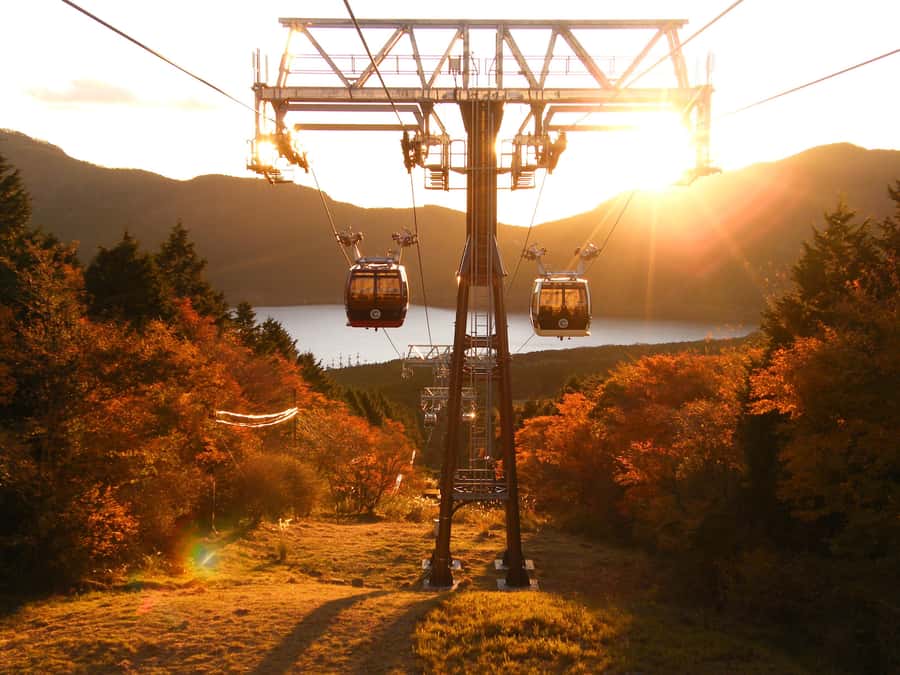
- Owakudani and Lake Ashinoko fit naturally into one Hakone day, using the Tozan train, cable car, ropeway, and sightseeing cruise.
- All Enoden Lines are included, making it easy to connect Kamakura with nearby coastal stops.
- Eight types of Hakone transport are covered, but only on designated routes and areas.
- The $54 price can work well if you use the ropeway, cruise, buses, and several trains rather than making one simple return trip.
- Redeem the voucher at Shinjuku West, on B1 at Odakyu Shinjuku Station, between 8:00 AM and 6:00 PM.
- Strong winds can shut down the ropeway and pirate-style sightseeing ship, so the most expensive parts of the pass are not guaranteed to operate.
What this $54 pass actually covers
Think of this as a regional transport pass, not a guided tour. Nobody is escorting you from stop to stop, and no guide is named for the experience. You receive access to a network that lets you plan Hakone and Kamakura around your own interests and energy level.
In Hakone, the pass includes unlimited rides on eight forms of transport:
- Hakone Tozan Train
- Hakone Tozan Cable Car
- Hakone Ropeway
- Hakone Sightseeing Cruise
- Hakone Tozan Bus in designated areas
- Odakyu Hakone Highway Bus in designated areas
- Tokai Bus in designated areas
- KANKO SHISETSU-MEGURI tourist sightseeing bus
It also includes unlimited rides on Enoden, the local railway serving Kamakura and nearby coastal areas. Odakyu Lines are covered as well, which is useful for reaching the two regions from the Tokyo side.
The wording describes the pass as valid for three days, while the activity details also refer to a 36-hour pass. Since that distinction affects your plans, check the exact validity shown on your voucher before activating it. The stated rule is that validity begins with first activation, so do not activate it casually if you are still deciding when to start.
More Nikko and Kamakura Day Trips in Japan:
- Nikko: Kegon Falls, Lake Chuzenji & Toshogu Temple
★ 4.6 · 1,577 reviews - Tokyo: Kamakura & Enoshima Day Trip including Temple Tickets
★ 4.5 · 1,375 reviews - Tokyo: Nikko Toshogu Shrine and Kegon Waterfall Tour
★ 4.5 · 1,266 reviews
Redeeming the voucher at Shinjuku West
The most practical warning is also the least glamorous one: finding the correct counter. You must present your voucher at the Odakyu Sightseeing Service Center, Shinjuku West, on B1 of Odakyu Line Shinjuku Station, in front of the ticket gate.
The center is open from 8:00 AM to 6:00 PM. Give yourself extra time, especially if you are arriving at Shinjuku with luggage or trying to catch a planned train. The west-side location matters. Shinjuku Station is famously large, and a vague search for an Odakyu information desk may not get you to the right place quickly.
Bring your passport or other accepted ID. This pass is only for people holding non-Japanese passports, and the name on the pass must match the person using it. Station staff can ask to see your ID, so keep it with you throughout the trip.
The physical pass must be returned at the final station of your trip. That is easy to forget when you are eager to leave the station, so keep the pass somewhere accessible rather than burying it in your luggage.
A good first day in Hakone: mountain railway to Owakudani
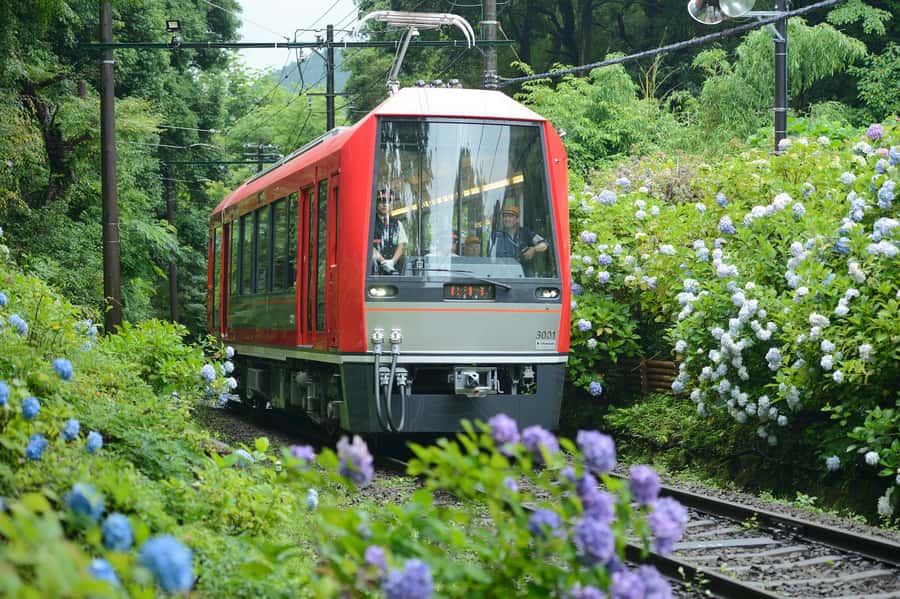
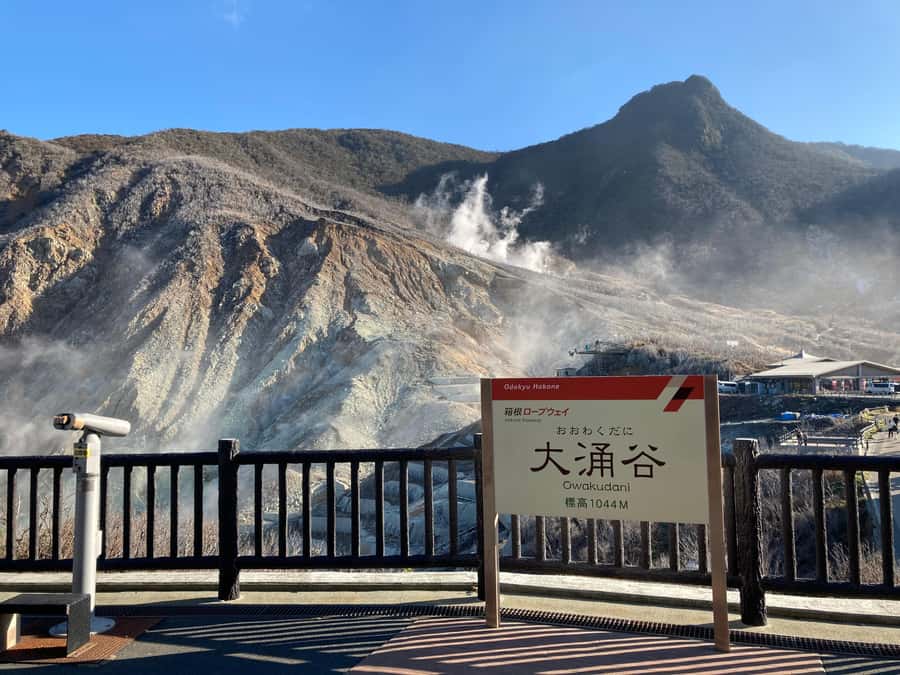
Hakone works best when you treat transportation as part of the attraction. The Tozan train climbs through the mountain area, and the cable car and ropeway continue the ascent toward the volcanic valley of Owakudani.
Owakudani is one of the most distinctive stops covered by the pass. It is an active volcanic area, and the attraction is the dramatic terrain rather than a polished city sight. You can use the ropeway as a scenic link across the region, but service can be affected by strong winds. One recent outing lost both the ropeway and the sightseeing ship because of weather, a useful reminder not to make your entire day depend on those two rides.
If the ropeway is running, it can help turn a series of separate rides into a satisfying route through Hakone. If it is not, you will need to rely on the covered buses and trains where available. The pass gives you flexibility, but it cannot overcome a weather closure.
Lake Ashinoko and the Hakone sightseeing cruise
Lake Ashinoko is the other major Hakone stop. The sightseeing cruise gives you a scenic way to move across the lake while connecting parts of the sightseeing area. In clear conditions, the lake is also one of the better places to look for views toward Mount Fuji, although mountain visibility is never something the pass can guarantee.
The cruise is included, which can make the pass much more useful than a standard railway ticket. Buying a separate rail ticket and then paying for the boat can quickly push up the cost of a Hakone day.
Still, keep your expectations practical. The cruise is transport as well as sightseeing, not a private boat excursion. It may be crowded at popular times, and strong wind can stop service. If the boat is closed, use the permitted bus routes to keep moving, or adjust your order of stops.
More Three-Day Trips in Japan:
- 3-Day Angkor Wat & All Interesting Major Temples & Kulen Mount Waterfall
★ 5.0 · 63 reviews - Angkor Wat 3-Day Tour from Bangkok
★ 4.5 · 58 reviews - Angkor Region: 3-day Private Tour of Top Temples
★ 5.0 · 47 reviews - From Siem Reap: Angkor Wat and Floating Village 3-Day Trip
★ 5.0 · 39 reviews
The Hakone Open-Air Museum and the local buses
The Hakone Open-Air Museum is another included-area attraction named for this pass, though admission itself is not stated as included. That distinction matters. The transport pass gets you there, and the facility may offer a discount, but you should not assume every entrance fee disappears.
The museum is a useful choice when you want a break from transport and outdoor viewpoints. Hakone’s routes involve repeated transfers, climbs, and changes in weather. An art stop gives your day a different rhythm.
The local bus coverage is generous but conditional. Hakone Tozan Bus, Odakyu Hakone Highway Bus, Tokai Bus, and the KANKO SHISETSU-MEGURI bus are covered only in designated areas. I would check the route and destination before boarding rather than assume that every bus carrying one of those names accepts the pass.
This is one reason the pass can feel less simple than a city subway pass. You gain more reach, but you also need to pay attention to the operator and route.
Kamakura by Enoden: temples, old streets, and the bay
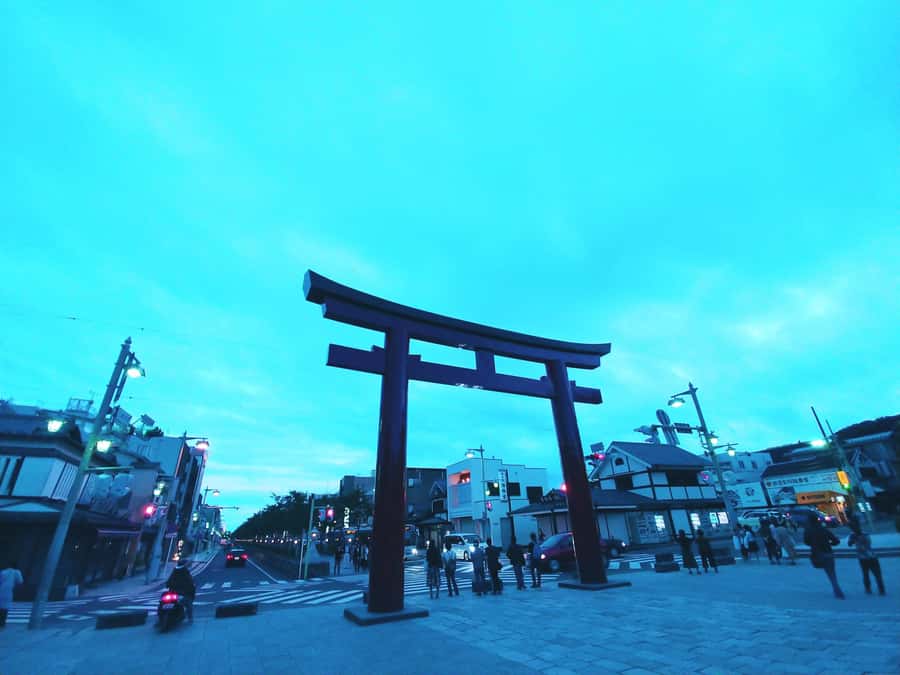
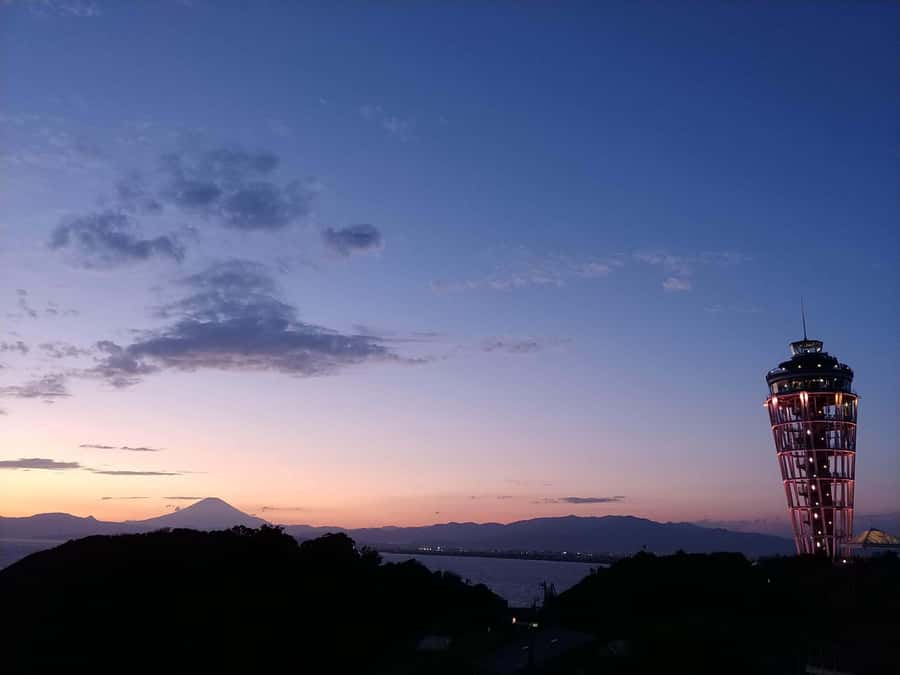
Kamakura offers a different mood from Hakone. It was an old samurai capital, and the area is known for temples, shrines, and views toward the bay. The Enoden railway is the practical key here, since the pass covers all Enoden Lines.
Use Kamakura as a full day rather than treating it as a quick add-on. You can move between the main Kamakura area and coastal stops without buying a new ticket each time. The railway makes it easier to divide the day into several short visits, which suits Kamakura better than rushing from one major sight to another.
The pass does not make every Kamakura expense free. It provides transport and discounts at many facilities, but you should still expect separate entrance charges where applicable. Its value comes from allowing several rides in one day and from reducing the need to calculate each short journey.
Kamakura is also the stronger half of this pass if you prefer old religious sites and seaside scenery to mountain transport. Hakone is more about the complete chain of train, cable car, ropeway, boat, and bus. Kamakura is easier to shape around a few chosen temples, shrines, and coastal views.
How to build a practical three-day plan
A sensible plan is to give Hakone one full day and Kamakura another, leaving the third day for whichever area deserves more time. The pass is most useful when you actually ride several covered services.
A possible structure looks like this:
- Day one: Travel into Hakone, use the Tozan train and cable car, continue toward Owakudani, then use the ropeway and Lake Ashinoko cruise if operating.
- Day two: Return to the Hakone area for the Open-Air Museum, additional bus routes, or a slower day around the lake.
- Day three: Use Enoden to explore Kamakura and nearby coastal stops, with time for temples, shrines, and bay views.
That is a planning framework, not a fixed route. If your pass is treated as a 36-hour product rather than three full calendar days, this schedule may be too ambitious. Confirm the activation and expiry rules before committing to it.
You can also reverse the order. Kamakura may be the better opening day if you want a simpler start after redeeming the pass. Hakone has more moving parts, so saving it for a day when you can start early may reduce pressure.
When the $54 price makes sense
At $54 per person, this is not an automatic bargain for every visitor. It works best when you use the pass as a package of several costly rides rather than as a basic train ticket.
The strongest value case is a Hakone route that includes the train, cable car, ropeway, sightseeing cruise, and buses, followed by several Enoden rides in Kamakura. Separate fares for rail, ropeway, cruise, and local transport can add up quickly. Discounts at more than 90 sightseeing facilities may improve the calculation if you plan to visit several participating places.
The weaker value case is a short trip with one direct train ride, little local transport, and no boat or ropeway. In that situation, the pass may cost more than paying for only the journeys you use.
The pass also has a convenience value. You do not need to stop for a new ticket every time you change from train to bus or from railway to sightseeing service, provided the route is covered. That can make a busy sightseeing day easier to manage, even when the savings are modest.
Do not count the Romance Car fare as included. The Limited Express Romance Car requires a separate fare, so budget for that if you want the faster or more comfortable Odakyu service. Izu Hakone Bus is also excluded. These omissions are not minor if your preferred route depends on either one.
Who should use this pass?
I would recommend it most strongly to an independent visitor who wants both Hakone and Kamakura and is willing to plan around transport coverage. It suits you if you like changing scenery, making several stops, and using a railway pass actively rather than passively.
It is also a good fit for anyone who wants to see Hakone’s major transport attractions in one visit. The included combination of mountain railway, cable car, ropeway, lake cruise, and buses is the main reason to consider it.
You may want to skip it if you plan only one area, dislike route planning, or expect every regional bus and train to be included. It is not an all-access pass for the whole Hakone region. The limited coverage of some operators is the main source of confusion.
The pass is listed as wheelchair accessible, which is useful information for planning. Specific station and vehicle conditions are not provided, so you should confirm the details for your intended route before travel.
My verdict on the Hakone and Kamakura pass
Book this pass if you will use several Hakone transport services, add Enoden rides in Kamakura, and can spend enough time in both areas. The strongest features are the ropeway, sightseeing cruise, broad Hakone coverage, and all-Enoden access.
Skip it if your plans are limited to a single return journey or if you need transport outside the named operators. Most of all, prepare for the Shinjuku redemption stop. Locate the Odakyu Sightseeing Service Center, bring your passport, confirm the validity wording, and keep the physical pass until your final station.
With those details handled, the pass gives you a practical way to connect two very different sides of Honshu: Hakone’s volcanoes, mountain routes, and lake, followed by Kamakura’s temples, shrines, and coast.
FAQ
How long is the pass valid?
The pass is described as valid for three days from first activation. The activity details also refer to it as a 36-hour pass, so check the exact validity shown on your voucher before activating it.
Where do I redeem the voucher?
Redeem it at the Odakyu Sightseeing Service Center, Shinjuku West, on B1 of Odakyu Line Shinjuku Station West Exit, in front of the ticket gate.
What are the service center hours?
The service center is open from 8:00 AM to 6:00 PM.
Is the pass available to Japanese passport holders?
No. The pass is only for non-Japanese passport holders.
What identification do I need?
Bring your passport or ID card. The pass can only be used by the person whose name appears on it, and station staff may ask to see your ID.
Does the pass include the Romance Car?
No. The Limited Express Romance Car fare is not included.
Does the pass include every regional bus?
No. It includes designated services and areas for Hakone Tozan Bus, Odakyu Hakone Highway Bus, and Tokai Bus. Izu Hakone Bus is not included.
Just added around Japan
- From Asakusa: Old Tokyo, Temples, Gardens and Pop Culture★ 5.0 · 47 reviews
- Private guided tour: Mt. Aso volcano, grasslands, Aso Shrine★ 5.0 · 19 reviews
- Goshuin Collecting tour at Asakusa Local Temples & Shrines, Tokyo★ 5.0 · 8 reviews
- Tokyo:Nikko UNESCO World Heritage Sites Private 1-Day Tour★ 3.8 · 6 reviews
- Tokyo Yokohama Night View Tour With Kamakura And Enoshima★ 3.5 · 14 reviews
- Tokyo to Nikko: Exclusive Private Day Trip★ 4.8 · 6 reviews
- Tokyo: Snow Monkey Park and Zenkoji Temple Private Day Tour★ 4.7 · 127 reviews
- Tokyo War History Tour: Yasukuni Shrine & War Museum★ 4.5 · 6 reviews
Nikko & Kamakura Day Trips, compared.
Kamakura & Enoshima Day Trip including Temple Tickets
Read our review →
Nikko Toshogu Shrine and Kegon Waterfall Tour
Read our review →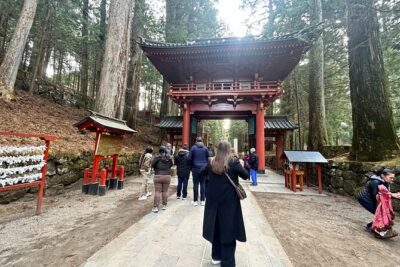
Nikko, Kegon Waterfall & Chuzenji Lake from Tokyo
Read our review →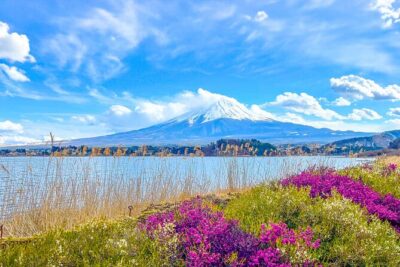
Mount Fuji, Kamakura, Big Buddha, & Lake Ashi Day Trip
Read our review →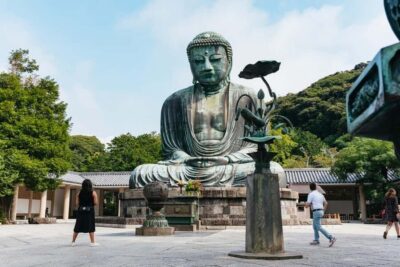
Mt. Fuji, Kamakura, Big Buddha, & Lake Ashi Day Trip
Read our review →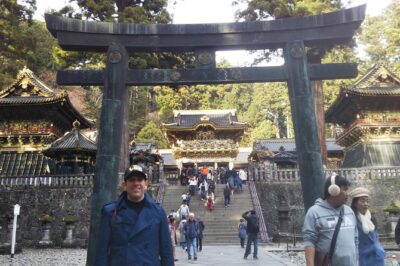
Nikko Full-Day Private Tour with Government-Licensed Guide
Read our review →
Browse the lists this tour appears in