
REVIEW · TOKYO TEMPLE TOURS
From Tokyo: Snow Monkeys and Zenkoji Temple Day Trip
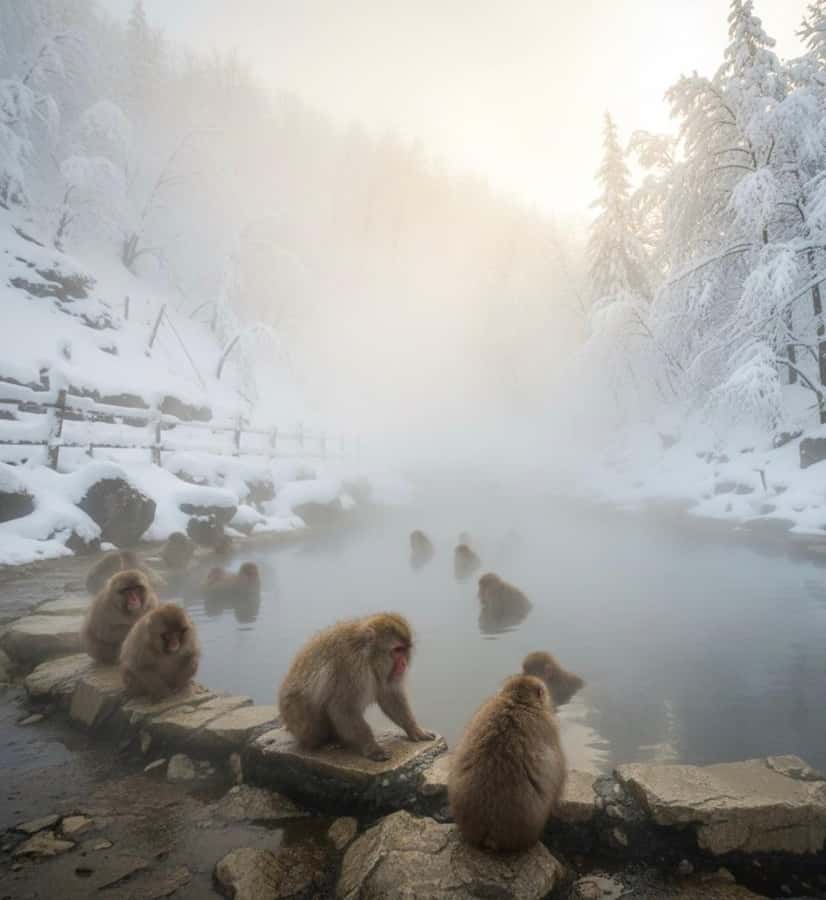
Snow monkeys soaking in steaming mountain pools are the star here. At Jigokudani Snow Monkey Park, you can watch Japanese macaques groom, play, and rest in the hot springs, then trade the cold valley for the calm halls of Zenkoji Temple. The contrast makes this a memorable day outside Tokyo.
I like the private format for up to six people, especially with hotel pickup, Wi-Fi, drinks, and flexible stops. I also like that the day includes quieter places such as Takei Shrine and Ojoji Temple, not just Nagano’s best-known sights. The catch is the distance: this is a very long day, with the monkey park about four hours from Tokyo by road.
Key points at a glance
- Snow monkeys in a natural hot spring: See wild Japanese macaques in Jigokudani Valley, often gathered around the steaming pool in cold weather.
- A serious road day: The journey from Tokyo to Snow Monkey Park takes about four hours each way, though the route offers mountain views and a change from city streets.
- Private travel for up to six: Hotel pickup, drop-off, Wi-Fi, luxury transport, and water, tea, and coffee are included.
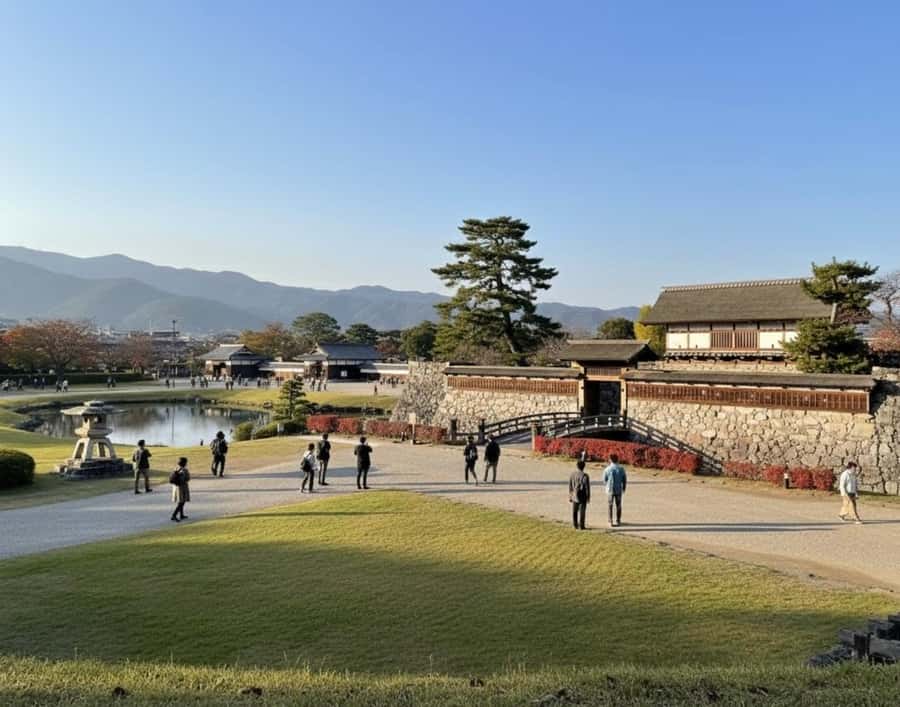
- Four cultural stops: Visit Zenkoji Temple, Takei Shrine, and Ojoji Temple, with time for quiet gardens and prayer.
- Drivers praised for care: Moazam, Cheema, Atif Cheema, and Naroz are named in the feedback, with particular praise for safe driving, help, and flexibility.
- Bring proper shoes and cash: The walk to the park takes about 30 minutes and can be snowy or slippery.
The real appeal: monkeys, mountains, and temples in one day
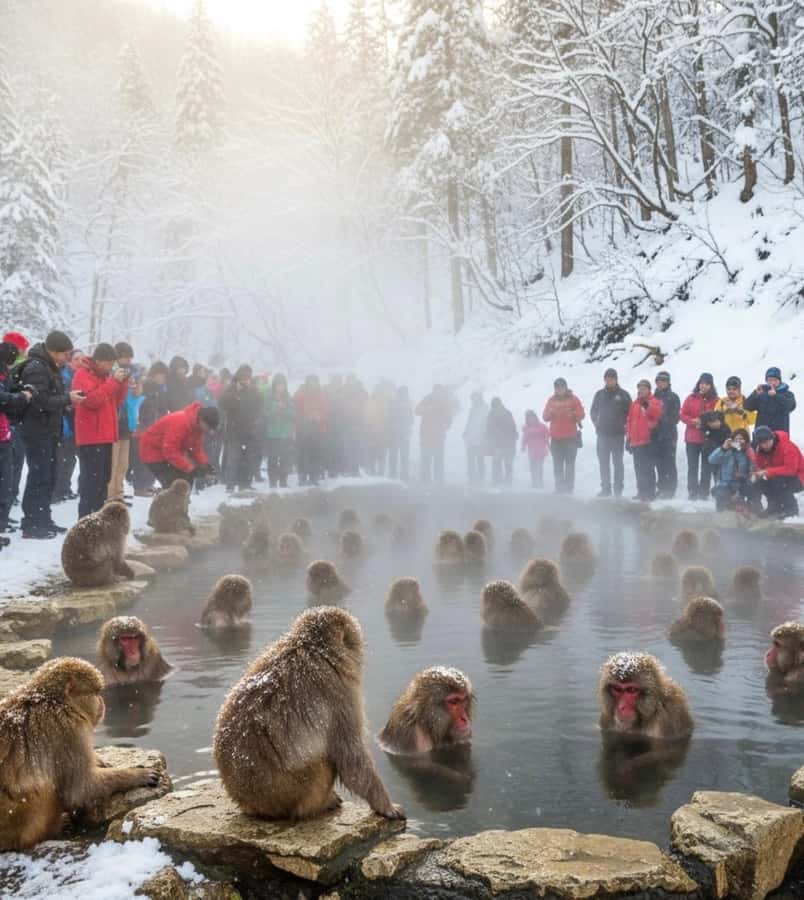
This trip works because it joins two very different sides of Japan. In the morning, you are in a cold mountain valley watching macaques use a hot spring. Later, you are walking through one of the country’s most important Buddhist temple compounds.
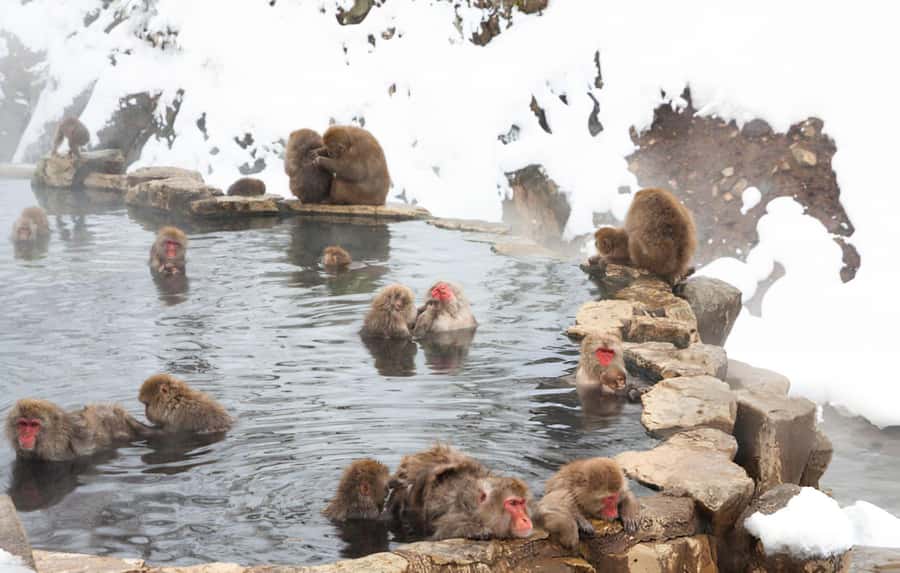
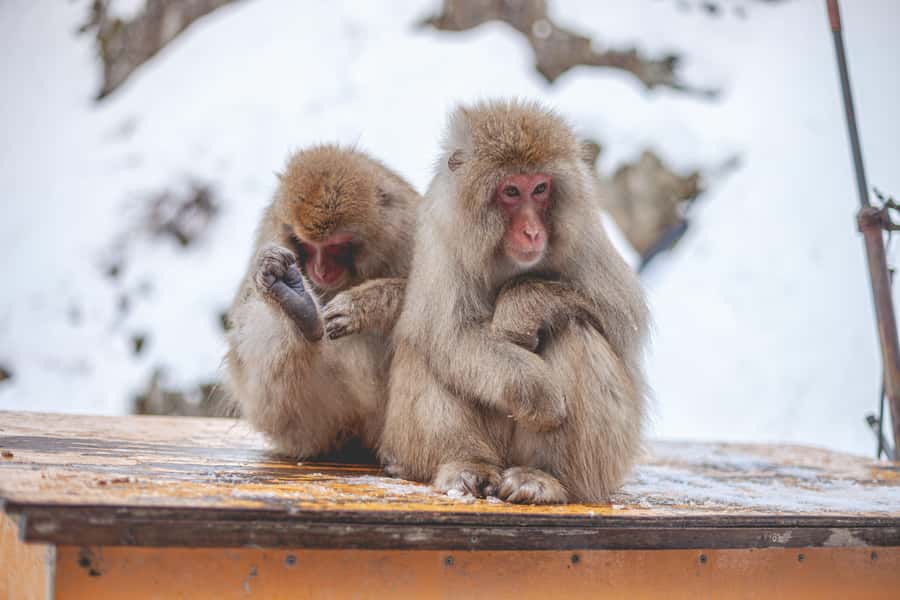
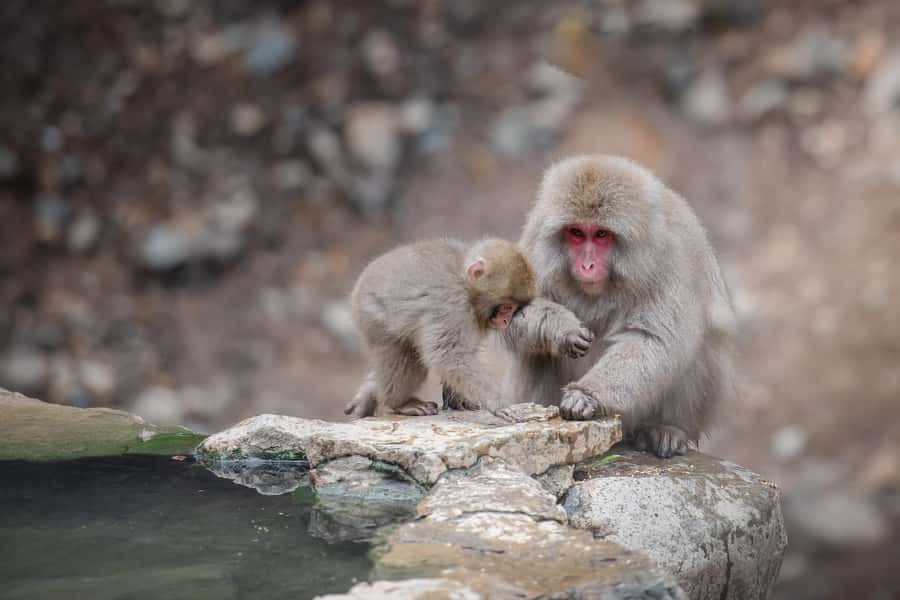
The monkey park is not a zoo show. The macaques live in the area and gather at the hot spring, giving you a chance to watch ordinary animal behavior at close range. You might see them grooming one another, resting with their eyes half closed, or jostling for space. Their human-looking expressions are entertaining, but the best part is observing the group’s social order.
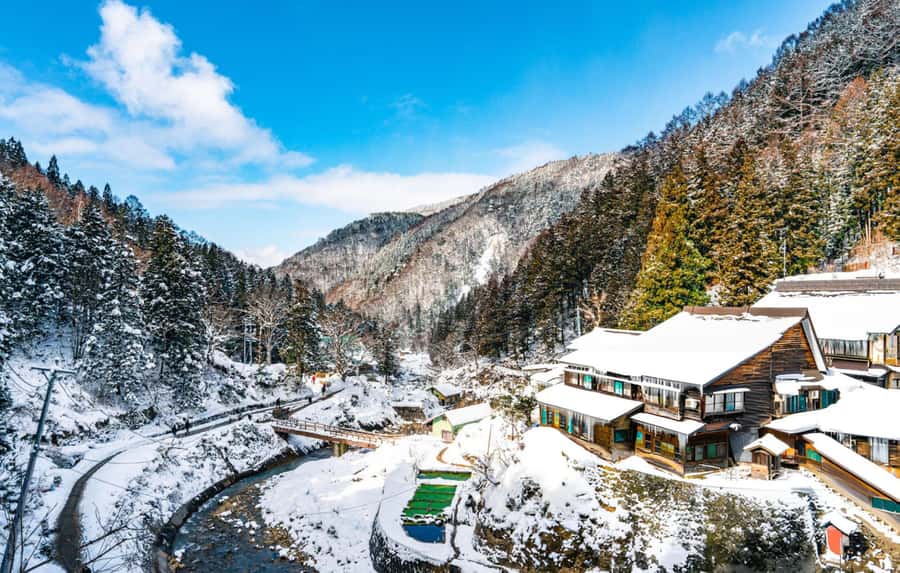
The setting adds much to the visit. Jigokudani Valley has steep slopes and a rough, wooded path leading to the park. In winter, snow and steam create the classic scene most people hope to see. In other seasons, the macaques may still be present, but the cold-weather hot-spring picture is less certain.
You should also set your expectations about the day. Tokyo to the park is about a four-hour drive, according to the tour information and direct experience from the road. That means roughly eight hours in transit before counting the temples and walking. For some people, that is too much for one day. For others, private transport makes it a practical way to see a place that would otherwise require a separate Nagano stay.
More Day Trips in Tokyo:
- Tokyo Panoramic 1 Day: Meiji Shrine, Asakusa, Odaiba and SKYTREE®
★ 4.5 · 1,222 reviews - Tokyo: Mt. Fuji, Kamakura, Big Buddha, & Lake Ashi Day Trip
★ 4.5 · 867 reviews - From Tokyo: Nikko World Heritage Site Private Full-Day Trip
★ 4.9 · 243 reviews
Leaving Tokyo for Nagano
Pickup is arranged at your accommodation in Tokyo, and you should be waiting in the lobby about 10 minutes before the scheduled time. Airport and seaport pickup is not available, so this suits people staying at a Tokyo hotel rather than those trying to make a shore excursion or airport connection.
The vehicle includes Wi-Fi, highway taxes, and basic drinks such as coffee, tea, and water. Those small touches matter on a full-day road trip. You will want the freedom to settle in, charge your attention for the walking portions, and avoid worrying about every highway payment.
The tour is private for your group, up to six people. That gives you more control than a standard coach outing. The route can be adjusted around your preferences and interests, although the day still depends on traffic, road conditions, and the time needed at the monkey park.
Drivers named in the feedback include Moazam, Cheema, Atif Cheema, and Naroz. Their praised qualities are useful clues about the service: safe driving, patience, help with the day, and flexibility when weather disrupted the roads. Naroz, in particular, had to alter the route when roads closed because of poor weather and still worked to keep the park visit on schedule.
Do not treat the four-hour drive as dead time. The road takes you away from Tokyo’s dense streets and toward the Japanese Alps. You get a broad sense of how quickly Japan changes from urban center to mountain country. Still, anyone prone to car fatigue should think carefully before booking.
Walking into Jigokudani Snow Monkey Park
The final approach to Snow Monkey Park takes about 30 minutes on foot. This is not a drive-up attraction. You need comfortable shoes, and warm clothing is important in winter. Snow, cold air, and damp surfaces can make the walk more demanding than the distance suggests.
The trail is part of the pleasure. You move through a wooded mountain setting, with the valley’s steep sides and seasonal conditions shaping the mood. In winter, the walk can feel almost storybook-like, but it also requires care. Good footwear will help far more than fashionable shoes.
At the park, the macaques gather around the hot spring and nearby paths. You can watch them from close range, but you should keep a respectful distance and follow park rules. The tour information specifically presents this as a chance to see the animals in a natural setting and observe their social interactions.
Bring a camera, but do not let photography become the whole visit. The monkeys can be still one moment and active the next, so patience helps. The best images may come from watching first and reacting quickly rather than trying to force a perfect pose.
Winter is the strongest season for the famous scene. The monkeys use the hot spring to escape the cold, and the contrast between snow and steam gives the park its special look. The attraction can still be worthwhile in warmer months, but you should not assume the macaques will spend as much time in the water.
There is no promise that every animal will be in the pool when you arrive. Wildlife follows its own habits. That uncertainty is part of the point, though it can disappoint anyone expecting a staged show.
Zenkoji Temple and the road toward enlightenment

After the monkey park, the cultural part of the day begins with Zenkoji Temple. Founded in the 7th century, it is one of Japan’s major Buddhist sites and a central reason to visit Nagano.
The temple is known for its large traditional buildings and its spiritual importance. It also holds a hidden statue of Amida Buddha, an object connected with good fortune and devotion. The statue itself is not presented for ordinary viewing, so the value lies in the ritual, architecture, and atmosphere rather than checking off a visible relic.
One distinctive feature is the temple’s dark underground passage. Walking through it represents a journey toward enlightenment. The darkness is literal, not decorative, and the experience asks you to slow down and pay attention to your senses.
The approach to Zenkoji is lined with shops selling traditional crafts and local snacks. This is a good place to use some cash, especially since meals, snacks, and souvenirs are not included in the tour price. The shopping street also gives you a more everyday connection to the temple visit than a quick look at the main gate would provide.
Your time at Zenkoji may depend on traffic and how long you spend at Snow Monkey Park. If the animals are active and the walk takes longer, you may need to keep the temple visit focused. That is one reason to decide in advance whether you care more about religious sites, photography, or a relaxed pace.
More Winter Activities in Tokyo:
- From Tokyo: Private Tour Snow Monkey Park & Zenko-ji Temple
★ 4.7 · 184 reviews - Tokyo: Snow Monkey Park and Zenkoji Temple Private Day Tour
★ 4.7 · 127 reviews - From Tokyo: Snow Monkey Park & Zenko-ji Temple Private Tour
★ 4.9 · 42 reviews - Tokyo: Nagano Snow Monkeys and Zenkoji Tour with Temples
★ 4.9 · 19 reviews
Takei Shrine among the trees
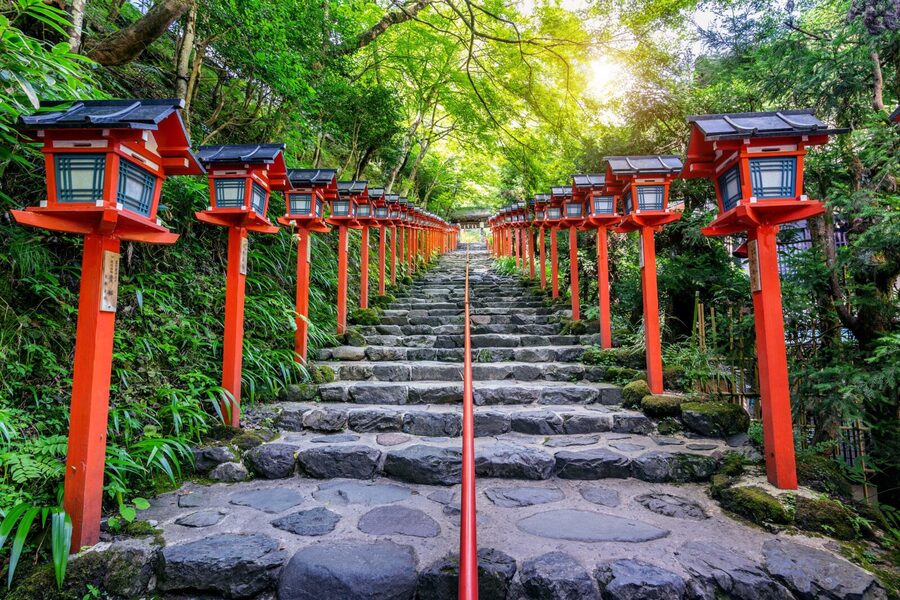
Takei Shrine, also called Takai Shrine in the tour information, offers a quieter change of pace. It is dedicated to agriculture and prosperity and sits in a forest setting marked by red torii gates.
A shrine visit here is less about grand scale and more about stillness. You can pause beneath the trees, take in the seasonal scenery, and observe the simple rhythm of Shinto worship. The setting is especially appealing if you want a break from crowded city temples and from the busy energy of the monkey park.
Season changes affect the shrine’s appearance. The tour description points to different views throughout the year, so the visit will not look identical in winter, spring, and autumn. Traditional festivals also provide a window into local customs, although no particular festival is promised during your tour.
Because this is a private outing, you can ask the driver to give this stop more time if quiet places matter to you. You should also confirm the exact order and available time on the day, since traffic between Tokyo, the park, and Nagano can shift the schedule.
Ojoji Temple and a quieter finish
Ojoji Temple is presented as a peaceful retreat with gardens and traditional architecture. Compared with Zenkoji, it is the less famous stop, and that is its strength. You can slow down, look around, and enjoy the grounds without feeling that you must rush through a major landmark.
The gardens are particularly attractive during cherry blossom season, when flowering trees change the mood of the grounds. At other times of year, the appeal is the calm setting and the chance to sit with the day’s impressions.
Guided meditation or spiritual sessions may be included here, according to the tour details. Since the service is not described in detail, ask your driver what is available when you arrive rather than assuming a formal session will take place.
For many people, Ojoji will be more restful than spectacular. That makes it a good final cultural stop after the noise, movement, and cold of the monkey park. If you prefer famous buildings over quiet gardens, you may find this part less essential. If you enjoy reflective places, it may be one of the day’s most rewarding pauses.
Is the $515 group price good value?
The price is $515 for a private group of up to six people. That works out to about $86 per person if you fill all six places, before entrance fees and personal spending. For two people, the effective cost is much higher, so the value depends heavily on group size.
The strongest part of the price is the private transport. You receive hotel pickup and drop-off, luxury transport, Wi-Fi, highway taxes, and basic drinks while covering a route that would be tiring to manage by local connections in a single day. You also avoid organizing a separate driver, parking, and long-distance road plan.
The price does not include paid entry tickets, meals, snacks, souvenirs, insurance, or possibly breakfast and dinner. Bring cash for food and temple or park costs. Since exact entry charges are not supplied here, you should confirm the current total before booking.
If you are a group of five or six and want the snow monkeys without changing hotels, the price makes more sense. Solo visitors and couples should compare it with staying overnight in Nagano, especially if they prefer slower sightseeing. A private day trip gives you convenience, but not much spare time.
Who should book this day trip?
I would recommend it to families, small groups, photographers, and first-time visitors who want to combine nature and Buddhist culture without arranging several separate journeys. It also suits anyone who values a private vehicle and the ability to adjust stops.
It is less suitable for people who dislike long drives, have difficulty walking for 30 minutes on uneven or snowy paths, or want an unhurried temple experience. The tour is not suitable for pregnant women or people over 95 years old, according to the stated conditions.
Weather deserves serious attention. Higher elevations can be cold, and snow or road closures may affect the route. Naroz had to avoid closed roads during one outing, so flexibility is not just a polite phrase. Wear layers, check the forecast, and accept that the precise timing may change.
You should also confirm your pickup address and drop-off preference in advance. Drivers wait no longer than 60 minutes after the scheduled pickup time, so a late start can put the rest of the day under pressure.
My booking verdict
Book this if seeing the snow monkeys is high on your Japan wish list and you have a full day to give the journey. The private vehicle, small group size, and praised driving service make the long route easier, while Zenkoji, Takei Shrine, and Ojoji Temple add cultural depth.
Skip it if you want a relaxed Nagano visit or if eight hours on the road sounds like too much. For the right group, though, this is an efficient way to reach Jigokudani from Tokyo and pair a remarkable wildlife sight with some of Nagano’s most meaningful sacred places.
FAQ
How long does the tour last?
It is a full-day private tour, typically lasting about 12 hours. Traffic, weather, and the time spent at each site can change the schedule.
How far is Snow Monkey Park from Tokyo?
The park is about a four-hour drive from Tokyo. The journey is scenic but makes this a very long day.
Is hotel pickup included?
Yes. Pickup and drop-off from your accommodation are included. Airport and seaport pickup are not available.
How many people can join the private tour?
The price covers a group of up to six people.
Are entrance fees and meals included?
No. Paid entry tickets, meals, snacks, souvenirs, and personal expenses are not included unless specifically arranged.
What should I bring?
Bring comfortable walking shoes, warm clothing, comfortable clothes, a camera, and cash. Warm layers are especially important in higher areas and during winter.
Is an English-speaking driver provided?
Yes. The tour includes an English-speaking driver. English, Japanese, and Hindi are listed as available languages.
Can I cancel for a full refund?
You can cancel up to 24 hours in advance for a full refund.
Just added around Tokyo
- Tokyo:Nikko UNESCO World Heritage Sites Private 1-Day Tour★ 3.8 · 6 reviews
- Tokyo: Snow Monkey Park and Zenkoji Temple Private Day Tour★ 4.7 · 127 reviews
- Tokyo War History Tour: Yasukuni Shrine & War Museum★ 4.5 · 6 reviews
- Tokyo: Sensoji Temple & Street Food: Private Tour with guide★ 4.6 · 8 reviews
- Tokyo: Shibuya Sky, Harajuku & Meiji Shrine Highlights Tour★ 4.5 · 9 reviews
- Tokyo: Nikko Private Sightseeing Day Trip with Driver★ 5.0 · 10 reviews
- Tokyo → Nikko:Private Customizable Day Trip (English Driver)★ 4.9 · 26 reviews
- Tokyo’s Kitchen: Tsukiji Market Food & Culture Walk★ 4.7 · 74 reviews
Tokyo Temple Tours, compared.
Mt.Fuji,Kawaguchiko Oishi Park,Arakurayama Sengen Park
Read our review →
Asakusa Walking Tour with Sensoji Temple Visit
Read our review →
Nikko Toshogu Shrine and Kegon Waterfall Tour
Read our review →
Tokyo Panoramic 1 Day: Meiji Shrine, Asakusa, Odaiba and SKYTREE®
Read our review →
Mt. Fuji, Kamakura, Big Buddha, & Lake Ashi Day Trip
Read our review →
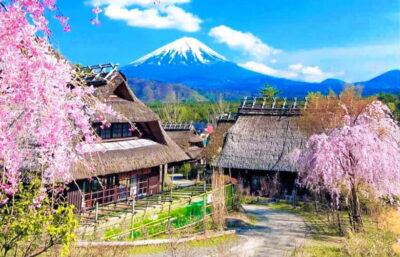
Mt. Fuji Heritage Tour: Traditional Villages, Lakes & Shrine
Read our review →Browse the lists this tour appears in