
REVIEW · SPAIN TEMPLE TOURS
From Madrid: Escorial Monastery and the Valley of the Fallen
El Escorial is not just another grand Spanish palace. It is a vast royal monastery, church, burial place, library, and art collection rolled into one severe granite complex. Then comes the Valley of the Fallen, where a basilica cut into a mountain confronts you with one of Spain’s most painful political memories.
I like this tour for two clear reasons: the guide supplies the context that makes both places meaningful, and the bus links two difficult-to-reach sights in one half-day. I also like the pace. You get enough time to see the major rooms and take photographs without turning the outing into an all-day endurance test.
The main drawback is time. Five hours goes quickly, especially at the Valley of the Fallen, and there is no meal stop. You will also walk and climb plenty of steps, so this is not suitable for wheelchair users or people with serious mobility limitations.
Key points to know before booking
- El Escorial is a royal monastery, not simply a palace: expect a church, cloisters, royal apartments, pantheons, gardens, and paintings.
- The Valley of the Fallen carries political weight: your guide explains its connection to the Spanish Civil War and the burial of 33,847 people.
- The bus saves real effort: both sites are outside Madrid and are far easier to combine with organized transport than by public transit.
- Guiding is the heart of the tour: guides including Cristina, Beatriz, Sergio, Rafael, and Oscar have been praised for clear explanations and friendly delivery.
- The schedule is brisk but manageable: the monastery receives about 105 minutes, followed by roughly an hour at the Valley of the Fallen.
- Wear practical shoes: both sites involve walking and steps, and the outdoor portion can feel exposed in poor weather.
Why these two monuments belong together
This outing gives you a compact lesson in Spanish power, religion, monarchy, war, and memory. El Escorial takes you into the world of Felipe II and the Spanish Golden Age. The Valley of the Fallen brings you into the 20th century, the Civil War, and the difficult legacy of Francisco Franco’s dictatorship.
That contrast is the point. One site was created to express royal Catholic authority and imperial ambition. The other was built as a monument after a civil conflict and remains politically sensitive. Seeing them together helps you understand how Spain’s story shifted from monarchy to dictatorship and, later, to present-day democracy.
I would not choose this tour only for pretty buildings. You are signing up for architecture with a serious historical edge. The reward is a fuller picture of Spain than you get from Madrid’s art museums and grand squares alone.
A few more temple visits around Spain worth a look
- Montserrat Monastery Half Day Experience from Barcelona
★ 5.0 · 6,014 reviews - Montserrat Monastery Small Group or Private Tour Hotel pick-up
★ 5.0 · 5,144 reviews - Escorial Monastery and the Valley of the Fallen Tour from Madrid
★ 5.0 · 2,494 reviews
Leaving Madrid for San Lorenzo de El Escorial
The meeting point is outside the Commercial Gallery at San Bernardo Street 7. From there, an air-conditioned coach takes you toward San Lorenzo de El Escorial, with the ride lasting roughly 45 to 50 minutes.
The bus includes Wi-Fi, and a headset is supplied for the guided visits. That matters because the sites are large, and hearing the guide clearly lets you look at the building instead of crowding around a single person.
On arrival, the group uses the facilities before beginning the monastery visit. This practical pause is useful, since the next section involves steady walking and there is no proper food break built into the outing. Bring water and eat beforehand.
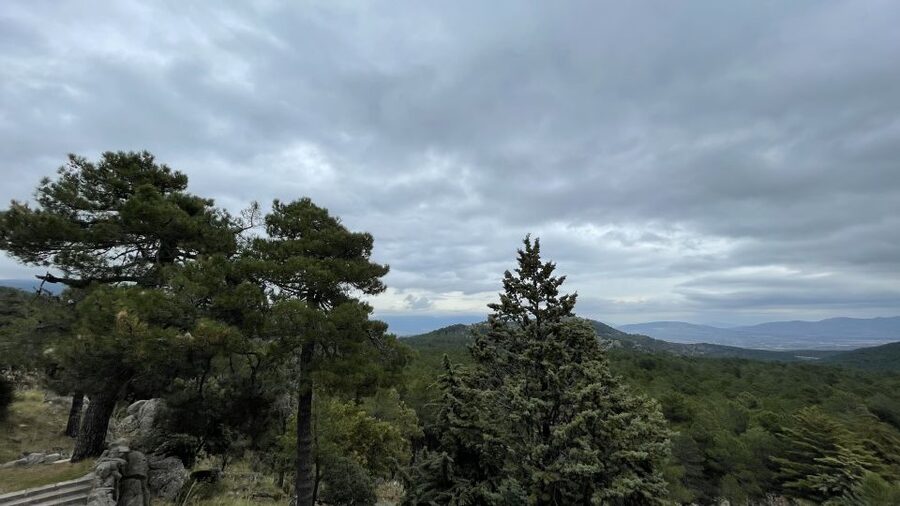
The town and monastery sit in the Sierra de Guadarrama, giving the approach a pleasant change from Madrid’s streets. Several people particularly enjoyed the mountain setting, and the surrounding scenery adds to the sense that El Escorial was meant to be both a working royal center and a retreat.
Inside El Escorial, Felipe II’s granite statement
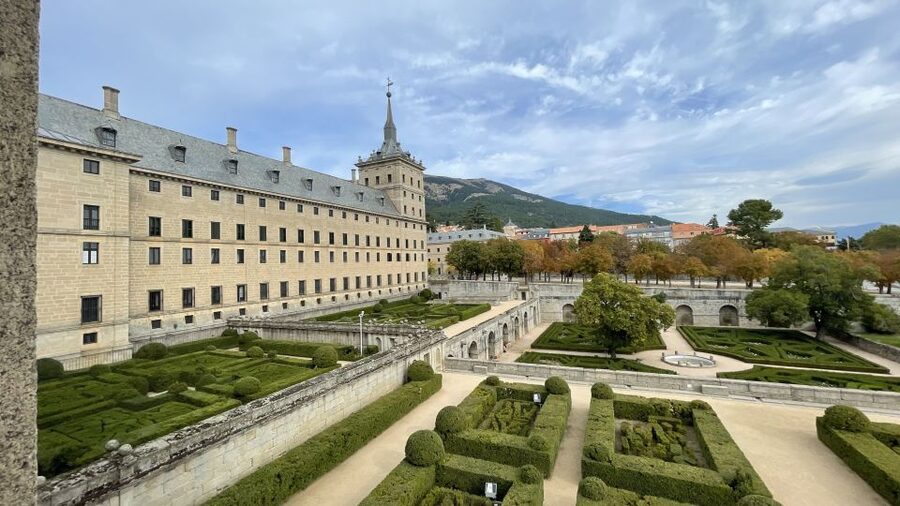
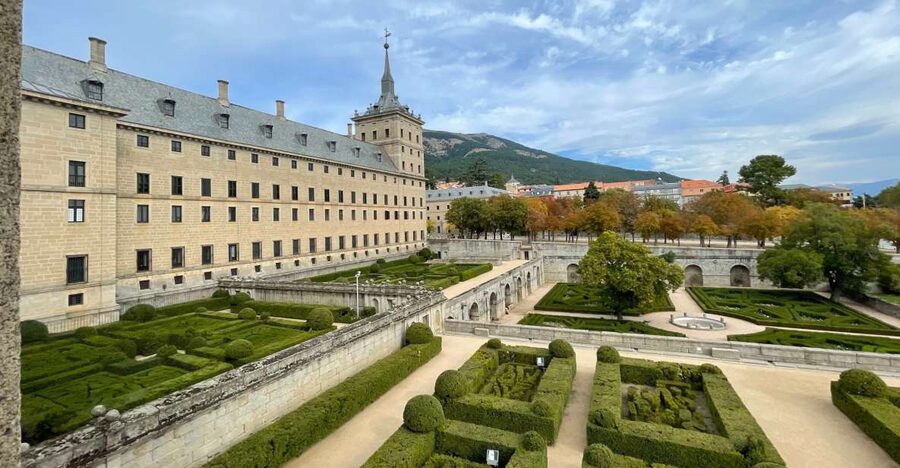
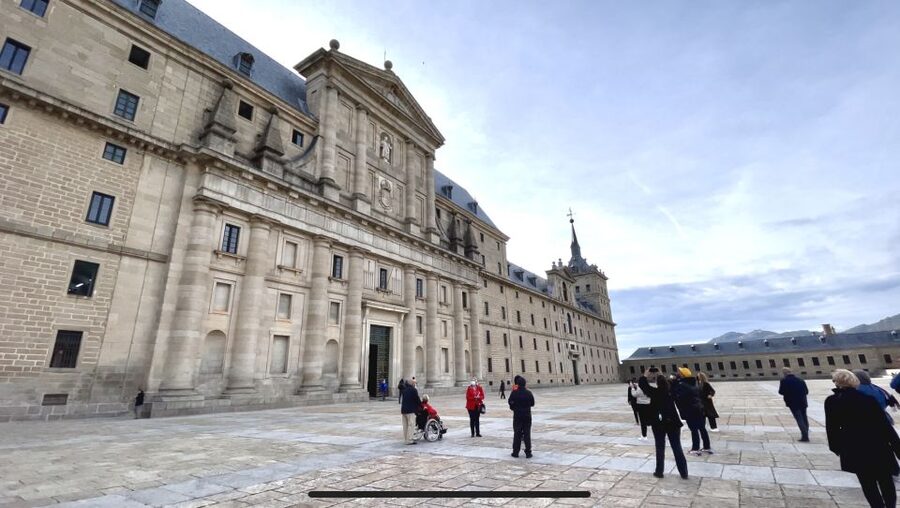
The guided visit to the Monastery of San Lorenzo de El Escorial lasts about 105 minutes. Skip-the-line entry gets you through the admission process by a separate entrance, but it does not turn the building into a quick stop. El Escorial is huge, and even a focused visit covers only its most important sections.
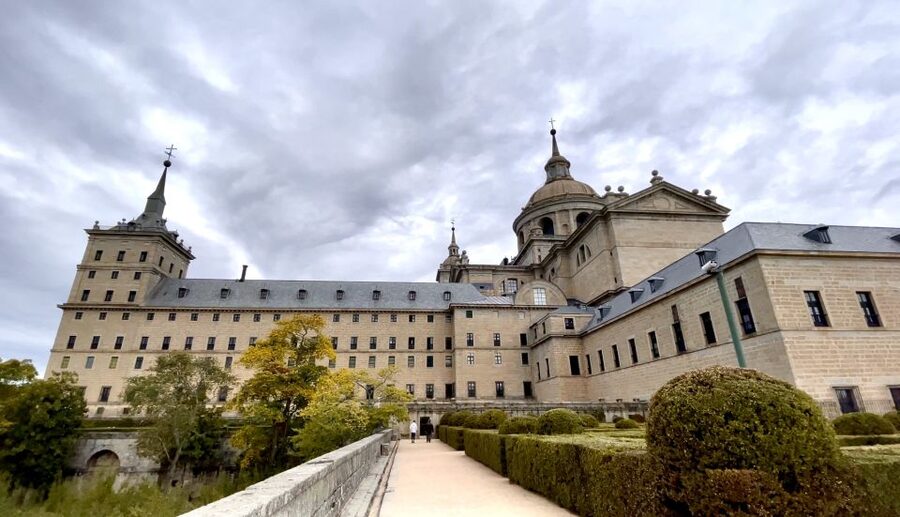
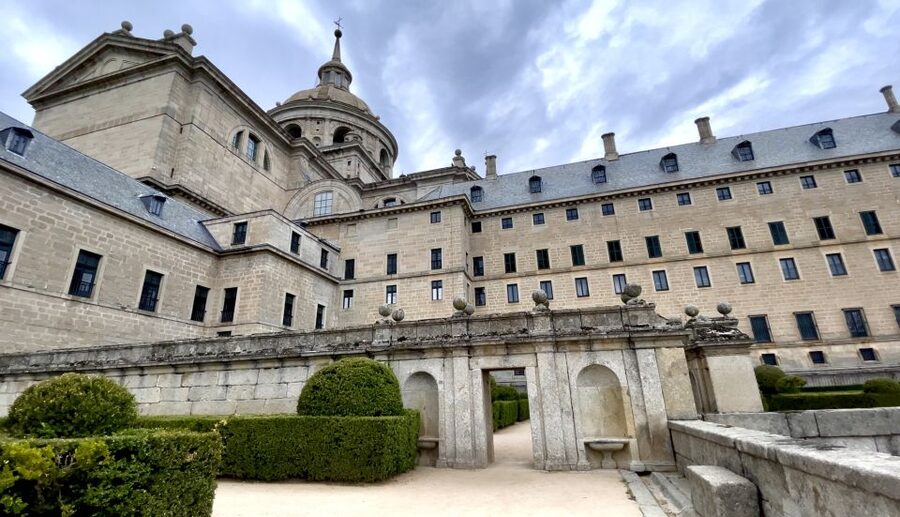
The complex reflects Felipe II’s religious and political aims. Its plain exterior can seem stern, but inside you find monumental spaces, art, royal burial chambers, and carefully planned courtyards. The building is recognized as a UNESCO World Heritage Site because of its cultural and architectural importance.
The Patio de Reyes, or Courtyard of the Kings, provides one of the clearest first impressions. From here, you begin to understand the scale of the complex and its connection to the basilica.
The cloister offers a quieter change of mood. Its orderly design and arcades create a sense of calm, while the guide explains how the monastery functioned as a religious institution as well as a royal residence.
The Chapter Rooms are another key stop. These rooms connect the building to its monastic life and provide a useful counterpoint to the more ceremonial royal spaces.
The basilica is included except on Sundays, an important detail when comparing dates. Its interior is one of the main reasons to visit, though the tour’s exact route can depend on access and operating conditions.
The Pantheon of Kings and Pantheon of Infants bring the monarchy into direct view. These burial places are not casual sightseeing stops. They show how Spanish royal succession was presented through architecture, ceremony, and family memory.
The Royal Rooms complete the picture. Here, you get a closer sense of the royal household and Felipe II’s connection to the site. The building is not decorated with the light, playful feel of some European palaces. Its mood is more restrained, devotional, and purposeful.
Paintings are part of the experience too. If art is your main interest, you may wish the guide had more time for individual works. The standard visit gives you the broad story and major spaces rather than a full art-history lecture.
Why a guide matters at the monastery
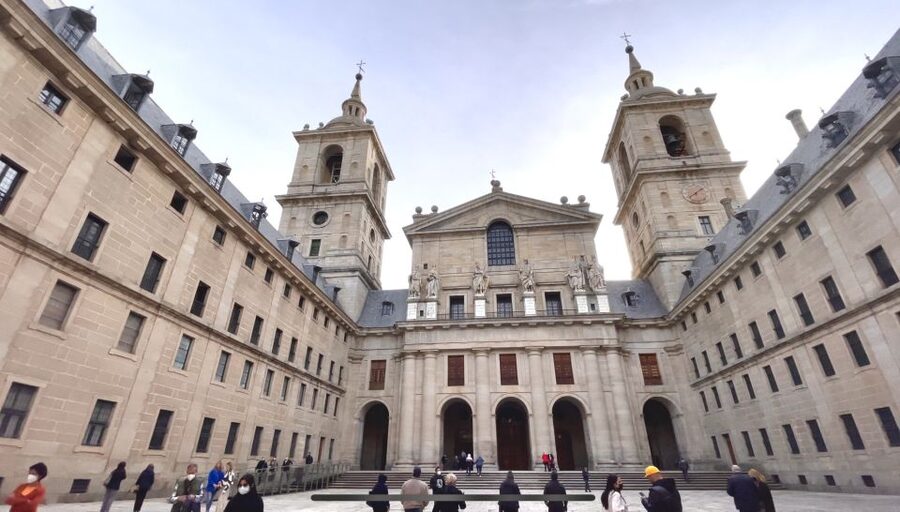
Without an explanation, El Escorial can become a succession of impressive rooms. A good guide gives each section a role in the larger story.
Cristina has been praised for switching comfortably between Spanish and English while keeping the group together. Beatriz, Sergio, Rafael, Oscar, Pilar, and others have also been singled out for clear explanations, humor, patience, and strong command of Spanish history. The guide changes, so you should not book on the promise of one specific person, but the feedback points to guiding as a consistent strength.
I especially value the way the best guides balance information with breathing room. You need time to look at the paintings, take a photograph where permitted, and absorb the scale of the rooms. One guide was praised for allowing questions and keeping the tone politically fair, which is useful on a tour that moves into controversial subjects later in the day.
The included headset helps, although one person reported some background noise from the sound system. That is a minor risk with any group tour, but it is worth staying close enough to your guide to follow the commentary.
Same country, a different morning at the gates:
- Montserrat Museum and Monastery Entry Ticket
★ 4.5 · 1,740 reviews - Montserrat Small Group: Monastery, Black Madonna & Natural Park
★ 5.0 · 1,690 reviews - Madrid: Flamenco Show at Tablao Sala Temple with Drink
★ 4.8 · 1,206 reviews - From Seville: Italica Roman City & Medieval Monastery Tour
★ 4.5 · 1,051 reviews
From royal retreat to the Valley of the Fallen
After El Escorial, the coach makes a short transfer of about 15 minutes to the Valley of the Fallen, also called Valle de los Caídos. The site lies in the Peña de Cuelgamuros, amid granite hills outside San Lorenzo de El Escorial.
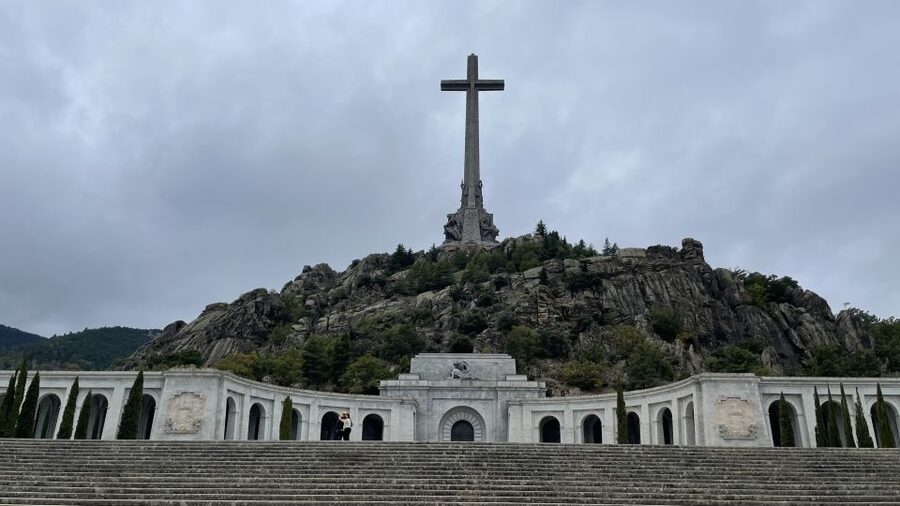
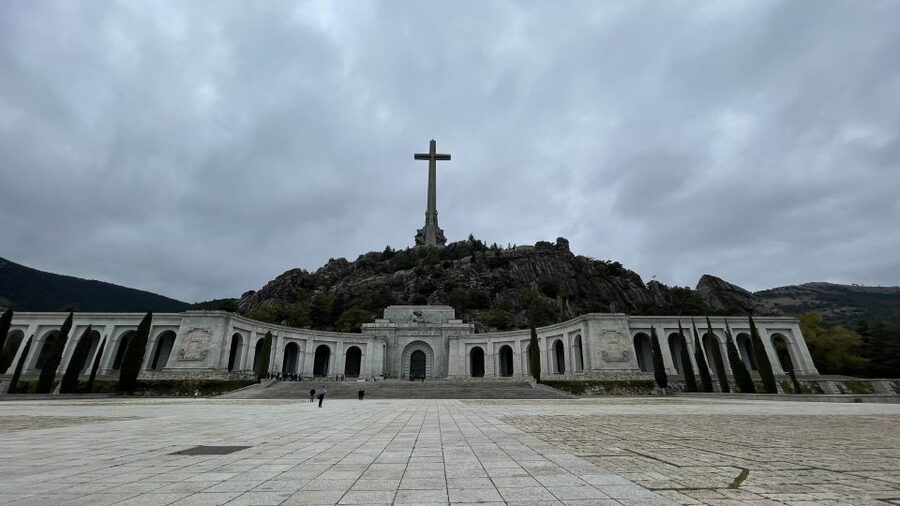
The visual impact is immediate. A huge stone cross can be seen from kilometers away, and the scale is difficult to grasp until you are close. The basilica is carved into the rock, creating an unusual combination of natural stone and monumental religious architecture.
The guided portion here lasts about an hour. You visit the surroundings and the basilica while learning about the Spanish Civil War and the people buried at the site. The monument contains the remains of 33,847 people who died in the conflict.
This is not a light sightseeing stop. The Valley of the Fallen has a disputed and difficult legacy, and its meaning has changed over time. A respectful guide can explain the facts without turning the visit into a political argument. Several guides have been praised for doing exactly that, including Cristina and Pilar.
The interior basilica is the dramatic centerpiece. Its scale, rock walls, and unusual construction make it unlike anything else on this day trip. You may find the hour just enough for the essential visit, but not enough for slow private exploration.
That time limit is the clearest weakness of the itinerary. Some people wanted extra minutes here, particularly for photographs and a closer look at the surroundings. Keep an eye on the departure time. One person nearly had to hurry back to the bus after trying to see more of the site.
Access can also change. A wedding once affected entry, yet the guide was able to get the group into the basilica. You should treat the listed route as the plan, not an absolute guarantee for every room on every date.
The return to Madrid and the value of the half-day format
The coach returns to San Bernardo Street 7 after another roughly 45-minute ride. The whole outing takes about five hours, normally in the morning, leaving the rest of your day free for Madrid.
That half-day format is one of the tour’s strongest features. You see two major monuments without giving up an entire day, and you avoid the fatigue of figuring out separate transport. Several people specifically valued the comfortable bus because both locations are awkward to combine without a car.
At $73 per person, the price is reasonable if you want guided interpretation and simple transport. Admission to both monuments, the guide, headsets, and round-trip coach travel are included. You would need to arrange and pay for food and drinks yourself.
The value is less convincing if you prefer long, independent visits. A self-drive outing could give you more freedom, but you would take on navigation, parking, admission arrangements, and the task of understanding two complex sites without the same continuous explanation.
There is no scheduled refreshment stop. I would have breakfast before departure and carry a small snack if permitted. The bathroom stop at El Escorial helps, but the day moves from bus to monument to bus with little spare time.
Who will enjoy this tour most
I recommend it for anyone who wants Spanish history explained rather than simply photographed. It is particularly useful if you have limited time in Madrid, do not want to rent a car, or want to connect royal Spain with the Civil War and later democracy.
Families with older children and teenagers can do well here, especially if they enjoy architecture, politics, religion, or military history. One parent found the material engaging for a 17-year-old, while the guides’ stories and humor help prevent the visit from becoming a dry lecture.
Art lovers will appreciate the paintings at El Escorial, but should not expect a specialized art tour. The emphasis is broader, covering the building, monarchy, religious purpose, burial chambers, and national history.
This is not a good choice for anyone needing step-free access. The route includes many steps and substantial walking, and the experience is specifically listed as unsuitable for wheelchair users and people with mobility impairments. Comfortable shoes and practical clothing are essential.
Weather can affect the outdoor portion, especially at the Valley of the Fallen. Rain did not stop people from enjoying the visit, but clear conditions will make the cross and mountain scenery easier to appreciate.
Booking advice and final verdict
Book this tour if you want a well-organized introduction to two major sites that are hard to combine on your own. The strongest reasons are the transport, the historical explanation, and the chance to see El Escorial’s royal rooms and pantheons before visiting a basilica cut into a mountain.
Skip it if you want a relaxed full-day exploration, a proper meal break, or extensive free time at either monument. The schedule is efficient, not leisurely.
For most first-time visitors to Madrid, I would consider the tour good value. It gives you a side of Spain that the capital itself cannot provide, from Felipe II’s austere royal vision to the unresolved memory of the Civil War. Reserve it with comfortable shoes, a snack, and an open mind about the Valley of the Fallen.
FAQ
How long does the tour last?
The tour lasts five hours, including transportation from Madrid and the guided visits to both sites.
Where does the tour meet in Madrid?
Meet your driver outside the Commercial Gallery at San Bernardo Street 7.
How do I reach El Escorial from Madrid?
The tour provides round-trip transportation by air-conditioned coach. The ride to San Lorenzo de El Escorial takes about 45 to 50 minutes.
What languages are available?
Live guiding and audio support are available in English and Spanish.
What is included in the price?
The price includes round-trip coach transport, Wi-Fi on the bus, a guide, headsets, and skip-the-line entry tickets for the Monastery of San Lorenzo and the Valley of the Fallen.
Are food and drinks included?
No. Food and drinks are not included, and the schedule does not include a meal stop.
Is the basilica at El Escorial always included?
The basilica is included except on Sundays.
Is the tour suitable for wheelchair users?
No. The tour is not suitable for wheelchair users or people with mobility impairments. Expect considerable walking and many steps.
Can I cancel the booking?
You can cancel up to 24 hours before the activity for a full refund. A reserve-now, pay-later option is also available.
Just added around Spain
- Montserrat Monastery Horse Riding & Walk – Small Group (Max 8)★ 5.0 · 45 reviews
- Montserrat Nature Walk, Monastery and Museum from Barcelona★ 5.0 · 58 reviews
- Montserrat & beyond private from Barcelona with different options★ 5.0 · 32 reviews
- Montserrat Tour with Cogwheel Train, Monastery & Black Madonna★ 4.0 · 10 reviews
- Full-Day Trip Barcelona to Montserrat Monastery & Cava Winery★ 5.0 · 158 reviews
- Transfer to Montserrat Monastery from Barcelona★ 4.5 · 94 reviews
- Montserrat Land of Shrines – One Day Small Group Hiking Tour from Barcelona★ 5.0 · 38 reviews
- Montserrat Horseback Riding & Monastery – Small Group (Max 8)★ 5.0 · 45 reviews
Spain Temple Tours, compared.
Montserrat Monastery Half Day Experience from Barcelona
Read our review →
Montserrat Monastery Small Group or Private Tour Hotel pick-up
Read our review →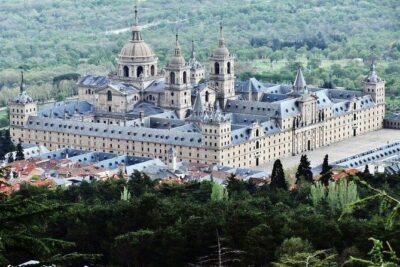
Escorial Monastery and the Valley of the Fallen Tour from Madrid
Read our review →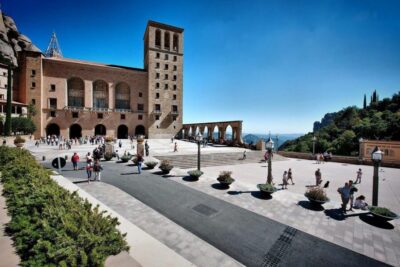
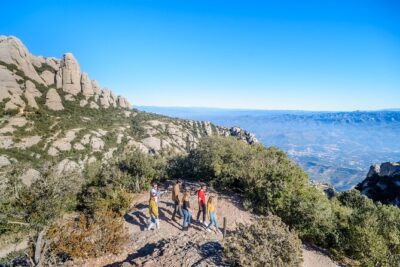
Montserrat Small Group: Monastery, Black Madonna & Natural Park
Read our review →
Flamenco Show at Tablao Sala Temple with Drink
Read our review →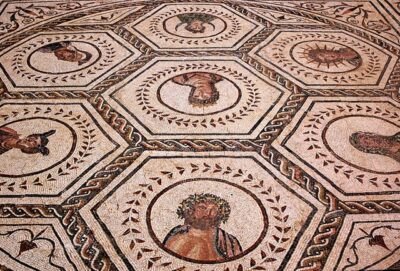
From Seville: Italica Roman City & Medieval Monastery Tour
Read our review →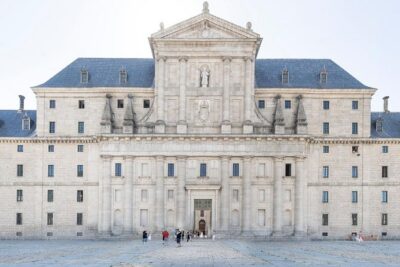
Escorial Monastery and the Valley of the Fallen from Madrid
Read our review →Browse the lists this tour appears in