REVIEW · TOURS
Day tour to: Apollonia, Narta Lagoon & Zvernec Monastery
Apollonia gives this day its strongest sense of place: you walk among Greek and Illyrian ruins, then cross a 270-meter wooden bridge to a Byzantine monastery on an island. It is an unusual pairing, with archaeology in the morning and quiet lagoon scenery later.
I like the easy transport from Tirana or Durrës, and I like that the day includes both the Archaeological Museum and the Saint Mary church at Zvernec. The main drawback is the long road time, plus the walking over uneven ground and across the bridge. The activity is also described as wheelchair accessible in one section but not suitable for people with mobility impairments elsewhere, so confirm your needs before booking.
Key points
- Apollonia’s ancient center: Spend about two hours among the Monument of the Agonothetes, Odeon, Library ruins, and museum.
- A useful history-and-nature mix: The route changes from open archaeological ruins to pine forests and calm lagoon views.
- Zvernec’s island setting: Reach Saint Mary Monastery by walking across a long wooden bridge over the Narta Lagoon.
- Comfortable day transport: Pickup and drop-off are available in Tirana, Durrës, Golem, Qerret, and Lalëz.
- Strong guide service: Toni has received particular praise for his historical explanations, warmth, and willingness to answer questions.
- Good planning flexibility: The $51 price includes transport, a local guide, and Apollonia admission, while lunch is extra.
Why Apollonia and Zvernec work so well together
Albania can feel like a country of separate stories: ancient Greek settlements, Illyrian towns, Byzantine churches, Ottoman traces, and wide coastal wetlands. This tour brings two of those stories together in one day.
Apollonia is the more substantial stop. Founded by Greek colonists in 588 BC, it grew into an important city in ancient Illyria. You are not simply looking at a single monument. You walk through the remains of a city that had public buildings, performance space, religious life, and places for learning.
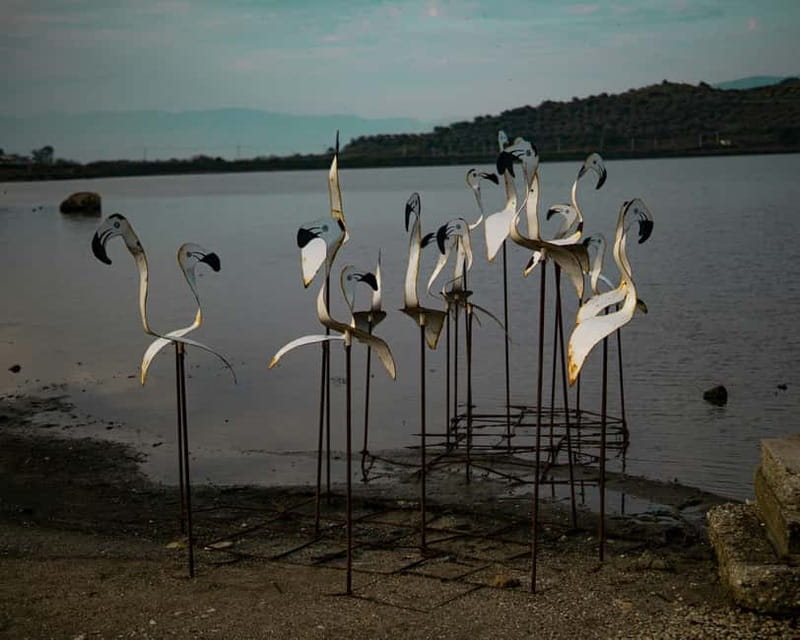
Zvernec offers a very different mood. The monastery sits on a small island in the Narta Lagoon, surrounded by tall pines and quiet water. The visit is shorter, but the setting gives it real appeal. The wooden bridge is part of the experience, not just a way to get from the parking area to the church.
I would choose this day if you want more than a standard city tour from Tirana or Durrës. You get a sense of Albania’s ancient past, but also a peaceful coastal setting that feels far removed from traffic and city streets.
A few more temple visits around the world worth a look
- Lisbon: Jerónimos Monastery Entrance Ticket
★ 4.1 · 14,164 reviews - Angkor Wat Sunrise or Sunset Tour with Guide from Siem Reap
★ 5.0 · 12,109 reviews - Teotihuacan, Guadalupe Shrine & Tlatelolco Day Tour with Lunch
★ 5.0 · 11,603 reviews
The 110-minute ride to Apollonia
Pickup is offered from several points in and around the main resort and city areas: Tirana, Durrës, Golem, Qerret, and Lalëz. You receive vehicle details before the guide arrives, which is useful when several pickup zones are involved.
The drive to Apollonia is listed at about 110 minutes. That is a fair amount of road time, so set your expectations early. This is a full-day outing, not a quick nearby excursion. The payoff is that transportation is arranged for you, and the vehicle is described as comfortable and air-conditioned.
A guide usually introduces the day during the drive. If Toni is leading your group, you can expect an outgoing guide who gives historical explanations and answers questions readily. English and Italian are available.
The road time matters most in summer. One visit took place during temperatures of about 40 degrees Celsius, yet the day remained enjoyable because the transport offered a break from the heat. Still, bring water, sunscreen, and a hat. Apollonia is an open site with limited shade in some areas.
Walking through Apollonia’s ancient center
You have about two hours for the guided visit at Apollonia. That is enough time to see the main remains without racing from one ruin to the next, though you should wear firm, comfortable shoes.
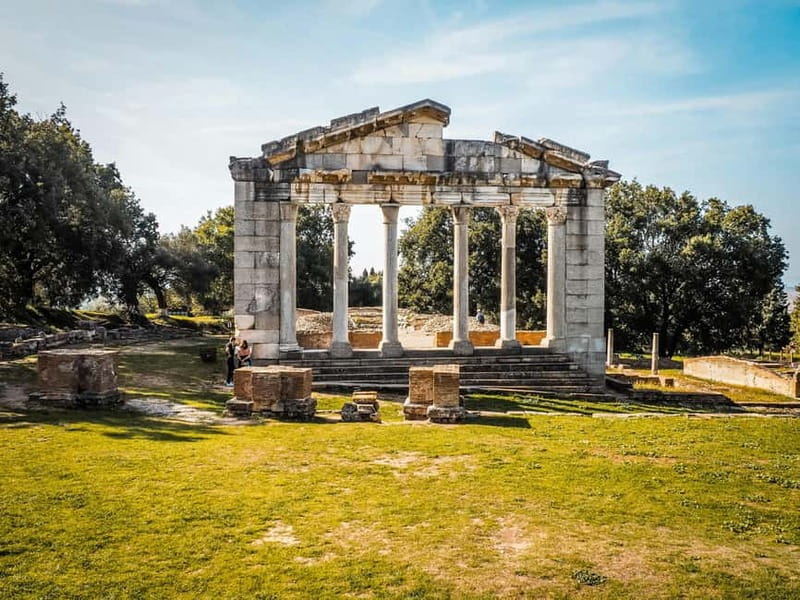
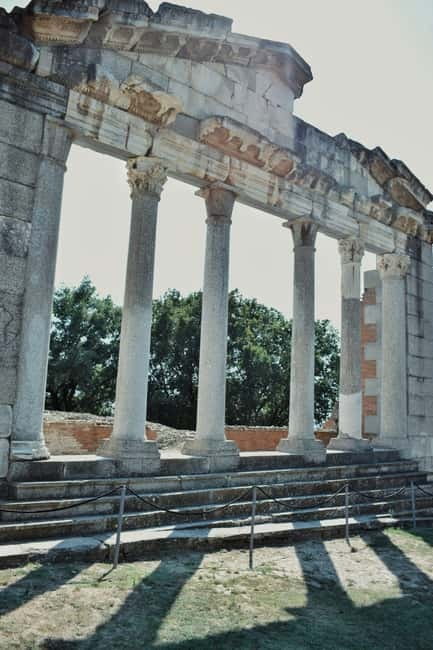
The Monument of the Agonothetes is one of the key structures. It was linked to city officials and public ceremonies, giving you a clearer idea of Apollonia as a functioning civic center rather than a pile of disconnected stones.
The Odeon is smaller than the famous theaters found in other ancient cities, but that is part of its interest. It hosted music performances and public debates. I like sites such as this because they make ancient life easier to picture. A city was not only temples and grand monuments. It also needed rooms and venues for conversation, performance, and public business.
The Library ruins point to Apollonia’s role as a center of learning. The remains may not look dramatic at first glance, so the guide adds real value here. Good explanation helps you understand what the fragments represented and how they fit into the wider city.
Give yourself time to look beyond the most obvious stones. The archaeological park lets you walk through the wider setting, take photos, and see how the ruins sit in the open countryside. The atmosphere is spacious and quiet, with more room to pause than you often get at heavily visited ancient sites.
The Saint Mary Monastery museum
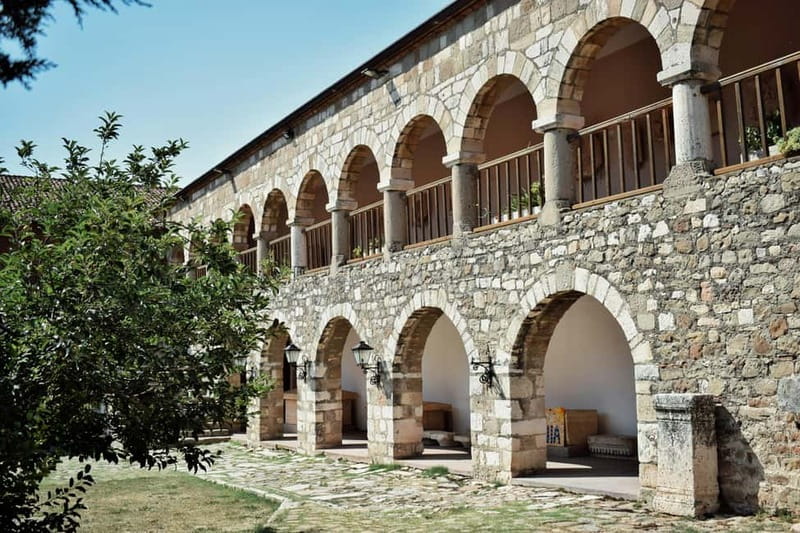
The Archaeological Museum is housed inside the Monastery of Saint Mary. This pairing is one of Apollonia’s most appealing details. Instead of visiting a separate modern museum after the ruins, you step into a historic religious building that now presents artifacts from the site.
The museum displays local finds and helps put the outdoor remains into context. You can look at the objects, then return to the ruins with a better sense of what daily life and public activity may have looked like.
The tour includes the entrance fee to Apollonia, which keeps the day simple. You do not need to budget separately for admission there. The monastery setting also gives you a change of pace after walking outside in the sun.
The two-hour visit is active but not extreme. You will be on your feet and walking over historic ground, so anyone with mobility concerns should ask the provider for a clear assessment before booking. The information supplied for the tour gives conflicting guidance: one section says wheelchair accessible, while another says it is not suitable for wheelchair users or people with mobility impairments.
Same country, a different morning at the gates:
- From Bangkok: Ayutthaya Temples Guided Tour with Lunch
★ 4.7 · 10,535 reviews - Siem Reap: Angkor Wat: Small-Group Sunrise or Sunset Tour
★ 5.0 · 9,444 reviews - Athens: Cape Sounion & Poseidon Temple Sunset Half-Day Trip
★ 4.8 · 8,241 reviews - Ubud: Monkey Forest, Jungle Swing, Rice Terrace, and Water Temple
★ 5.0 · 7,160 reviews
The road to Narta Lagoon
The route from Apollonia to Zvernec takes about an hour, with a scheduled lagoon stop lasting around 105 minutes. This part of the day is less about formal sightseeing and more about views, photos, and a change in pace.
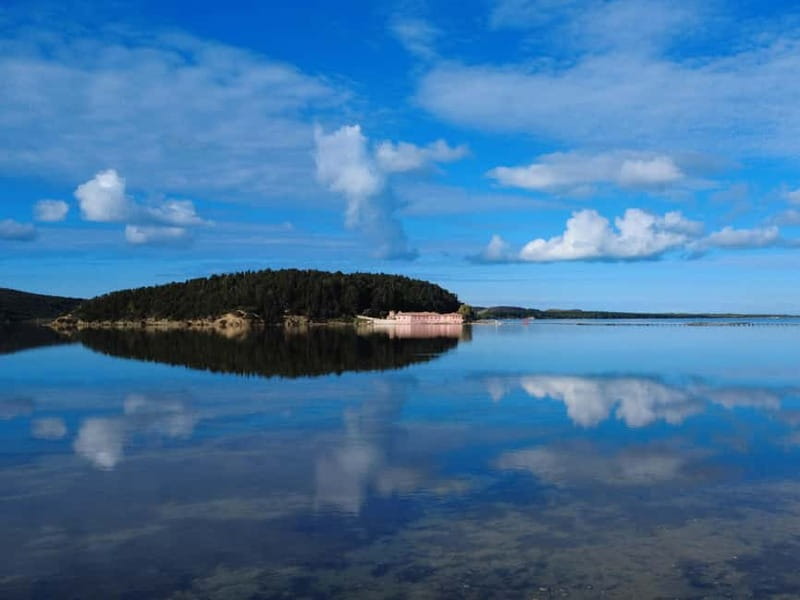
Narta Lagoon is known here for its calm water and surrounding pine forests. You get time to stop, look around, and take pictures rather than simply passing the lagoon from a vehicle window.
The scenery is especially welcome after the stone ruins at Apollonia. I like the balance. If every stop were archaeological, the day could feel heavy with dates and names. If every stop were scenic, you might leave without much understanding of the region. The lagoon gives you a quiet interlude before the final historic visit.
Do not expect a packed schedule of activities at the lagoon. The appeal is the setting itself. Bring your camera, but also give yourself a few minutes without taking pictures. The pine trees, water, and open air are the point.
Crossing the bridge to Zvernec Monastery
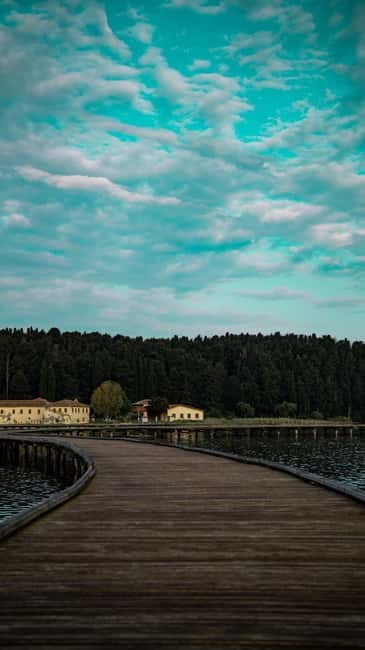
The final major stop is Saint Mary Monastery on Zvernec Island. You reach it by crossing a wooden bridge that stretches about 270 meters from the mainland.
The bridge is one of the most memorable parts of the day. It gives you broad views over the lagoon and makes the monastery feel separate from the mainland. The walk is not just a transfer. It creates a gradual arrival, with water and pine trees around you as the church comes closer.
The monastery dates from the 13th or 14th century and is a well-preserved example of Byzantine architecture. Its church is dedicated to Saint Mary and contains old frescoes and religious icons.
The scheduled visit and free time at Zvernec last about 45 minutes. That is enough to see the church and enjoy the island, but it is not a long, unstructured stay. Listen closely to the guide’s explanation, then use the remaining time for quiet observation and photographs.
The island has a peaceful feel, especially after the road journey and the open ruins at Apollonia. Tall pines surround the church, while the lagoon provides a soft natural backdrop. The visit is spiritual in tone, but you do not need to be religious to appreciate the architecture, setting, and age of the building.
What the $51 price really covers
At $51 per person, this tour offers good value if you are staying in Tirana or Durrës and want to reach both sites without arranging separate transport.
The price includes:
- Round-trip transportation
- Pickup and drop-off in the listed service areas
- A professional local guide
- Admission to Apollonia
- English or Italian guiding
Lunch is not included. That is worth noting because this is a full-day outing with substantial road time. You should ask about the lunch plan before departure or bring water and a suitable snack. The supplied details only identify traditional lunch as an extra, so do not assume a meal is covered.
The value is strongest for solo visitors, couples, and small groups who would otherwise need to organize a car, fuel, parking, entrance fees, and directions. If you already have a rental car and prefer to spend a whole day at one archaeological site, the price may feel less compelling. For most people without a car, the convenience is a major part of what you are paying for.
The tour also offers free cancellation up to 24 hours before departure and a reserve-now, pay-later option. Those terms make it easier to fit the day into a changing Albania itinerary.
The guide can shape the whole day
The best part of a guided archaeological visit is often the explanation between the ruins. Apollonia has enough scattered remains that a clear guide can help you see a city rather than isolated walls.
Toni has been singled out for being friendly, enthusiastic, and strong on historical detail. He also made a point of answering questions and keeping the day pleasant during very hot weather. If Toni is assigned to your departure, his style should suit you if you like an involved guide rather than a silent driver.
The tour is available in English and Italian. A good guide is especially useful at the Odeon, the Library ruins, and the museum, where the meaning of the remains may not be obvious from a quick look.
The tone seems personal rather than rushed. You still have a fixed schedule, but the guide can help connect the ancient city, the Byzantine monastery, and the natural setting around the lagoon.
Practical advice for a comfortable day
Wear shoes with a secure sole. You will walk through Apollonia, cross the wooden bridge, and move around the monastery grounds. Sandals may be fine for some people, but comfortable walking shoes are the safer choice.
Bring:
- Water
- Sunscreen
- A hat
- A camera
- Comfortable shoes
Smoking is not allowed during the activity.
Summer heat deserves serious attention. One departure took place in 40 degree weather, so schedule your water and sun protection rather than waiting until you feel tired. The air-conditioned vehicle helps, but much of the sightseeing happens outdoors.
The tour is not suited to anyone who cannot comfortably manage archaeological paths, bridge walking, and standing during guided visits. Because the accessibility information is inconsistent, contact Balkan Emotion before paying if you use a wheelchair or have limited mobility. Ask specifically about Apollonia’s surfaces, the bridge, and access inside the church.
Who should book this day tour
I would recommend this tour to you if you want a broad introduction to the Fier County area without renting a car. It suits people who enjoy ancient sites but also want a scenic stop and a quiet religious monument.
It is particularly useful for:
- First-time visitors based in Tirana or Durrës
- Couples and small groups seeking an easy day outside the city
- History fans who want a guided archaeological visit
- Photographers interested in ruins, pine forests, water, and old architecture
- Visitors who prefer arranged transport over navigating Albanian roads
You may want a different plan if you dislike long drives, need a slow pace, or want a full day at one site. Apollonia receives the longest visit, but the day still includes roughly 110 minutes of driving to reach it, another road section toward Narta, and the return journey.
Should you book Apollonia, Narta Lagoon, and Zvernec?
Book it if you want three different experiences in one day: ancient civic ruins, lagoon scenery, and a Byzantine church on an island. The combination is the real strength, and $51 is a fair price for transport, a guide, and Apollonia admission.
I would be most likely to book this tour from Tirana or Durrës when I did not have a car. I would also try to confirm whether Toni is guiding the departure, since his friendly style and clear historical explanations have been a notable part of the experience.
Skip it if you need a fully accessible outing, dislike several hours on the road, or want lunch included in the price. For everyone else, pack water, protect yourself from the sun, and allow the day to unfold at its own steady pace.
FAQ
How much does the tour cost?
The tour costs $51 per person.
How long does the tour last?
It is a full-day activity. The listed schedule includes about 110 minutes to Apollonia, two hours at the archaeological park, around 105 minutes at Narta Lagoon, and 45 minutes at Zvernec Monastery, plus the return journey.
Where can I be picked up?
Pickup is available in Lalëz, Tirana, Qerret, Golem, and Durrës.
Where can I be dropped off?
Drop-off is available in Lalëz, Tirana, Qerret, Golem, and Durrës.
Is transportation included?
Yes. Good, comfortable round-trip transportation and pickup and drop-off are included.
Is the Apollonia entrance fee included?
Yes. Admission to Apollonia is included in the tour price.
Is lunch included?
No. Traditional lunch is not included.
What languages does the guide speak?
Guiding is available in English and Italian.
Just added around the world
- Wat Doi Suthep Temple and White Meo Hilltribe Village Half-Day Tour from Chiang Mai★ 4.0 · 27 reviews
- Visit Chiang Rai Temples and Lalitta Cafe from Chiang Mai★ 4.5 · 23 reviews
- Chiang Mai – Doi Suthep Temple and Street Food Tour★ 5.0 · 17 reviews
- Private tour] Perfect day! Sticky waterfall + ChiangDao Cave + Wat BandenTemple★ 4.5 · 6 reviews
- Private tour Chiang Dao cave ,Temples,Sticky waterfall★ 5.0 · 14 reviews
- Private Tour to Doi Inthanon including Twins Pagodas and Hiking★ 5.0 · 22 reviews
- Best Places in Chiang Rai White, Blue, Big Buddha, Tea Plantation★ 4.0 · 70 reviews
- Private Tour: Chiang Mai City and Temples★ 4.0 · 36 reviews
Tours, compared.
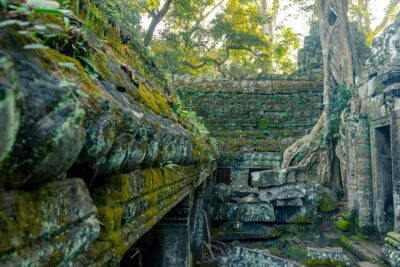
Angkor Wat Sunrise or Sunset Tour with Guide from Siem Reap
Read our review →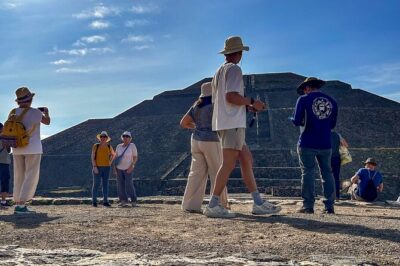
Teotihuacan, Guadalupe Shrine & Tlatelolco Day Tour with Lunch
Read our review →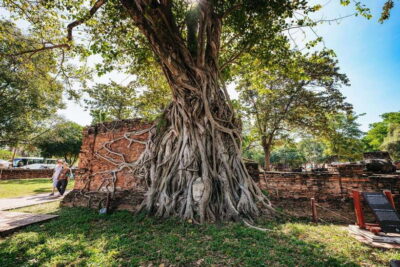
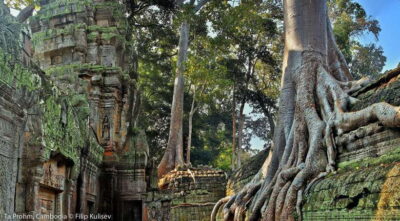
Angkor Wat: Small-Group Sunrise or Sunset Tour
Read our review →
Waterfalls, Water Temple & Rice Terraces Private Tour
Read our review →
Montserrat Monastery Small Group or Private Tour Hotel pick-up
Read our review →