
REVIEW · CHIANG MAI TEMPLE TOURS
Best Places in Chiang Rai White, Blue, Big Buddha, Tea Plantation
Chiang Rai’s famous temples are wonderfully strange, brilliantly colorful, and very different from Chiang Mai’s older religious sites. This 11-hour day trip links the White Temple, Blue Temple, Big Buddha complex, and Singha Park without asking you to arrange buses or rent a car.
I like the small maximum group of 12, which makes hotel pickup and meeting times easier to manage. I also like the included lunch, air-conditioned vehicle, English-speaking guide, entrance fees, and insurance. The catch is simple: Chiang Rai is roughly a three-hour drive from Chiang Mai, so you spend a large part of the day on the road.
Key points to know before booking
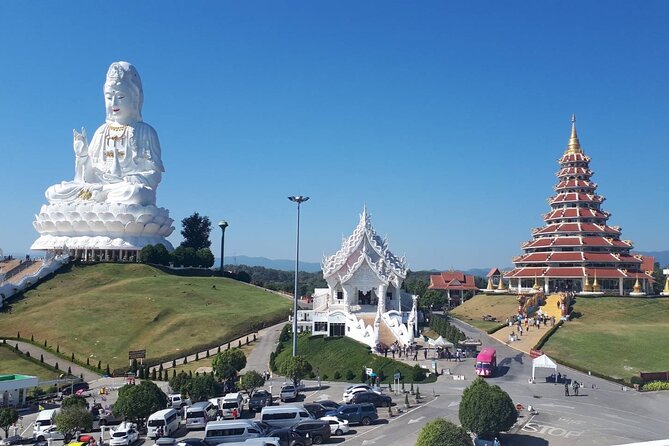
- Four major stops in one long day: See Wat Rong Khun, Wat Rong Suea Ten, Wat Huay Pla Kang, and Singha Park.
- White Temple is the headline attraction: Its white plaster, glass details, and unusual artwork make it unlike a traditional Thai temple.
- Small group, shared minivan: The maximum is 12 people, but comfort depends on the vehicle and your fellow passengers.
- Hotel pickup starts around 7:15 a.m.: Pickup can take time if several hotels are included.
- Lunch and entry fees are included: Extra spending may apply at optional stops such as Long Neck Village, cafés, snacks, or souvenirs.
- Expect a full road day: Return times have ranged from about 7:30 to 8:30 p.m., depending on traffic and hotel drop-offs.
Is Chiang Rai worth the three-hour drive?
This tour is built around a trade-off. You get Chiang Rai’s best-known modern temples in one day, but you do not get much time for wandering, quiet observation, or spontaneous exploration.
I think the trip makes sense if you have limited time in northern Thailand. You can sit back, watch the countryside pass, and let someone else handle the long drive. The alternative is arranging transport yourself, which can be more complicated and costly for one or two people.
The drive is also the reason some people find the day exhausting. A typical schedule includes about three hours each way, with comfort breaks and short stops along the route. Add hotel pickups at the start and drop-offs at the end, and this is not a relaxed temple stroll. It is a sightseeing sprint with temples attached.
The small group helps. A van carrying up to 12 people is more manageable than a large coach, and guides have generally been praised for being friendly and helpful. Guides named in past trips include Rainy and Cookie, though you should not assume either will lead your departure.
A few more temple visits around Chiang Mai worth a look
- Chiang Mai: Chiang Rai Temples, Karen Tribe and Hot Springs
★ 4.7 · 5,401 reviews - Chiang Rai White Temple and Blue Temple Day Tour
★ 4.6 · 3,366 reviews - Chiang Mai: White, Red/Black & Blue Temples Tour with Lunch
★ 4.2 · 2,017 reviews
White Temple: the strange and spectacular first stop
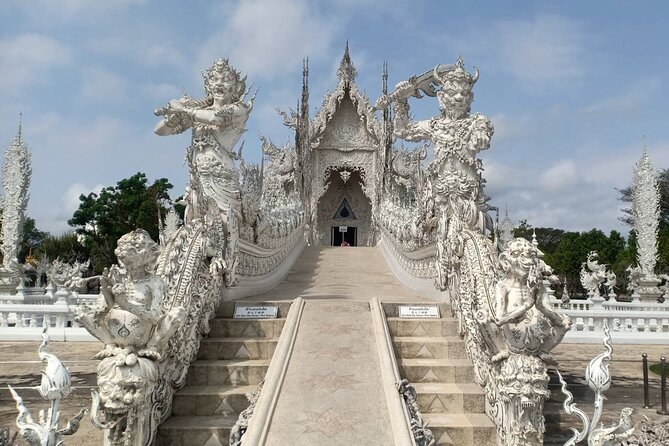
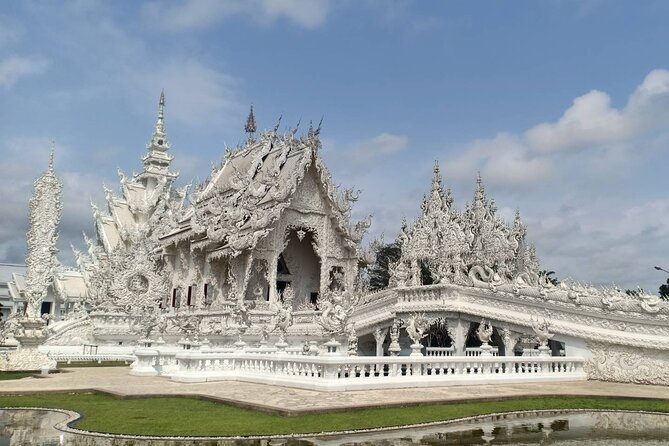
Wat Rong Khun, usually called the White Temple, is the reason many people book this trip. It was designed and built by a local artist, and its bright white finish gives the complex a look that is closer to contemporary fantasy art than a conventional Buddhist temple.
The whiteness is not plain or simple. The buildings use elaborate shapes, reflective glass, and symbolic details. Some artwork is beautiful, some is unsettling, and some is deliberately odd. That mix is part of the appeal.
You are usually given around 40 minutes here, though actual timing can vary. Some schedules allow closer to an hour. That is enough to see the main structures, take photographs, and enter the temple if permitted, but it is not enough for a slow inspection of every detail.
Wear clothing that covers your shoulders and knees. You will need shoes that slip off easily because shoes must be removed before entering the White Temple. The ground can be hot, so bring water and consider carrying your shoes rather than leaving them somewhere you might forget them.
The White Temple is highly popular, and the main photo spots can feel crowded. I suggest looking beyond the first white façade. Smaller buildings and side areas may offer calmer views and different photographs, especially if your group has a little free time.
One important expectation: this is a modern artistic project, not an ancient temple complex. If you want centuries-old architecture and a quiet religious setting, the White Temple may feel too theatrical. If you enjoy bold design and unusual symbolism, it is the strongest stop on the tour.
Blue Temple: saturated color and bold interior art
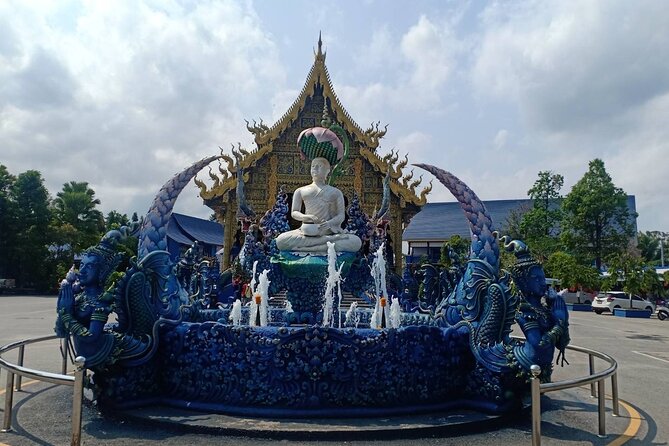
Wat Rong Suea Ten, known as the Blue Temple, provides a sharp visual change after the White Temple. The walls, roof, columns, and interior decoration use intense shades of blue, with gold details and large Buddhist images.
The main hall is usually the focus of a short visit. Take time to look up at the ceiling and study the painted surfaces rather than only photographing the central Buddha image. The color scheme makes this temple easy to remember, even if you have seen many Thai temples already.
The listed stop is about 40 minutes, while some schedules have allowed closer to 30 minutes. That is enough for the main hall and exterior but may feel brief if you want to sit quietly or walk around the wider grounds.
As with the White Temple, this is a newer temple with a strong artistic identity. It is not an ancient monument. I see that as useful context rather than a flaw, but it matters if you are choosing between modern temple art and older Lanna religious buildings.
Wat Huay Pla Kang and the giant Buddha
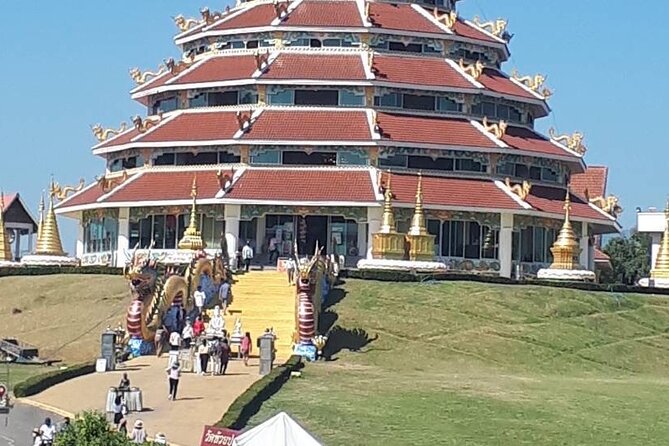
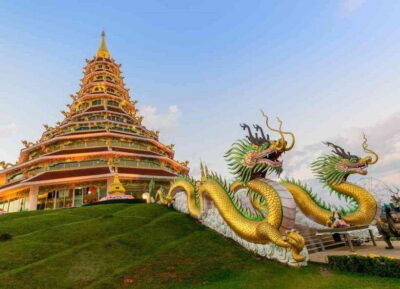
Wat Huay Pla Kang is often the surprise of the day. The complex includes a nine-floor pagoda, 12 surrounding structures, and a giant white Buddha overlooking the site. It is also sometimes described as the Red Temple because of the color and style of parts of the complex.
The giant Buddha is the visual anchor, but do not rush past the pagoda. The layered design and surrounding structures give this stop a larger sense of scale than the short visit suggests. Some schedules allow about 40 minutes, while past departures have spent 45 minutes to an hour here.
Many people enjoy this stop because it feels less tightly packed than the White Temple. That can change with the day and season, but the complex generally gives you more room to look around.
The downside is that 40 minutes goes quickly. If you want to inspect every building or spend time inside the Buddha structure, you may need more time than the itinerary permits. Listen carefully when the guide gives the meeting point and departure time. Clear instructions make a big difference when a group is spread across a large site.
Same country, a different morning at the gates:
- Chiang Mai: Doi Suthep and Wat Umong Enchanting Evening Tour
★ 4.6 · 1,811 reviews - Chiang Mai: 3 Hour Old City and Temples Guided Walking Tour
★ 4.6 · 1,568 reviews - Chiang Mai: Doi Suthep, Wat Umong, and Pha Lat Sunrise Tour
★ 4.7 · 1,425 reviews - Chiang Rai Temples: Private Tour from Chiang Mai
★ 5.0 · 1,267 reviews
Singha Park and the tea plantation
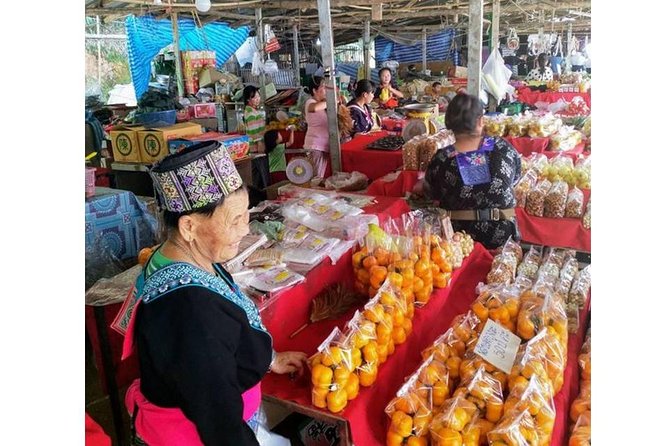
Singha Park is one of northern Thailand’s large tea-growing areas. The stop gives you a change from temple interiors, with open views, tea fields, and a chance to buy or drink tea.
Do not expect a long agricultural tour. The schedule lists about 40 minutes, but past visits have sometimes been closer to 20 minutes, mainly for photographs and a drink. You may have time to look around, but you should not count on a detailed explanation of tea production or a long walk through the plantation.
That short break still has value. After several temples and hours in a van, fresh air and a different setting can reset your attention. I would treat Singha Park as a scenic pause, not the main reason to choose the tour.
The park is connected with the company behind Singha beer, a familiar name in Thailand. The main appeal here is the scale of the grounds and the tea-growing setting rather than a deep agricultural lesson.
The stops between the headline attractions
The advertised core route includes the four main places above, but the day can include additional stops. A hot spring area is sometimes used as an early comfort break, with toilets, snacks, coffee, souvenirs, and the option to see eggs being boiled in the hot water.
This is not an American-style bathing experience. You should not expect to sit in a large natural pool. Think of it as a roadside stop with hot water and facilities.
Some groups have also been offered a café stop, including Lalitta Café. The gardens and drinks can be pleasant, but anything you buy there is extra. A silver jewelry shop or similar commercial stop may also appear, depending on the day and the group.
The biggest point to clarify is Long Neck Village. It is not included in the listed tour, and admission is extra if you choose to go. Yet some departures have been offered, or taken, to the village even when people did not want the stop. If this matters to you, ask the operator before departure and tell the guide clearly that you do not want an optional visit.
I would also ask how much time is allocated to each stop. The official schedule gives approximate durations, but traffic, pickup delays, optional stops, and group decisions can change the rhythm. A quick question at the beginning can prevent confusion later.
Lunch, transport, and comfort
Lunch is included, along with admission fees, an air-conditioned vehicle, an English-speaking guide, and insurance. The food has been well received on some departures, but one practical issue is worth noting: a hot meal on a hot day may not feel refreshing, especially if the van’s air-conditioning is struggling.
Vehicle comfort has been mixed. Some departures used a comfortable van with smooth driving. Others found the seats narrow or the vehicle older than expected. You cannot choose a particular van from the information provided, so keep your expectations realistic.
The vehicle should be air-conditioned, but northern Thailand can be very hot. Bring a refillable bottle or extra water, sunscreen, and a light layer for the van. Several scheduled comfort stops help, and guides have sometimes stopped when someone needed a bathroom break, but you are still spending many hours seated.
Pickup begins around 7:15 a.m. Hotel collection may take time, especially if you are not among the first pickups. One past departure reportedly took nearly an hour to gather everyone. Delays can also occur during festivals, road construction, or heavy traffic in Chiang Mai.
Drop-off is usually included, but exact arrival at your hotel can depend on traffic and road access. If a road is closed or the vehicle cannot reach your entrance, you may be left with a short walk or another local transfer. Ask the guide at the start if your hotel lies in a restricted pickup zone.
How much value do you get for $54.59?
The listed price is $54.59 per group of up to one person, so check the final booking screen carefully before paying. Pricing language can be confusing when a product displays a group rate rather than a per-person rate.
At that price, the value is strong if the stated inclusions apply to your booking. You receive transport from Chiang Mai, a full-day route to Chiang Rai, lunch, entrance fees, a guide, and insurance. Hiring a private vehicle for the same distance would normally require more planning and could cost much more for a solo visitor.
The value is less clear if you dislike fixed schedules. You are paying for convenience and coverage, not independence. Each temple visit is short, and optional stops can reduce time at the places you actually came to see.
For two or more people, verify how the group price works. The supplied details specifically state up to one person, while the vehicle itself may carry up to 12 people. That wording deserves confirmation before booking so you know the total cost.
Guide quality and the amount of explanation
The best guides on this route do three jobs: explain the places, state the meeting point, and keep the day moving. Past guides such as Rainy and Cookie have been praised for being warm, attentive, and willing to help with practical matters.
English ability can vary. Some departures have included clear explanations about the temples and local customs. Others received very little background and had to research the sites independently. If temple history matters to you, ask questions during the drive and at each stop.
Do not assume that a friendly guide will automatically provide a full lecture. Some guides give a short introduction, then let you explore on your own. That suits people who prefer photographs and free time, but it may disappoint you if you want detailed architectural or religious context.
A small notebook or a few saved notes about the temples can improve the day. You will recognize more of the symbolism at the White Temple and understand the contrast between modern artistic temples and older Thai religious sites.
What to wear and what to pack
Dress respectfully for all temple visits. Avoid revealing clothing, and bring footwear that is easy to remove. You may need to take off your shoes before entering the White Temple and possibly other religious buildings.
Pack:
- Water and small snacks
- Sunscreen and a hat
- A light layer for the air-conditioned van
- Comfortable shoes
- Cash for drinks, souvenirs, or optional admission
- A phone battery pack if you plan to take many photographs
You should have a moderate level of physical fitness. The tour is not described as strenuous, but you will repeatedly get in and out of a van, walk around temple grounds, stand in the heat, and manage a long day.
Who should book this Chiang Rai day trip?
I would choose this trip if you have only a few days in Chiang Mai and want to see Chiang Rai’s famous modern temples without working out transport. It also suits solo visitors who prefer not to drive or negotiate long-distance buses.
It works well for people who enjoy photography, bold architecture, and a packed sightseeing schedule. The White Temple and Blue Temple are visually powerful, while Wat Huay Pla Kang gives you a different kind of scale and a quieter pause.
I would hesitate if you dislike long drives, crowded attractions, fixed departure times, or optional commercial stops. If you have more time, staying in Chiang Rai for a couple of nights would let you visit the same sites at a slower pace and add older temples and local areas.
The 24-hour cancellation policy gives you some flexibility. Cancel at least 24 hours before the start time for a full refund. Changes made within 24 hours are not accepted, and poor weather may lead to a new date or a full refund.
Should you book it?
Book this tour if your priority is efficient coverage. You will see four major Chiang Rai sights, receive hotel pickup, eat lunch, and avoid the work of arranging a long round trip.
Skip it if your priority is slow exploration. The road time is substantial, the temple visits can feel rushed, and the optional stops are not always a good use of your limited hours.
My practical verdict: this is a useful first look at Chiang Rai, not a leisurely cultural day. Bring water, accept the long ride, confirm the optional-stop policy, and ask for clear meeting times. If you can make peace with that, the White Temple alone may justify the journey.
FAQ
What time does the tour start?
The listed start time is 7:15 a.m. Hotel pickup may take additional time if the van collects several people.
How long is the tour?
The tour lasts approximately 11 hours. Actual return times can vary, with past schedules arriving back in Chiang Mai around 7:30 to 8:30 p.m.
How many people can join the tour?
The maximum group size is 12 people.
Which temples are included?
The route includes Wat Rong Khun, or the White Temple, Wat Rong Suea Ten, or the Blue Temple, and Wat Huay Pla Kang with its giant Buddha and pagoda complex.
Is the tea plantation included?
Yes. The itinerary includes Singha Park and its tea plantation area.
Is lunch included?
Yes. Lunch is included in the tour price.
Are entrance fees included?
Yes. The listed inclusions cover all fees and taxes, including the stated attraction admissions.
Is Long Neck Village included?
No. Long Neck Village is listed as an optional visit, and an extra ticket may be required. Ask before departure if you do not want this stop.
What happens if the weather is poor?
If the experience is canceled because of poor weather, you will be offered another date or a full refund. For a normal cancellation, you must cancel at least 24 hours before the start time to receive a full refund.
Just added around Chiang Mai
- Doi Suthep and Hmong Hilltribe Half Day Tour in Chiang Mai★ 3.5 · 8 reviews
- Wat Doi Suthep Temple and White Meo Hilltribe Village Half-Day Tour from Chiang Mai★ 4.0 · 27 reviews
- Visit Chiang Rai Temples and Lalitta Cafe from Chiang Mai★ 4.5 · 23 reviews
- Chiang Mai – Doi Suthep Temple and Street Food Tour★ 5.0 · 17 reviews
- Private tour] Perfect day! Sticky waterfall + ChiangDao Cave + Wat BandenTemple★ 4.5 · 6 reviews
- Private tour Chiang Dao cave ,Temples,Sticky waterfall★ 5.0 · 14 reviews
- Private Tour to Doi Inthanon including Twins Pagodas and Hiking★ 5.0 · 22 reviews
- Private Tour: Chiang Mai City and Temples★ 4.0 · 36 reviews
Chiang Mai Temple Tours, compared.
Chiang Rai Temples, Karen Tribe and Hot Springs
Read our review →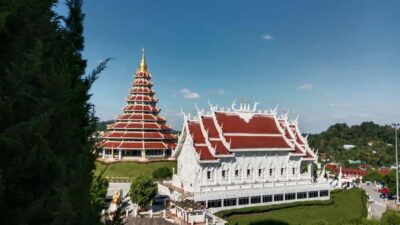
Chiang Rai White Temple and Blue Temple Day Tour
Read our review →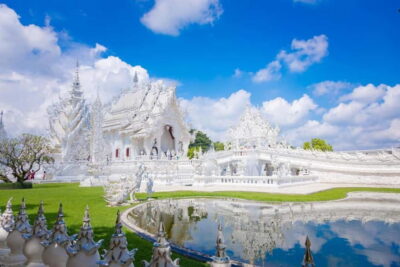
White, Red/Black & Blue Temples Tour with Lunch
Read our review →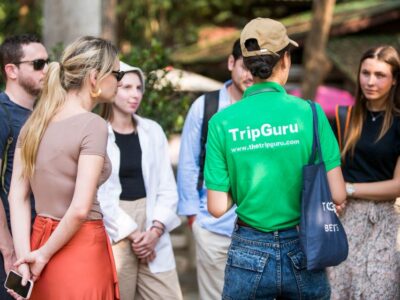
Doi Suthep and Wat Umong Enchanting Evening Tour
Read our review →
3 Hour Old City and Temples Guided Walking Tour
Read our review →
Doi Suthep, Wat Umong, and Pha Lat Sunrise Tour
Read our review →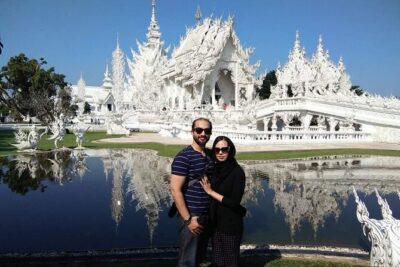
Chiang Rai Temples: Private Tour from Chiang Mai
Read our review →
Browse the lists this tour appears in