
REVIEW · ANGKOR WAT TOURS
2-Day Angkor Wat With Small, Big Circuit and Banteay Srei Tour
Angkor is too large for a quick pass through the famous sights. This two-day private tour gives you time for the Small Circuit, Big Circuit, sunrise, a possible sunset, and the distant pink sandstone temple of Banteay Srei without trying to cram everything into one hot afternoon.
I like the dedicated guide-and-driver setup, especially when guides such as Jimmy, Chay, Vanna, or Thean adjust the pace and explain carvings, religion, and Khmer history in clear English. I also like the simple comforts: a cool car, cold water, and scented wet towels waiting after long walks.
The drawback is the workload. You may visit roughly 18 temples, rise at 5:00 a.m. for sunrise, climb stairs, and walk over uneven ground in intense heat. The $158.50 price also excludes the Angkor pass, listed at $62, and meals.
Key points to know before booking
- Two full days cover far more than Angkor Wat: You visit the Small Circuit, Big Circuit, Banteay Srei, Banteay Samre, and several quieter ruins.
- A private guide makes the temples easier to understand: Guides including Jimmy, Chay, Thean, and Vanna explain sculpture, architecture, and religious stories while taking photos and helping with steps.
- Sunrise is included, but weather is not: The 5:00 a.m. start gives you a chance at Angkor Wat sunrise, though clouds can block the view.
- The vehicle matters in Cambodia’s heat: Your air-conditioned car and driver provide cold water, wet towels, and a cool break between temple walks.
- The $158.50 rate is not the complete cost: Add the $62 temple pass and pay separately for lunch, listed at about $5 per person.
- This suits active sightseers best: Expect stairs, long walks, early mornings, and a large number of temples over two days.
Why two days works better than one
Angkor is not a single monument. It is a huge archaeological area spread around Siem Reap, with temples built across several centuries and for both Hindu and Buddhist worship. A one-day visit can show you Angkor Wat and a few headline sites, but it often leaves little time to notice the details.
This tour splits the visit into two long days. Day one concentrates on Angkor Wat, Ta Prohm, Ta Nei, and Angkor Thom, with Phnom Bakheng available for sunset. Day two begins before dawn, then moves through the Big Circuit before heading farther out to Banteay Srei and Banteay Samre.
That structure has real value. You spend less time racing between temples and more time listening, taking photos, and walking at a reasonable pace. It also gives your guide room to adjust the day. Chay, Jimmy, Thean, and several other guides are specifically praised for changing the order or shortening a walk when energy, weather, or interest called for it.
The experience is private, so only your group takes part. That is useful for couples, families, or friends who want to pause at a carving, ask questions, or skip a stop without waiting for a busload of people.
More Angkor Wat Tours in Siem Reap:
- Angkor Wat Sunrise or Sunset Tour with Guide from Siem Reap
★ 5.0 · 12,109 reviews - Siem Reap: Angkor Wat: Small-Group Sunrise or Sunset Tour
★ 5.0 · 9,444 reviews - Siem Reap: Angkor Wat 2-Day Tour with Sunrise and Sunset
★ 4.9 · 4,429 reviews
Day one: Angkor Wat, Ta Prohm, and the heart of Angkor Thom
Pickup begins at about 8:00 a.m. from your hotel or guest house. The guide takes you to buy the temple pass before entering the archaeological area. Angkor admission is not included, so allow for the additional $62 per person listed for the pass.
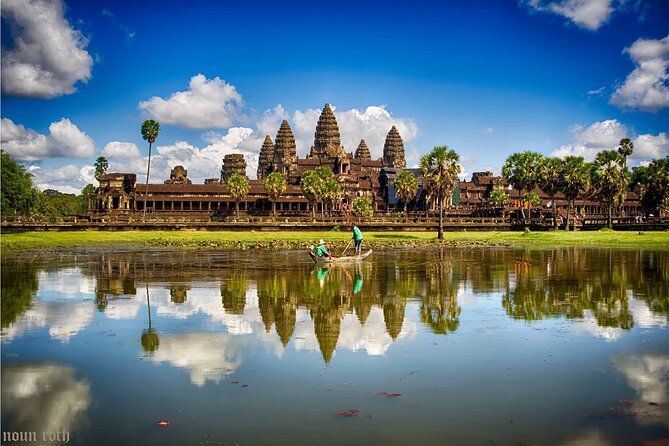
The first major stop is Angkor Wat, usually for about two hours. Even if you return for sunrise on day two, this first visit gives you time to study the enormous galleries, towers, causeways, and bas-reliefs. Your guide can explain the temple’s Hindu origins, its later Buddhist use, and the scenes carved into the walls.
Angkor Wat rewards patience. From a distance, its five towers are the familiar image of Cambodia. Inside, the scale changes constantly, from broad courtyards to shadowed galleries and steep stairways. You will get more from the place if you listen to the explanation, then take a few quiet minutes to look on your own.
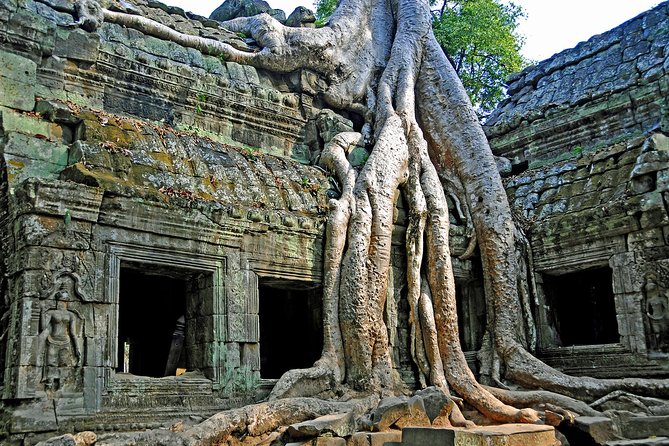
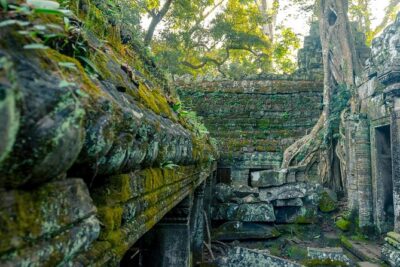
Next comes Ta Prohm, the temple made famous by its giant tree roots and appearance in Tomb Raider. The roots are the obvious draw, but the temple is also a useful reminder that Angkor is not only about grand, polished monuments. Broken galleries, carved doorways, and vegetation pressing into the stone create a more rugged setting.
Ta Prohm can be busy, and its narrow paths sometimes slow the pace. Your guide may help you find better angles for photos and explain which details are worth stopping for. The scheduled visit lasts around two hours, so you have time to see more than the best-known root-covered doorway.
Ta Nei is a smaller and quieter stop, with less restoration and large trees around the remains. I like its place in the itinerary because it changes the rhythm after Angkor Wat and Ta Prohm. You get a sense of the many lesser-known structures spread through the forest, not just the monuments that appear on every postcard.
Angkor Thom’s faces, terraces, and royal remains
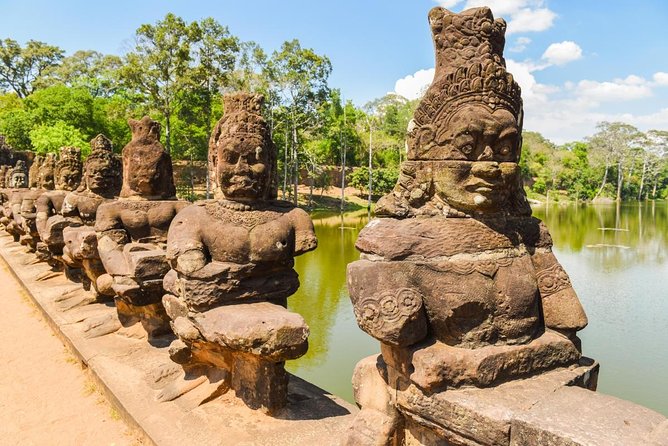
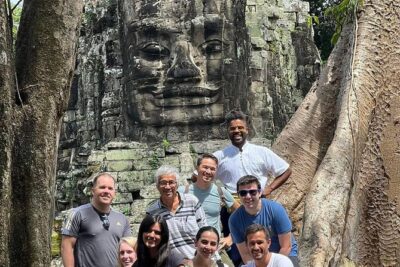
The tour then enters Angkor Thom through the Victory Gate on the east side. This is a short photo stop, but it helps you understand that you are entering a former royal city rather than simply visiting another isolated temple.
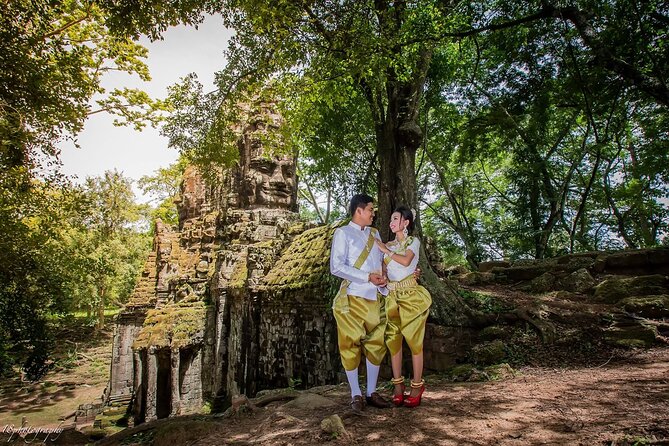
Bayon is at the center of Angkor Thom. Its towers carry the famous serene faces associated with the bodhisattva Avalokiteshvara. The tour description counts 49 towers and 196 faces, though the number of visible faces can vary depending on how the remains are counted. Either way, the close-packed towers make Bayon feel different from the open symmetry of Angkor Wat.
A good guide is especially useful here. At Bayon, the carvings are not always easy to read at a glance. Explanations about royal processions, battles, daily life, and religious imagery help turn a maze of stone into a story about the Khmer court.
Baphuon follows. Built before Angkor Wat in the 11th century, it was a Hindu temple and later became associated with a large reclining Buddha added centuries afterward. The approach and stairways can be demanding, so wear shoes with a firm grip and take your time.
Phimeanakas sits within the former royal enclosure. It is a pyramid temple from the 10th century, and the surrounding royal walls help place it in the setting of the old palace area. The stop is shorter than Angkor Wat or Ta Prohm, but it adds useful context about how Angkor Thom functioned as a city.
The Terrace of the Elephants and the Terrace of the Leper King are both brief visits. The Elephant Terrace was used by kings to watch returning armies and public events, while the nearby Leper King terrace has carved figures and layered walls. These stops are less about entering a temple and more about reading the ceremonial center of Angkor Thom.
Phnom Bakheng sunset: attractive, but not guaranteed
The first day can finish at Phnom Bakheng, a hilltop temple with broad sunset views. The schedule allows about two hours, but the sunset option is flexible. You may skip it if you are tired, and access can be limited when visitor numbers reach the permitted level.
That qualification matters. Phnom Bakheng is a popular sunset location, and the wait can be long. Clouds may also block the colors you hope to see. Several people on this tour had cloudy sunrise or sunset conditions, so treat the view as a bonus rather than a promise.
If you do stay, bring patience and water. After a full day of temple paths, stairs, and heat, the climb and waiting period can feel like a second excursion. The guide can help you decide if the timing and energy make sense.
More Two-Day Trips in Siem Reap:
- Angkor 2-Day Sunset & Sunrise Small-Group Tour
★ 5.0 · 2,567 reviews - 2 Days Exclusive Temple Highlights with Sunset and Sunrise Tour
★ 5.0 · 1,157 reviews - Siem Reap: Angkor Sunrise 1- or 2-Day Guided Temples Tour
★ 4.9 · 1,132 reviews - 2 Days Guided Historical Tour in Angkor
★ 5.0 · 855 reviews
Day two starts before dawn at Angkor Wat
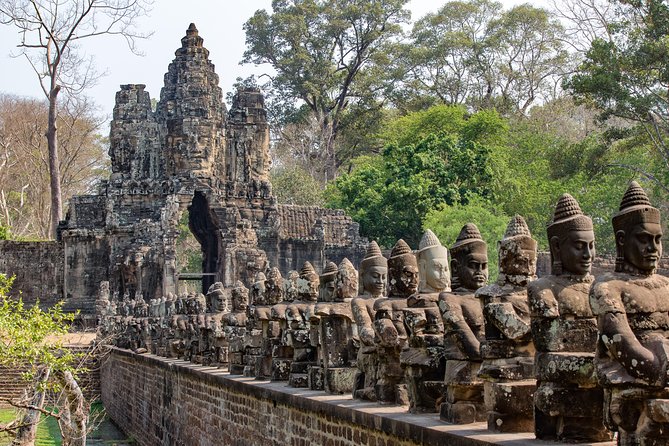
Pickup begins around 5:00 a.m. for sunrise. You return to Angkor Wat for about an hour and 45 minutes, giving you time to see the temple silhouette and reflecting pools as daylight grows.
Sunrise at Angkor Wat is one of the tour’s main attractions, but it depends entirely on weather. A cloudy morning may produce no dramatic colors. Even then, the early light changes the way the towers and galleries look, and returning at a different hour gives you a second view of a place that is too large to absorb in one visit.
After sunrise, you return for breakfast before setting out again. Breakfast is not listed as included, so plan to arrange and pay for your own food. Starting at 5:00 a.m. also means you should prepare for a long day, not a relaxed late morning.
The Big Circuit: quieter ruins and water temples
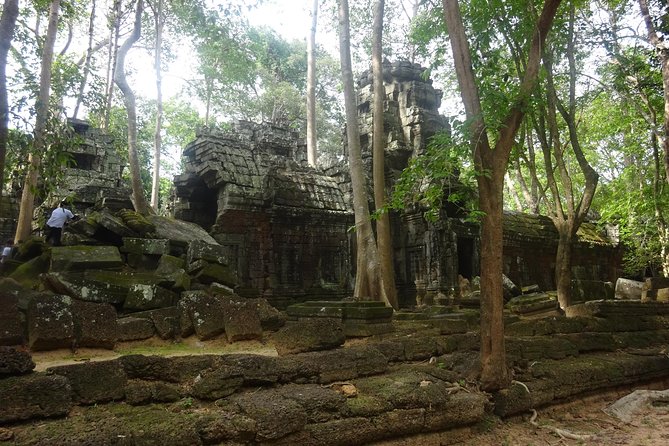
Preah Khan is the first major stop after breakfast. King Jayavarman VII built it in honor of his father, and its long corridors, courtyards, and monastic spaces make it one of the more rewarding sites for anyone interested in how an Angkor temple was organized.
Neak Pean is smaller and more unusual. It sits on an island in the middle of a reservoir, reached by a raised walkway. The water setting gives it a different feel from the enclosed stone temples, though the visit is shorter and depends on how much of the site is open for viewing.
Ta Som is another compact temple, with a classic Angkor layout and a quieter mood than the major stops. It is a good place to slow down and notice doorways, towers, and tree growth without needing a long visit.
The morning continues to East Mebon, a three-level temple-mountain once associated with a large reservoir. Its five towers and stone elephants give it a strong visual identity, even though the visit is scheduled for only about 15 minutes.
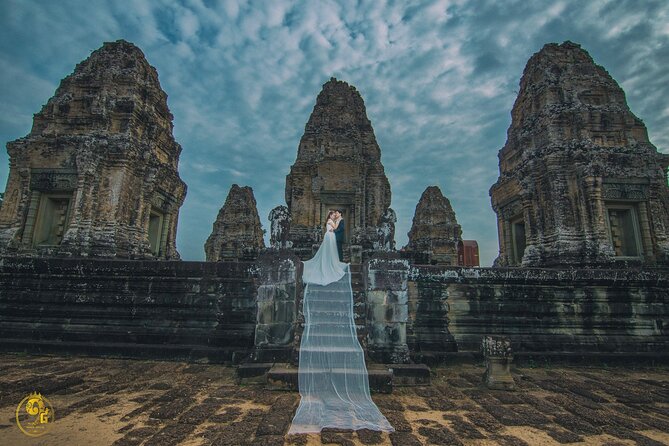
Pre Rup is larger and more imposing, with steep levels and a Hindu dedication. Its name is often translated as turning the body, linked to ideas about funerary rites. The stairways are exposed and can be hot, but the upper levels give you a clear sense of the temple’s pyramid design.
Banteay Srei and Banteay Samre
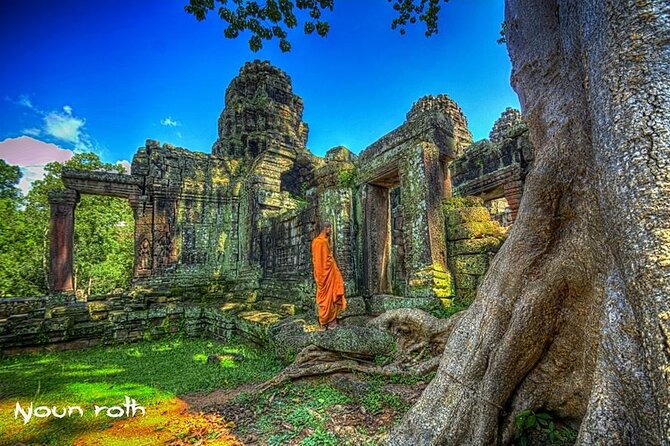
After lunch, the tour heads to Banteay Srei, often called the Ladies Temple. It was built in the 10th century from pink sandstone, and its small scale and finely cut carvings make it one of the most distinctive stops on the route.
Banteay Srei is farther from the central Angkor group, so reaching it takes more driving time. That is the tradeoff. You give up time that could be spent at another central ruin, but in return you see a temple with a different color, texture, and level of carving detail.
The temple is dedicated to Hindu deities, and your guide can help you read the scenes and figures carved into the walls. The pink sandstone is most noticeable in good light, though the exact appearance changes with sun and cloud.
Banteay Samre follows, with about 45 minutes at the site. Its architecture is often compared with Angkor Wat, and its more compact arrangement makes it a useful contrast with the larger monuments. The stop also breaks up the drive back toward the main complex.
The final listed stop is Banteay Kdei, a 12th-century Buddhist temple with similarities to Ta Prohm and Bayon. Its worn galleries and open spaces provide a fitting end to two days of temple study. By this point, you may be tired, but you will have seen a broad range of Khmer designs rather than only the three most famous locations.
The guide and driver make the difference
The tour includes a licensed English-speaking guide and a separate driver. That division is important. Your guide can stay with you inside the temples, while the driver keeps the vehicle ready between stops.
Names assigned to this experience include Jimmy, Chay, Vanna, Thean, Chandra, Mao, and others. The strongest service pattern is clear: guides explain history, religious symbolism, and architectural details, take photos at good viewpoints, and help with stairs. Some have also adjusted the route for tired visitors or spent time discussing local food, wildlife, and Cambodian culture.
The driver’s role is less visible but just as useful. After a hot walk, returning to air conditioning with cold water and a cool, scented towel can reset your energy. Umbrellas may also be available for sun or rain, according to the service details described for the tour.
Do not expect every guide to speak English at exactly the same level. One account notes that some explanations were occasionally hard to follow, though the overall experience remained useful. If a detail matters to you, ask questions and let the guide know what interests you most.
Cost, comfort, and physical effort
The listed price is $158.50 per person. It covers the private guide, hotel pickup and drop-off, the air-conditioned vehicle with driver, water, and wet towels. It does not cover the $62 Angkor pass or lunch, which is listed at about $5 per person depending on the menu.
That makes the tour a better value for people who want two full days, private transport, and help understanding the temples. If you are traveling alone, the per-person price may feel high. For two or more people, the private setup becomes easier to justify, especially since you are not sharing the schedule with a large group.
The physical demand is the bigger consideration. You will walk on uneven paths, climb temple stairs, spend time outdoors, and cope with heat and humidity. The tour data says most people can participate, but several accounts make clear that it is not ideal for young children or anyone with significant mobility limits.
Wear sturdy walking shoes, carry sun protection, and keep water nearby. The vehicle provides relief, but it does not remove the walking. This is a temple tour first and a sightseeing drive second.
Should you book this Angkor tour?
Book it if you want to see Angkor beyond the famous front view of Angkor Wat. The route covers the major circuits, includes Ta Nei and other quieter sites, reaches Banteay Srei, and gives you a guide who can explain what you are looking at.
It is also a strong choice if you value comfort and flexibility. The private car, hotel transfers, cold towels, and ability to change the pace matter after several hours in the sun.
Skip it if you want a short, easy introduction, dislike early starts, or prefer to visit only a few monuments. Two days here means many stairs, many stones, and a 5:00 a.m. alarm. For an active visitor with a real interest in Cambodian temples, though, the extra day is money well spent.
FAQ
How long is the tour?
The experience lasts approximately two days. Day one begins around 8:00 a.m., and day two starts around 5:00 a.m. for sunrise at Angkor Wat.
Is Angkor Wat admission included?
No. The Angkor and all temples pass is listed separately at $62 per person.
Are meals included?
No. Lunch is not included. The listed estimate is about $5 per person, depending on the menu.
Is hotel pickup provided?
Yes. Pickup and drop-off at your hotel or guest house are included.
Is this a private tour?
Yes. Only your group participates in the activity.
Does the tour include sunrise?
Yes. Day two begins with sunrise at Angkor Wat, although cloud cover may affect the view.
Does the tour include sunset?
The itinerary includes Phnom Bakheng for a possible sunset on day one. You may skip it, and access can be limited because only a set number of people are allowed.
What kind of transport is provided?
The tour includes an air-conditioned vehicle with a driver. Cold water and cool wet towels are also provided.
Is the tour suitable for people with mobility issues?
The tour information says most people can participate, but the route includes substantial walking, uneven paths, and temple stairs. It may not suit people with significant mobility limits or young children.
Just added around Siem Reap
- Ticket for Angkor Balloon Ride.★ 3.7 · 46 reviews
- Sunrise at Angkor Wat Temple: 3-Hour Private Tour★ 4.7 · 30 reviews
- Small-Group Full Day Angkor wat Guide tour with Sun set★ 5.0 · 136 reviews
- Siem Reap: Private 4-Day Angkor Wat and Phnom Kulen Tour★ 5.0 · 9 reviews
- Angkor Wat: Sunrise 2.5 Days Temples & Tonle Sap-Small Group★ 5.0 · 10 reviews
- Siem Reap : Private Tuk-Tuk Tour of the Magnificent Temples.★ 4.9 · 14 reviews
- Siem Reap: Ultimate Angkor Wat Offbeat Experience by Jeep★ 4.9 · 8 reviews
- Siem Reap: Personalized Angkor Wat Sunrise/Set by TukTuk/Car★ 4.9 · 41 reviews
Angkor Wat Tours, compared.
Angkor Wat Sunrise or Sunset Tour with Guide from Siem Reap
Read our review →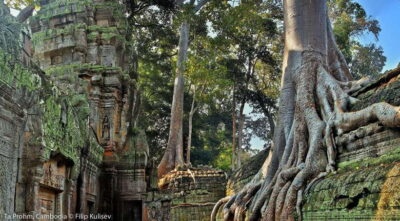
Angkor Wat: Small-Group Sunrise or Sunset Tour
Read our review →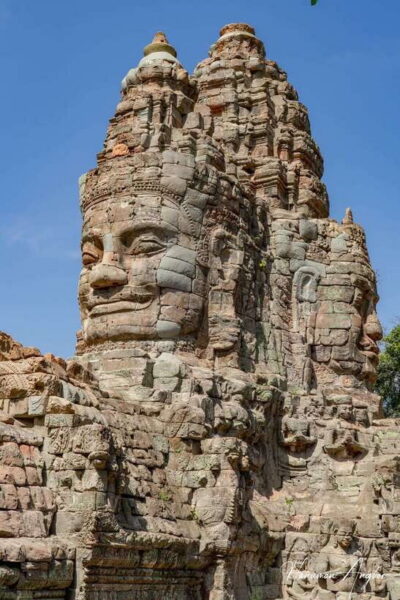
Angkor Wat 2-Day Tour with Sunrise and Sunset
Read our review →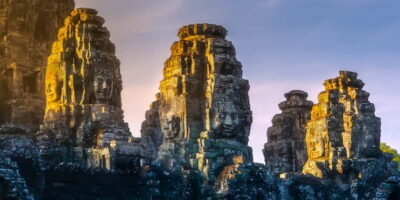
Angkor Wat Sunrise tour with Small – Group and Guide tours
Read our review →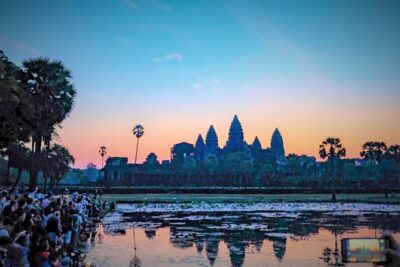
Angkor Wat Highlights and Sunrise Guided Tour from Siem Reap
Read our review →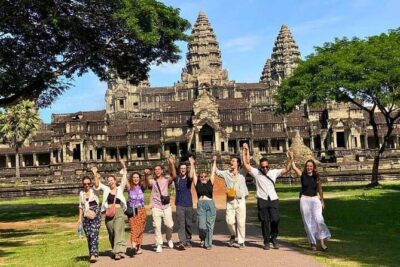
Angkor Wat Sunset Small Group Tour with Lunch Included
Read our review →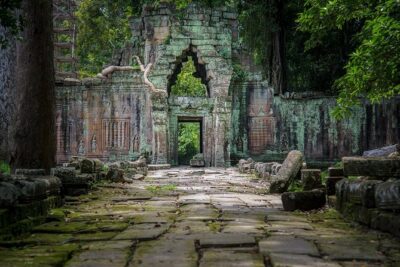
Full-Day Angkor Wat Sunrise Private Tour with Guide from Siem Reap
Read our review →Browse the lists this tour appears in