
REVIEW · TEMPLE OF HEAVEN TOURS
Beijing: Temple of Heaven Park ticket(day tour/guide opt)
The Echo Wall and the bright blue Hall of Prayer for Good Harvests are the stars here, but the real pleasure is walking through a large imperial park where local life and old ritual spaces share the same paths. I like the choice of a simple $5 entrance ticket or a small-group option with an English guide. I also like that you can build a longer day around the Summer Palace or Mutianyu Great Wall.
The main catch is timing. The ticket information gives an entry window from 6:30 to 21:00, yet late arrival can still mean the main temple buildings are closed. One visitor who reached the park around 20:00 could enter only the dark outer garden, so I would plan this visit well before evening.
Key points to know before you go
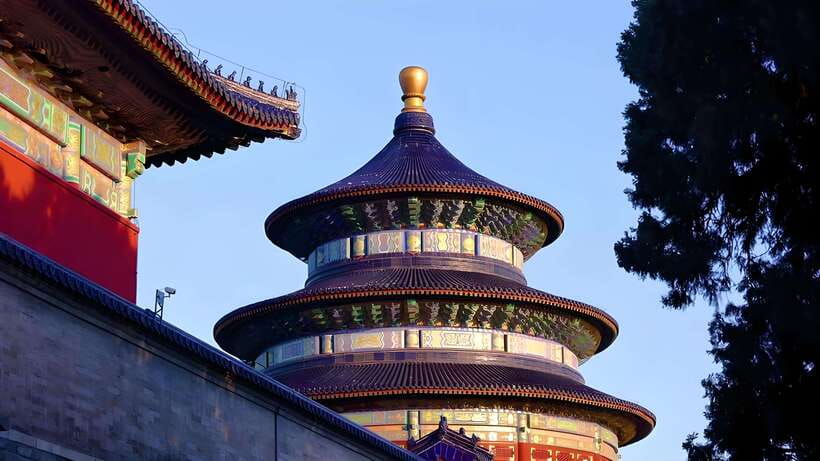
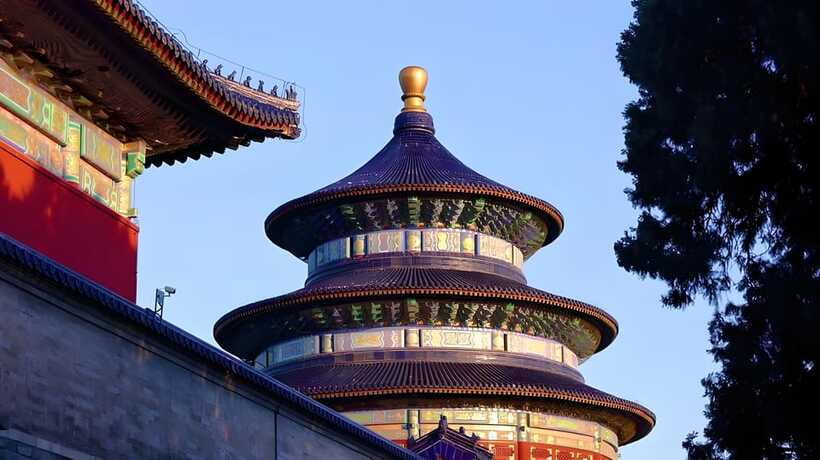
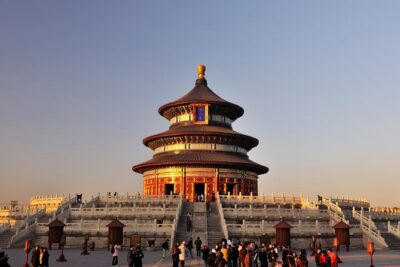
- The Hall of Prayer for Good Harvests is the park’s unmistakable centerpiece, with its circular form and strong celestial symbolism.
- The Echo Wall and Circular Mound Altar make the southern ceremonial section worth the extra walking.
- The East Gate is the easiest metro arrival, only about 100 meters from Exit A of Tiantan East Gate Station on Line 5.
- The ticket choices are flexible, from entrance only to an English guide, guidebook, restaurant reservation, or a full day with another Beijing sight.
- Monday is a closure day, and evening lights appear only on Fridays, Saturdays, and holidays after 19:30.
- Food nearby is part of the plan, with Temple of Heaven cake, douzhi, hot pot, roast duck, and photo-friendly ice cream.
Why the Temple of Heaven feels different from a palace visit
Beijing has several grand imperial sites, but the Temple of Heaven has a quieter purpose. This was not mainly a residence or government center. It was a ritual complex where emperors came to worship heaven, pray for good harvests, and carry out important ceremonies.
Construction began in 1420 during the Ming Dynasty. The complex was first called the Temple of Heaven and Earth, then received its shorter name in 1530. Its design links the emperor’s duties to the heavens, seasons, harvests, and the order of the universe. That idea is easiest to grasp when you look at the circular buildings, open ceremonial courtyards, and carefully placed walkways.
The site became a UNESCO World Heritage Site in 1998. You do not need to know every imperial date to enjoy it, but a little context makes the buildings feel less like pretty photo stops and more like parts of one large religious plan.
The park is also a good place to slow down. Its broad grounds and gardens give you room to walk between the major halls. That makes it a sound choice for a first Beijing outing, a family visit, or a photo-focused morning.
More Temple of Heaven Tours in Beijing:
- Beijing: The Temple of Heaven or Summer Palace Entry Ticket
★ 4.6 · 1,286 reviews - Beijing Classic Full-Day Tour including the Forbidden City, Tiananmen Square, Summer Palace and Temple of Heaven
★ 4.0 · 610 reviews - Temple of Heaven Ticket
★ 5.0 · 482 reviews
Choosing the right ticket for your day
The basic product is the Temple of Heaven Park entrance ticket, priced at about $5 per person. The included sights are the park itself, the Hall of Prayer for Good Harvests, the Echo Wall, and the Circular Mound Altar.
That price is good value if you already know your way around Beijing and want to set your own pace. You are paying for access to one of the city’s most important historical sites without adding a guide you may not need.
Several upgraded choices are available:
- Entrance only
- A combo ticket with an English guidebook
- A combo ticket with an English guide
- A combo ticket with a restaurant and bar reservation
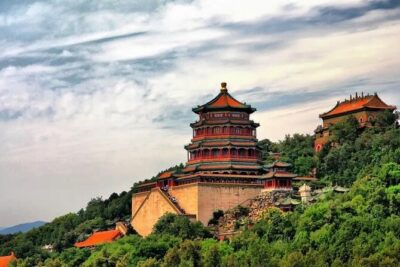
- A one-day visit combining the Temple of Heaven and Summer Palace
- A one-day visit combining the Temple of Heaven and Mutianyu Great Wall
I would choose the basic ticket if you enjoy reading signs, taking photographs, and deciding your own route. The English guide option makes more sense if you want help with the symbolic design and the purpose of each ceremonial space.
The longer day tours are a different kind of product. They are useful if you are short on time and want two major sights handled in one day, but you will have less freedom to linger in the temple park. For a first visit to Beijing, pairing the Temple of Heaven with the Summer Palace gives you two imperial sites with different settings. The Mutianyu option creates a much bigger sightseeing day and may suit you if the Great Wall is a top priority.
Meeting points vary by the option you select. Read that part carefully before paying, especially if you choose a guided or combined tour rather than the basic ticket.
The East Gate route, the fullest walk through the park
The East Gate is the most practical starting point for many visitors. Tiantan East Gate Station on Metro Line 5 is about 100 meters from the entrance, near Exit A. From here, the longer route moves through many parts of the complex before reaching the western side.
The suggested sequence includes:
- Seven Star Stone
- Seventy-Two Corridors
- North Kitchen
- Imperial Palace
- Hall of Prayer for Good Harvests
- Imperial Vault of Heaven
- Echo Wall
- Circular Mound Altar
- Palace of Abstinence
- Hundred Flowers Garden
- Longevity Pavilion
This route works well if you want more than the famous blue-roofed hall. The early stops give you a sense of how the complex functioned, while the central and southern buildings provide the strongest architectural moments.
The Seven Star Stone and Seventy-Two Corridors add useful detail to the visit. They are easy to skip if you rush toward the main hall, but they help show that the Temple of Heaven was a working ritual center with supporting spaces, not just a single monument.
The North Kitchen and Imperial Palace are also worth keeping on the route. They help you think about the practical side of imperial ceremonies. Sacred events required food, preparation, waiting areas, and strict movement through the complex.
The East Gate route takes more time and energy than the fast version. That is its benefit and its cost. You see more, but you need comfortable shoes, water, sunscreen, and a power bank for maps and photographs.
The Hall of Prayer for Good Harvests
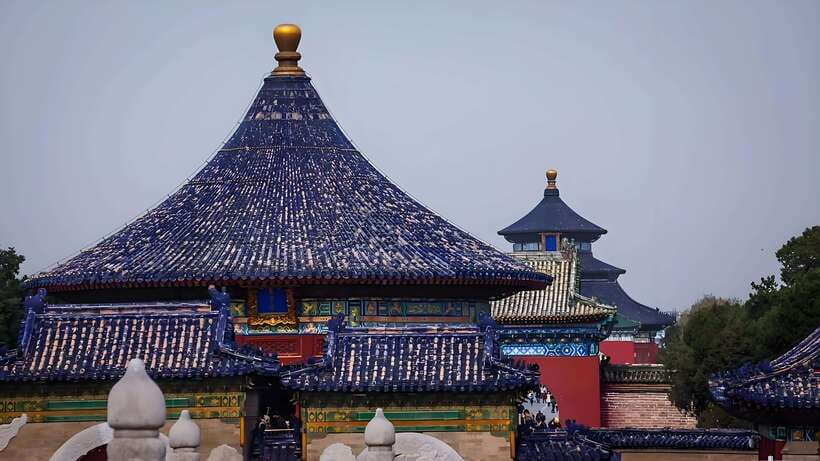
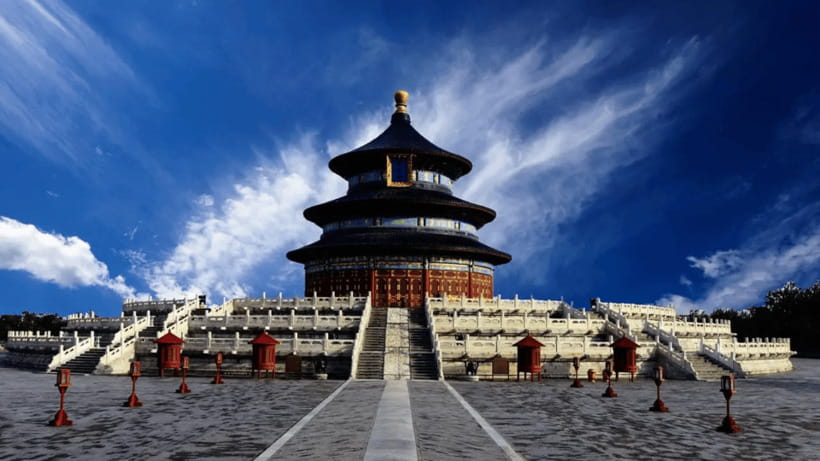
The Hall of Prayer for Good Harvests is the building most people picture when they think of this park. Its circular shape, layered roof, and blue color connect it with the sky. It is not simply a large hall placed in a field. Its form carries the main idea of the whole complex: the emperor asking heaven to support the harvest.
Give yourself time here rather than treating it as a quick photo stop. Look at the relationship between the hall, the open stone terraces, and the long approach. The open space helps you understand the scale of the rituals once held here.
The hall is also the best stop for visitors who want a clear visual introduction to imperial symbolism. Even without a guide, you can see that the building is designed to feel different from an ordinary palace. The circular plan and blue roof set it apart from the square, earth-toned buildings common elsewhere in Beijing.
The area can be especially useful for families because the building is visually striking and easy to recognize. Younger children may not follow every historical detail, but the colors, shape, and broad ceremonial platform give them something concrete to notice.
More Entry Tickets in Beijing:
- Beijing: Lama Temple (Yonghe Temple) Admission Ticket
★ 4.8 · 297 reviews - Temple of Heaven Ticket
★ 4.9 · 271 reviews - Beijing: Yonghe Lama Temple Entry Ticket
★ 4.5 · 147 reviews - Beijing: Temple of Heaven Ticket with 5 UNESCO Site Options
★ 5.0 · 130 reviews
The Imperial Vault, Echo Wall, and Circular Mound
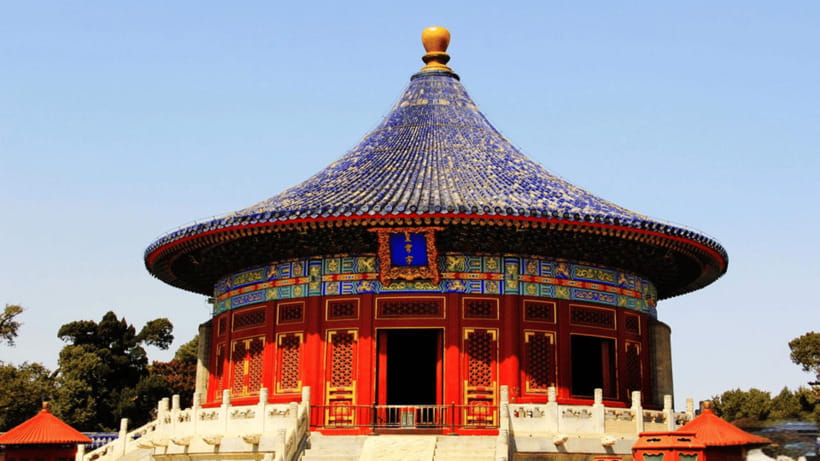
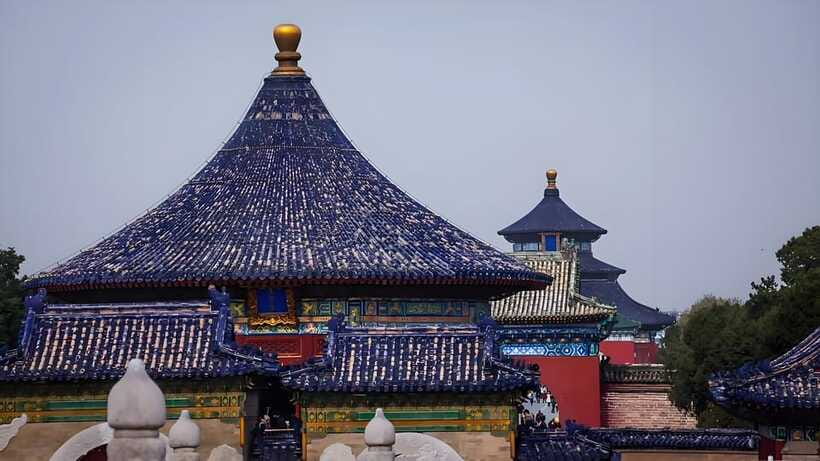
After the Hall of Prayer for Good Harvests, continue toward the Imperial Vault of Heaven. This smaller circular structure is part of the southern ceremonial axis and leads naturally to the Echo Wall.
The Echo Wall is the park’s most playful feature. Its circular enclosure was built so sound can travel along the wall. The acoustic effect is the kind of thing you understand by trying it, though the result depends on where you stand and how many other people are nearby.
The Echo Wall is valuable because it changes the pace of the visit. After looking at formal buildings and symbolic layouts, you get a simple physical experience that connects architecture with sound.
The Circular Mound Altar is the southern ceremonial focus. Its open, circular stone design expresses the connection between earthly ritual and the heavens. This is one of the places where the site’s symbolism is easiest to read: the emperor stood in an exposed ceremonial setting rather than inside a richly furnished room.
The southern section is not the place to rush. If you only have time for the main hall, you will miss the Echo Wall and Circular Mound, which are included in the combo access and give the visit more depth.
The fast route from north to south
If your schedule is tight, use the north-to-south route. The suggested order is:
- Imperial Palace
- Hall of Prayer for Good Harvests
- Gate of Prayer for Good Harvests
- Chengzhen Gate
- Imperial Vault of Heaven
- Echo Wall
- Circular Mound Altar
The North Gate is about 700 meters from Exit C of Qiaowan Station on Line 7. The South Gate is about 1,200 meters from Exit B of Jingtai Station on Line 14.
This route focuses on the essential ceremonial buildings and is easier to manage than the longer East Gate walk. It suits you if the Temple of Heaven is one stop among several in a busy Beijing day.
The tradeoff is simple: you will see fewer gardens and supporting structures. If you want the park’s full atmosphere, start at the East Gate. If you want the famous buildings in a clean north-to-south sequence, the fast route is more efficient.
The West Gate is also an option. It is about 70 meters from Exit C of Tianqiao Station on Line 8. The available information presents the West Gate mainly as an exit point, so check your selected route and meeting instructions before using it as your starting entrance.
Timing matters more than the low price
The biggest practical issue is not cost. It is arriving at the right time.
The park is closed on Mondays. The information for this experience gives an entry range of 6:30 to 21:00, but the late-evening experience may not include access to the main temple buildings. One booking arrived at roughly 20:00 and could reach only the outer garden. The temple looked attractive under the lights, but the garden was dark and there was little to see.
I would schedule the visit in the morning or afternoon. That gives you time for the main halls, the Echo Wall, the Circular Mound, and the longer garden paths. It also leaves room for food afterward instead of making the whole visit a race against closing times.
Night lighting is available only on Fridays, Saturdays, and holidays after 19:30. This can be useful for photographs, but do not treat the lighting schedule as proof that every building remains open late.
Bring your passport, since it is listed as required. Sunscreen, water, and a power bank are sensible additions for a large outdoor park. Drones are prohibited.
What to eat near the four gates
The food suggestions make this more than a stand-alone monument visit. You can plan lunch, dinner, or a snack around the entrance you use.
Near the West Gate, Tiantan Fuyan is known for a Temple of Heaven cake served at afternoon tea. Strawberry is said to sell out fastest. Roast duck is available for dinner. If you plan to visit the Palace of Abstinence, you can get a number on your phone first and return after seeing the site.
Near the East Gate, Tiantan Fuyin offers divine beast ice cream and glitter lollipops. These are especially useful if you want colorful photographs or need a small treat for children.
Dongmen Yinsan Douzhi is recommended for an old Beijing-style food experience. Douzhi is a fermented mung bean drink, and the suggested pairing is fried dough rings. This is not the safest choice if you want familiar flavors, but it gives you a chance to try something strongly tied to local food culture.
Near the South Gate, Nanmen Shabu-shabu serves hand-cut lamb in a copper pot with clear soup. Get a number ahead of time if you plan to eat there, since waiting is part of the experience.
For nearby stops beyond the park, Lama Temple Noodles is two subway stops away. Ditan Ximen has tanghulu, the crisp, sugar-coated fruit snack associated with old Beijing. Wudaoying Hutong offers coffee and a quieter street photography break.
Who will get the most from this experience
I would recommend the basic ticket to first-time Beijing visitors who want a major cultural site without paying for a full guided day. It is also a good fit for couples who care about photographs, families who prefer a flexible pace, and food-focused visitors who want to build a meal around the park.
The guide option is better for you if Chinese imperial ritual and symbolism are central to your interest. The English guidebook may be enough for independent visitors who want context but do not need a person beside them.
A small group can make sense if you want a more organized visit without the feel of a large coach tour. The available information confirms that small-group options exist, but the exact group size depends on what you book.
I would think twice about a late-evening visit. The low price does not help if you arrive after the main buildings stop admitting people. I would also avoid Monday, since the park is closed.
Is the $5 ticket good value?
Yes, provided you use it as a proper visit rather than a quick night stop. At about $5 per person, the ticket gives access to the park and the key ceremonial buildings, including the Hall of Prayer for Good Harvests, Echo Wall, and Circular Mound Altar.
The value comes from the amount of walking and the number of distinct places included. You are not paying only to see one hall. You are getting a large historic complex, gardens, ritual spaces, and one of Beijing’s best-known examples of symbolic architecture.
The upgraded options may be worthwhile if you need a guide, want a restaurant reservation, or have only one day for the city’s major sights. Their value depends on how much freedom you are willing to trade for planning help.
The current rating is 4.3 from 12 reviews, with one verified booking describing the experience simply as all good. The lower-scoring account is useful mainly as a warning about late entry, not as a criticism of the park itself. Plan the hours carefully and the basic ticket remains one of Beijing’s better low-cost cultural stops.
Should you book it?
Book this experience if you want a flexible visit to one of Beijing’s most important imperial sites and you can arrive early or during the afternoon. The basic ticket is the sensible choice for independent sightseeing, while the English guide option suits you if the ritual meaning behind the buildings matters as much as the photographs.
Choose a combined Summer Palace or Mutianyu Great Wall day only if you value convenience more than a relaxed pace. For most people, the Temple of Heaven deserves several unhurried hours, especially if you want the Echo Wall, Circular Mound, food stops, and gardens.
My practical choice would be the standard ticket, an East Gate arrival, a morning start, and a meal near the park afterward. That gives you the best balance of price, freedom, and time inside the complex.
FAQ
How much does the Temple of Heaven ticket cost?
The listed price is $5 per person for the Temple of Heaven experience.
What does the basic ticket include?
It includes Temple of Heaven Park entrance, the Hall of Prayer for Good Harvests, the Echo Wall, and the Circular Mound Altar.
Is an English guide available?
Yes. You can choose an option with an English guidebook or an option with an English guide.
Can I book a longer tour with the Temple of Heaven?
Yes. Available longer options combine the Temple of Heaven with either the Summer Palace or Mutianyu Great Wall.
Is the Temple of Heaven open on Mondays?
No. The park is closed on Mondays.
Which subway station is closest to the East Gate?
Temple of Heaven East Gate Station on Line 5 is about 100 meters from the East Gate. Exit A is listed as the closest exit.
How far are the other subway entrances?
The West Gate is about 70 meters from Exit C of Tianqiao Station on Line 8. The North Gate is about 700 meters from Exit C of Qiaowan Station on Line 7. The South Gate is about 1,200 meters from Exit B of Jingtai Station on Line 14.
Are the temple buildings open late at night?
The listed entry range is 6:30 to 21:00, but late arrival may not provide access to the main temple buildings. One visitor arriving around 20:00 reached only the outer garden.
When are the night lights turned on?
Night lighting is listed for Fridays, Saturdays, and holidays after 19:30.
What should I bring?
Bring your passport. Sunscreen and a power bank are also recommended, and drones are prohibited.
Just added around Beijing
- Temple of Heaven Admission Ticket★ 4.0 · 36 reviews
- Temple of Heaven Morning Walking Tour with Ticket★ 5.0 · 7 reviews
- Summer Palace and Temple Of Heaven Private Tour★ 5.0 · 9 reviews
- Full-Day Beijing Forbidden City, Temple of Heaven and Summer Palace Tour★ 4.5 · 40 reviews
- Private Day Tour:Tiananmen Square,Forbidden City Temple of Heaven★ 5.0 · 16 reviews
- 4-Hour Private Tour: Lama Temple, Confucius Temple, Guozijian Museum with Dim Sum★ 5.0 · 21 reviews
- Private Day to T-Square, Forbidden city, Temple of heaven, Summer palace Tour★ 5.0 · 54 reviews
- Local’s Beijing: Forbidden City Insider Tour +Temple +Duck Feast★ 4.5 · 66 reviews
Temple of Heaven Tours, compared.
The Temple of Heaven or Summer Palace Entry Ticket
Read our review →
Beijing Classic Full-Day Tour including the Forbidden City, Tiananmen Square, Summer Palace and Temple of Heaven
Read our review →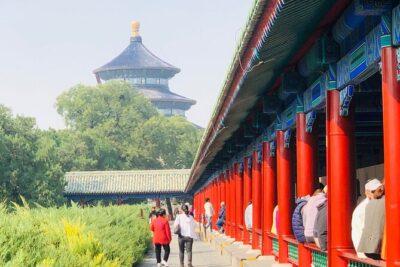
Temple Heaven, Lama Temple, Summer Palace & Peking Duck Bus Tour
Read our review →
Temple Heaven, Summer Palace, Lama Temple, Hutong Bus Tour
Read our review →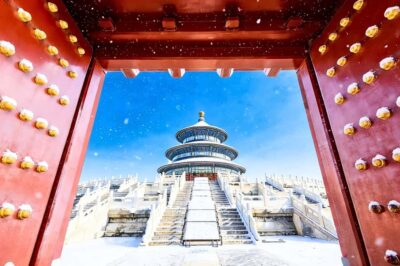
Temple of Heaven, Summer Palace, Lama Temple, Hutong Tours
Read our review →
Browse the lists this tour appears in