
REVIEW · TEMPLE OF HEAVEN TOURS
Beijing: Yonghe Lama Temple Entry Ticket
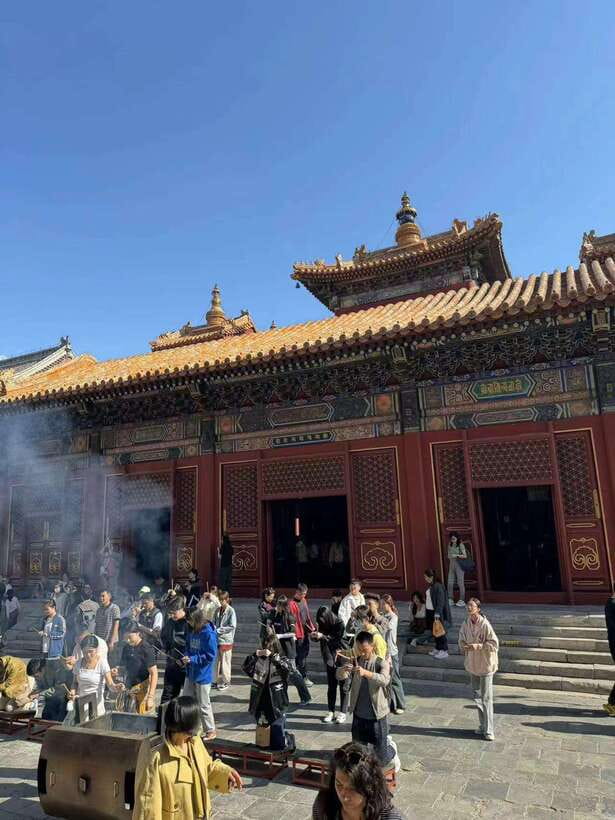
Beijing’s Yonghe Lama Temple is more than an old religious building. It is the largest and best-preserved lamasery in present-day China, with an unusual past as an imperial residence before becoming a Tibetan Buddhist monastery. I like the simple entry system, since you use a QR code and passport rather than collecting a paper ticket. I also like the freedom to set your own pace inside.
The main catch is that this is an entry ticket, not a guided tour. You will not have a named guide explaining each building or answering questions on site. Also, take care with the booking message: the standard GetYourGuide QR code is not valid. You must use the correct QR code sent by email or WhatsApp.
Key points to know before you go
- A former imperial residence: Yonghe Lamasery began as a palace connected with Emperor Yongzheng before becoming a Buddhist temple.
- A major Buddhist center: In 1744, Emperor Qianlong arranged for 300 Tibetan monks and 200 Chinese students to live and study there.
- Simple mobile admission: Bring your passport and the valid QR code sent by email or WhatsApp.
- About two hours on site: That gives you enough time for a steady visit without turning the temple into an all-day commitment.
- Easy subway access: Yonghegong Station on Subway Line 2 or Line 5 is about a two-minute walk from the temple.
- Good for independent sightseeing: The ticket lets you explore without being tied to a group or fixed guide schedule.
Why Yonghe Lama Temple is worth your Beijing time
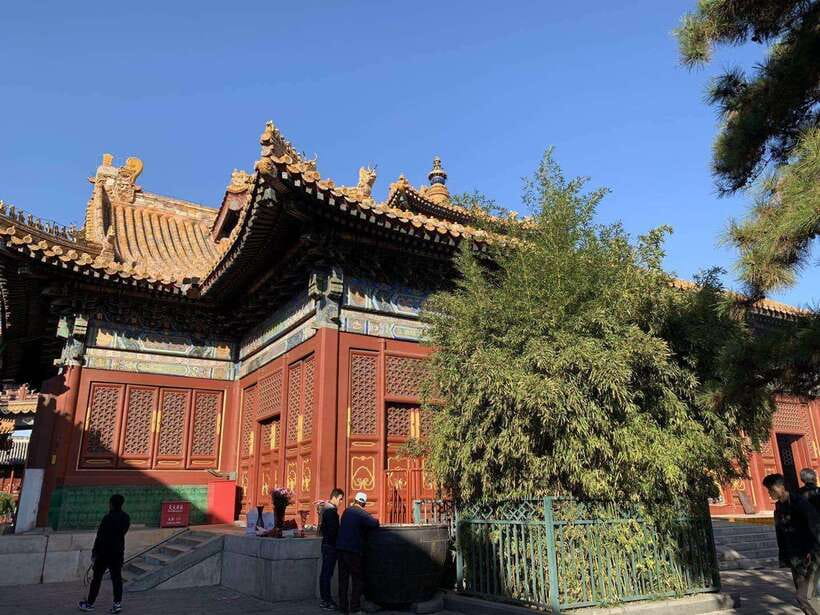
I would put Yonghe Lama Temple high on the list for anyone interested in Beijing’s imperial past, Tibetan Buddhism, or historic religious sites. Its appeal comes from the change in purpose. This was first built in 1694 as part of the city wall for Prince Yongzheng, before he became emperor in 1722.
That first chapter gives the site a different feel from a temple built only for worship. The buildings were connected to the imperial household, then took on a new role under the next generation. In 1744, Yongzheng’s son, Emperor Qianlong, sent 300 Tibetan monks and 200 Chinese students to live and study there. From that point, the former palace served as a temple and monastery.
You are therefore seeing a place tied to both the Qing imperial court and Buddhist learning. That combination is the main reason this visit feels worthwhile. Even without a guide, the basic story is easy to follow: imperial residence first, Buddhist center later.
More Temple of Heaven Tours in Beijing:
- Beijing: The Temple of Heaven or Summer Palace Entry Ticket
★ 4.6 · 1,286 reviews - Beijing Classic Full-Day Tour including the Forbidden City, Tiananmen Square, Summer Palace and Temple of Heaven
★ 4.0 · 610 reviews - Temple of Heaven Ticket
★ 5.0 · 482 reviews
Using the QR code at the entrance
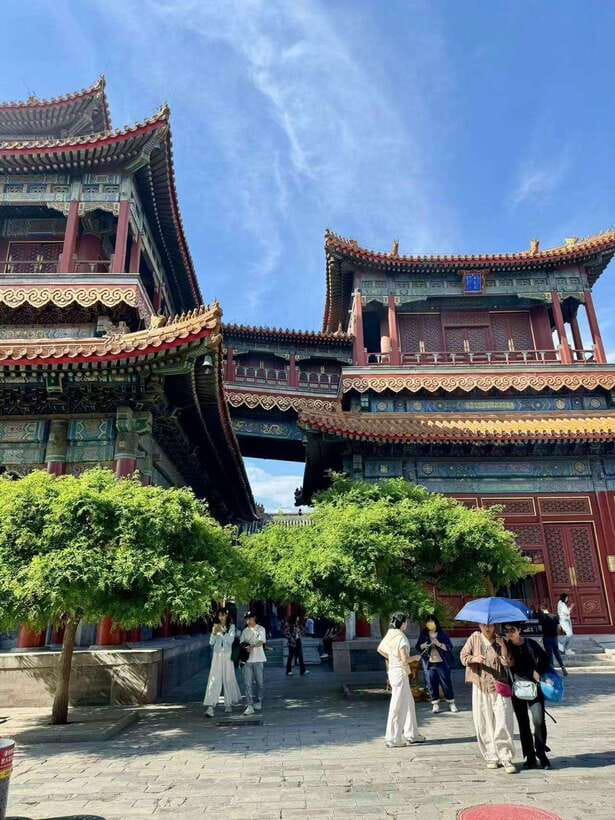
The ticket is designed for independent entry. You need your passport and the correct QR code. The booking service sends the usable code by email or WhatsApp, and this is the detail you should handle before leaving for the temple.
Do not rely on the general GetYourGuide QR code. The instructions specifically warn that it is not valid for admission. Check your inbox or WhatsApp message and have the right code ready on your phone.
This small bit of preparation matters. A simple digital ticket is convenient only when the correct code is in hand. I would save the message, make sure your phone has enough battery, and keep your passport accessible. The supplied information does not describe a separate check-in desk or a paper-ticket exchange, so plan on presenting the digital code and passport at the entrance.
The ticket also includes the booking service charge. At $9 per person, the price is modest for a major Beijing attraction, particularly if you value having admission arranged before arrival. You are paying for access and booking help, not for a lecture, private transport, or a personal guide.
Arriving from Yonghegong Subway Station
The subway is the clearest way to reach the temple. Take Subway Line 2 or Line 5 to Yonghegong, also called Yonghe Temple, Station. Exit through Exit F, walk south for a few meters, then turn east. The walk takes about two minutes.
That short connection is a real advantage in Beijing, where a site can be close on a map but awkward to reach. Here, the directions are direct and the station name makes the destination easy to match.
You can also use the bus network. Bus 13, 116, 117, or 684 stops at Yonghegong Station. Another group of services, including buses 13, 18, 44, 75, 116, 684, Te 2, and Te 12, stops at Yonghegong Qiao Dong Station. Buses 117 and 125 serve Yonghegong Qiao Bei Station.
For most visitors, the subway instructions are easier to follow. The bus list is useful if your day already takes you along one of those routes, but the ticket does not include transportation, and no transfer service is provided.
What two hours inside can feel like
The suggested duration is two hours. That is a sensible amount of time for a focused visit, especially if you want to see the temple without rushing but do not want to spend half a day at one site.
You can use the first part of your visit to get oriented and notice how the setting reflects its former imperial connection. Then give yourself time to consider the temple’s religious role and its connection with Tibetan Buddhist study. The site is valued not simply because it is old, but because it continued to serve an important function after its change from palace to monastery.
A two-hour visit also fits well into a larger Beijing day. The temple is near a subway station, so you can combine it with other parts of the city without arranging a private vehicle. Since there is no fixed tour departure, you are not watching the clock for a guide or group.
The limits are just as clear. The supplied information does not list a detailed route through individual halls, named artworks, or a schedule of ceremonies. I would not book this expecting a fully narrated cultural program. Think of it as a self-guided visit to an important historical and religious site.
More Entry Tickets in Beijing:
- Beijing: Lama Temple (Yonghe Temple) Admission Ticket
★ 4.8 · 297 reviews - Temple of Heaven Ticket
★ 4.9 · 271 reviews - Beijing: Temple of Heaven Ticket with 5 UNESCO Site Options
★ 5.0 · 130 reviews - Temple of Heaven Ticket with Optional Guide Service
★ 5.0 · 120 reviews
The temple’s imperial beginning in 1694
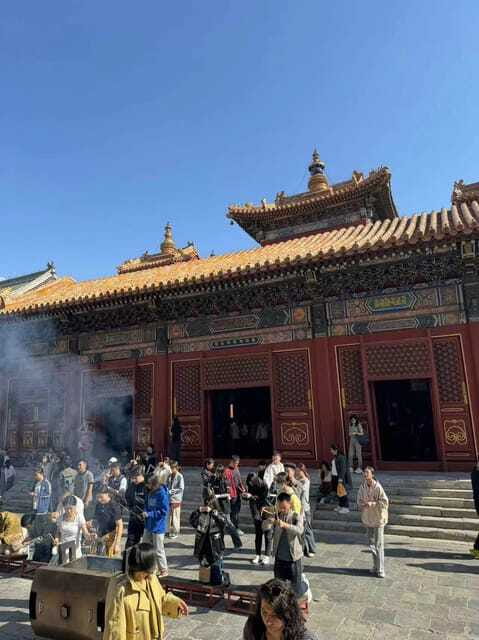
Yonghe Lamasery was built in 1694 as part of the city wall for Emperor Yongzheng. At that point, Yongzheng had not yet risen to the throne. The place was tied to his life as a prince, which gives the complex a personal link to the imperial succession.
He became emperor in 1722. That date helps explain why the site has two identities. It began as a residence associated with the future ruler, then later became a major Buddhist institution under his son, Qianlong.
I find this kind of change especially useful when visiting historic buildings. Instead of seeing the temple as a single frozen moment, you can read it as a place that changed with the needs of the ruling family and the religious life of the country.
The ticket does not include a historical guide, so you may want to keep these dates in mind before entering. They give structure to what you see and make the visit more meaningful than simply walking through a series of old buildings.
The Buddhist transformation under Emperor Qianlong
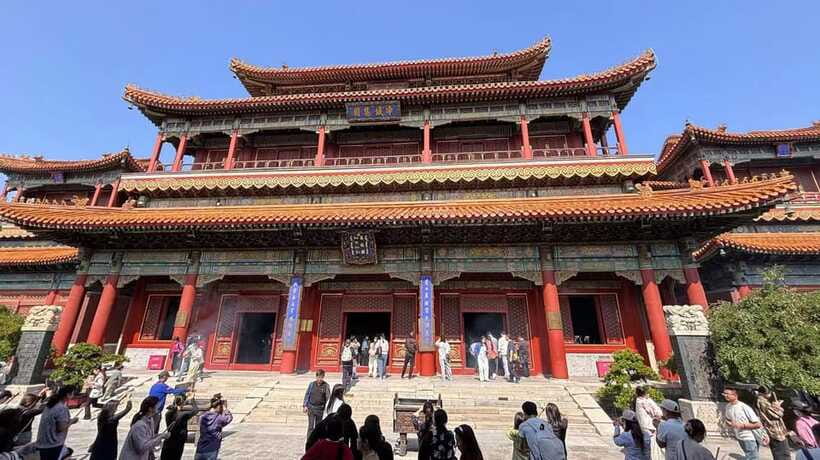
The site’s major religious change came in 1744. Emperor Qianlong sent 300 Tibetan monks and 200 Chinese students and housed them in the former palace. From then on, the complex served as a temple and monastery.
That decision also made Yonghe Lamasery an important center of Buddhism outside Tibet. The scale of the arrangement matters. This was not just a small neighborhood shrine. It became a place where Tibetan monks and Chinese students lived and studied together.
You should keep that role in mind as you move through the site. The temple represents a connection between imperial power, Tibetan Buddhism, and Chinese religious education. Those links are the heart of its importance.
The information available for this ticket does not name particular halls or explain which areas contain specific objects. I would avoid assuming that every part is open at every visit. Instead, use the two-hour window to take in the complex as a whole and pay attention to the setting’s religious and historical purpose.
Who will get the most from this ticket
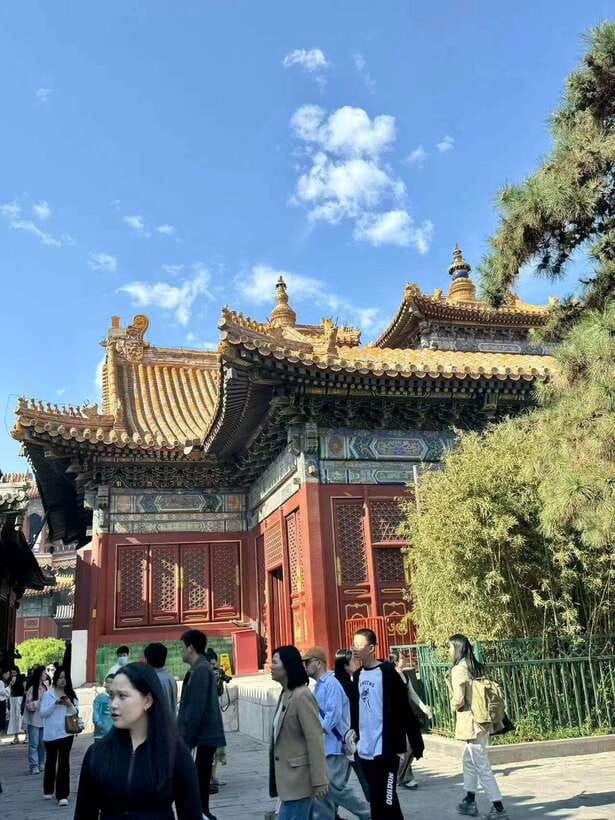
This entry ticket suits independent visitors who already know a little about Beijing or who are happy to read the basic history in advance. It is also a practical choice if you prefer to avoid a fixed group schedule.
I would recommend it for:
- Visitors interested in imperial history and Buddhist institutions
- People who want a short, focused Beijing sight
- Anyone staying near Subway Line 2 or Line 5
- Independent visitors comfortable exploring without a guide
- Wheelchair users looking for an accessible ticketed attraction
- Visitors who want to arrange admission ahead of time
It is less suitable if you want someone to explain the site room by room. The provider is Andy’s Private China Tours, but the activity information describes ticket booking rather than a personal tour with a named guide. No guide name is supplied, and no spoken language service is clearly described.
That distinction can save you disappointment. You get entry, not a private cultural lesson.
Price, flexibility, and practical value
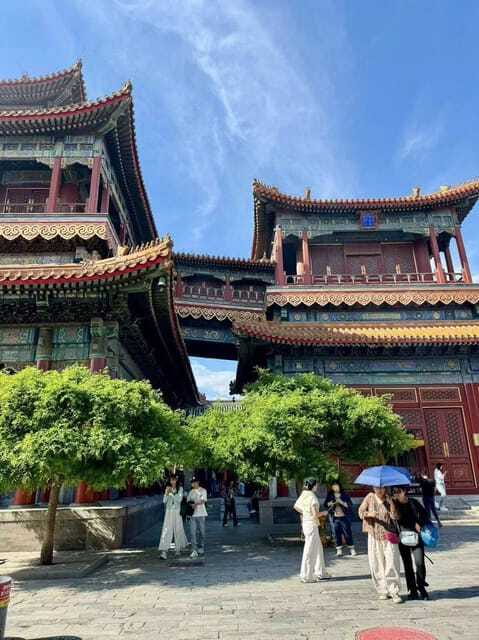
At $9 per person, the cost is reasonable for access to one of Beijing’s most important Buddhist sites. The value depends on what you need. If you simply want to arrive and buy admission at the gate, the booking service may add convenience more than savings. If you want a planned digital ticket and the option to cancel in advance, it becomes more useful.
You can cancel up to 24 hours before the scheduled time for a full refund. You can also reserve now and pay later, which helps if your Beijing plans are still changing. Check availability for the actual starting times, even though the visit itself is self-guided.
The ticket is wheelchair accessible, another practical point that may shape your choice. The available information does not describe the exact route or any accessibility limits inside, so you may still want to confirm current conditions if you need detailed mobility information.
A few mistakes to avoid
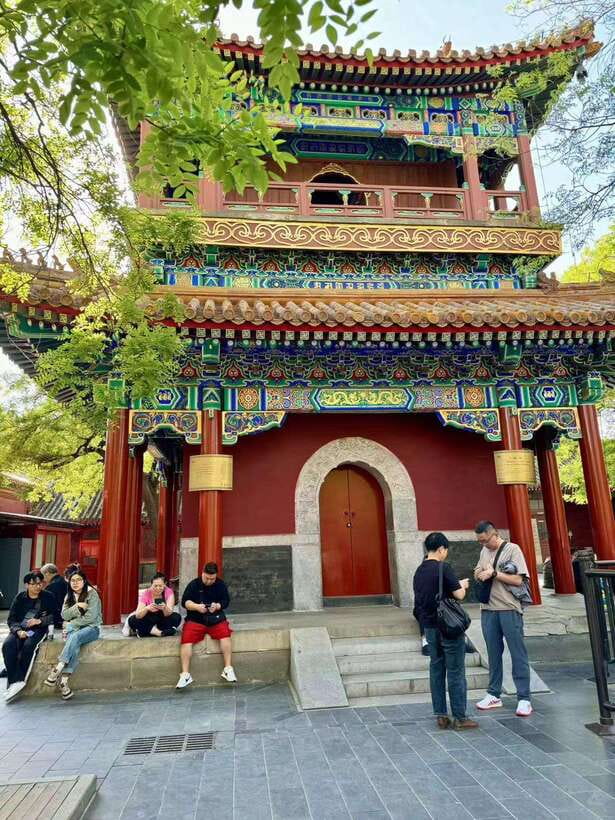
The biggest mistake is using the wrong QR code. The general GetYourGuide code is not valid, so look for the correct code in your email or WhatsApp message.
The second mistake is expecting a guide. This product includes the Yonghe Lamasery ticket and booking service charge, but not a guide, transport, or a structured walking program.
The third is arriving without your passport. The entry instructions specifically say to use the QR code and passport, so keep both ready.
Finally, do not squeeze the temple into an unrealistic ten-minute stop. The listed duration is two hours for a reason. You can visit more quickly, but the site’s value comes from understanding its change from imperial residence to Buddhist monastery.
Should you book Yonghe Lama Temple?
Book this ticket if you want an easy, low-cost way to visit one of Beijing’s most important religious sites on your own. The subway access is simple, the visit fits neatly into a two-hour schedule, and the history gives you more to think about than a quick photo stop.
Skip it if you need a guide, hotel pickup, or a detailed explanation of individual buildings. For independent sightseeing, though, the $9 price is fair, provided you check your email or WhatsApp for the valid QR code and bring your passport.
FAQ
How much does the Yonghe Lama Temple ticket cost?
The ticket costs $9 per person.
How long does the visit take?
The listed duration is two hours.
What do I need to enter the temple?
You need the correct QR code and your passport.
Is the standard GetYourGuide QR code valid?
No. The general GetYourGuide QR code is not valid. Use the correct QR code sent by email or WhatsApp.
How do I reach Yonghe Lama Temple by subway?
Take Subway Line 2 or Line 5 to Yonghegong Station. Leave through Exit F, walk south for a few meters, then turn east. The walk takes about two minutes.
Is the temple accessible by wheelchair?
Yes, the activity is listed as wheelchair accessible.
Can I cancel the booking?
Yes. You can cancel up to 24 hours in advance for a full refund.
Can I reserve now and pay later?
Yes. The booking option allows you to reserve your spot and pay later.
Just added around Beijing
- Temple of Heaven Morning Walking Tour with Ticket★ 5.0 · 7 reviews
- Summer Palace and Temple Of Heaven Private Tour★ 5.0 · 9 reviews
- Full-Day Beijing Forbidden City, Temple of Heaven and Summer Palace Tour★ 4.5 · 40 reviews
- Private Day Tour:Tiananmen Square,Forbidden City Temple of Heaven★ 5.0 · 16 reviews
- 4-Hour Private Tour: Lama Temple, Confucius Temple, Guozijian Museum with Dim Sum★ 5.0 · 21 reviews
- Private Day to T-Square, Forbidden city, Temple of heaven, Summer palace Tour★ 5.0 · 54 reviews
- Local’s Beijing: Forbidden City Insider Tour +Temple +Duck Feast★ 4.5 · 66 reviews
- Temple of Heaven Ticket with Optional Guide Service★ 5.0 · 120 reviews
Temple of Heaven Tours, compared.
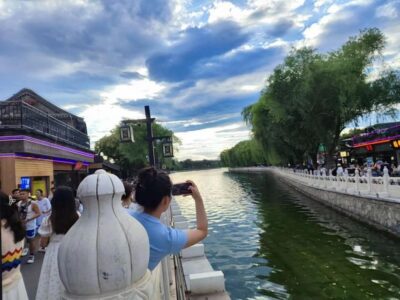
The Temple of Heaven or Summer Palace Entry Ticket
Read our review →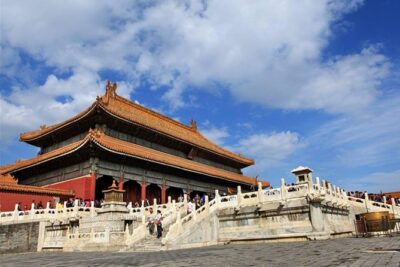
Beijing Classic Full-Day Tour including the Forbidden City, Tiananmen Square, Summer Palace and Temple of Heaven
Read our review →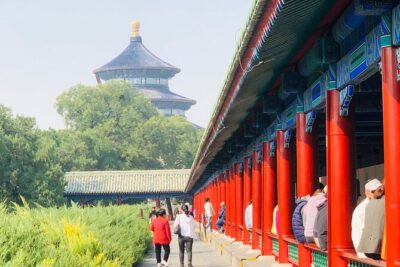
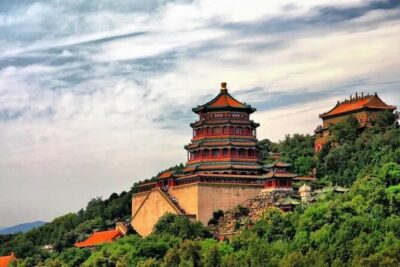
Temple Heaven, Lama Temple, Summer Palace & Peking Duck Bus Tour
Read our review →
Temple Heaven, Summer Palace, Lama Temple, Hutong Bus Tour
Read our review →
Temple of Heaven, Summer Palace, Lama Temple, Hutong Tours
Read our review →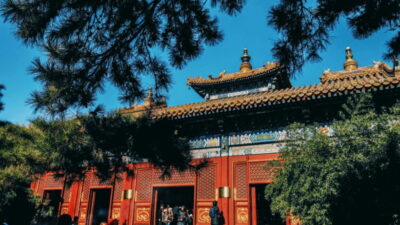
Browse the lists this tour appears in