
REVIEW · TEMPLE OF HEAVEN TOURS
Beijing: Lama Temple (Yonghe Temple) Admission Ticket
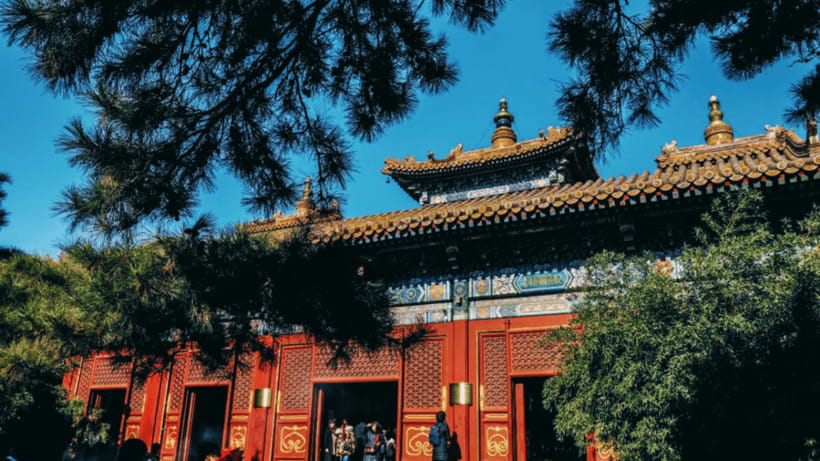
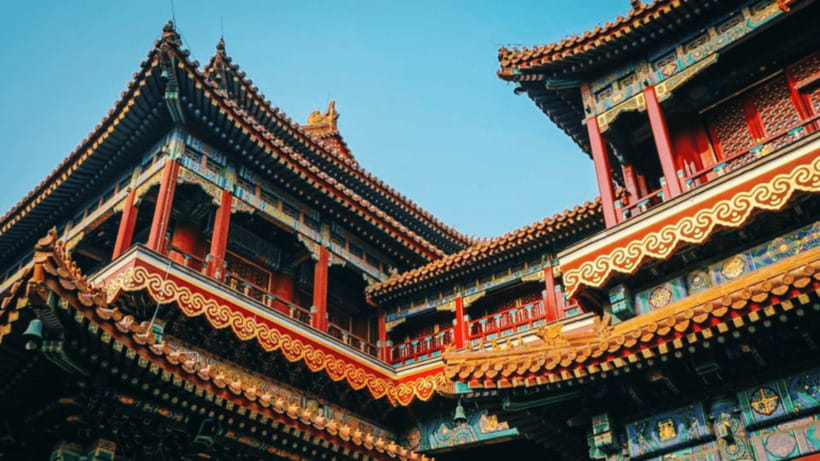
Beijing’s Lama Temple is more than a pretty collection of red halls and golden roofs. It is an active Tibetan Buddhist temple where people come to burn incense and pray, giving the complex a quiet purpose beyond sightseeing. I like the 18-meter sandalwood Buddha, carved from one piece of wood, and the way the temple blends Han, Manchu, Tibetan, and Mongolian design. The $10 reserved ticket also saves you from arranging admission at the gate.
The main catch is the booking process. Your GetYourGuide QR code is not the ticket, and you must send your full passport name and passport number in time. The booking includes the ticket line, but not security screening, a guide, or an audio guide, so you need to explore independently.
Key points to know before you go
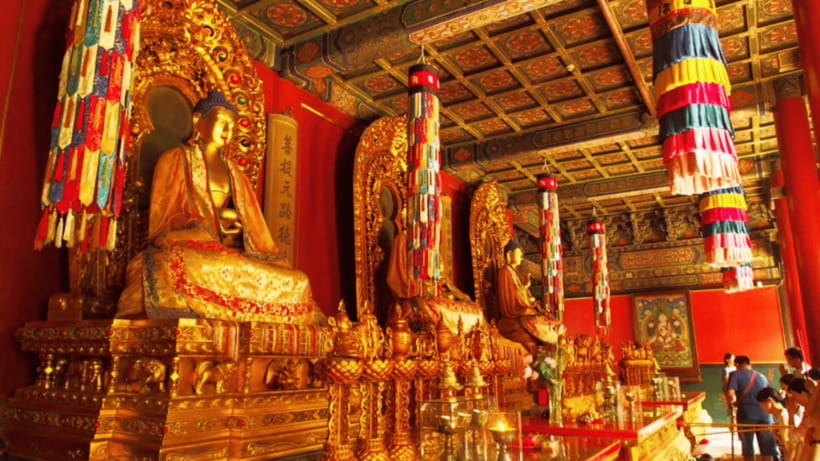
- See the 18-meter sandalwood Buddha: The towering Maitreya figure is the temple’s signature sight and is recorded by Guinness World Records.
- Visit a working place of worship: Incense, prayer, and daily religious activity are part of the experience, not a staged display.
- Expect layered architecture: Three archways, imperial halls, and four learning halls show several Chinese and Inner Asian design traditions.
- Use the ticket for self-guided sightseeing: You receive access to the major buildings and exhibitions, but no live guide or audio commentary.
- Handle real-name booking carefully: Your passport name and number must match the information submitted for entry.
- Allow time for security: Fast-track admission does not mean you bypass the security check.
Why Lama Temple feels different from an ordinary Beijing sight
Yonghe Temple began in 1694, during the 33rd year of Emperor Kangxi’s reign. It first served as the residence of the future Emperor Yongzheng. In 1725, it became an imperial palace, then changed again in 1744 during the reign of Emperor Qianlong, when it became a Tibetan Buddhist temple.
That layered past explains the unusual character of the site. You are not looking at a single-purpose monument built all at once. The complex carries imperial, residential, and religious identities, and its architecture reflects that mixture.
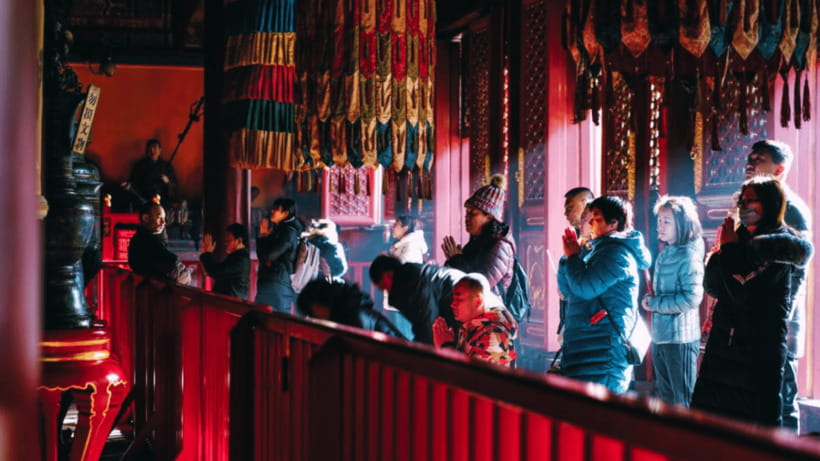
I find the temple most interesting when you pay attention to its use as a living religious center. Local people light incense and pray in the courtyards. Smoke from the incense fires can soften the view of the buildings, while the movement of worshippers gives the site a human rhythm. You should be respectful and avoid treating prayer as a performance.
The temple is often called the Lama Temple in English, while Yonghe Temple is its formal name. Both names refer to the same complex in Beijing.
More Temple of Heaven Tours in Beijing:
- Beijing: The Temple of Heaven or Summer Palace Entry Ticket
★ 4.6 · 1,286 reviews - Beijing Classic Full-Day Tour including the Forbidden City, Tiananmen Square, Summer Palace and Temple of Heaven
★ 4.0 · 610 reviews - Temple of Heaven Ticket
★ 5.0 · 482 reviews
From the archways to Yonghe Gate
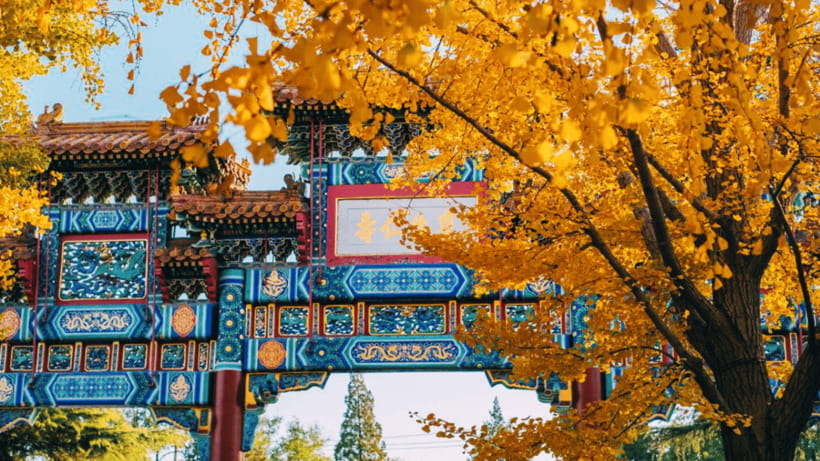
Your visit begins with the temple’s sequence of archways. These entrances do more than mark the boundary. They set up a gradual movement from the busy city into a series of enclosed courtyards and sacred halls.
Look closely at the rooflines, painted details, and carved elements as you pass through. The design does not fit neatly into one architectural category. Han Chinese forms appear alongside features associated with Manchu, Tibetan, and Mongolian traditions.
The Yonghe Gate leads into the main temple grounds. This is a good place to slow down and get your bearings before heading farther inside. If you simply follow the crowd from one hall to the next, you can miss the changes in scale and design between the courtyards.
The entrance area can feel busy, especially around major holidays. January 1 has been particularly crowded, with many people visiting to pray. If you prefer a quieter look at the architecture, avoid peak religious periods when possible and arrive with enough time for a slower walk.
Yonghe Palace Hall and the main courtyards
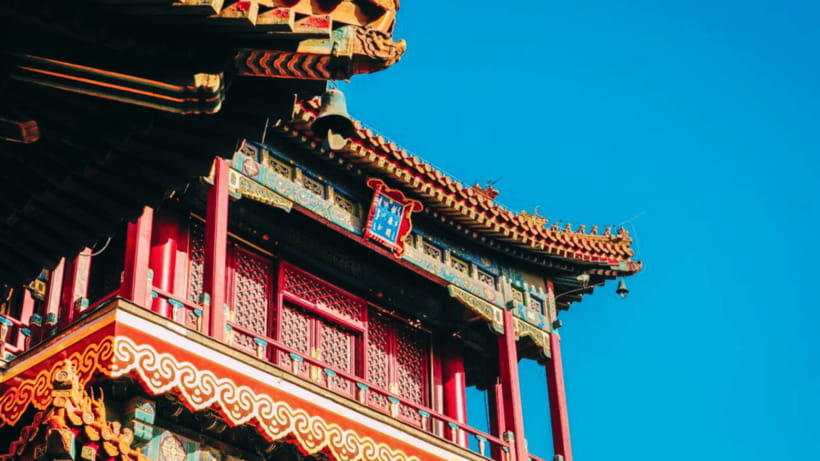
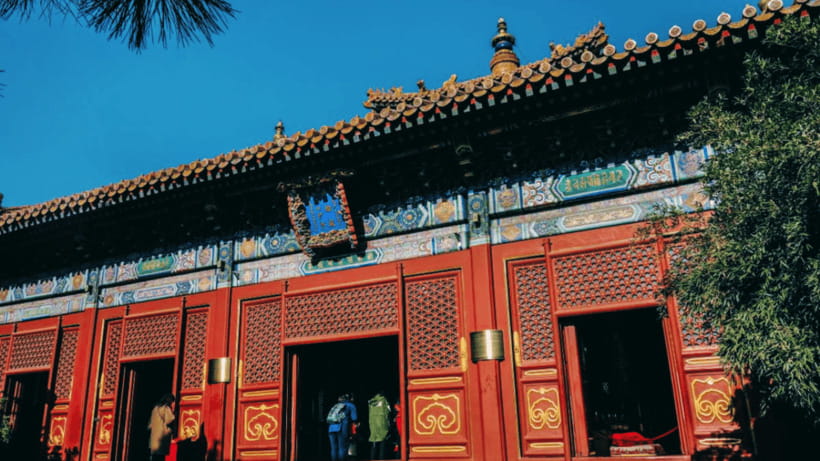
The Yonghe Palace Hall is one of the key buildings in the complex. Its name links the temple to its imperial past, while its religious setting shows how the former palace was given a new role.
As you move through the courtyards, you will find richly painted surfaces, carved features, Buddhist images, and ceremonial spaces. Photography may be possible in some outdoor areas, but the halls are places of worship. Follow posted instructions and avoid using your camera in a way that distracts people who are praying.
The courtyards are also where the temple’s atmosphere becomes easiest to appreciate. The complex is not huge, so you can cover the principal buildings in a day without rushing. That smaller scale is useful if you have limited time in Beijing, though it also means you should not expect a full-day guided program with constant commentary.
I would plan to visit each major hall, pause in the courtyards, and return to the buildings that interest you most. The ticket gives you access for the day, so you have room to set your own pace rather than racing through every doorway.
The Four Learning Halls
One distinctive part of Yonghe Temple is the group known as the Four Learning Halls. These include the Hall of Medicine Buddha, Mathematics Hall, Tantric Hall, and Lecture Hall.
The names point to the temple’s role as a place of Buddhist study as well as prayer. Even if you do not know the religious traditions behind each hall, the group helps you see that the temple was designed for teaching and practice, not only ceremony.
The halls are part of the included admission, along with three exhibition rooms. These spaces give you a chance to look beyond the most famous statue and understand the temple as a center of Buddhist culture.
You should not expect a live interpreter to explain each room. No guide or audio guide is included. If you want detailed explanations, you will need to read available signs, use your own guidebook, or make use of the small electronic guide information that may be sent by WhatsApp with the ticket. That material can help, but it is not the same as having a specialist beside you.
More Entry Tickets in Beijing:
- Temple of Heaven Ticket
★ 4.9 · 271 reviews - Beijing: Yonghe Lama Temple Entry Ticket
★ 4.5 · 147 reviews - Beijing: Temple of Heaven Ticket with 5 UNESCO Site Options
★ 5.0 · 130 reviews - Temple of Heaven Ticket with Optional Guide Service
★ 5.0 · 120 reviews
The 18-meter sandalwood Buddha
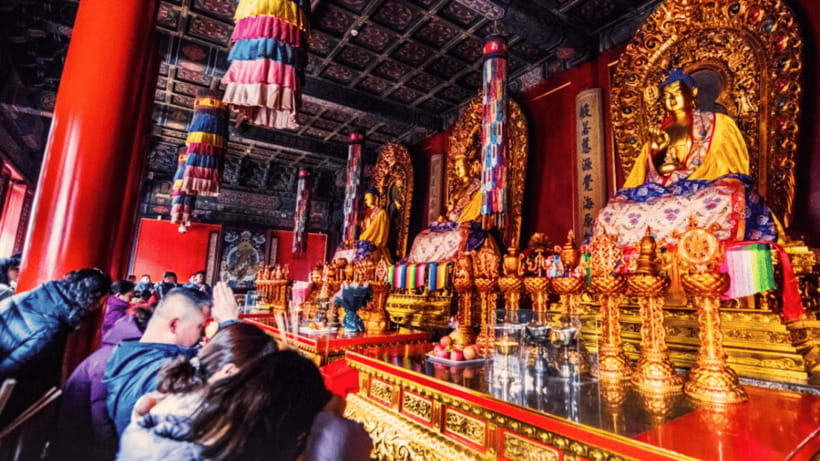
The great Maitreya Buddha is the sight that gives many people a clear reason to visit. The statue is 18 meters tall and carved from a single piece of sandalwood. It has held a place in the Guinness World Records since 1990.
The scale is hard to grasp from a quick photograph. Inside the hall, look upward and take in how the statue fills the vertical space. The single-piece construction is also an important detail. This is not simply a large image assembled from many separate sections.
The statue is a religious object, not just an architectural feature. Expect people to pause, pray, and move quietly through the hall. You will get more from the visit if you give yourself a moment to look rather than treating the Buddha as a quick photo stop.
Because the temple remains active, the best experience comes from combining curiosity with restraint. Keep voices low, obey any photography rules, and make room for worshippers.
Religious art, thangkas, and exhibitions
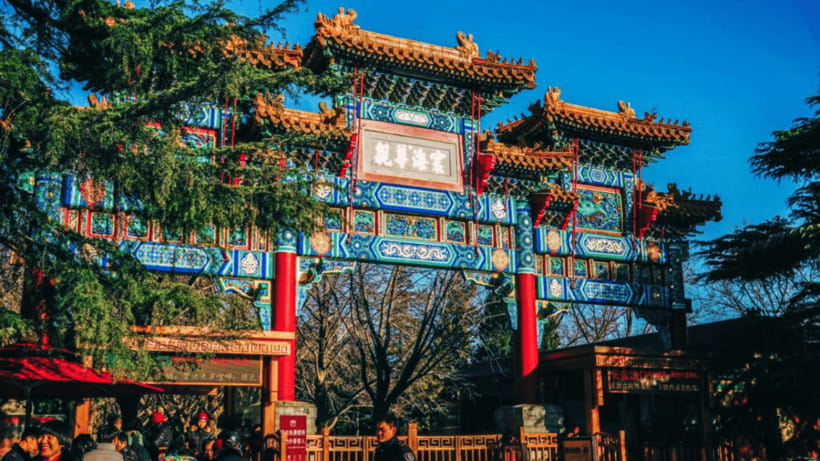
Across the halls and exhibition areas, you can see Buddha statues, thangkas, and other valuable objects connected with the temple’s Buddhist traditions. The art adds detail to what can otherwise look like a series of similar courtyards.
Thangkas are especially useful for understanding Tibetan Buddhist visual culture. The supplied information does not specify a full catalog of the objects on display, so I would not visit expecting a museum-style collection with extensive English explanations at every turn. Instead, treat the exhibitions as part of the wider temple visit.
The contrast between the grand buildings and the small religious objects is one of the site’s pleasures. Roofs and courtyards give you the broad picture. Statues, painted works, and ritual details reward closer attention.
How the $10 ticket works in practice
At $10 per person, the ticket is reasonably priced for a major Beijing cultural site, especially if you value convenience. It includes admission to the temple’s main buildings and cultural exhibitions, plus the reservation fee.
The main benefit is not a guided experience. It is easier entry planning. You do not need to depend on finding an open ticket at the gate, and the reserved admission is intended to let you use the ticket channel rather than the regular ticket line.
There are important limits. The ticket does not let you skip the security check. You must still show your ticket at the designated entrance channel, pass through security, and follow the site’s entry rules. Pets, weapons, sharp objects, and explosive substances are not allowed.
The service provider is PANDA144. Confirmation may arrive by email or through WhatsApp, and the timing can vary. The booking information says to wait for confirmation rather than treating the GetYourGuide QR code as your admission ticket. This is the most important practical point: do not go to the gate assuming the original QR code is enough.
Real-name booking is mandatory. Send your full name exactly as it appears on your passport and your passport number. If those details are not received in time, the booking can be canceled and a cancellation fee may apply. Bring the same passport to the temple.
Timing, opening limits, and how long to allow
The activity is sold as a one-day admission, with starting times subject to availability. The information provided does not give a fixed opening schedule, so check the available time when booking and plan around it.
Final entry is one hour before closing, and everyone must leave 30 minutes before closing. Those limits matter because the complex contains several halls and exhibitions, and arriving late could turn a relaxed visit into a hurried walk.
You can probably see the principal areas without spending the entire day, but the one-day validity gives you flexibility. I would avoid booking a tight connection or stacking the temple between two attractions with no spare time. Security, city traffic, and crowd levels can all affect the pace.
The temple is wheelchair accessible. Even so, you should check the exact route and entrance arrangements if someone in your group needs specific assistance, since the provided information does not describe every surface or internal access point.
What this experience does not include
This is a self-guided admission ticket, not a tour. No guide is provided, and no audio guide is included.
That arrangement works well for you if you like moving at your own speed. You can linger near the sandalwood Buddha, pause in a courtyard, or spend more time with the halls that interest you without waiting for a group.
It is less suitable if you want a detailed explanation of Tibetan Buddhism, imperial succession, or the meaning of each statue. In that case, you may prefer to arrange a separate guide or prepare with reading before you arrive.
The small guide information sometimes sent by the provider can be useful for basic orientation. Communication through WhatsApp has also been used for ticket delivery and visit instructions. Still, you should treat it as practical help rather than a substitute for a full guided tour.
Who should visit Lama Temple
I would recommend this experience to first-time visitors who want a manageable cultural stop in Beijing, anyone interested in Buddhist art and architecture, and people who prefer independent sightseeing.
It also suits you if you want to see a functioning place of worship rather than a silent monument. The presence of incense, prayer, and local religious activity gives the temple a stronger sense of purpose.
Families and mixed-interest groups may appreciate the compact layout. You can focus on the architecture, the Buddha statue, the exhibitions, or the atmosphere without needing to follow a long route.
You may want a different arrangement if you need extensive historical explanation, a personal guide, or a fully planned tour. The ticket is about access and convenience. It does not provide interpretation.
Practical booking advice for a smoother visit
Before booking, make sure you can provide the passport name and number required for real-name admission. Check your email and WhatsApp for confirmation, and do not rely on the initial QR code alone.
Bring your passport. It is specifically required, and the identity details must be genuine and accurate.
Allow time for security screening. The fast-track benefit applies to the ticket line, not to the security check. Avoid bringing prohibited items, including pets, weapons, sharp objects, or explosive substances.
Wear something suitable for a religious site and keep your behavior quiet and respectful inside the halls. The temple can become crowded during holidays and prayer periods, so a little patience will improve the visit.
Should you book the Yonghe Temple ticket?
Book it if you want a low-cost, self-guided visit to one of Beijing’s most distinctive religious sites and value having admission arranged ahead of time. The 18-meter sandalwood Buddha, mixed architectural styles, active prayer spaces, and exhibition halls make the $10 price easy to justify.
Skip this format if you want a personal guide or a detailed audio tour. Also skip it if you are not prepared to submit passport details and wait for the proper confirmation.
For most independent visitors, the ticket is a practical choice. Just remember that the real experience is not only the buildings. It is the combination of imperial history, Buddhist art, incense, and present-day worship that makes Lama Temple worth your time.
FAQ
How much does admission to Lama Temple cost?
The ticket costs $10 per person.
How long is the ticket valid?
The activity is listed as a one-day admission. Check availability for the starting time when booking.
Does the ticket include fast-track entry?
It includes fast-track entry to the ticket line and a reservation fee. It does not include skip-the-line access for security checks.
Is the GetYourGuide QR code the admission ticket?
No. The QR code is not a valid ticket by itself. Wait for the confirmation email or communicate through WhatsApp as instructed.
What passport information is needed?
You must provide your full name exactly as it appears on your passport and your passport number. Real-name booking is required.
Do I need to bring my passport?
Yes. Bring your passport to the temple for entry.
Is a guide or audio guide included?
No. The ticket does not include a guided tour or an audio guide.
What can I see with the admission ticket?
You can access the major temple buildings and cultural exhibitions, including the archways, Yonghe Gate, Yonghe Palace Hall, Four Learning Halls, and the area containing the 18-meter sandalwood Buddha.
Can I cancel the booking?
You can cancel up to 24 hours in advance for a full refund.
Just added around Beijing
- Temple of Heaven Admission Ticket★ 4.0 · 36 reviews
- Temple of Heaven Morning Walking Tour with Ticket★ 5.0 · 7 reviews
- Full-Day Beijing Forbidden City, Temple of Heaven and Summer Palace Tour★ 4.5 · 40 reviews
- Summer Palace and Temple Of Heaven Private Tour★ 5.0 · 9 reviews
- Private Day to T-Square, Forbidden city, Temple of heaven, Summer palace Tour★ 5.0 · 54 reviews
- Private Day Tour:Tiananmen Square,Forbidden City Temple of Heaven★ 5.0 · 16 reviews
- 4-Hour Private Tour: Lama Temple, Confucius Temple, Guozijian Museum with Dim Sum★ 5.0 · 21 reviews
- Local’s Beijing: Forbidden City Insider Tour +Temple +Duck Feast★ 4.5 · 66 reviews
Temple of Heaven Tours, compared.
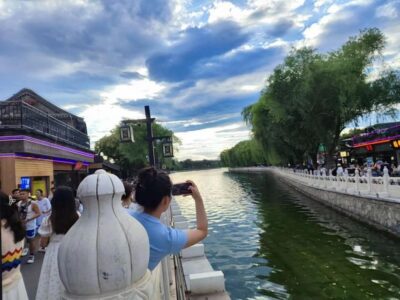
The Temple of Heaven or Summer Palace Entry Ticket
Read our review →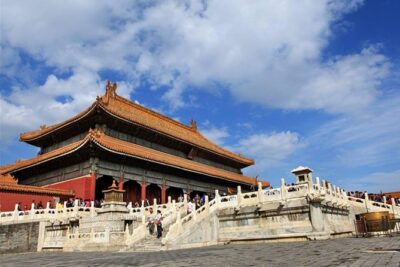
Beijing Classic Full-Day Tour including the Forbidden City, Tiananmen Square, Summer Palace and Temple of Heaven
Read our review →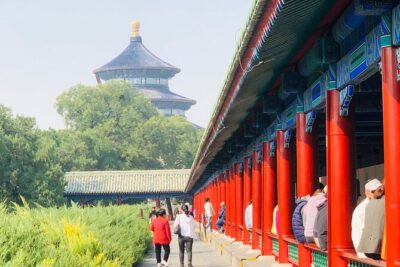
Temple Heaven, Lama Temple, Summer Palace & Peking Duck Bus Tour
Read our review →
Temple Heaven, Summer Palace, Lama Temple, Hutong Bus Tour
Read our review →
Temple of Heaven, Summer Palace, Lama Temple, Hutong Tours
Read our review →Browse the lists this tour appears in