
REVIEW · MUMBAI TEMPLE TOURS
Mumbai Markets and Temples Tour
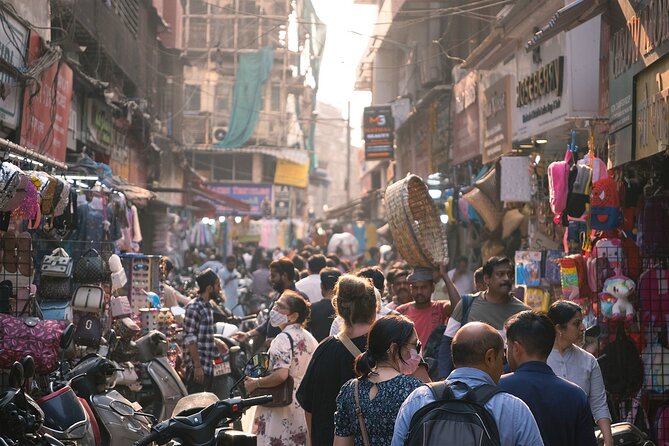
Mumbai’s market life is the star here. You move from Crawford Market’s produce and household stalls to Mangaldas Market’s rolls of wedding and festival fabric, then slip into a Hindu temple and a city-center cow shelter. It is a useful look at daily Mumbai, not just a parade of famous buildings.
I like the local guide-led route, since these lanes can be hard to follow alone, and I like the community angle: part of the operator’s proceeds supports local education projects. The $27.97 price also covers water or a cold drink, which matters in Mumbai’s late-afternoon heat.
The main drawback is pace. Some outings have finished in under two hours or moved quickly through the markets, leaving little time to browse or shop. If you want a slow buying session, this may feel rushed.
Key points at a glance
- Crawford Market dates to 1871: See produce, meat, imported cheese, household goods, and a building known as India’s first to receive electricity.
- Mangaldas Market is a fabric hub: Clothing vendors and tailors sell material used for weddings, Diwali, and fashion design.
- Mumbadevi Temple gives Mumbai its name: Your guide explains basic Hindu customs, and you may receive prasad from a priest.
- Bombay Panjrapole cares for more than 350 cows: The sanctuary offers a striking change from the crowded market streets.
- The tour starts at 3:30 p.m.: It begins near Regal Cinema in Colaba and ends by Charni Road Railway Station.
- The guide makes or breaks the walk: Guides including Sabina, Nilesh, Biju, Bipin, Cham, Jaden, and Chetan have led highly praised outings, though the quality of delivery can vary.
What this South Mumbai walk is really about
This is not a polished shopping mall tour. It is a street-level introduction to how Mumbai buys food, cloth, religious offerings, and household goods. You walk through working markets where the main purpose is local commerce, then add a temple and an animal shelter for cultural context.
The route lasts about 2 hours 15 minutes, though the advertised description also calls it a 2.5-hour walk. That small difference is worth noting if you have a train, dinner booking, or evening plan. The group can reach 25 people, but some departures have been much smaller, including one with only four people and another with a single participant.
Your guide is an important part of the value. A good guide can explain what you are seeing, steer you away from aggressive sellers or beggars without making a scene, and help you understand when a market is for browsing rather than casual souvenir shopping. Sabina was singled out for making people feel safe and comfortable, while Nilesh, Biju, Bipin, Cham, Jaden, and Chetan were praised for local insight, friendly service, and help with questions.
That personal element is also the tour’s weak point. A few outings felt hurried, and one guide offered little help with judging cloth quality or prices. Go in expecting an introduction to the markets, not a private shopping consultant.
A few more temple visits around India worth a look
- New Delhi: Akshardham Temple Tour with Water and Light Show
★ 4.8 · 313 reviews - Old Delhi Food-Spice Market-Temples Tour Soon Featured on NETFLIX
★ 5.0 · 304 reviews - Private Guided Spiritual Walk in Banganga Hindu Temples
★ 5.0 · 271 reviews
Starting at Regal Cinema in Colaba
Meet at 3:30 p.m. outside Regal Cinema on Colaba Causeway, opposite the Chhatrapati Shivaji Maharaj Vastu Sangrahalaya. This is a clear central meeting point, but give yourself time to reach it. Hotel pickup and drop-off are not included.
The walk eventually ends at Charni Road Railway Station. Your guide can help arrange a taxi or point you toward a train for the next part of your evening. That is useful because the route finishes in a different part of South Mumbai from where it begins.
The late-afternoon start is sensible. Mumbai can be hot and sticky, and one outing found the length just right for the conditions. Still, wear practical shoes and bring a little patience. The streets are crowded, the route includes uneven city walking, and you will often stop in busy lanes rather than quiet plazas.
Crawford Market: produce, provisions, and Victorian architecture
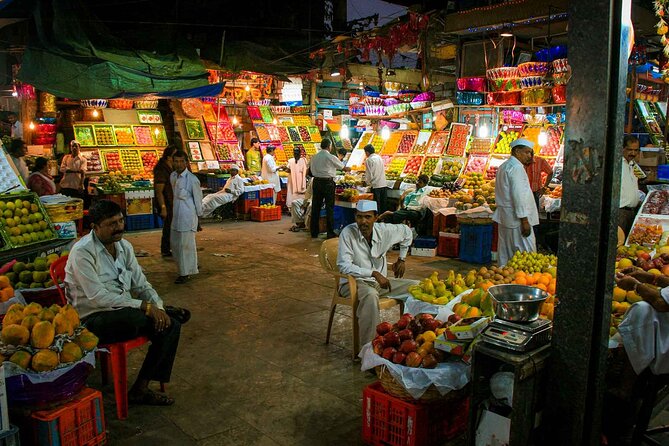
The first main stop is Crawford Market, officially known today as Mahatma Jyotiba Phule Mandai. The market opened in 1871 and mixes Gothic and Romanesque architectural details with the noise and movement of a working food market.
You might see colorful vegetables, fruit, meat, imported cheeses, homemade chocolates, and household goods. The point is not simply to admire the old building. Your guide helps connect the displays to everyday shopping in Mumbai, where markets remain central to buying food and supplies.
The building also has a place in local technology history. It was the first building in India to receive electricity, according to the tour information. That detail adds another layer to what might otherwise seem like a quick produce stop.
You get about 30 minutes here. That is enough for an introduction and some photographs, but not necessarily enough for a relaxed shopping session. The market can be intense, and you may find yourself moving with the group rather than choosing your own route.
One important caution is included in the tour details: some endangered and exotic animals are sold at Crawford Market. The mention is not a promise that you will see such sales, but it is a reminder that this is a real commercial market, not a staged attraction. If animal welfare issues trouble you, ask your guide what you are likely to encounter before spending time in particular sections.
Mangaldas Market and Mumbai’s fabric trade
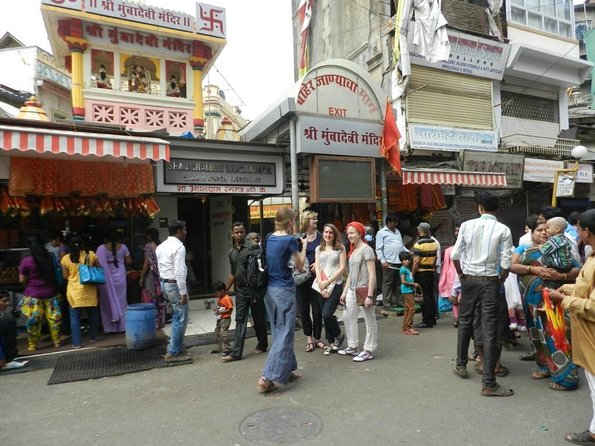
Next comes Mangaldas Market, which opened in 1893 and is described as Mumbai’s largest indoor wholesale textile market. Here, the atmosphere changes from food and household shopping to cloth, tailoring, and special-occasion dress.
The market has hundreds of clothing vendors and tailors. Local families shop for material for weddings, Diwali, and other important events. The fabric trade also reaches the top of India’s fashion industry, since well-known designers buy cloth here for their creations.
This is one of the tour’s best stops if you care about clothing, design, or the practical side of Indian celebrations. You begin to see how a formal outfit is assembled from fabric, color, pattern, and tailoring rather than picked off a standard rack.
The challenge is time. The planned stop is about 30 minutes, and the group may continue moving through the lanes. If you want to buy fabric, ask early how much time is available and tell the guide what you are looking for. The walk is more useful for understanding the market than for completing a major purchase.
One outing felt that the guide moved too quickly and did not explain enough about quality or fair prices. That is fair criticism. You should not assume the guide can verify every seller or negotiate every transaction. Treat any purchase as your responsibility, and use the tour to learn how the market works before buying.
Same country, a different morning at the gates:
- Mahabalipuram tour by Tourism Ministry approved company
★ 5.0 · 405 reviews - Mahabalipuram & Kanchipuram by tourism ministry approved company
★ 5.0 · 264 reviews - Foodies Day Out at Madurai
★ 5.0 · 253 reviews - Taj Mahal Sunrise with Lord Shiva Temple:- All Inclusive
★ 5.0 · 207 reviews
Mumbadevi Temple and a short pause from the markets
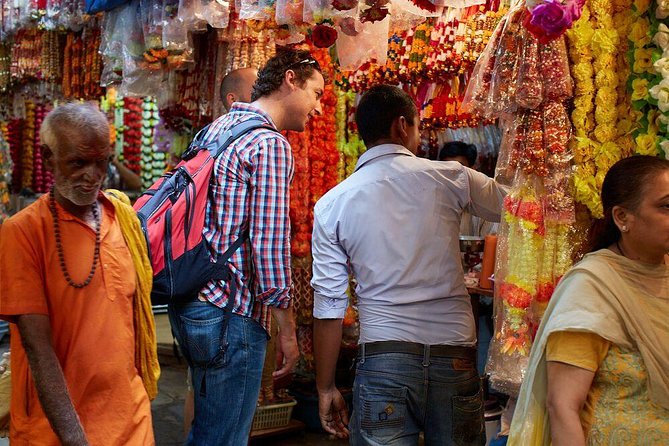
The Mumbadevi Temple offers a change of rhythm. It is the historic Hindu temple that gives Mumbai its name, and the visit lets you step away from the market noise for a short period.
Your guide explains basic points about Hinduism, India’s dominant religion, and you may see devotees receiving blessings from Hindu priests. If you are comfortable taking part, you may receive prasad, a religious blessing or offering.
This is a place for observation and respect rather than quick sightseeing. Dress modestly, with shoulders and knees covered, as conservative clothing is recommended throughout India. Follow any temple instructions given by your guide, and do not treat worshippers as background scenery.
The stop lasts about 30 minutes. That makes it long enough to understand the temple’s role, though it is not a full religious or architectural tour. The value comes from connecting Mumbai’s name and religious life to the markets you have just walked through.
Bombay Panjrapole and the city’s sacred cows
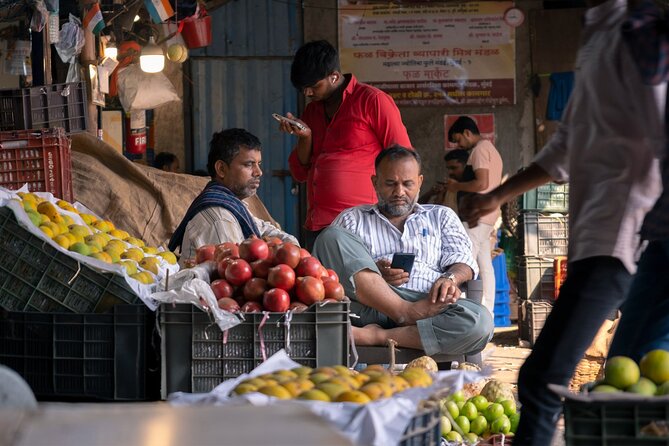
The final stop is Bombay Panjrapole, an animal shelter in the middle of South Mumbai. It cares for more than 350 cows, many of them stray or otherwise in need of protection.
The shelter is a sharp contrast to Crawford and Mangaldas markets. Instead of following commerce, you watch devotees care for animals considered sacred by Hindus. Some outings have allowed people to feed the cows, though that should depend on the guide and the shelter’s instructions on the day.
I find this stop especially worthwhile because it shows a side of religious practice that is easy to miss when you only visit temples. People come to the shelter as an act of devotion and to gain good karma. Your guide can explain that belief without turning the visit into a lecture.
You spend roughly 20 minutes here. The stop is short, but it gives the walk a memorable finish and takes you into a place you would be unlikely to locate on your own. Be ready for animal smells, close quarters, and a setting that is functional rather than arranged for sightseeing.
How much value do you get for $27.97?
At $27.97 per person, the price is reasonable for a guided walk covering four distinct stops, especially because the route depends on local orientation. You are paying for the guide’s explanations, help in busy streets, a drink, and access to places that can be difficult to understand on your own.
The value is strongest if you are new to Mumbai and want context more than a shopping haul. A guide can explain why Mangaldas Market matters, what is happening at Mumbadevi Temple, and how Bombay Panjrapole fits into local religious life. Without that help, you might see a series of crowded streets without grasping the connections.
The price is less attractive if your main goal is to browse slowly, compare cloth, or make several purchases. The group size can reach 25, and the route has fixed stops. You may have to choose between keeping up with the group and spending more time at one stall.
Another positive is the operator’s stated community support. A significant share of its proceeds goes toward local educational projects, including adult education work connected with Mumbai’s slum communities. That gives the fee a wider purpose, though you should still book because the route suits you, not only because of the charitable element.
Who will enjoy this walk most?
I would choose this tour if you want a compact first look at South Mumbai’s everyday life. It suits you if you enjoy food markets, textiles, religious sites, and guided walks that move through ordinary city streets.
It is also a good choice for solo visitors or first-time arrivals who do not want to find the market lanes alone. The route is near public transportation, the group is limited to 25 people, and most people can participate according to the tour details.
You should be comfortable with a busy urban setting. The walk includes crowded markets, quick transitions, and a temple where modest dress matters. If you walk slowly, say so at the start. One guide adjusted the pace for a slower walker, but you should not assume every departure will do the same.
This is not the best fit for someone seeking a luxury food tour, a private fashion consultation, or extensive temple history. It is also not a dedicated street-food walk, although one outing included a quick street-food stop. Food is not included in the price.
Practical tips for a smoother afternoon
Wear cool, modest clothing that covers your shoulders and knees. This helps at Mumbadevi Temple and keeps you from having to think about clothing rules during the walk.
Bring small notes if you plan to shop, but do not feel pressured to buy. The guide can help you understand the setting, yet the tour does not promise price checks, quality checks, or time for extended bargaining.
Keep your phone and wallet secure in crowded lanes. Guides such as Sabina and Bipin were praised for handling unwanted attention tactfully, but ordinary city awareness still matters.
Expect the route to finish near Charni Road Railway Station rather than back in Colaba. The guide can help with a taxi or train, but you pay for your own onward transport.
Free cancellation is available up to 24 hours before the 3:30 p.m. start time. Within 24 hours, the payment is not refunded, and changes are not accepted.
Should you book the Mumbai Markets and Temples Tour?
Book it if you want a short, guided look at the working heart of South Mumbai. The combination of Crawford Market, Mangaldas Market, Mumbadevi Temple, and Bombay Panjrapole is unusual, and the route gives you more social and religious context than a simple market visit.
I would be more cautious if shopping is your central goal. The best guides, including Sabina, Nilesh, Biju, Bipin, Cham, Jaden, and Chetan, can make the route lively and useful, but the pace and presentation may vary. Go for the insight, the local streets, and the chance to see how commerce and devotion meet. If you want long browsing time, book a separate shopping session afterward.
FAQ
How long does the Mumbai Markets and Temples Tour last?
The tour is scheduled for approximately 2 hours 15 minutes, though the description also gives an approximate duration of 2.5 hours. Some outings have finished in less than two hours.
What time does the tour start?
The tour starts at 3:30 p.m.
Where does the tour begin?
Meet outside Regal Cinema on Colaba Causeway, opposite the Chhatrapati Shivaji Maharaj Vastu Sangrahalaya in Apollo Bandar, Colaba.
Where does the tour end?
The route ends at Charni Road Railway Station in Girgaon. The guide can help you arrange a taxi or find a train for your next destination.
Which places are included?
The route includes Crawford Market, Mangaldas Market, Mumbadevi Temple, and Bombay Panjrapole cow sanctuary.
Is food included?
No. Food is not included, although the tour includes water or a cold drink.
Is hotel pickup included?
No. Hotel or residence pickup and drop-off are not included.
What should I wear to the temple?
Modest and respectful clothing covering the shoulders and knees is recommended.
How large can the group be?
The maximum group size is 25 people. Some departures may be smaller.
Can I cancel for a full refund?
Yes. You can cancel at least 24 hours before the local start time for a full refund. Cancellations or changes made within 24 hours are not refunded or accepted.
Just added around India
- South India Tour- Temple Architecture and Backwaters★ 5.0 · 7 reviews
- Chennai City Highlights – Government Museum & Temple Discovery★ 4.0 · 7 reviews
- Private Day Trip to Mahabalipuram from Chennai with Expert Guide★ 5.0 · 29 reviews
- Full-Day Private Tour to the Kanchipuram Temples from Chennai★ 5.0 · 73 reviews
- Chennai & Mahabalipuram day trip with private car, Lunch & Guide★ 5.0 · 10 reviews
- Explore Mahabalipuram & Kanchipuram: A Day Trip from Chennai!★ 5.0 · 9 reviews
- Mahabalipuram and Kanchipuram Day trip from Chennai by Private car with Guide★ 5.0 · 34 reviews
- Mahabalipuram walking tour by certified travel company★ 5.0 · 10 reviews
Mumbai Temple Tours, compared.
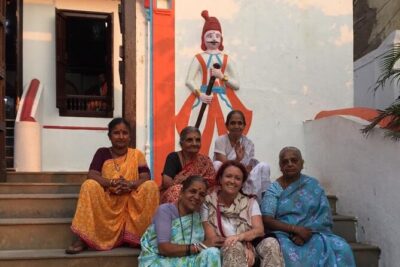
Private Guided Spiritual Walk in Banganga Hindu Temples
Read our review →
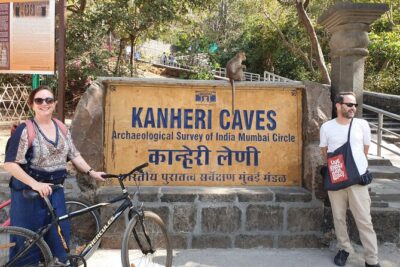
Sanjay Gandhi National Park(SGNP) + Kenheri Caves + Lion Safari + Jain Temple
Read our review →
Buddhist Kanheri Caves with Golden Pagoda Temple
Read our review →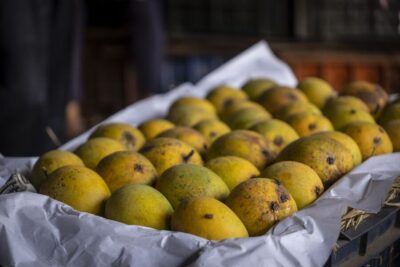
Mumbai Kanheri Caves & Golden Pagoda – A Buddhist Settlement
Read our review →
Private tour for Kanheri Caves and Golden Pagoda
Read our review →Browse the lists this tour appears in