
REVIEW · TOKYO TEMPLE TOURS
Tokyo: Mt. Fuji, Owakudani, Hakone Shrine, & Open-Air Museum
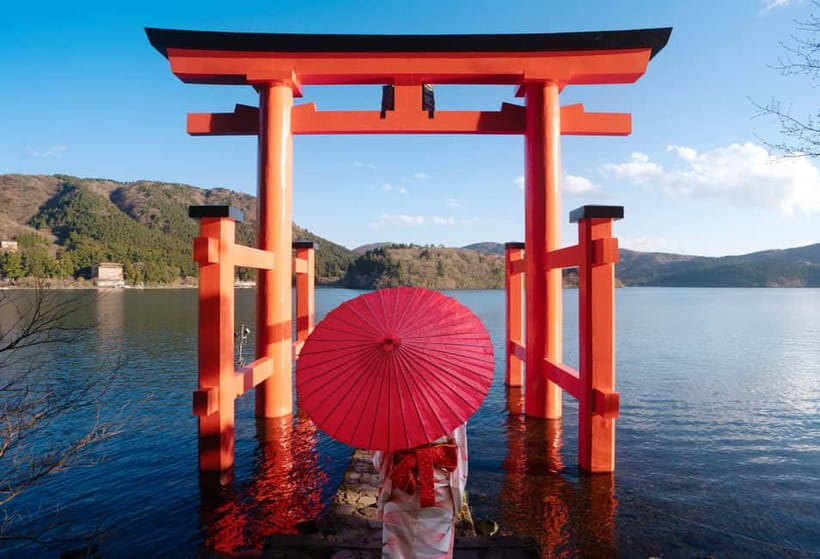
Hakone packs art, volcanoes, mountain scenery, and old shrine culture into one busy day from Tokyo. You can walk among Henry Moore sculptures in the morning, smell sulfur at Owakudani, then reach the red torii of Hakone Shrine beside Lake Ashi. The mix of nature and culture is the real draw.
I like that transportation and admissions are covered, and I like the freedom your guide may have to reorder the day. Yuichi, Juna, and Icchi have each been praised for careful driving, clear help, and smart changes in poor weather. The main drawback is that Mount Fuji is never guaranteed, and traffic or clouds can change the plan.
Key points to know
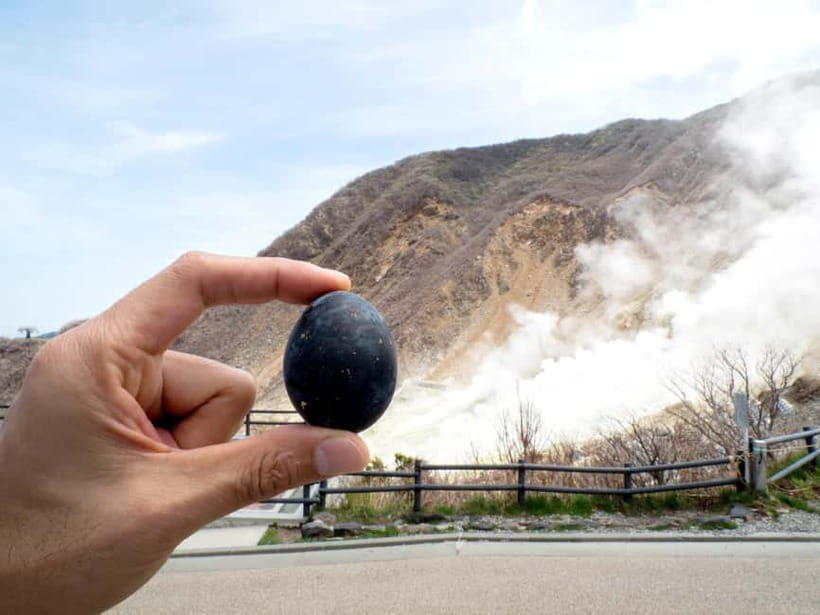
- Owakudani gives you the day’s most dramatic scenery: Steam vents, sulfur springs, and volcanic ground make this more than a standard mountain stop.
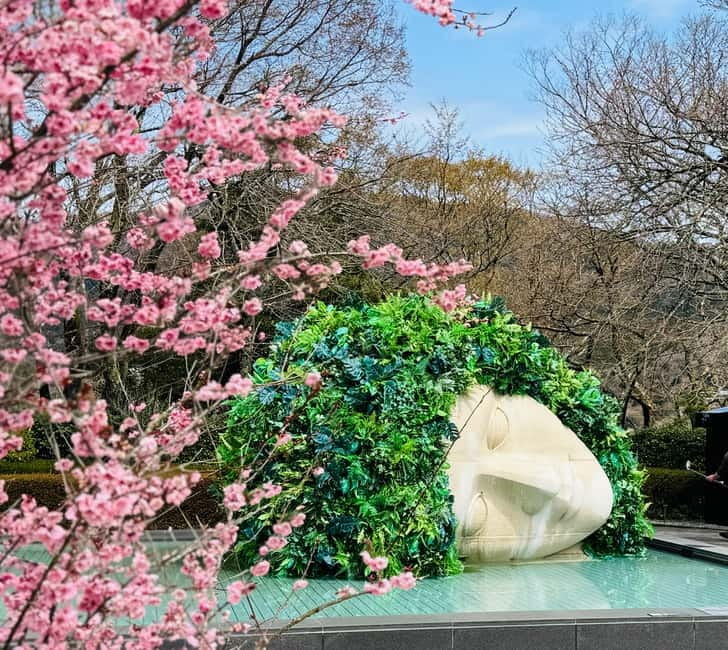
- The Open-Air Museum needs real walking time: Henry Moore, Joan Miró, Picasso, and outdoor installations are spread through gardens and open spaces.
- Hakone Shrine is best when the timing is right: The torii in Lake Ashi is highly photogenic, but busy groups can crowd the lakeside.
- Weather can change the order: Your guide may visit the shrine first, or rearrange stops to improve views and avoid the worst traffic.
- Optional rides cost extra: The Hakone Ropeway and Pirate Ship are not included in the $79 price.
- Bring food and good shoes: Meals are not included, and the day includes walking at several stops.
Why Hakone makes a strong day trip from Tokyo
Tokyo can fill several days without effort, but Hakone gives you a very different Japan in a single outing. The city streets give way to mountain roads, Lake Ashi, steaming volcanic ground, and a major art collection set outdoors.
At $79 per person, this tour is priced as a practical way to cover several places that would require more planning by yourself. You get transportation, admission tickets, and an English or Korean-speaking guide. You do not get meals, insurance, or the optional Ropeway and Pirate Ship tickets, so keep those costs separate.
I see the value mainly in time. Hakone’s sights are spread out, and arranging each connection can be confusing if you are unfamiliar with the area. A guide can also react to traffic, rain, and cloud cover. That flexibility matters here because weather can affect both the mountain views and the optional transport.
This is not a slow countryside retreat. It is a full day with several stops, road time, and walking. If you want a relaxed stay around one Hakone inn, book overnight accommodation instead. If you want a broad first look at the area while based in Tokyo, this format makes good sense.
More Museum Visits in Tokyo:
- Tokyo War History Tour: Yasukuni Shrine & War Museum
★ 4.5 · 6 reviews - Montserrat Museum and Monastery Entry Ticket
★ 4.5 · 1,740 reviews - Lisbon: Belem, Jeronimos Monastery, and Coach Museum Tour
★ 4.8 · 478 reviews
Starting with sculpture at the Hakone Open-Air Museum
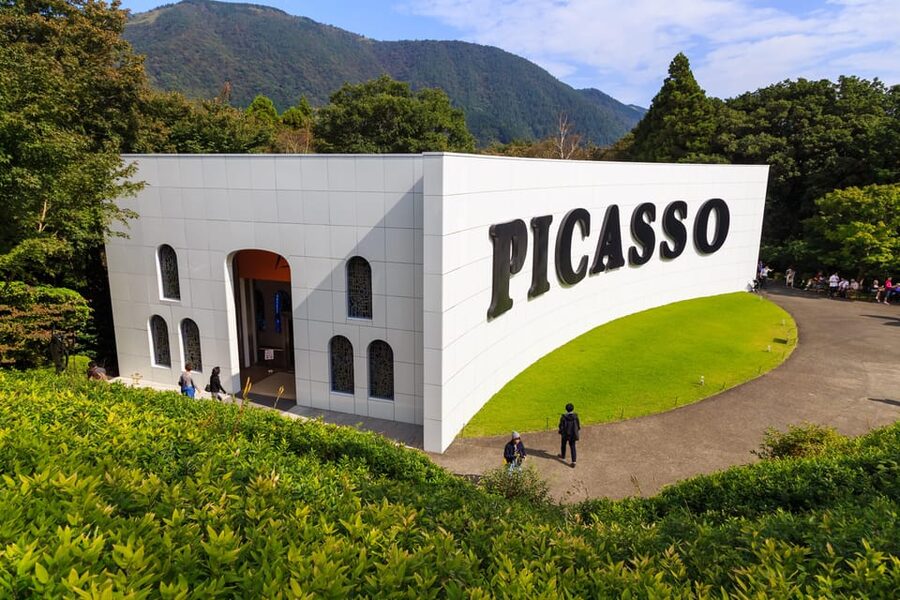
The Hakone Open-Air Museum is a strong first stop because it gives you something very different from the usual Tokyo sightseeing. Instead of placing every work inside a quiet gallery, the museum sets sculptures among gardens and open spaces with Hakone’s mountains as a backdrop.
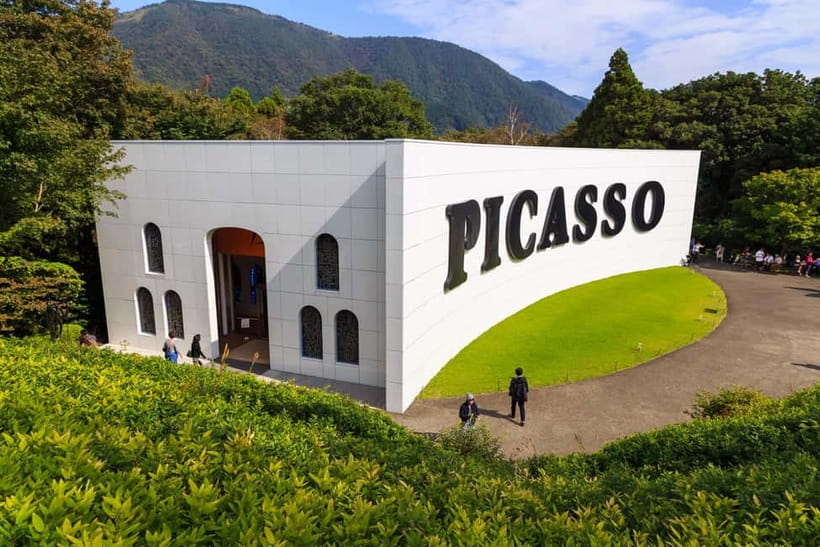
You can expect works by major names including Henry Moore and Joan Miró. There is also a Picasso gallery, giving the visit an indoor art component alongside the outdoor pieces. The result is a stop that works for both serious art fans and people who simply enjoy walking through an attractive setting.
I would allow yourself time to look beyond the most famous names. The outdoor installations change the way you move through the museum, and some pieces are designed to be engaging rather than solemn. That makes this a good choice for mixed groups, including people who might not want a full day of traditional museums.
The practical catch is that this is not a quick photo stop. You will be walking between works, and comfortable shoes are specifically recommended. Rain can also affect how pleasant the outdoor portion feels, so carry suitable clothing rather than assuming every part of the visit happens indoors.
The museum helps balance the more rugged parts of Hakone. After the volcanic valley, it can feel calm and spacious. Before the shrine, it gives the day a cultural focus that goes beyond scenery.
Seeing volcanic ground at Owakudani
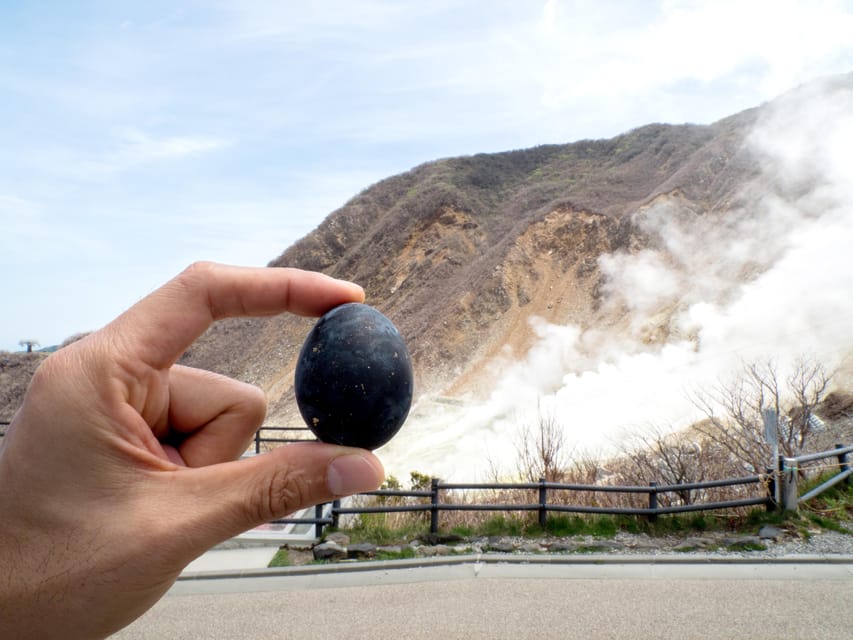
Owakudani is the most unusual stop on the route. This active volcanic valley has sulfurous hot springs, steam vents, and clear signs of underground heat. The smell can be strong, which is part of the point. You are seeing a place shaped by volcanic activity rather than a polished park designed only for photographs.
The setting can change quickly with weather. On a clear day, the open views and steam create a dramatic scene. In rain or heavy cloud, the experience becomes more about the vents, sulfur, and strange geology close at hand. Do not treat poor visibility as a wasted stop, but do understand that the wide views may be limited.
Your guide can help you make sense of what you are seeing and can also assist if you want to use the Hakone Ropeway. The Ropeway is an optional purchase, not part of the $79 fare. It may be available depending on weather and local conditions, so do not book this tour assuming the cable ride is guaranteed.
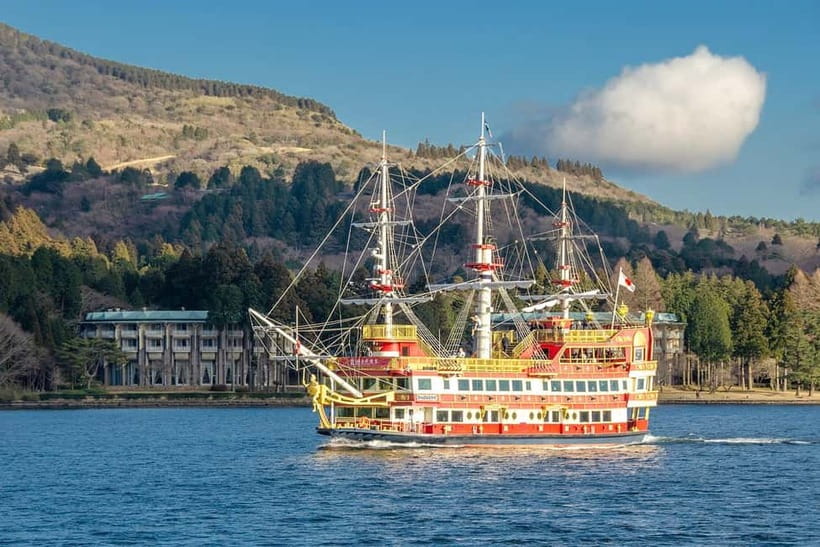
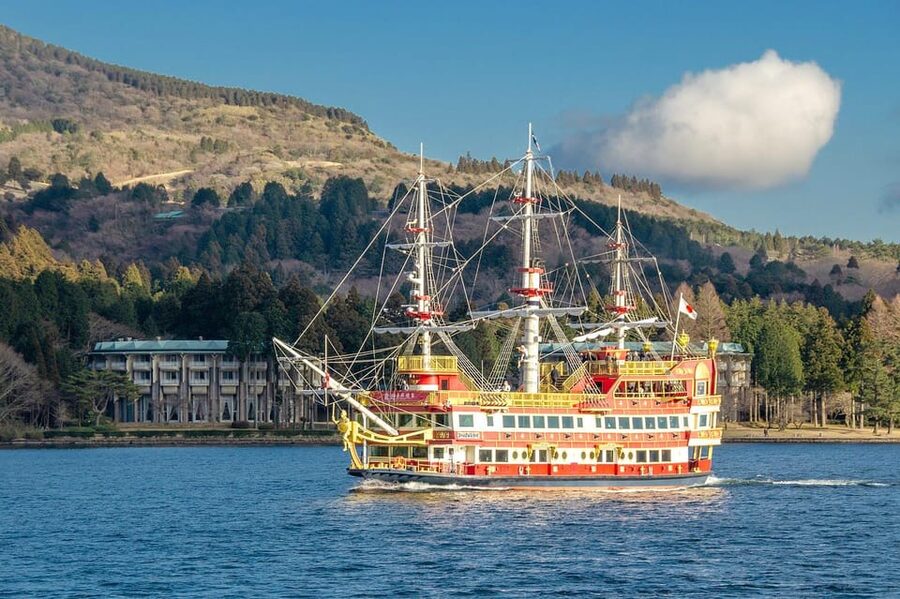
The same applies to the Hakone Pirate Ship. The boat crosses Lake Ashi and can add a pleasant change from road travel, but its ticket is also extra. One reported route used the Pirate Ship first, followed by the cable car to Owakudani, before continuing to the museum. Another day may follow a different order.
That flexibility is useful, but it means you should arrive ready for changes. In peak season, traffic can be heavy enough to reverse the planned order. Japanese law also limits vehicle operation to 10 hours, so the guide may adjust the day in real time.
Finding quiet at Hakone Shrine and Lake Ashi
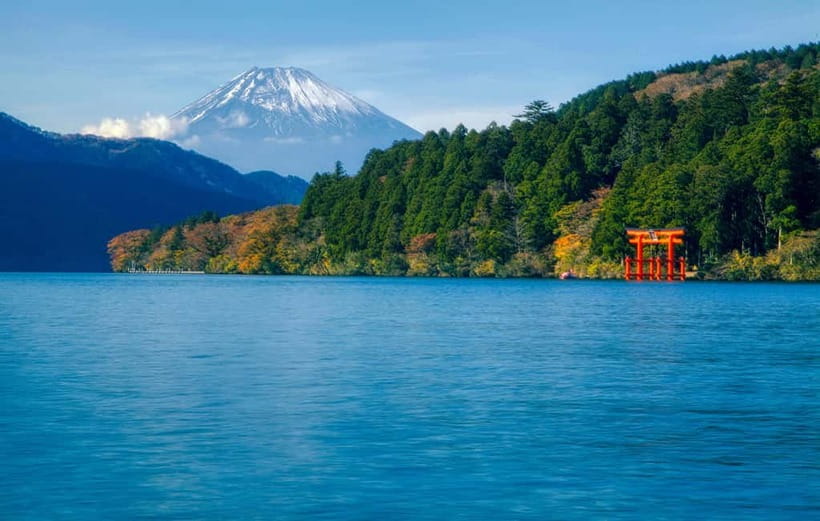
Hakone Shrine sits at the foot of Mount Hakone beside Lake Ashi. Its best-known feature is the red torii standing in the lake, a memorable sight framed by water, forest, and mountain slopes.
The shrine offers a slower mood after Owakudani. You can take photographs, spend time near the lake, and enjoy the quiet atmosphere around the historic religious site. One useful local tip is to bring a few five-yen coins, which are considered auspicious offerings. A small bottle may also be handy if you want to fill it with mineral water at the shrine, as one guide suggested.
Timing matters here. The torii is popular, and large groups can make the lakeside feel less peaceful. A good guide may put the shrine first on a rainy or crowded day, as Icchi did for one small group. That change allowed the group to enjoy the shrine before louder crowds arrived.
This is also the stop most likely to disappoint you if you are expecting a perfect Mount Fuji photograph. Fuji visibility depends on clouds and weather, not on the tour operator. On one day, Yuichi changed the route to improve the chance of seeing the mountain. On another, rain and cloud blocked it completely.
I would treat Fuji as a possible bonus, not the main reason to book. Hakone Shrine and Lake Ashi remain worthwhile even when the mountain is hidden. The water, torii, and surrounding slopes still give you the visual character that makes the area special.
A few more temple visits around Tokyo worth a look
- Tokyo: Asakusa Walking Tour with Sensoji Temple Visit
★ 4.8 · 1,583 reviews - Nikko: Kegon Falls, Lake Chuzenji & Toshogu Temple
★ 4.6 · 1,577 reviews - Tokyo: Nikko Toshogu Shrine and Kegon Waterfall Tour
★ 4.5 · 1,266 reviews - Tokyo Panoramic 1 Day: Meiji Shrine, Asakusa, Odaiba and SKYTREE®
★ 4.5 · 1,222 reviews
How the guides shape the day
The guide can make a major difference on this tour because the route is sensitive to traffic and weather. The strongest practical feature is not a long lecture. It is having someone who can decide when to move, what to visit first, and how to help with optional rides.
Juna has been described as attentive to individual needs. Icchi safely managed heavy rain and changed the order to place Hakone Shrine first. Yuichi adjusted the route to improve the chance of seeing Mount Fuji and helped his group use the Pirate Ship and cable car.
These examples show what you should expect from the guide role. You will receive assistance in English or Korean, but the exact guide is not guaranteed. The guide may also be driving, coordinating tickets, watching the clock, and managing weather changes, so this is not necessarily a nonstop private tour of every sight.
A small group can make the day easier. One reported group had six people, which allowed quick movement and personal help. Group size can depend on the option you book, so check the specific departure details before paying if that matters to you.
Transportation is included, and the ride has been described as smooth and well managed. That removes the stress of piecing together local connections. The tradeoff is that a vehicle-based day remains vulnerable to Tokyo and Hakone traffic.
What the $79 price really covers
The $79 fare includes transportation, admission tickets, and an English or Korean-speaking guide. That is a fair package for a day that links three separate Hakone experiences: the art museum, Owakudani, and Hakone Shrine.
The included admissions matter most at the Open-Air Museum. You are not paying a separate entry fee at the gate, and the guide can keep the group moving toward the next stop. Transportation also saves you from working out each connection while trying to stay on schedule.
You still need to budget for food. Meals are not included, and the advice to bring snacks or a light lunch is sensible. You may be able to buy food during the day, but that is not promised, so I would pack something easy to eat on the bus or at an attraction.
The Ropeway and Pirate Ship are extra. Think of them as optional ways to add motion and scenery, not hidden inclusions in the base price. Ask your guide about current conditions before buying a ticket, especially if rain, wind, or cloud is affecting the route.
The price also does not include travel insurance or personal expenses. Infants are free, but no seat is provided. If you are bringing a baby stroller, notify the operator in advance.
Handling weather, traffic, and the Mount Fuji question
Hakone is one of those places where a flexible schedule is more useful than a rigid promise. Rain can change the best order, traffic can slow the vehicle, and cloud can hide Mount Fuji or the wider views from Lake Ashi.
The tour operator may reverse the order during peak season. This is practical rather than disappointing. Visiting the shrine early may give you a better experience than reaching it after a long traffic delay, and going to the museum later can provide a more comfortable indoor break.
The 10-hour vehicle rule also matters. Your guide cannot simply extend the driving day without limit. If road conditions create delays, some timing may change to keep the tour within Japanese operating rules.
I would pack a light waterproof layer, water, snacks, and shoes suitable for walking. Comfortable footwear matters at the museum and around the shrine. You may also want a small coin pouch with five-yen coins if making an offering appeals to you.
Try not to judge the day only by Mount Fuji. The mountain may appear, as it did for one group after a route adjustment, but it may also be hidden by cloud. Owakudani’s steam, the shrine’s torii, and the museum’s sculpture gardens give you plenty to see without a clear Fuji view.
Who should book this Hakone tour
I would recommend it to a first-time visitor based in Tokyo who wants a broad taste of Hakone without renting a car or learning several transport connections. It suits people who like a clear plan but also appreciate a guide who can change that plan when conditions demand it.
Art lovers get a serious museum stop. Nature fans get volcanic ground and Lake Ashi. Photographers get the torii, steam, mountain views, and possible Fuji views. The tour also works for mixed groups because no single stop dominates the entire day.
It is less suitable if you want long, unhurried time at one place. The day covers a lot, and the vehicle may spend time in traffic. It is also not ideal if your main goal is a guaranteed Mount Fuji photograph or a guaranteed Ropeway ride.
The rating of 4.7 from 25 reviews fits the tour’s strongest qualities: reliable timing, smooth transportation, helpful guides, and a well-chosen mix of stops. The occasional uncertainty is built into Hakone itself, where rain, clouds, crowds, and road conditions can change the experience.
Should you book it?
Book this tour if you want to see Hakone’s art, volcanoes, lake, and shrine in one day from Tokyo, and you value help with transport and timing. The $79 price is sensible when you count the included transport, guide, and admissions.
Skip it if you want a slow private day, dislike schedule changes, or would be unhappy without Mount Fuji. For everyone else, bring good shoes, food, and flexible expectations. A clear day may reward you with Fuji views, while a cloudy day still gives you Owakudani, the torii at Lake Ashi, and one of Japan’s most enjoyable outdoor art museums.
FAQ
Where does the tour start and finish?
The meeting point can vary depending on the option booked. The activity ends back at the meeting point.
What languages are available?
The tour provides an English and Korean-speaking guide.
Is transportation included?
Yes. Transportation and admission tickets are included in the tour price.
Are meals included?
No. Meals are not included. Bringing snacks or a light lunch is recommended.
Is the Hakone Ropeway included?
No. The Hakone Ropeway requires an optional on-site ticket purchase and depends on weather and local conditions.
Is the Hakone Pirate Ship included?
No. The Pirate Ship requires an optional on-site ticket purchase and may depend on weather and local conditions.
Is Mount Fuji guaranteed to be visible?
No. Mount Fuji views depend on weather and cloud conditions. The guide may adjust the route to improve the chance of seeing it.
What should I bring?
Bring comfortable shoes. Snacks or a light lunch are also recommended. If you are bringing a baby stroller, inform the operator in advance.
Just added around Tokyo
- Tokyo:Nikko UNESCO World Heritage Sites Private 1-Day Tour★ 3.8 · 6 reviews
- Tokyo: Snow Monkey Park and Zenkoji Temple Private Day Tour★ 4.7 · 127 reviews
- Tokyo War History Tour: Yasukuni Shrine & War Museum★ 4.5 · 6 reviews
- Tokyo: Sensoji Temple & Street Food: Private Tour with guide★ 4.6 · 8 reviews
- Tokyo: Shibuya Sky, Harajuku & Meiji Shrine Highlights Tour★ 4.5 · 9 reviews
- Tokyo: Nikko Private Sightseeing Day Trip with Driver★ 5.0 · 10 reviews
- Tokyo → Nikko:Private Customizable Day Trip (English Driver)★ 4.9 · 26 reviews
- Tokyo’s Kitchen: Tsukiji Market Food & Culture Walk★ 4.7 · 74 reviews
Tokyo Temple Tours, compared.
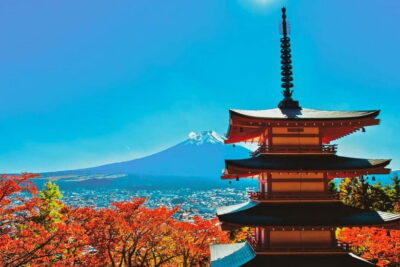
Mt.Fuji,Kawaguchiko Oishi Park,Arakurayama Sengen Park
Read our review →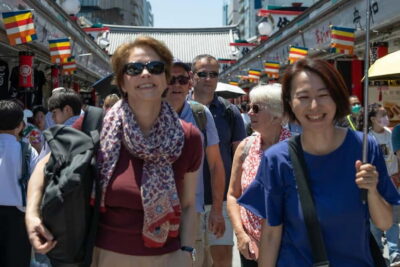
Asakusa Walking Tour with Sensoji Temple Visit
Read our review →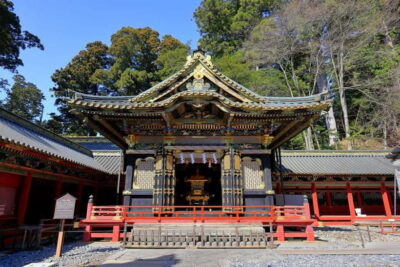
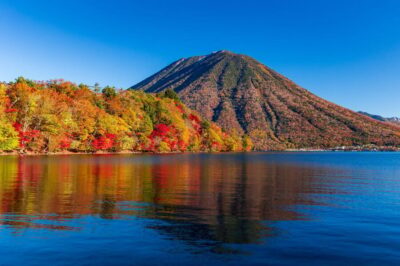
Nikko Toshogu Shrine and Kegon Waterfall Tour
Read our review →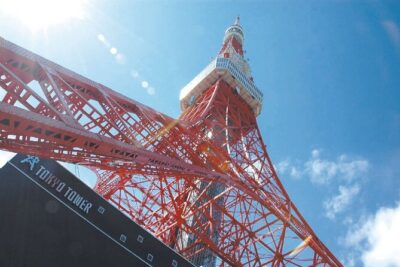
Tokyo Panoramic 1 Day: Meiji Shrine, Asakusa, Odaiba and SKYTREE®
Read our review →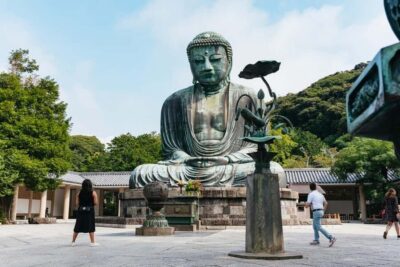
Mt. Fuji, Kamakura, Big Buddha, & Lake Ashi Day Trip
Read our review →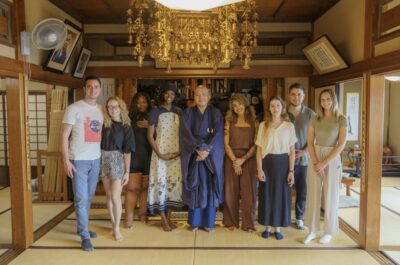
Mt. Fuji Heritage Tour: Traditional Villages, Lakes & Shrine
Read our review →Browse the lists this tour appears in