
REVIEW · MUMBAI TEMPLE TOURS
Mumbai: Local Markets & Temples Tour
Mumbai’s markets are the main event here. In a few hours, you move from the huge Crawford Market to clothing stalls, jewelry lanes, temple streets, and a cow shelter serving more than 350 animals. It is a quick, close-up look at old Mumbai’s daily rhythm.
I like the local focus and the way the route links trade, religion, and animal welfare instead of treating them as separate sights. I also like that guides such as Rakesh and Javid are named in the feedback, with Rakesh praised for his gentle, devoted approach and Javid for his friendly explanations. The main drawback is pace: two and a half to three hours is enough for an introduction, not a slow market crawl.
Key points to know
- Crawford Market gives you the big opening scene: Expect wholesale fruit, vegetables, meat, flowers, and plenty of movement inside and around one of Mumbai’s major markets.
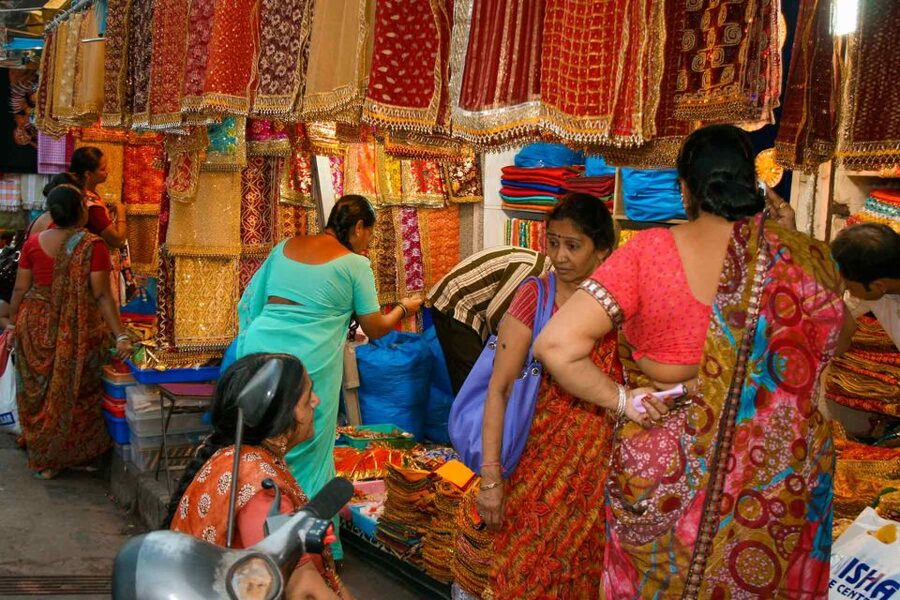
- Mangaldas Market shows the clothing trade: This is where local shoppers buy traditional Indian clothing, with indoor wholesale stalls rather than a polished retail setting.
- Mumbadevi Temple connects the city to its name: The historic Hindu temple honors Mumbadevi, the deity linked to the name Mumbai.
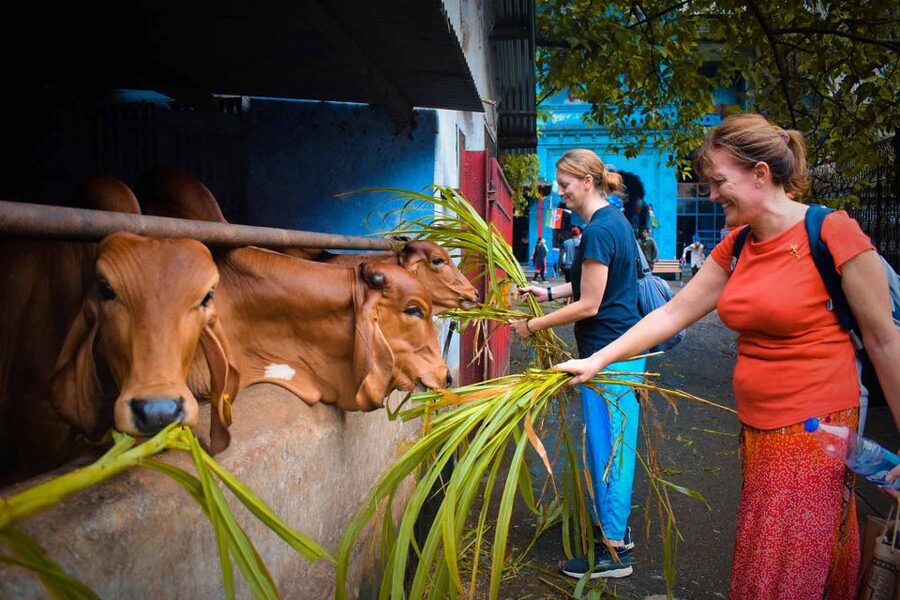
- Shri Mumbai Panjrapole is a different kind of stop: You visit a cow sanctuary that cares for more than 350 cows.
- The black-cab transfer saves time: A roughly 15-minute ride from the Regal Cinema meeting point moves you toward the market district.
- The tour is strongest with a guide who explains context: You see plenty in a short time, but the stories about markets, temples, and local customs make the route worthwhile.
Why Mumbai’s markets make the best introduction
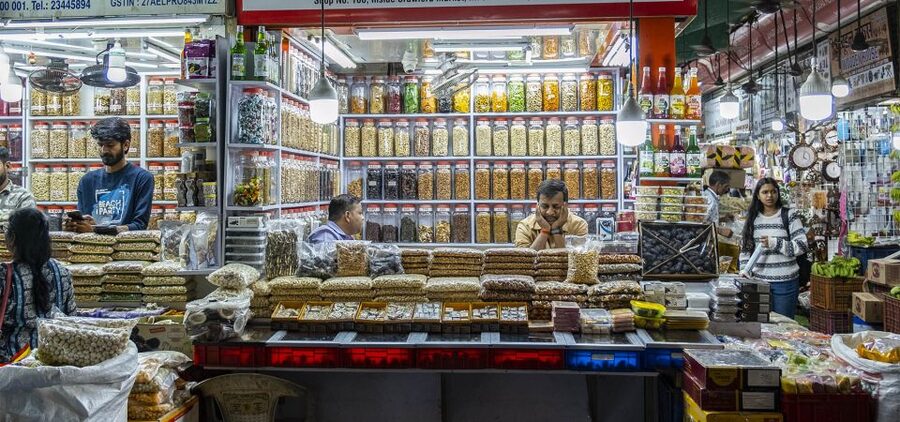
Mumbai can feel like several cities pressed into one. Wide roads pass colonial buildings, then narrow lanes take over. A flower seller may work beside a temple entrance, while a clothing wholesaler operates only a few steps from a food stall. This tour puts you right in that mix.
You are not visiting markets as decorative photo stops. Crawford Market and Mangaldas Market are working places where people buy and sell goods. That matters. The noise, tight lanes, carts, and constant movement are part of the experience, not a performance arranged for sightseeing.
At $27 per person, the value comes from having someone explain what you are seeing. You could walk through parts of this area alone, but you might miss the difference between a wholesale market and a normal shop, overlook Flower Alley, or pass the Mumbadevi Temple without understanding its importance.
The tour lasts between two and a half and three hours. That is a good length if you want an active introduction before lunch or another Mumbai sight. It is less suitable if you want to linger over every stall, stop for extended shopping, or photograph each market at leisure.
A few more temple visits around India worth a look
- New Delhi: Akshardham Temple Tour with Water and Light Show
★ 4.8 · 313 reviews - Old Delhi Food-Spice Market-Temples Tour Soon Featured on NETFLIX
★ 5.0 · 304 reviews - Private Guided Spiritual Walk in Banganga Hindu Temples
★ 5.0 · 271 reviews
Starting at Regal Cinema and crossing the city by cab
The listed meeting point is Regal Cinema, with two starting options shown at booking. Check your confirmed meeting instructions carefully because the exact meeting point may vary by the option you choose.
From there, a black cab ride of about 15 minutes takes you toward the market area. This short transfer is useful in a city where road traffic can eat up time. It also gives you a change of scene before the walking begins.
The cab is not presented as a sightseeing ride, so do not treat it as a guided city tour. Its purpose is practical: get you from the starting area to the first market without spending the opening part of the experience on foot.
Wear shoes suited to uneven, crowded streets. The route includes several walking sections, and the tour continues in rain or sunshine. Water or cold drinks are included, but food is not, so plan around that if you are taking the tour near a meal.
Crawford Market, Mumbai’s working food center
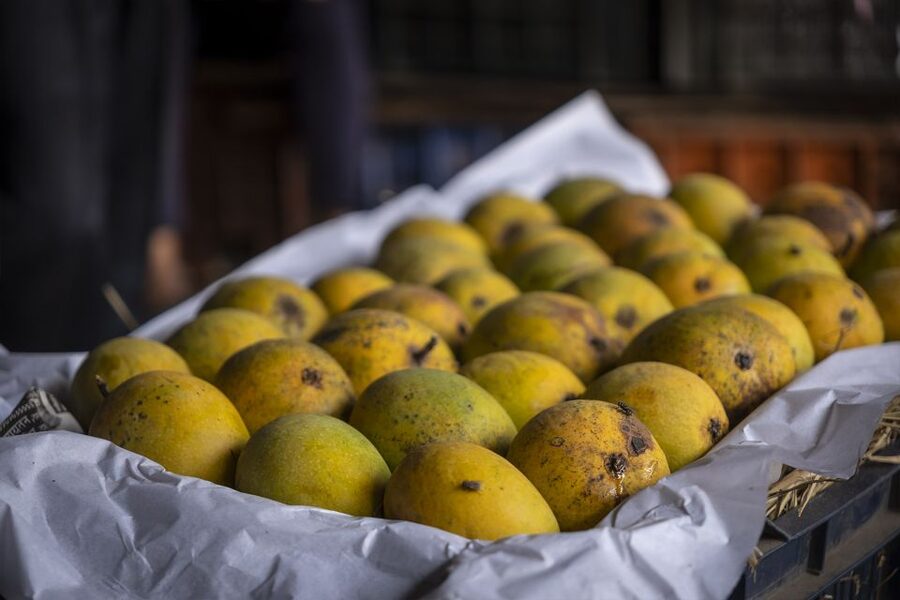
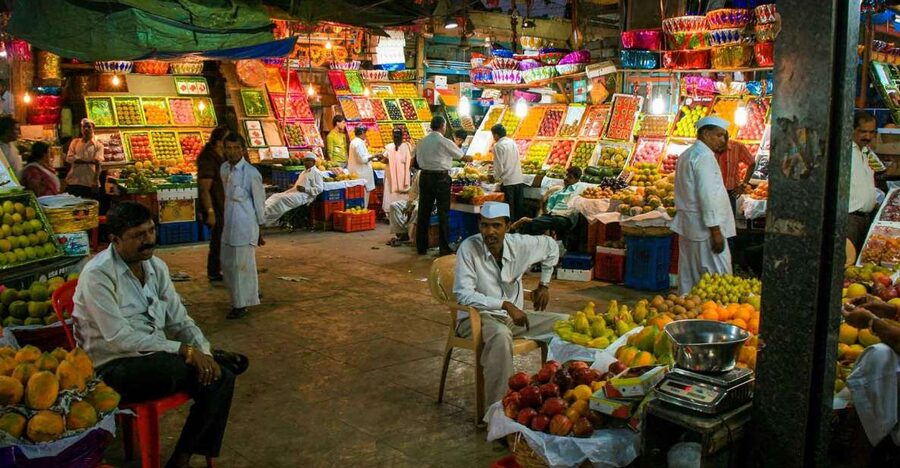
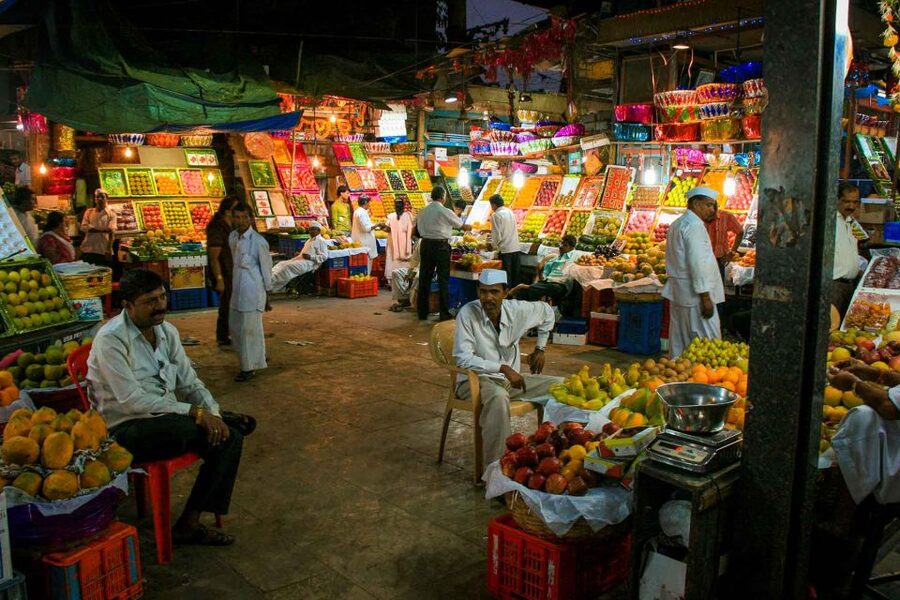
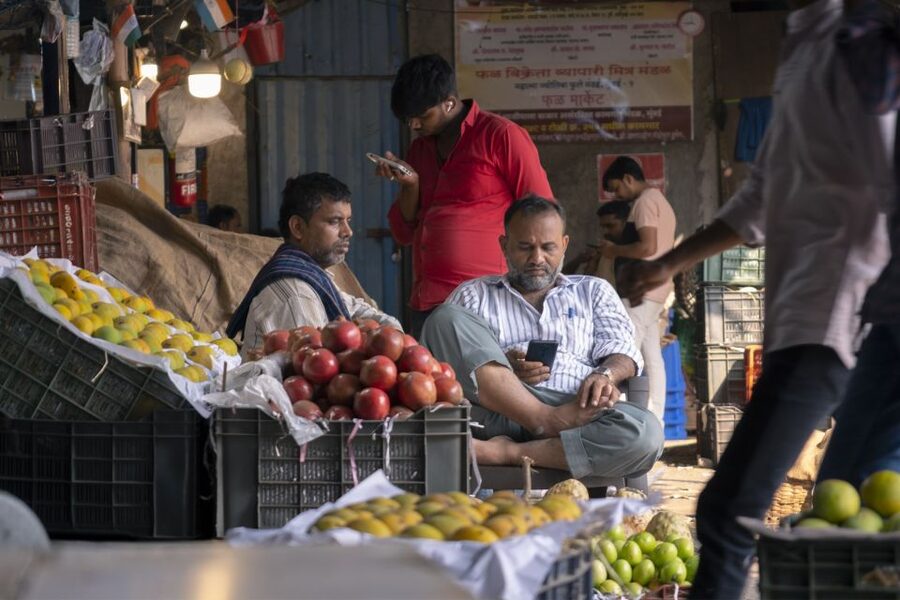
Crawford Market is the largest and most substantial stop on the route. You see one of Mumbai’s major wholesale markets for fruit, vegetables, and meat, along with the surrounding trading activity.
The appeal is the range of goods and the working atmosphere. Colorful produce, vendors calling out, carts, and narrow passages give you a direct look at how supplies move through the city. The market is not designed as a quiet museum. You will need to stay close to the guide and keep alert around people carrying goods.
The guided visit is scheduled for about 15 minutes. That is enough for an overview and some explanation, but not enough for every section. I would treat this stop as a fast orientation. Watch how goods are displayed, notice the difference between wholesale and retail trade, and ask the guide about anything you do not understand.
This is also the point where the tour’s short length becomes clear. Crawford Market alone could occupy much longer than the full experience. The benefit is that you see it as part of a larger story, moving from food to fabric, jewelry, worship, and animal care.
Mangaldas Market and the clothing trade
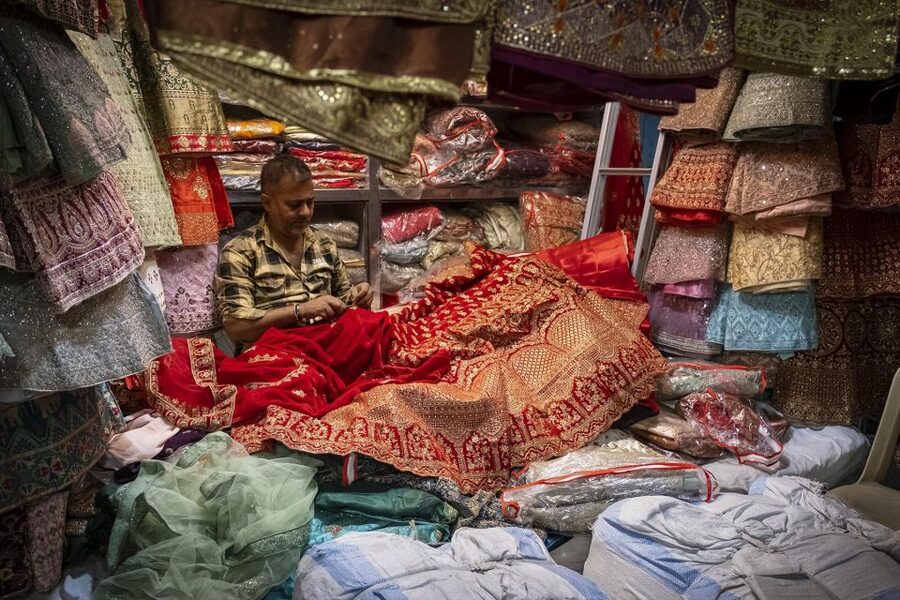
Mangaldas Market shifts the focus from food to textiles. It is described as Mumbai’s largest indoor wholesale textile market, where local people buy clothing. This makes it a useful counterpoint to Crawford Market.
You are likely to see a more specialized trading environment here, with fabric and traditional Indian clothing replacing produce and meat. The tour passes through and around the market in roughly 10 minutes, so you should not expect time for a serious shopping session.
That short stop can still be valuable. A guide can help you understand how the market serves local buyers rather than tourists looking for a tidy row of souvenir shops. If you want to purchase clothing, ask in advance how much time the group can spare. The schedule is built around seeing the market, not bargaining through several stalls.
The contrast between Crawford and Mangaldas is one of the route’s strongest ideas. One shows daily food supply. The other shows clothing commerce. Together, they explain more about ordinary city life than a string of monuments would.
Same country, a different morning at the gates:
- Mahabalipuram tour by Tourism Ministry approved company
★ 5.0 · 405 reviews - Mahabalipuram & Kanchipuram by tourism ministry approved company
★ 5.0 · 264 reviews - Foodies Day Out at Madurai
★ 5.0 · 253 reviews - Taj Mahal Sunrise with Lord Shiva Temple:- All Inclusive
★ 5.0 · 207 reviews
Zaveri Bazaar and the older lanes
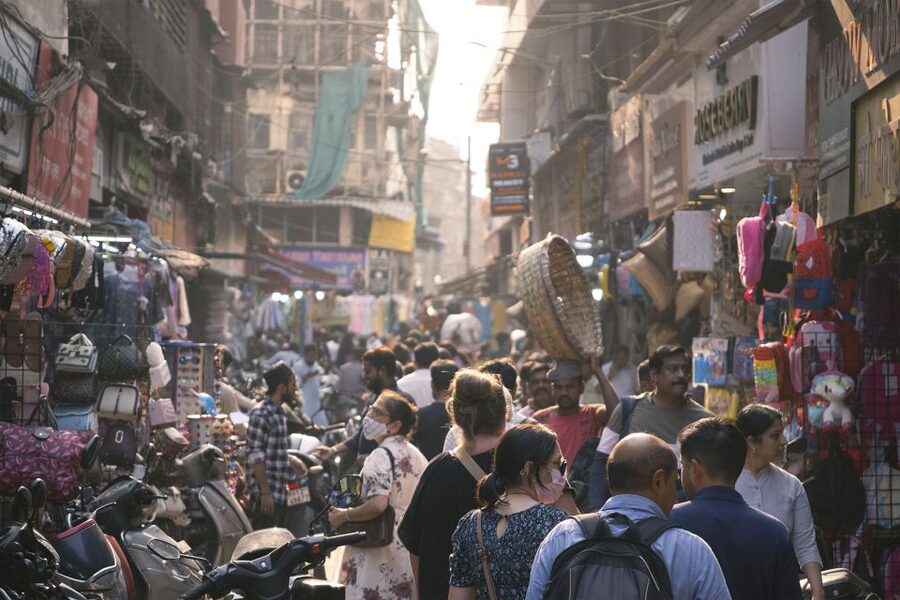
Zaveri Bazaar adds jewelry and one of the area’s best-known commercial streets. The stop lasts about 10 minutes and includes guided sightseeing.
The route through Zaveri Bazaar helps you see how Mumbai’s older lanes mix business and religion. Stores and workshops occupy the same crowded district as temples, food places, and historic streets. The exact balance of walking and passing by may depend on the group and the day.
Do not expect a full jewelry-shopping appointment. The schedule gives you a look at the district and its role in Mumbai’s commerce. If you are interested in buying anything valuable, this tour is not the right setting for careful comparison. Its purpose is to show you the neighborhood and explain what makes it important.
A brief pass by a local restaurant follows. Food is not included, and this is not advertised as a tasting tour. You might see where local meals are served, but you should not count on a meal or snack being part of the program.
Mumbadevi Temple and the name Mumbai
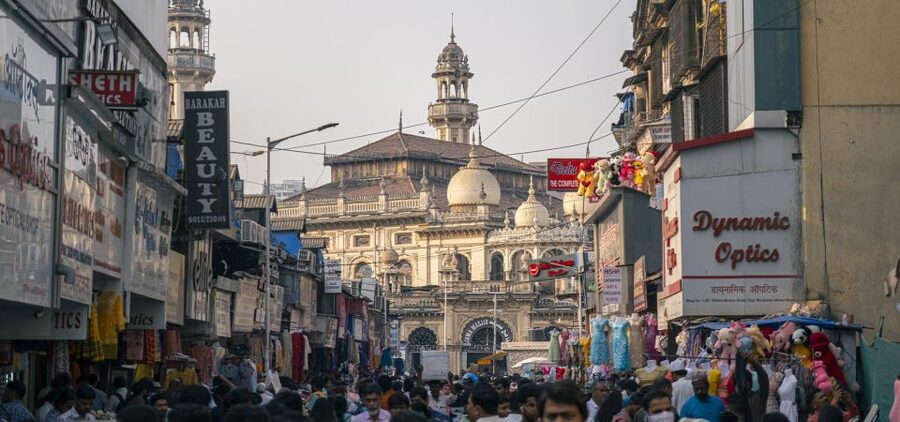
The visit to Mumbadevi Temple is one of the route’s key cultural stops. This historic Hindu temple is connected to Mumbadevi, the deity whose name is linked to Mumbai.
The temple gives the market district a religious center. After seeing goods move through commercial lanes, you encounter a place shaped by worship and devotion. That shift helps explain why the city’s older neighborhoods cannot be understood through architecture or shopping alone.
The temple visit is scheduled for about 10 minutes. That means you should expect a short guided look rather than a long religious tour. Dress and behave respectfully, follow the guide’s instructions, and remember that this is an active place of worship.
One piece of feedback wished for more famous temples. That is a fair limitation to keep in mind. Mumbadevi Temple is important because of its connection to Mumbai, but it may not satisfy you if your main goal is to see several grand or widely known religious monuments.
Still, I like its place in this route. It is not an isolated temple visit. It sits naturally among the older lanes and markets, showing how commerce and faith share the same streets.
Shri Mumbai Panjrapole and more than 350 cows
The final major stop is Shri Mumbai Panjrapole, a cow sanctuary devoted to the welfare of more than 350 cows. It offers a quieter and more unusual ending after the noise of the markets.
The stop lasts around 15 minutes. You get a look at the shelter and learn why cows hold such an important place in Indian religious and cultural life. The visit also adds an animal-welfare element to the tour, giving you something different from temples and trade.
The phrase cows rule supreme can sound lighthearted, but the stop is more meaningful than a novelty visit. It helps connect a familiar symbol of India with a working sanctuary and the practical care of animals.
Keep your expectations measured. This is a short guided visit, not a long volunteer session or a full animal-care program. The attraction is the chance to see a side of Mumbai that many city tours skip.
What the guides add to a fast route
This experience depends heavily on the guide. The route covers several places in a short span, so explanations are what turn a walk into a useful introduction.
Rakesh is described as gentle, well spoken, and passionate about the markets and temple. His devotion was especially appreciated, which suggests he may bring personal feeling to the religious parts of the route. Javid is praised for being kind, personable, and well informed about local history and culture.
Those details matter because the tour includes subjects that benefit from context. A market can look like a wall of stalls if nobody explains what is sold there and who uses it. A temple can seem like a quick photo stop if you do not know its connection to the city’s name. A cow shelter needs explanation to make sense within the larger culture.
The overall rating is 4.6 from 45 reviews, a strong result. The praise centers on the guides, the explanations, and the range of markets and temples. The one clear concern is that some people may want more iconic temples. Go in expecting local texture and practical context rather than a grand-monument tour.
Timing, cost, and who will get the most from it
At $27 per person, the price is reasonable for a guided private-market walk with a cab transfer and included water or cold drinks. You are paying less for entrance-ticket spectacle and more for access, orientation, and interpretation.
The price looks best if you have limited time in Mumbai, want help handling the market district, or prefer a guide to explain local customs. It is also useful early in a stay, when you want to understand the city before exploring on your own.
You may find less value here if you already know Crawford Market, Mangaldas Market, Zaveri Bazaar, and Mumbadevi Temple well. Independent walkers who enjoy getting lost in markets may prefer to spend three hours in one area rather than follow a set route.
The tour can be booked for a private group. That is worth considering if you want to ask more questions, set a comfortable walking pace, or keep the experience focused on your interests. The provided details do not state the standard group size, so check the selected option before booking.
The tour ends at one of two listed drop-off areas: Chhatrapati Shivaji Terminus or Charni Road Railway Station in Girgaon. Confirm which option applies to your booking, especially if you have a train, transfer, or timed reservation afterward.
Free cancellation is available up to 24 hours before the start, and you can reserve now and pay later. Those policies help if your Mumbai schedule is still moving around, but the most important practical choice is your start time and meeting-point option.
A few smart ways to prepare
Bring water-friendly footwear and keep your belongings secure in crowded lanes. The route is active, and you will spend time walking through working markets rather than quiet exhibition spaces.
Allow extra time after the tour if you plan to continue sightseeing. The listed drop-offs make it easy to connect with another part of central Mumbai, but traffic and the pace of the group can affect your exact finish.
Do not book this expecting lunch. Food is not included, and the local restaurant is only a brief stop or pass by. Eat beforehand or plan a meal afterward.
Finally, keep an open mind about the word market. Crawford and Mangaldas are not simply shopping attractions. They show how Mumbai feeds, clothes, and serves itself. That everyday purpose is the best reason to take the tour.
Should you book the Mumbai markets and temples tour?
Book it if you want a compact, guided look at Mumbai’s working heart. The combination of Crawford Market, Mangaldas Market, Zaveri Bazaar, Mumbadevi Temple, and a 350-cow sanctuary gives you a broad introduction for $27.
Choose it especially if you value local stories and cultural context. Guides such as Rakesh and Javid appear to bring warmth and personal understanding to the route, which is important when the schedule moves quickly.
Skip it if you want grand temples, a relaxed shopping afternoon, or a food-focused tour. For everyone else, this is a practical first taste of old Mumbai, with enough variety to keep the three hours moving.
FAQ
Where does the tour start?
The tour has two starting location options listed at Regal Cinema. The exact meeting point may vary depending on the option you book.
How long does the tour last?
The tour lasts approximately two and a half to three hours.
What languages are available?
The tour is conducted in English with a live English-speaking guide.
Is transportation included?
A black-cab transfer of about 15 minutes is included in the route from the starting area toward Crawford Market. Hotel pickup and drop-off are not included.
What markets are visited?
The route includes Crawford Market, Mangaldas Market, and Zaveri Bazaar. It also introduces you to lesser-known market areas such as Flower Alley.
Does the tour include food?
No. Food is not included. Water or cold drinks are included.
Is Mumbadevi Temple part of the tour?
Yes. The route includes a guided visit to Mumbadevi Temple, the historic Hindu temple connected to the name Mumbai.
Can I cancel or pay later?
You can cancel up to 24 hours in advance for a full refund. The reserve-now, pay-later option lets you book without paying on the day of reservation.
Just added around India
- Chennai City Highlights – Government Museum & Temple Discovery★ 4.0 · 7 reviews
- South India Tour- Temple Architecture and Backwaters★ 5.0 · 7 reviews
- Private Day Trip to Mahabalipuram from Chennai with Expert Guide★ 5.0 · 29 reviews
- Full-Day Private Tour to the Kanchipuram Temples from Chennai★ 5.0 · 73 reviews
- Chennai & Mahabalipuram day trip with private car, Lunch & Guide★ 5.0 · 10 reviews
- Explore Mahabalipuram & Kanchipuram: A Day Trip from Chennai!★ 5.0 · 9 reviews
- Mahabalipuram and Kanchipuram Day trip from Chennai by Private car with Guide★ 5.0 · 34 reviews
- Mahabalipuram walking tour by certified travel company★ 5.0 · 10 reviews
Mumbai Temple Tours, compared.
Private Guided Spiritual Walk in Banganga Hindu Temples
Read our review →
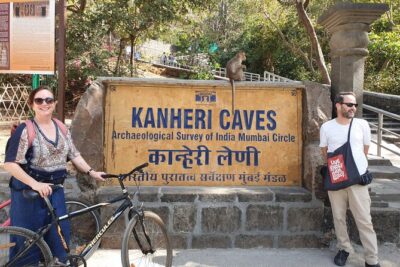
Sanjay Gandhi National Park(SGNP) + Kenheri Caves + Lion Safari + Jain Temple
Read our review →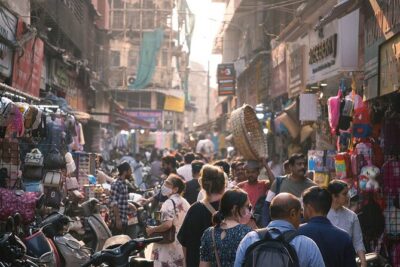
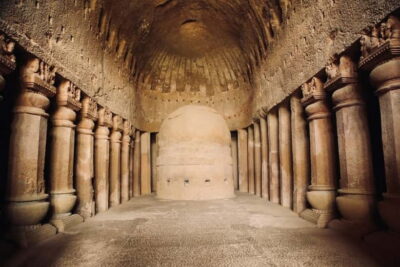
Buddhist Kanheri Caves with Golden Pagoda Temple
Read our review →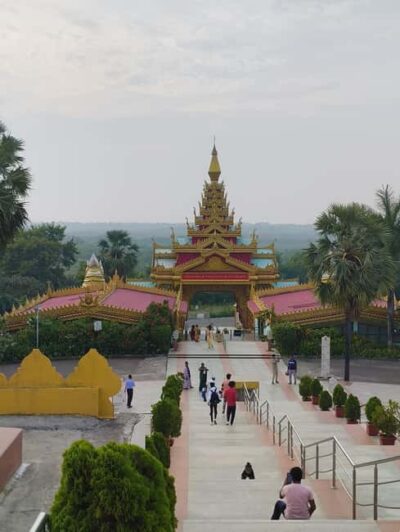
Mumbai Kanheri Caves & Golden Pagoda – A Buddhist Settlement
Read our review →
Private tour for Kanheri Caves and Golden Pagoda
Read our review →Browse the lists this tour appears in